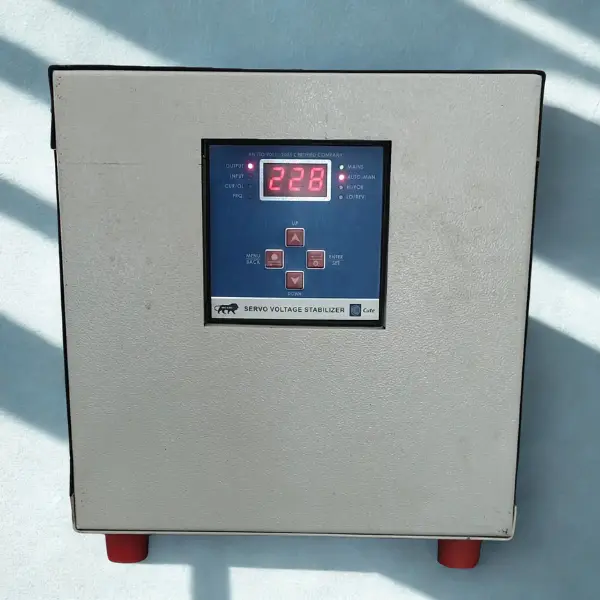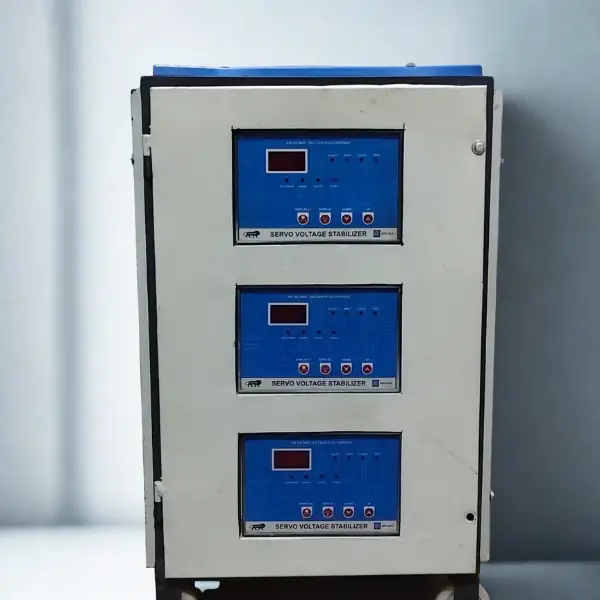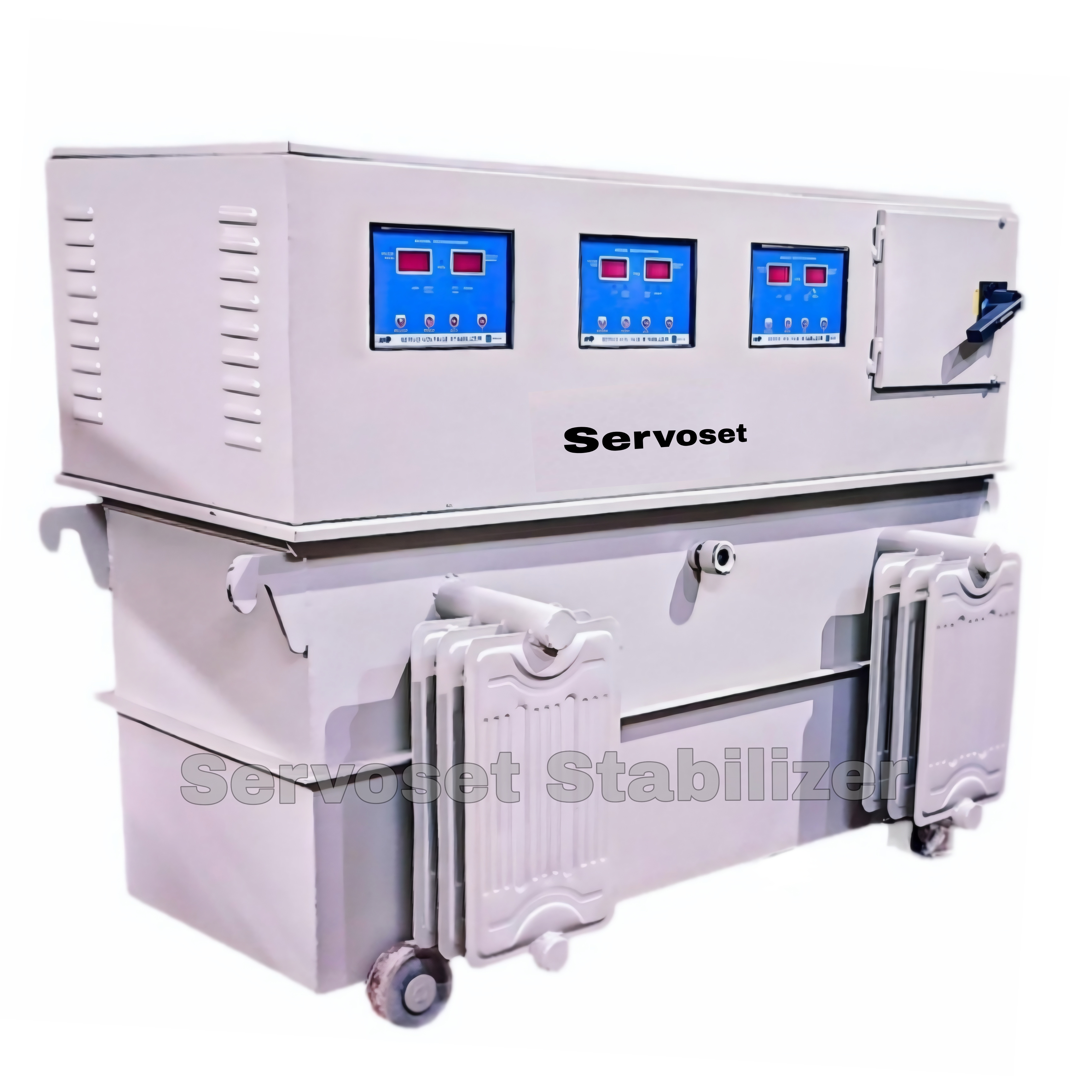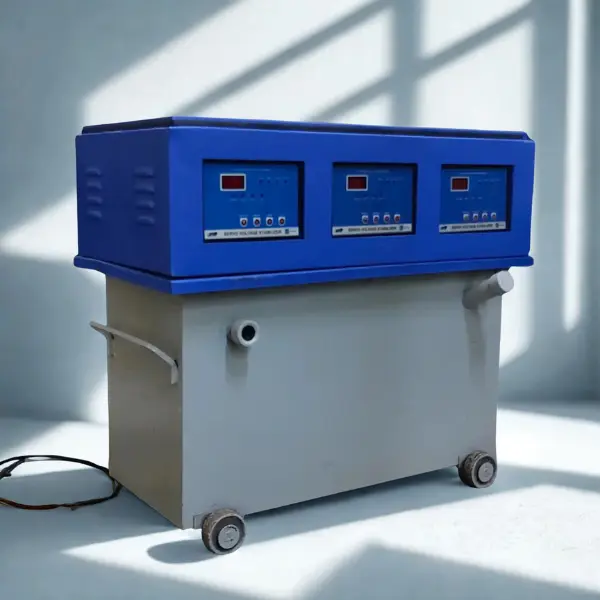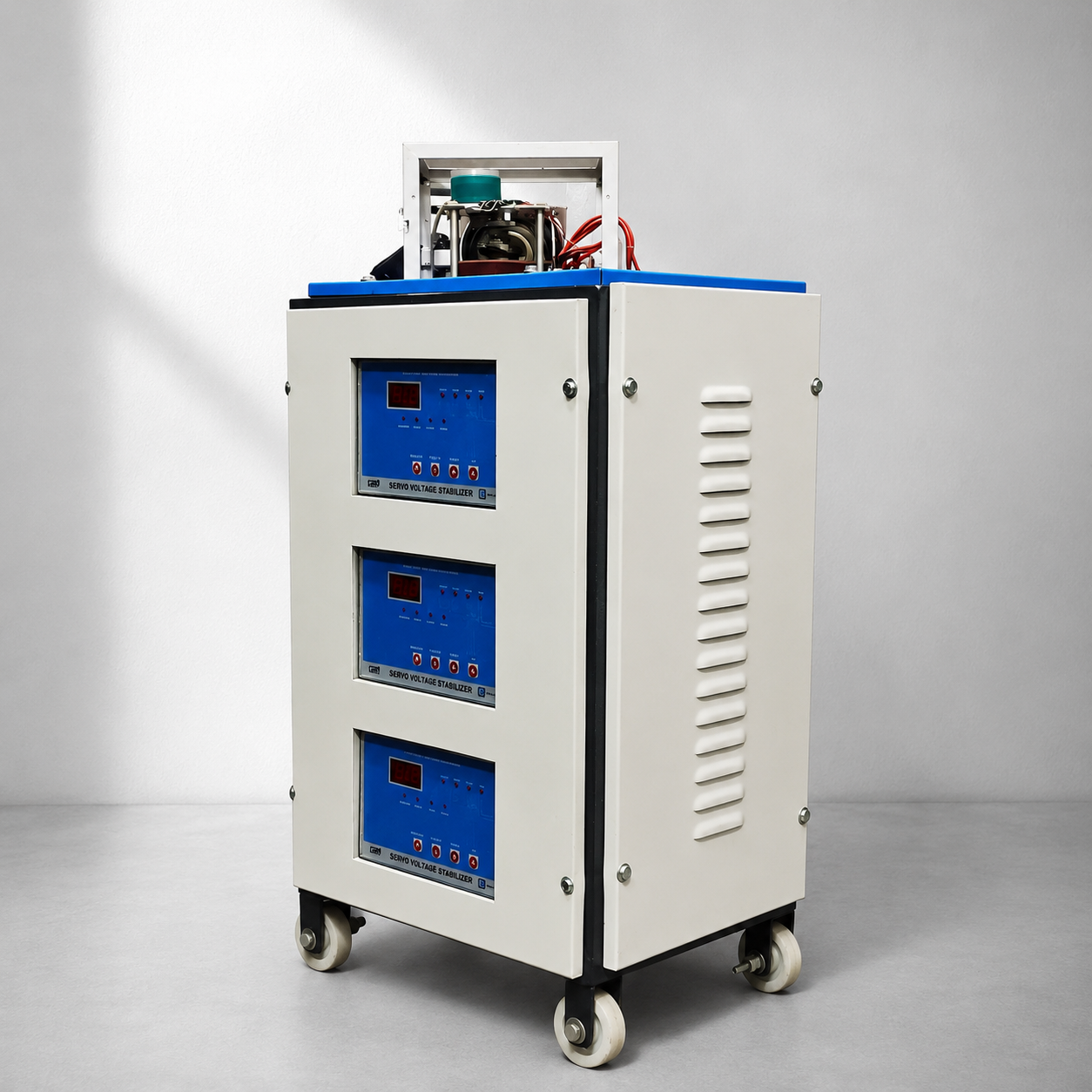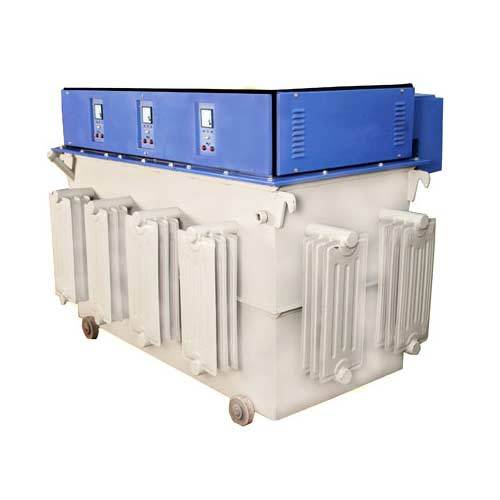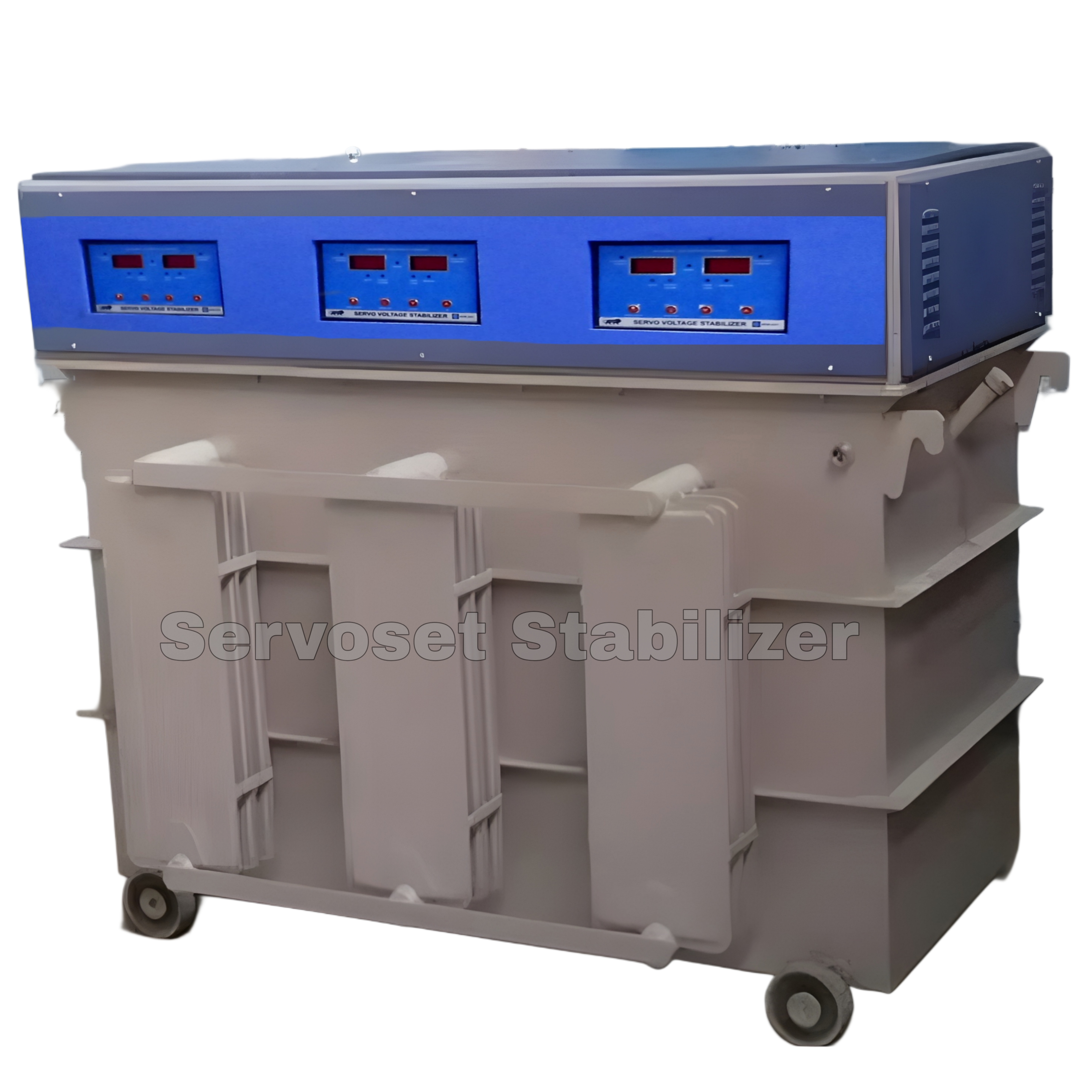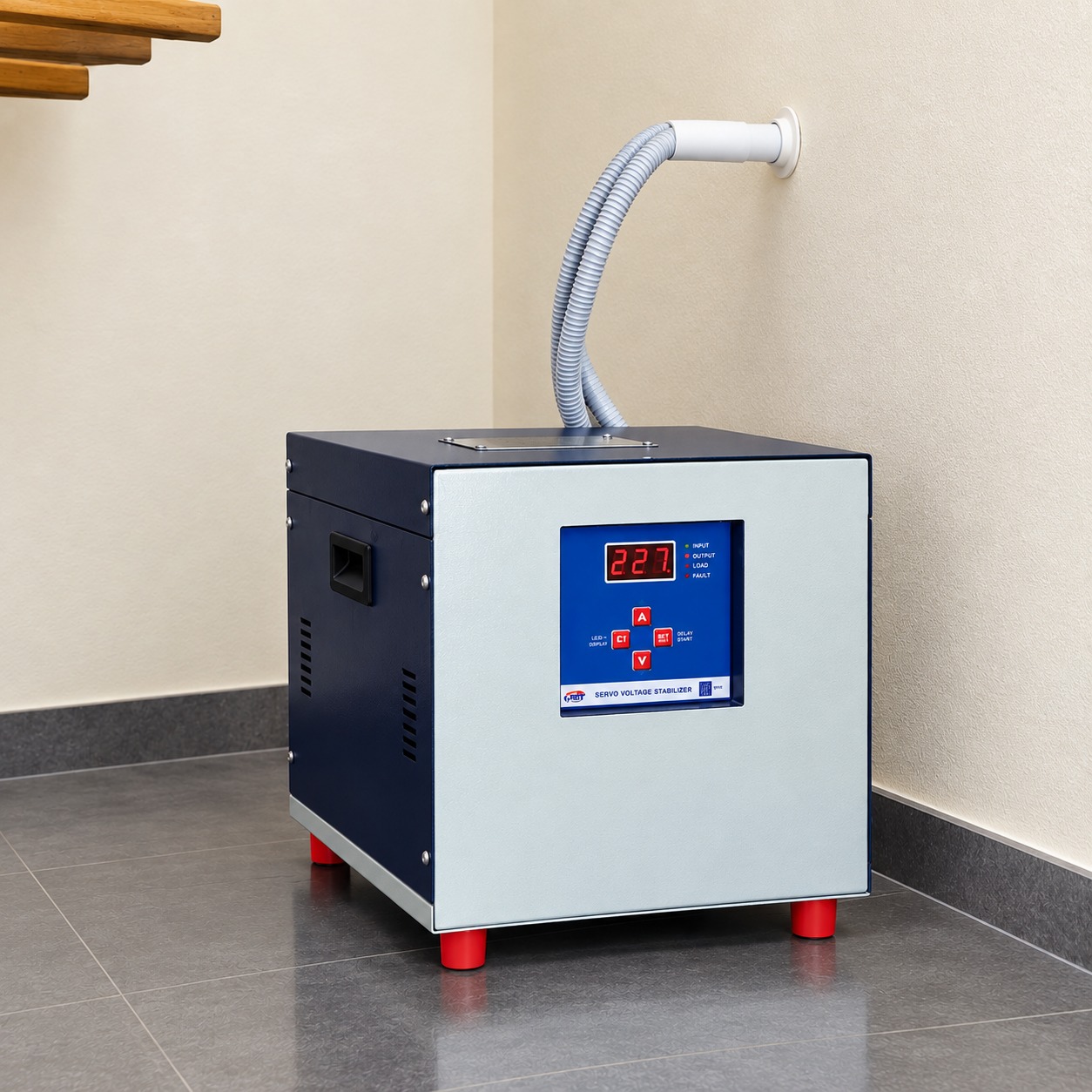
Introduction
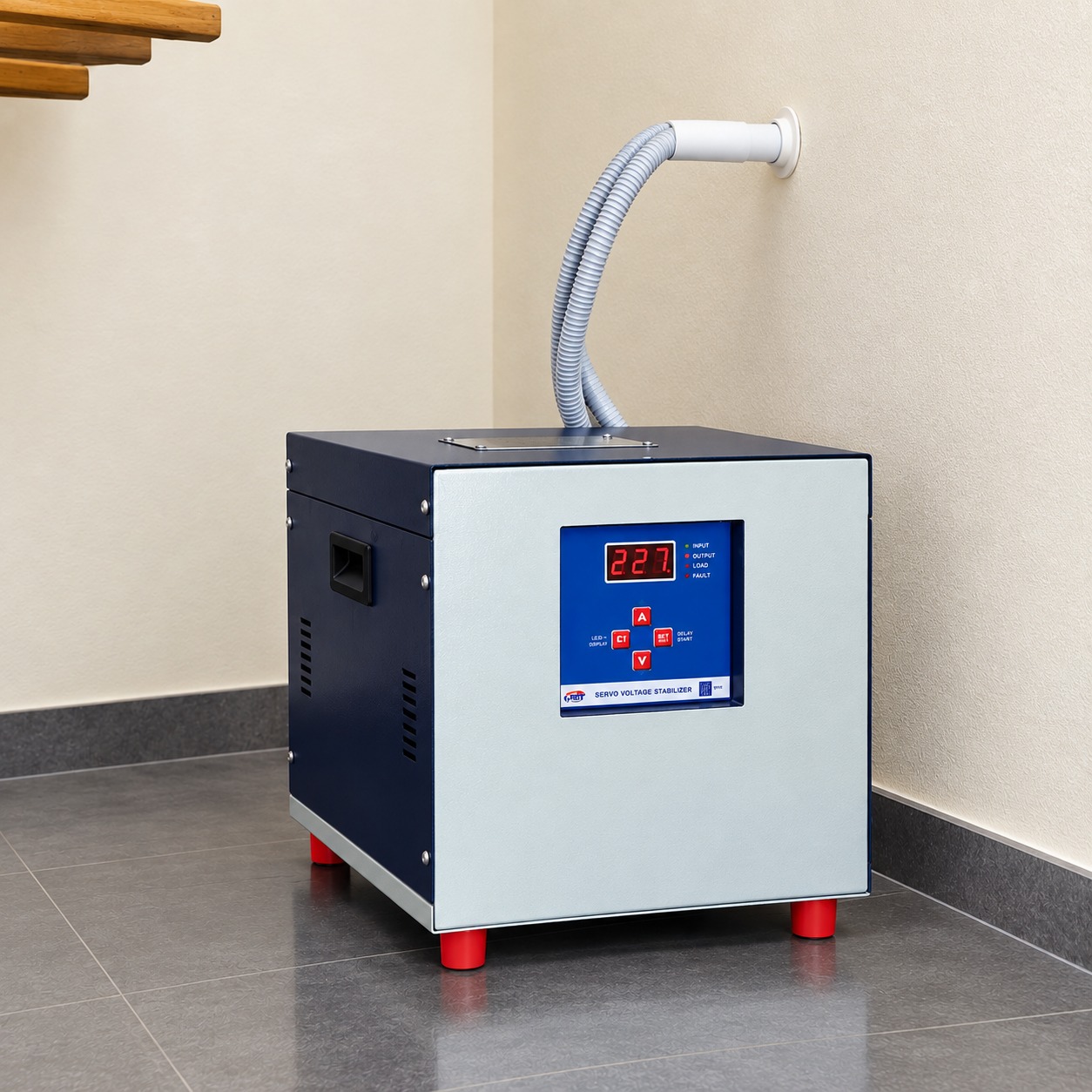
No official list exists for OEM servo voltage stabilizer suppliers in India. Most labels that say "top-rated" are simply claims from suppliers or business directories. A supplier deserves attention when it demonstrates consistent product quality, thorough testing, clear documentation, flexible design options, and dependable after-sales support. This guide explains how to evaluate these factors before placing an order.
What Does OEM Servo Stabilizer Supply Include?
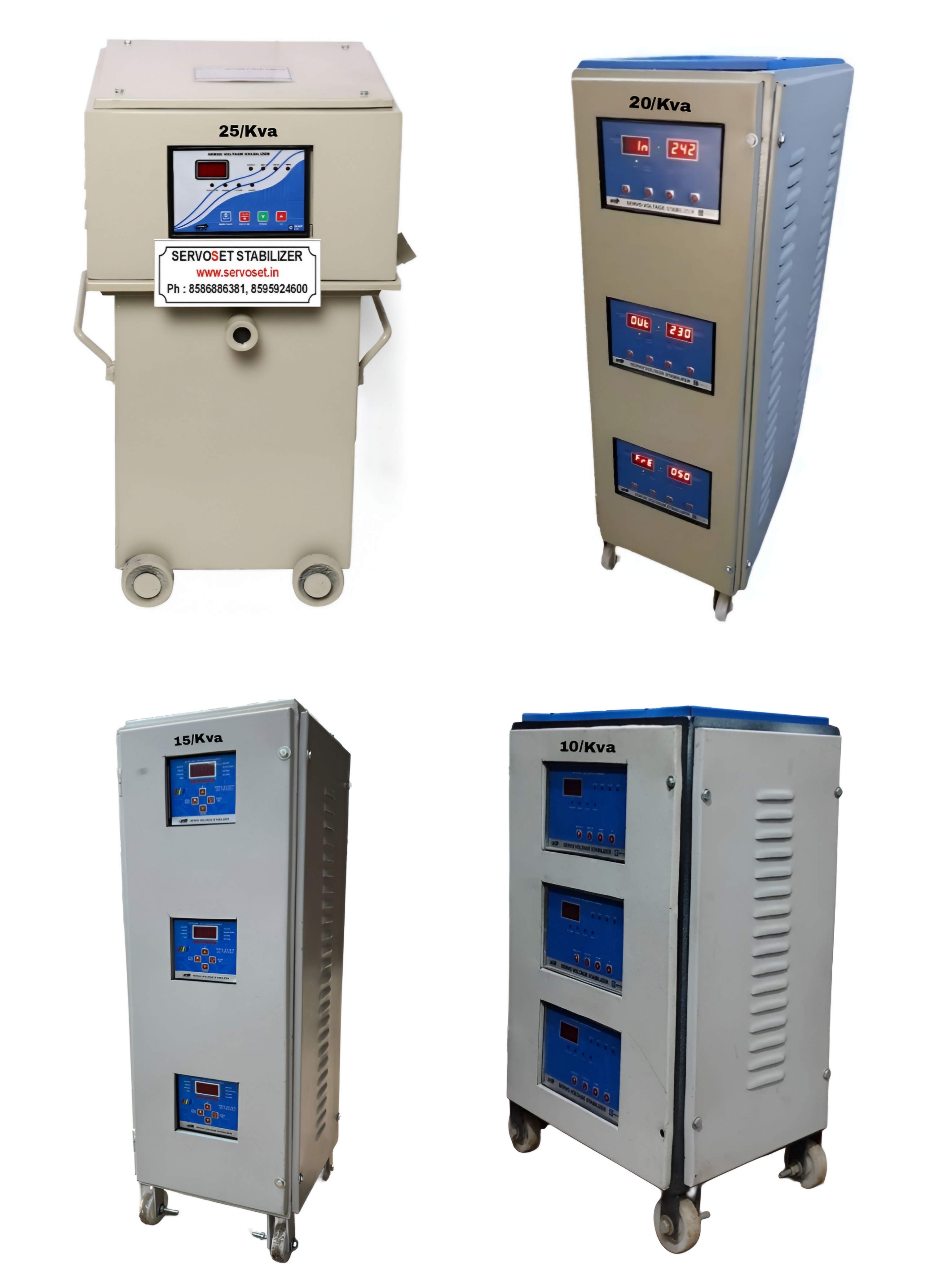
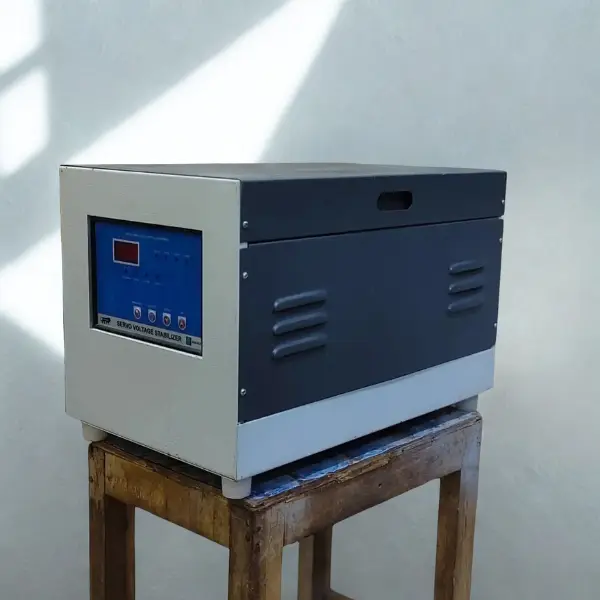
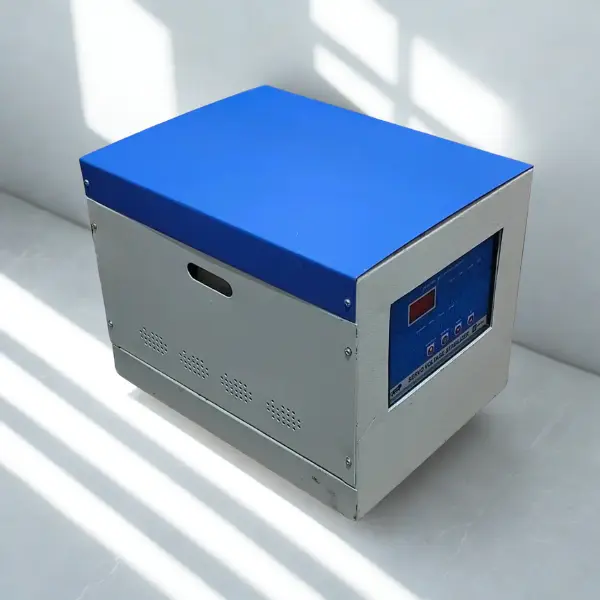
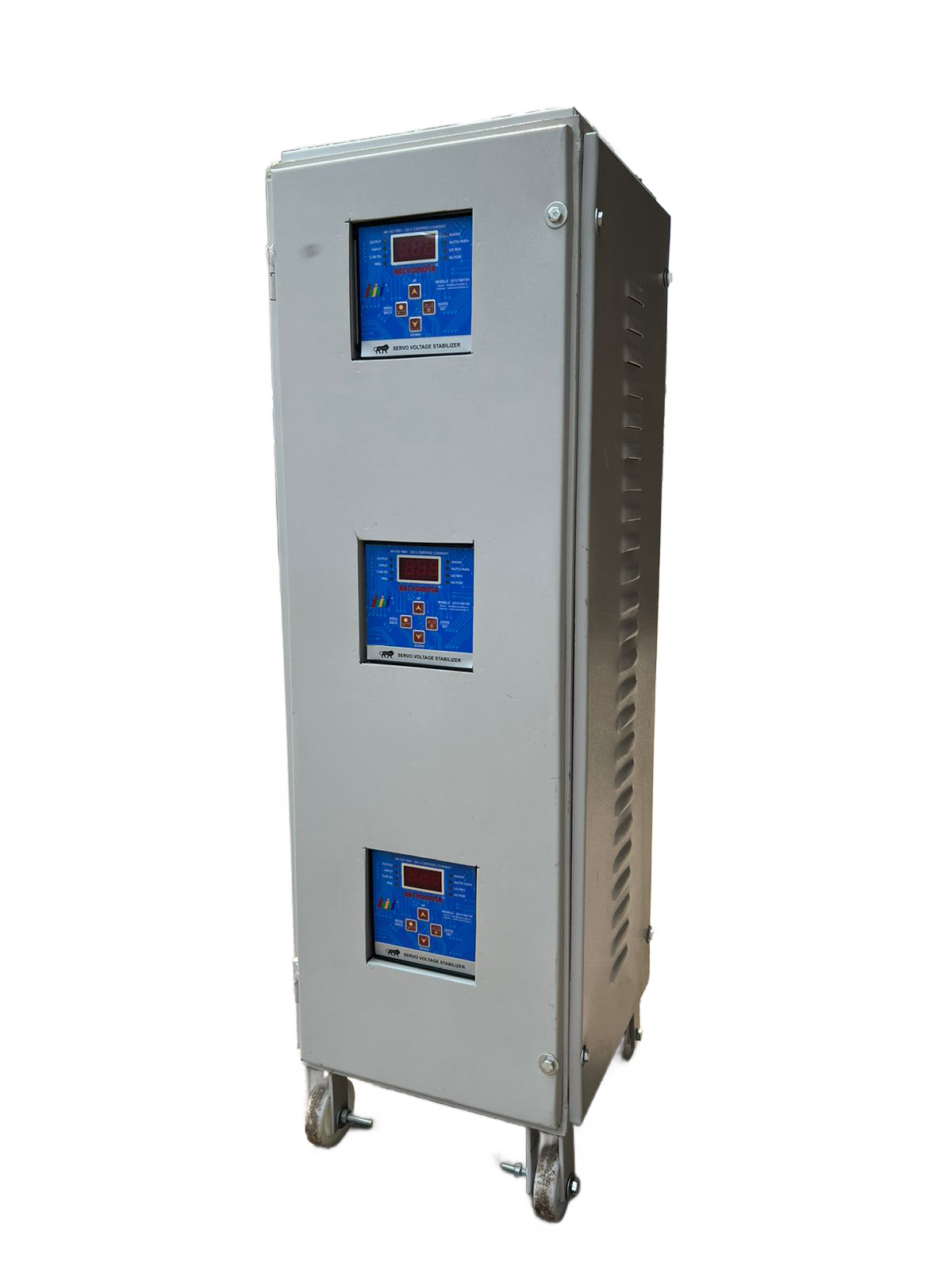
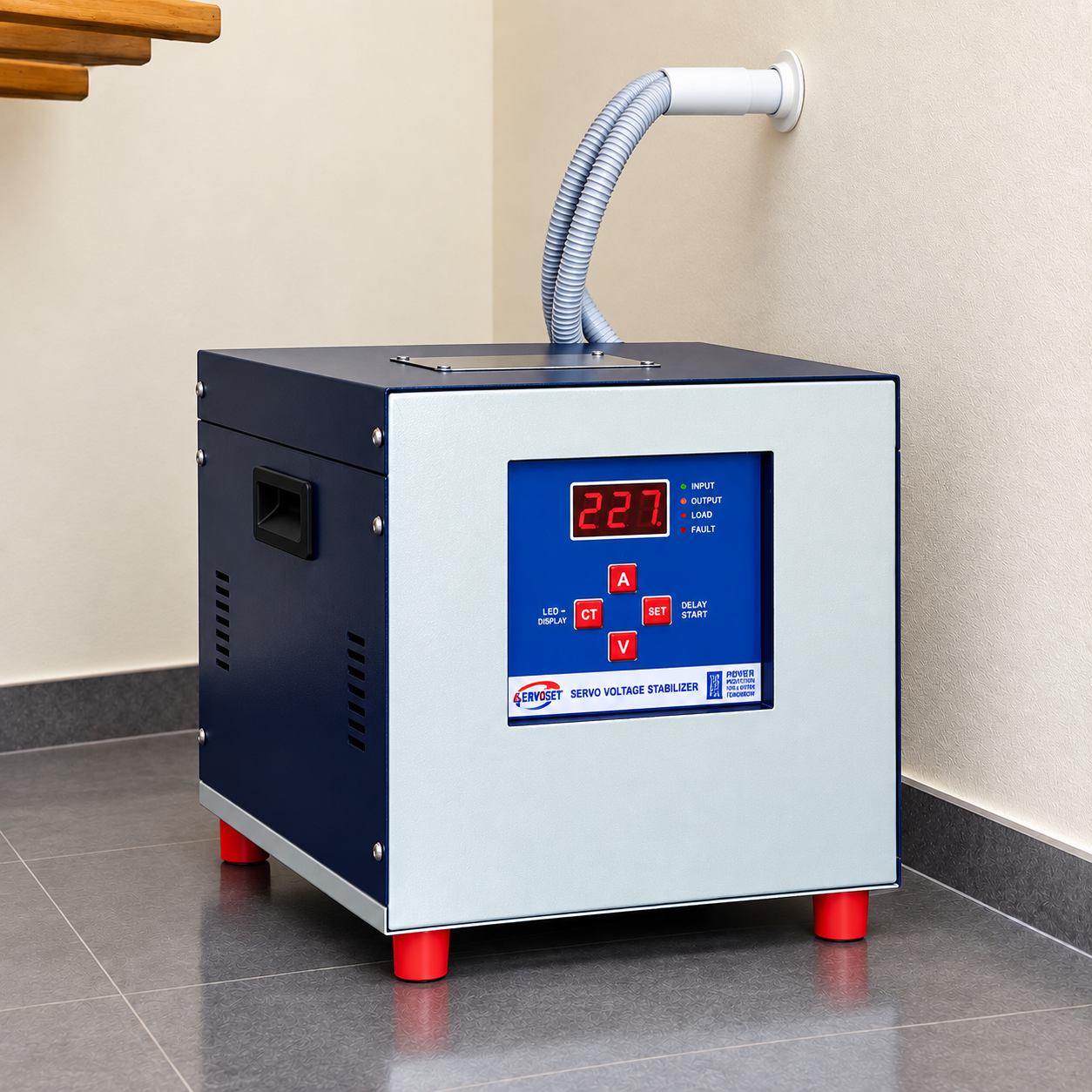
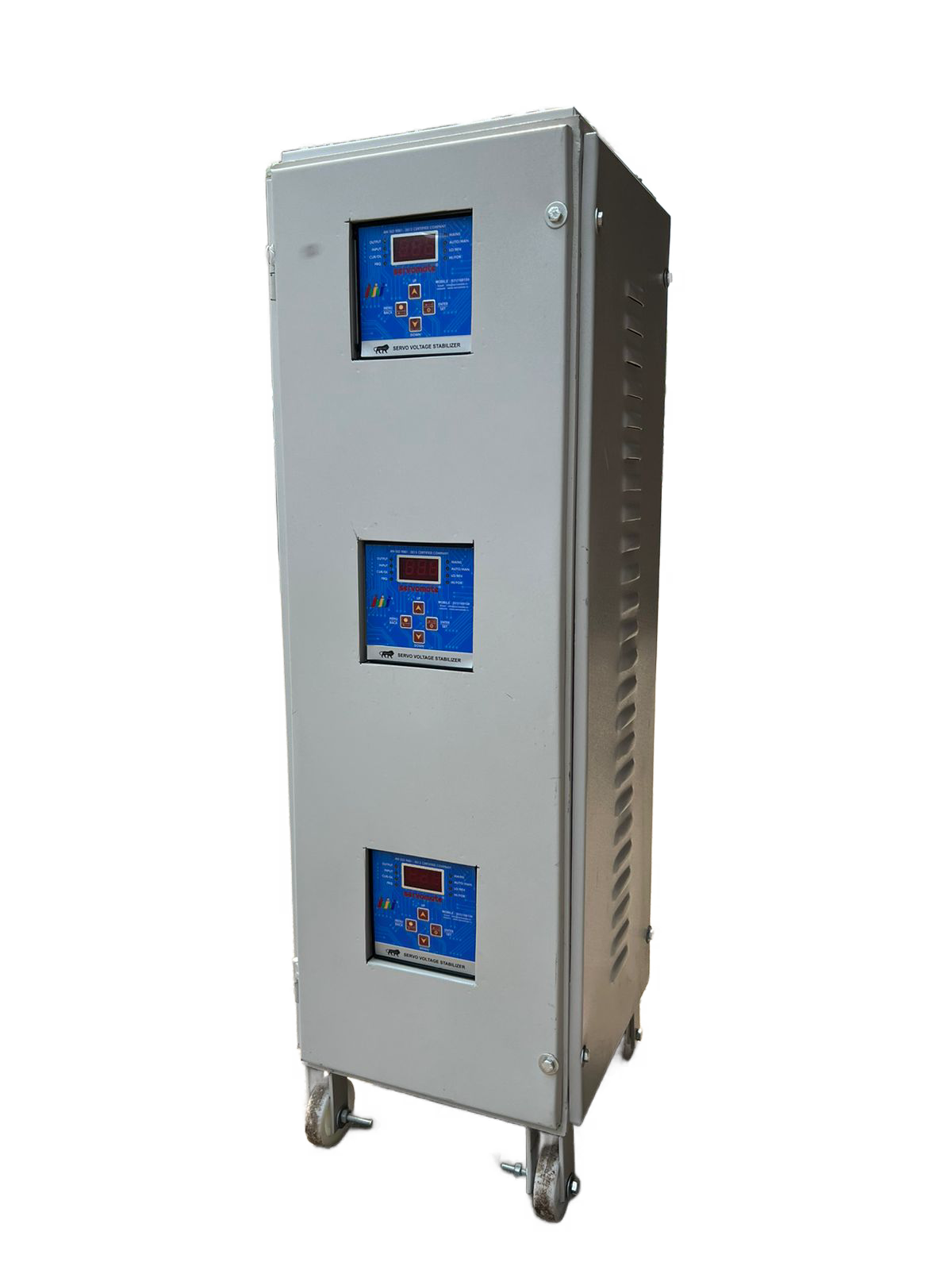
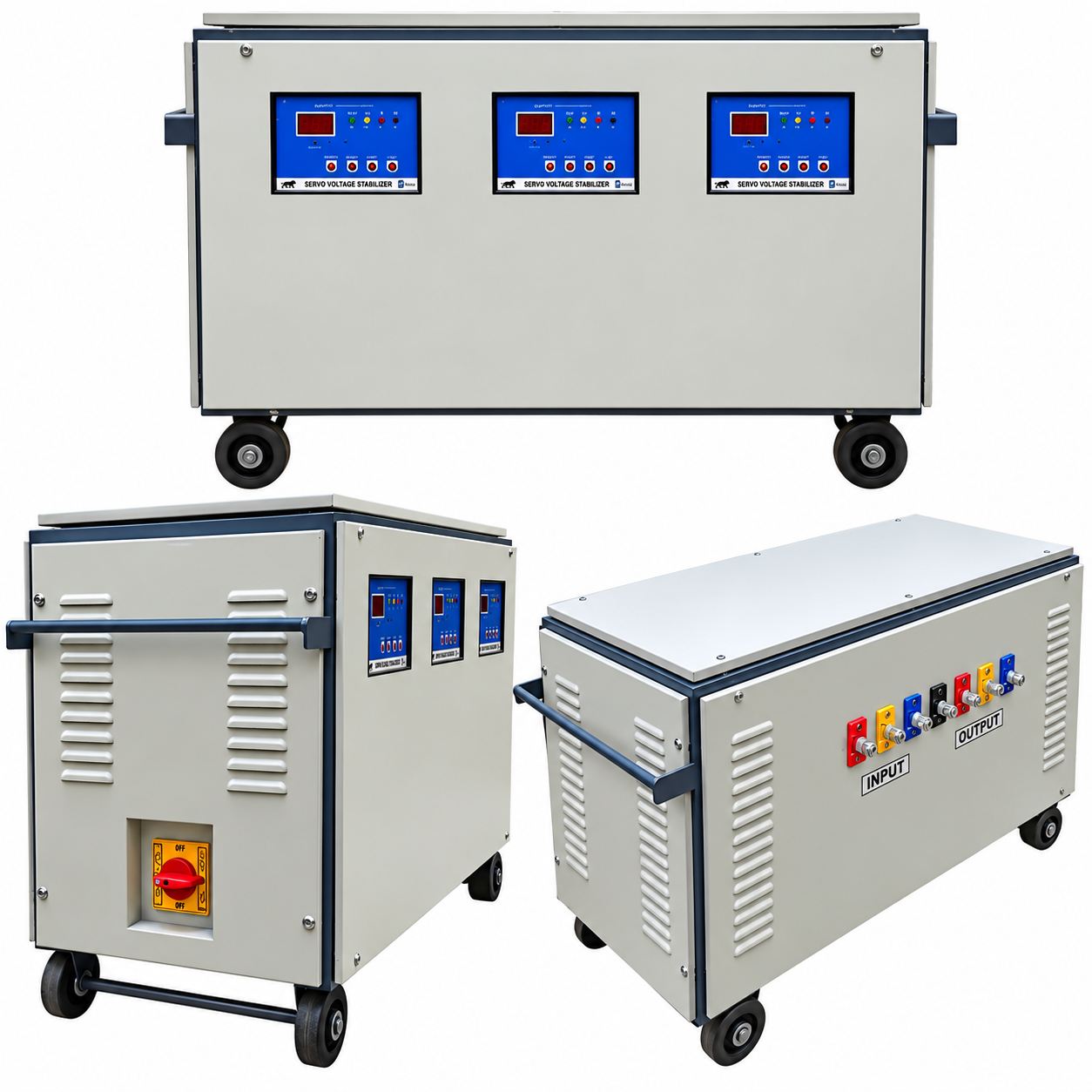
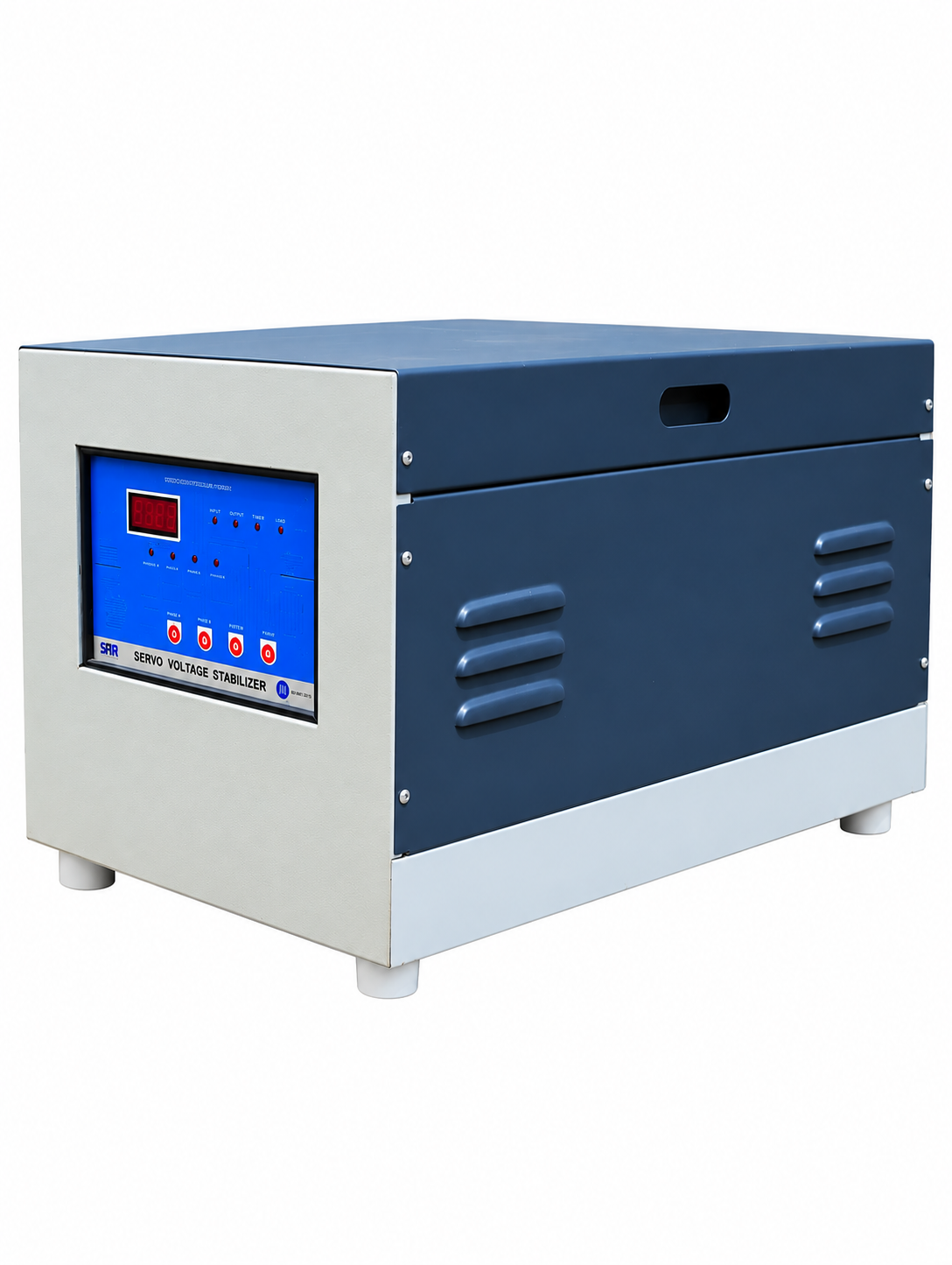
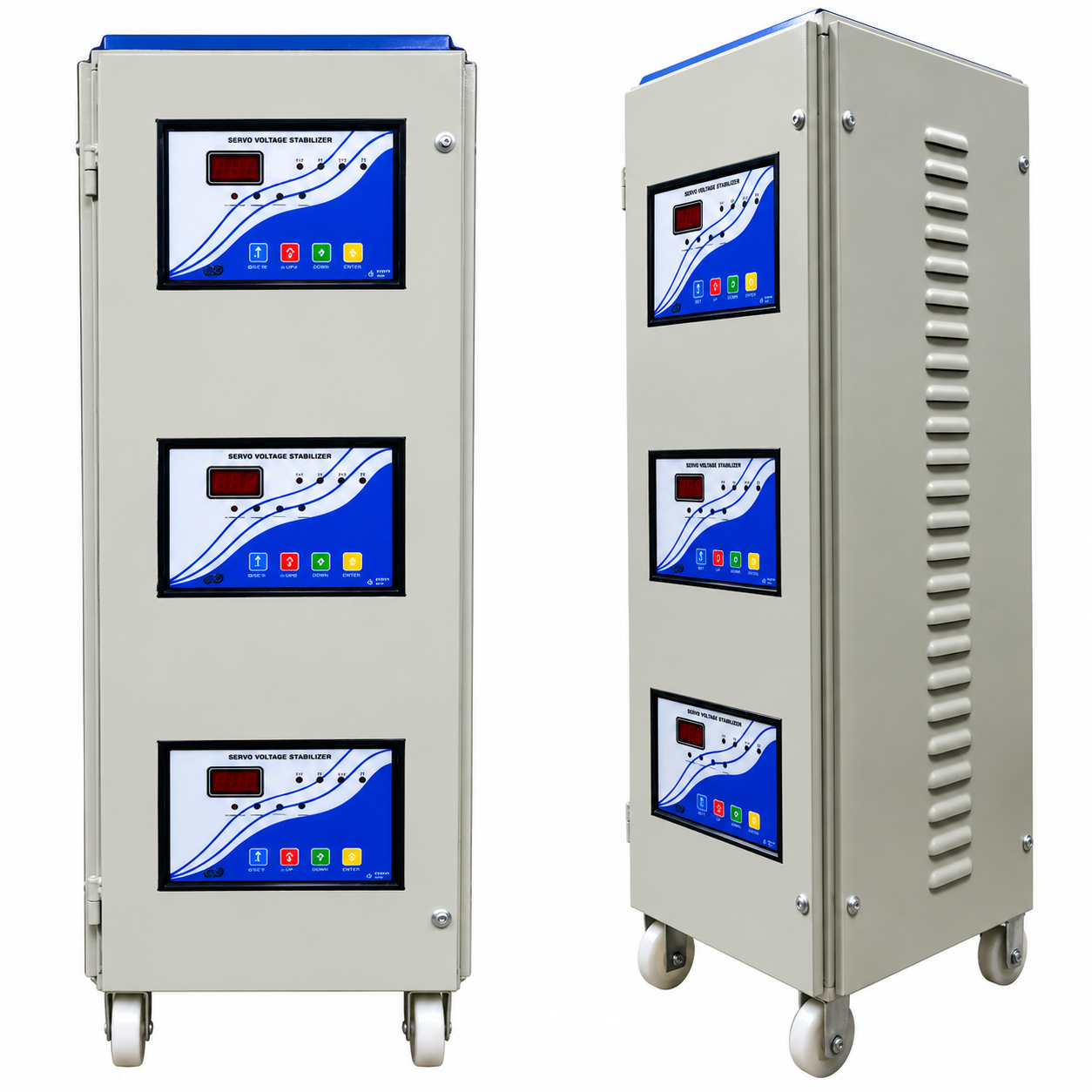
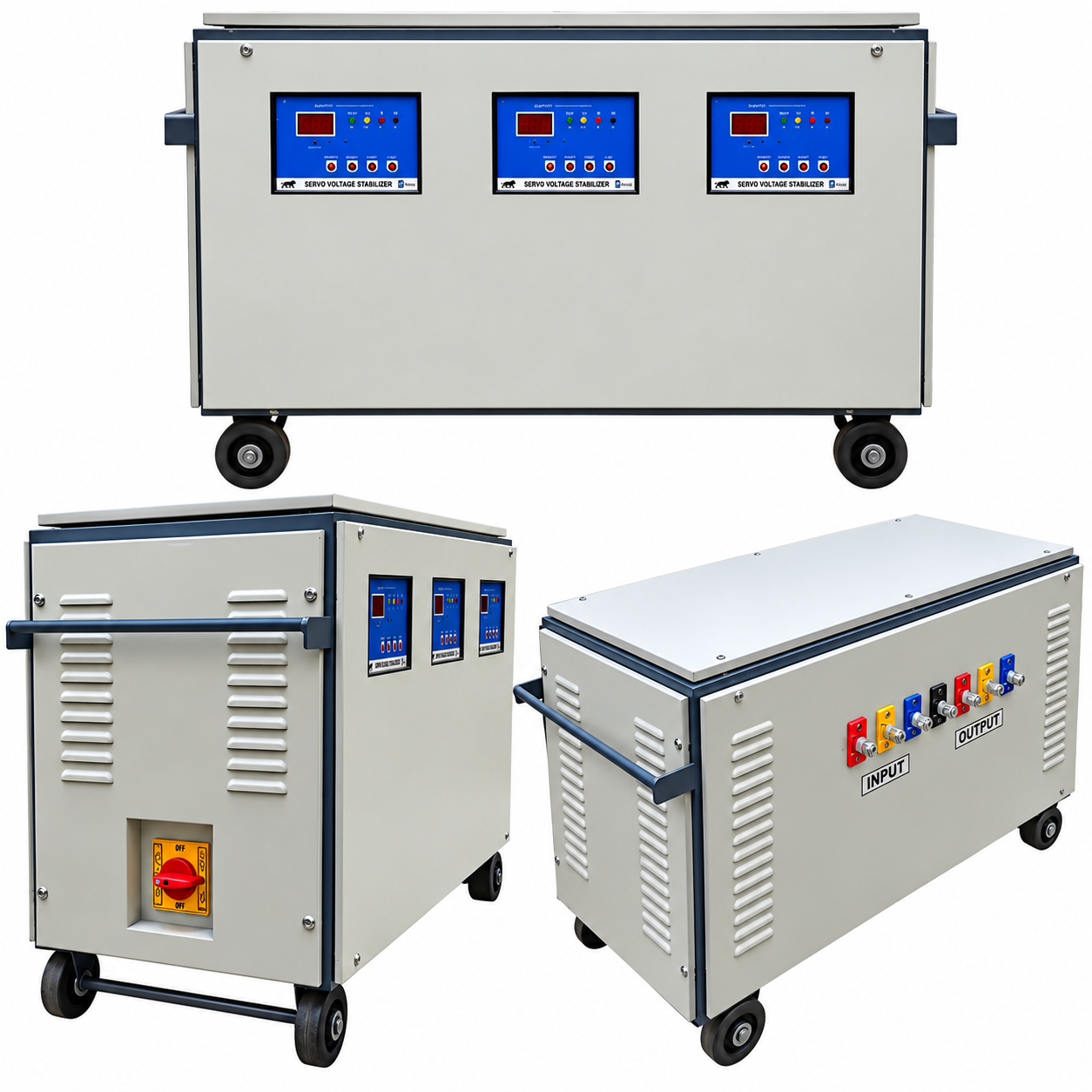
- The stabilizer is built to match your requirements, such as capacity, input voltage range, output voltage, and number of phases.
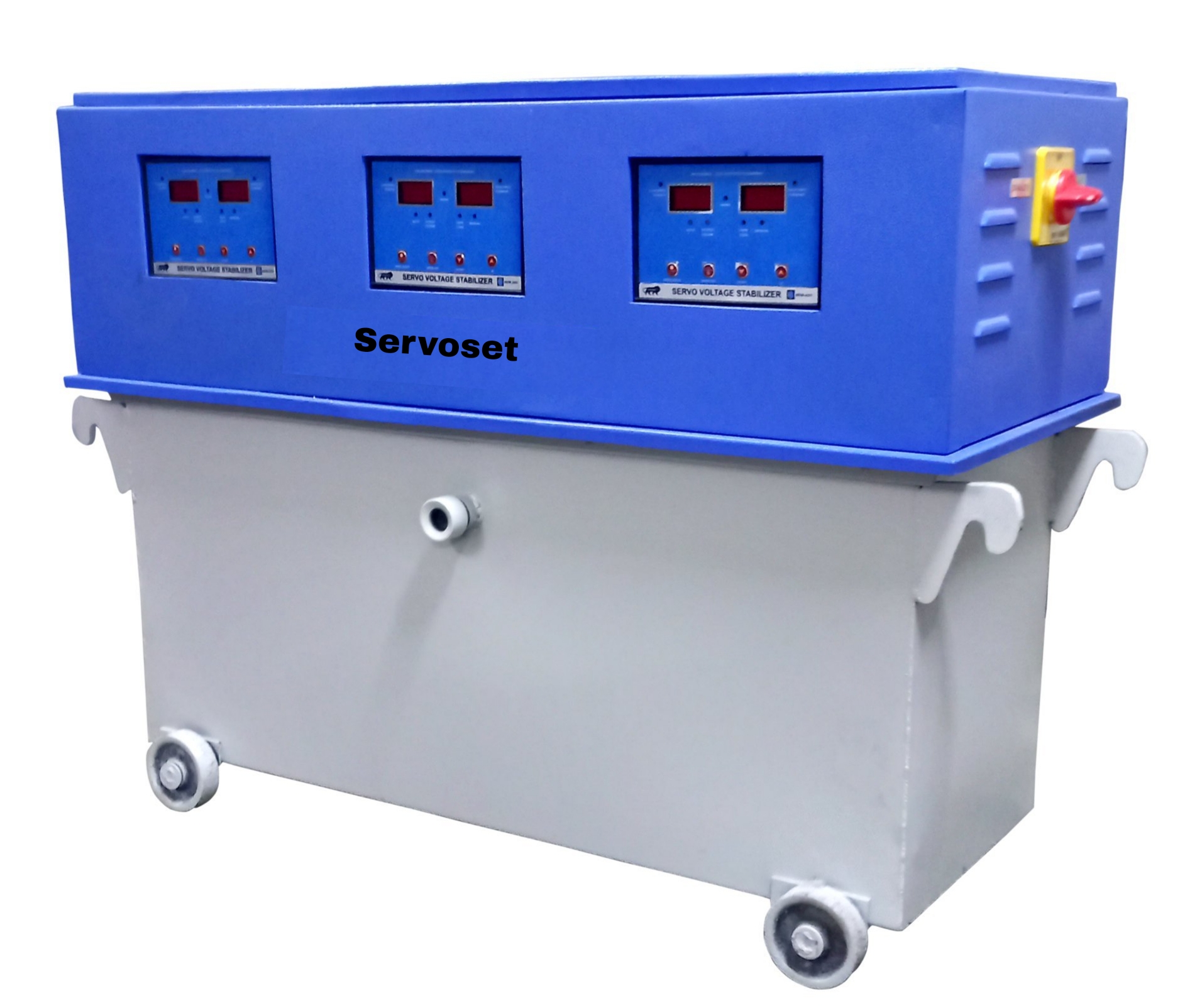
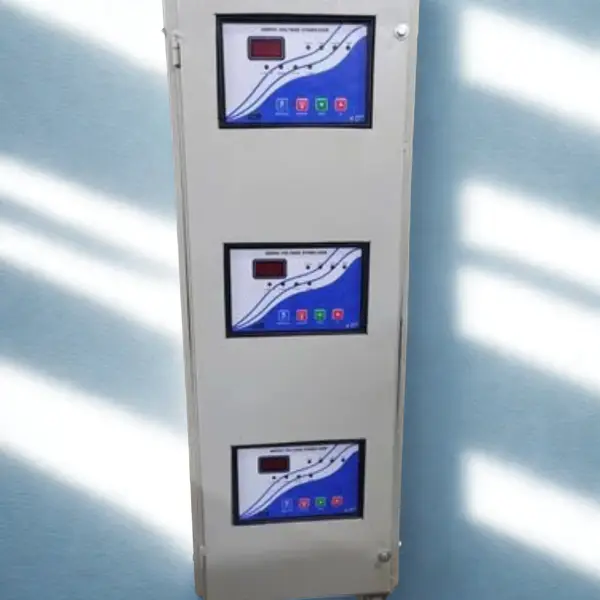
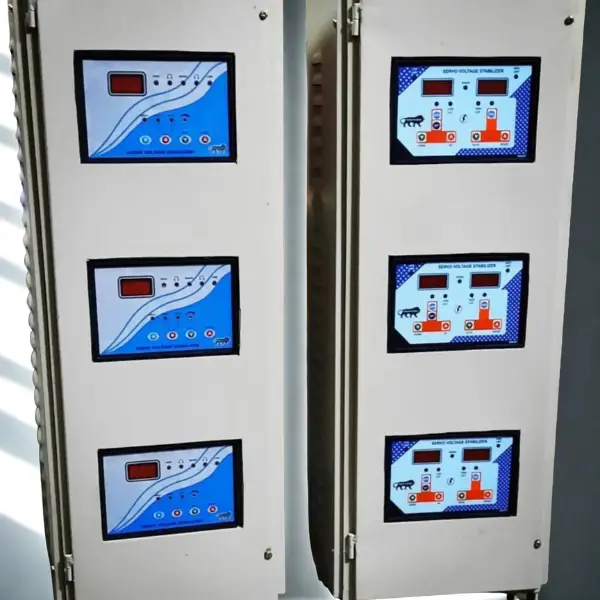
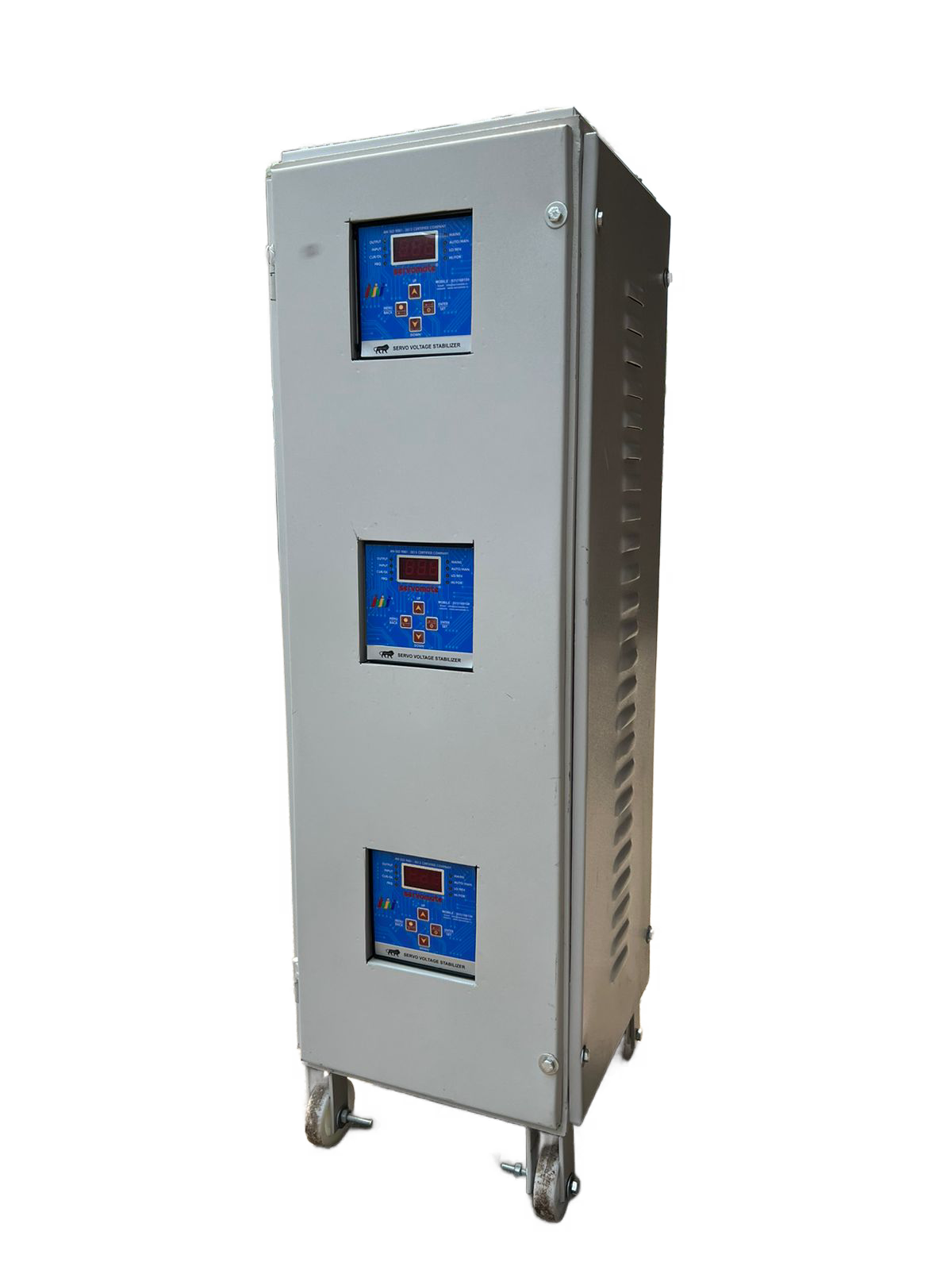
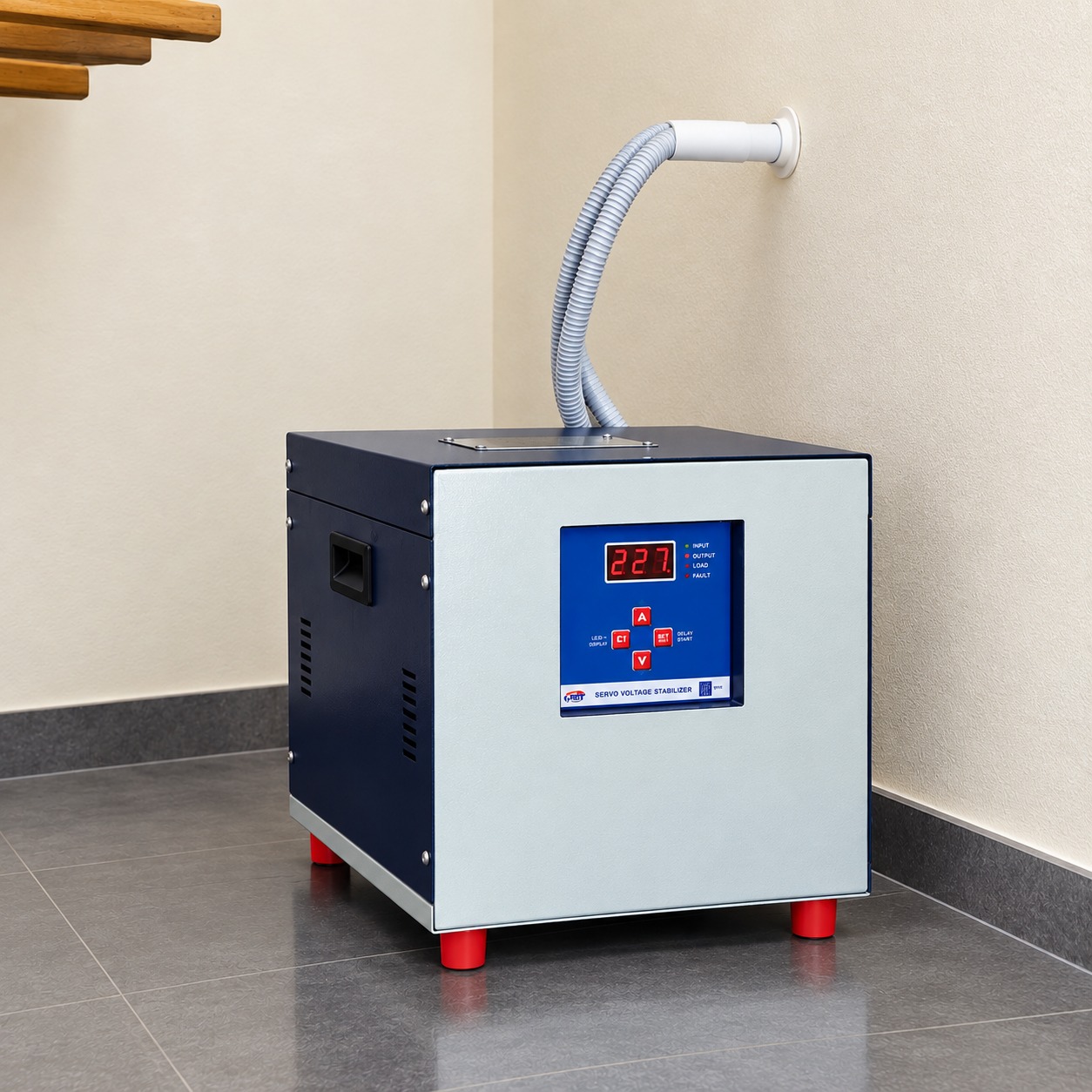
- You can customize the color, enclosure material, display type, cable entry, and mounting style to fit your product line.
- You can configure protection settings such as overvoltage, undervoltage, overload, and trip delay to match your requirements.
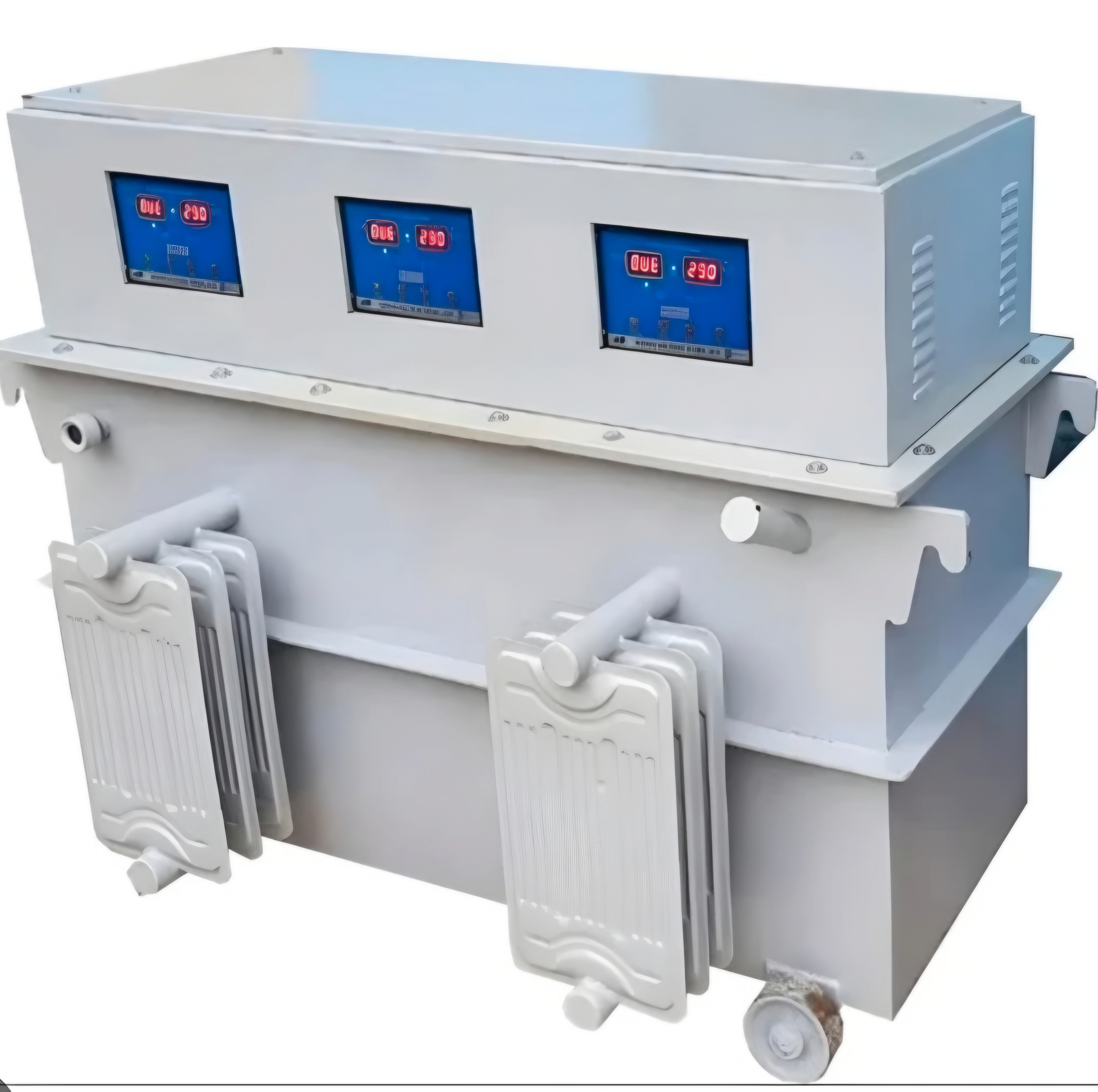
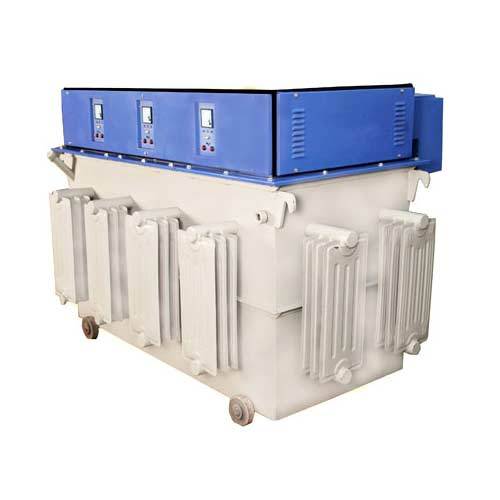
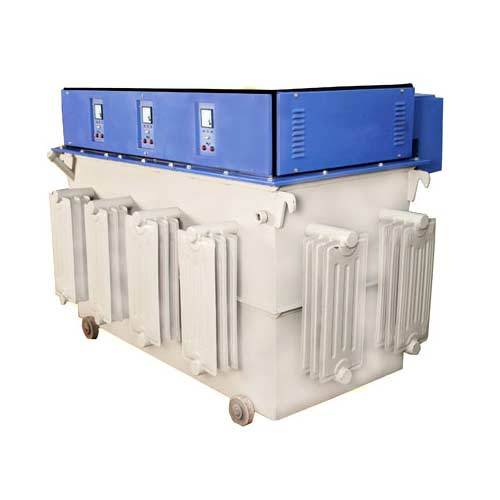
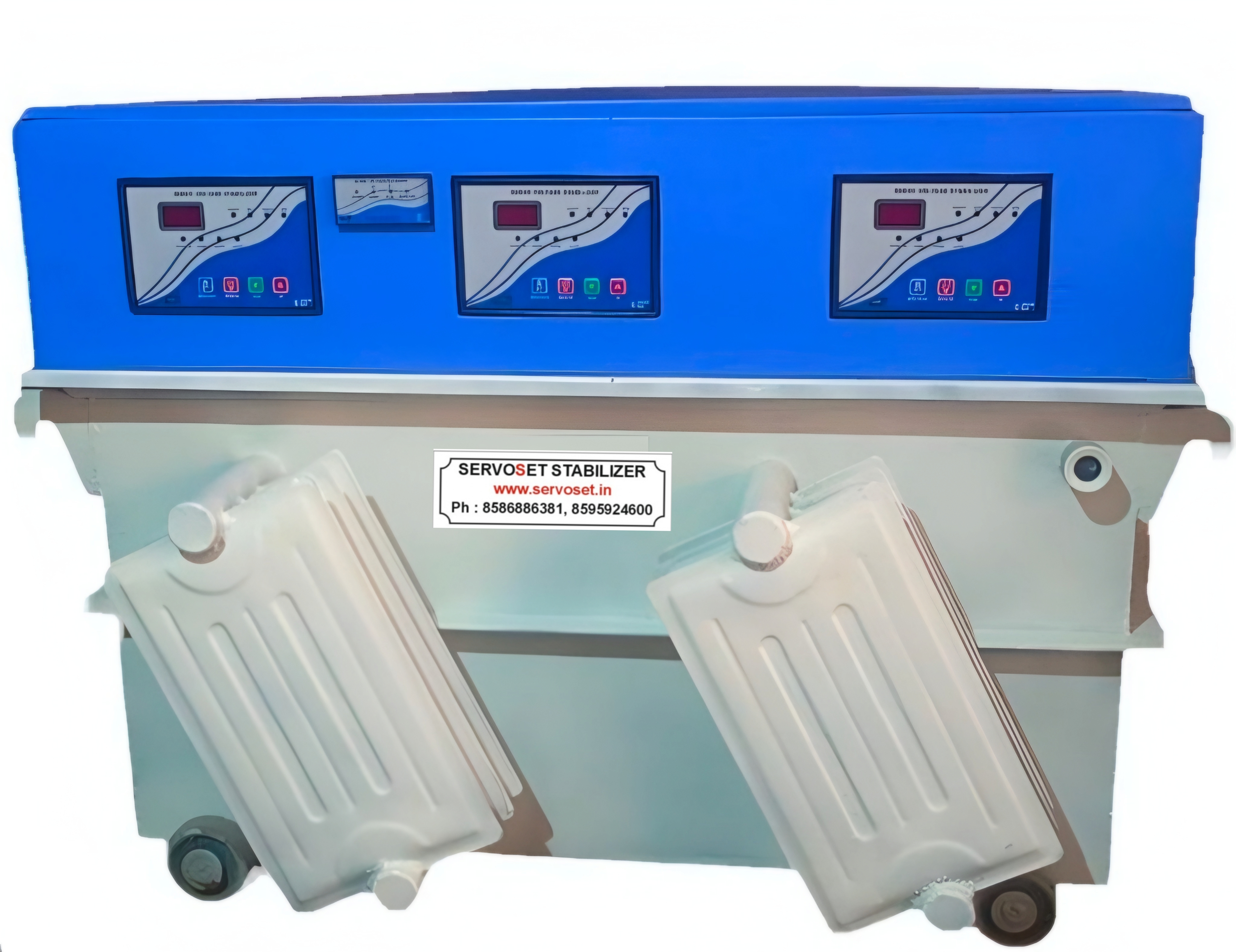
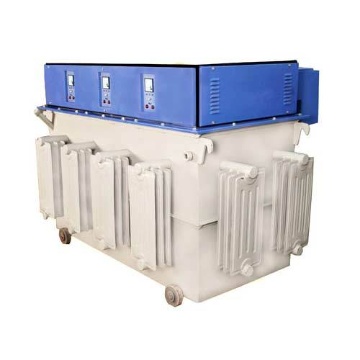
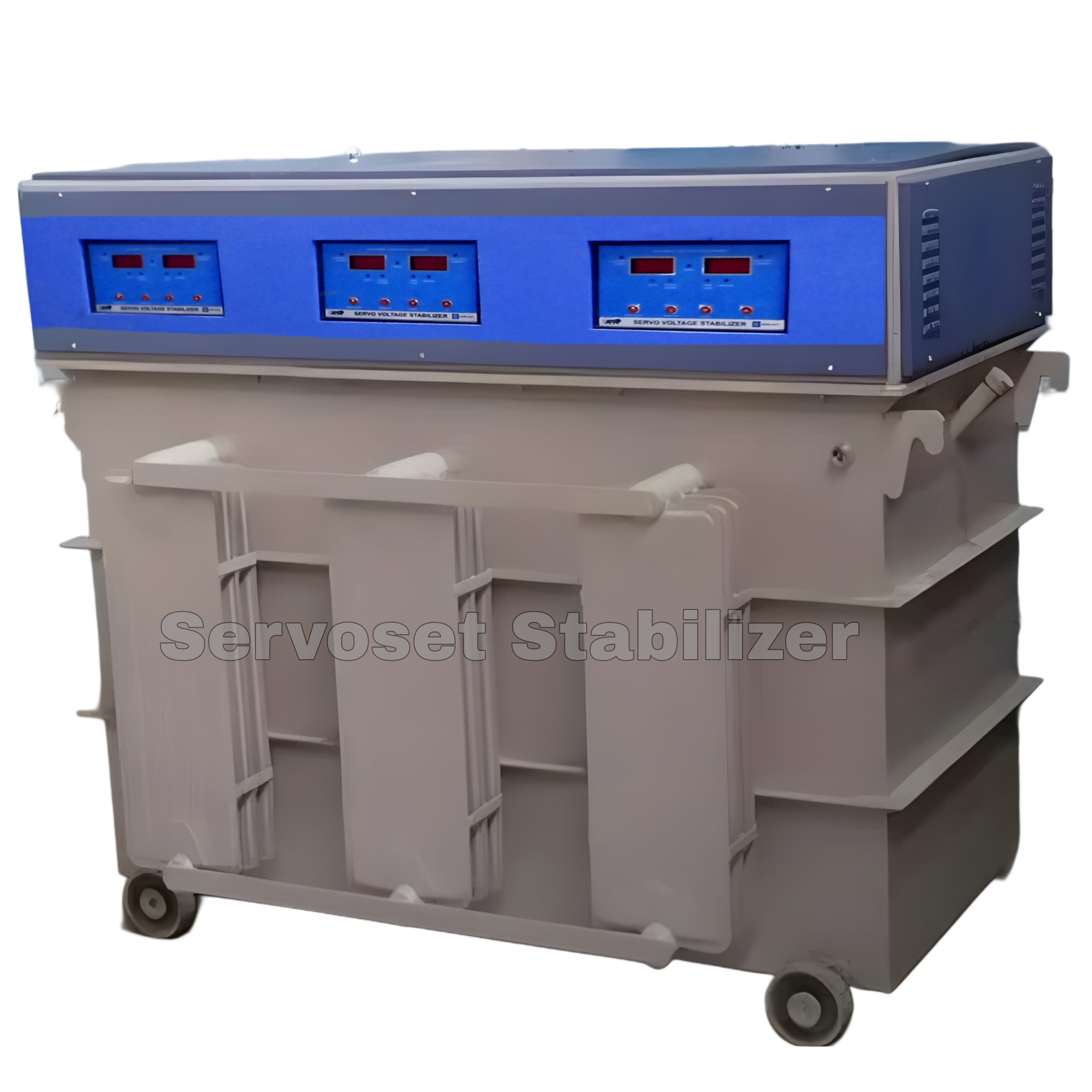
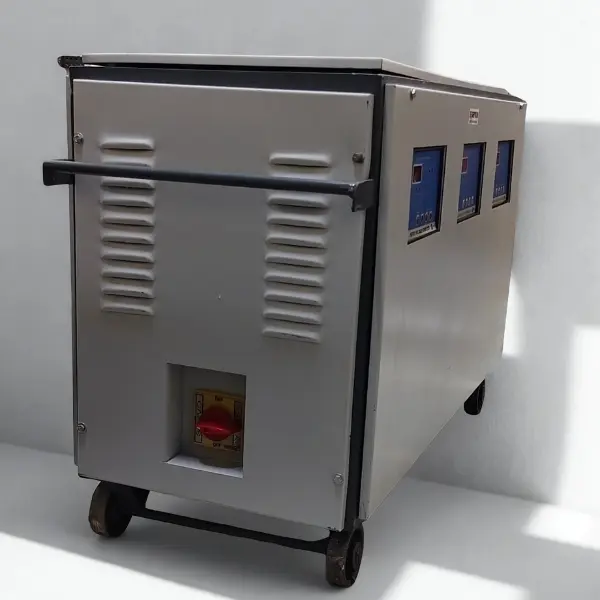
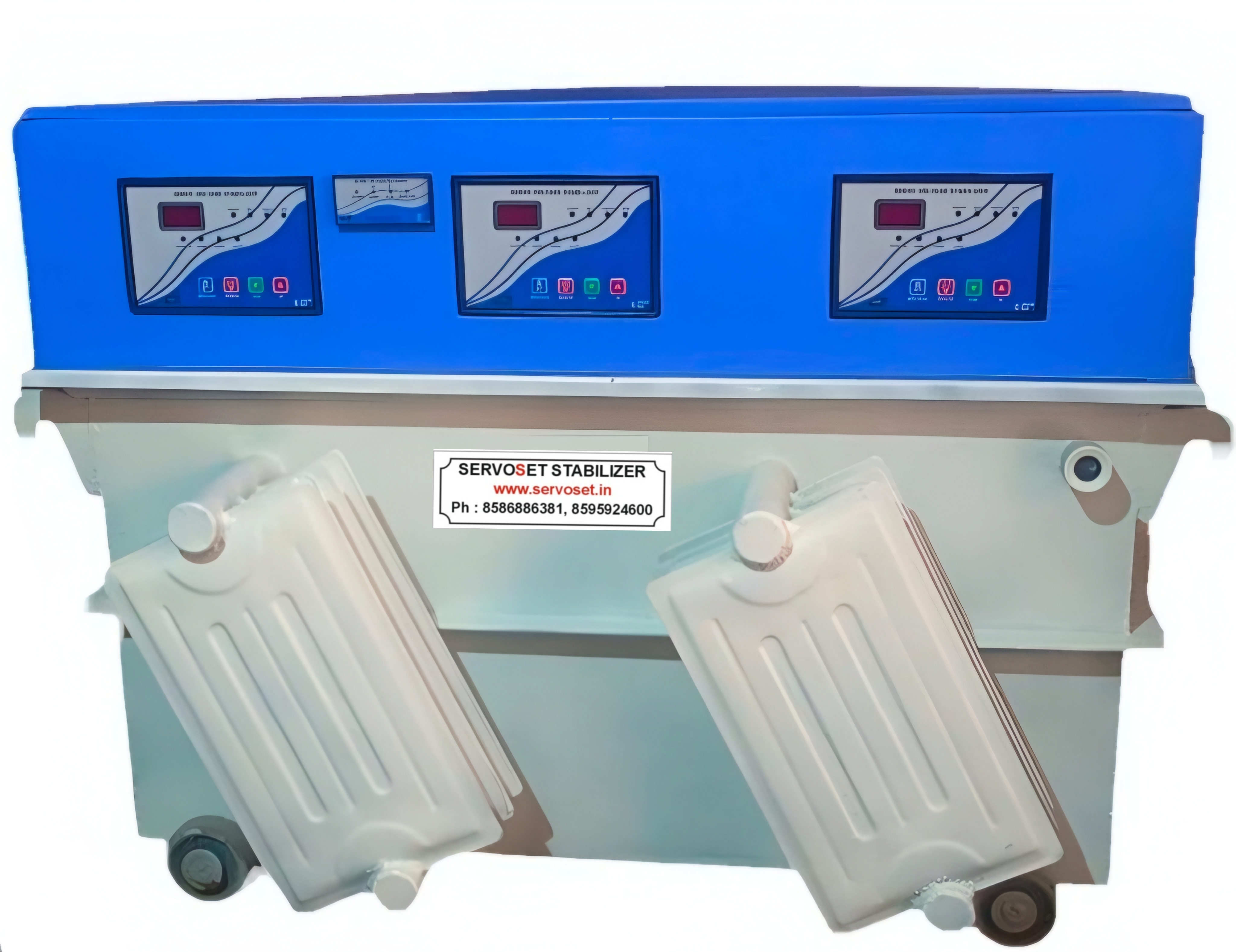
- Choose air-cooled or oil-cooled models based on the intended application and customer needs.
- Receive consistent-quality batches, scheduled delivery times, and stock arrangements for dealers and project buyers.
- Obtain test reports, user manuals, wiring diagrams, warranty terms, and service support that you can provide to your customers.
OEM Supplier Evaluation Scorecard
Before choosing a supplier, evaluate the following factors.
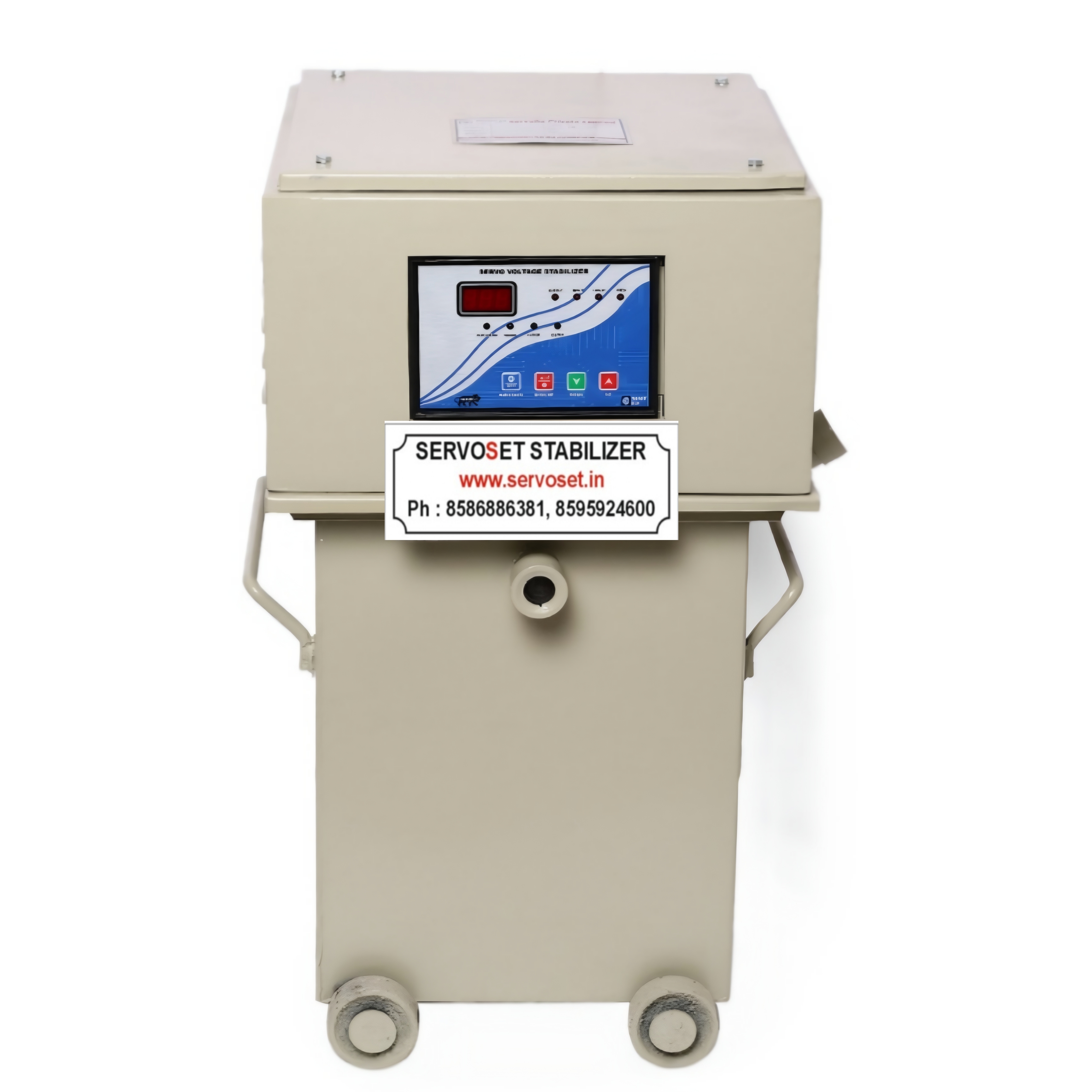
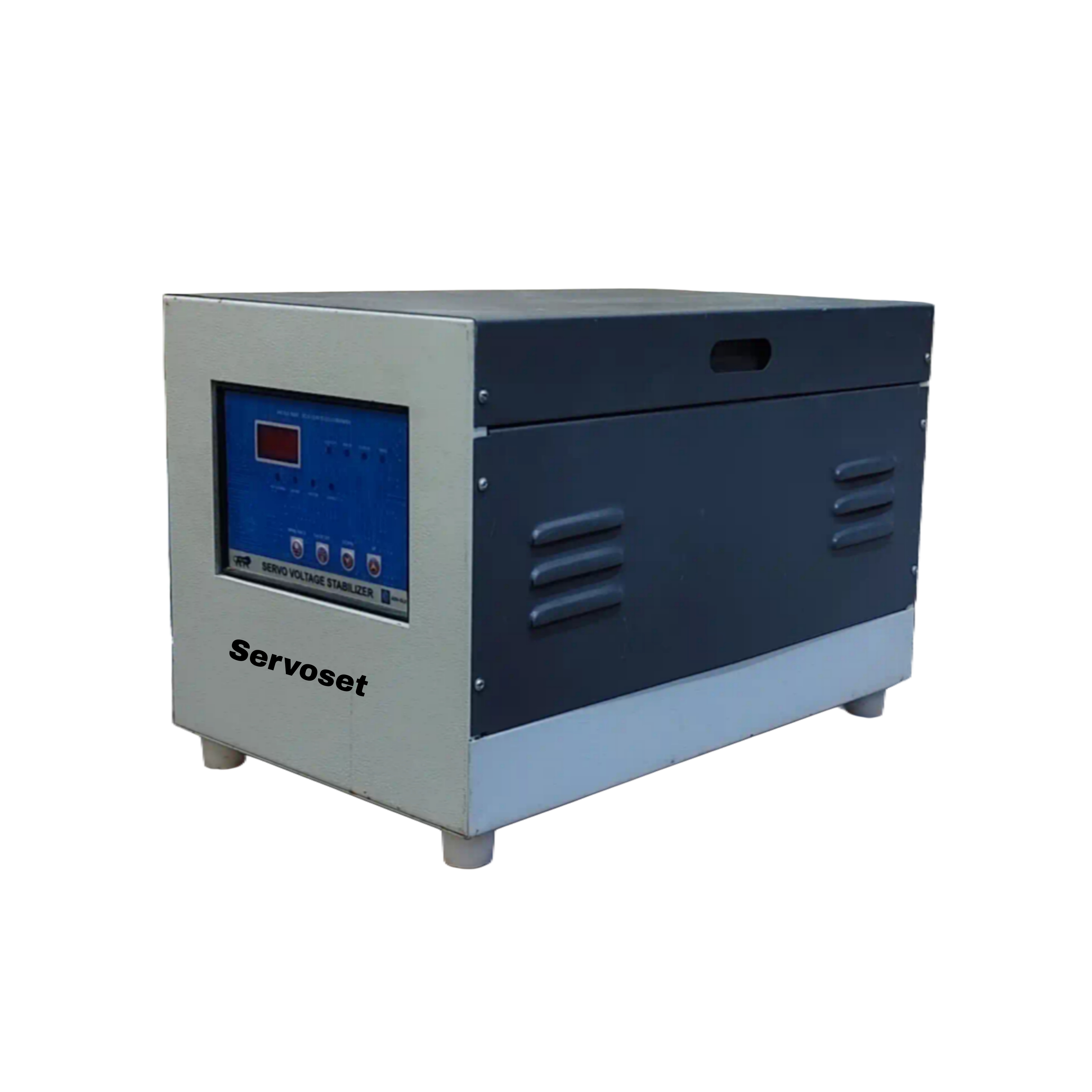
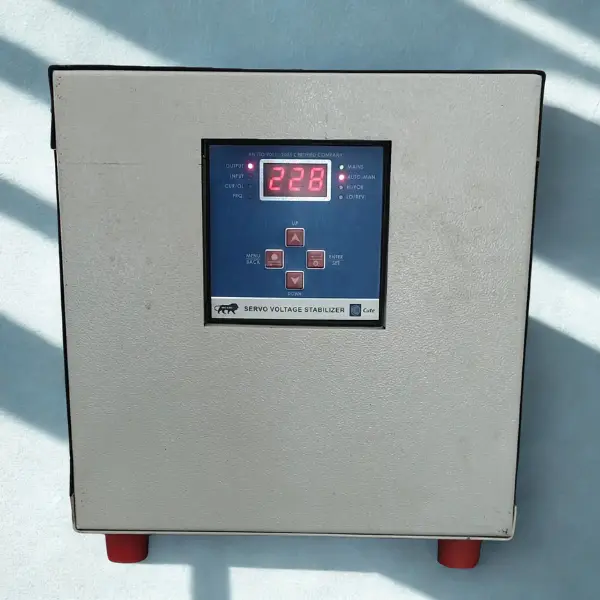
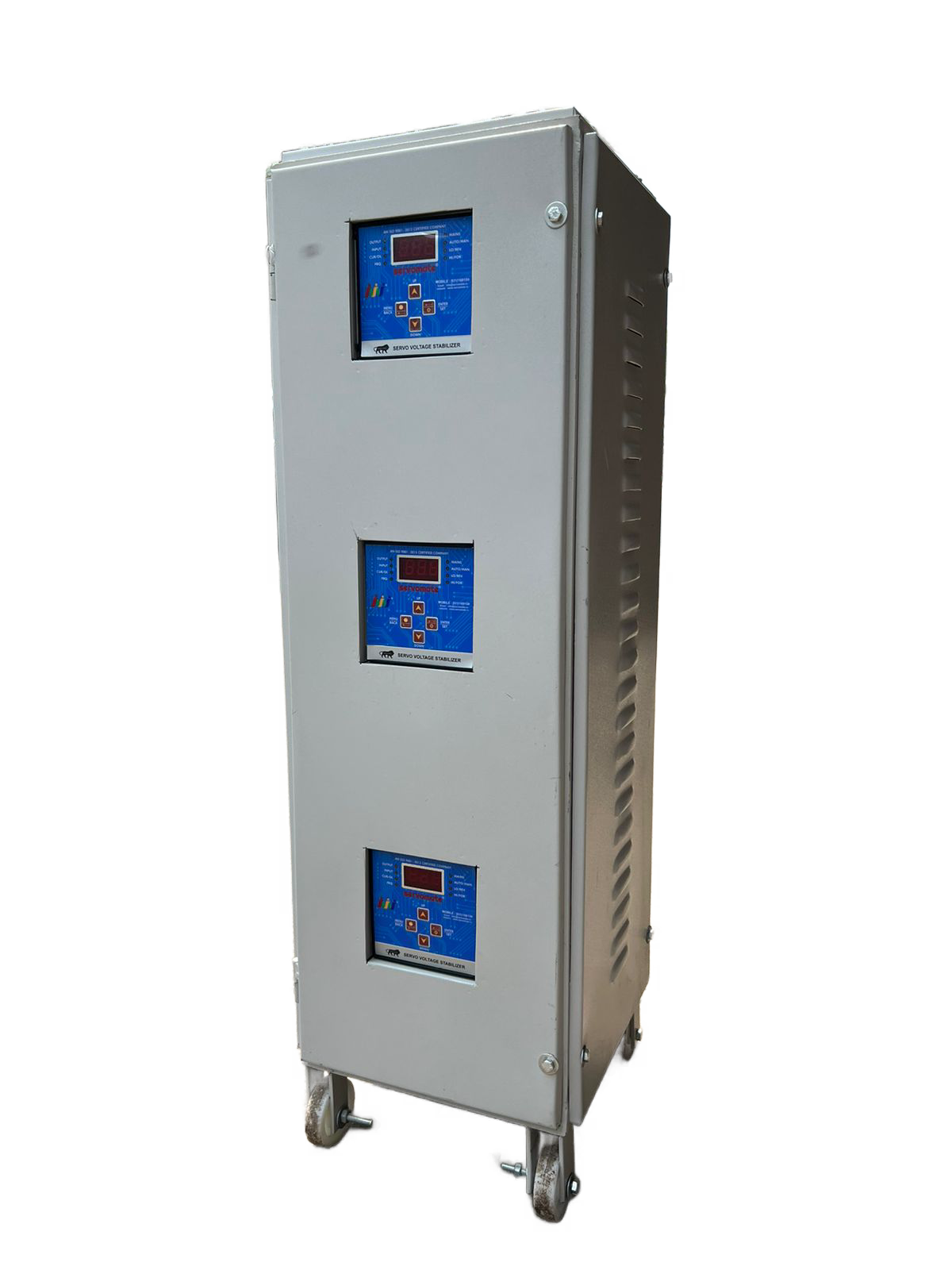
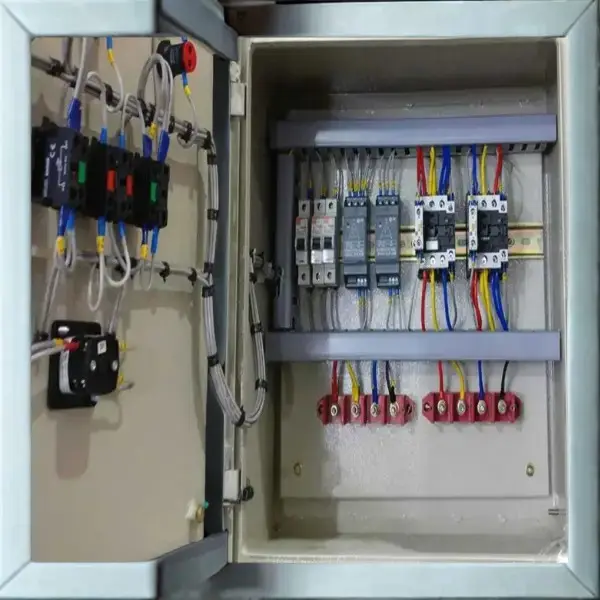
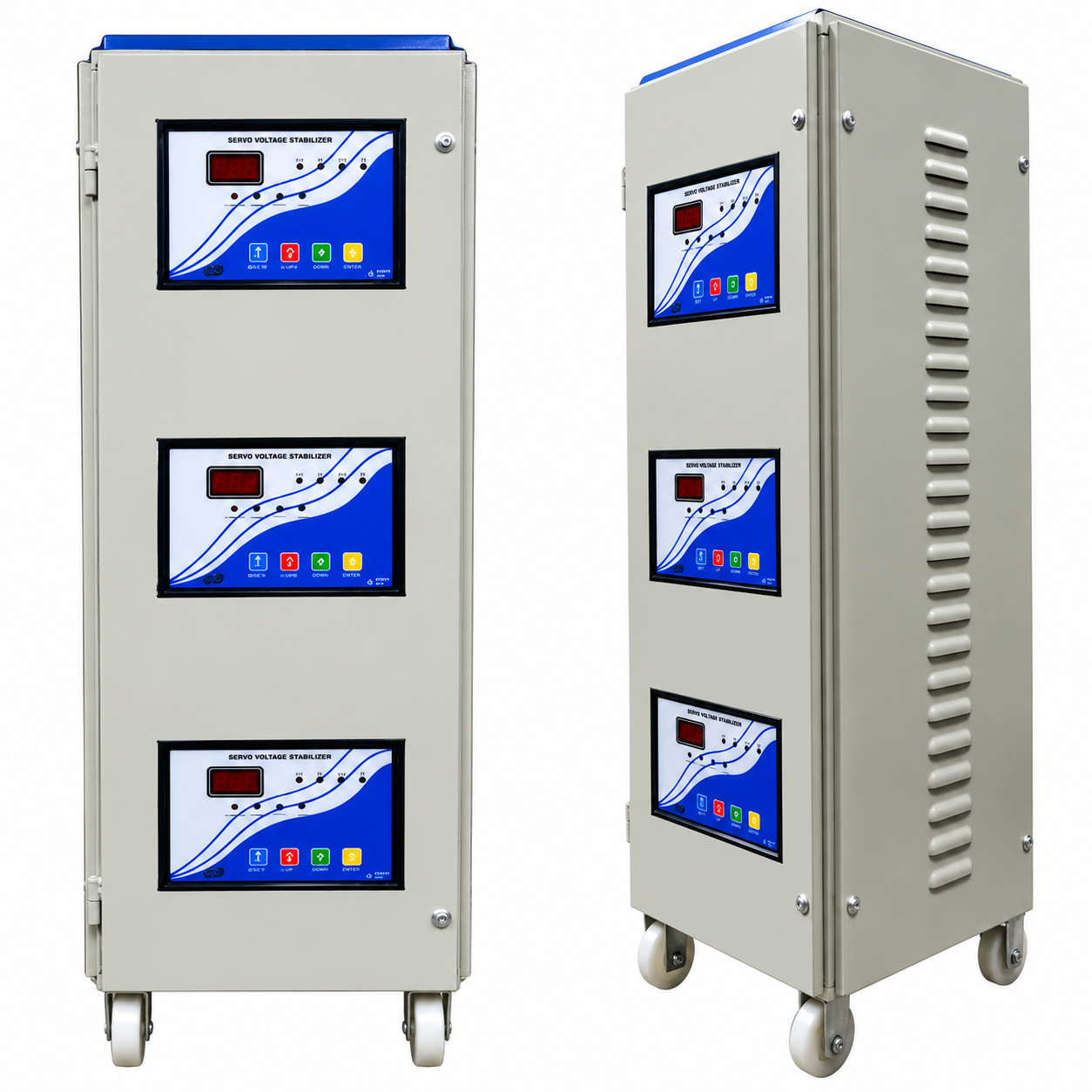
- Build Quality: Inspect the winding material, brush assembly, servo motor, and enclosure finish on an actual unit rather than relying only on catalogue pictures.
- Testing Process: Ask whether each unit is checked for output accuracy, protection functions, and load performance before dispatch. Confirm whether an individual test report is provided.
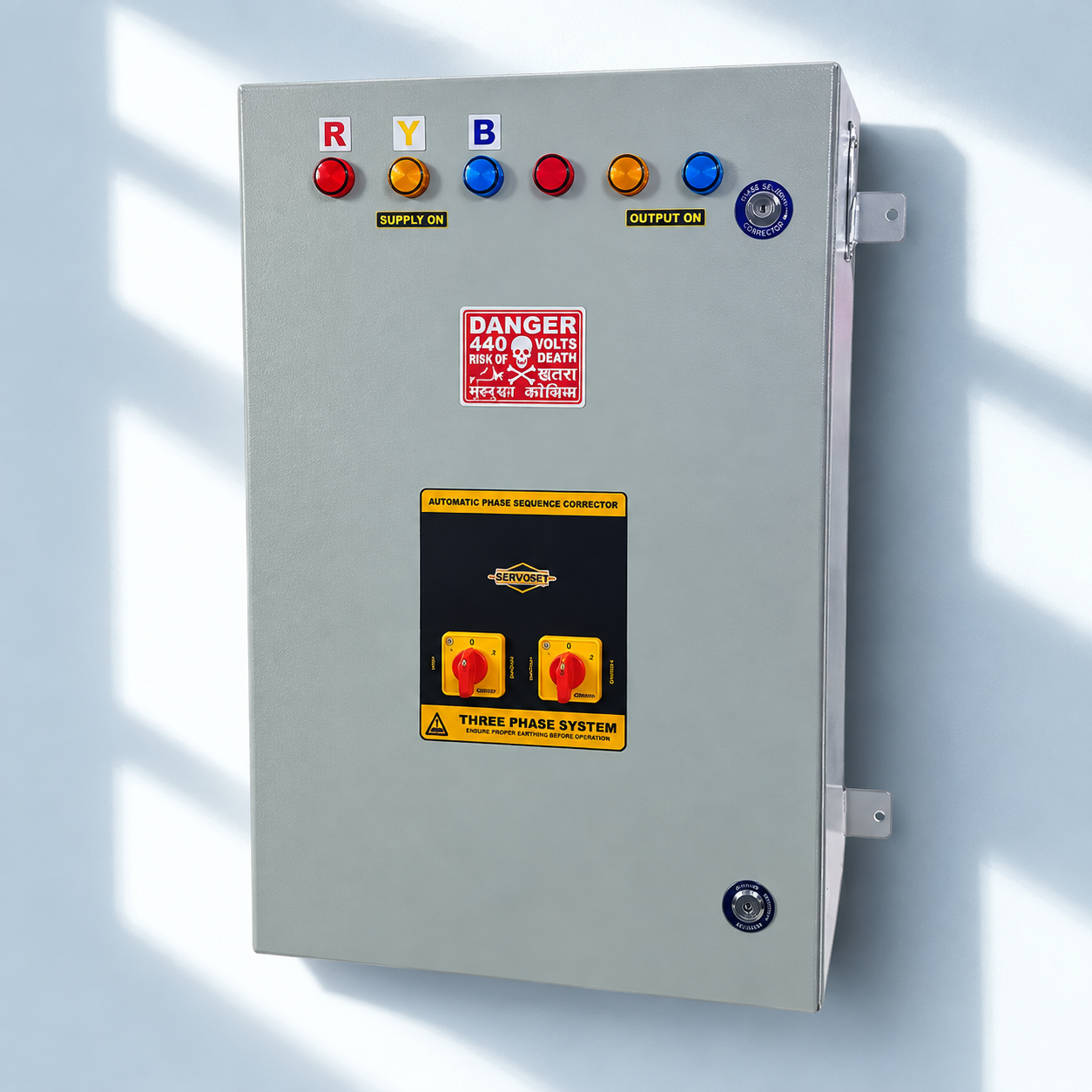
- Product Range and Customization: Check whether the supplier can manufacture both single-phase and three-phase models, and find out how much customization is possible.
- Production Capacity and Lead Time: Confirm how many units the supplier can produce each month and how long it takes to fulfill repeat orders.
- Documentation: Look for user manuals, wiring diagrams, test certificates, and clear warranty terms.
- Quality Management: Ask about quality certifications, inspection procedures, and how defective products are handled.
- After-Sales Support: Find out who handles service requests, how quickly spare parts can be delivered, and whether technical training is available for your team.
- Track Record: Request references from OEM customers or bulk buyers and learn how long the supplier has been in business.
- Communication: Evaluate how clearly and quickly the team answers your technical questions during the initial enquiry stage.
Why "Rated" Claims Need Closer Examination
When searching online for OEM suppliers in India, you will find many companies describing themselves as leading, trusted, or number one. Directory badges such as "verified seller" generally indicate that certain basic business details have been checked; they do not necessarily prove product quality.
Some list articles are published by companies that also appear on those lists. These sources are not necessarily useless, but their ratings should be treated as a starting point rather than definitive proof of quality.
A better approach is to inspect the supplier's products, speak directly with its technical team, and, whenever possible, contact a customer who has purchased products in bulk.
OEM, ODM, or Trader: Know Who You Are Dealing With
- OEM (Original Equipment Manufacturer): Manufactures the stabilizer according to your specifications and supplies it for sale under your brand name.
- ODM (Original Design Manufacturer): Develops products using its own designs, which you can sell under your brand.
- Trader: Purchases products from a manufacturer and resells them. This arrangement may limit your ability to customize designs or obtain direct technical support.
Ask the supplier directly whether it operates its own manufacturing facility. This will help you understand the level of control you may have over product quality, customization, and delivery schedules.
Samples, Testing, and Documentation
Before placing a bulk order, request a sample unit or, at a minimum, a detailed test report.
Evaluate the sample against your requirements, including:
- Input voltage operating range.
- Output voltage accuracy.
- Voltage correction speed and response to changes in input voltage.
- Overvoltage, undervoltage, and other protection settings.
- Consistency between the nameplate specifications and the actual unit.
- Clarity of the user manual and completeness of the wiring diagram.
A supplier that cooperates with this process is more likely to have a structured quality-control procedure. If a supplier refuses to provide samples or share test reports, consider it a warning sign and investigate further.
Supply Chain and After-Sales Support
Servo voltage stabilizers rely on key components such as servo motors, control cards, transformers, and brush assemblies.
Ask where these components are sourced, how reliable the supply chain is, and how quickly a failed component can be replaced.
Reliable after-sales support helps ensure that customers receive timely assistance, protects your brand reputation, and reduces the risk of prolonged equipment downtime.
Confirm whether the supplier offers:
- Technical training for your team.
- Clear written warranty terms.
- Reliable spare-parts availability.
- A straightforward service-request process.
- Technical assistance when faults occur.
Planning OEM Supply? Talk to SERVOSET
If you are looking for a supply partner for OEM or bulk servo voltage stabilizer requirements, you can share your specifications, required quantities, and customization needs with the SERVOSET team.
The team can discuss your requirements and inform you about the available options.
For more information, visit the website:
Website: https://www.servoset.in/
Frequently Asked Questions (FAQs)
1. What does OEM mean for servo voltage stabilizers?
OEM means that a manufacturer produces the stabilizer according to your specifications and supplies it under your brand name.
2. How can I determine whether a supplier is top-rated?
Look beyond online ratings and directory badges. Evaluate actual product quality, test reports, references from bulk buyers, and the reliability of after-sales support.
3. Can I get a customized capacity and voltage range?
Many manufacturers can customize capacity, input voltage range, output voltage, and protection settings. Confirm all requirements in writing before placing your order.
4. Should I request a sample before placing an order?
Yes. A sample unit or detailed test report helps you evaluate product quality and performance before committing to a bulk order.
5. What is the difference between an OEM and a trader?
An OEM manufactures the product, while a trader purchases products from manufacturers and resells them. Depending on the arrangement, working through a trader may limit customization options and direct access to technical support.
6. Why is after-sales support important for OEM buyers?
After-sales support is essential because your customers will generally contact you first when a product develops a problem. Prompt servicing, spare-parts availability, and technical assistance help protect your brand reputation and maintain customer satisfaction.
Conclusion
Choosing an OEM supplier for servo voltage stabilizers in India is not simply about finding a company with a "top-rated" claim. The decision should be based on build quality, testing procedures, documentation, customization capabilities, supply planning, and after-sales support.
Before committing to an order, confirm whether the supplier operates its own manufacturing facility, test a sample against your specifications, obtain clear written warranty terms, and speak with existing bulk customers.