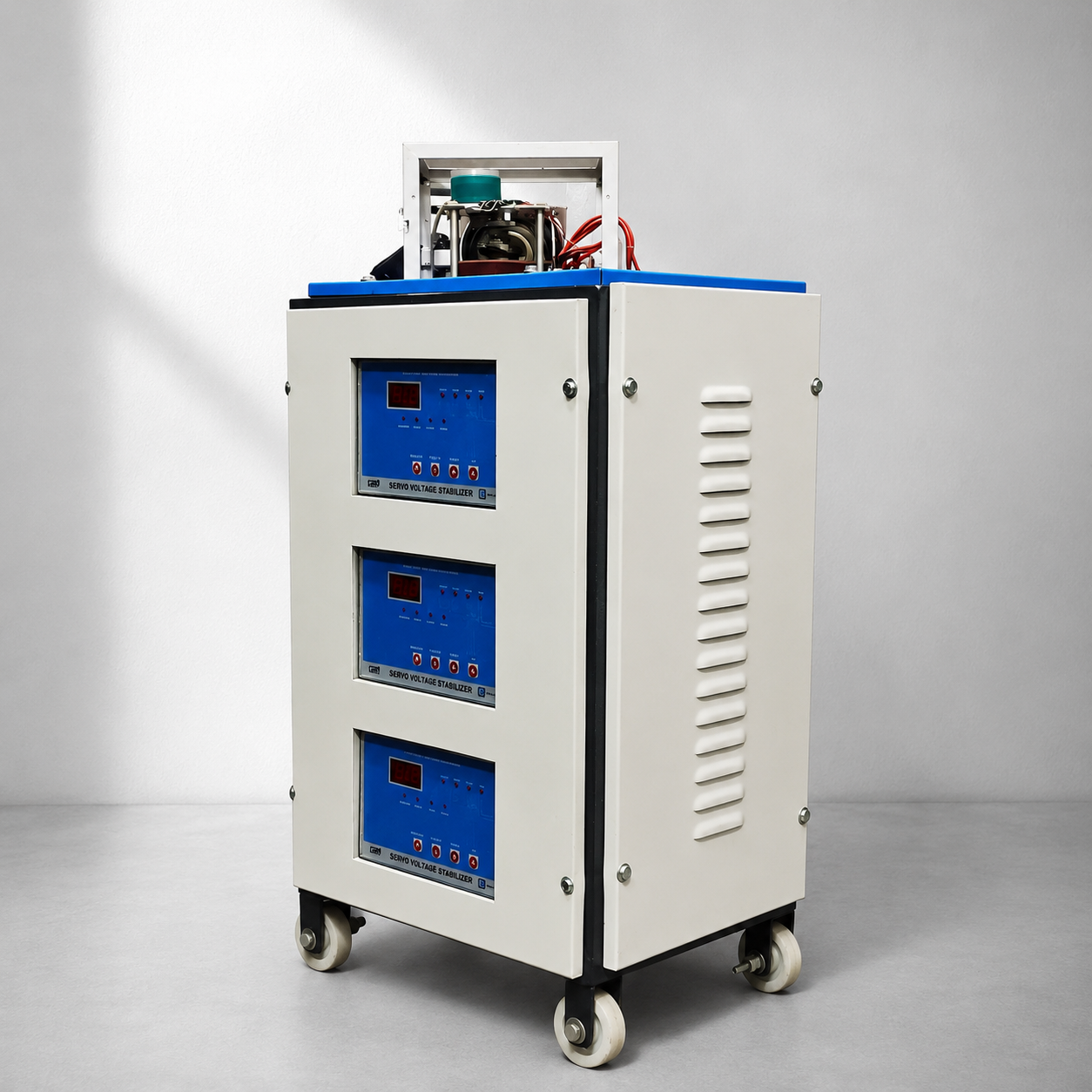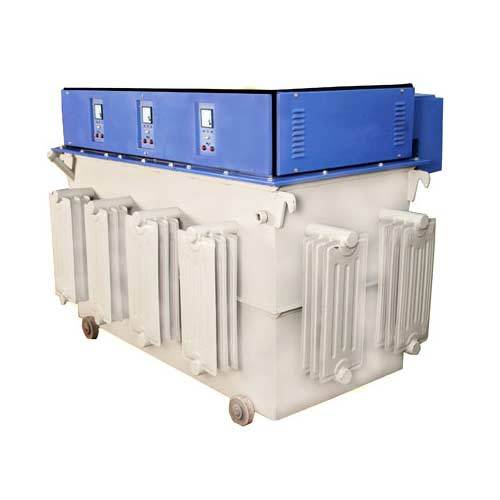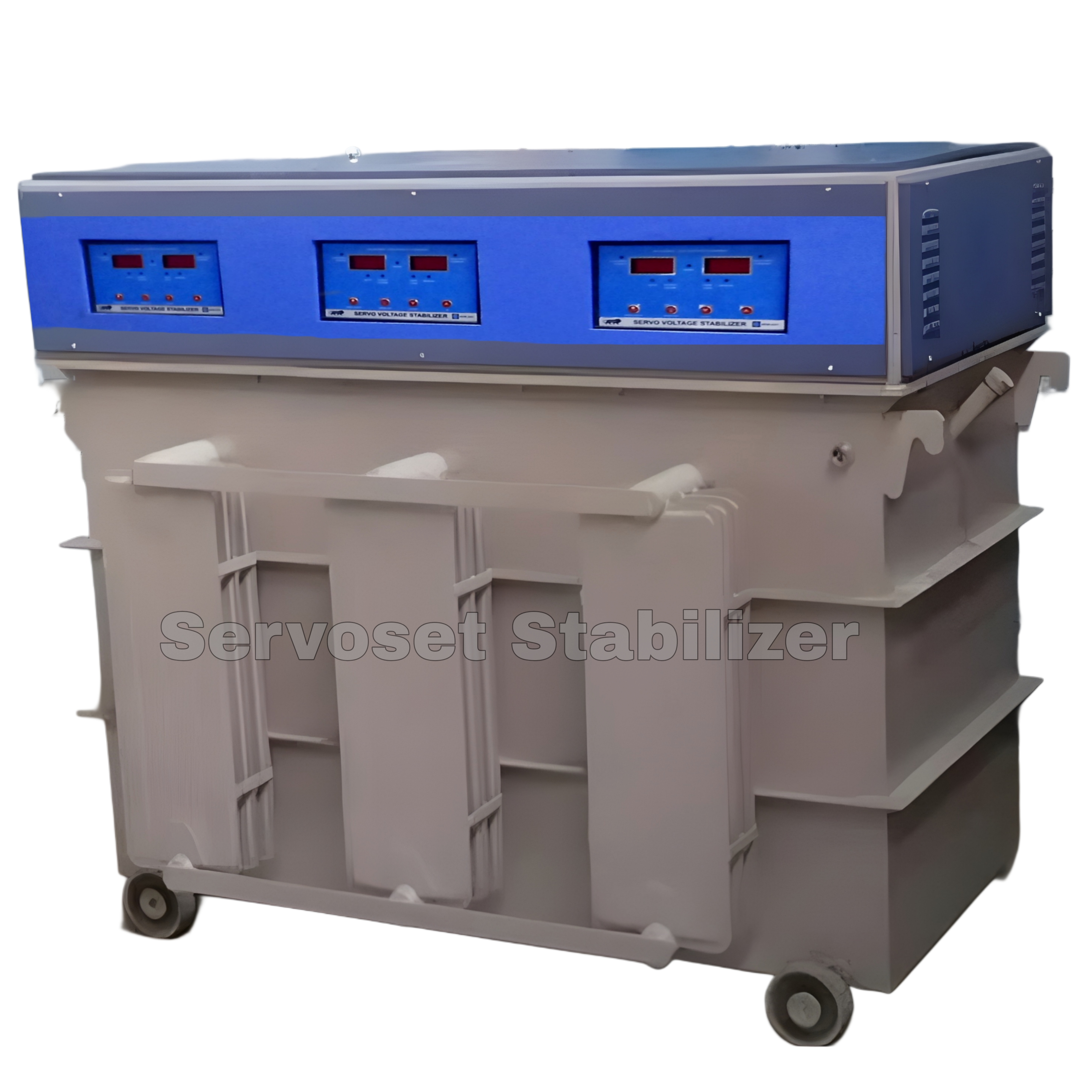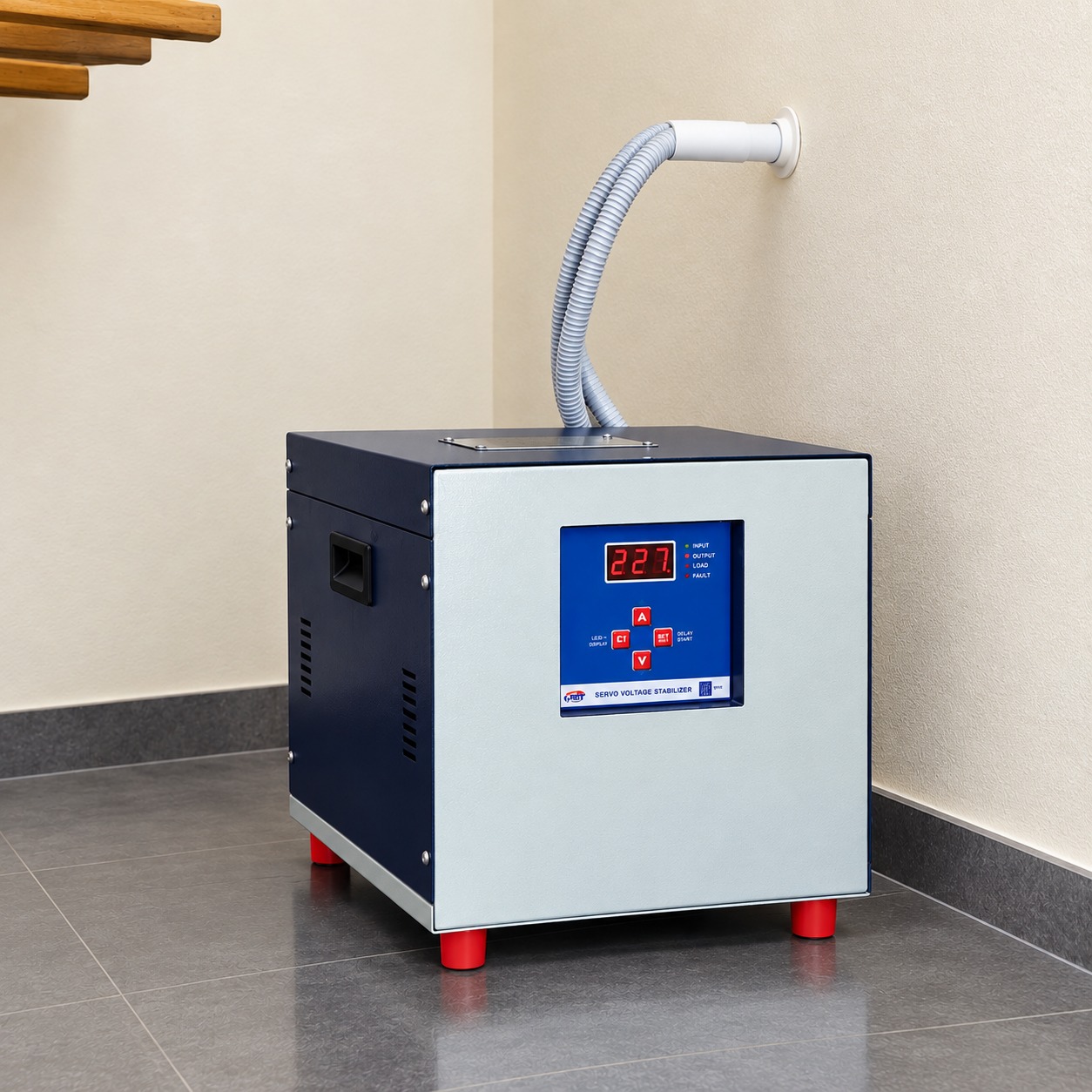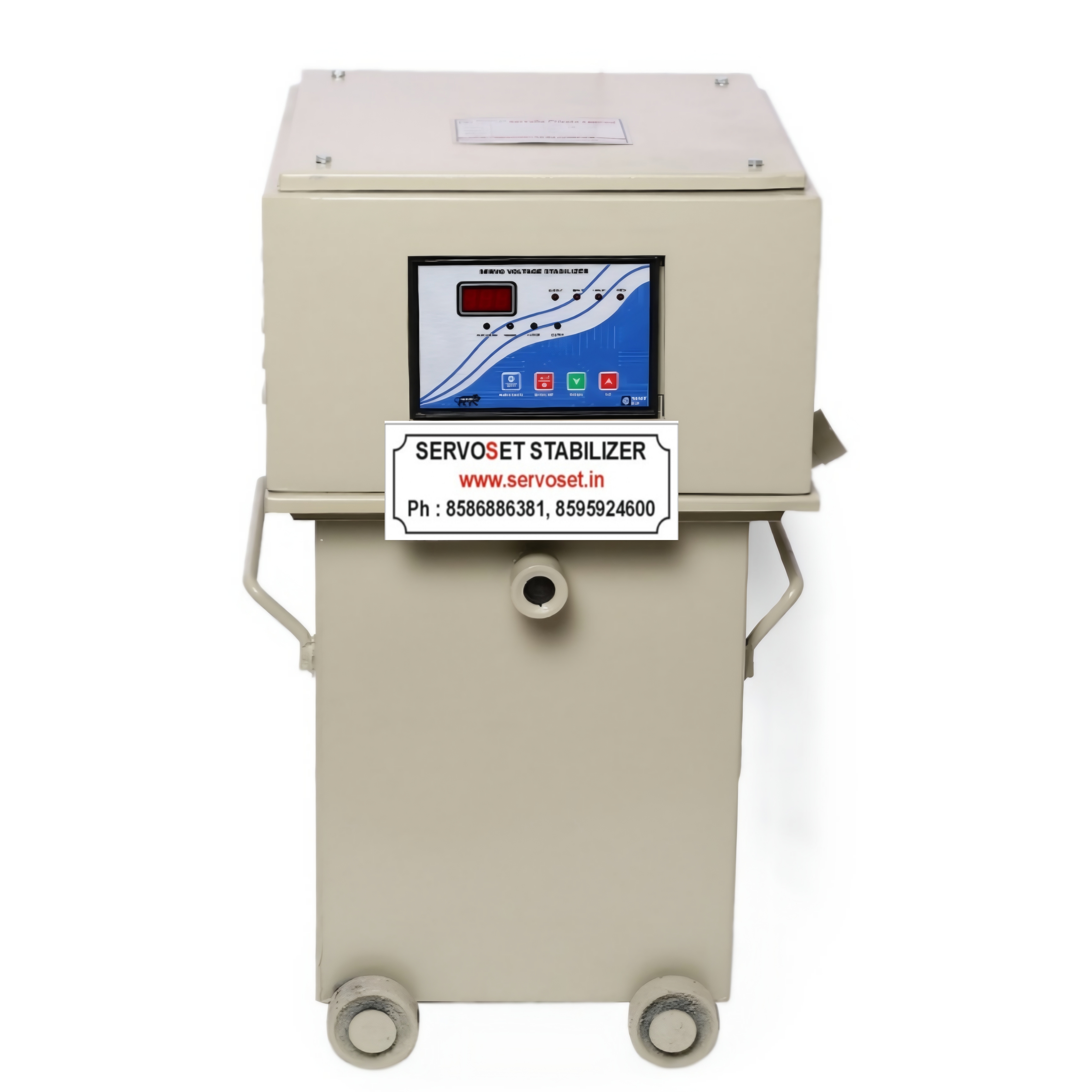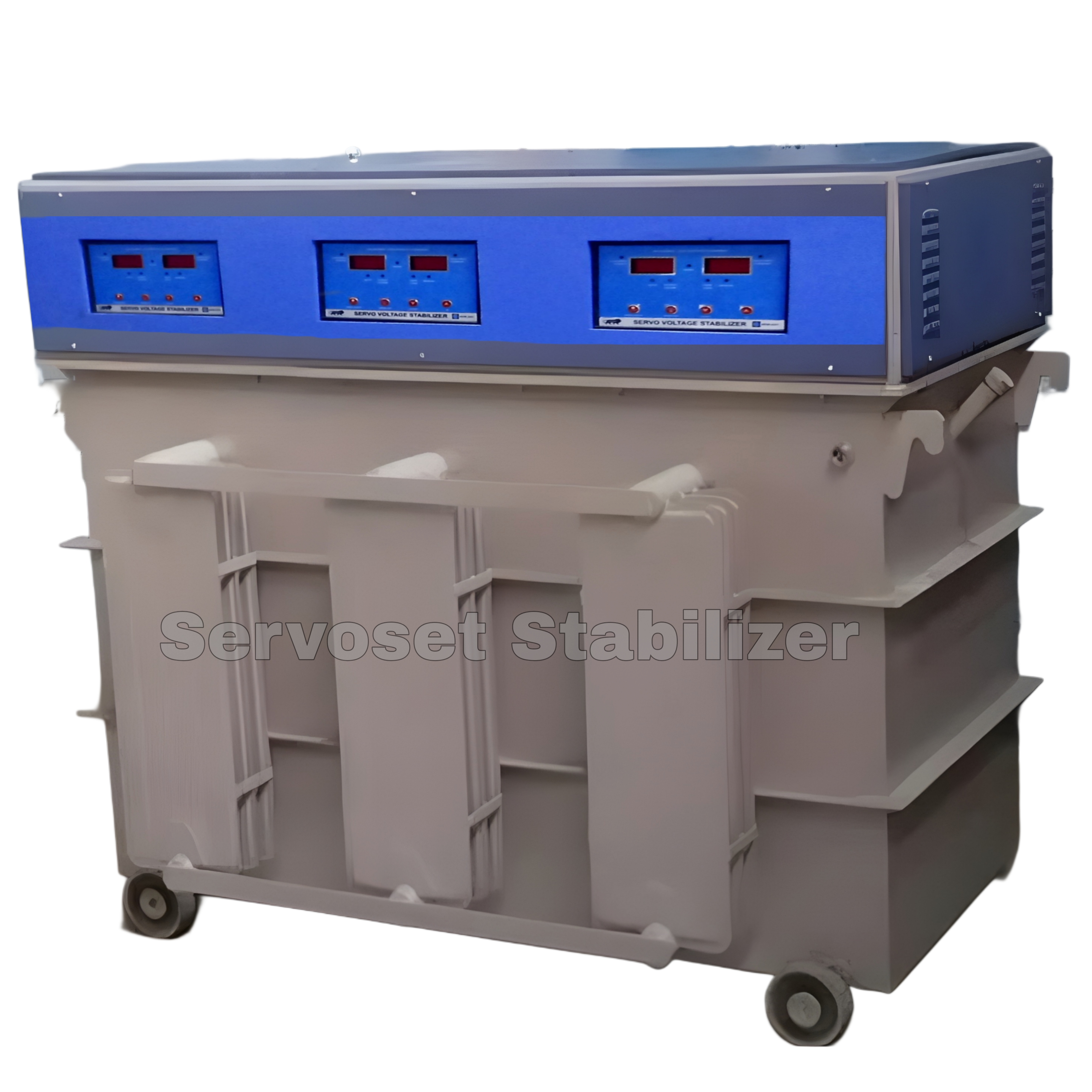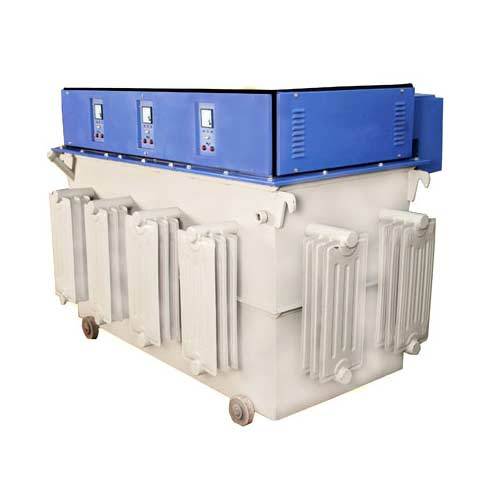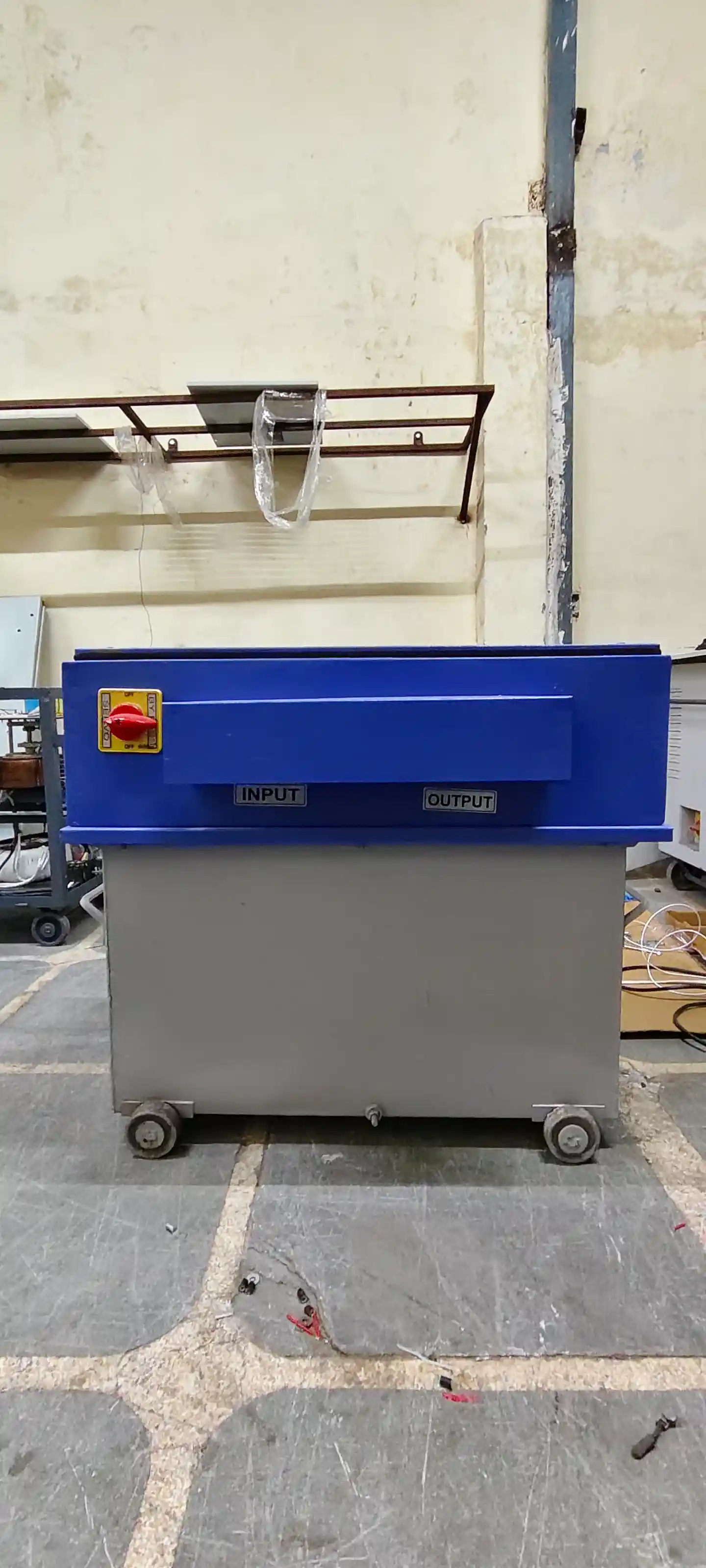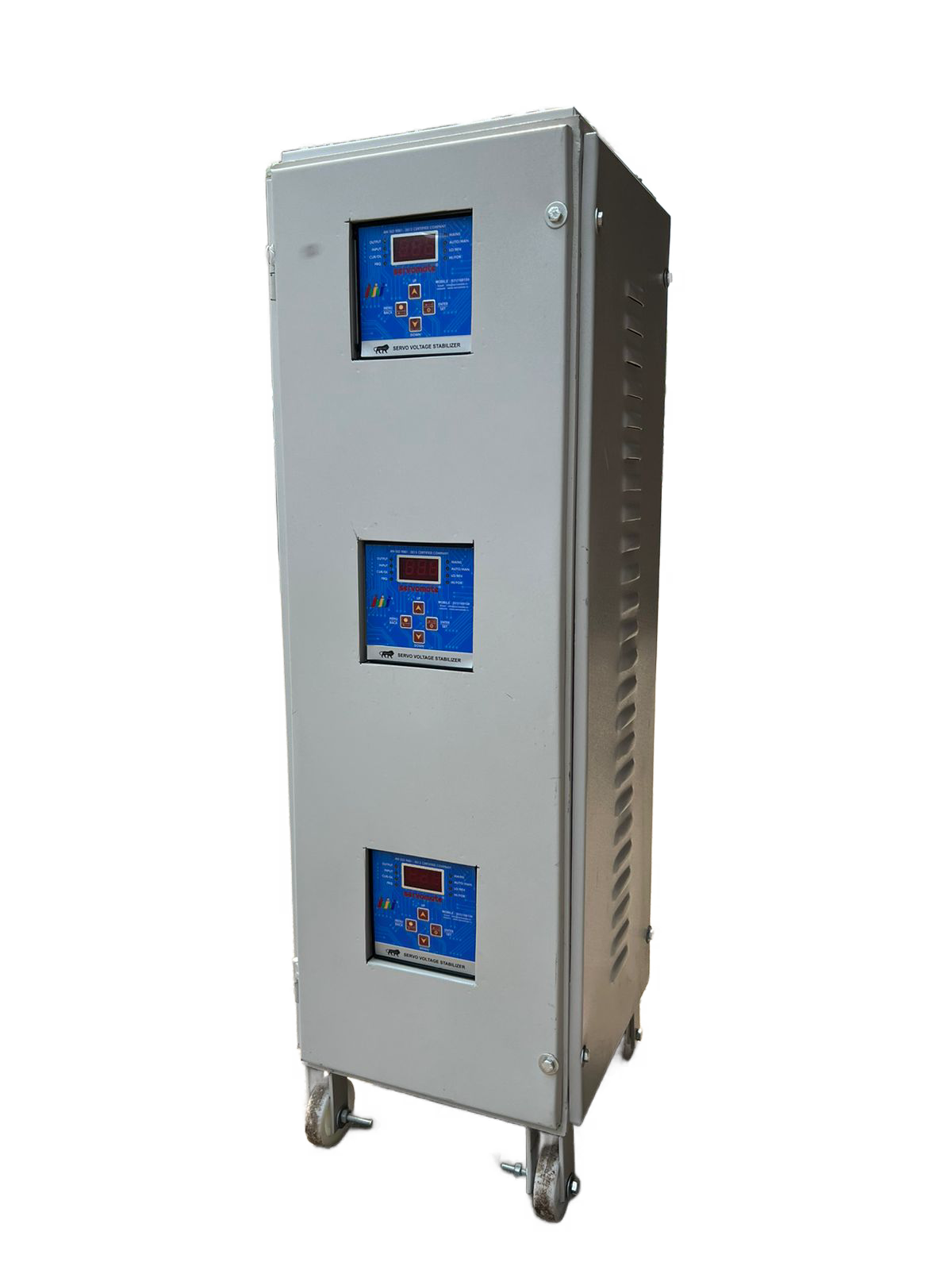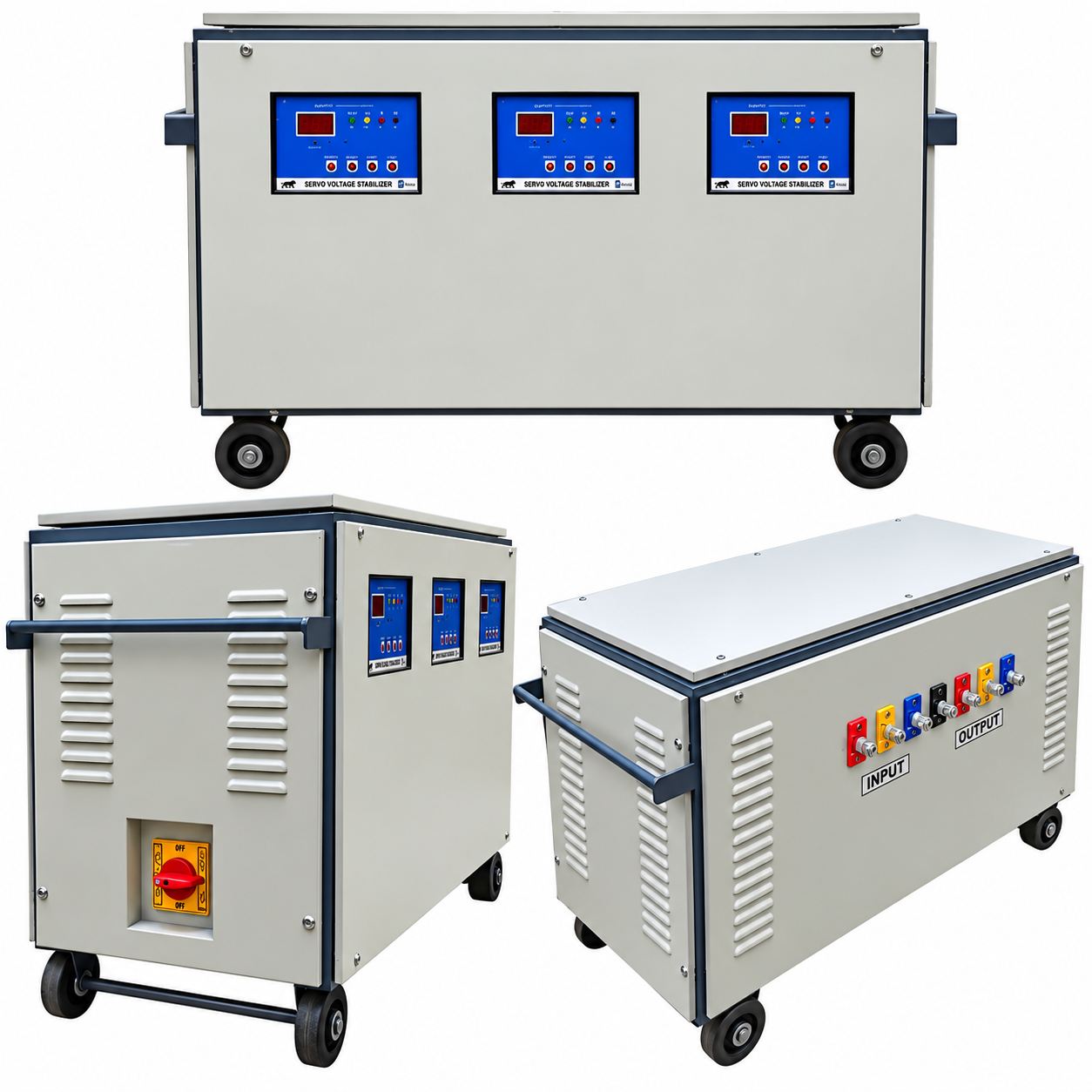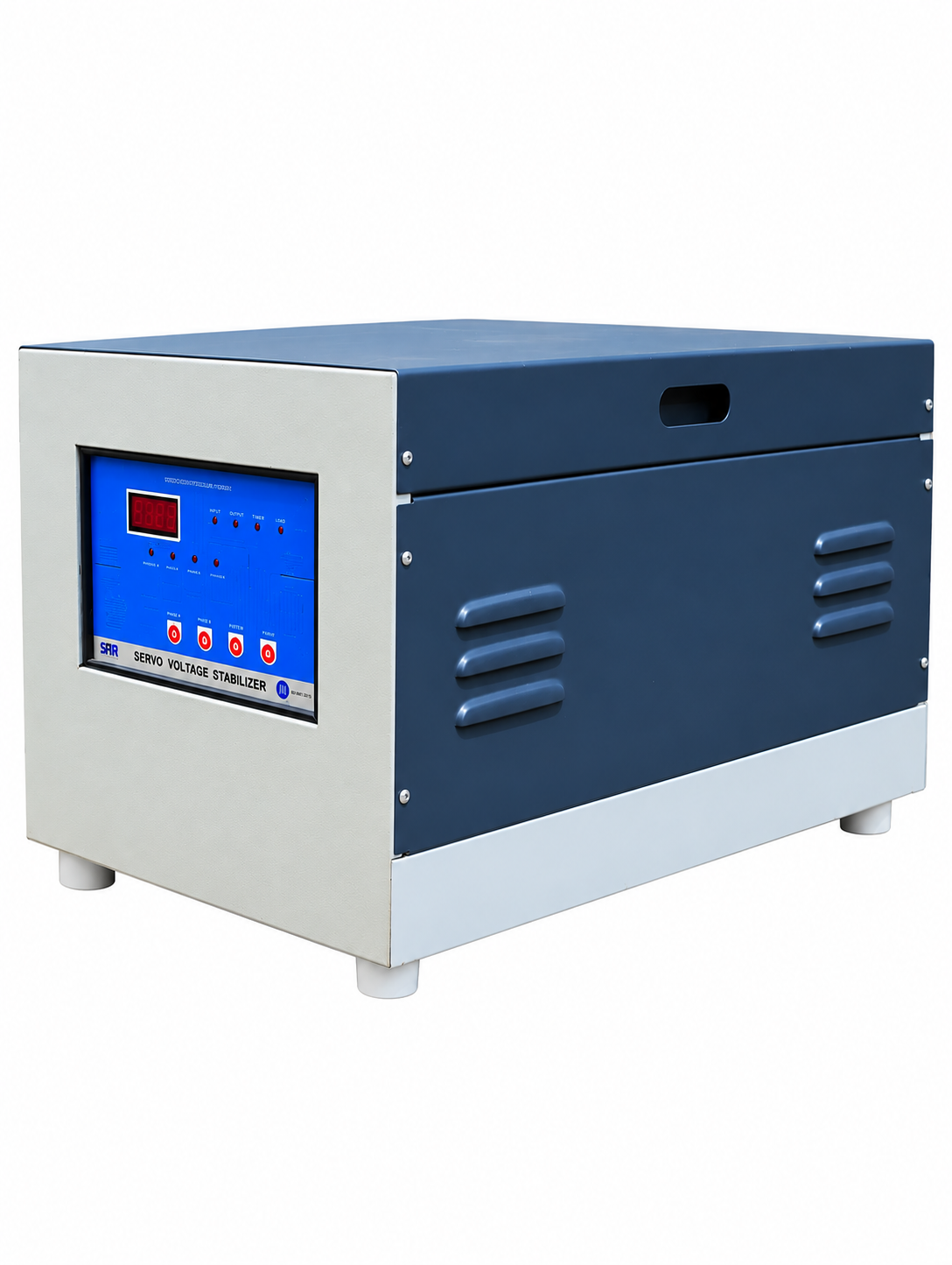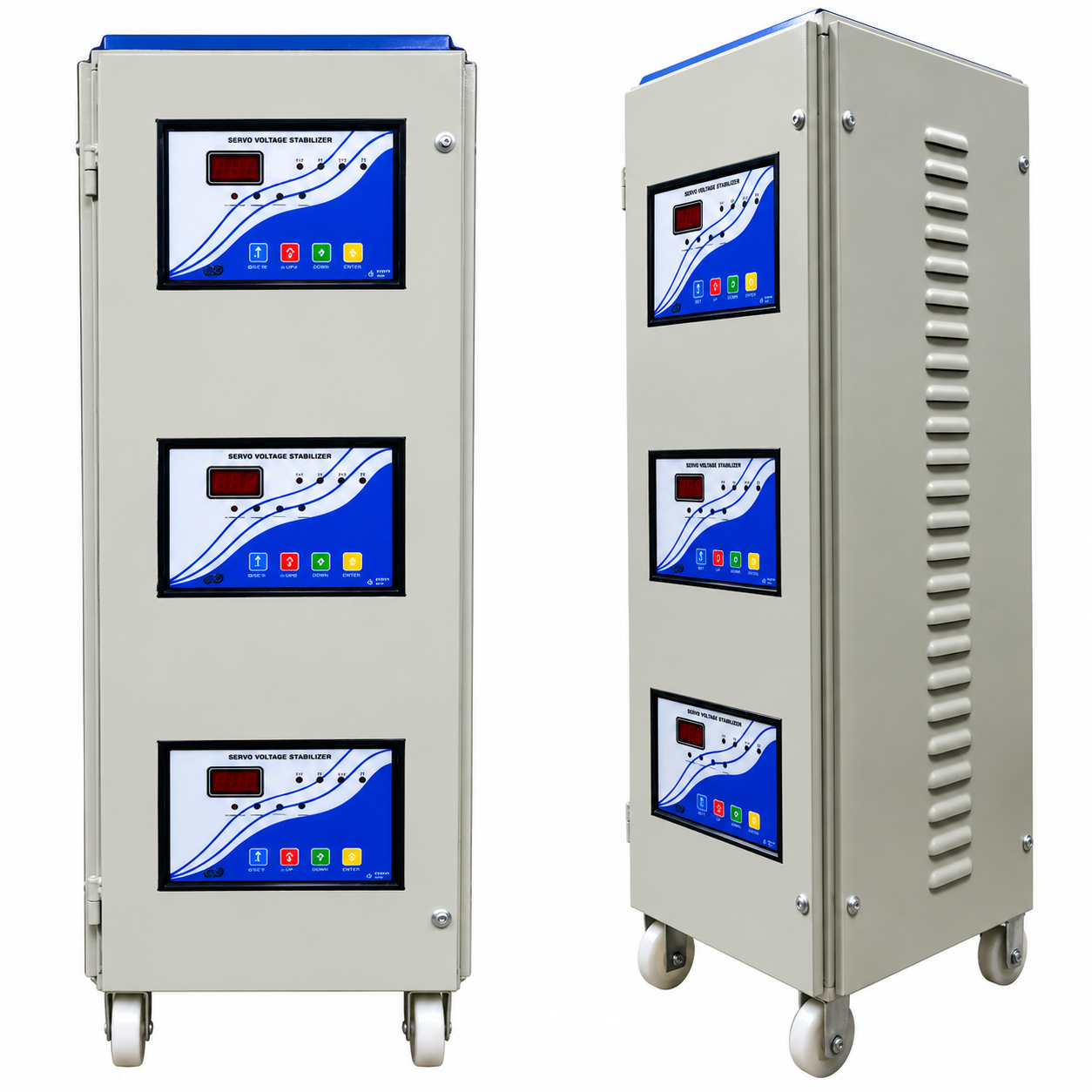
Oil Cooled Servo Voltage Stabilizer: What Is Inside the Tank and When It Makes Sense
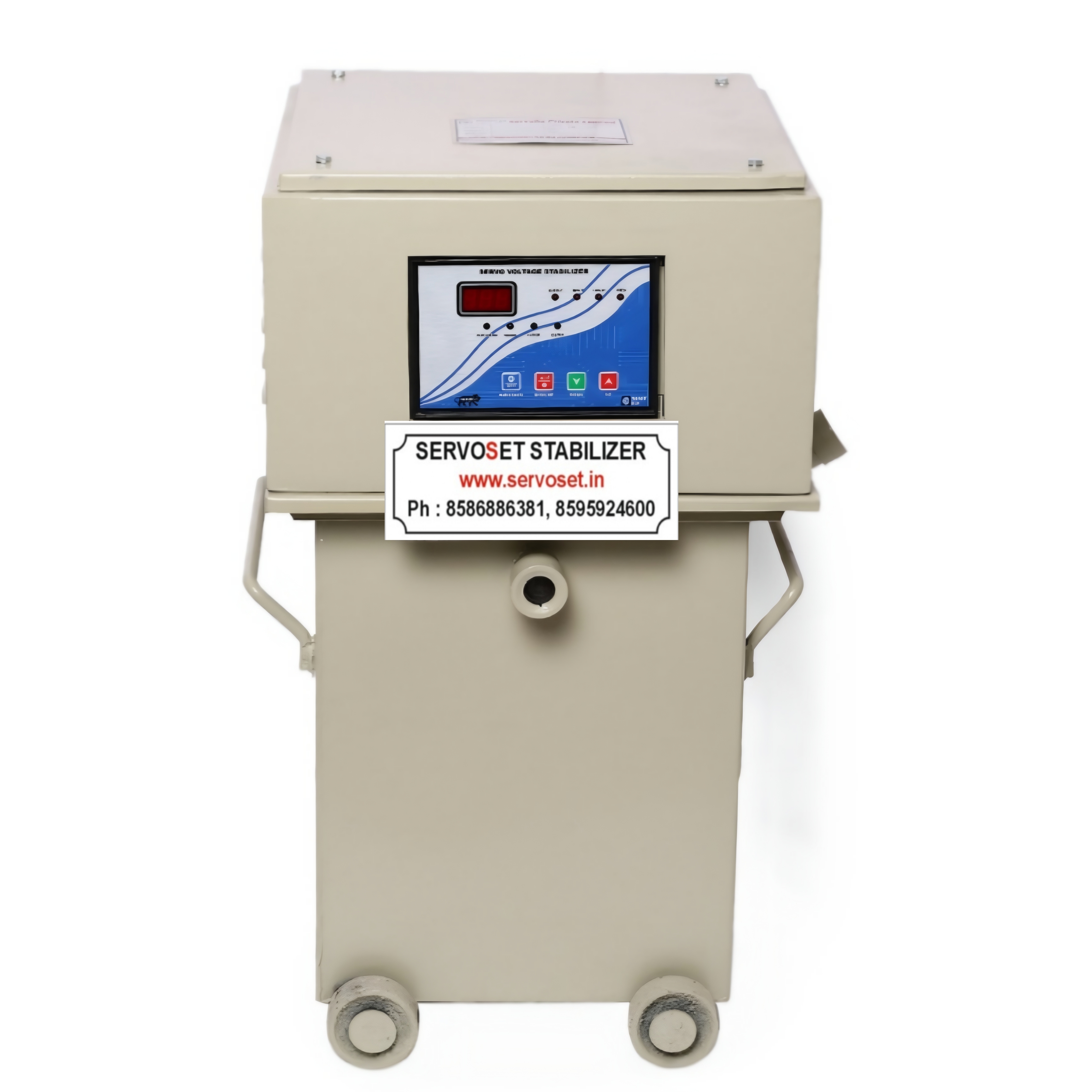
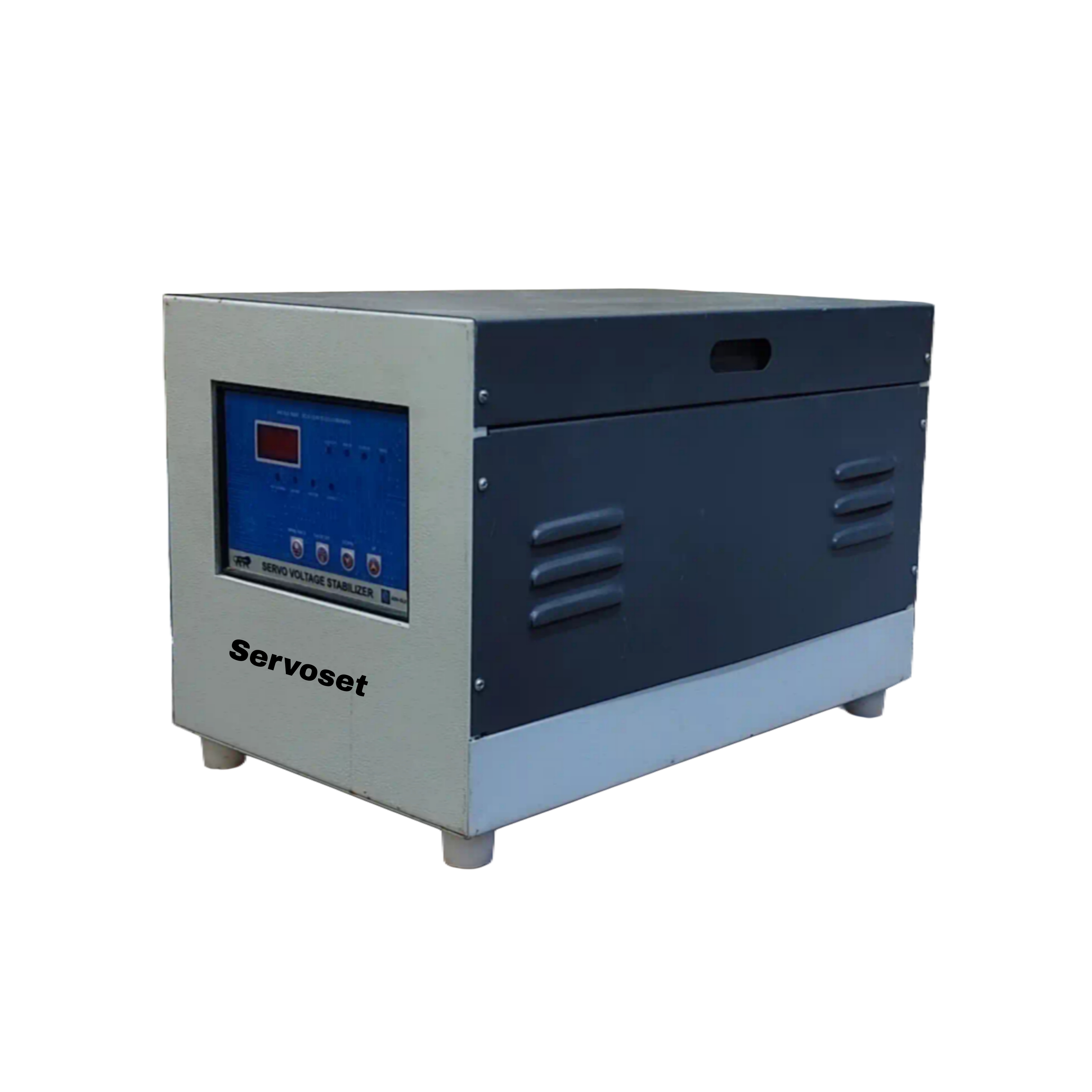
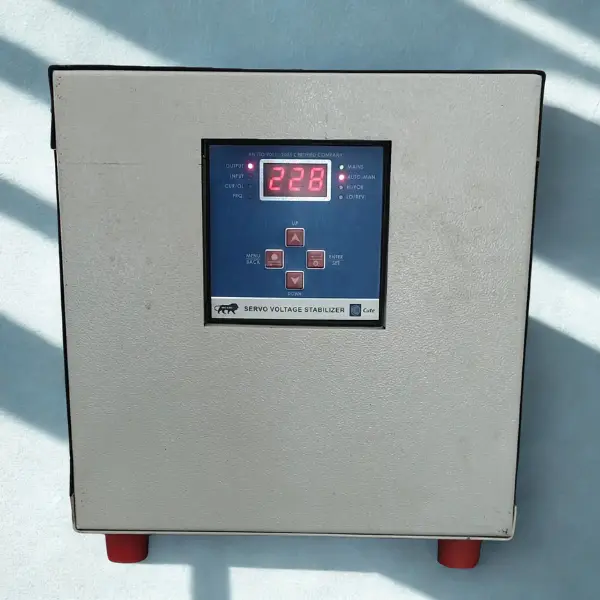
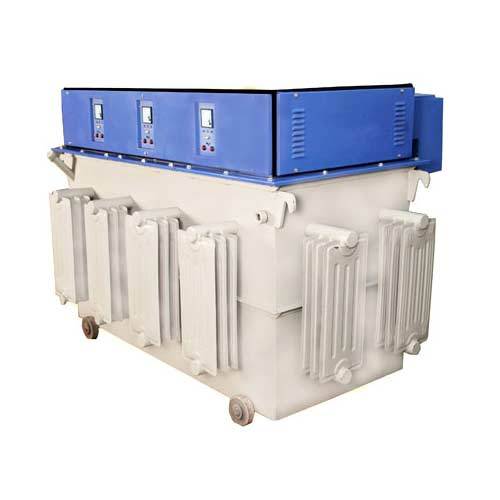
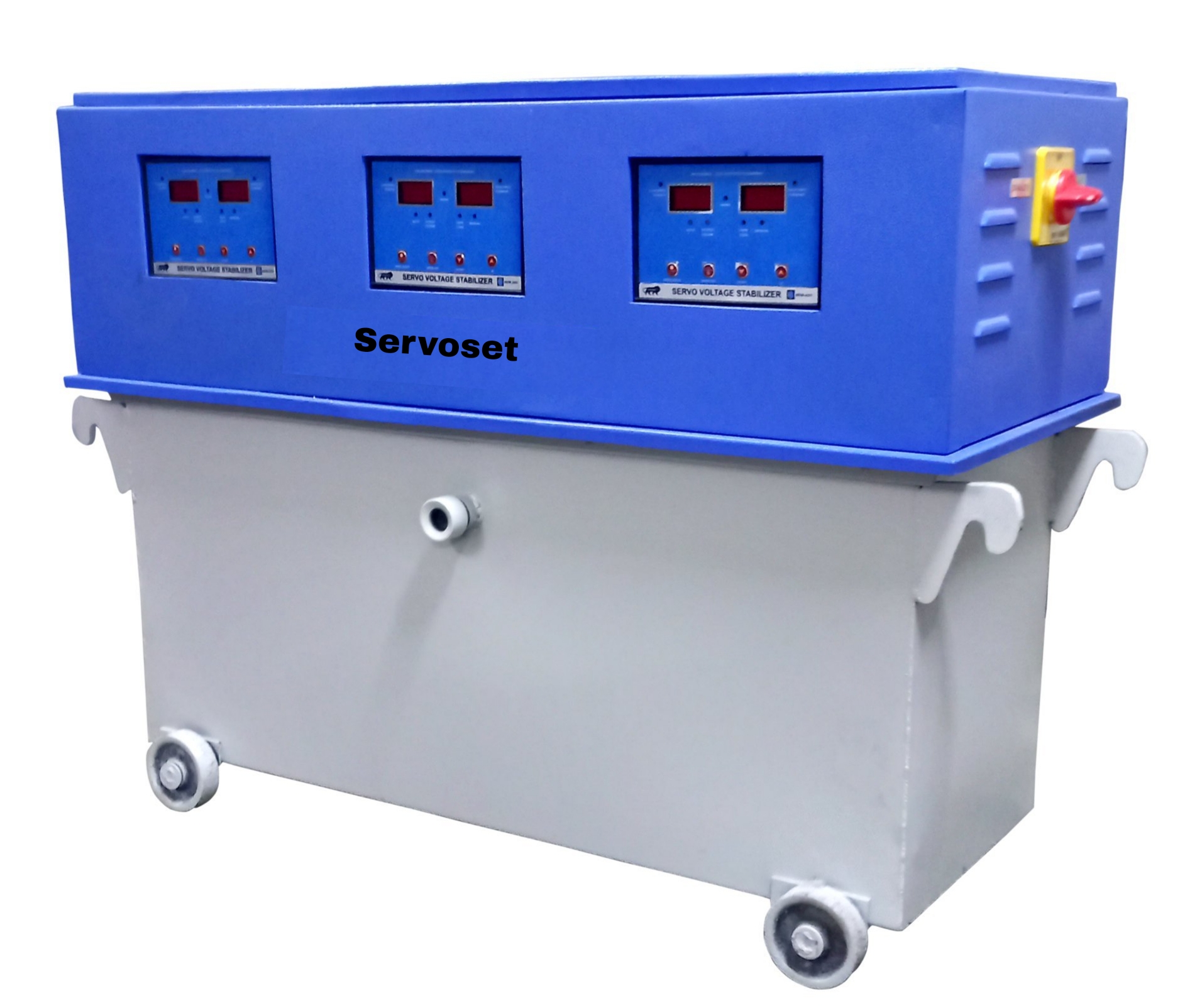
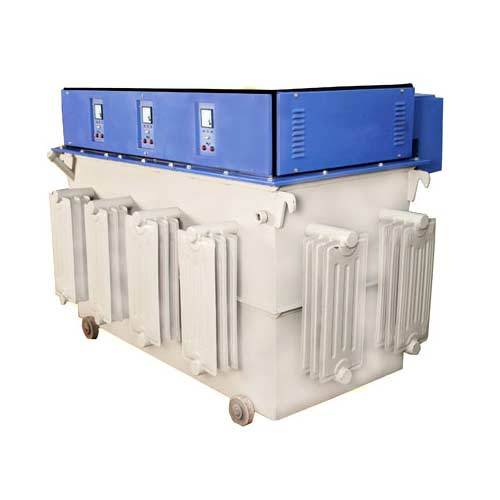
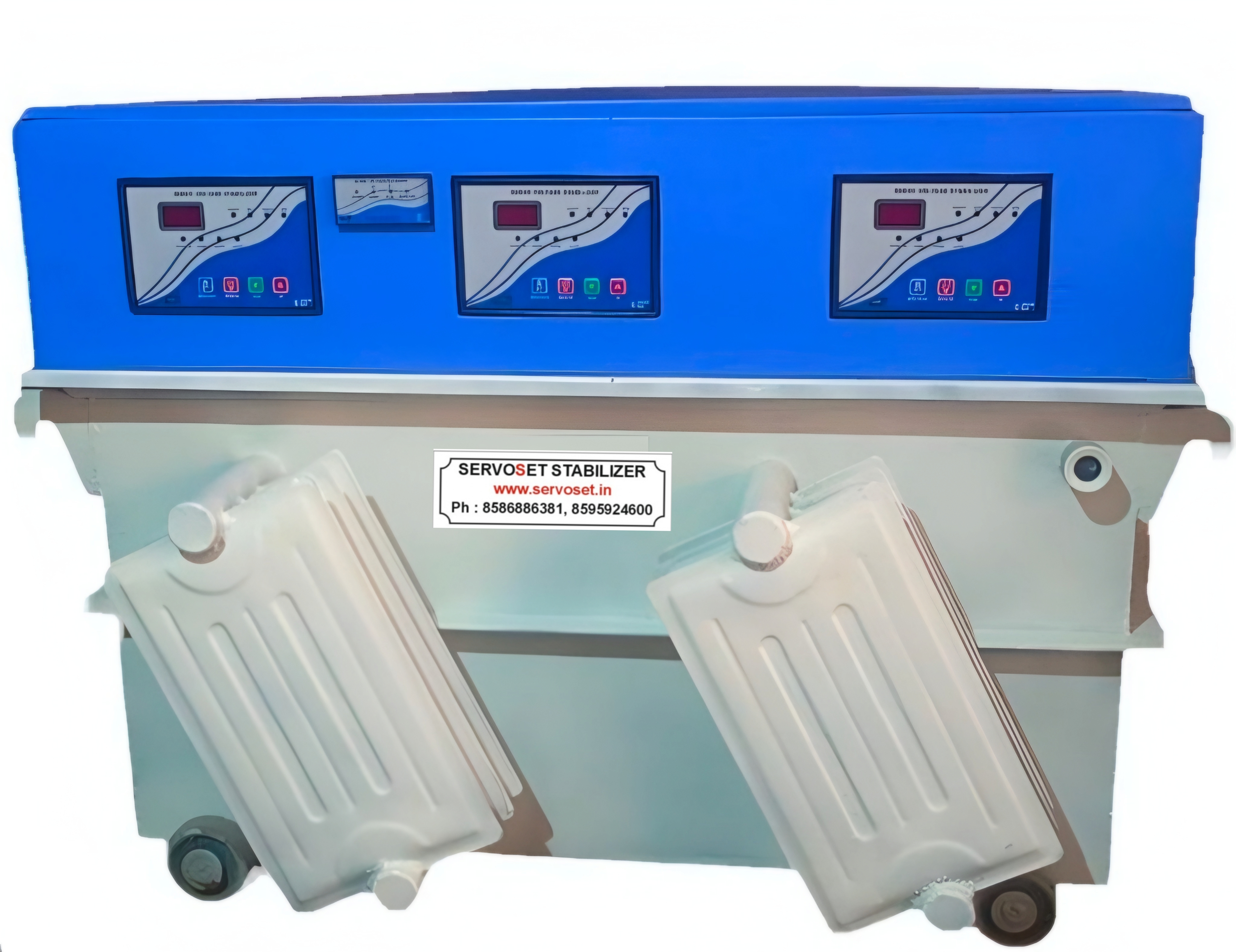
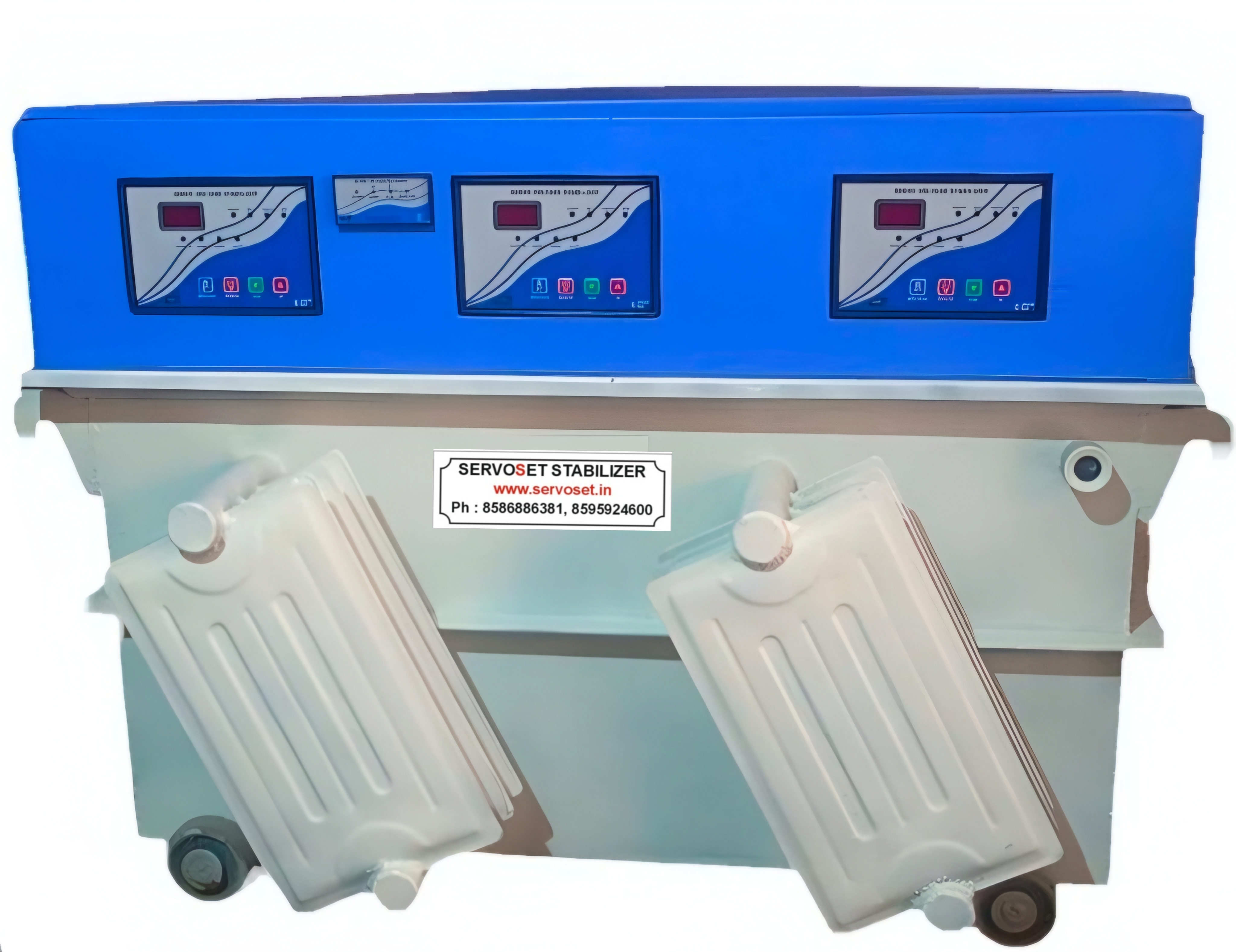
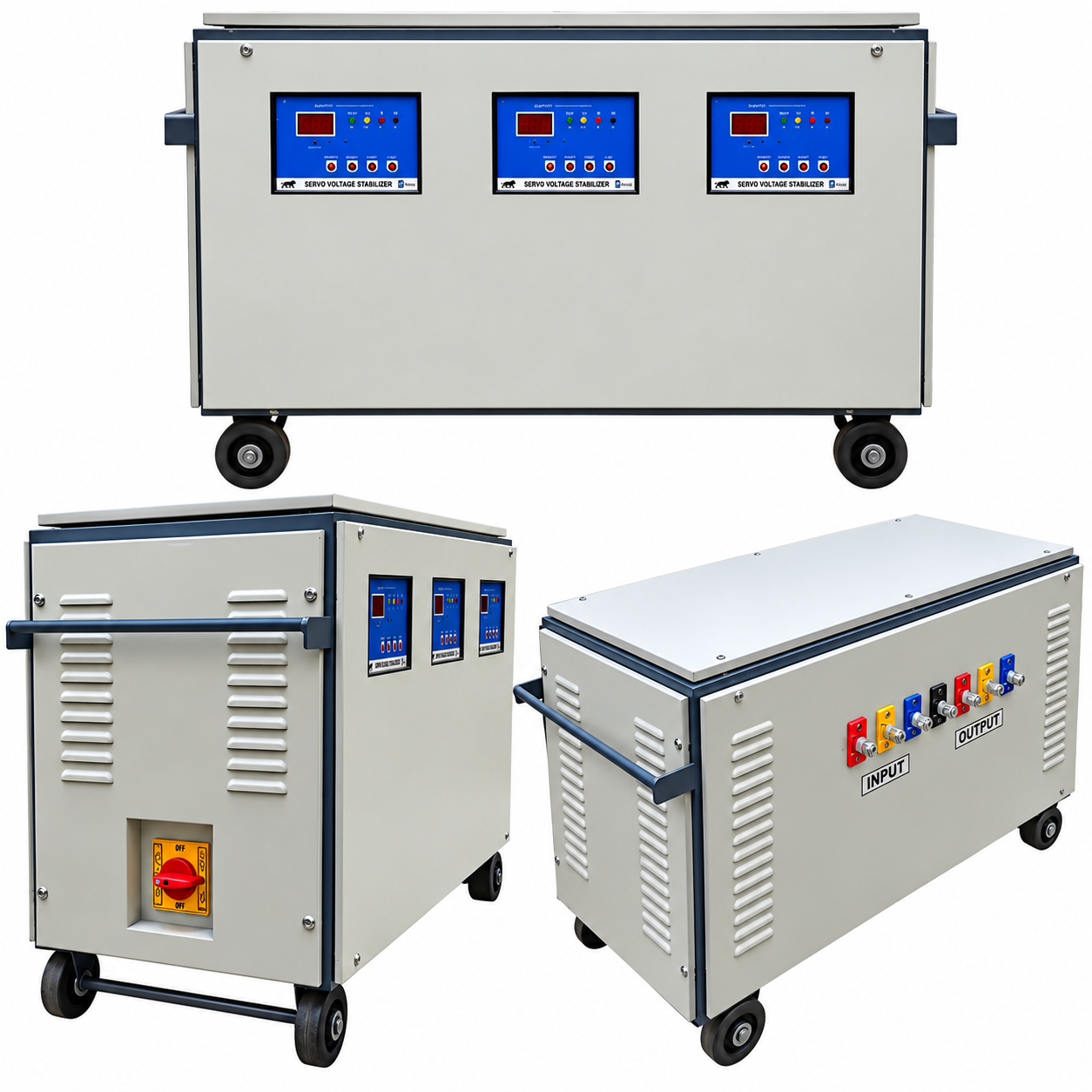
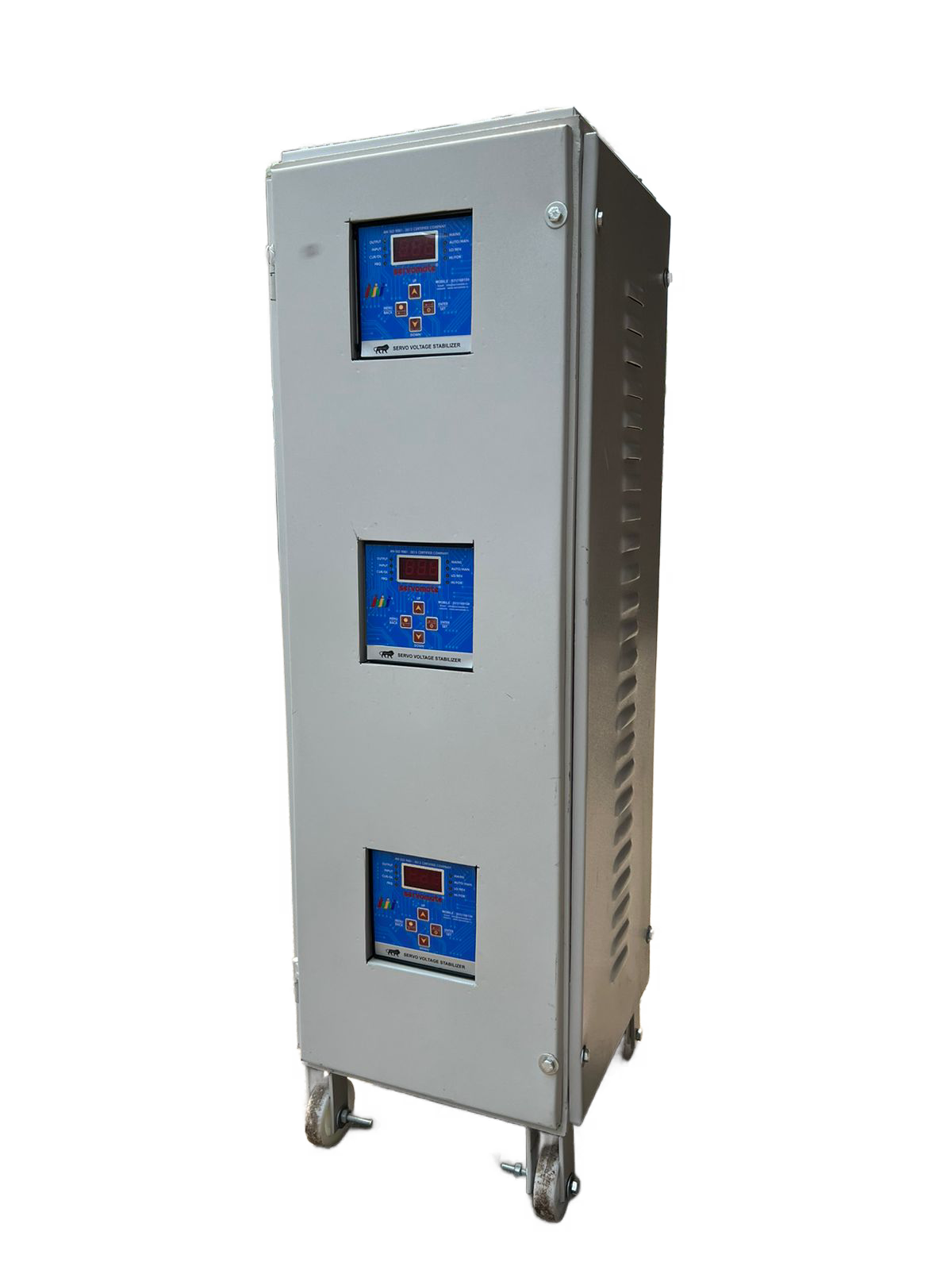
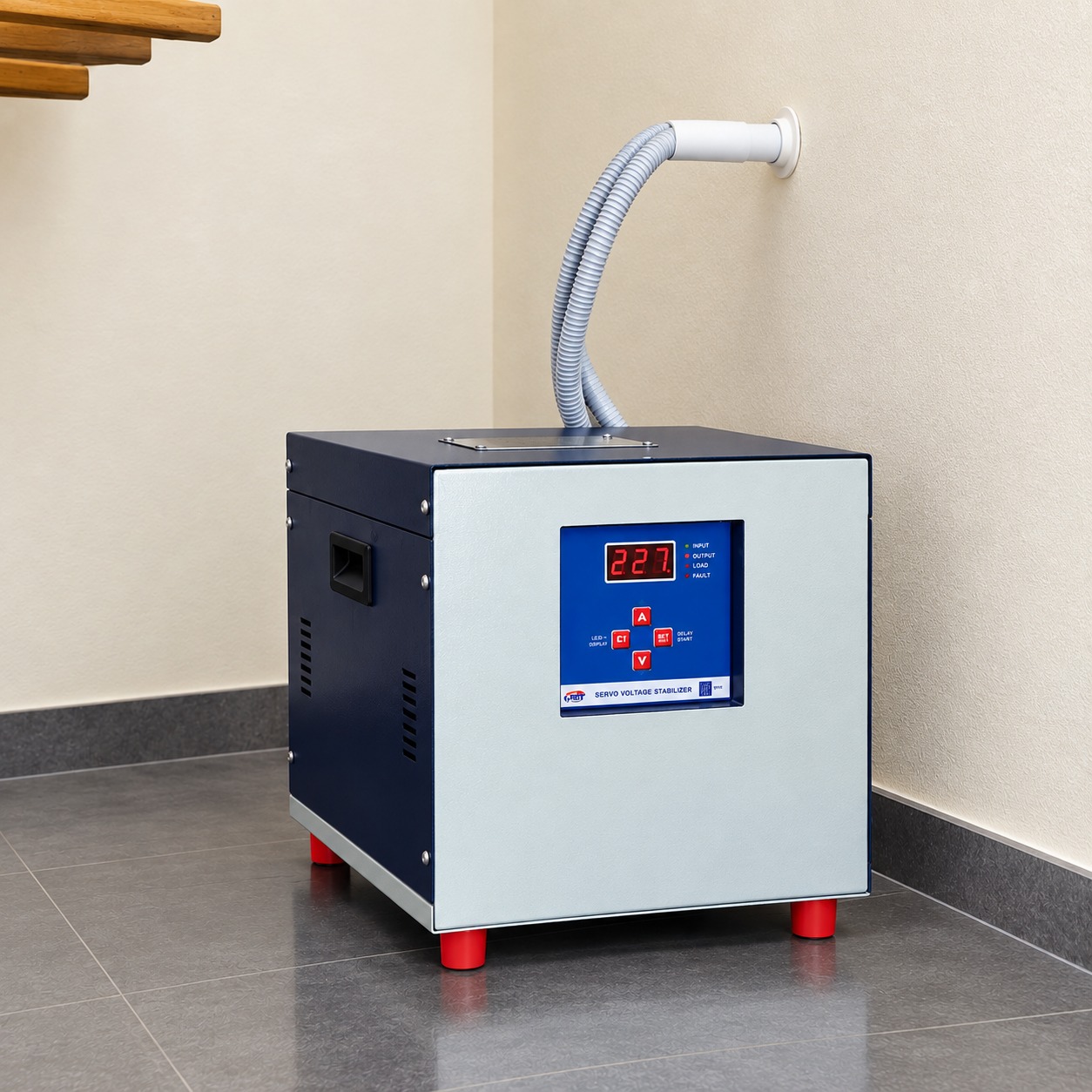
An Oil Cooled Servo Voltage Stabilizer holds its parts inside oil. The oil moves heat away and also provides insulation. This design is made for continuous loads and harsh surroundings, which is why you find it in factories, plants, and large installations. It requires a bit more care than a dry unit, mainly around the oil, but that care is simple once you know what to look for.
Oil Cooled Servo Stabilizer at a Glance
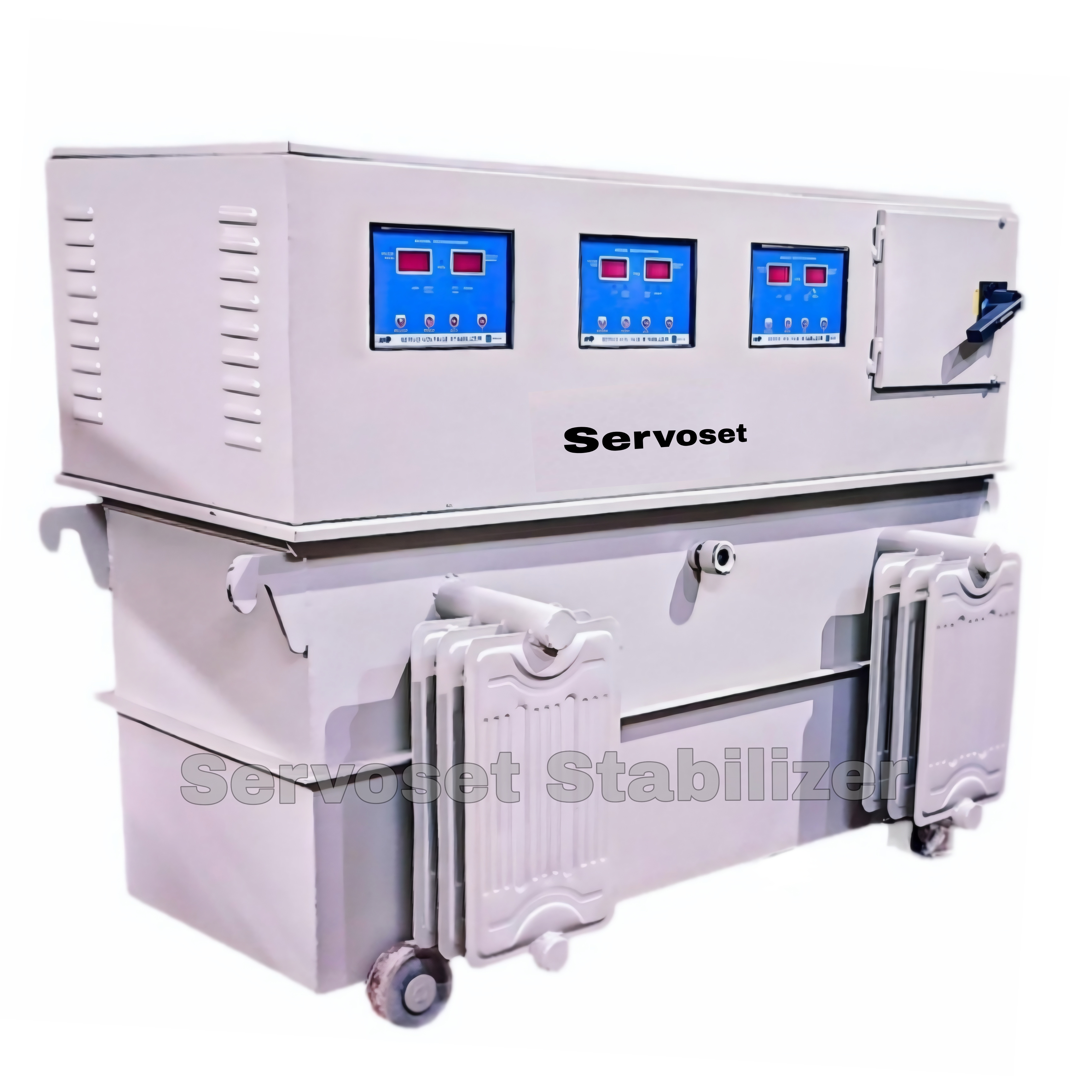
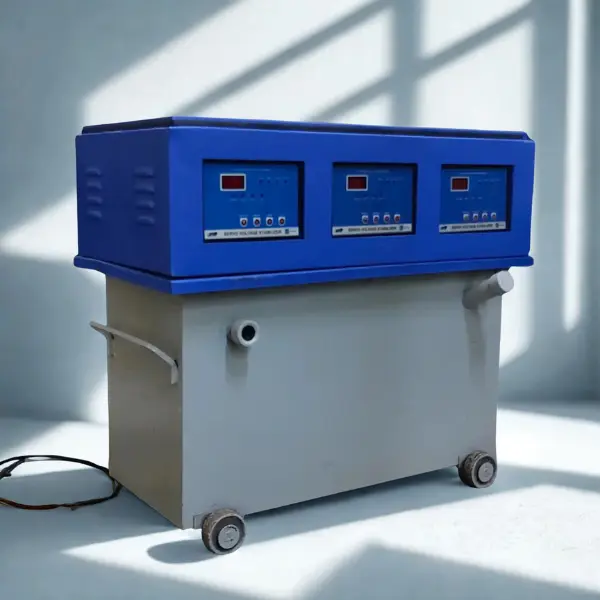
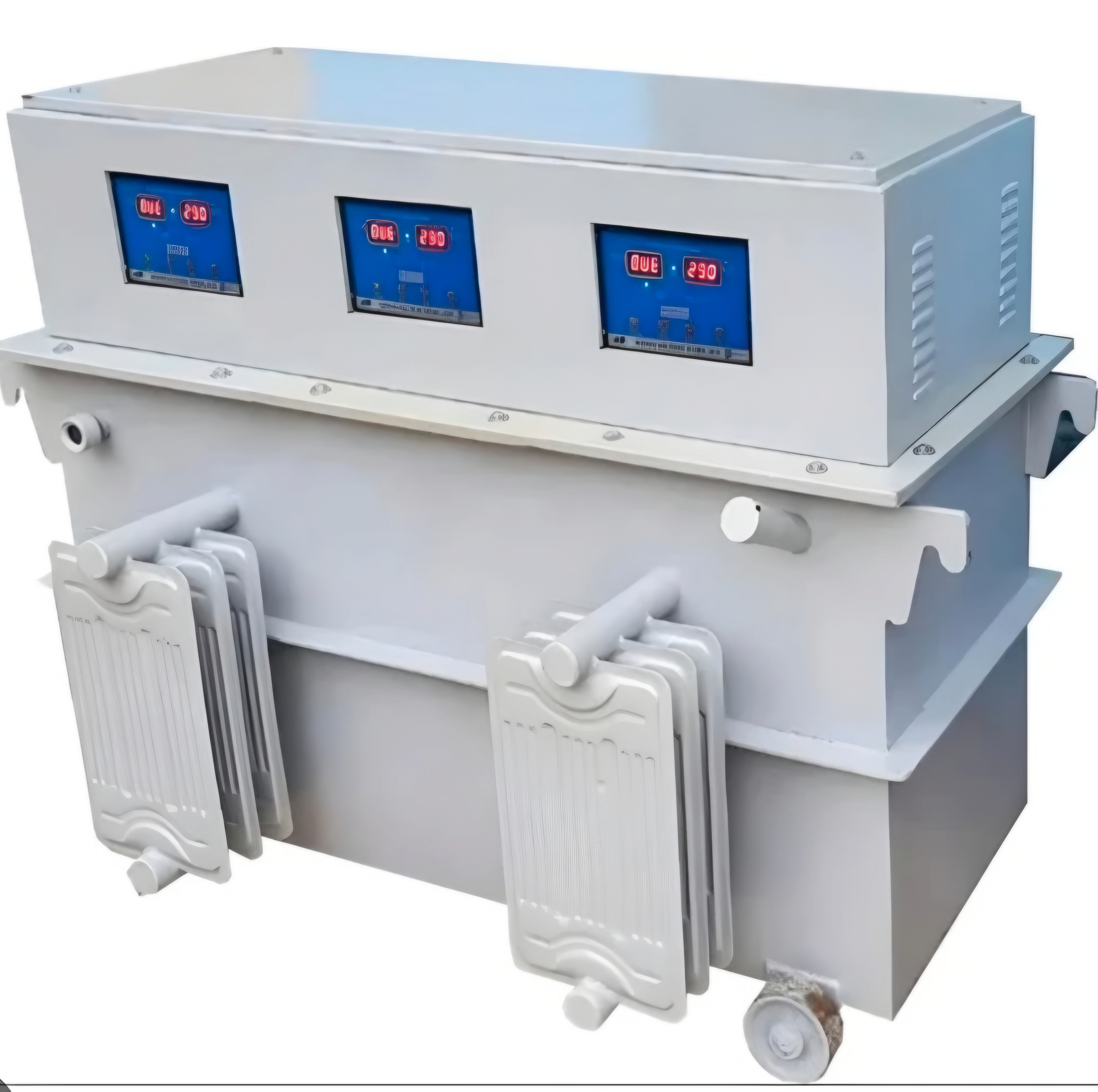
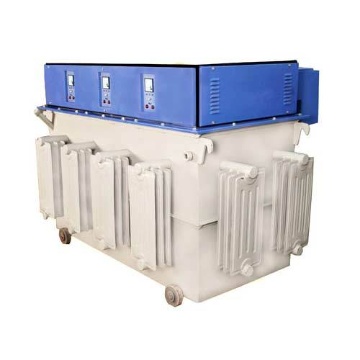
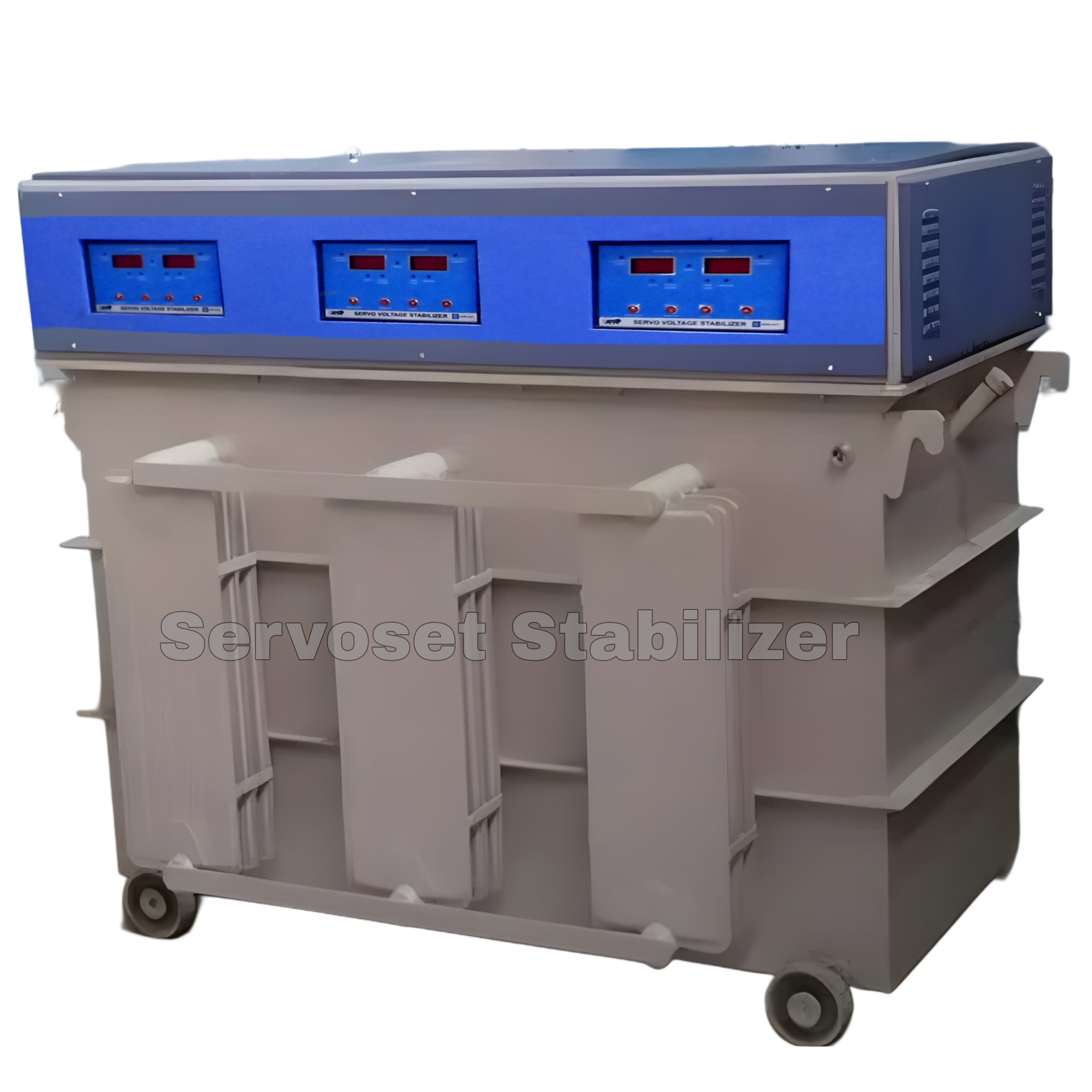
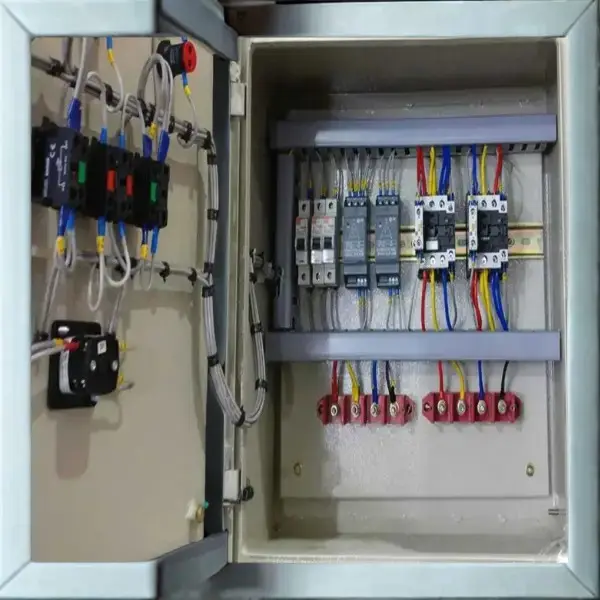
- What it is: An Oil Cooled Servo Voltage Stabilizer has an autotransformer and booster winding that sit inside a tank filled with mineral or specified insulating oil. The oil surrounds the heat-generating parts so the unit stays cooler while it works.
- Typical use: Heavy-duty industrial and commercial plants where the load is high and the unit runs for long hours without a break.
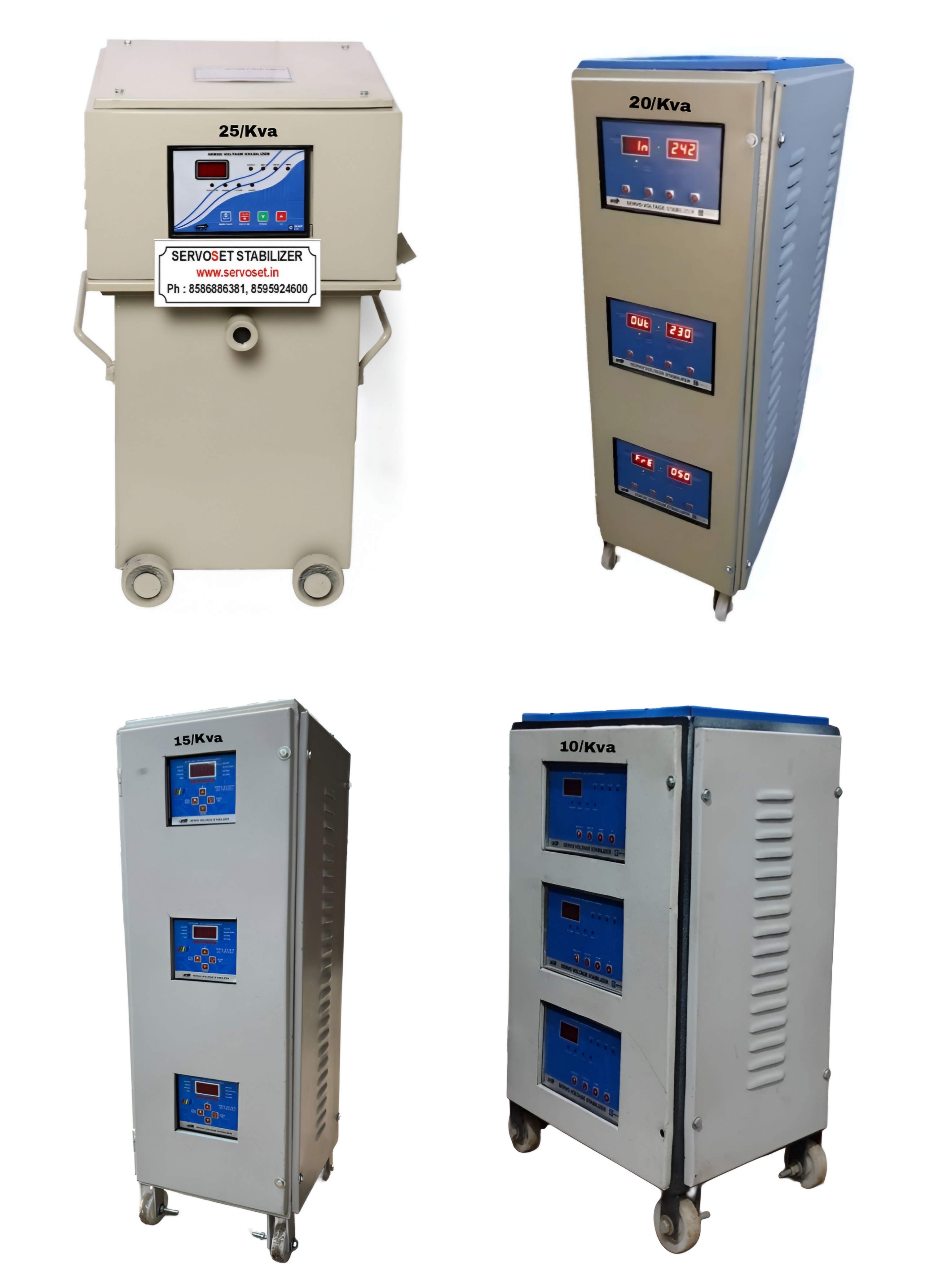
- Capacity range: Oil Cooled Servo Voltage Stabilizers are made in ratings ranging from small capacities to very large ones. Some makers list units from a kVA to several thousand kVA, so one design family can cover a workshop as well as a big plant.
- Common input and output: Three-phase units are often listed with an input window around 340 to 480 V and an output of 400 V with accuracy around ±1%. Exact values depend on the make and model, so always confirm them with the supplier.
- Main difference in care: Besides brush and winding checks, the oil level, oil condition, and tank sealing also need attention because the oil is what keeps the unit cool and insulated.
Inside the Tank: What the Oil Does
The oil does several jobs at the same time, and that is why this design is different from a dry unit. First, it carries heat away. Heat from the winding moves into the oil, then to the tank walls, and finally out into the surrounding air. Because oil transfers heat better than air, the winding stays cooler when the load is heavy.
Second, it provides insulation. Oil is an electrical insulator and keeps the windings and moving parts safely separated, even when the voltage changes quickly.
Third, it protects metal parts from dust and moisture in the air. It also provides an environment for the brush and winding track to operate, helping reduce sparking and wear. Because the oil performs many tasks, its condition directly affects how long the unit stays healthy.
Oil Care Guide: What to Watch
- Level: Check the oil level gauge from time to time. A low level reduces cooling and insulation, so find the reason for the drop instead of only topping it up.
- Colour and clarity: Fresh oil is generally clear. If it turns dark, cloudy, or shows particles, it may be contaminated and should be checked by a service engineer.
- Moisture: Water in oil weakens its insulating properties. A sealed tank and, on larger units, a breather with silica gel help keep moisture out.
- Leaks: Look around gaskets, drain valves, and joints for oil marks. Even a slow seep should be fixed early before the oil level drops.
- Temperature: If the tank or oil temperature reads higher than usual, check for overload, blocked airflow around the tank, or a failing part.
- Quality of oil used: When oil is replaced or topped up, use the type recommended by the manufacturer and ask for oil that meets the applicable standard, such as IS 335 for transformer oil.
- Periodic testing: On units where oil testing is recommended, the oil can be tested at intervals to check its insulation strength and condition. Ask your service team how often it should be done for your unit. Trained personnel should open the tank, drain the oil, or handle oil testing.
Which Sites Suit an Oil Cooled Unit?
Oil Cooled Servo Voltage Stabilizers make sense where the load is heavy and the stabilizer runs for long hours, such as a large factory working three shifts. The oil helps keep the winding cool throughout the day.
They are also a suitable choice in dusty places, such as workshops and foundry areas, because the sealed tank keeps dust away from the internal parts. In industrial sheds where airflow is weak, oil helps transfer heat away from internal components.
For an office or showroom with a light load, an Oil Cooled Servo Voltage Stabilizer is usually more than you need, and a lighter dry-type unit is simpler to handle.
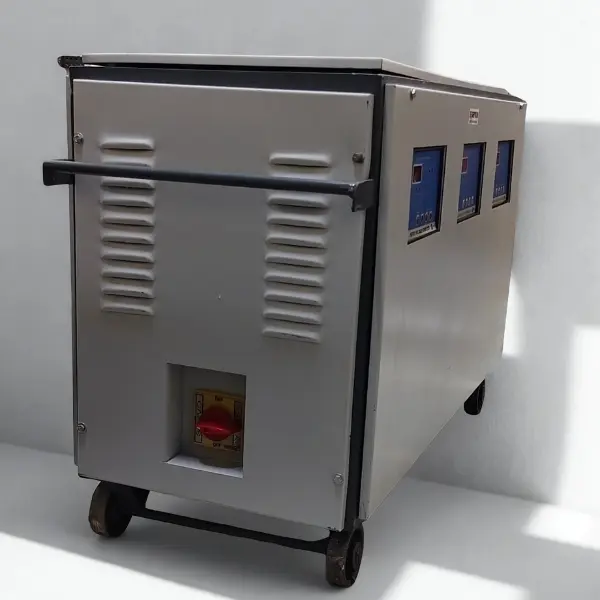
If the unit has to be installed on a rooftop or in a space with weight limits, check the floor or platform strength first because the oil and tank make these units heavier.
How to Read an Oil Cooled Stabilizer Spec Sheet
A specification sheet can look technical, but only a few details matter most for your decision.
- kVA rating: Tells you the load the Oil Cooled Stabilizer can supply.
- Input voltage window: Shows the range of incoming voltage the stabilizer can correct. It should cover the lowest and highest voltage readings at your site.
- Output voltage and accuracy: For example, 400 V ±1% tells you the expected output voltage and regulation accuracy.
- Correction speed: Shows how quickly the output returns to normal after a voltage change. This matters for sensitive machines and equipment.
- Unbalanced load capability: Indicates whether a three-phase Oil Cooled Stabilizer can handle different loads on each phase.
- Winding material: Check the winding material, as copper winding is commonly requested for industrial applications.
- Protection features: Look for overvoltage, undervoltage, and overload cut-offs, along with appropriate trip delay settings.
- Oil specifications: Check the recommended oil type and quantity.
- Operating temperature range: Confirm the temperature range under which the unit is designed to operate.
- Efficiency: Review the efficiency figure to understand the unit's energy performance.
Oil, Leaks and Safety: Common Concerns
Many buyers ask whether the oil is a fire risk. Transformer-type insulating oil is widely used in electrical equipment, but its fire risk depends on the oil type, equipment design, and installation conditions. The area around the Oil Cooled Stabilizer should be kept clean and free of stored combustible materials, and all safety protections should remain functional.
If the Oil Cooled Stabilizer starts leaking, switch to bypass if the installation is designed for safe bypass operation and follow the manufacturer's shutdown procedure. Keep people away from the spill and contact a service engineer instead of continuing to run the unit. Do not touch leaking electrical equipment or attempt repairs while it is energised.
Outdoor use is possible with some models that have a suitable weatherproof enclosure. Check with the manufacturer before installing the unit outside.
A mild hum and motor sound are normal, but a sudden change in noise is a reason to have the stabilizer checked. Used oil should be handled and disposed of through authorised agencies. Never drain it onto the ground.
Cost of Ownership: Beyond the Price Tag
An Oil Cooled Stabilizer often costs more initially than a dry-type unit of the same rating, but the real cost becomes clearer over the years.
Consider how the Oil Cooled Stabilizer will run each day, the load it will carry, and the cost of a breakdown in terms of lost production. Also check whether spare parts, suitable oil, and service support are available near your location.
Consider how well the unit can handle a hot or dusty site without requiring additional cooling arrangements. For heavy, continuous-duty applications, an Oil Cooled Stabilizer that suits the site may cost less over its service life than a unit that struggles with heat.
Planning an Installation? Let SERVOSET Help You Decide
If you are comparing cooling types for a factory, plant, or commercial site, the SERVOSET team can assess your load, voltage range, and working conditions and suggest a servo voltage stabilizer for your requirements.
You can reach them through SERVOSET's official website.
Frequently Asked Questions
What is an oil cooled servo voltage stabilizer?
An Oil Cooled Servo Voltage Stabilizer is a servo stabilizer whose transformer components are immersed in oil. The oil helps cool and electrically insulate these components.
Where is it mostly used?
An Oil Cooled Stabilizer is mostly used in factories, plants, and large commercial sites with heavy or continuous electrical loads.
How often should the oil be checked?
Check the oil level and look for leaks regularly. Have the oil tested at intervals recommended by the manufacturer, especially on large Oil Cooled Stabilizers.
Is it heavier than an air cooled unit?
Yes, an Oil Cooled Stabilizer is generally heavier than a comparable air-cooled unit because the oil and tank add weight. Confirm the floor or platform's load-bearing capacity before installation.
Can it handle unbalanced loads?
Many three-phase Oil Cooled Stabilizers are designed to handle unbalanced loads. However, the permitted imbalance depends on the specific model, so confirm this capability with the supplier.
Who should service it?
A trained service engineer should maintain the Oil Cooled Stabilizer, particularly when handling the oil, inspecting internal components, or carrying out electrical tests.
Conclusion
An Oil Cooled Servo Voltage Stabilizer is built for demanding sites because the oil inside the tank carries heat away and provides insulation for the windings. This helps the stabilizer maintain stable output under heavy and continuous loads.
An Oil Cooled Stabilizer requires extra care, mainly in monitoring the oil level, colour, moisture, and leaks. With a regular inspection routine and periodic servicing by trained personnel, the unit can operate reliably for many years.