Introduction
A single voltage spike can burn out a motor winding in seconds. A prolonged voltage sag can force a factory line to shut down mid-production. For industries that run heavy machinery around the clock, unstable power isn't a minor inconvenience — it's a direct line to equipment damage, unplanned downtime, and repair bills that dwarf the cost of prevention. This is precisely the gap a heavy duty servo voltage stabilizer is designed to close, and it's why demand for these units has grown steadily across Uttarakhand's industrial belt, particularly around Rudrapur's manufacturing zones.
This guide covers how servo stabilizers actually work, what genuinely qualifies as "heavy duty," and what to look for when sourcing one for continuous industrial use.
How a Servo Stabilizer Actually Corrects Voltage
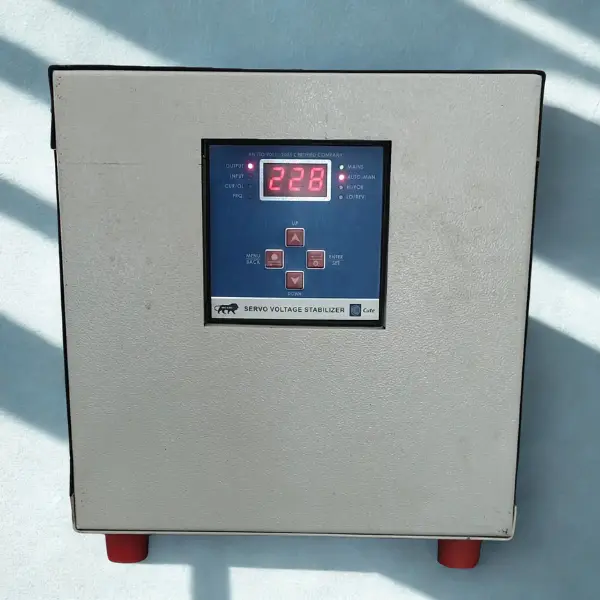
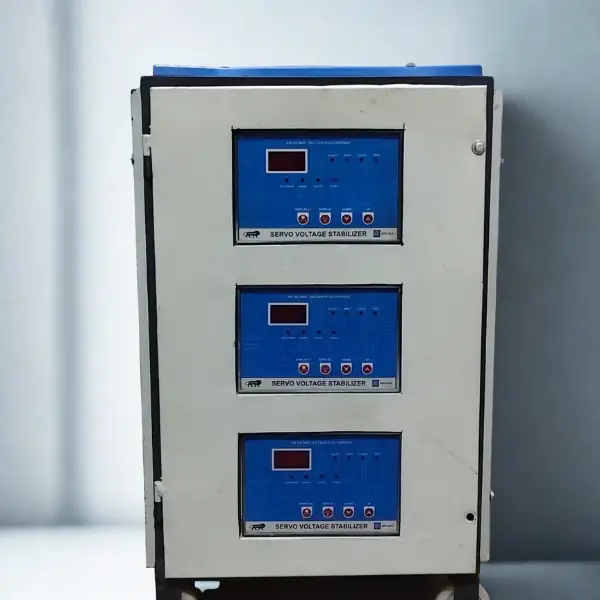
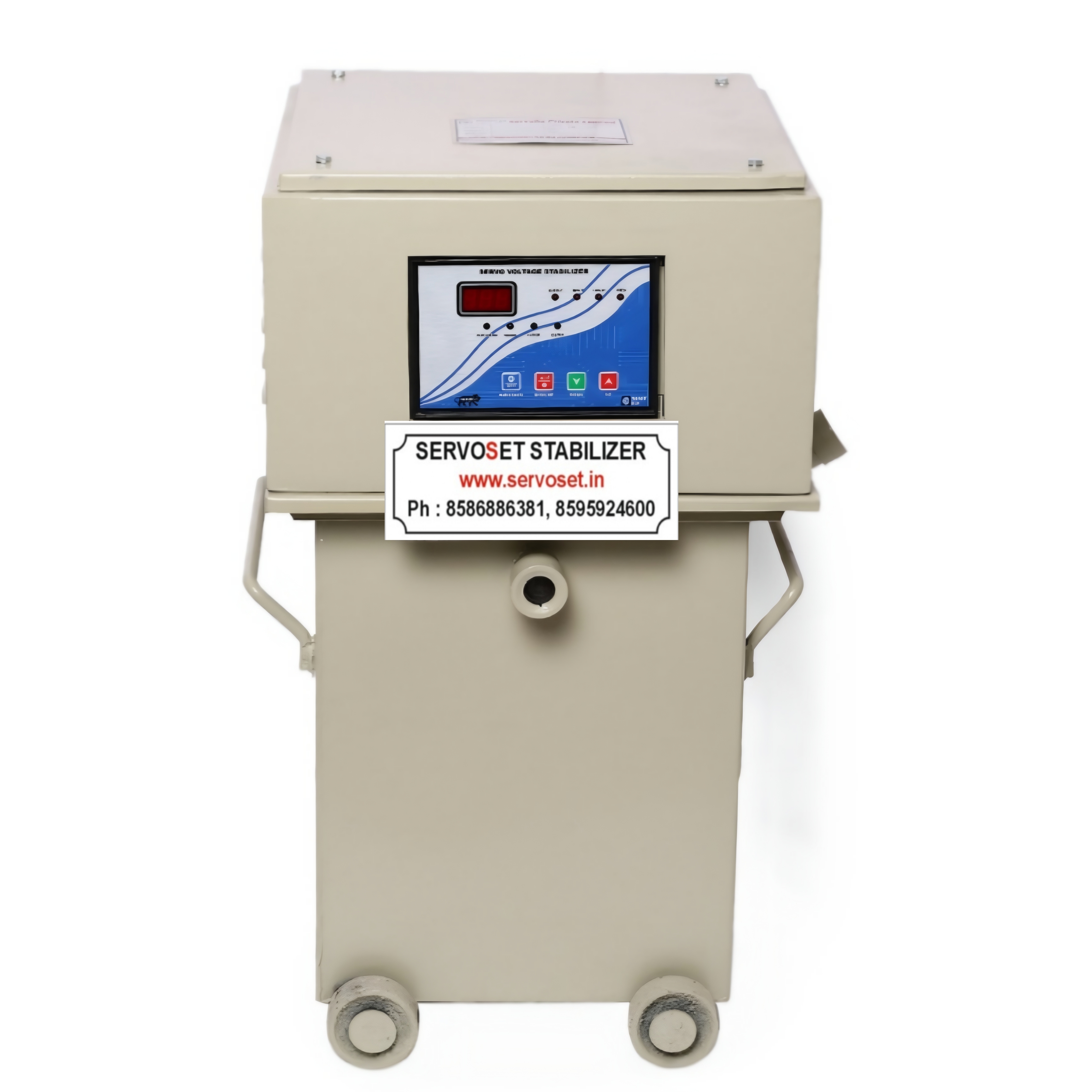
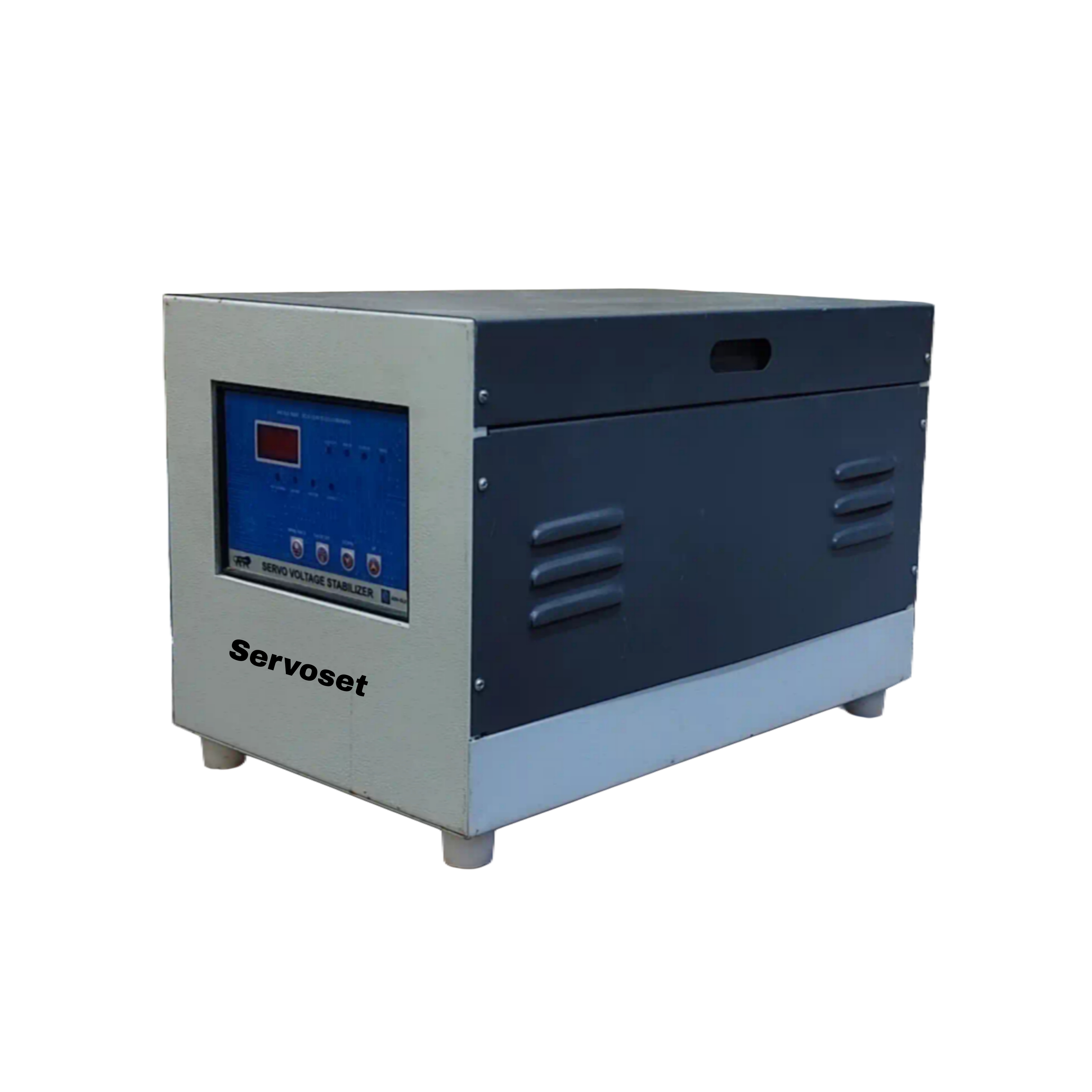
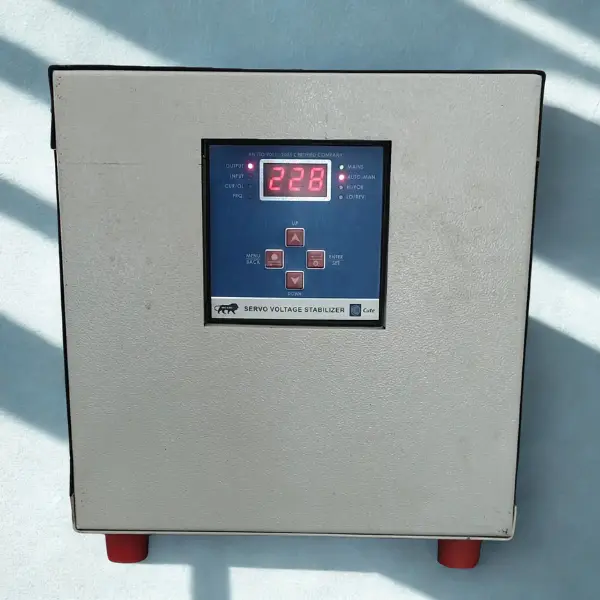
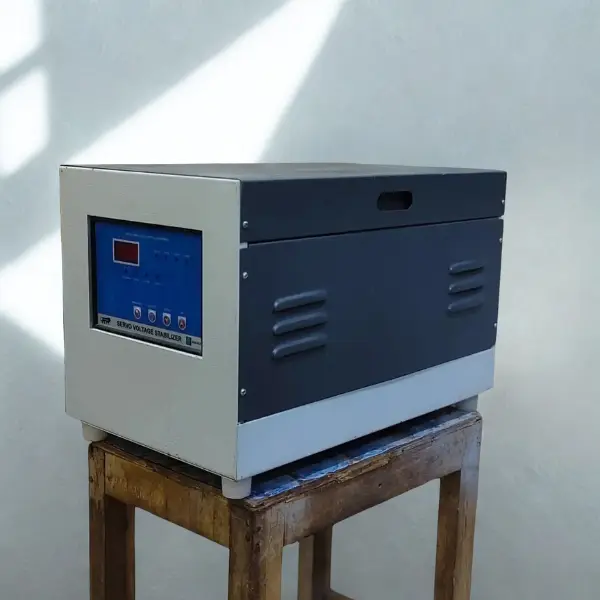
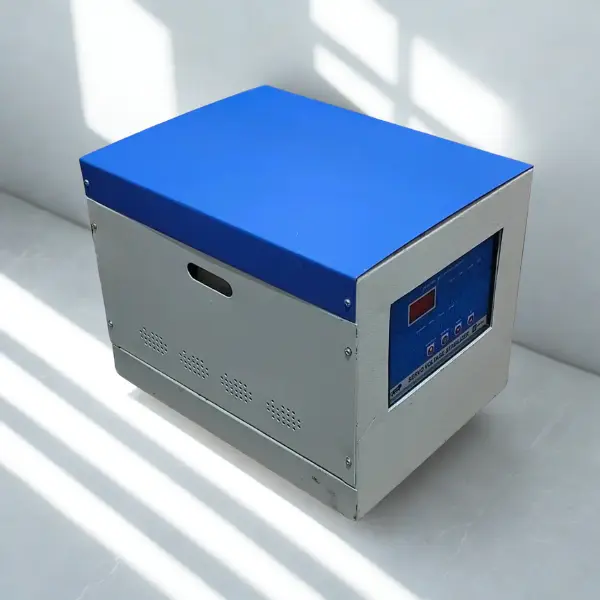
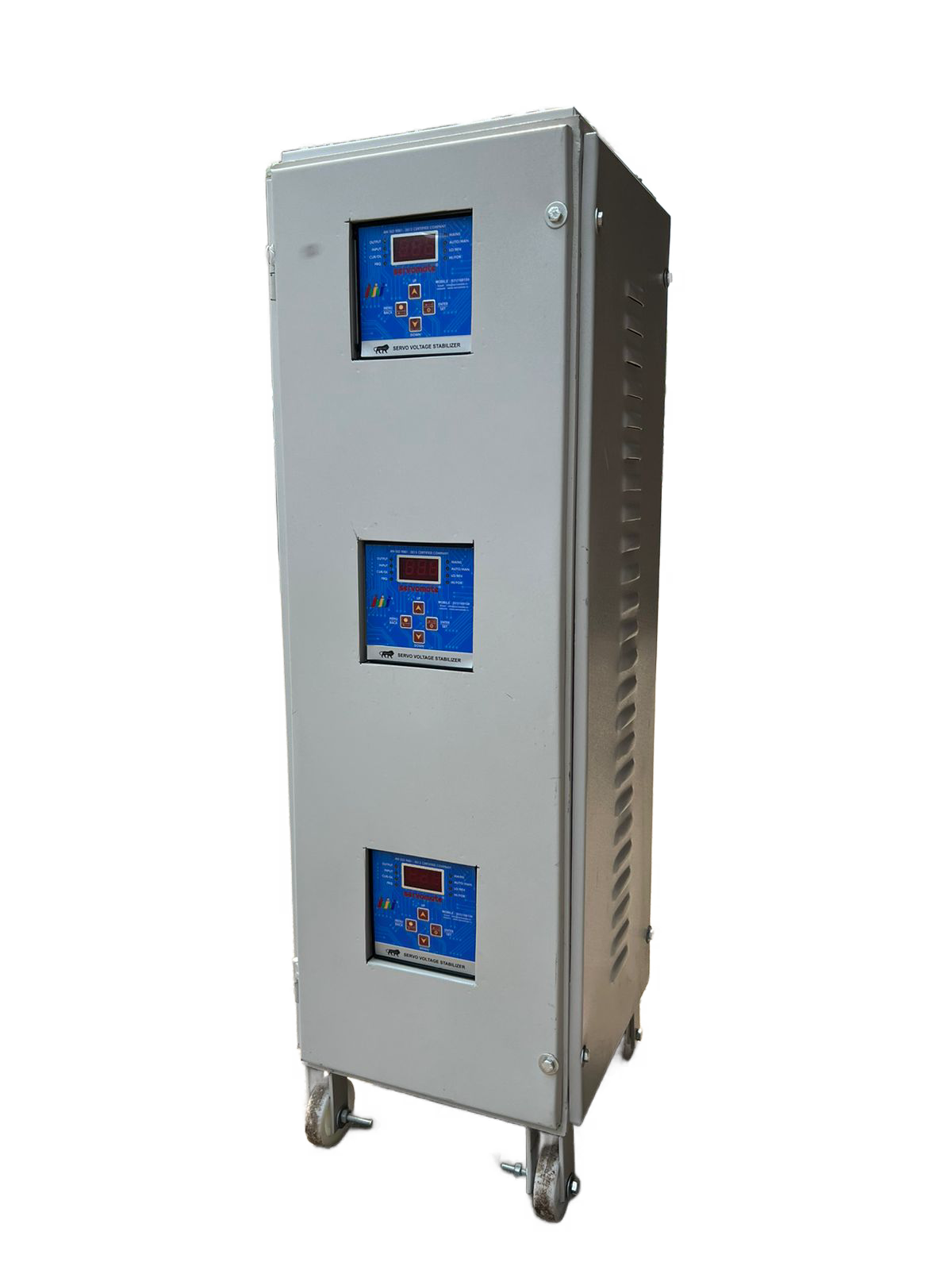
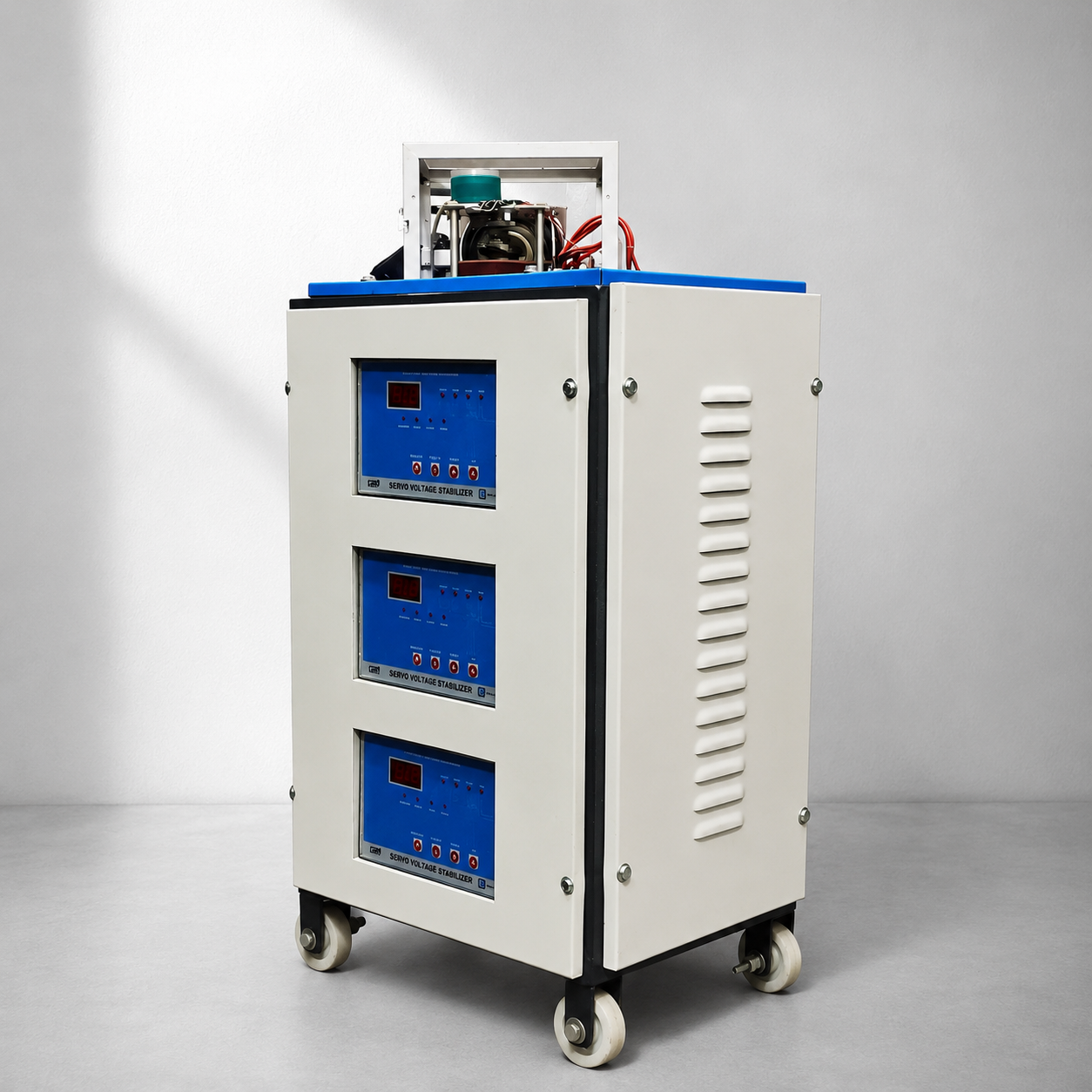
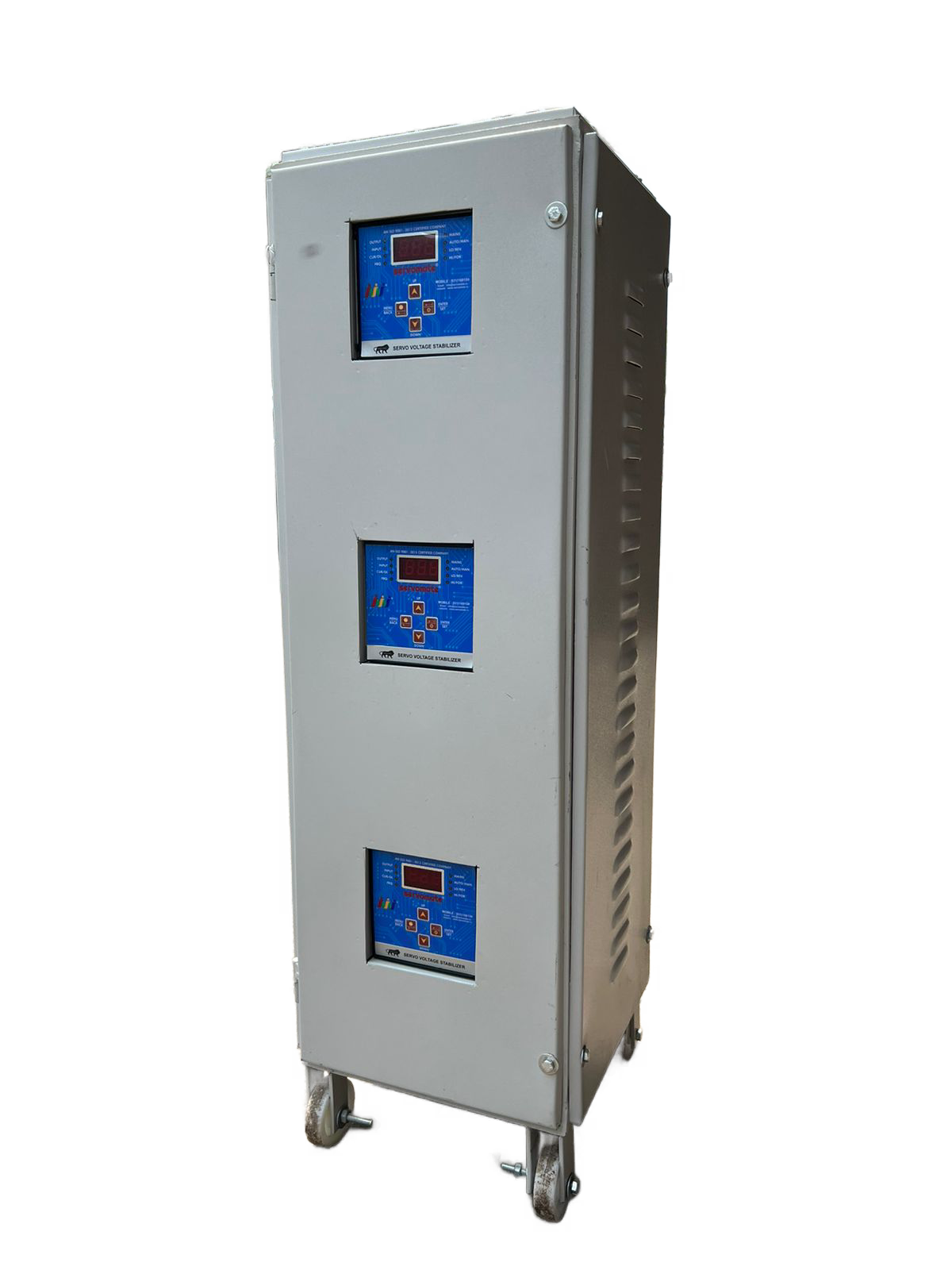
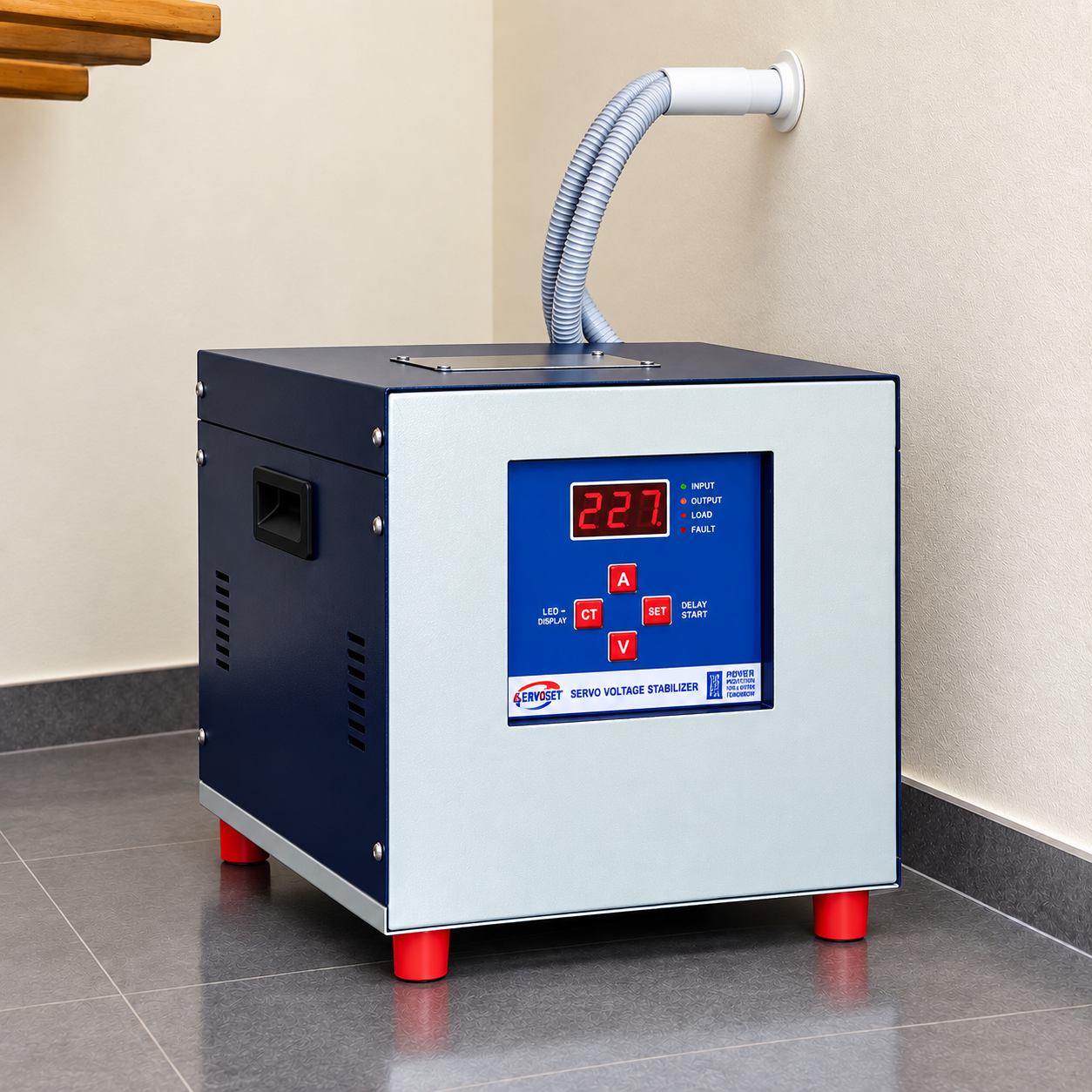
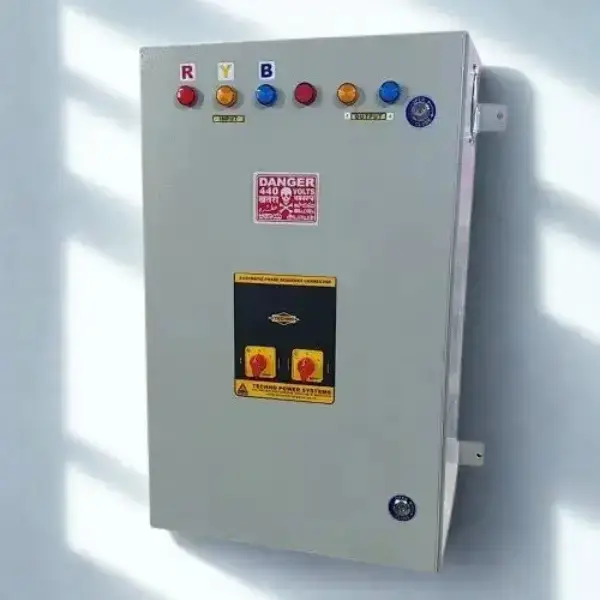
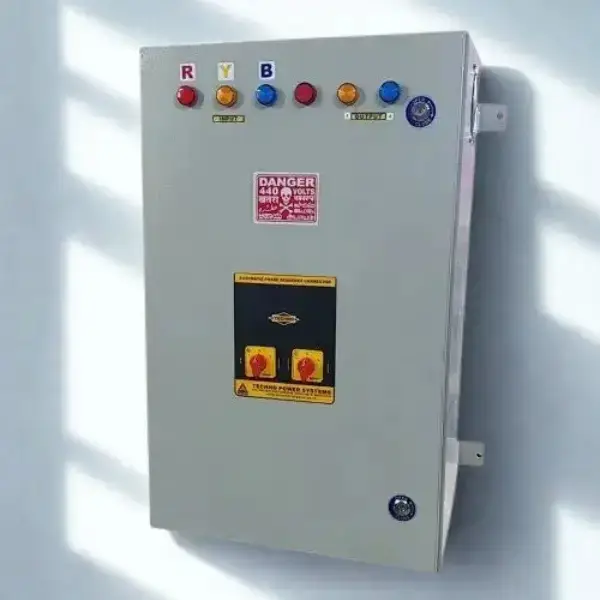
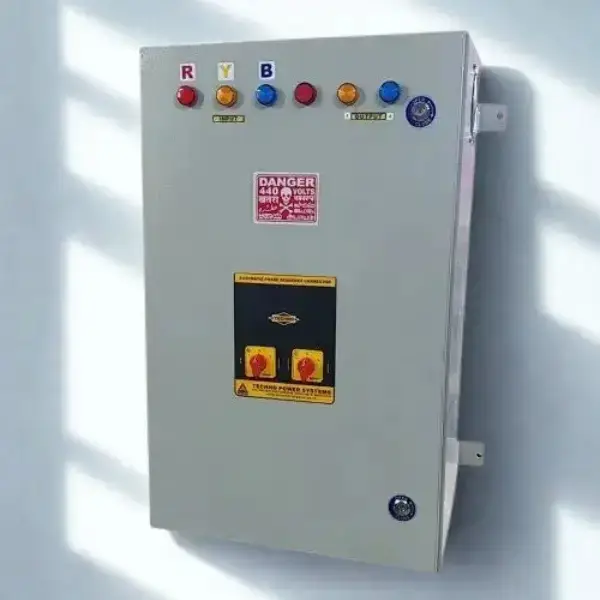
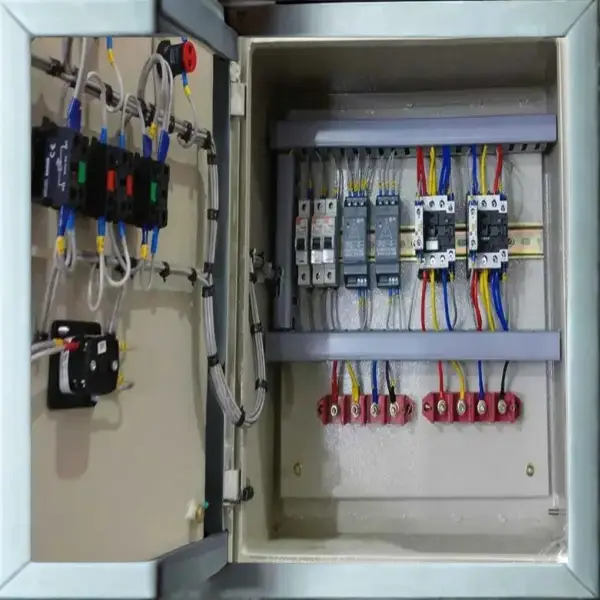
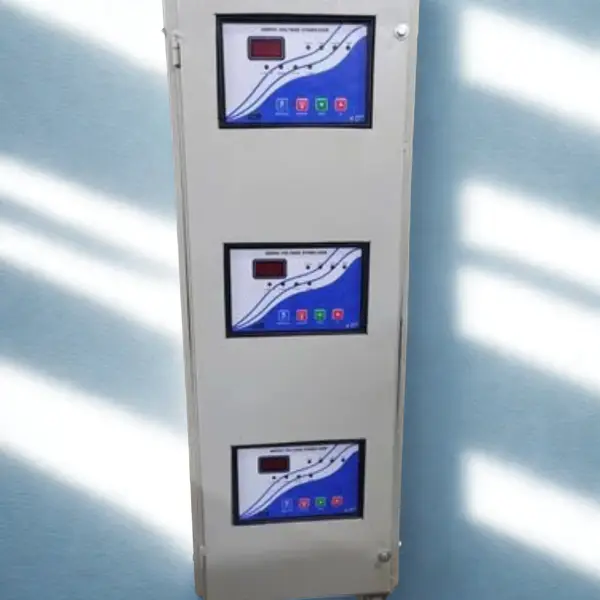
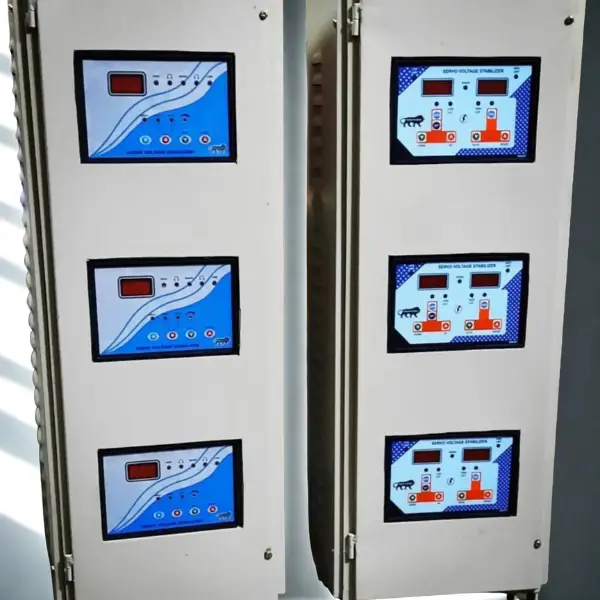
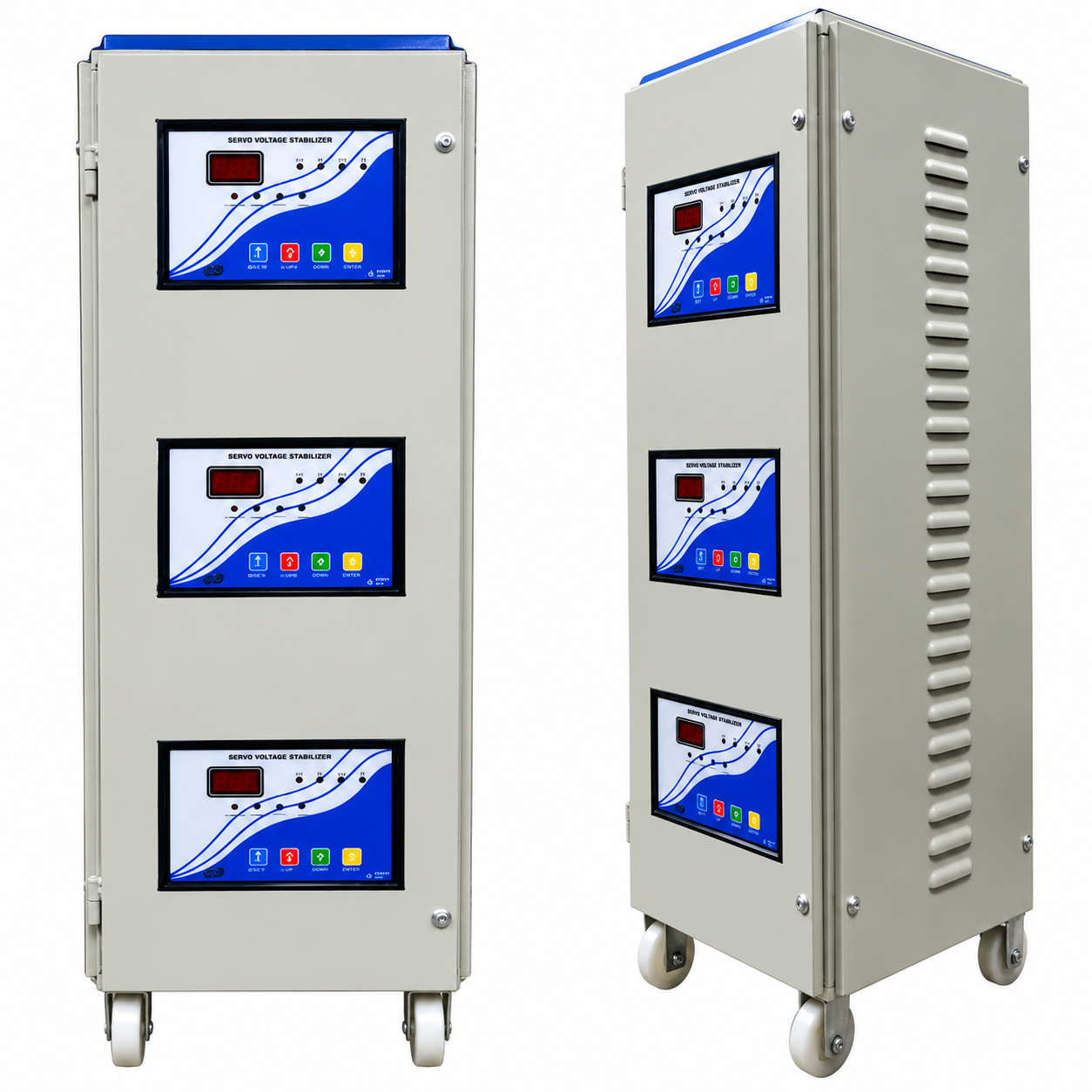
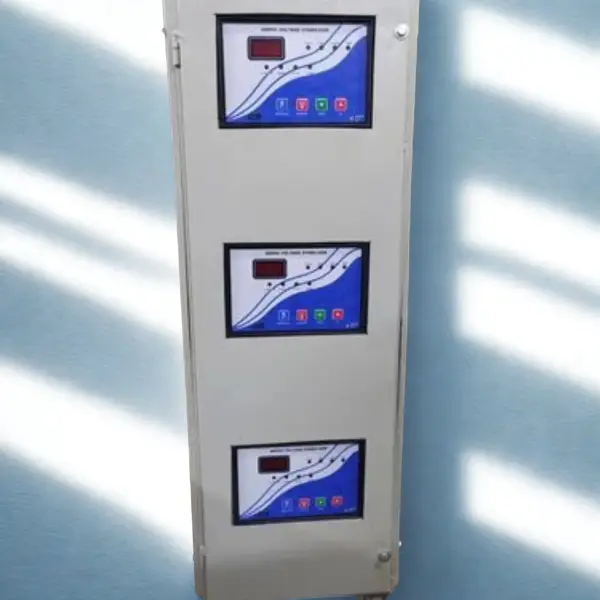
A servo voltage stabilizer uses a servo motor-driven variac system to continuously track incoming voltage and adjust it in real time. Unlike older relay-based stabilizers that switch between fixed voltage taps in discrete steps, a servo unit makes smooth, continuous corrections — which matters because abrupt tap-switching can itself introduce stress on connected equipment.
The result is an output voltage that stays within a tight band (commonly around ±1%) no matter how much the incoming supply fluctuates. For sensitive or expensive machinery, that precision is the difference between decades of reliable service and a motor that burns out within a couple of years.
Separating Genuine Heavy-Duty Units From Marketing Labels
The term "heavy duty" gets used loosely in this industry, so it's worth knowing what actually makes a unit fit for continuous industrial operation rather than light commercial use:
- A wide input voltage tolerance range, so the unit doesn't cut out during severe swings
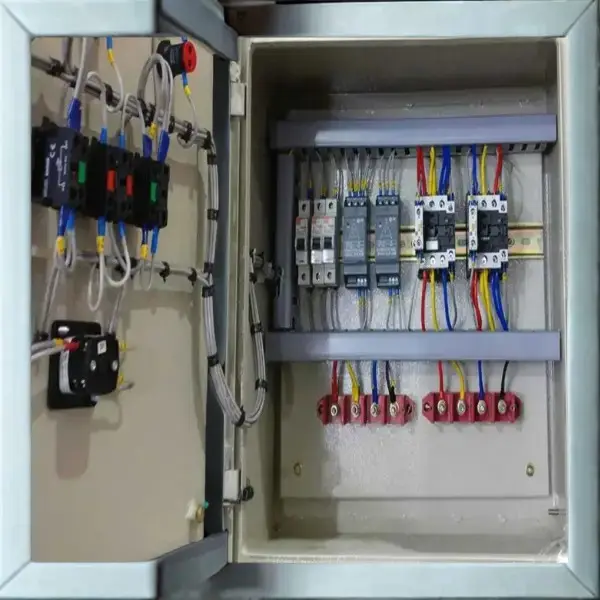
- Heavy-gauge copper windings that handle sustained current without overheating
- A microcontroller-based correction system rather than older analog control circuits
- A servo motor assembly rated for continuous duty cycles, not intermittent operation
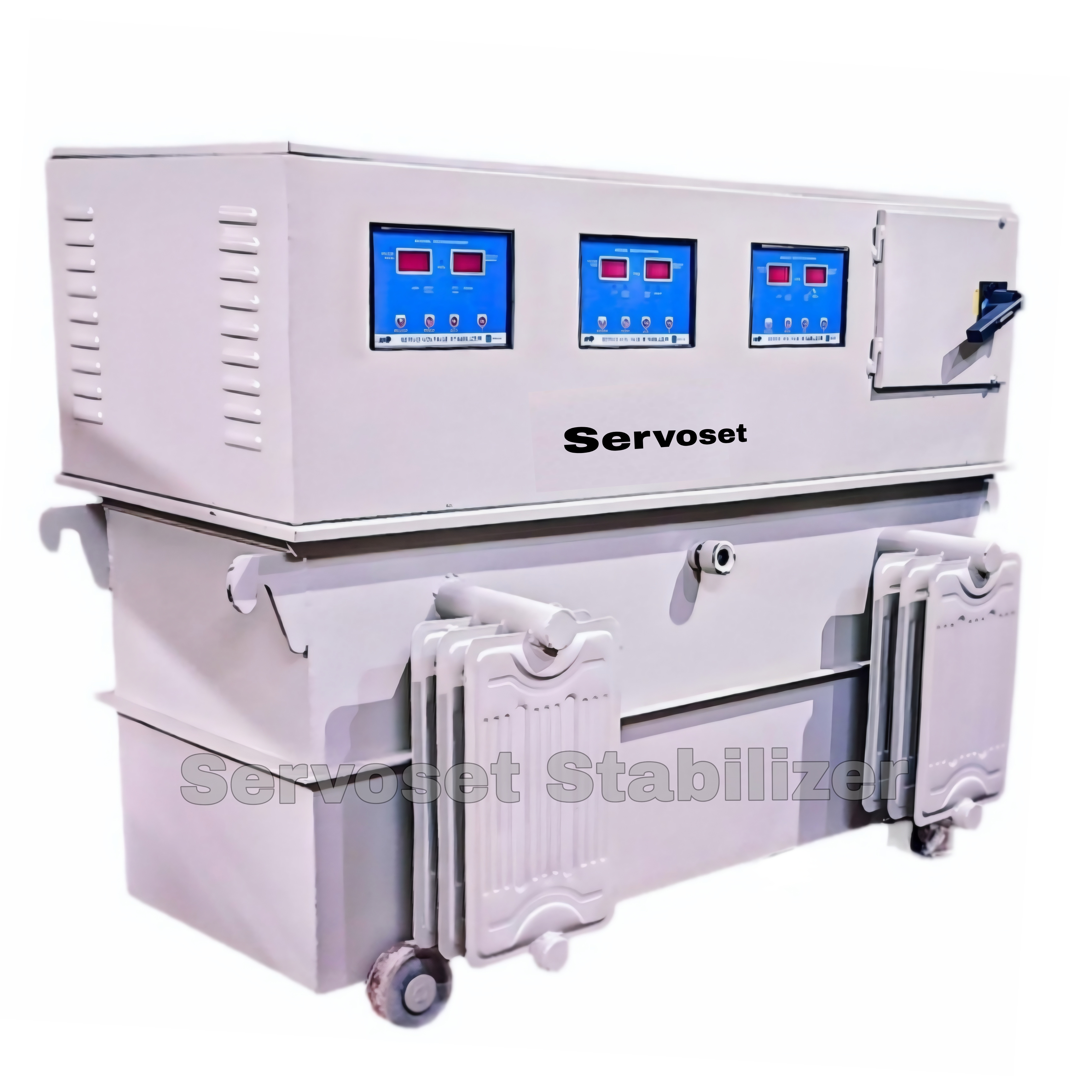
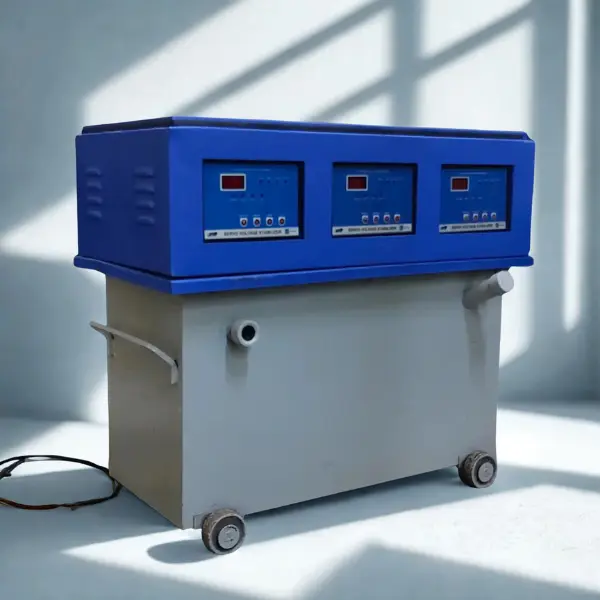
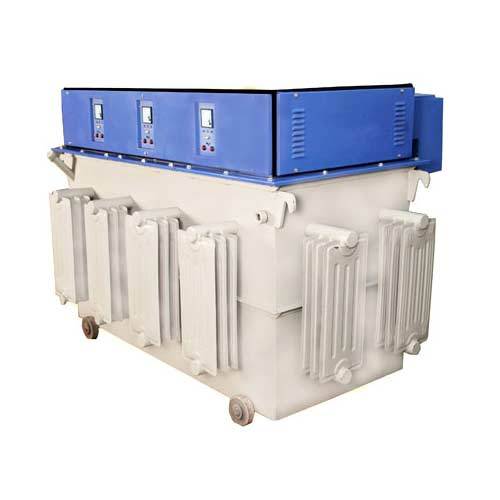
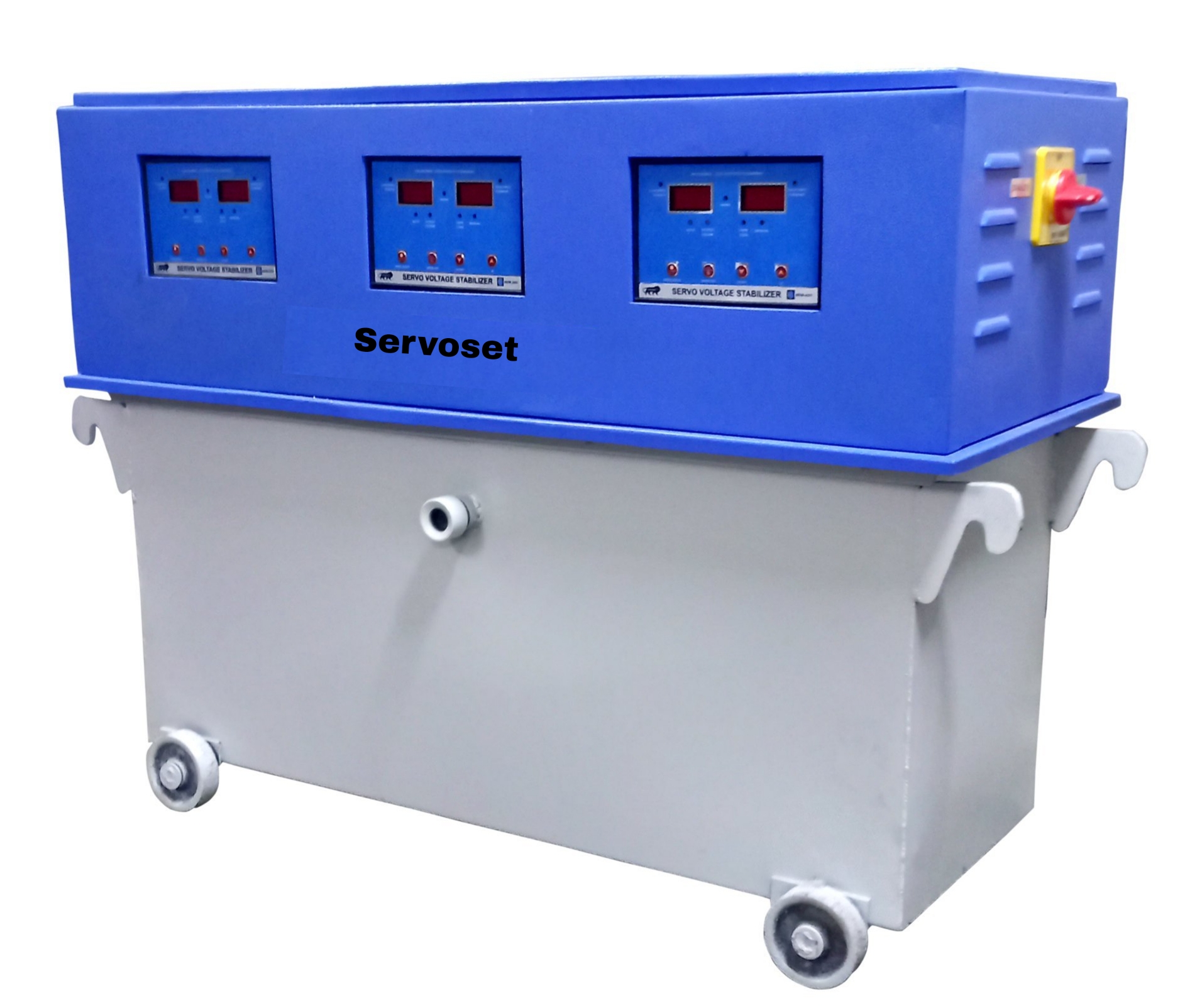
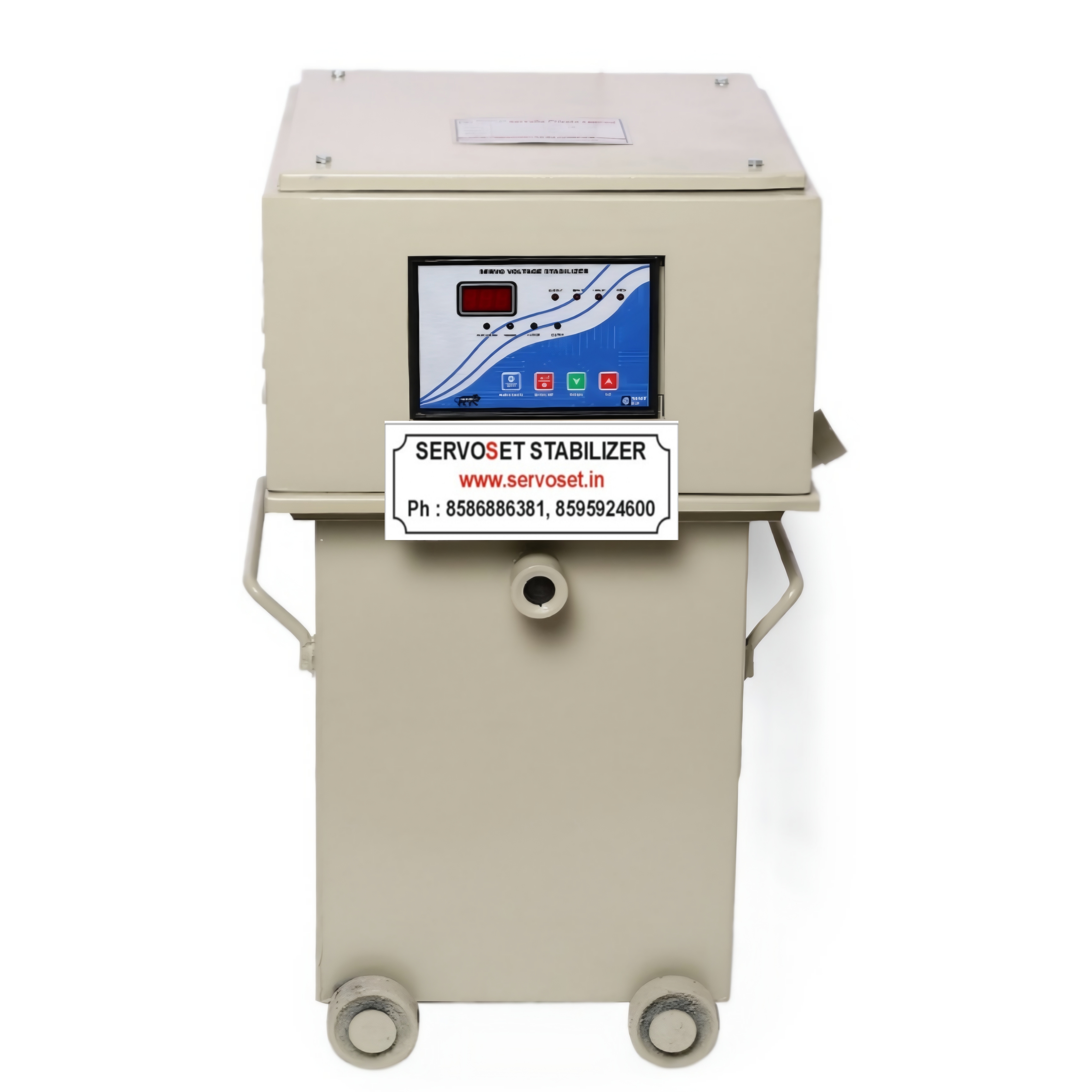
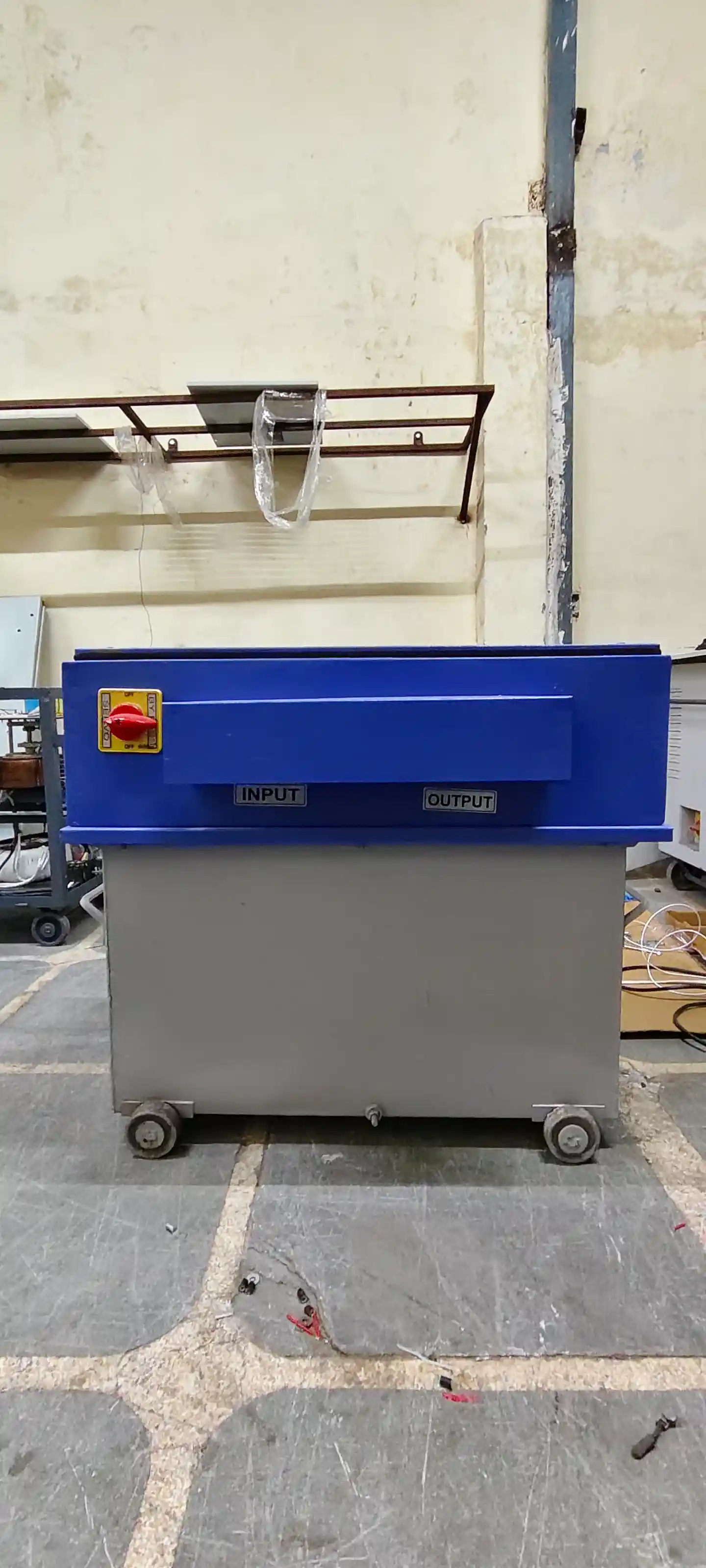
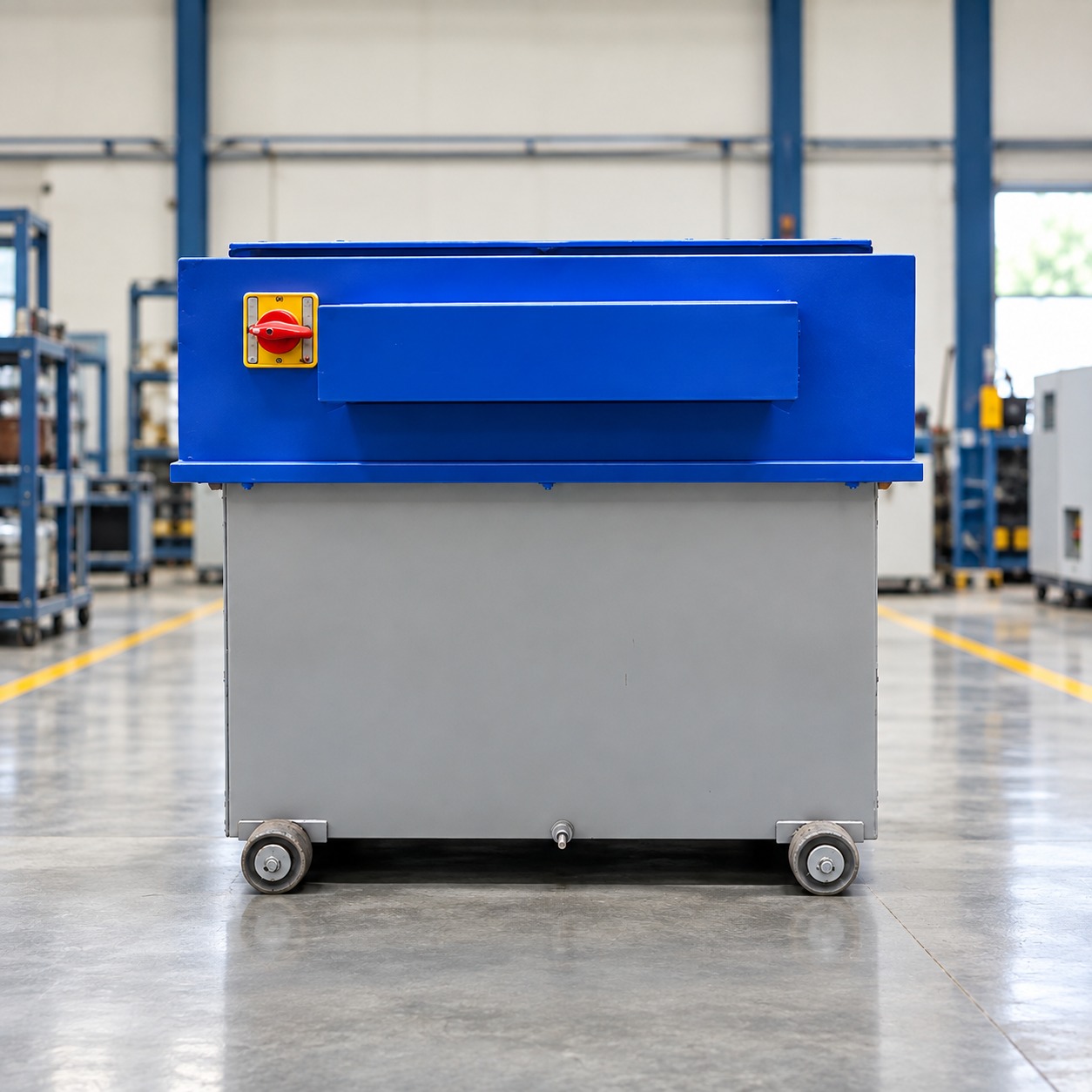
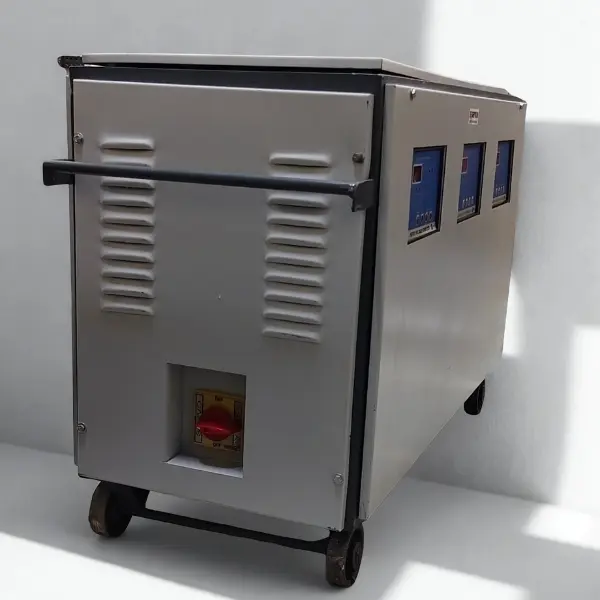
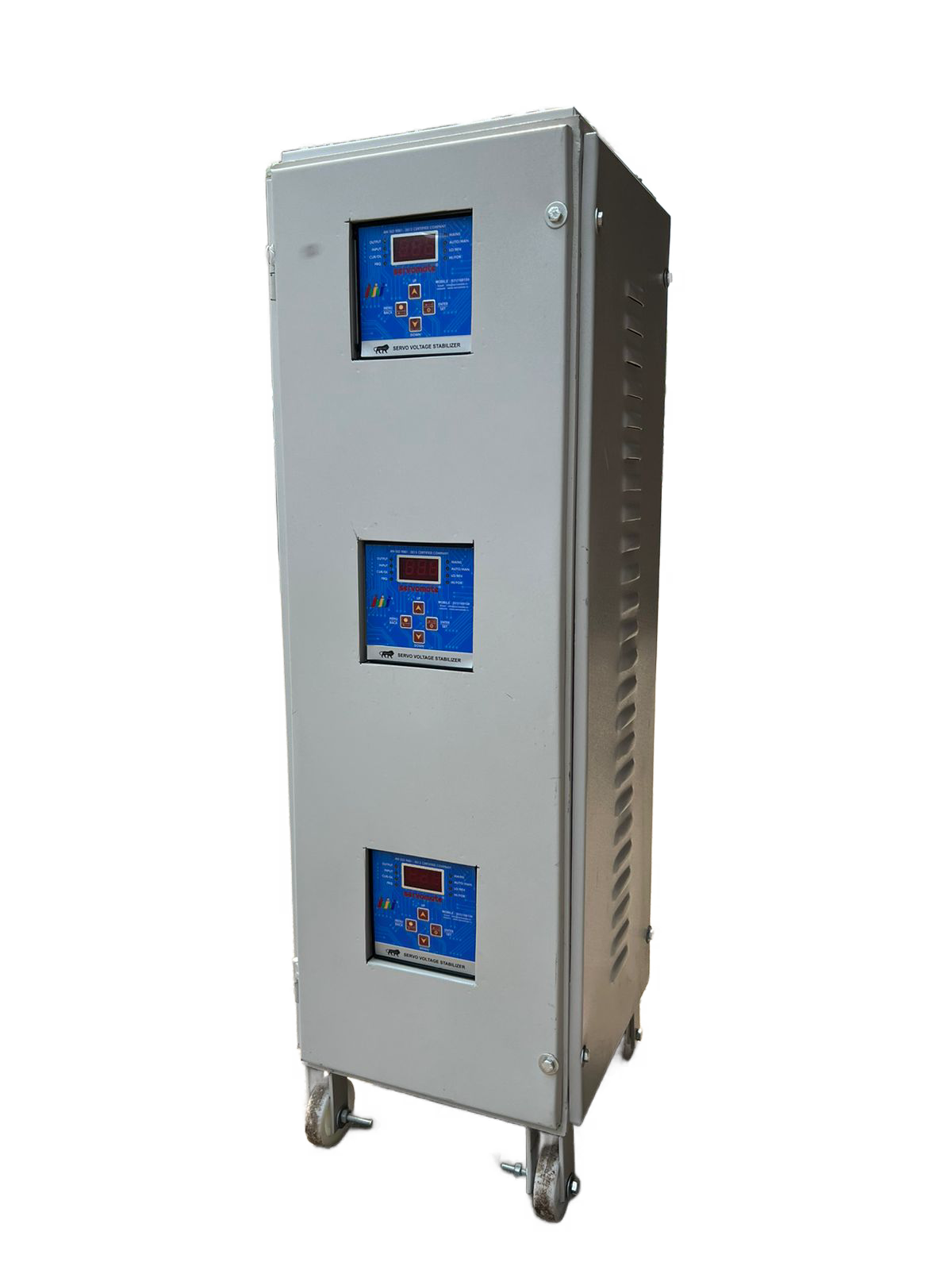
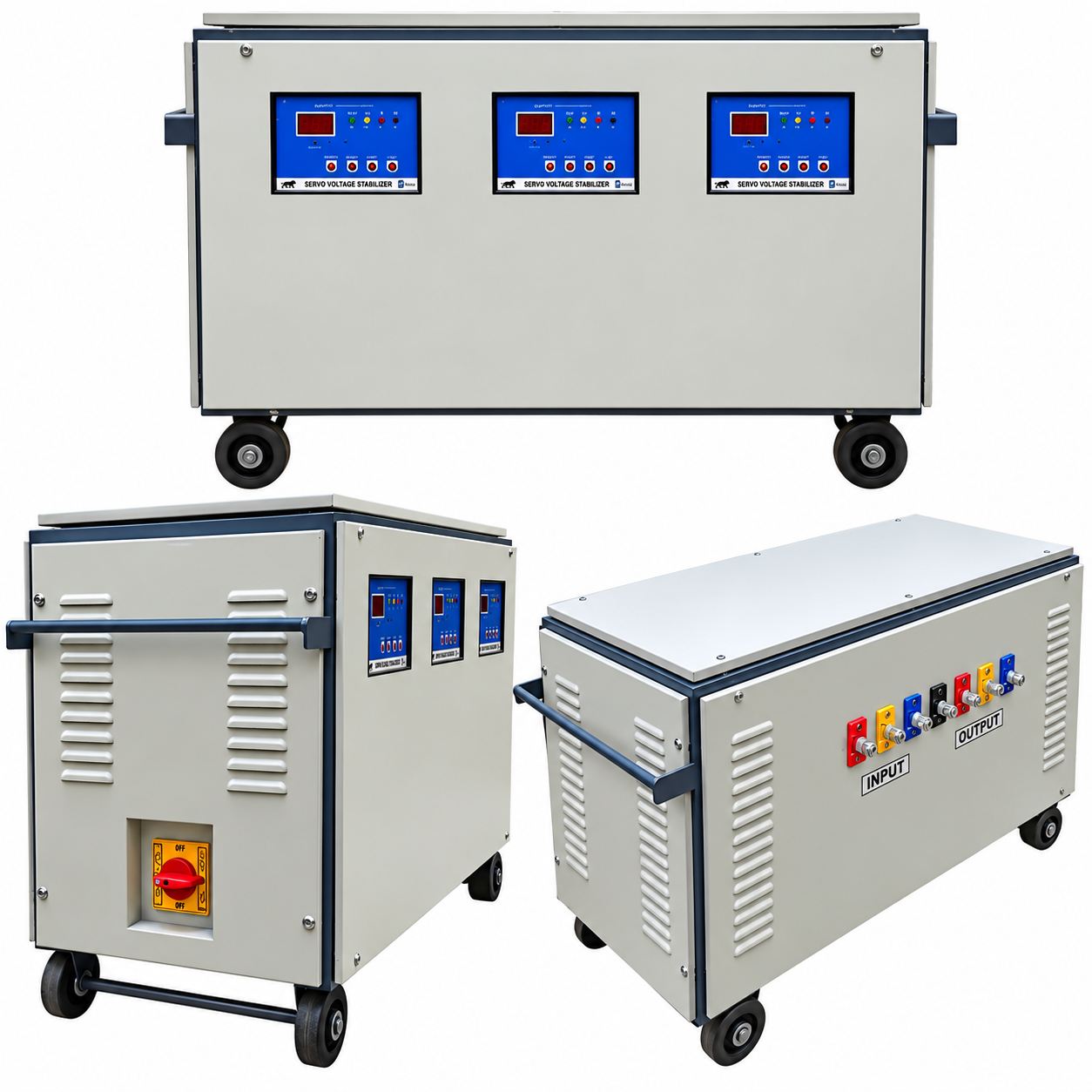
- A properly ventilated, corrosion-resistant metal enclosure built to withstand factory-floor conditions over years, not months
If a supplier can't answer specifics on any of these points, the "heavy duty" label is probably just packaging language.
Matching Capacity and Cooling to Your Actual Load
Two decisions determine whether a stabilizer performs well for years or fails within its first year: sizing and cooling type.
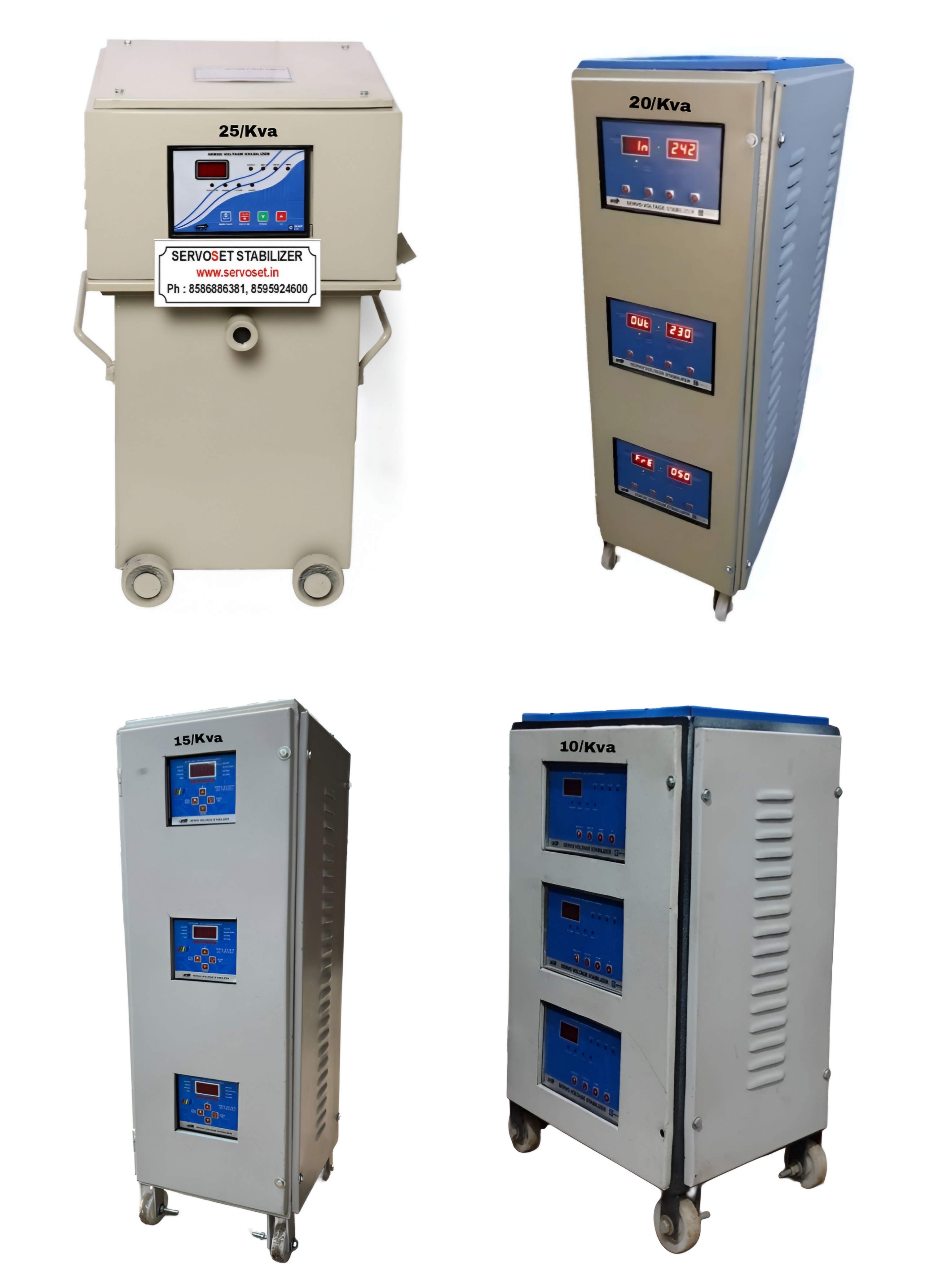
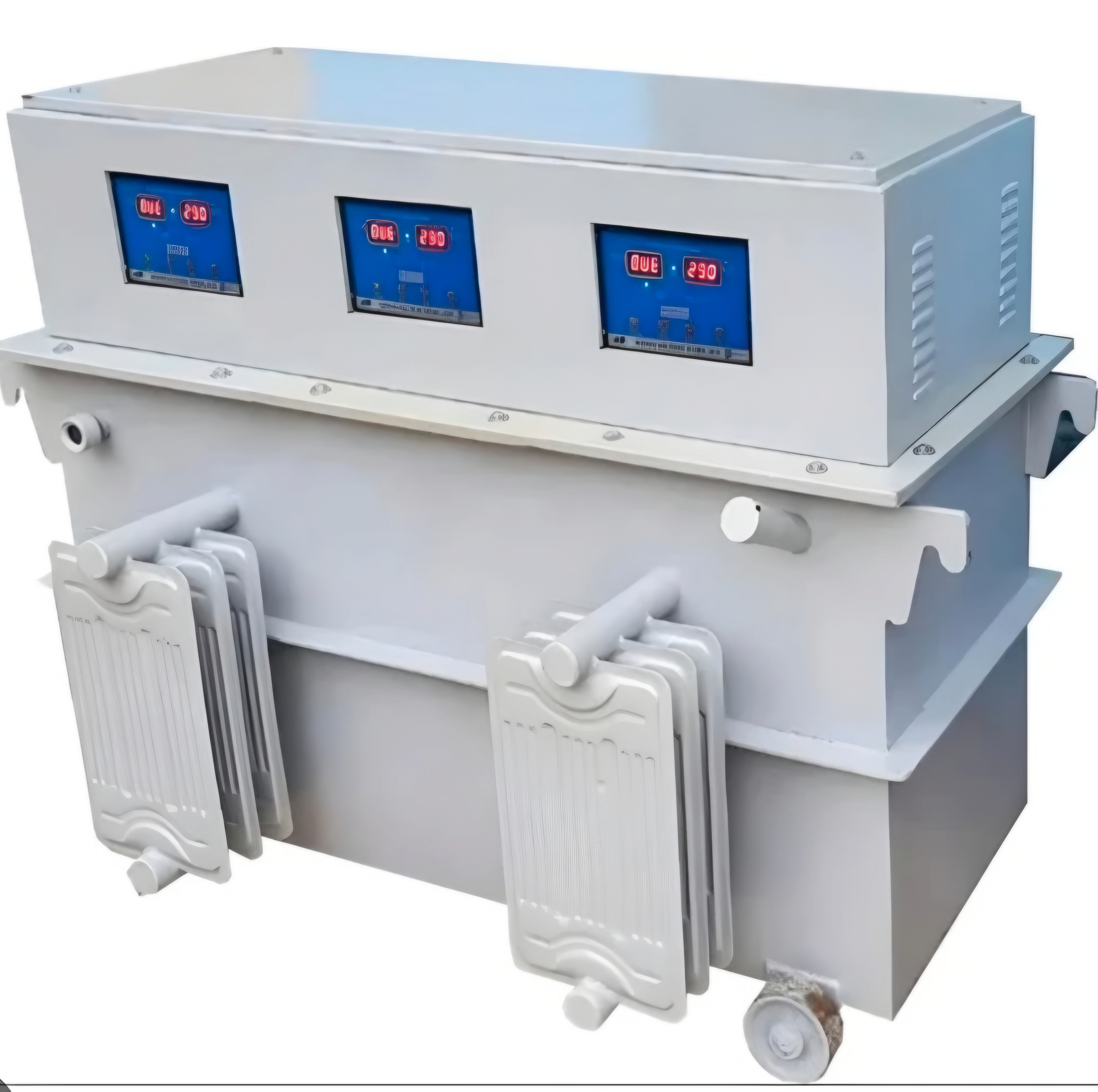
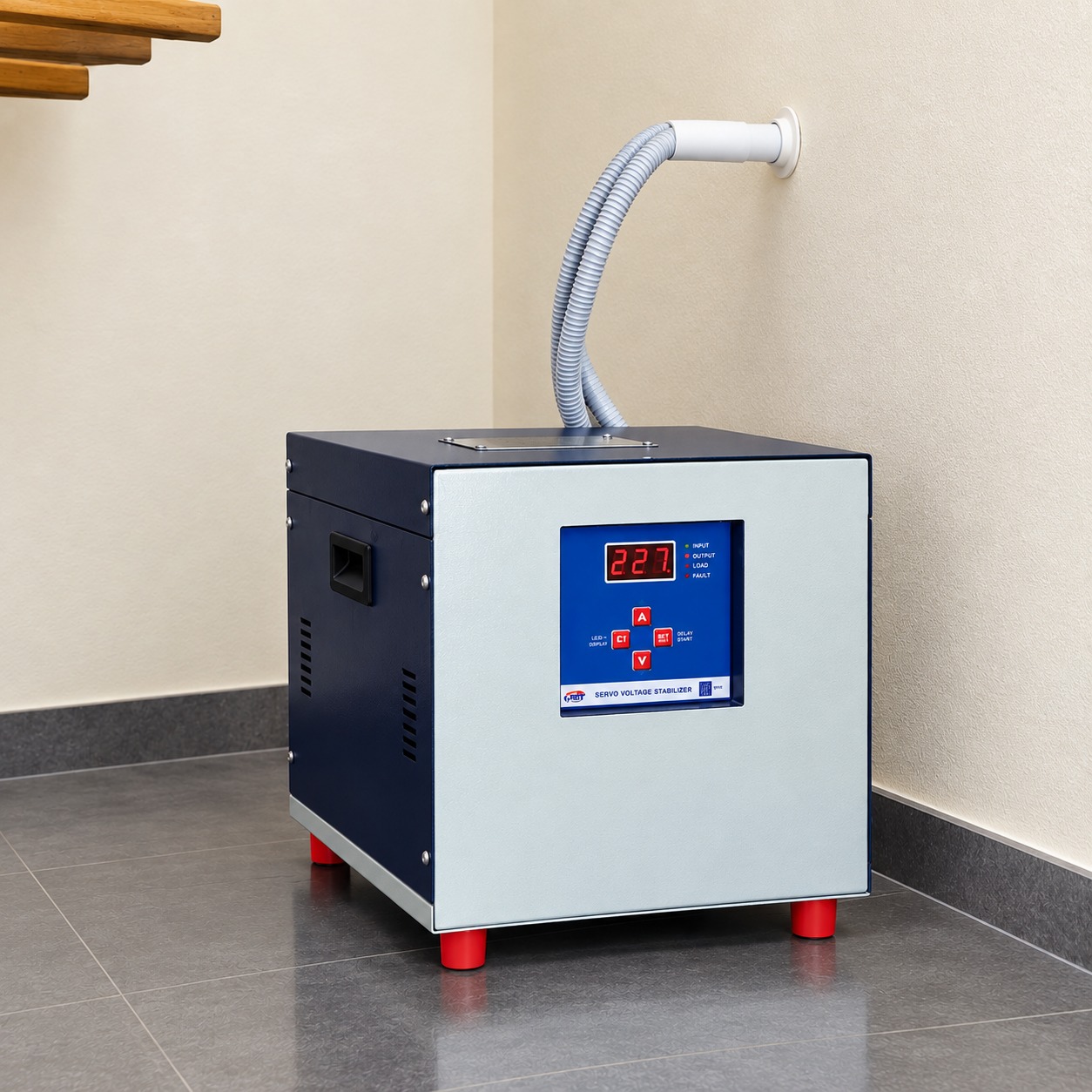
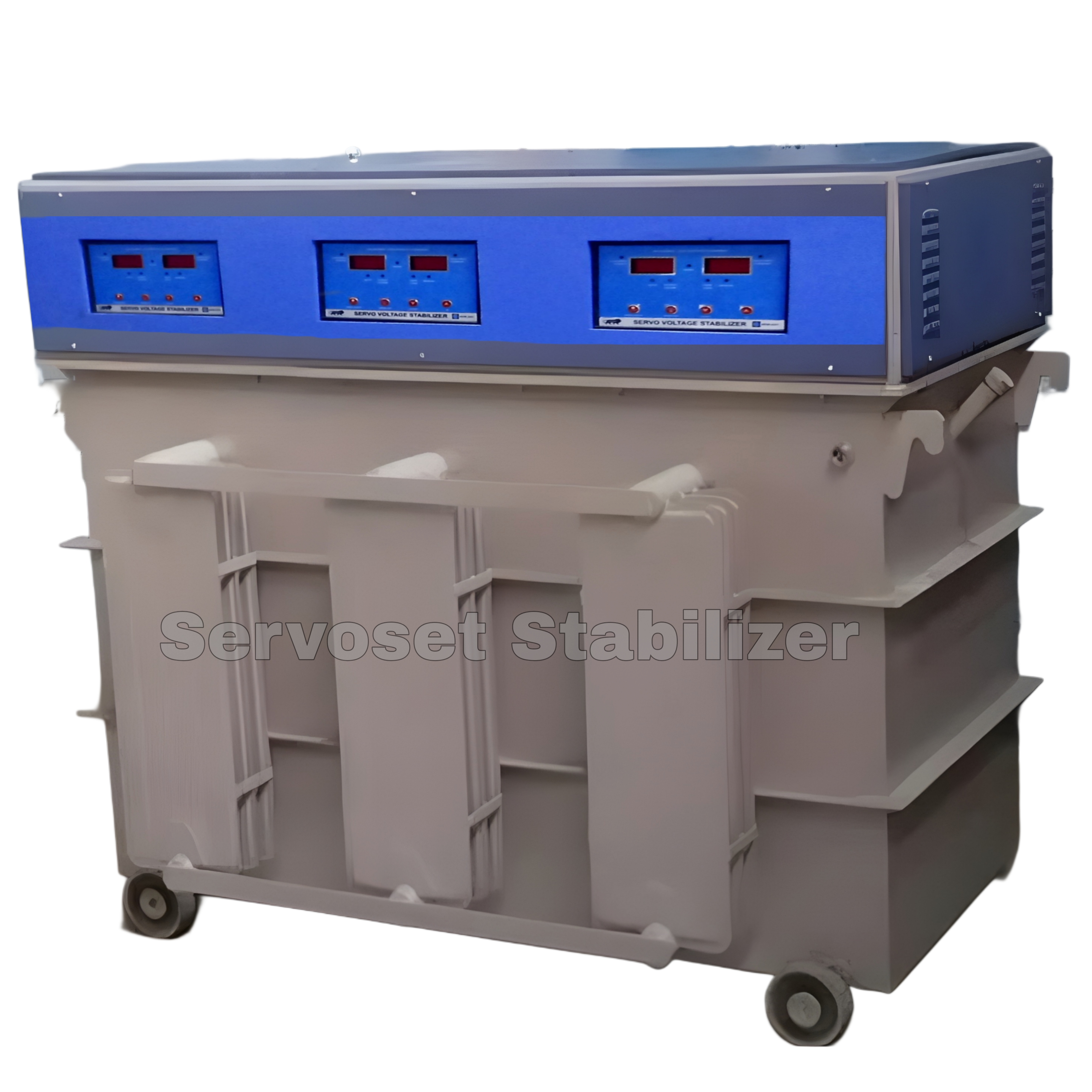
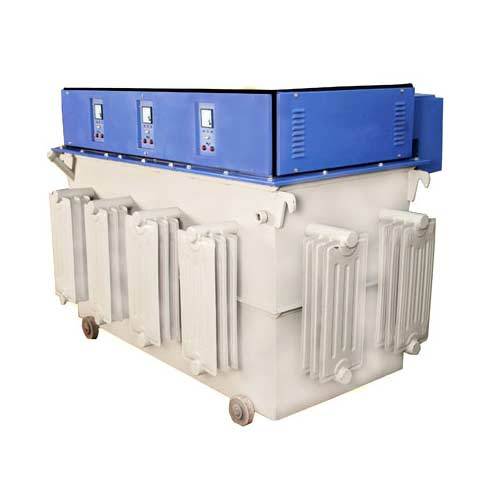
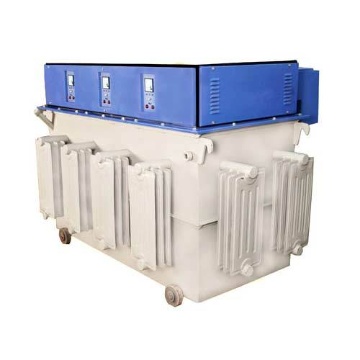
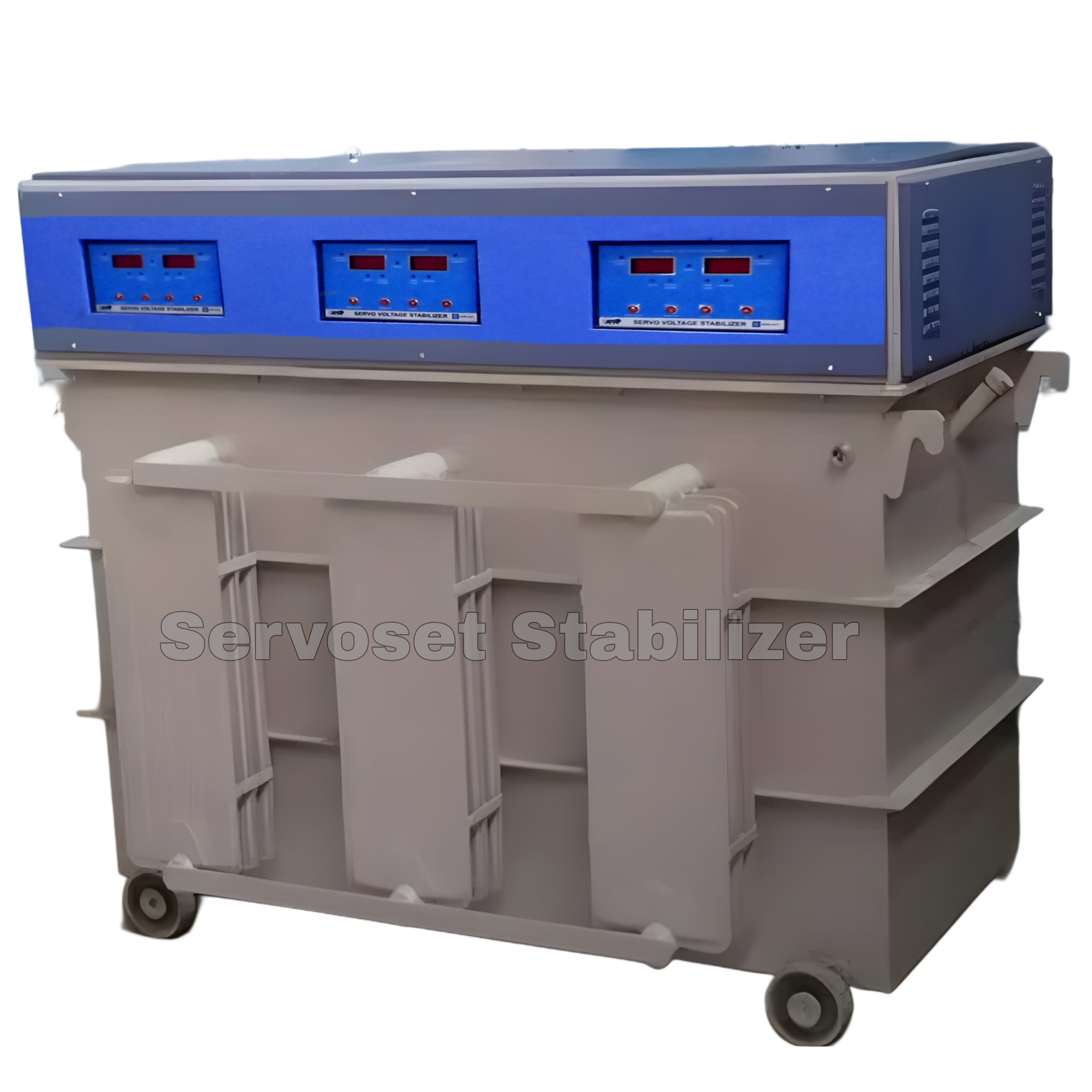
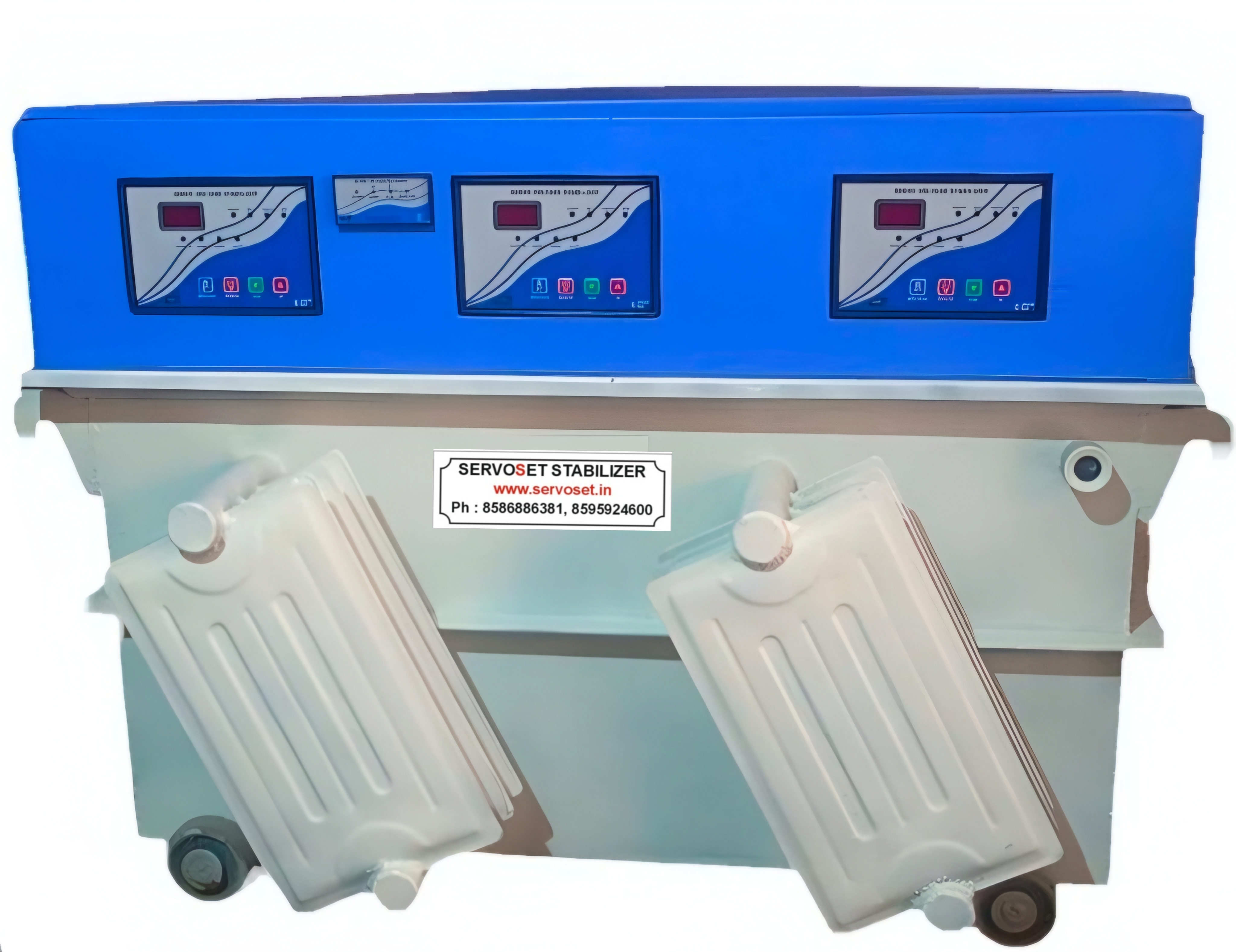
On sizing, servo stabilizers are manufactured across an unusually wide range — from small 1 KVA single-phase units up to large three-phase systems rated at 2000 KVA or more. Heavy industrial installations commonly fall in the 700-1000 KVA range, but the right number always comes from your actual connected load plus a safety margin, never from floor space or a supplier's "most popular" model.
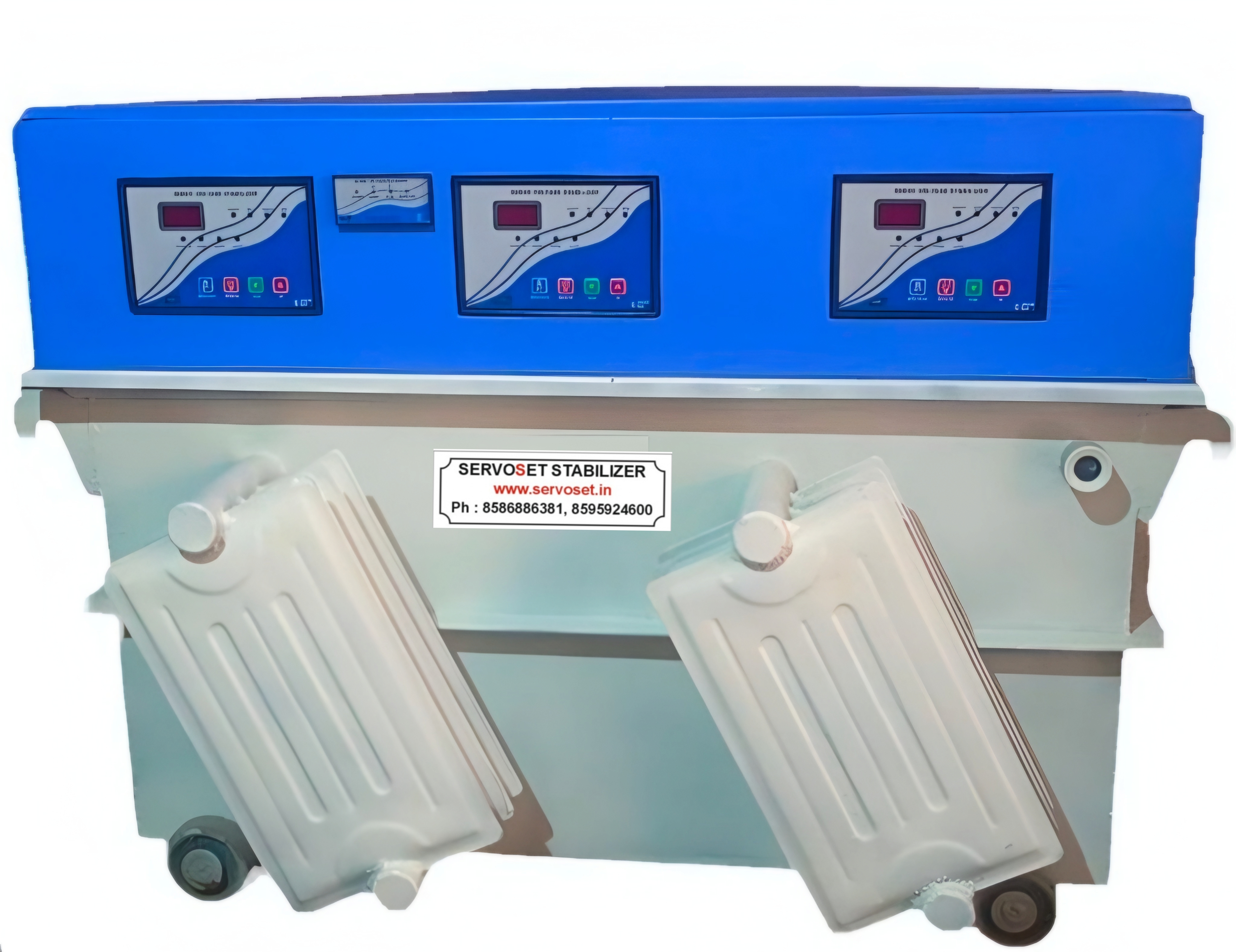
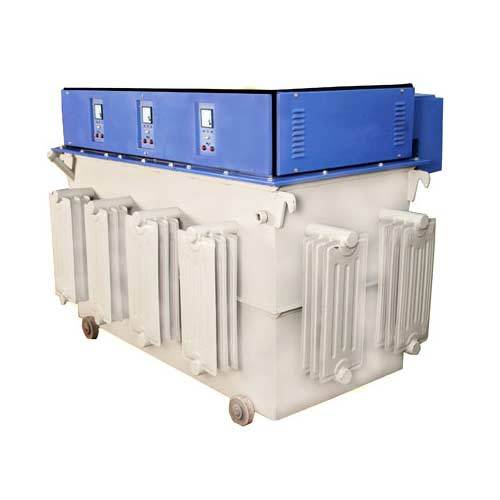
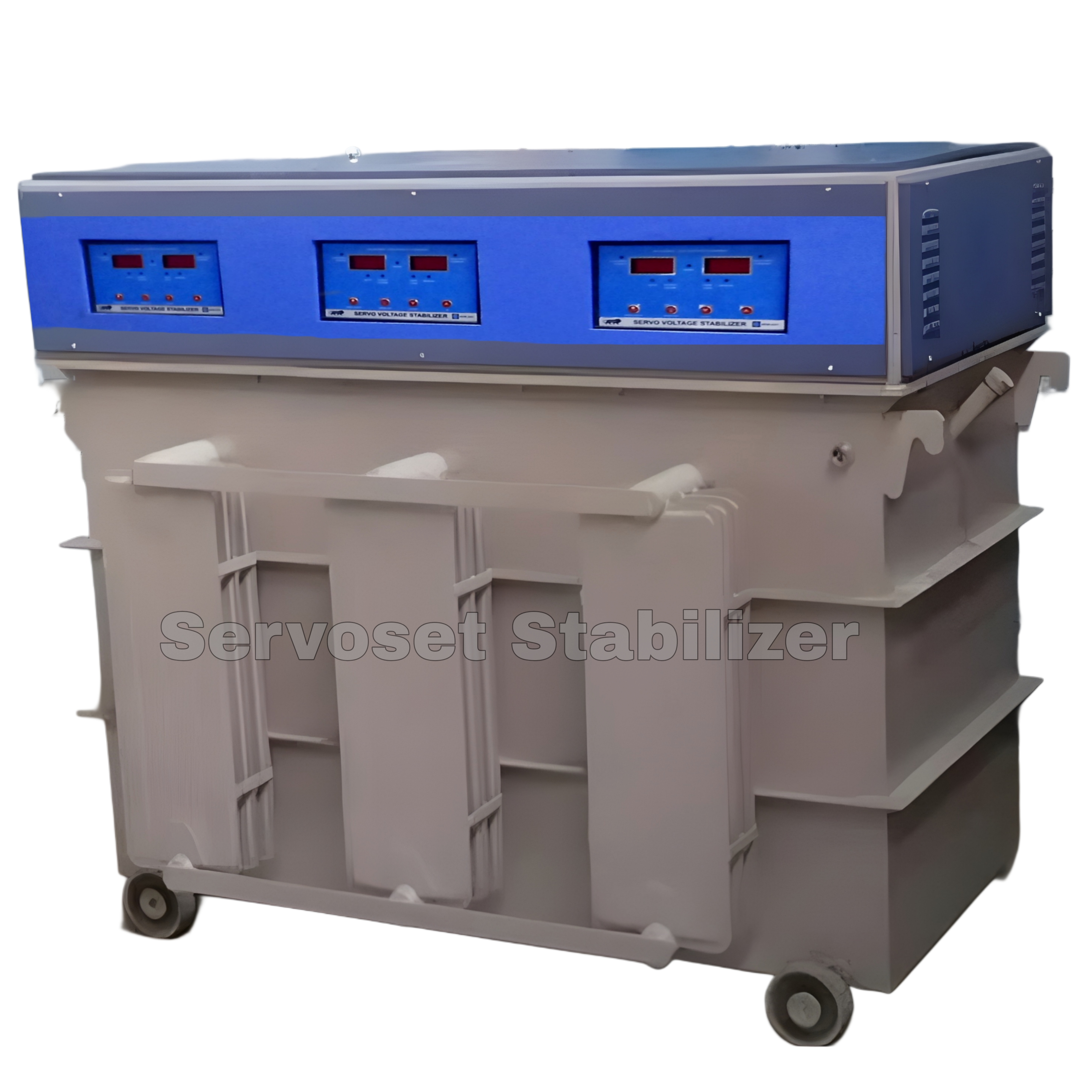
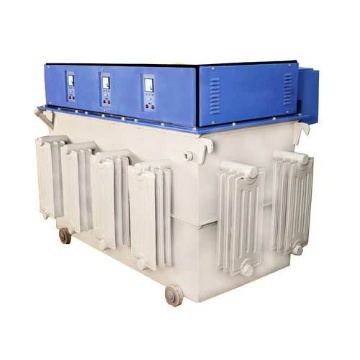
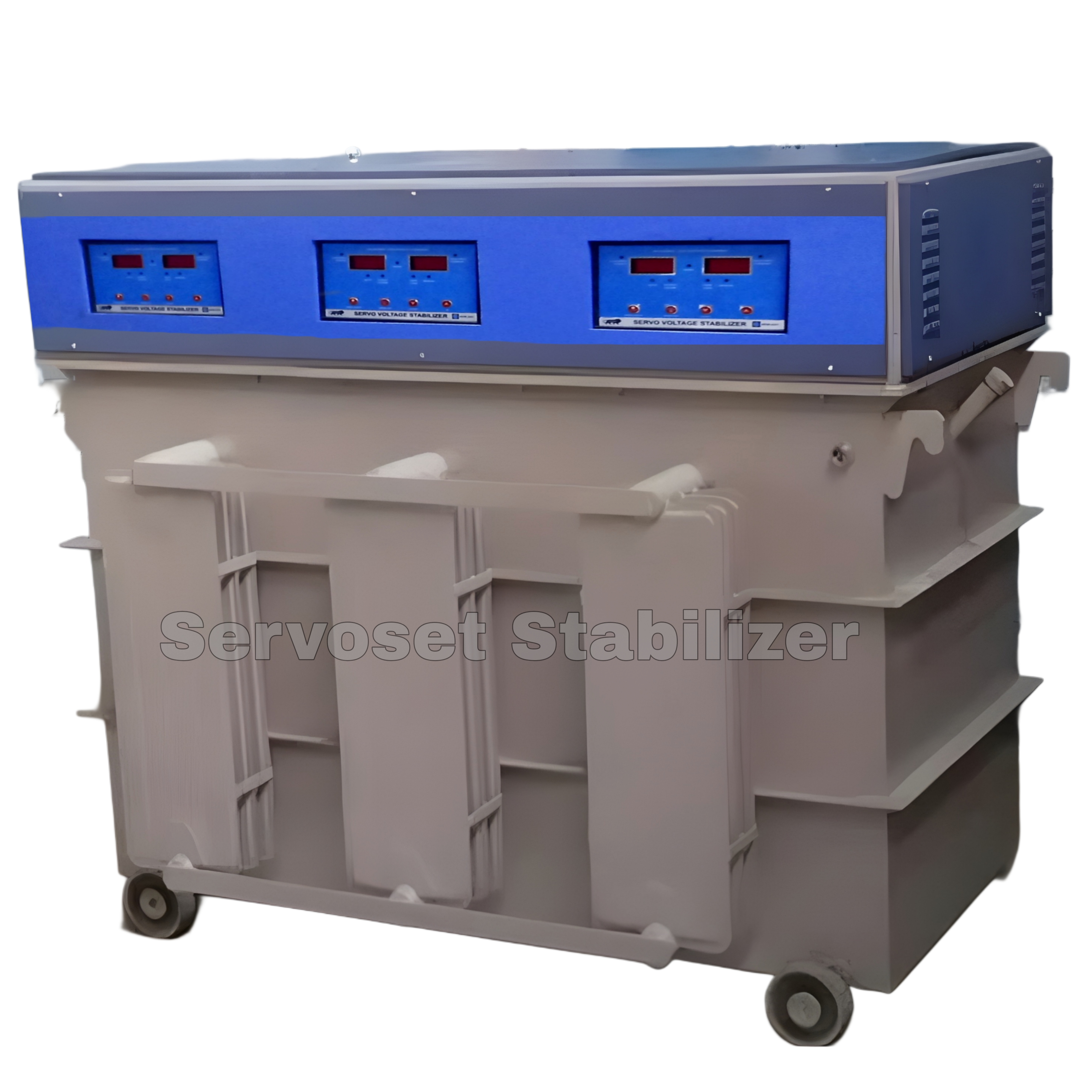
On cooling, the choice comes down to duty cycle. Air-cooled units work well for moderate, intermittent loads. But for a facility running machinery continuously across long shifts — the norm in most Rudrapur factories — an oil-cooled design dissipates heat far more effectively under sustained high load, which translates directly into a longer service life even though the upfront cost is higher.
Where These Stabilizers Do the Heaviest Lifting
Certain sectors feel voltage instability more acutely than others because their equipment is either highly sensitive or extremely expensive to replace:
Automobile component manufacturing depends on precision machinery that voltage spikes can damage outright. Pharmaceutical plants need consistent power for both production equipment and climate-controlled storage, where even brief instability can compromise product quality. Plastic injection molding relies on motors that are notoriously sensitive to voltage sag. Food processing lines lose entire production runs to unplanned downtime. Textile units run machinery continuously across extended shifts, and printing and packaging operations need stable voltage simply to maintain calibration and print quality. Hospitals and diagnostic facilities depend on stabilized power to keep sensitive medical equipment functioning safely.
What a Compliance Check Should Actually Cover
Rather than taking "industry-standard" claims at face value, ask a supplier to confirm their units are tested against IS 9815 — the Indian standard specifically governing servo-type voltage stabilizers. Beyond that, check whether the manufacturing facility carries ISO certification, whether the advertised correction accuracy (typically ±1%) is backed by actual test data rather than a spec sheet number, and whether the company provides on-site installation and commissioning rather than just shipping a box.
Why Local Sourcing Actually Matters Here
Sourcing from a manufacturer based in or near the Uttarakhand industrial corridor — covering Rudrapur, Haridwar, and Sitarganj — has a practical advantage that's easy to overlook: when a heavy-duty unit needs servicing, response time matters. A supplier three states away might offer a great price but a much slower repair turnaround, and for a facility that can't afford extended downtime, that gap can cost far more than any savings on the purchase price. Established regional manufacturers also frequently carry a broader catalog — automatic voltage stabilizers, isolation transformers, CVTs, online UPS systems — which is useful if your power protection needs go beyond a single stabilizer.
Where Buyers Most Often Go Wrong
The most expensive mistakes in this category tend to repeat themselves across industries: choosing a unit based purely on the lowest quoted price, without checking what's been cut from the winding gauge or control system to hit that price. Sizing a stabilizer for today's equipment without leaving room for future load growth. Installing an air-cooled unit in a facility that really needed oil-cooling, then wondering why it fails within two years. And skipping proper on-site commissioning, which means the unit never actually performs to its rated specifications even if the hardware itself is solid.
FAQs
Why does a factory need a servo stabilizer instead of just a standard voltage regulator?
A servo stabilizer corrects voltage continuously and smoothly, which protects sensitive or expensive machinery far better than a basic step-based regulator during frequent or severe fluctuations.
What happens if a stabilizer is undersized for the connected load?
An undersized unit runs closer to its thermal limit constantly, which leads to overheating and a much shorter operational life than a properly sized one.
Does the enclosure design actually affect performance, or is it just cosmetic?
Enclosure quality directly affects cooling efficiency and corrosion resistance, both of which determine how long the internal components last in a factory environment.
Can a single stabilizer serve multiple pieces of equipment on the same line?
Yes, provided the combined load of all connected equipment stays within the stabilizer's rated capacity, which is why an accurate load audit matters before purchase.
How is voltage correction speed different from correction accuracy?
Correction speed refers to how quickly the unit responds to a voltage swing, while accuracy refers to how close the final output lands to the target voltage — both matter for protecting sensitive equipment.
Is on-site commissioning really necessary, or can a stabilizer just be plugged in?
Proper commissioning calibrates the unit to actual site conditions, and skipping it often means the stabilizer underperforms its rated specifications from day one.
What's a reasonable warranty period to expect on a heavy-duty industrial unit?
Warranty terms vary by manufacturer, but the warranty is only as useful as the service network behind it, so local support availability matters as much as the warranty length itself.
Should a facility considering expansion buy for current load or future load?
Sizing with headroom for planned expansion avoids the cost and disruption of replacing an undersized stabilizer within a few years of installation.
Conclusion
Voltage instability isn't a problem that announces itself gradually — it shows up as a burned-out motor, a halted production line, or a piece of diagnostic equipment that fails at the worst possible moment. A properly specified heavy duty servo voltage stabilizer removes that risk almost entirely, but only if it's sized correctly, cooled appropriately for the duty cycle, and sourced from a manufacturer who can back up "heavy duty" with real specifications rather than marketing language. For facilities operating in Rudrapur's demanding industrial environment, that diligence upfront is what turns a stabilizer from an expense into genuine insurance for everything running downstream of it.