Introduction
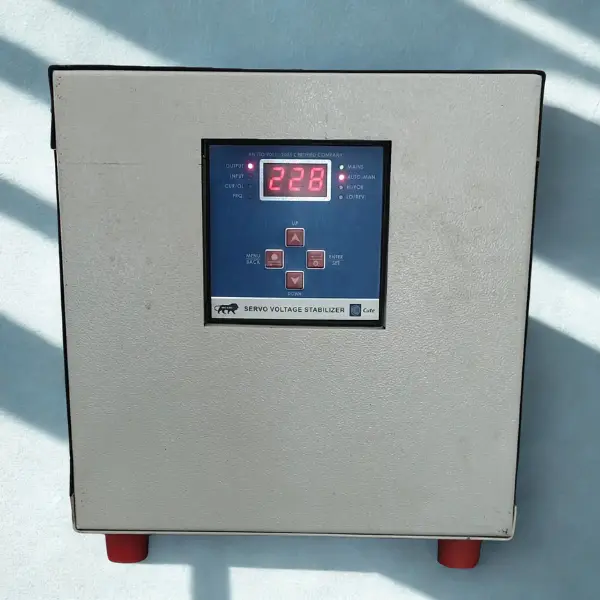
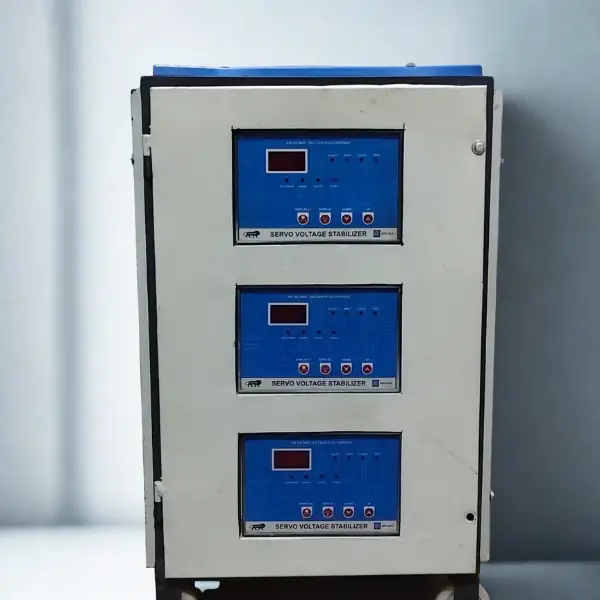
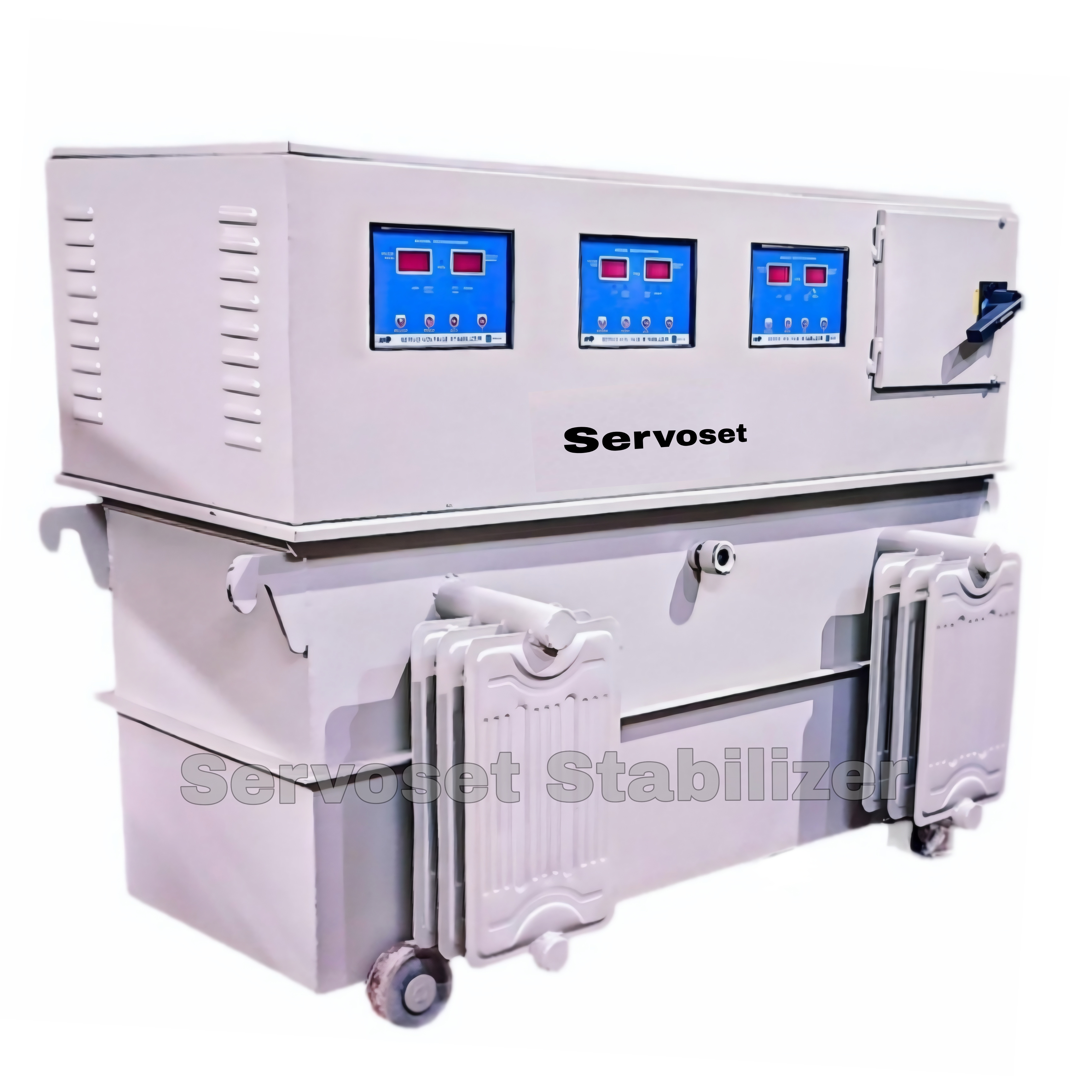
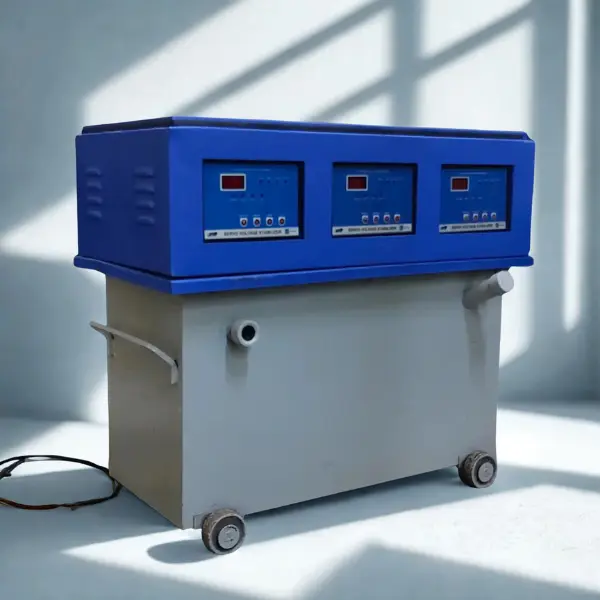
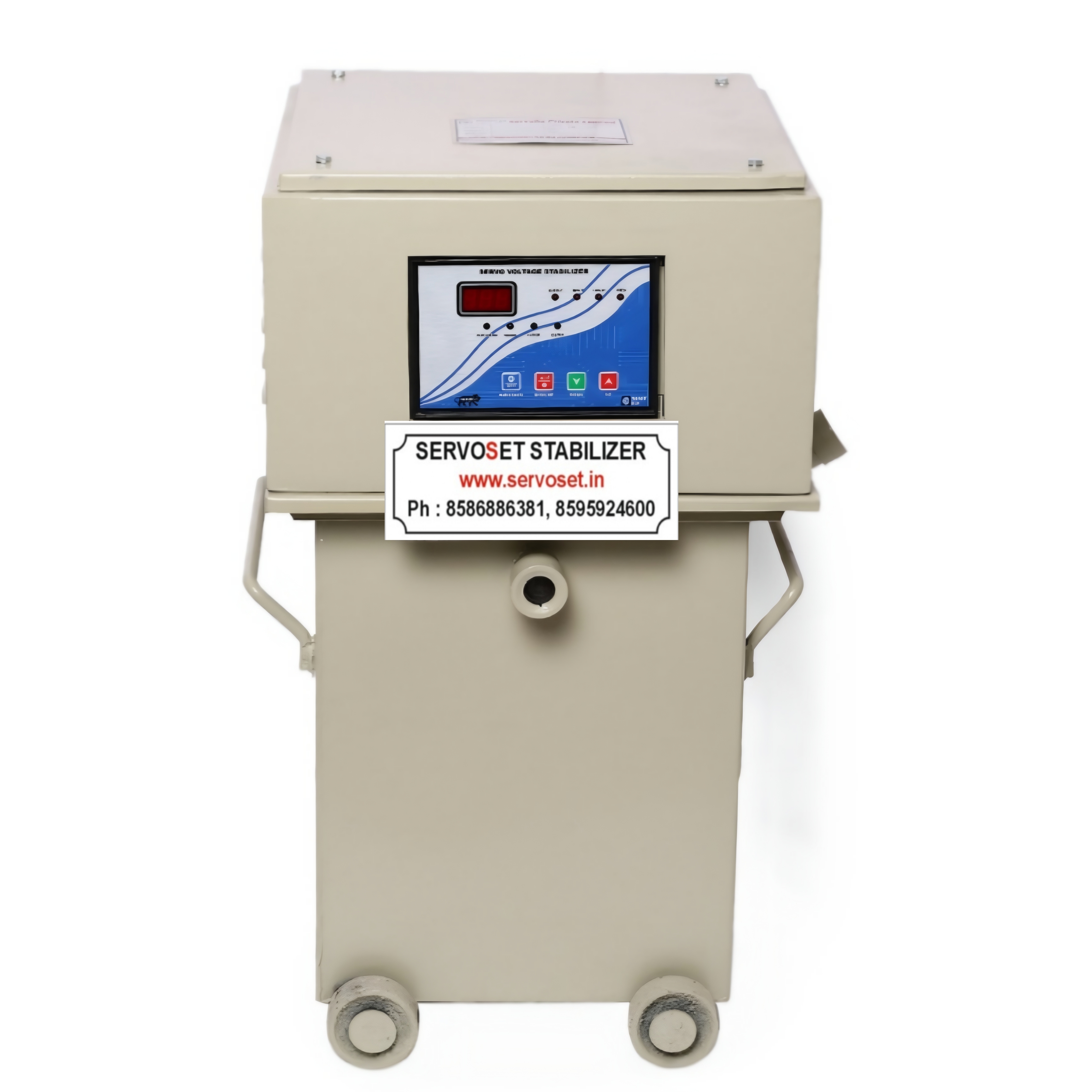
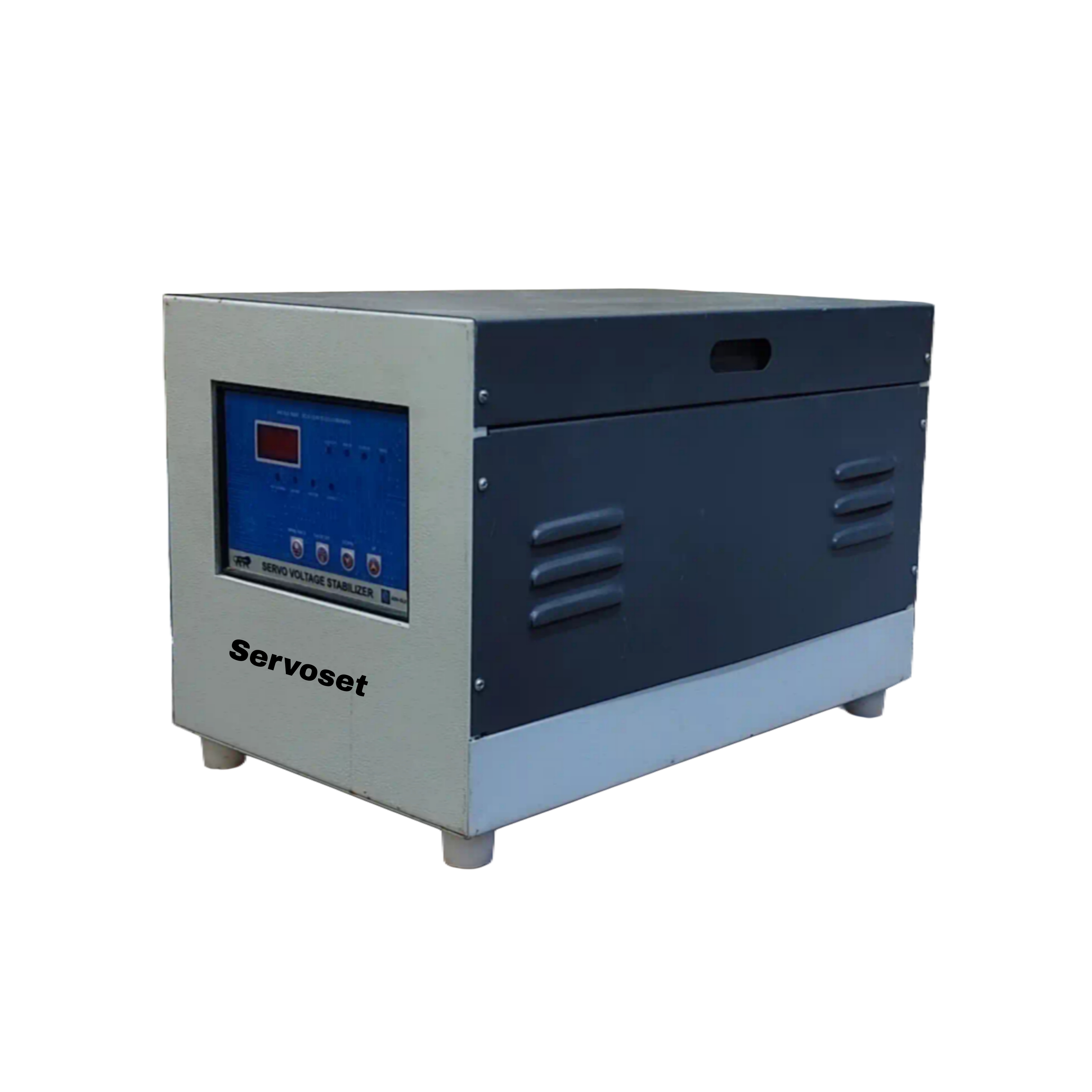
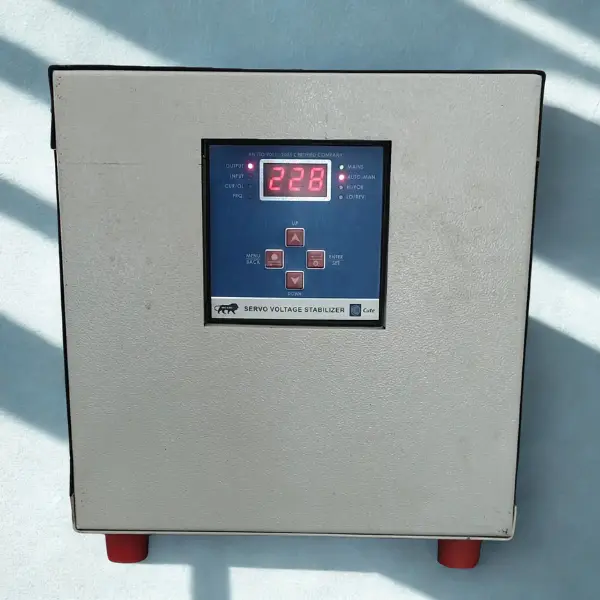
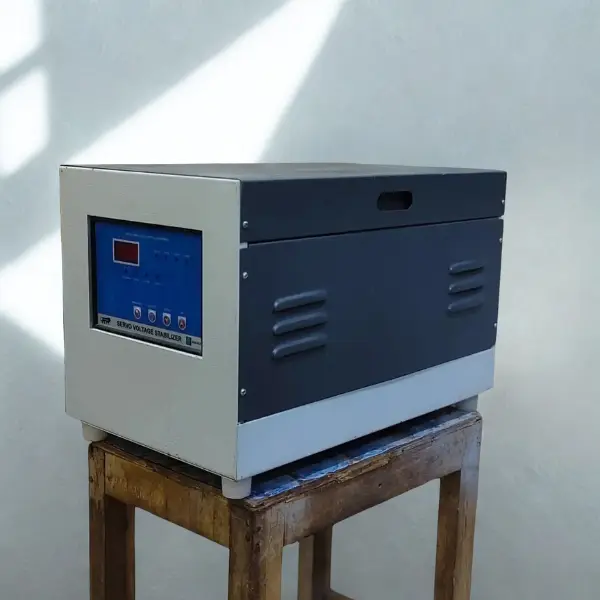
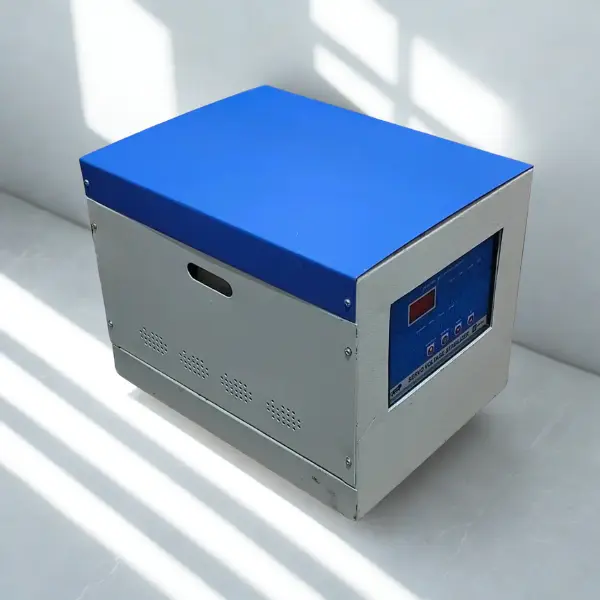
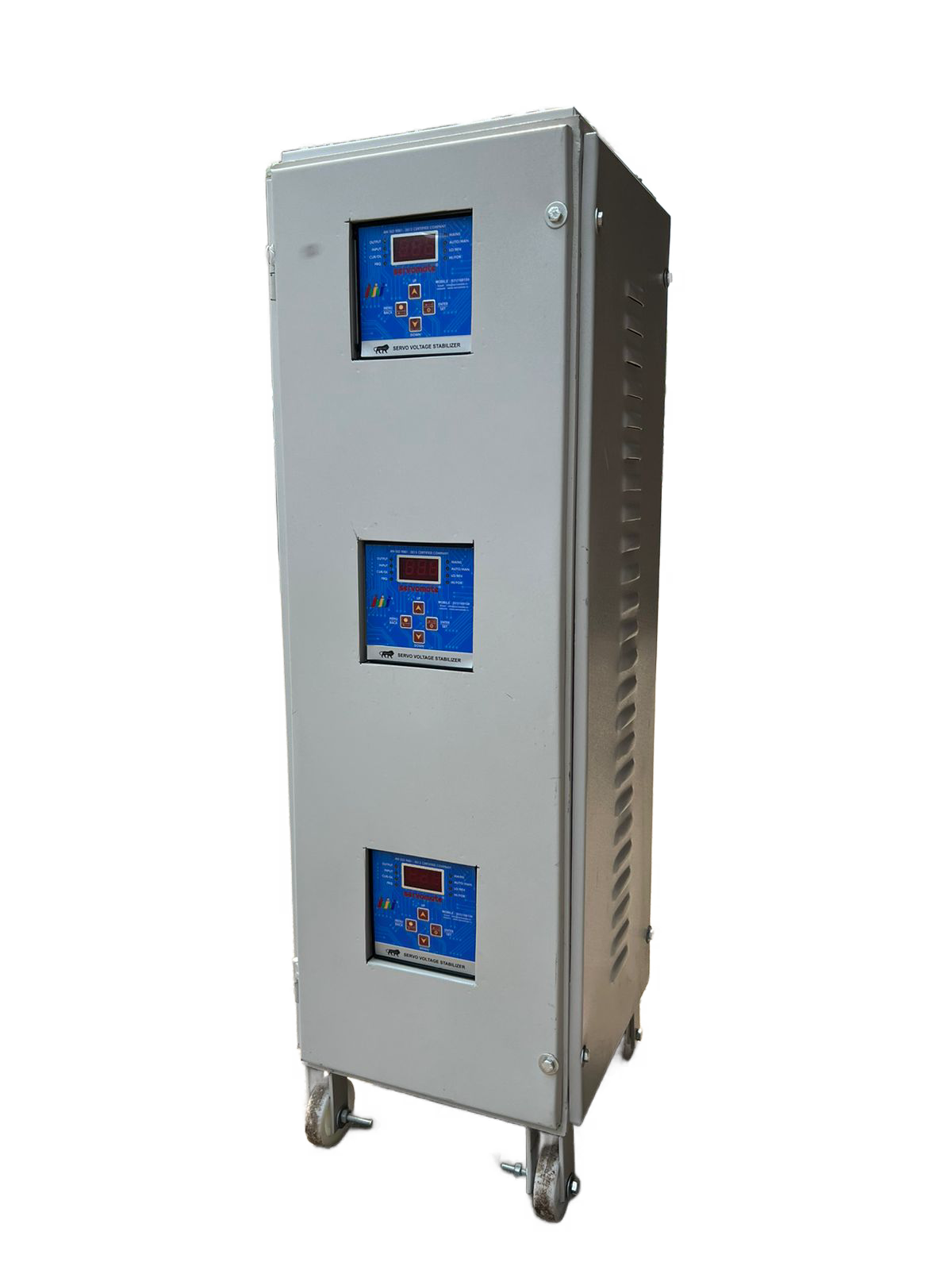
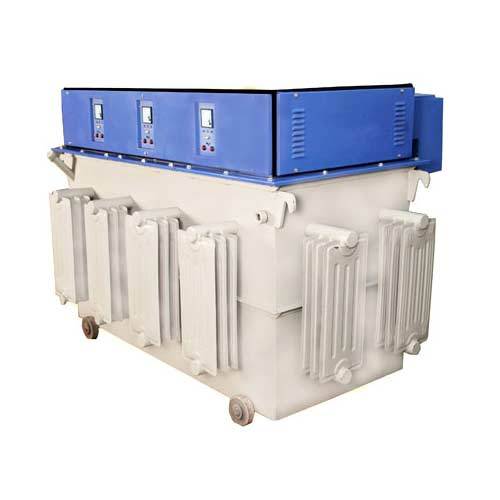
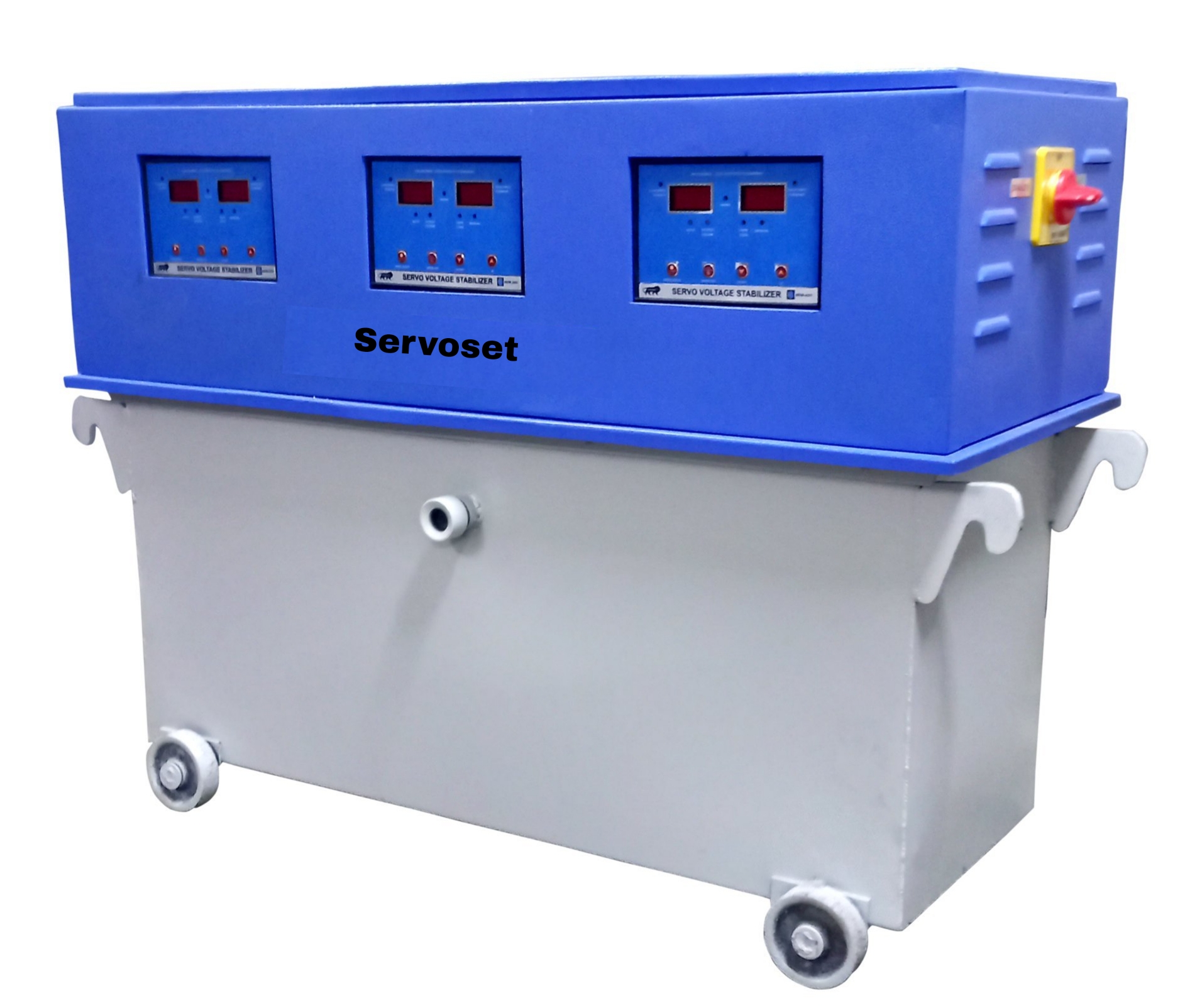
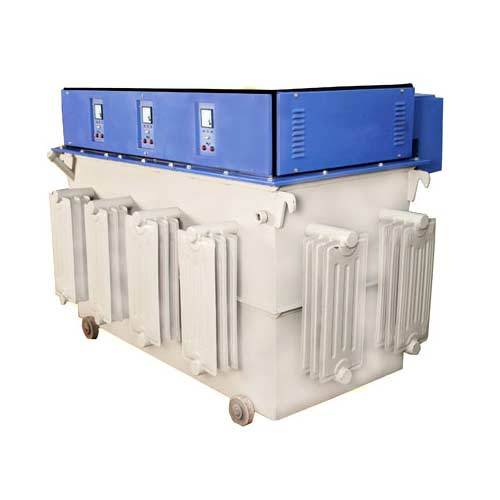
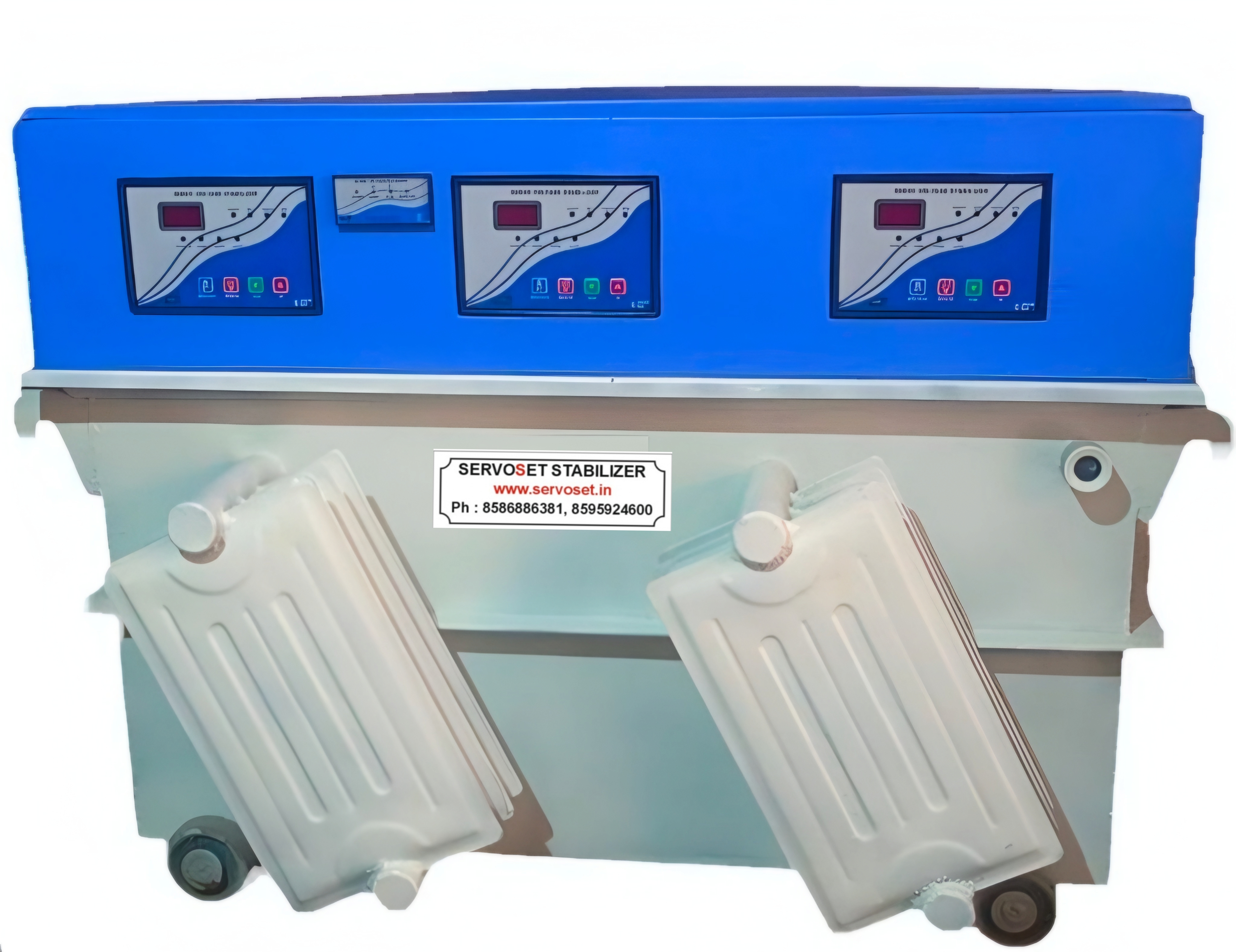
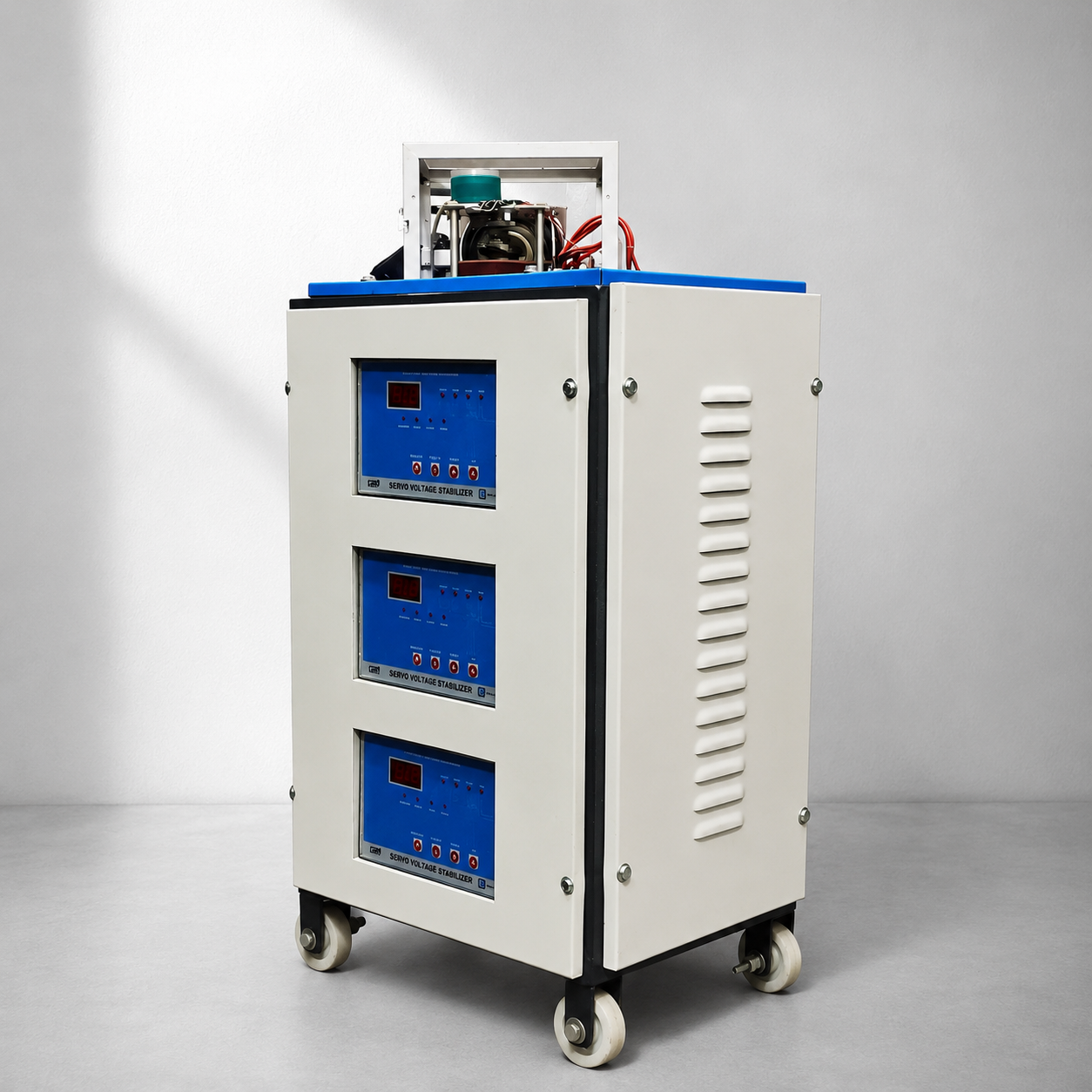
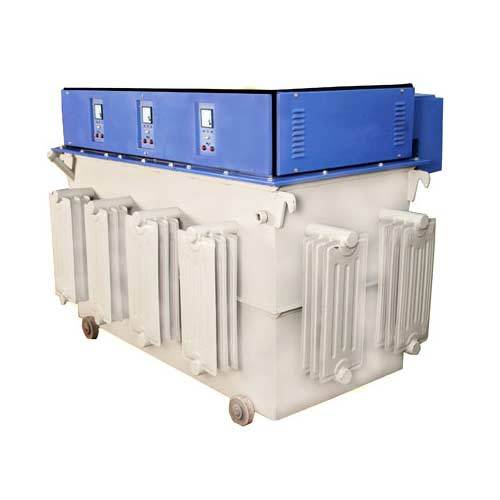
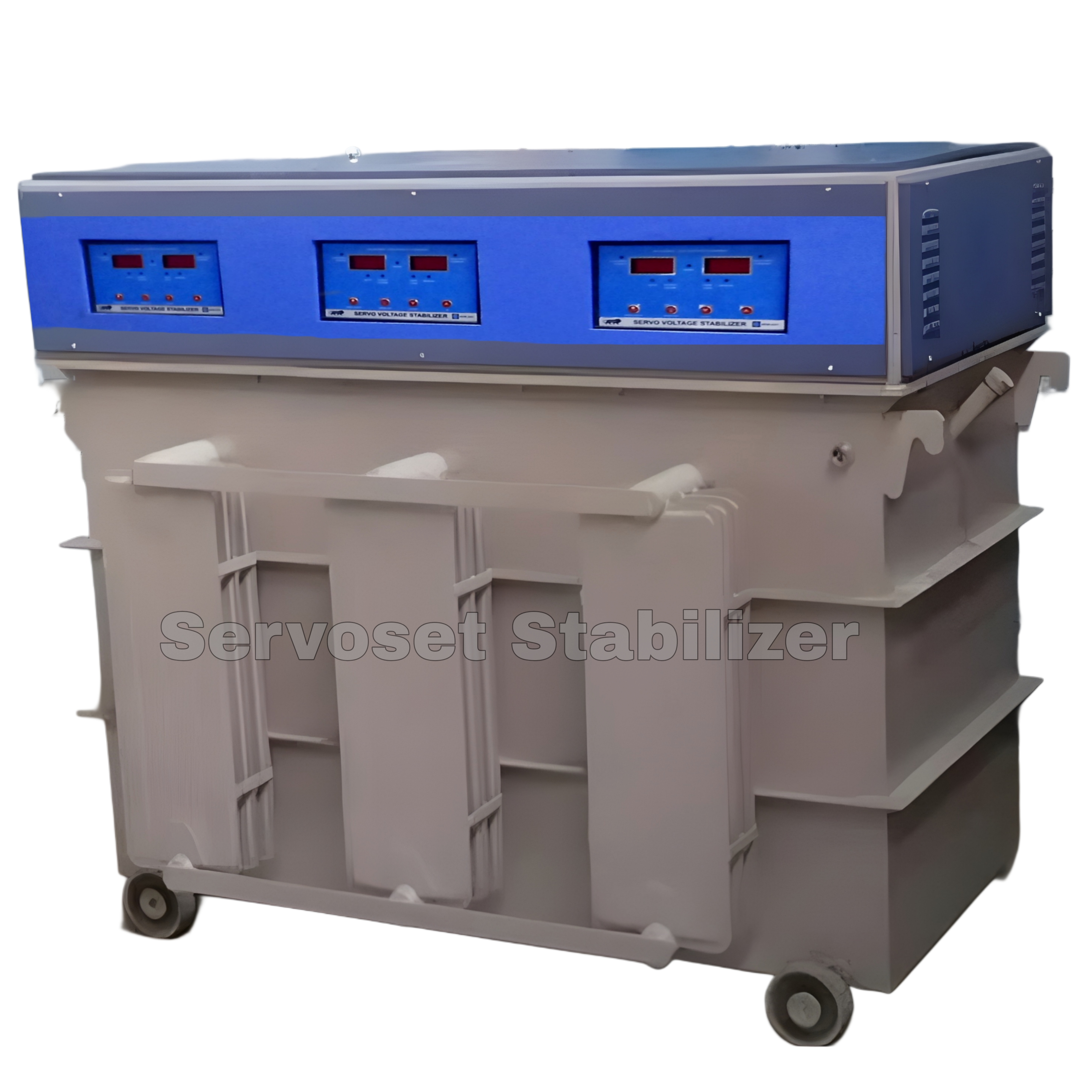
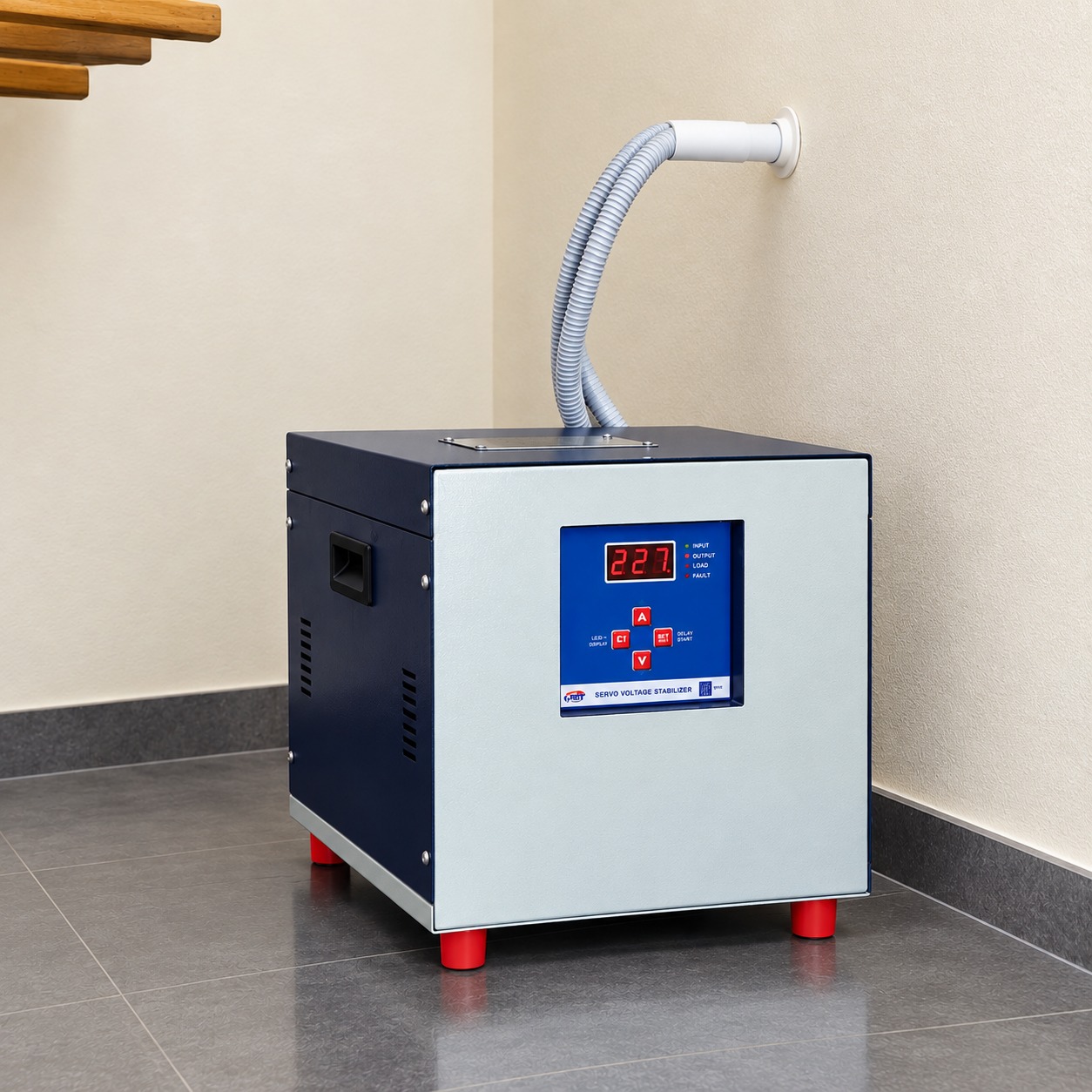
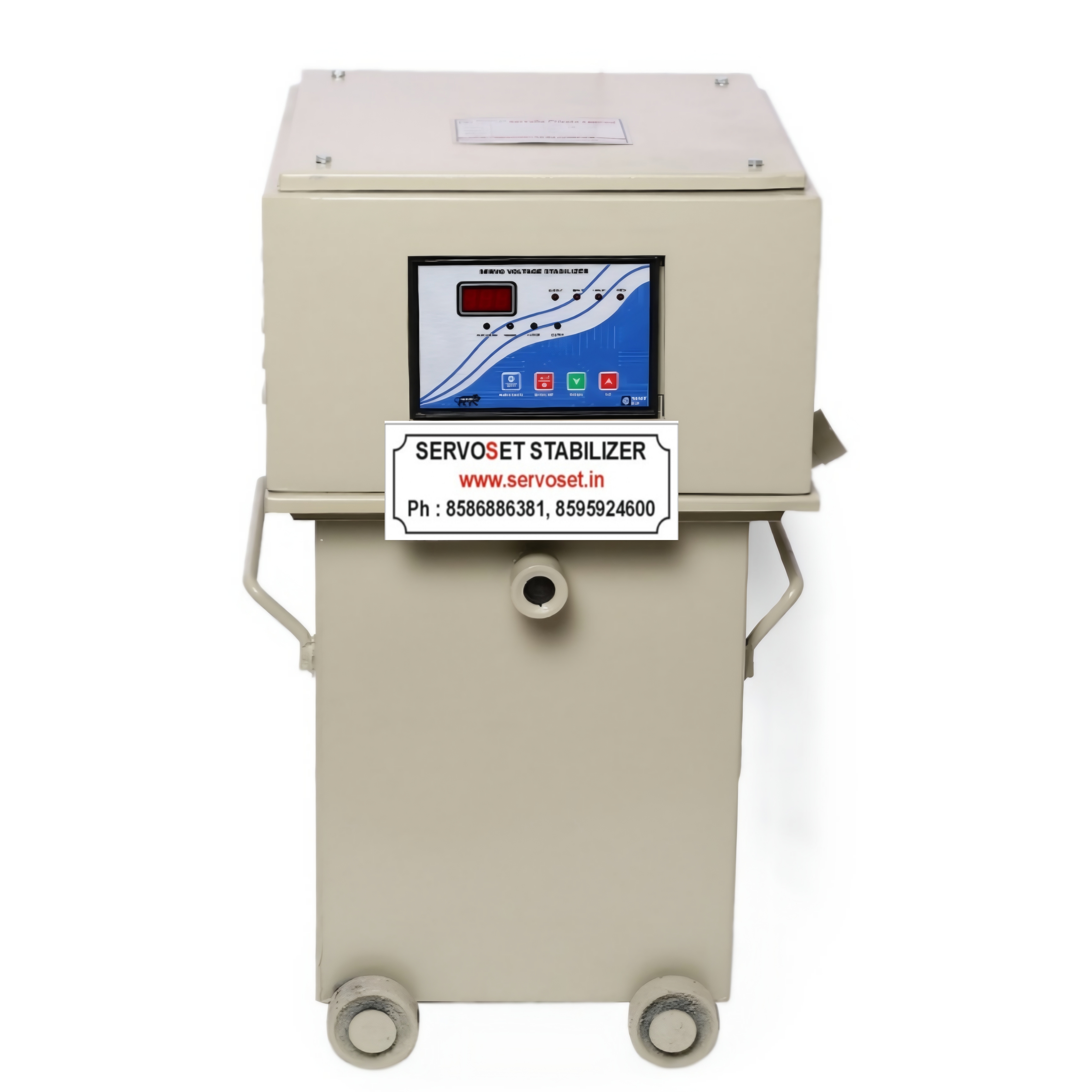
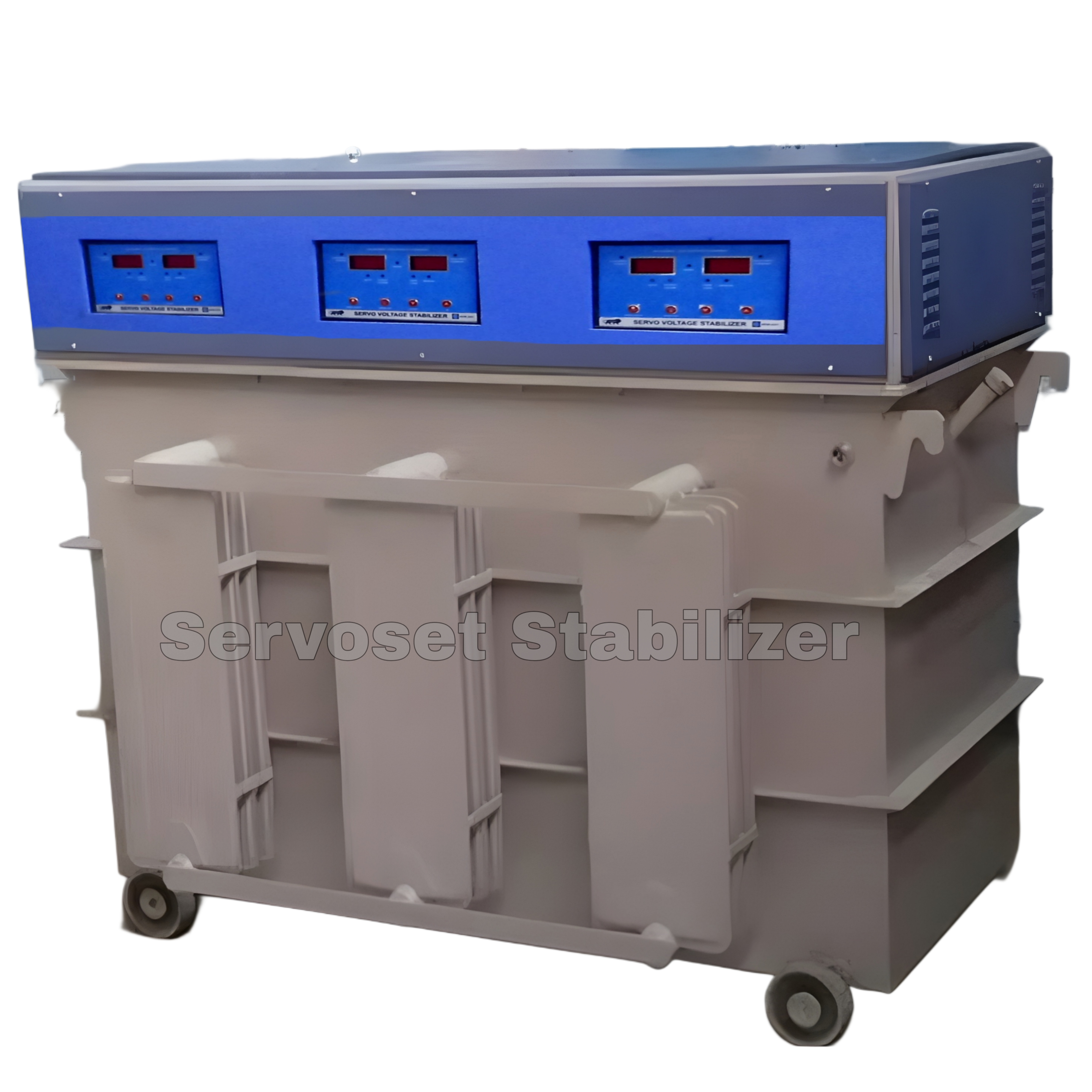
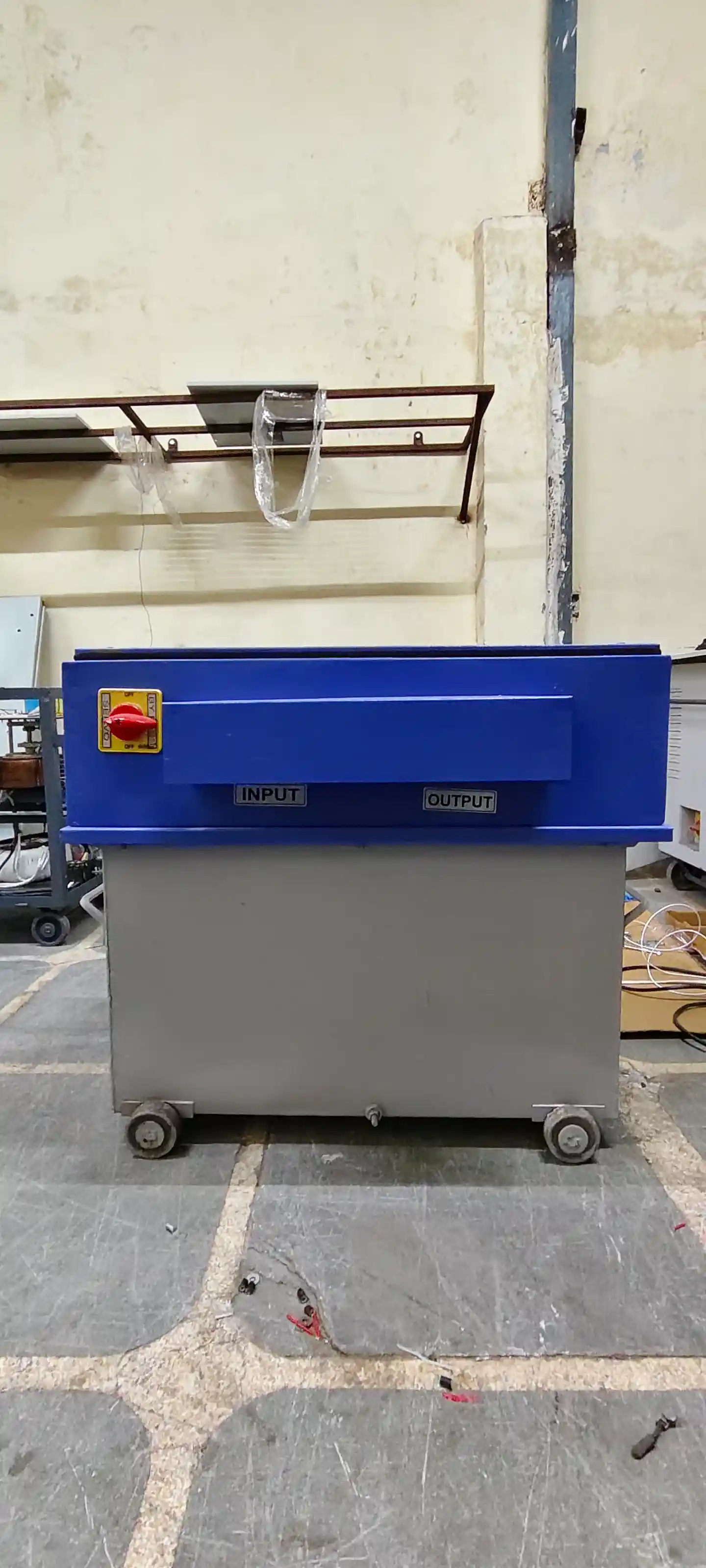
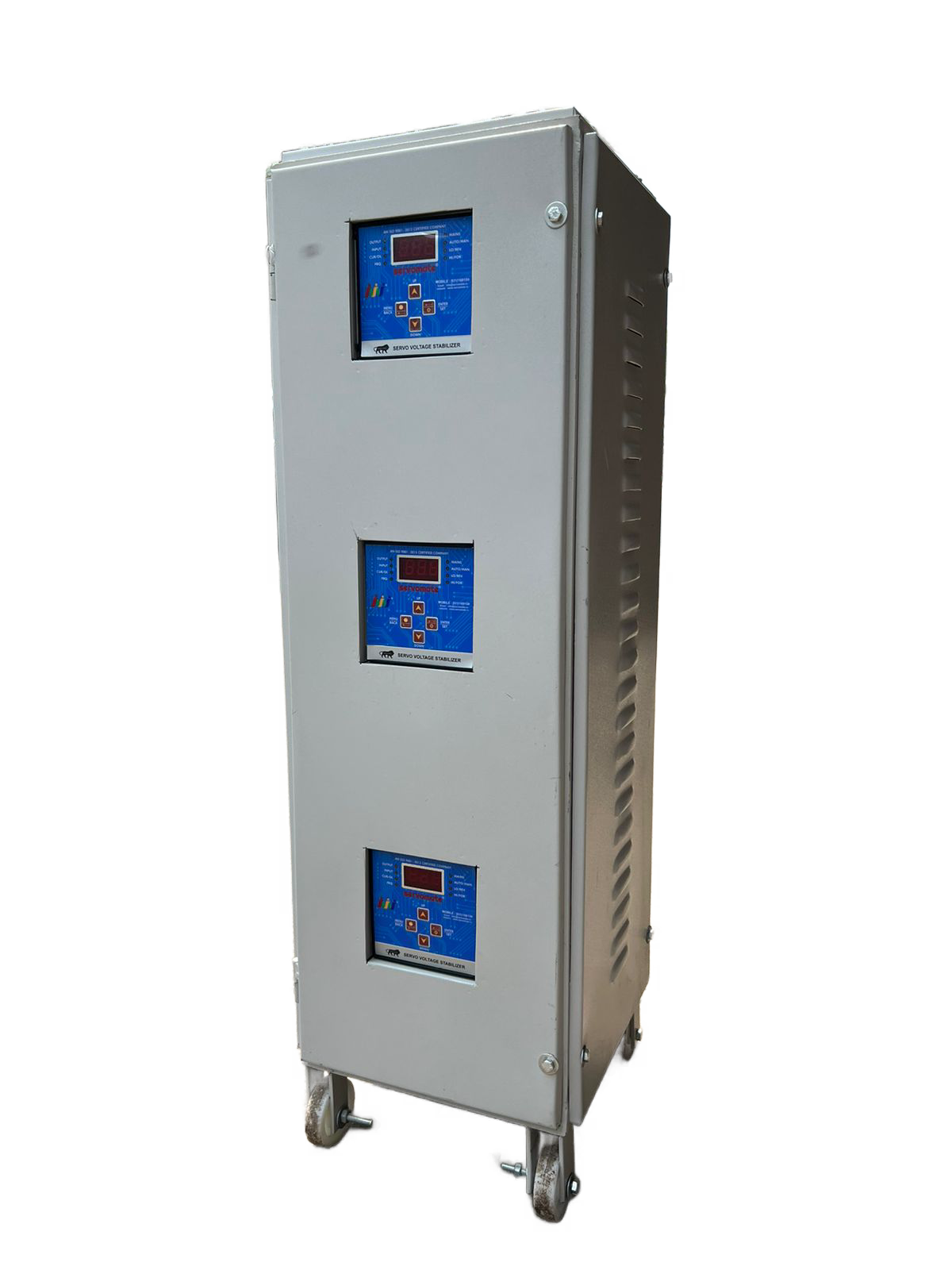
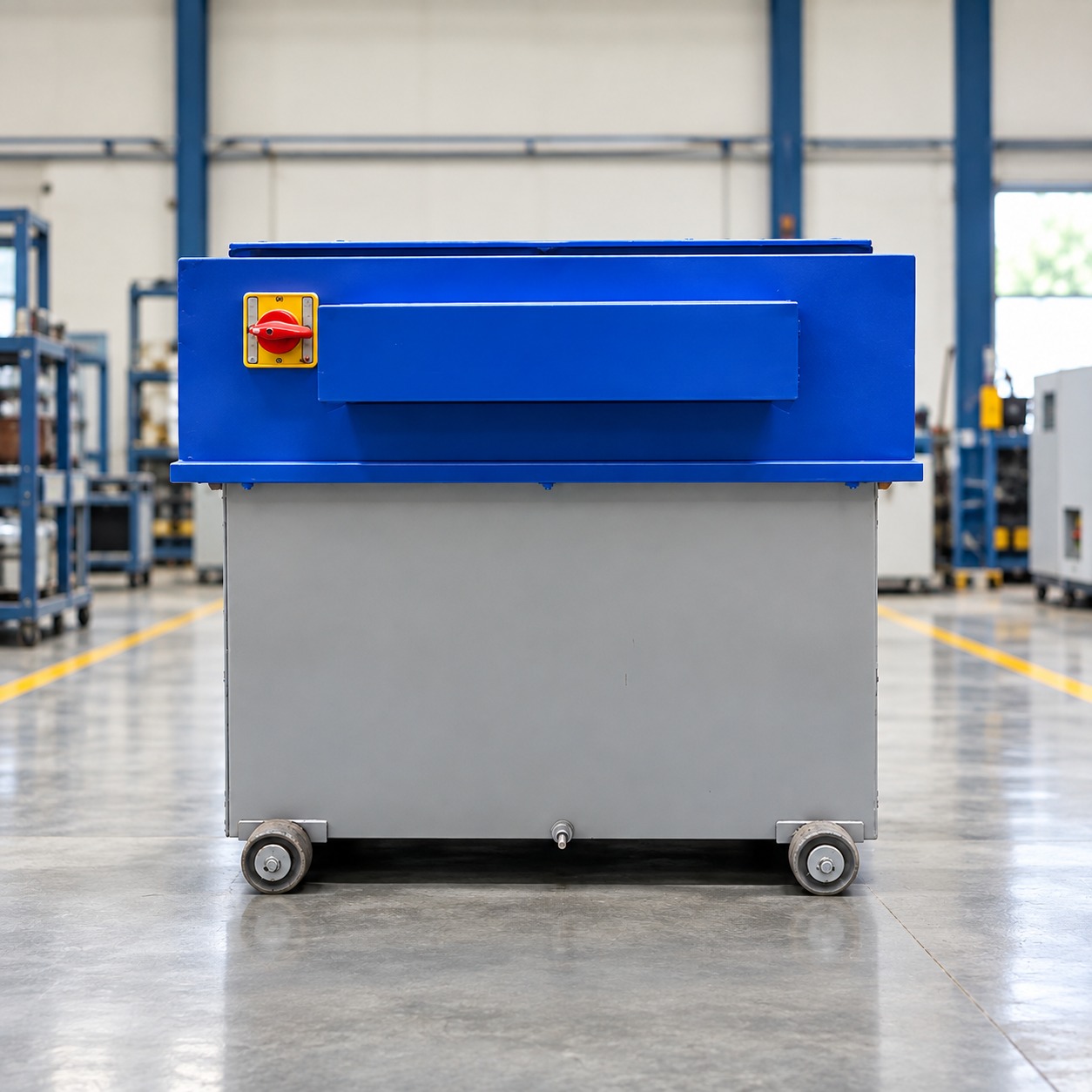
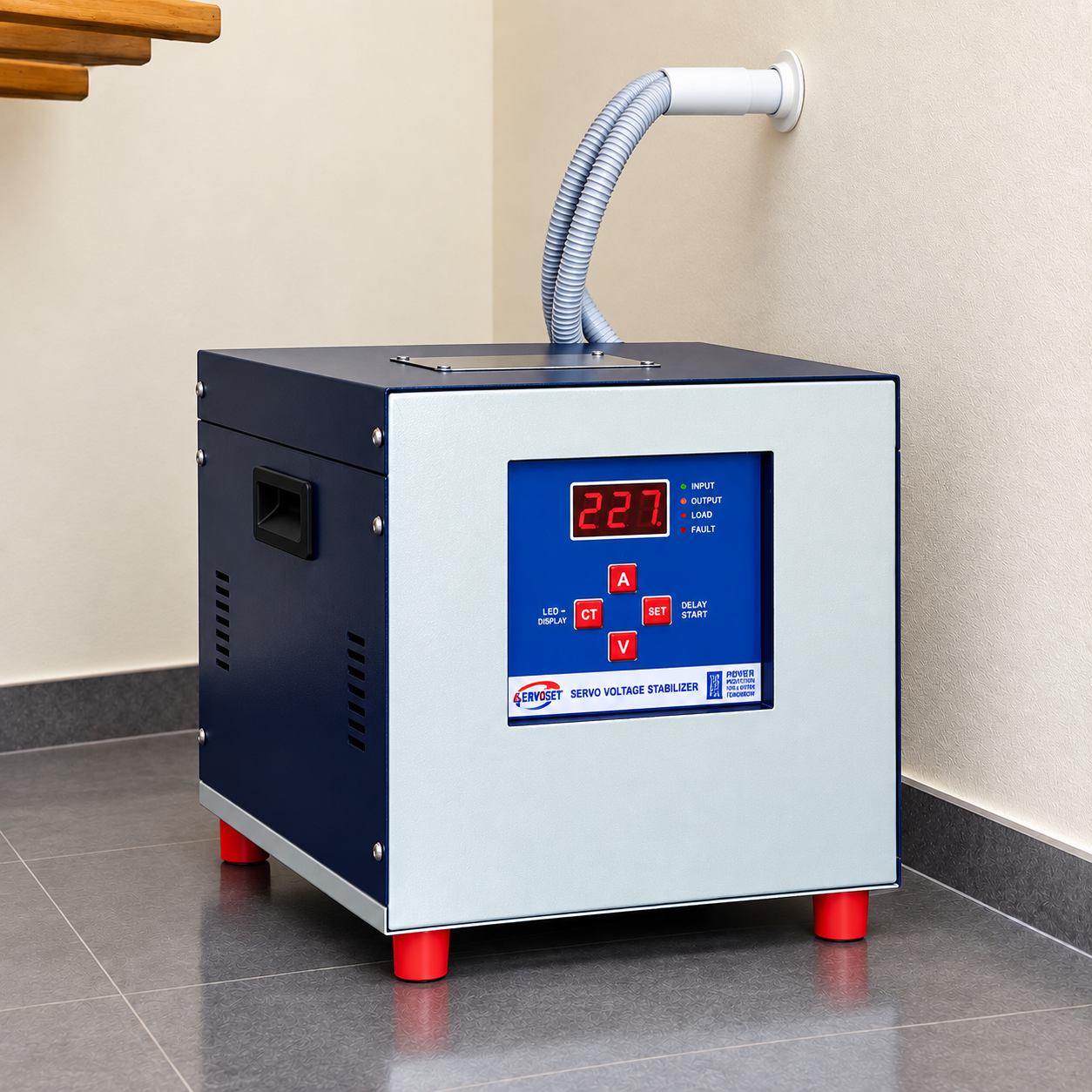
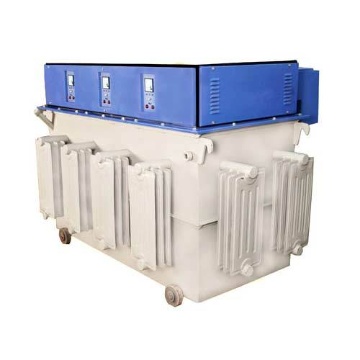
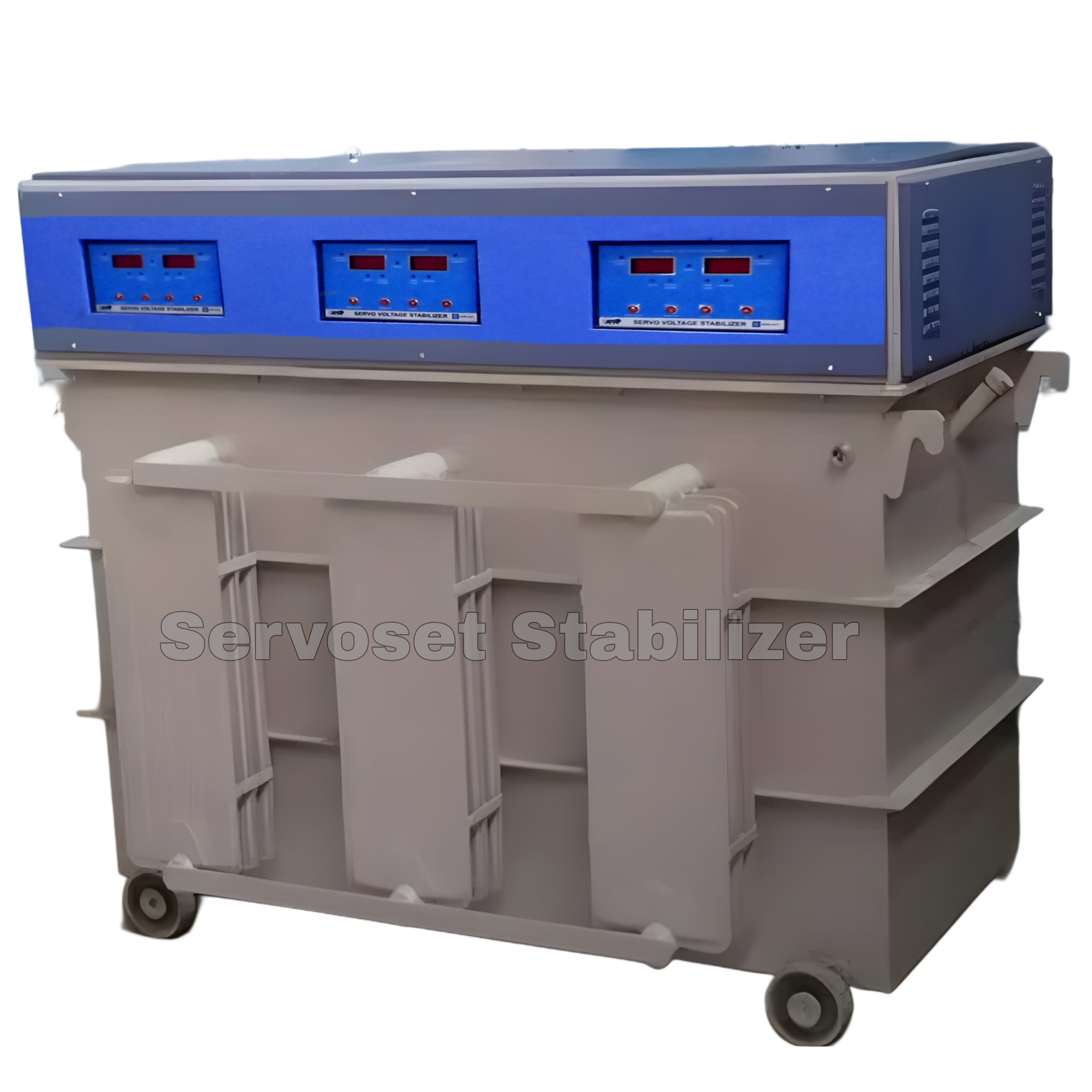
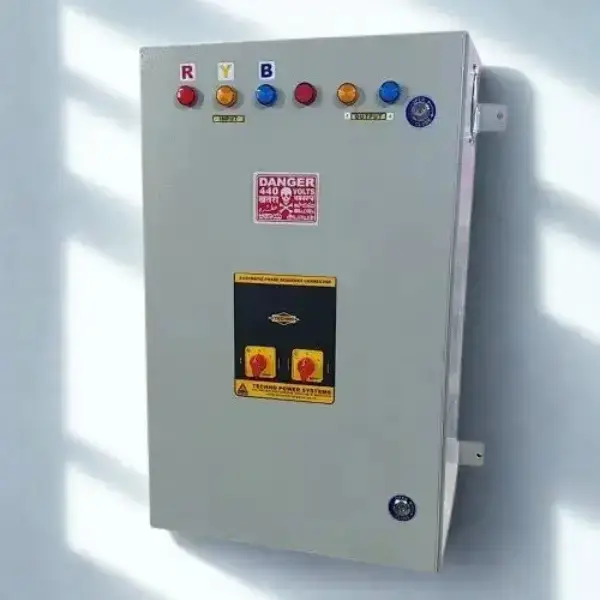
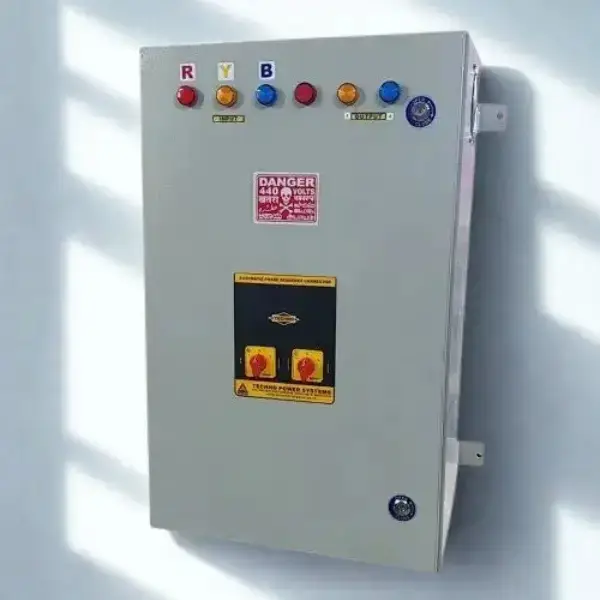
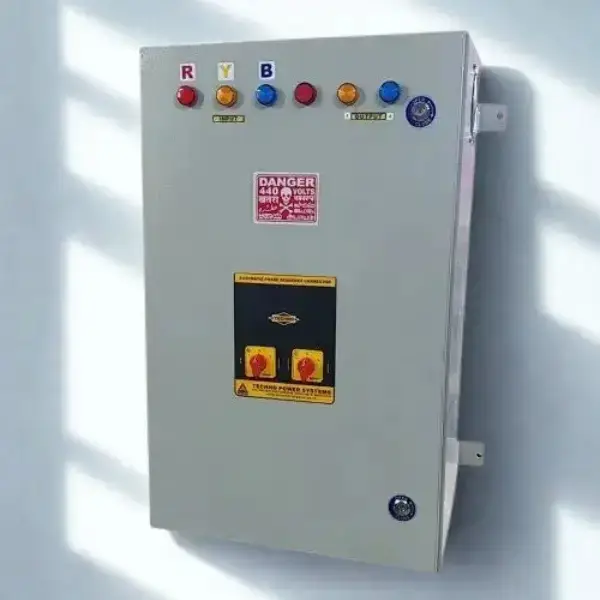
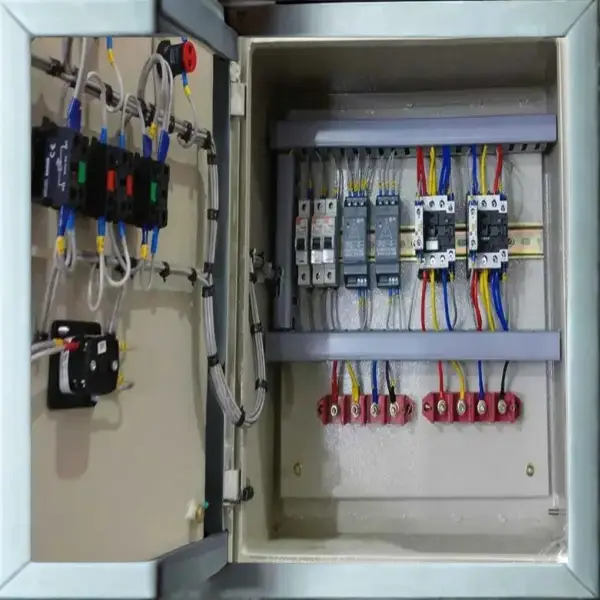
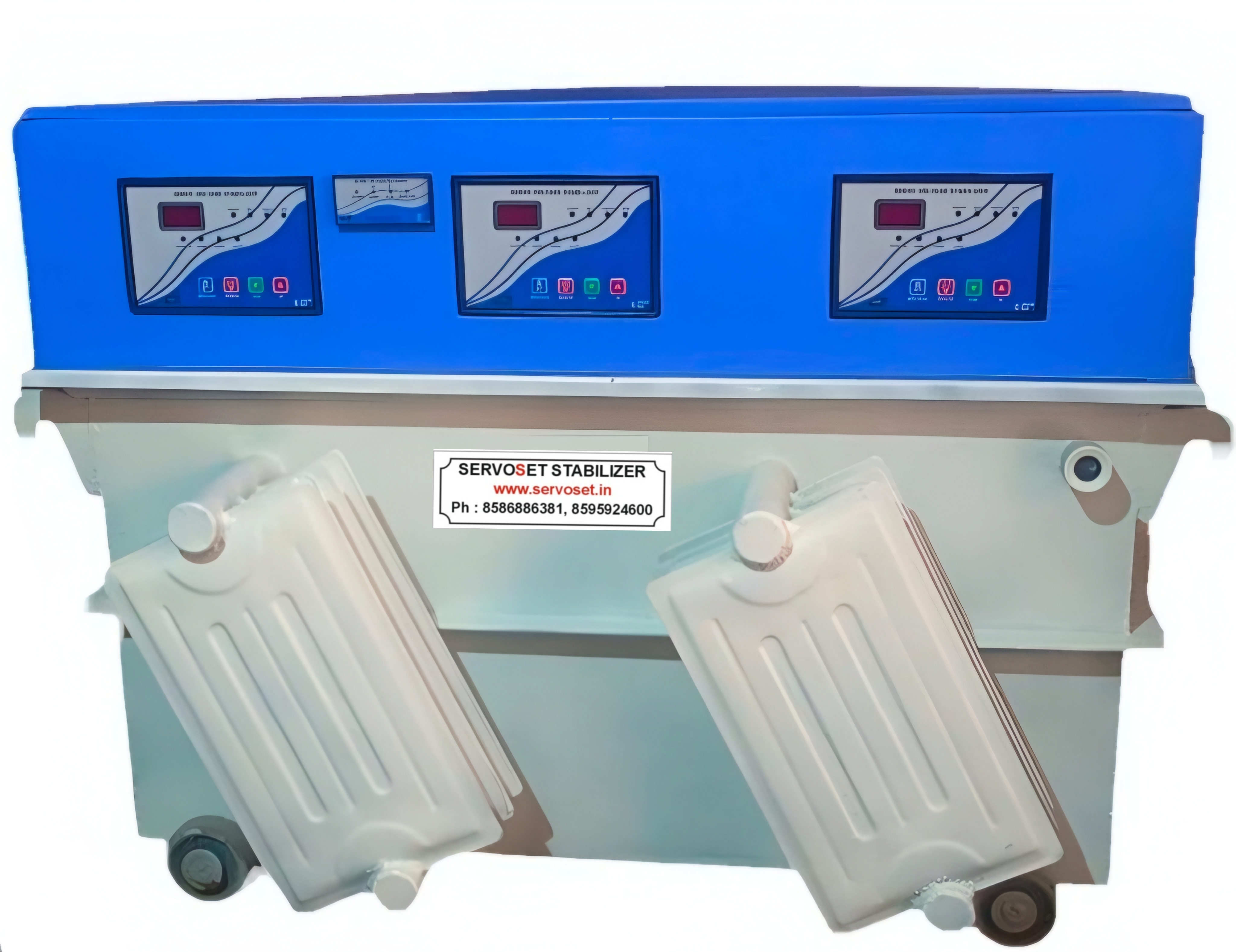
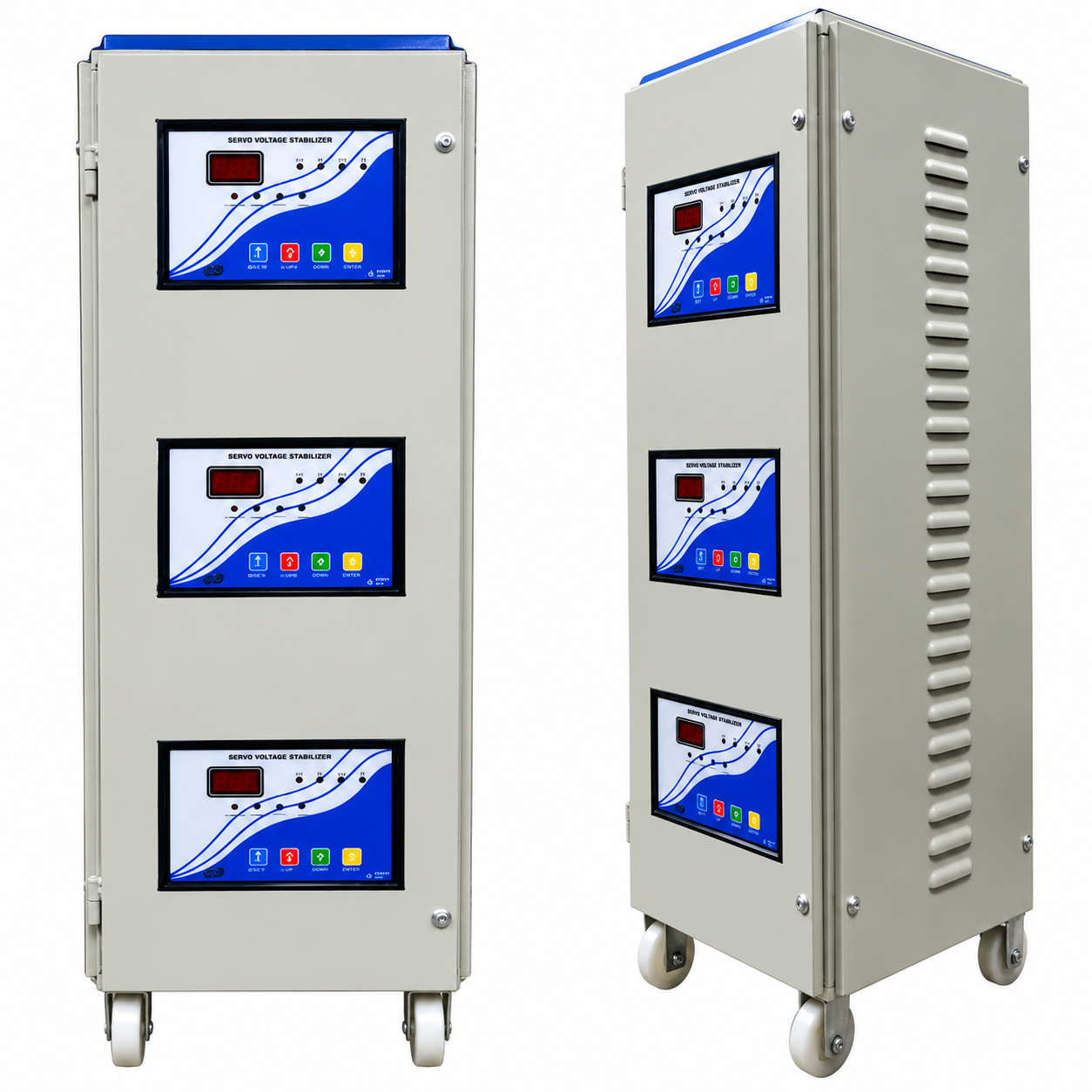
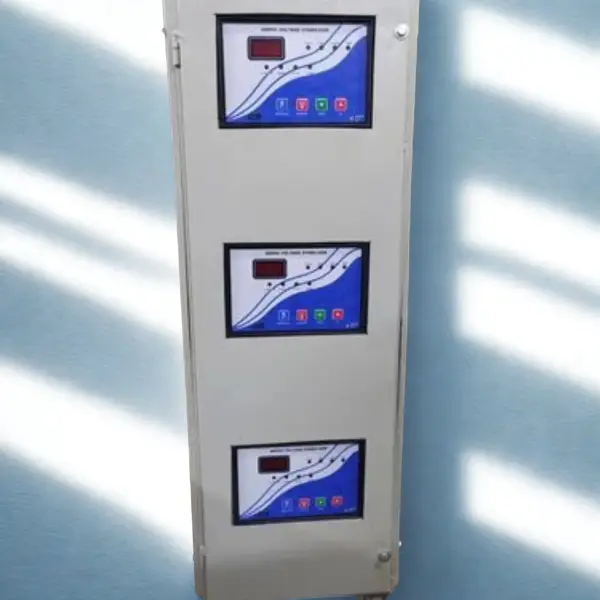
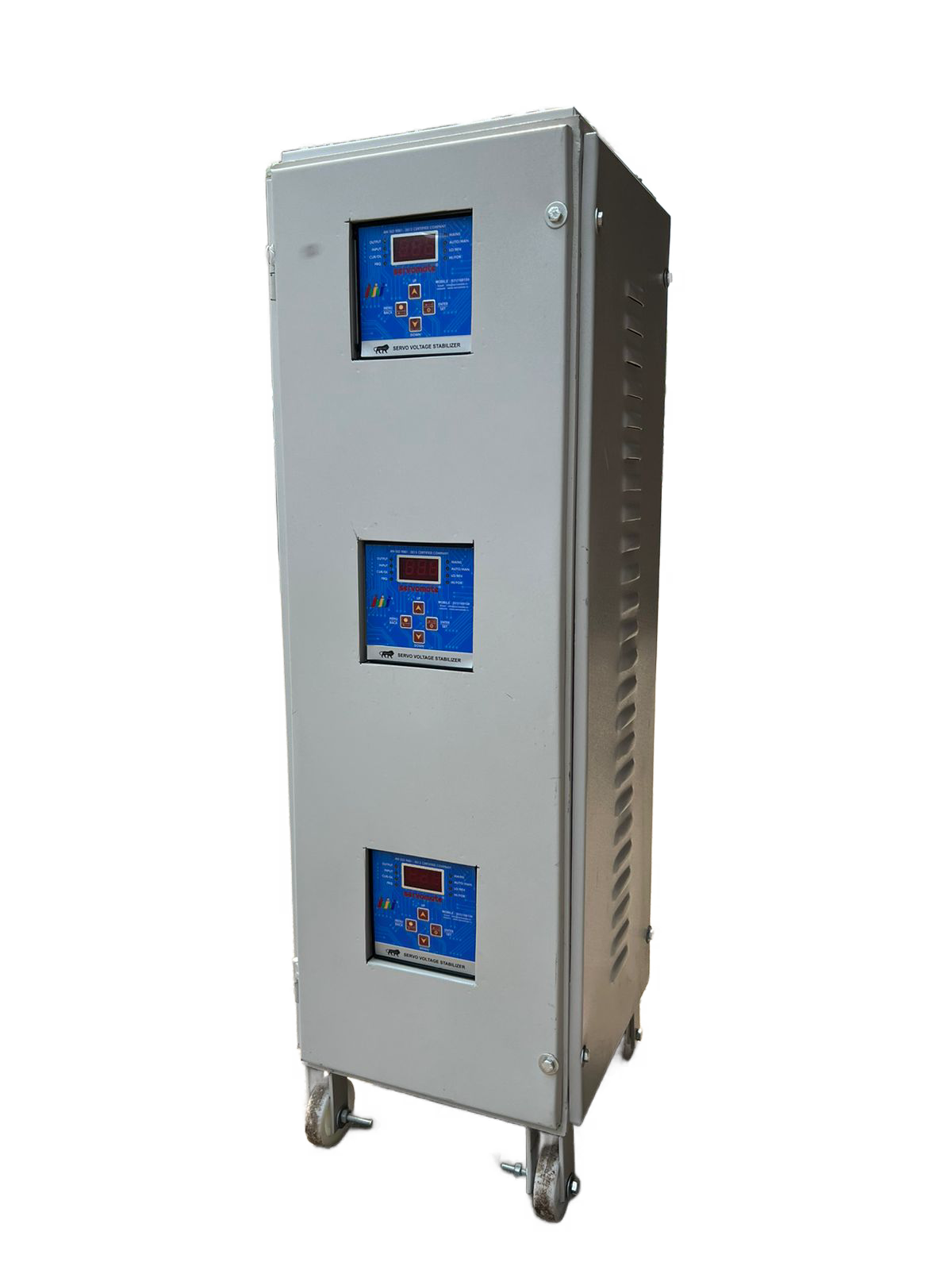
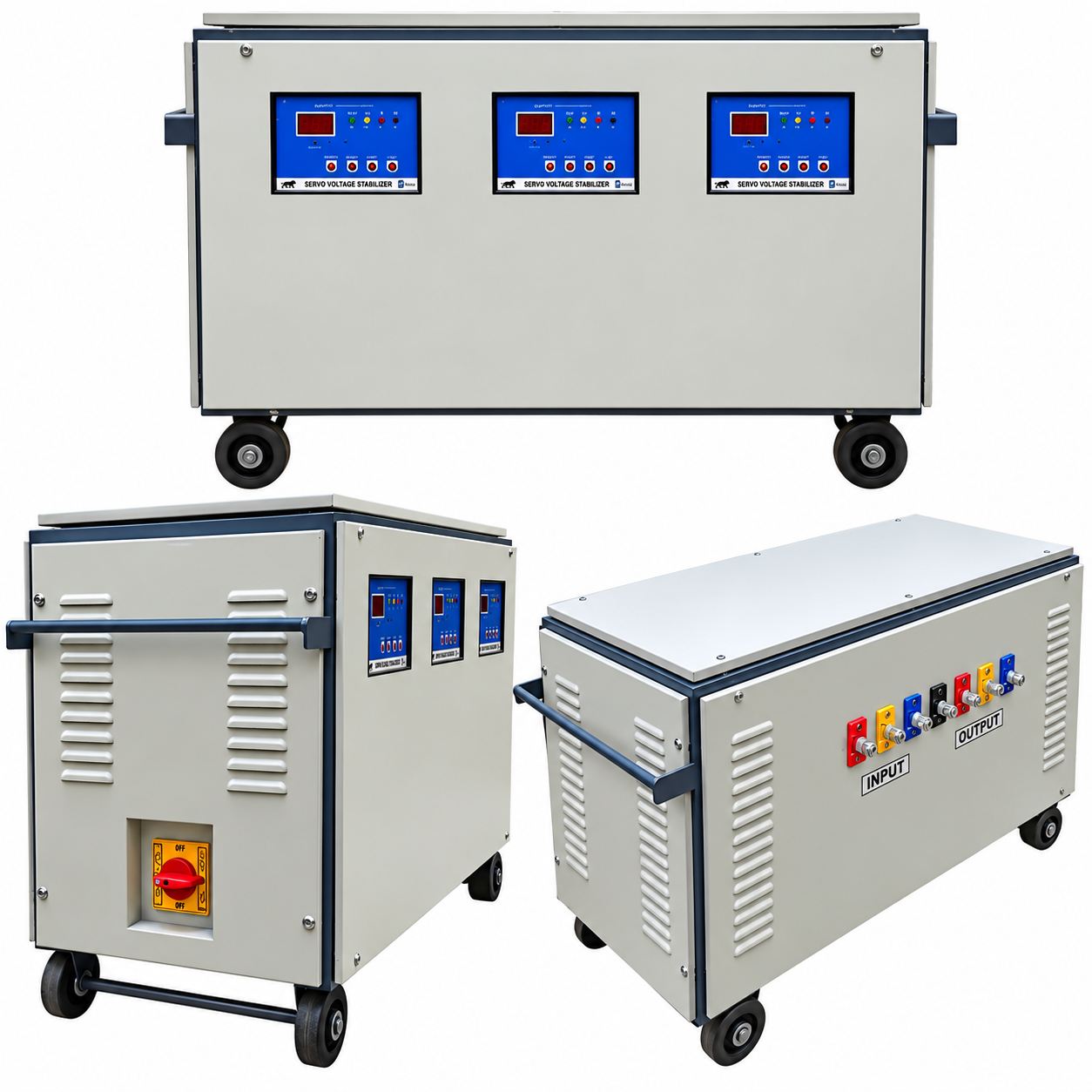
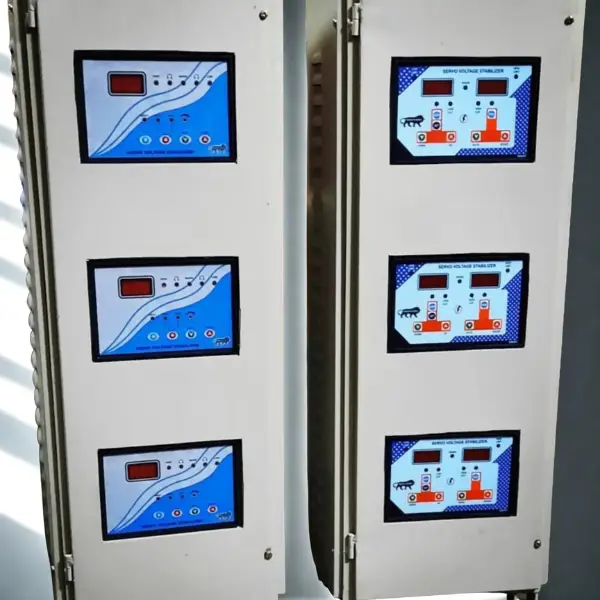
Stable electricity is essential for keeping electrical and industrial equipment running safely and efficiently. Fluctuations in voltage can affect machine performance, increase energy losses, and sometimes lead to unexpected equipment failures. An Air Cooled Servo Voltage Stabilizer helps maintain a more consistent output voltage by automatically correcting variations in the incoming power supply.
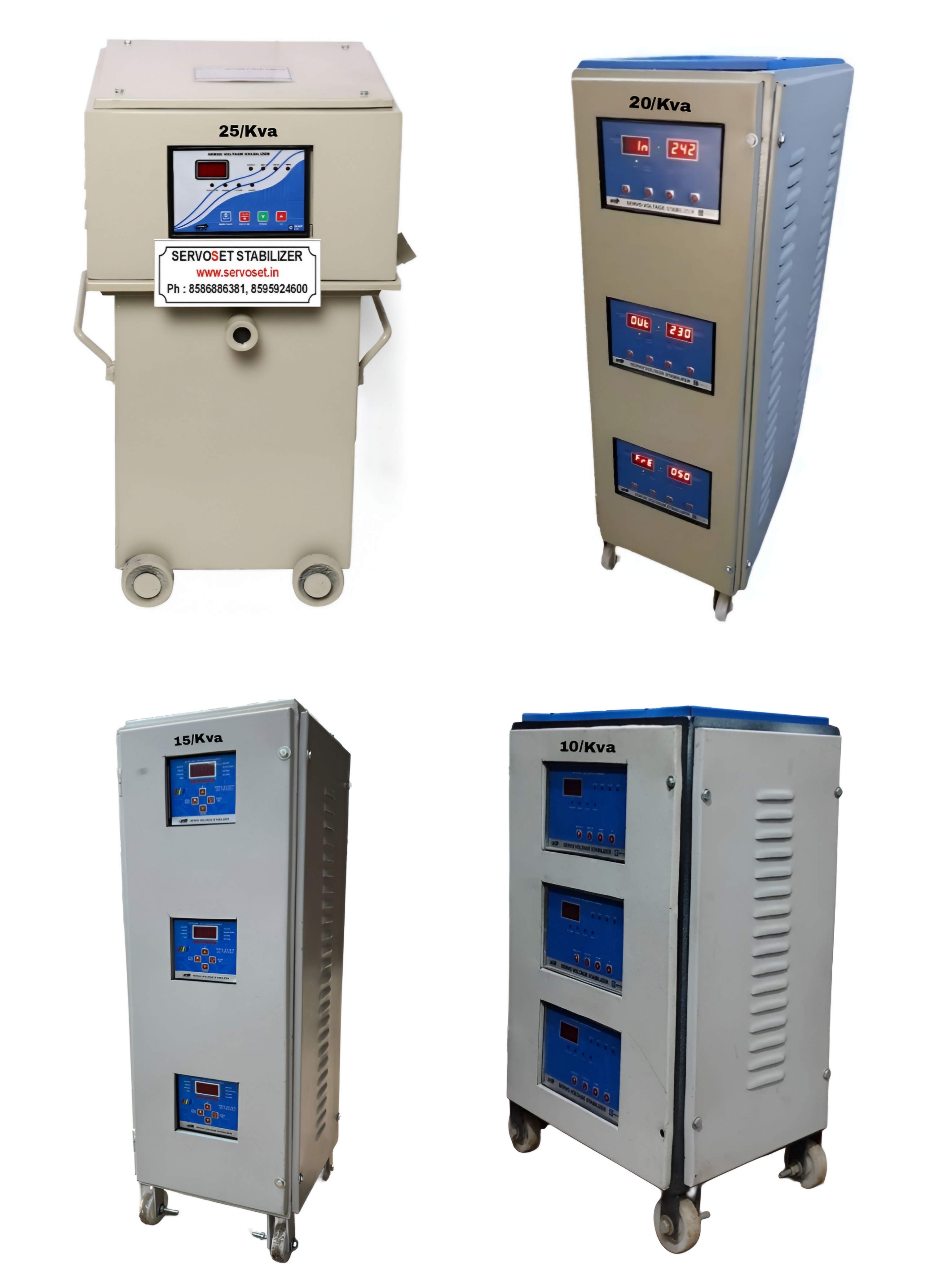
Unlike conventional voltage stabilizers, servo-controlled systems continuously monitor voltage and make necessary corrections through a motorized mechanism. The air-cooled design uses air for heat dissipation, making it suitable for several commercial and industrial applications. From manufacturing units to offices and commercial facilities, these stabilizers can support equipment that requires a controlled voltage supply.
Consistent Voltage for Sensitive Equipment
Electrical equipment performs best when it receives voltage within its specified operating range. Frequent fluctuations can cause equipment to restart, operate inefficiently, or experience excessive electrical stress.
An Air Cooled Servo Voltage Stabilizer continuously senses changes in input voltage and adjusts the output accordingly. This automatic correction helps connected equipment receive a more stable power supply during normal voltage fluctuations.
Automatic Voltage Correction in Real Time
Voltage conditions can change throughout the day depending on electrical loads and supply conditions. Manual adjustment is impractical when voltage changes occur frequently.
A servo stabilizer addresses this challenge through an automatic control mechanism. When the input voltage moves away from the desired range, the servo motor operates the correction mechanism to regulate the output voltage. Once the voltage returns toward the required level, the system adjusts accordingly.
This continuous correction makes the stabilizer useful for environments where maintaining voltage stability is important for day-to-day operations.
Air Cooling for Efficient Heat Dissipation
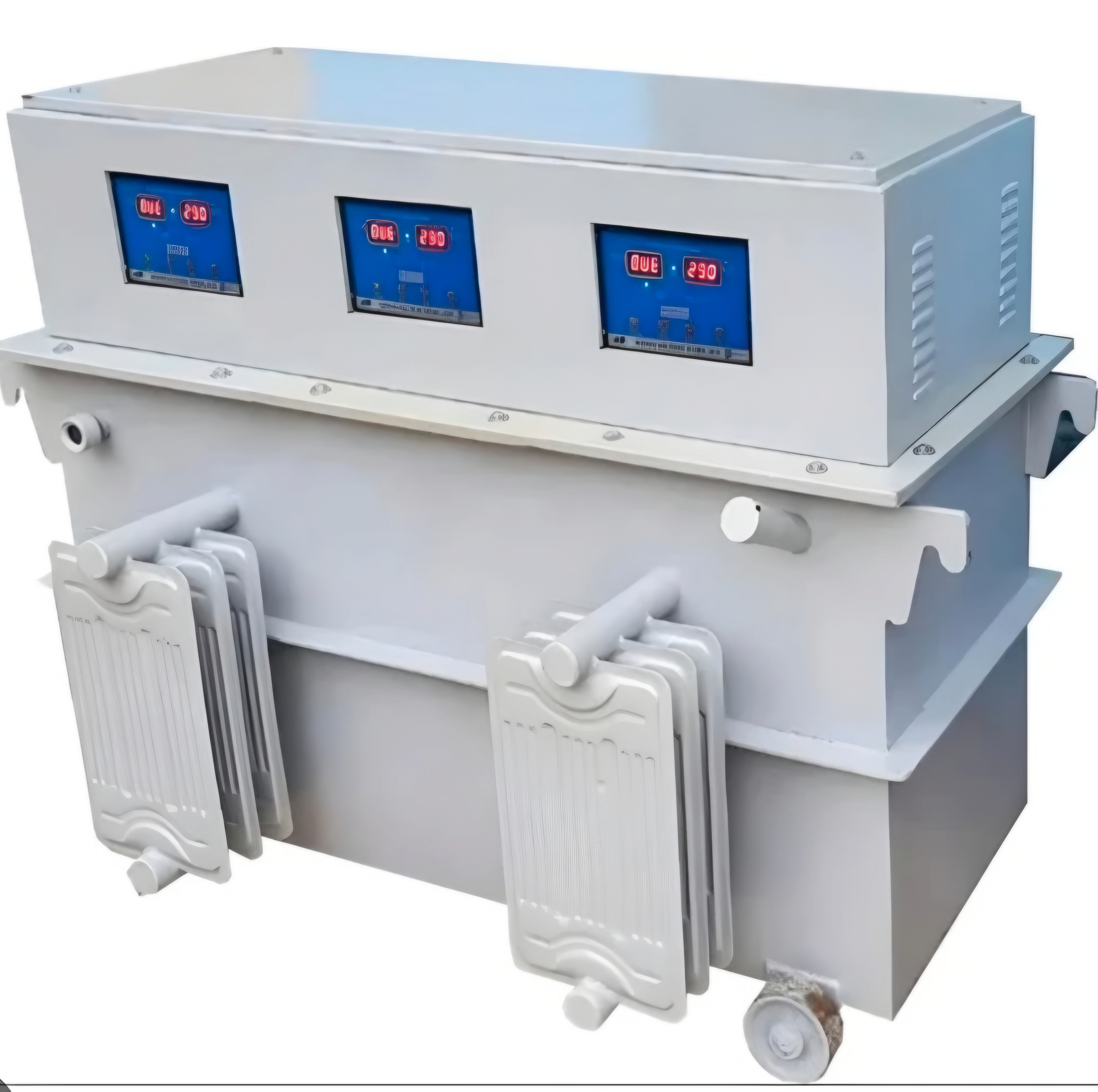
The cooling method is an important factor when selecting a voltage stabilizer. An air-cooled model uses surrounding air to dissipate heat generated during operation instead of relying on oil as the cooling medium.
This design can simplify maintenance because there is no transformer oil to inspect, replace, or manage. It can also be a practical choice for installations where a clean and relatively simple cooling arrangement is preferred.
Protection Against Voltage Fluctuations
Sudden changes in supply voltage can place additional stress on motors, control systems, electronic equipment, and other electrical loads. Continuous exposure to unsuitable voltage conditions may affect their performance and operating life.
An Air Cooled Servo Voltage Stabilizer helps reduce the impact of common overvoltage and undervoltage conditions by correcting the supply before it reaches connected equipment. The exact level of protection depends on the stabilizer's design, operating range, and available protection features.
Improved Equipment Performance
Stable voltage can contribute to smoother operation of electrical equipment. Machines that require a controlled power supply may experience fewer interruptions when voltage variations are properly regulated.
For industrial applications, this can be particularly useful because unexpected voltage-related interruptions can affect production schedules. A properly selected stabilizer can help maintain consistent operating conditions for compatible equipment.
Energy Efficiency and Reduced Electrical Stress
Voltage instability can affect how certain electrical equipment consumes power. Maintaining an appropriate voltage level can help equipment operate closer to its intended electrical conditions.
Servo stabilizers are designed to regulate voltage automatically rather than relying on frequent manual intervention. Depending on the connected load and operating conditions, maintaining a suitable voltage can help reduce unnecessary electrical stress and support efficient equipment operation.
Suitable for Diverse Industrial Applications
The benefits of an Air Cooled Servo Voltage Stabilizer extend across several sectors. These systems can be used wherever electrical equipment requires a more controlled voltage supply.
- Manufacturing Units: Supports voltage regulation for industrial machinery and production equipment.
- Textile Industries: Helps maintain suitable voltage conditions for electrically operated textile machinery.
- Printing Facilities: Useful for equipment that requires stable electrical input for consistent operation.
- Commercial Buildings: Can support electrical systems and equipment used in offices and commercial facilities.
- Medical Facilities: May be used with compatible equipment where stable voltage is required.
- Automation Systems: Helps provide controlled voltage conditions for suitable control and automation equipment.
Lower Maintenance Requirements
One practical advantage of an air-cooled design is the absence of cooling oil. This eliminates maintenance activities associated with oil-filled cooling systems, such as checking oil condition or dealing with oil leakage.
However, regular inspection is still important. Electrical connections, cooling paths, control components, terminals, and other parts should be checked according to the manufacturer's recommended maintenance schedule.
Compact and Practical Installation
Air-cooled stabilizers can be a convenient option for installations where a straightforward cooling arrangement is preferred. Their suitability depends on factors such as stabilizer capacity, available space, ambient temperature, load type, and ventilation.
Before installation, the available electrical infrastructure and operating environment should be evaluated to ensure that the selected stabilizer matches the application's requirements.
Important Selection Factors
Choosing a stabilizer is not simply about selecting the highest capacity available. The specifications should match the actual electrical load and operating conditions.
- Capacity: Select a suitable kVA rating based on the connected load.
- Input Voltage Range: Check the expected variation in incoming voltage.
- Output Voltage: Confirm the voltage required by the connected equipment.
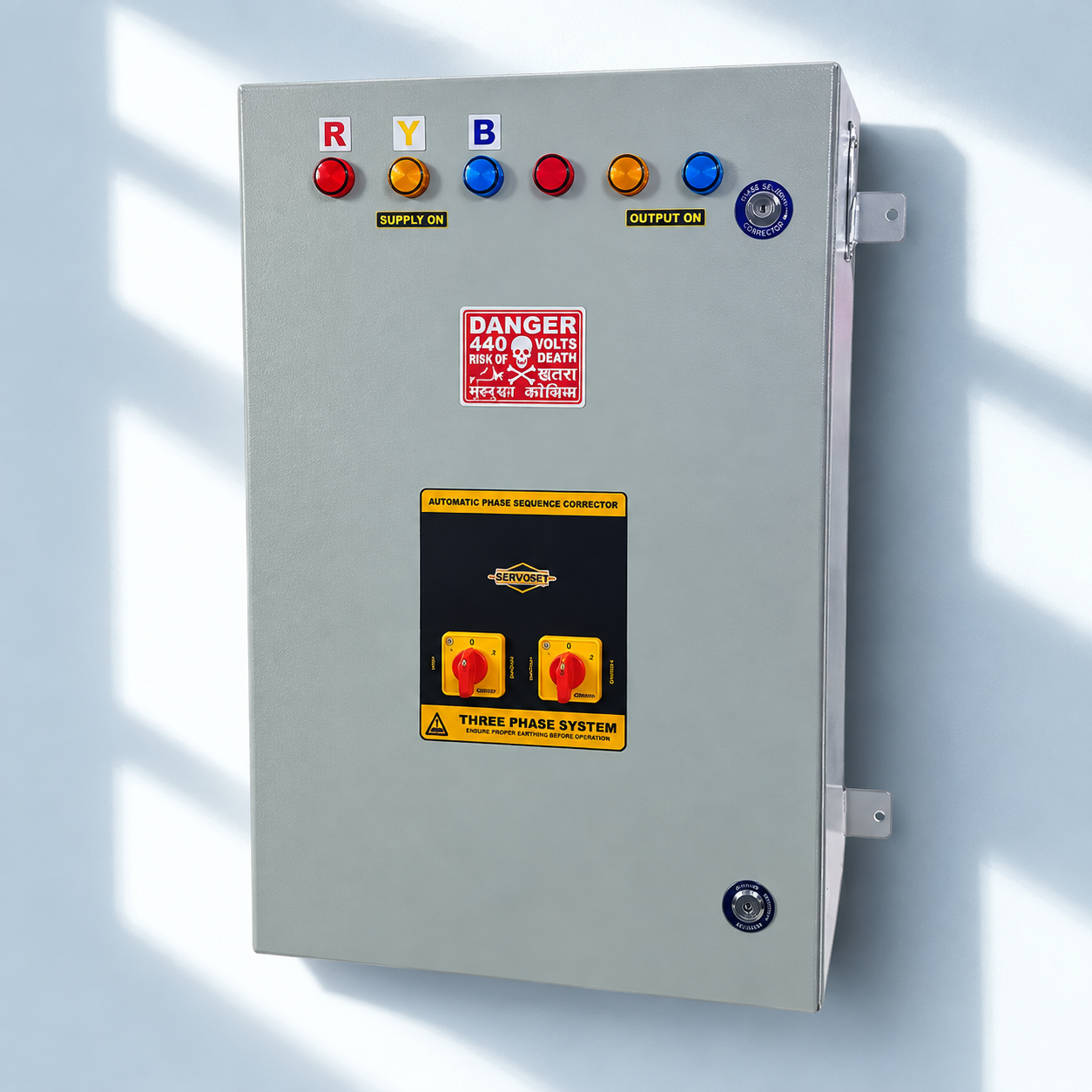
- Phase: Select single-phase or three-phase configuration according to the electrical system.
- Correction Speed: Consider how quickly the stabilizer needs to respond to voltage changes.
- Protection Features: Check for suitable overload, short-circuit, high/low voltage, and other protection features.
- Installation Environment: Ensure adequate ventilation and suitable operating conditions for air cooling.
Air Cooled Servo Stabilizer vs Conventional Stabilizer
A conventional stabilizer may use simpler voltage correction methods, while a servo-controlled stabilizer uses a motor-driven mechanism to make continuous voltage adjustments. This allows servo stabilizers to provide precise voltage regulation across their specified input range.
The air-cooled configuration adds a cooling approach that relies on air rather than oil. The choice between different stabilizer technologies should be based on voltage fluctuation levels, load characteristics, capacity requirements, installation conditions, and the desired level of regulation.
Maintenance Practices That Matter
Regular maintenance can help maintain the performance of an Air Cooled Servo Voltage Stabilizer. Dust accumulation should be controlled, ventilation openings should remain unobstructed, and electrical connections should be inspected periodically.
The servo motor, control panel, terminals, and protective devices should also be checked according to the manufacturer's guidelines. Any unusual noise, overheating, repeated tripping, or abnormal voltage output should be investigated by a qualified technician.
FAQs
1. What is an Air Cooled Servo Voltage Stabilizer?
It is a servo-controlled device that automatically regulates fluctuating input voltage while using air for heat dissipation.
2. Where are air cooled servo stabilizers used?
They are used in manufacturing, commercial, textile, printing, automation, and other suitable electrical applications.
3. Does an air cooled stabilizer require cooling oil?
No, its heat dissipation system relies primarily on air rather than transformer oil.
4. Can a servo stabilizer handle voltage fluctuations automatically?
Yes, the servo mechanism automatically adjusts the output voltage according to changes within its specified input range.
5. How should I select the stabilizer capacity?
The kVA capacity should be selected according to the connected load, starting current, and application requirements.
Conclusion
An Air Cooled Servo Voltage Stabilizer can provide an effective approach to managing voltage fluctuations in commercial and industrial environments. Automatic voltage correction, air-based cooling, reduced oil-related maintenance, equipment support, and versatile applications make this type of stabilizer suitable for various electrical systems.
For the best results, the stabilizer should be selected according to the connected load, voltage range, phase configuration, correction requirements, installation environment, and protection features. A properly matched system can help maintain stable operating conditions and support the reliable performance of connected electrical equipment.