Introduction
Three-phase electrical systems are widely used in industrial facilities, commercial buildings, manufacturing units, control panels, pumps, compressors, motors, and other equipment that requires stable and correctly sequenced power. An incorrect phase sequence can affect the direction of motor rotation and may cause operational problems in sensitive electrical equipment. This is where a 25A Automatic Phase Sequence Corrector can provide an important solution.
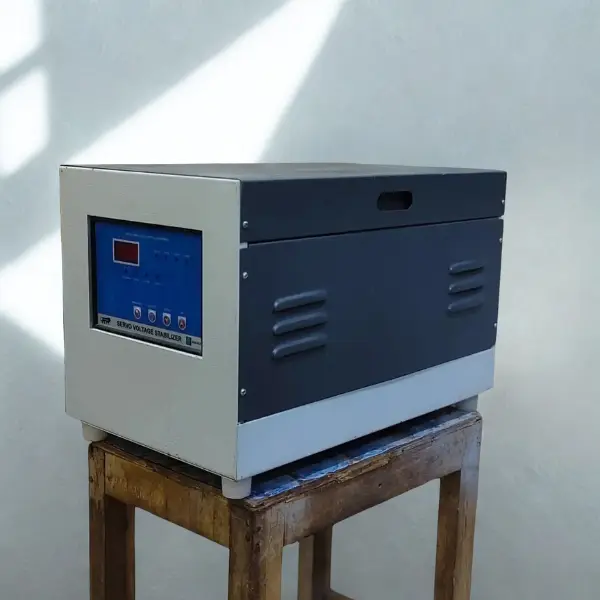
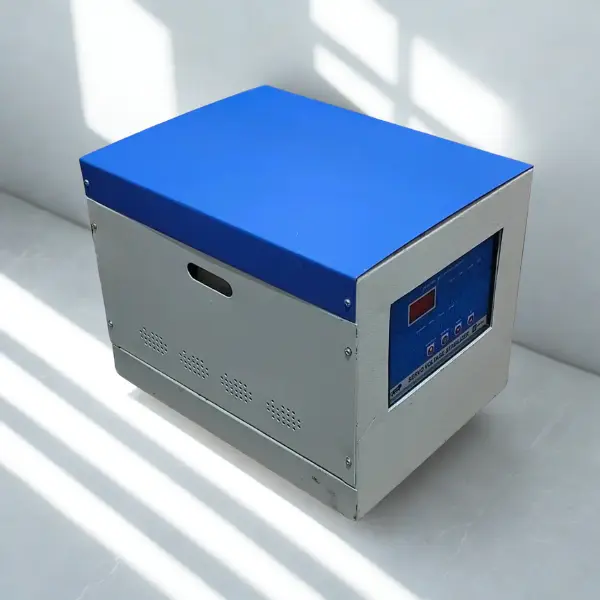
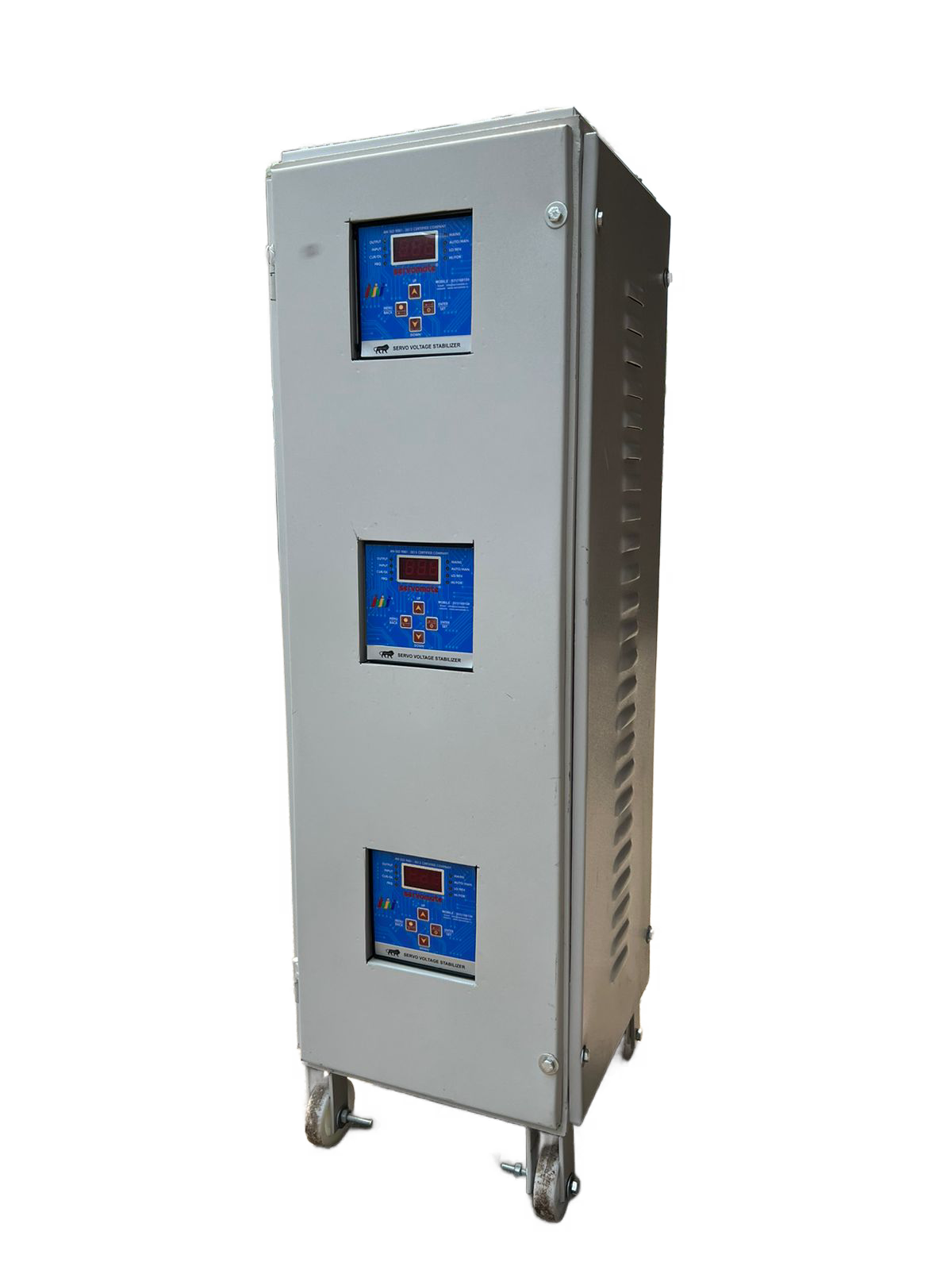
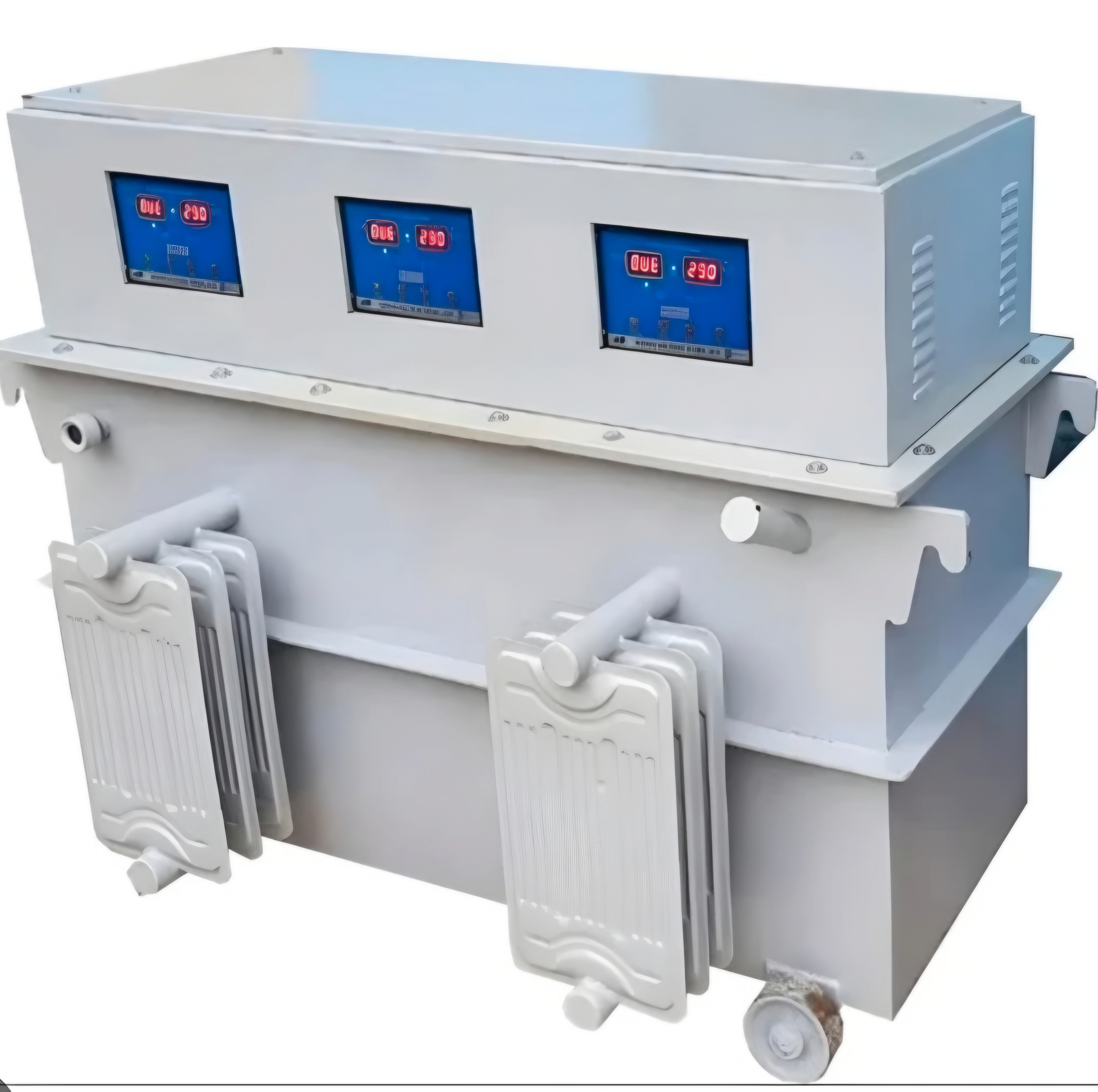
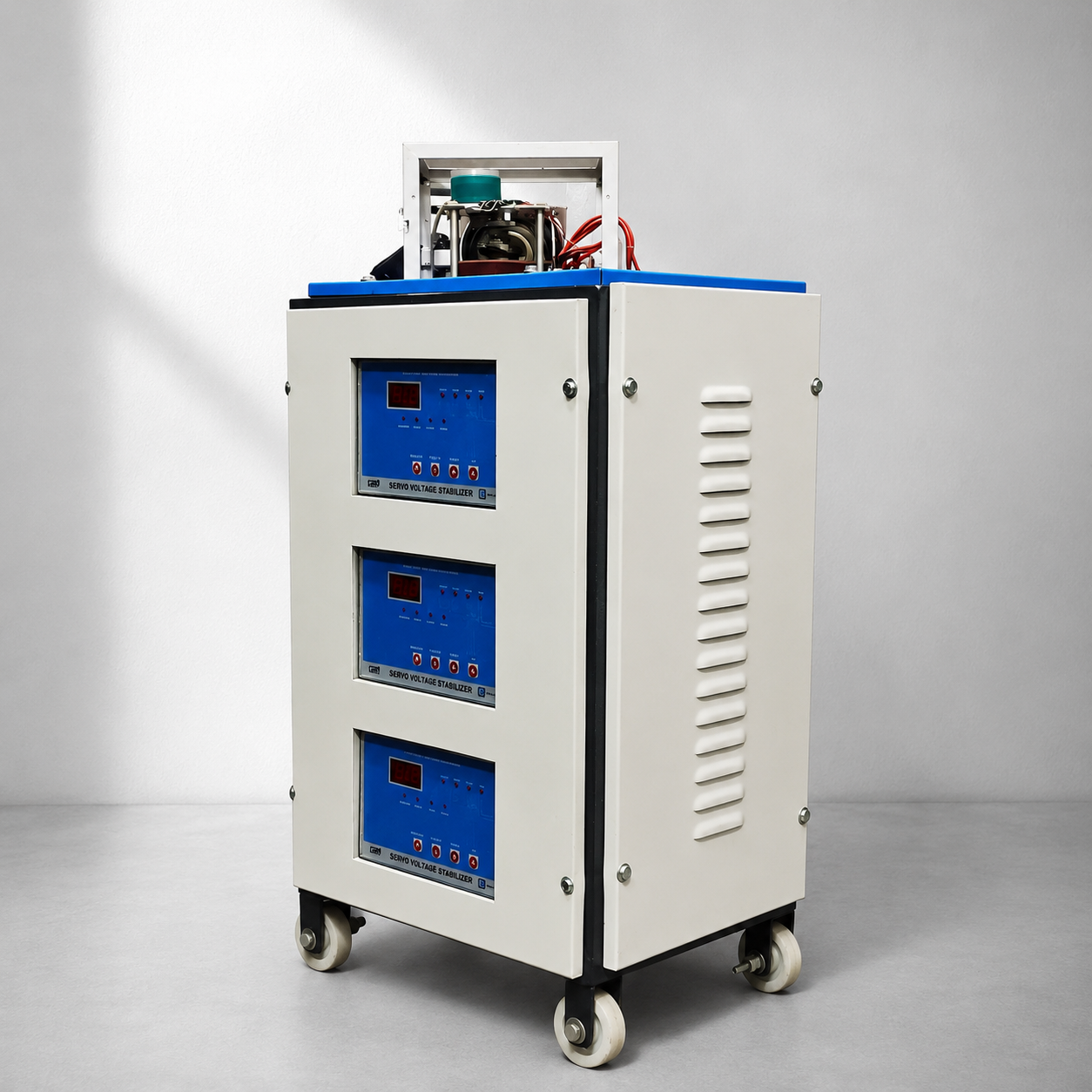
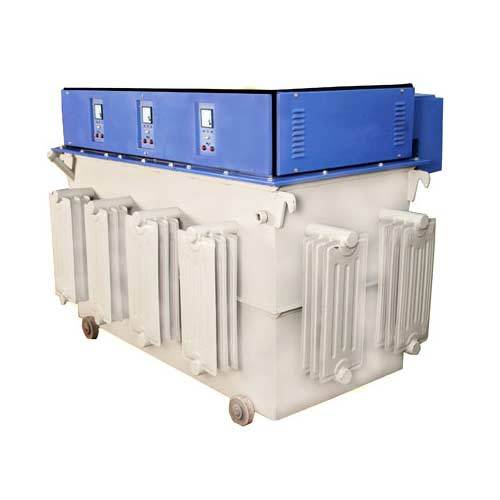
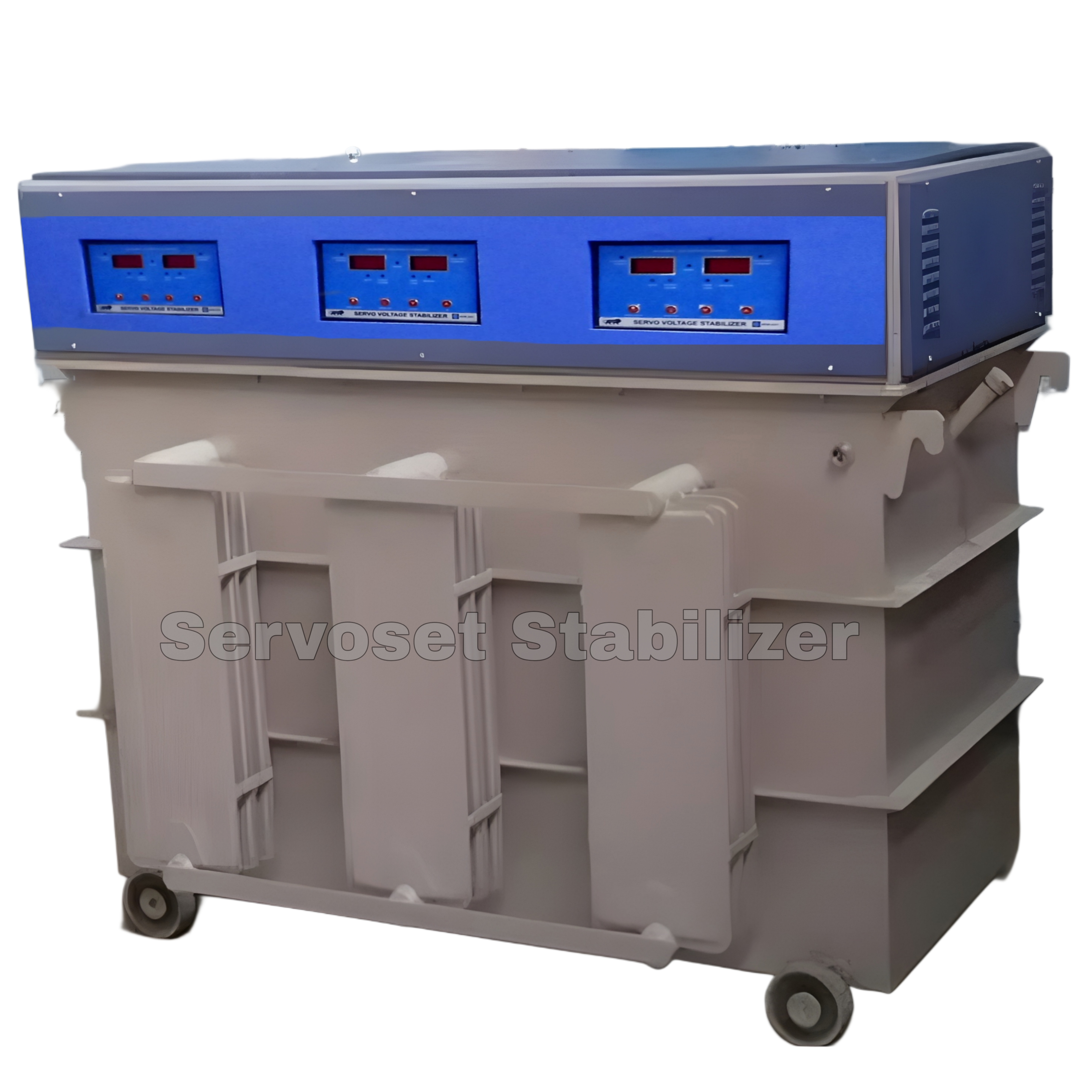
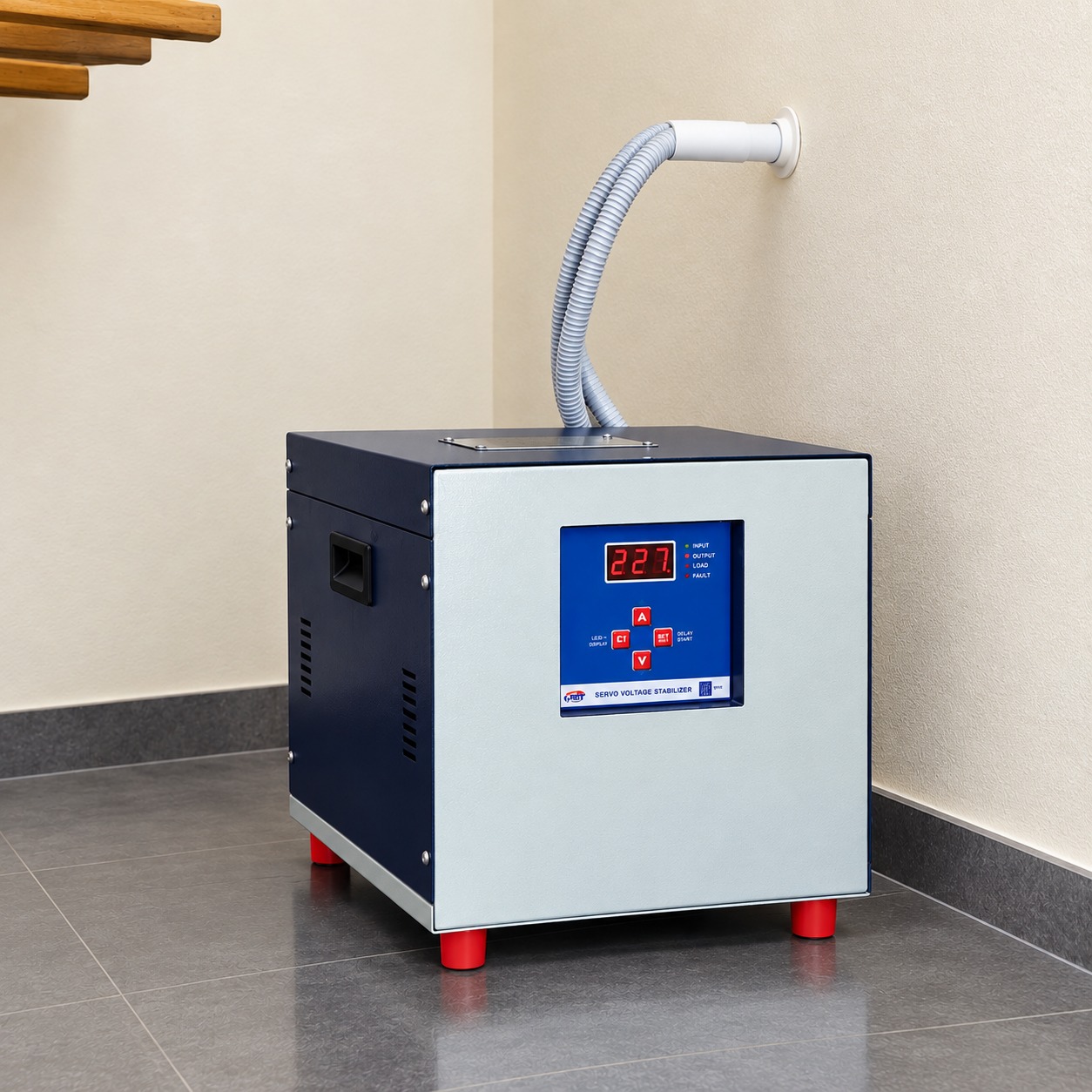
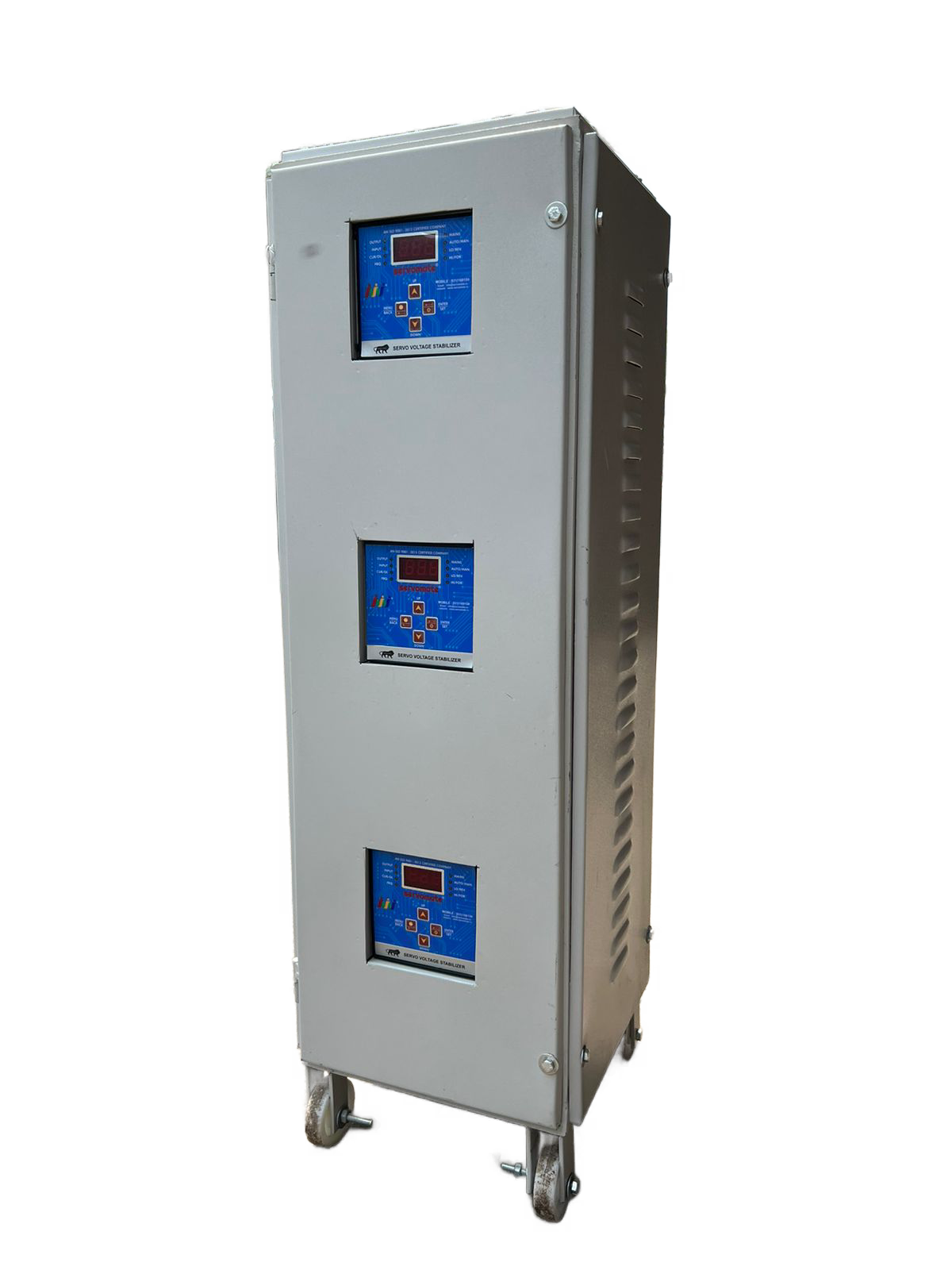
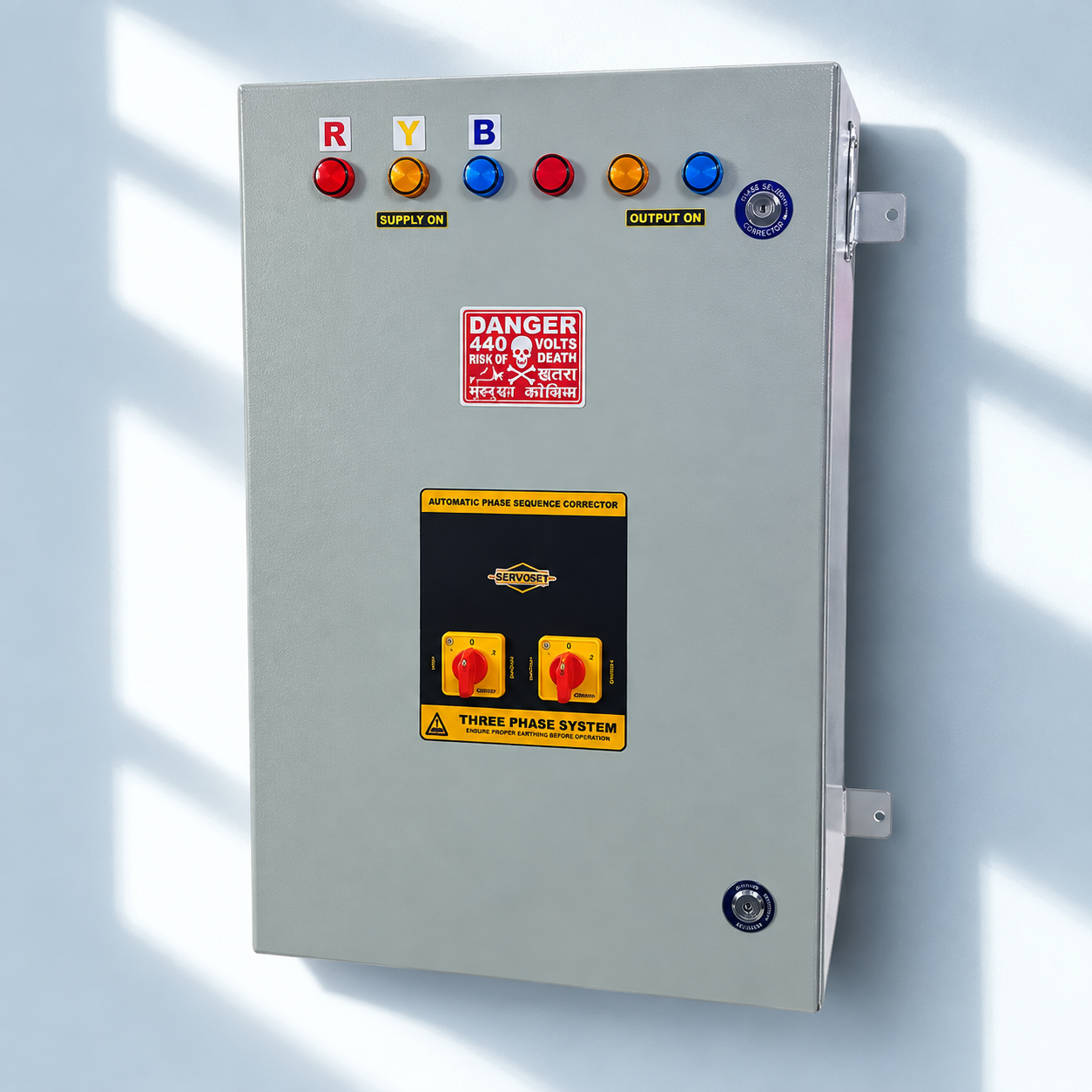
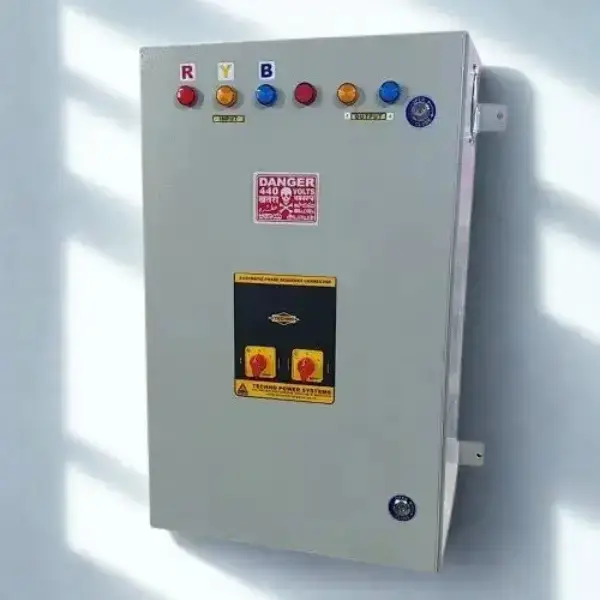
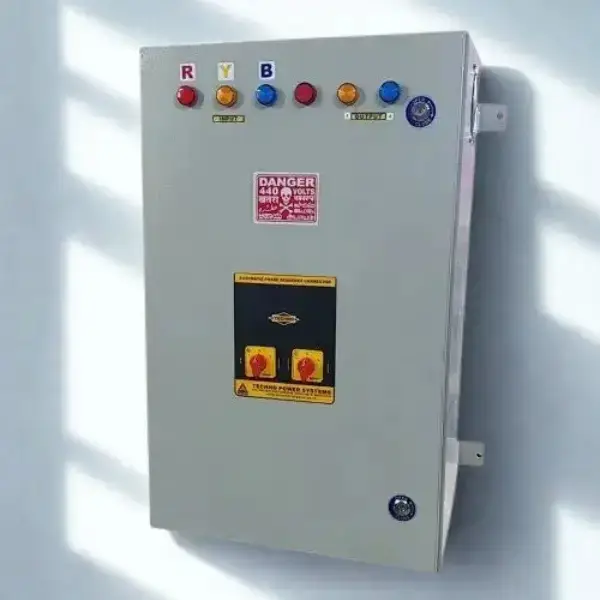
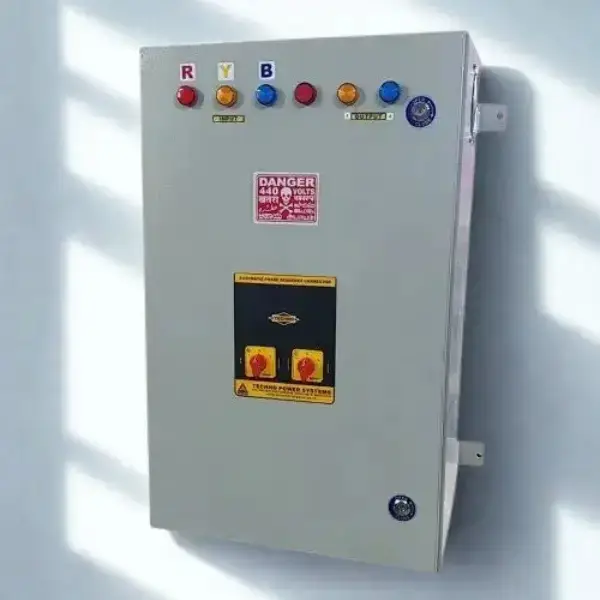
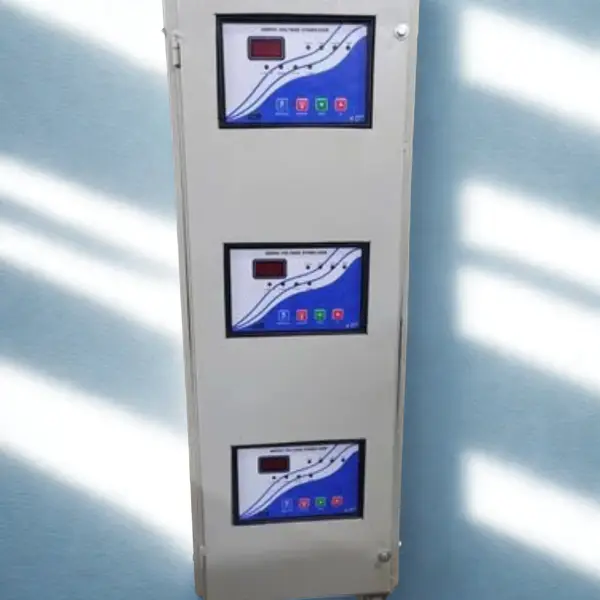
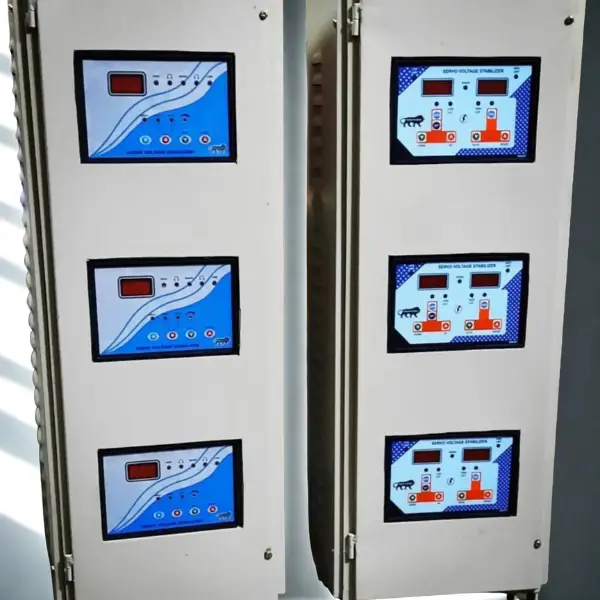
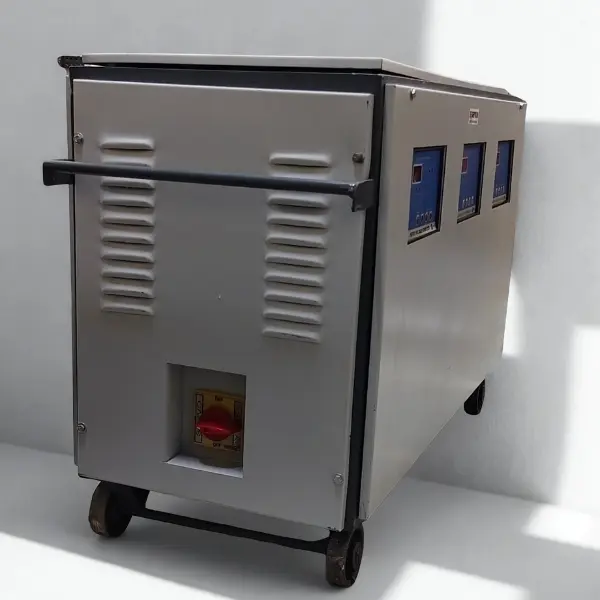
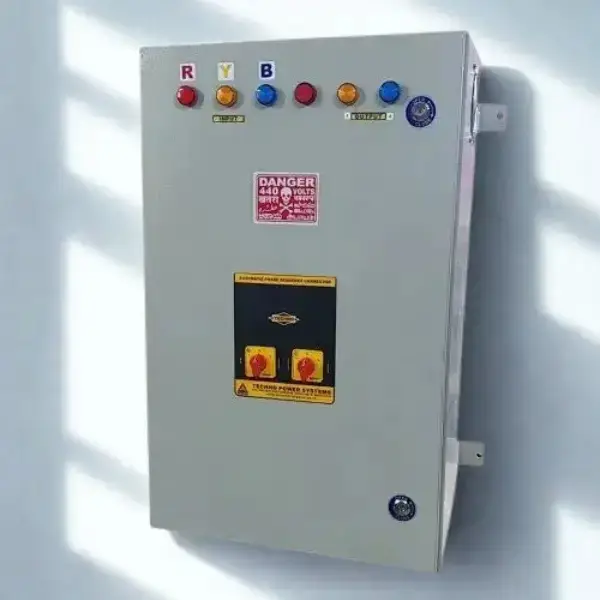
The 25A Automatic Phase Sequence Corrector by Servoset is designed to automatically detect and correct the phase sequence of a three-phase electrical supply. By maintaining the required phase order, it helps connected equipment operate according to its intended electrical configuration without requiring frequent manual intervention.
This type of equipment can be particularly useful in installations where phase sequence may change because of maintenance work, electrical connections, generator switching, or changes in incoming supply connections.
Understanding Automatic Phase Sequence Correction
In a three-phase electrical system, the three phases need to follow a specific sequence for equipment such as three-phase motors to rotate in the intended direction. If two phases are interchanged, the phase sequence changes and the motor may rotate in the opposite direction.
A phase sequence corrector monitors the incoming three-phase supply and identifies the sequence of the phases. When an incorrect sequence is detected, an automatic correction mechanism changes the phase arrangement so that the connected system receives the required sequence.
This eliminates the need for an operator to manually interchange phase connections every time the incoming sequence changes.
25A Capacity for Three-Phase Applications
The 25A rating is an important specification when selecting a phase sequence correction device. The correct rating should always be determined according to the electrical load, operating conditions, and system requirements.
A 25A phase sequence corrector can be considered for suitable three-phase installations where the connected load falls within the equipment's specified operating capacity.
Before installation, electrical professionals should verify the rated current, voltage, frequency, load characteristics, and other technical specifications to ensure compatibility with the intended application.
Automatic Operation for Convenient Power Management
One of the main advantages of an automatic phase sequence corrector is that it can operate without requiring continuous manual monitoring. The system can identify the incoming phase arrangement and provide the appropriate correction when necessary.
This can be useful in electrical installations where the supply may come from different sources or where phase connections are occasionally modified during maintenance and electrical work.
Automatic operation can also simplify the overall electrical management process by reducing the need for repeated manual phase checking.
Importance of Correct Phase Sequence
Correct phase sequence is particularly important for three-phase motors and rotating equipment. The sequence of the supplied phases determines the direction of rotation of a three-phase motor.
If the sequence is reversed, the motor can rotate in the opposite direction. Depending on the equipment, unintended rotation can affect pumps, fans, compressors, conveyors, machine tools, and other mechanical systems.
Maintaining the appropriate phase sequence therefore forms an important part of proper three-phase electrical system operation.
Protection of Three-Phase Equipment
A 25A Automatic Phase Sequence Corrector can form part of a broader electrical protection and control arrangement. By maintaining the correct phase sequence, it helps reduce problems associated with an incorrect phase arrangement.
However, phase sequence correction should not be considered a replacement for other electrical protection devices. Depending on the installation, equipment may also require appropriate circuit breakers, overload protection, short-circuit protection, phase failure protection, voltage protection, and proper earthing.
A complete protection system should be designed according to the requirements of the electrical installation and connected equipment.
Applications of Automatic Phase Sequence Correctors
Automatic phase sequence correctors can be used across various industrial and commercial environments where three-phase electrical equipment is installed.
Industrial Machinery
Manufacturing facilities often use three-phase motors and machines for continuous production processes. A correctly maintained phase sequence can help ensure that rotating equipment operates in the intended direction.
Water Pumps
Three-phase pumps depend on correct motor rotation for proper operation. Phase sequence correction can be useful in installations where maintaining the correct motor direction is important.
HVAC Systems
Commercial HVAC systems can contain compressors, fans, pumps, and other three-phase equipment. Maintaining the appropriate phase sequence can support correct operation of these components.
Compressors
Industrial and commercial compressors may use three-phase motors. Incorrect phase rotation can affect their operation and may create problems for the associated mechanical system.
Control Panels
Electrical control panels can incorporate phase sequence correction as part of their overall control and protection arrangement. This can be particularly useful in systems where the incoming supply sequence needs to remain consistent.
Suitable Environments for Phase Sequence Correction
Three-phase electrical systems are found in many environments, including factories, workshops, commercial buildings, infrastructure facilities, processing units, and utility installations.
In such environments, electrical supply conditions can change due to maintenance activities, generator connections, cable replacement, or modifications to distribution systems. An automatic correction device can help maintain the required phase sequence without depending entirely on manual intervention.
Key Benefits of a 25A Automatic Phase Sequence Corrector
The use of an appropriately selected 25A Automatic Phase Sequence Corrector can provide several practical benefits for three-phase electrical installations.
- Automatic detection of phase sequence
- Automatic correction of incorrect phase sequence
- Reduced requirement for manual phase interchange
- Suitable for compatible three-phase electrical systems
- Useful for rotating electrical equipment
- Supports consistent phase arrangement
- Can simplify electrical system operation
- Suitable for industrial and commercial applications
The actual performance and protection features depend on the specific model and its technical specifications, so the manufacturer's documentation should always be checked before installation.
Role in Motor-Driven Equipment
Three-phase motors are among the most common applications where phase sequence matters. These motors use three-phase power to generate a rotating magnetic field, and the sequence of the phases determines the direction of that field.
Changing the phase sequence changes the direction of motor rotation. For equipment that is designed to operate in one specific direction, maintaining the correct phase sequence is therefore important.
A phase sequence corrector can help manage this requirement automatically, particularly in installations where the incoming phase arrangement may occasionally change.
Installation Considerations
Proper installation is essential for the reliable operation of any electrical control device. The 25A Automatic Phase Sequence Corrector should be installed according to the manufacturer's wiring diagram and technical specifications.
Before installation, the electrical system should be checked for its voltage, frequency, phase configuration, current requirements, and load characteristics.
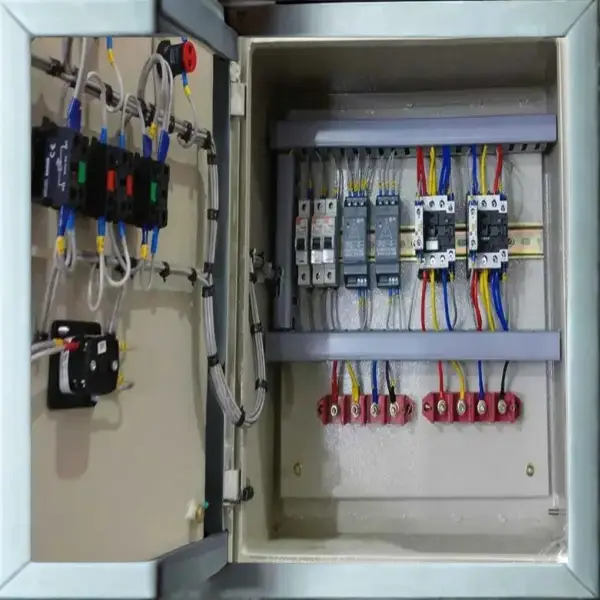
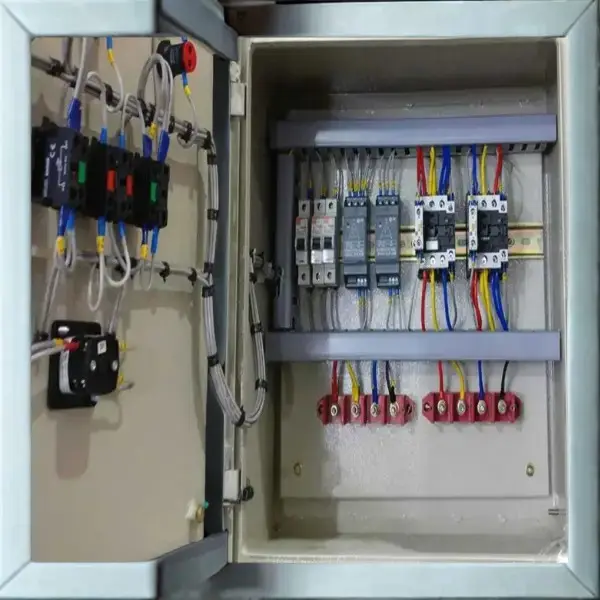
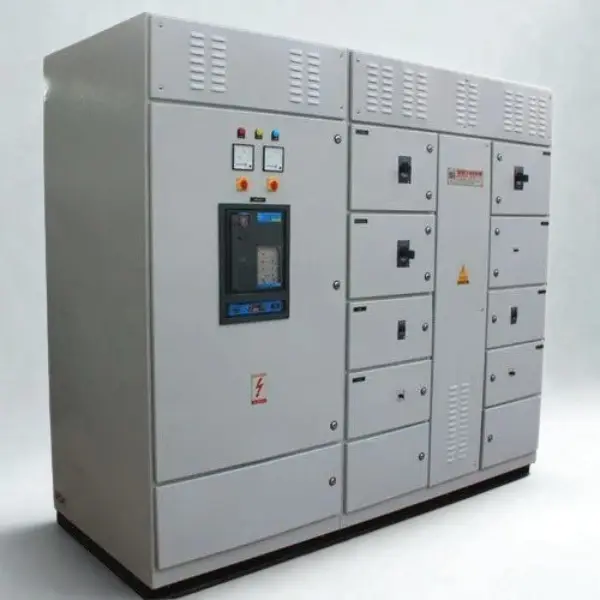
The device should be installed in an appropriate electrical enclosure or panel where required, with suitable wiring, terminals, protection, and ventilation.
Installation and commissioning should be carried out by a qualified electrical professional who can verify the phase sequence, connections, load conditions, and safety requirements.
Compatibility with Electrical Protection Systems
A phase sequence corrector generally works as one component within a larger electrical system. Depending on the application, it may be installed alongside contactors, overload relays, circuit breakers, motor protection devices, control relays, and other electrical components.
The complete arrangement should be designed so that each component performs its intended function without exceeding its rated capacity.
Proper coordination between the correction device and other protection equipment can contribute to a more organized three-phase control system.
Factors to Consider Before Selection
Choosing a 25A Automatic Phase Sequence Corrector requires consideration of several technical factors.
Current rating: Verify that the 25A rating is appropriate for the intended load and system configuration.
System voltage: Check that the device supports the voltage of the three-phase electrical system.
Frequency: Confirm compatibility with the operating frequency of the electrical supply.
Phase configuration: Ensure that the device is designed for the required three-phase arrangement.
Load type: Consider whether the connected equipment includes motors, pumps, compressors, machinery, or other inductive loads.
Installation method: Check the available panel space, mounting arrangement, terminals, and wiring requirements.
Protection requirements: Determine whether additional circuit protection or control components are required for the installation.
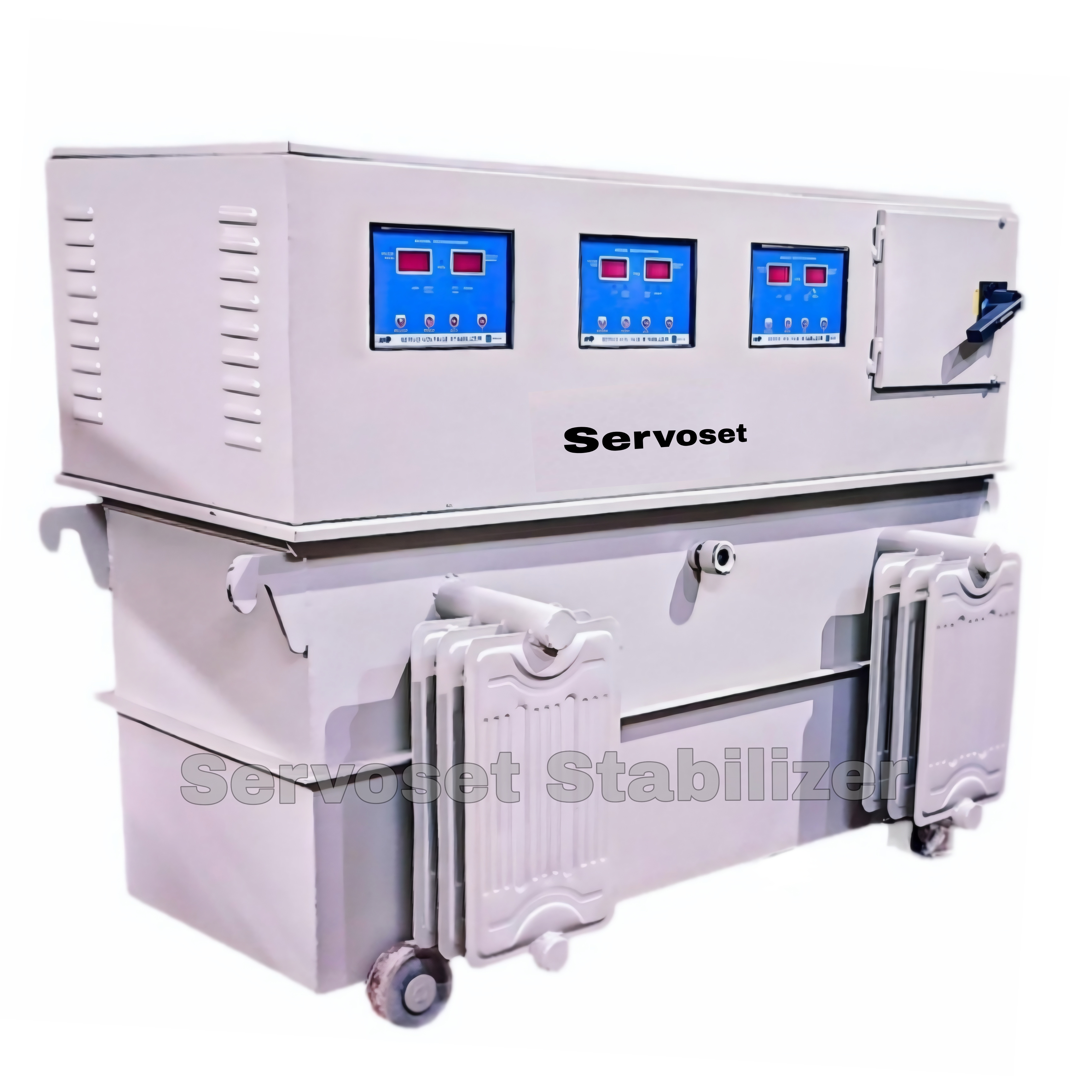
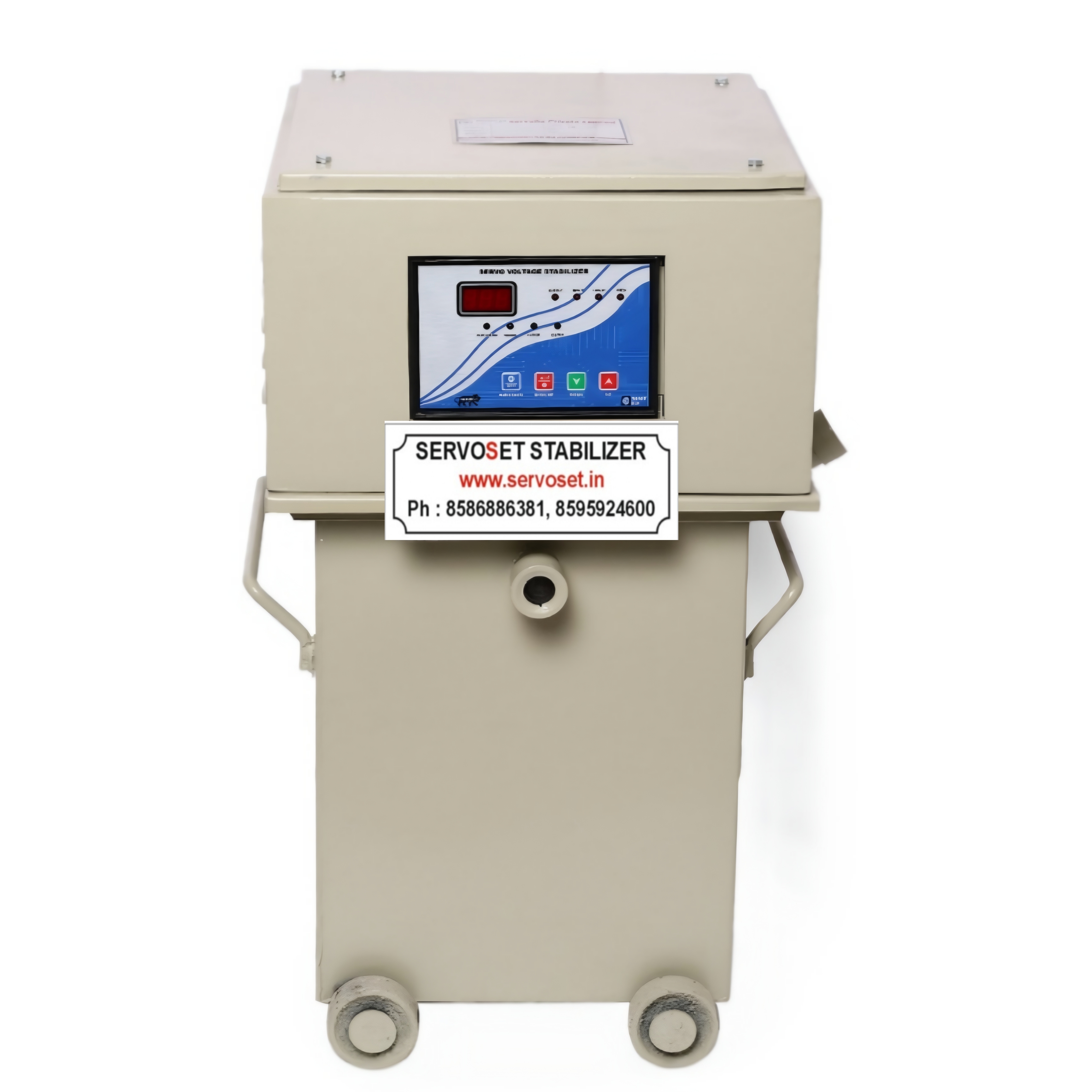
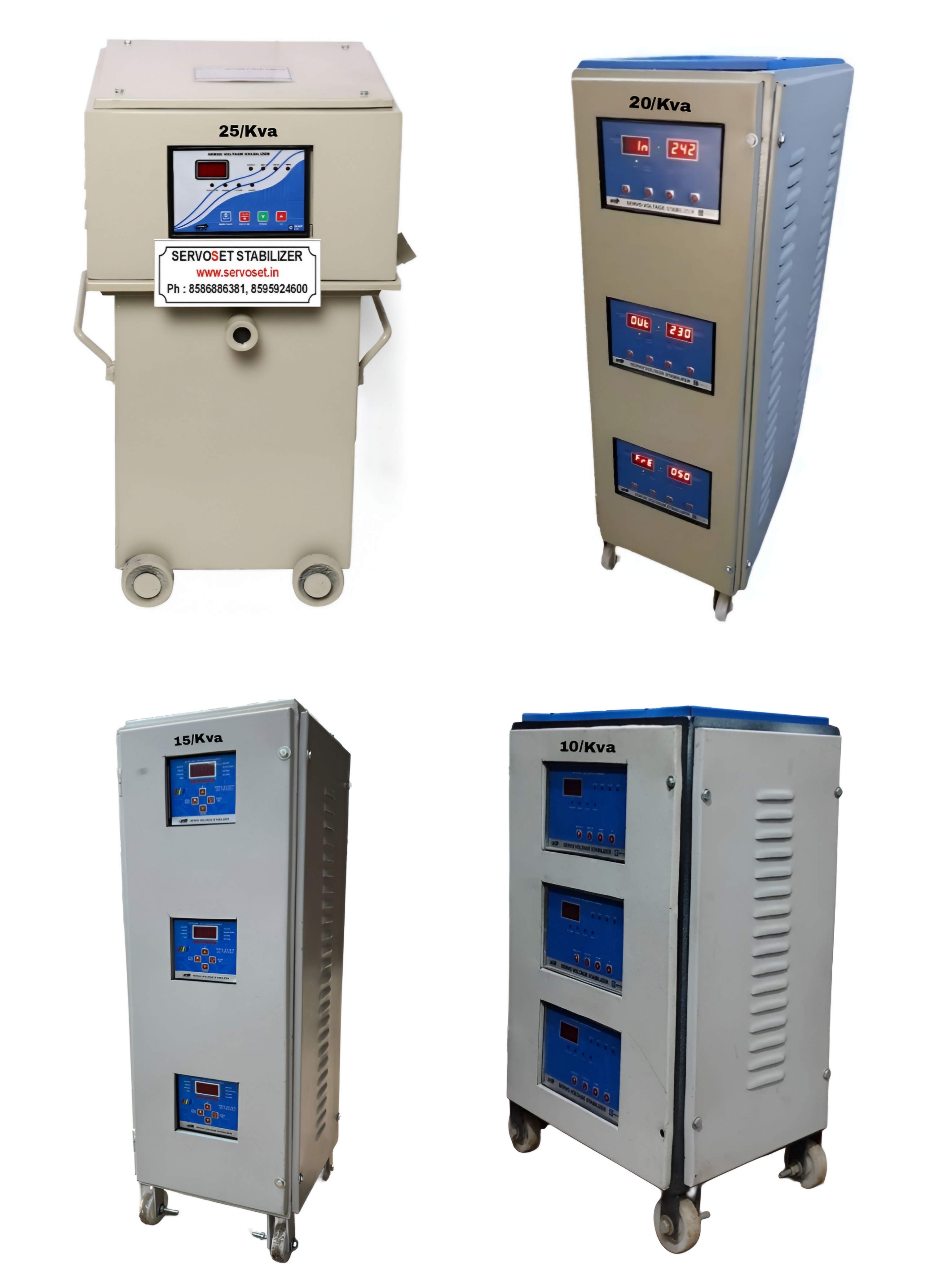
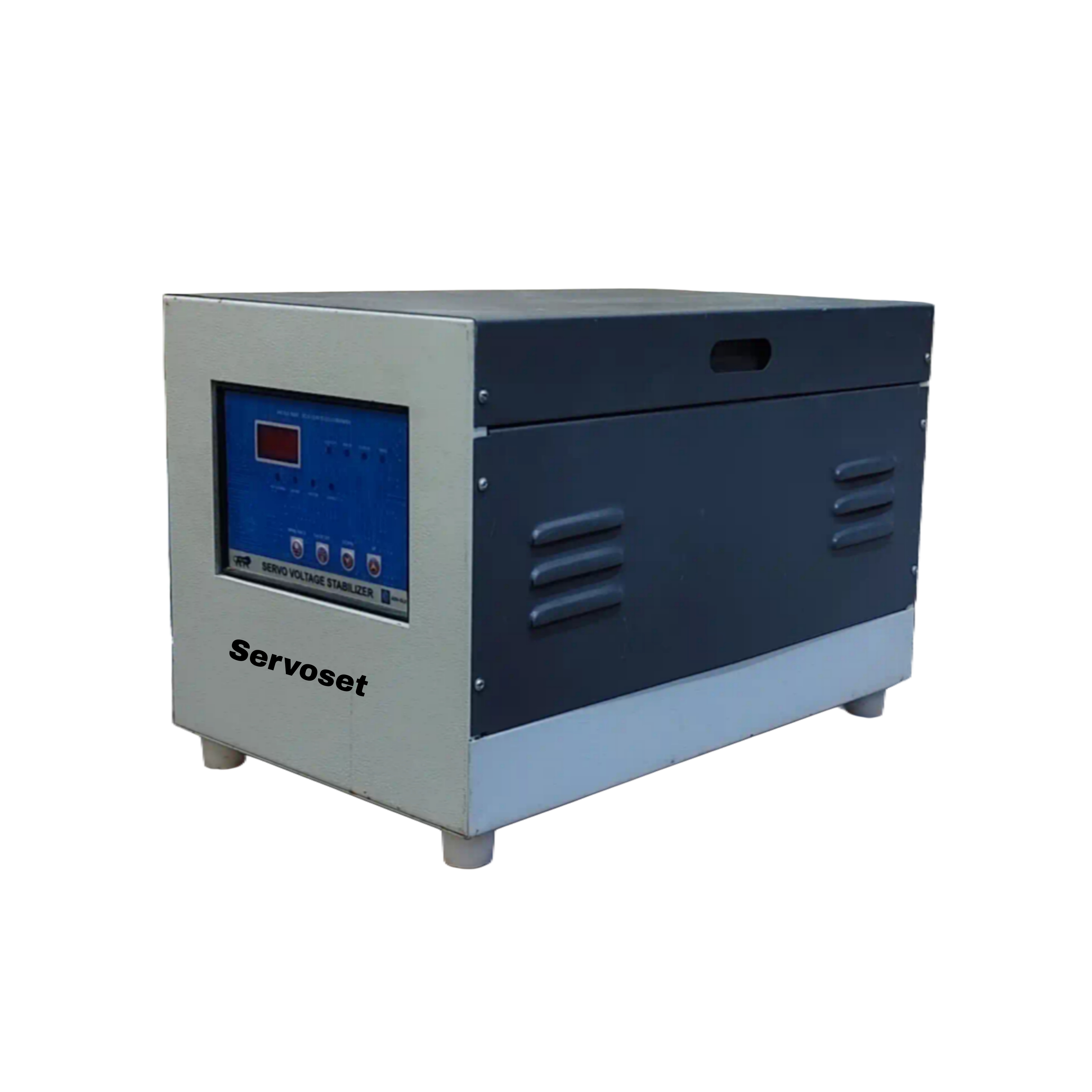
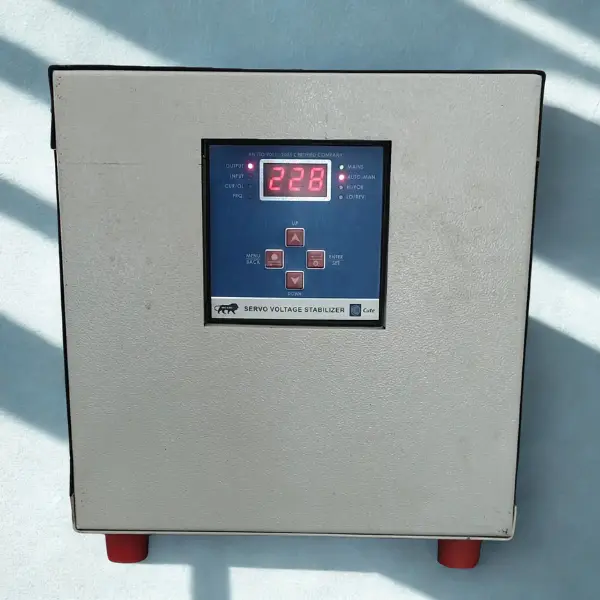
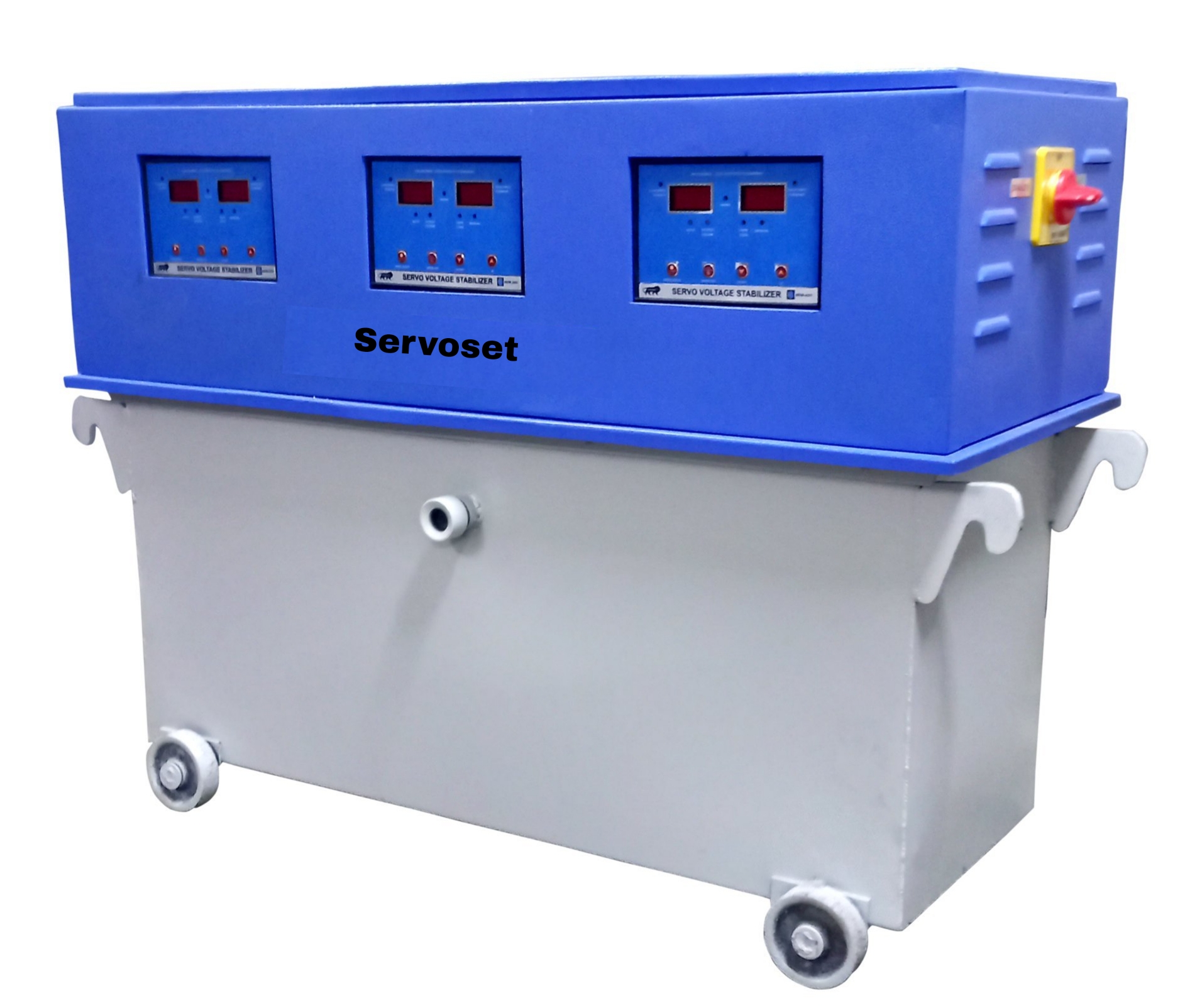
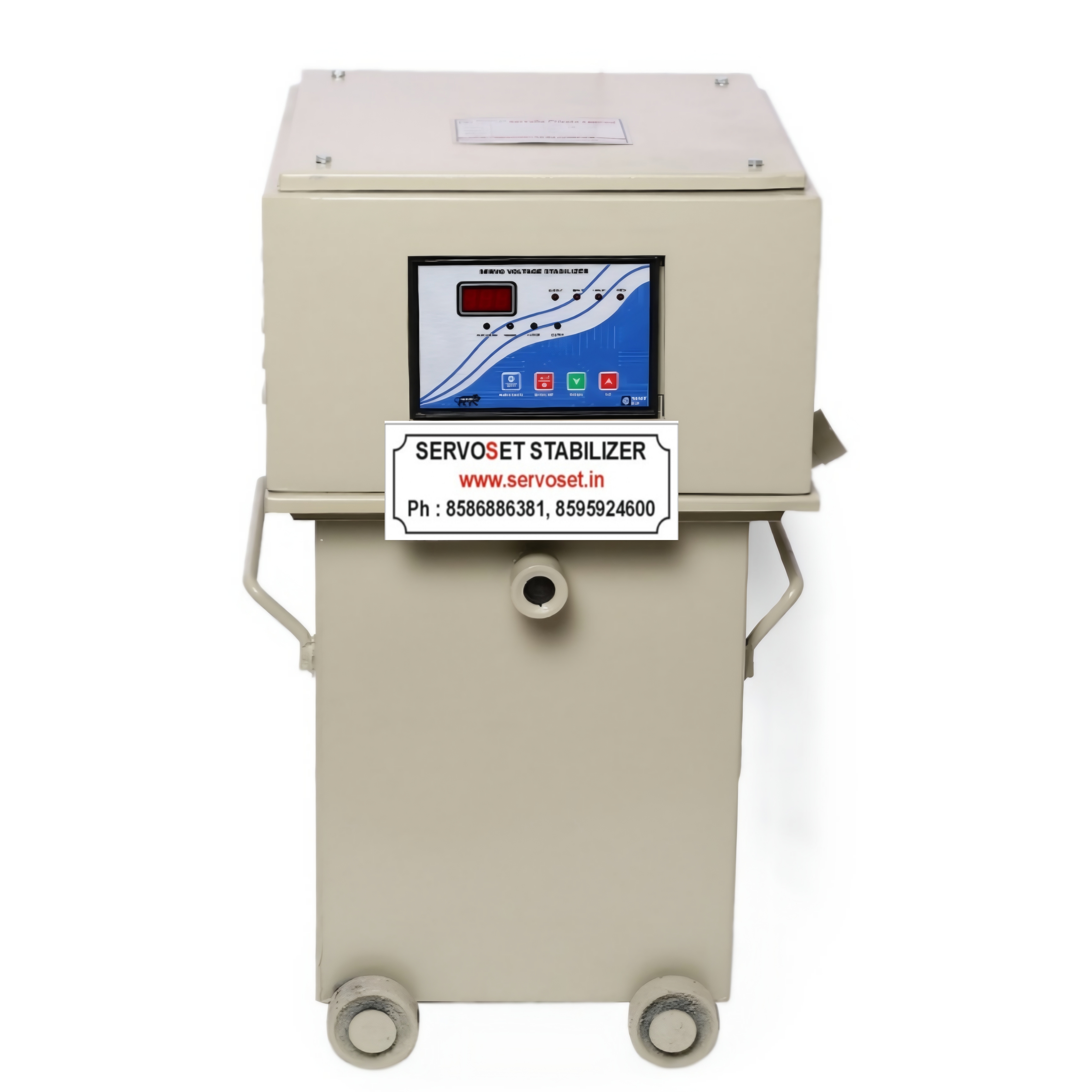
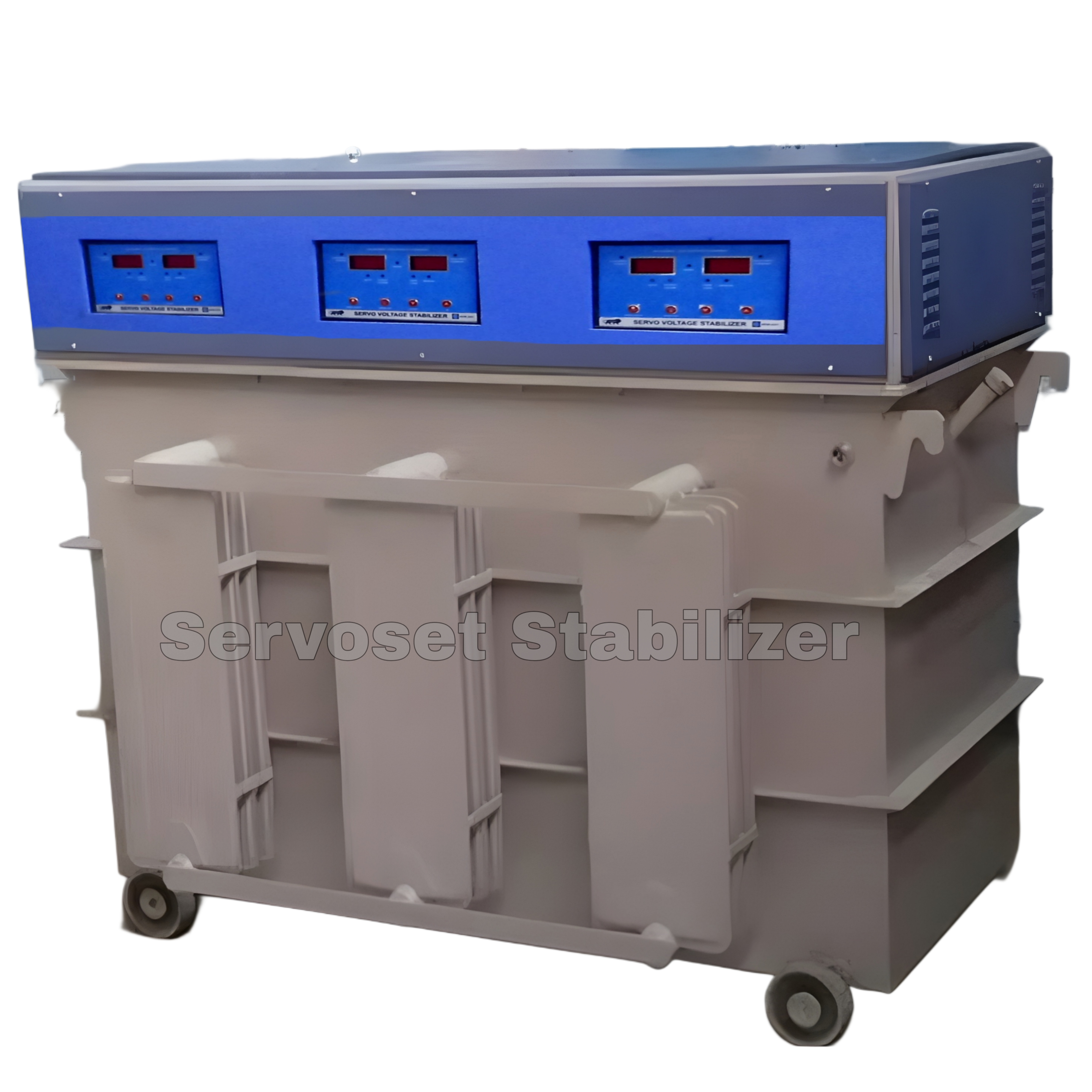
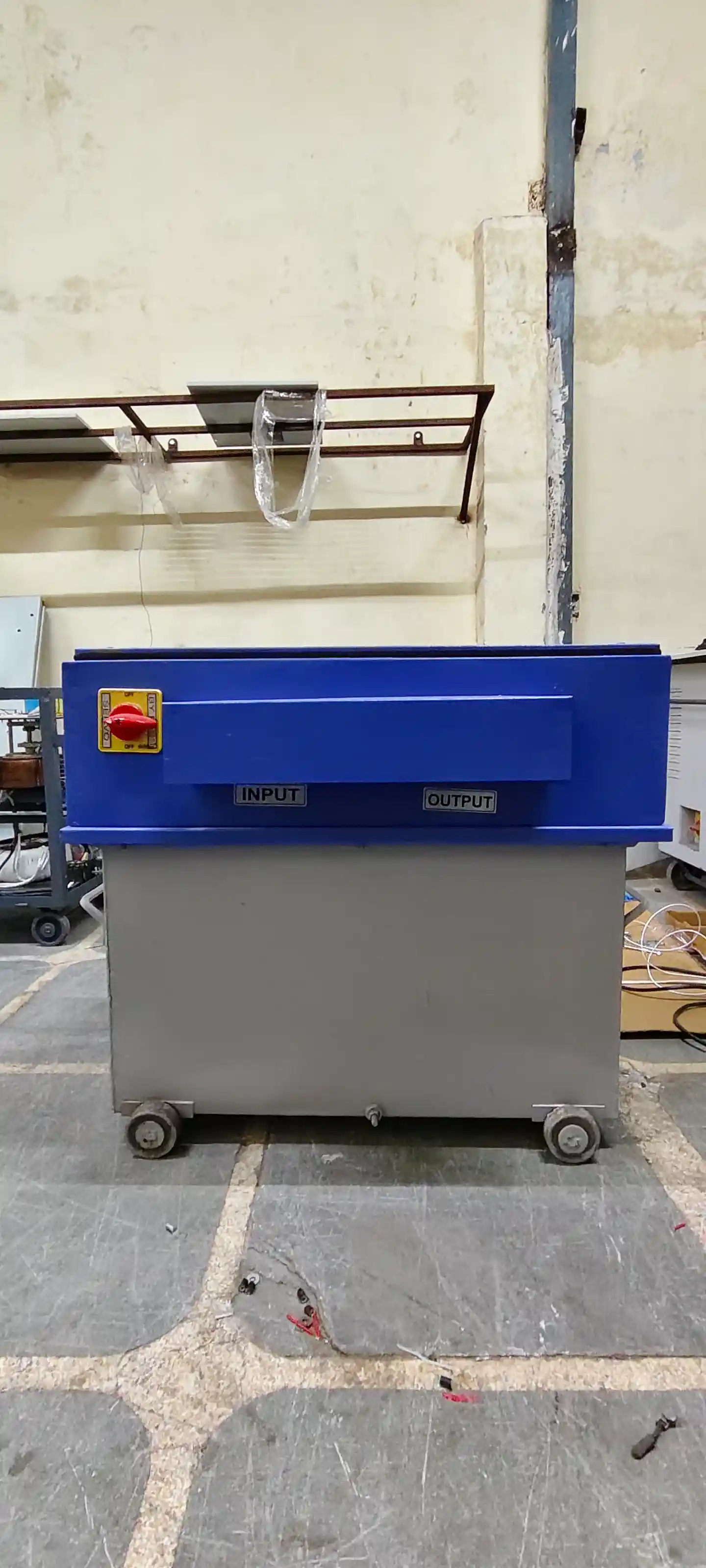
Servoset 25A Automatic Phase Sequence Corrector
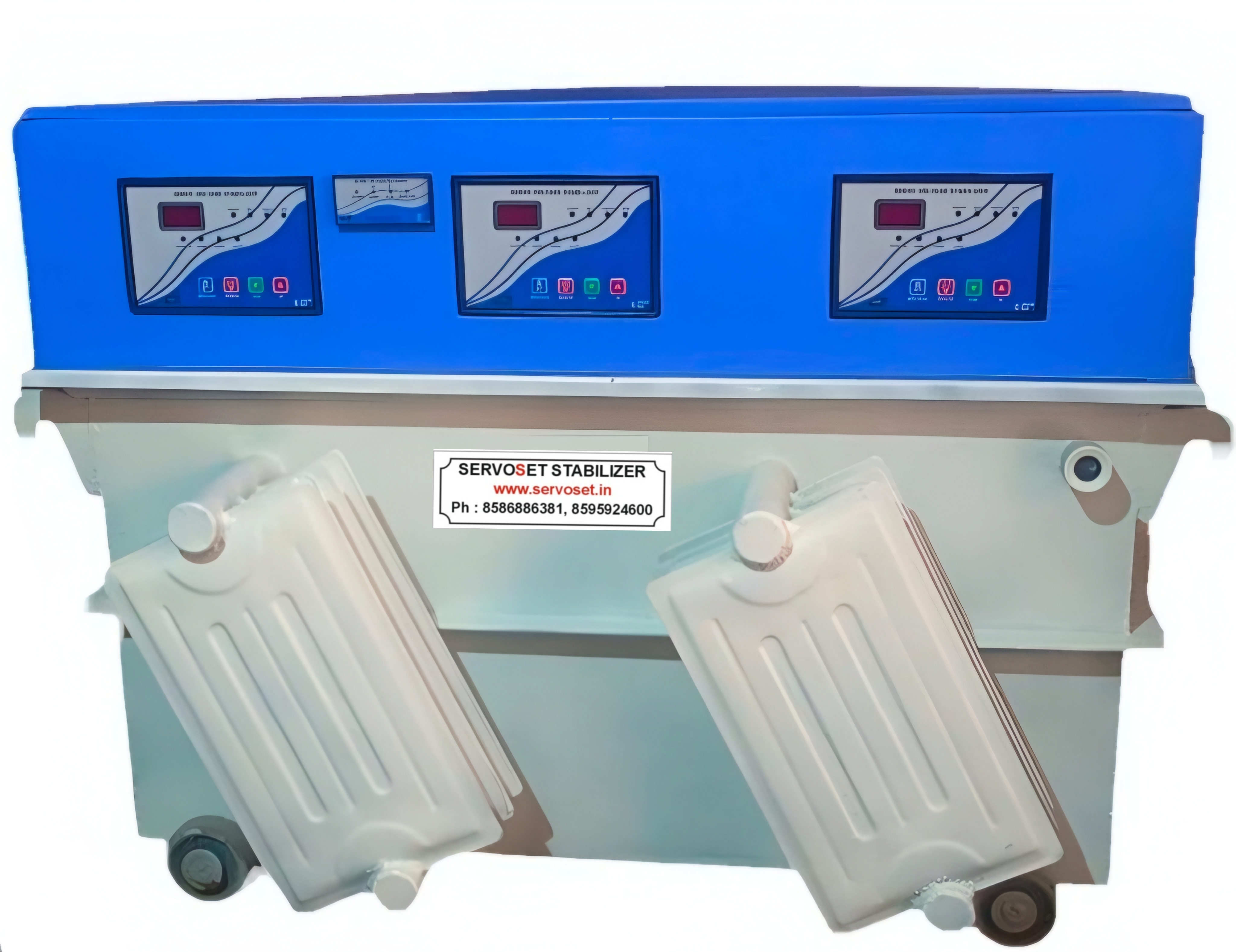
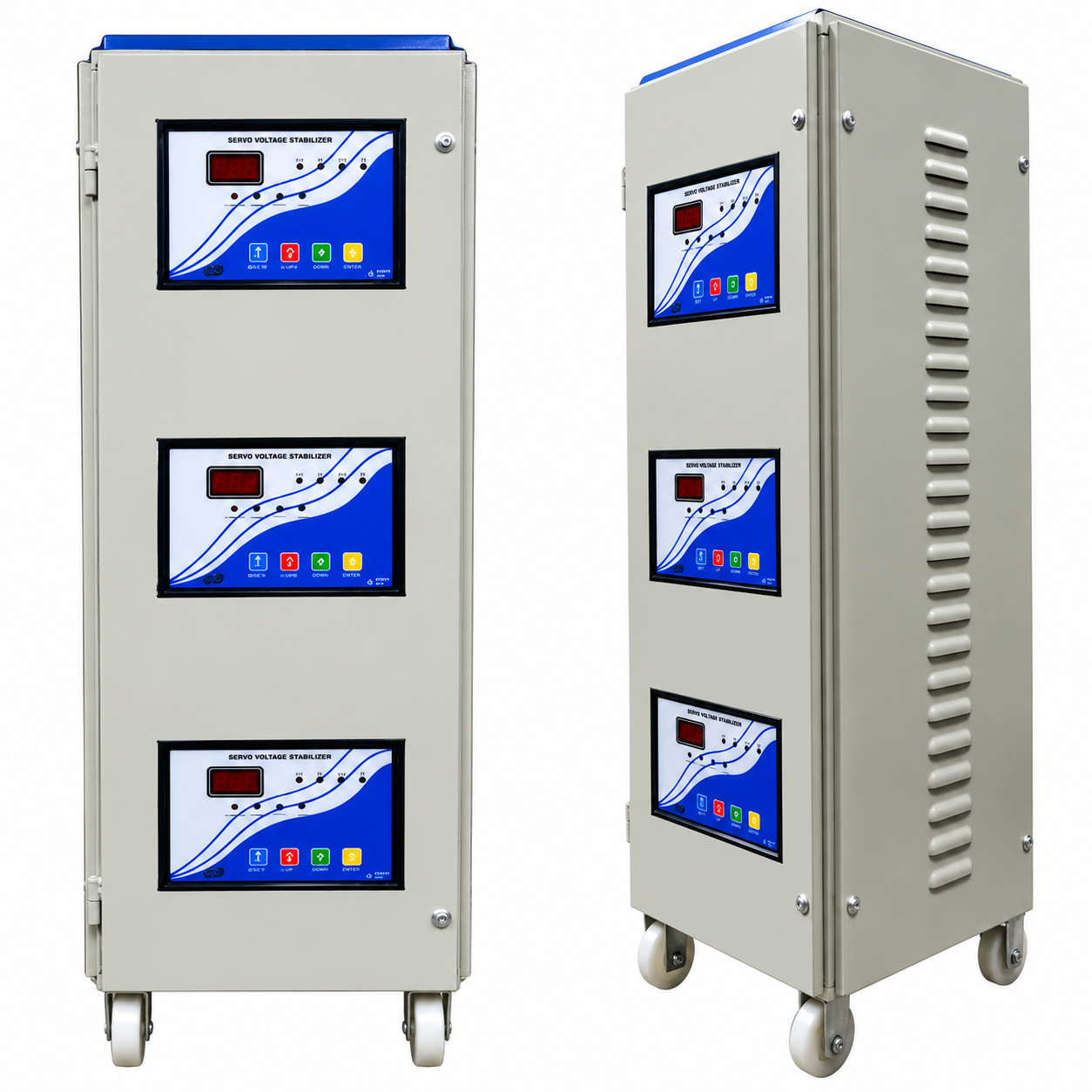
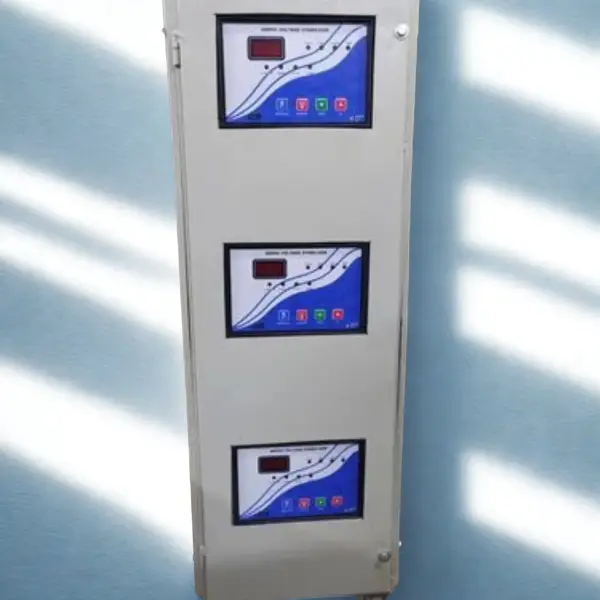
The Servoset 25A Automatic Phase Sequence Corrector is designed for applications where maintaining the correct phase arrangement is important for three-phase electrical equipment.
Its automatic correction function is intended to simplify phase sequence management by detecting an incorrect sequence and correcting the arrangement according to the system design.
For businesses and facilities using three-phase machinery, selecting a properly rated phase sequence correction solution can be an important part of electrical system planning.
Maintenance and Operational Checks
Electrical equipment should be periodically inspected to maintain reliable operation. Maintenance requirements depend on the installation environment and the manufacturer's recommendations.
During inspection, technicians can check wiring connections, terminals, signs of overheating, enclosure condition, and overall system operation.
Any unusual noise, burning smell, visible damage, loose connection, or abnormal electrical behavior should be investigated by a qualified professional before the equipment continues normal operation.
Importance of Professional Electrical Installation
Three-phase electrical systems can involve significant electrical hazards, and phase sequence correction equipment should not be installed without appropriate technical knowledge.
A qualified electrician or electrical engineer can determine the correct wiring arrangement, protection requirements, load compatibility, and installation method.
Following the manufacturer's installation instructions and applicable electrical safety requirements is essential for reliable and safe operation.
Modern Three-Phase Power Management
As industrial and commercial facilities become increasingly dependent on electrically powered machinery, reliable power management has become an important part of facility operation.
Automatic control devices can reduce manual intervention and help electrical systems respond to changing operating conditions. Phase sequence correction is one example of how automation can be incorporated into three-phase electrical infrastructure.
When combined with suitable protection, monitoring, and control equipment, a correctly designed system can provide a more organized approach to managing three-phase electrical loads.
Frequently Asked Questions
What is a 25A Automatic Phase Sequence Corrector?
A 25A Automatic Phase Sequence Corrector is a device designed to detect and automatically correct the phase sequence of a compatible three-phase electrical supply.
Why is phase sequence important?
Phase sequence affects the direction of rotation of three-phase motors and can therefore influence the operation of motor-driven equipment.
Where are phase sequence correctors used?
They can be used with compatible three-phase systems in industrial machinery, pumps, compressors, HVAC systems, control panels, and commercial installations.
What does the 25A rating indicate?
The 25A rating indicates the specified current capacity of the device and should be matched with the requirements of the intended electrical system.
Can a phase sequence corrector protect against all electrical faults?
No, phase sequence correction is a specific function and does not replace circuit breakers, overload protection, short-circuit protection, or other required safety devices.
Who should install a phase sequence corrector?
Installation should be performed by a qualified electrical professional according to the manufacturer's specifications and applicable safety requirements.
Can it be used with three-phase motors?
Yes, a suitable phase sequence corrector can be used in three-phase motor applications where maintaining the correct phase sequence is required.
Conclusion
A 25A Automatic Phase Sequence Corrector provides an automated approach to managing phase sequence in compatible three-phase electrical systems. By detecting and correcting phase sequence changes, it can help maintain the required phase arrangement for equipment such as motors, pumps, compressors, HVAC systems, and industrial machinery.
The Servoset 25A Automatic Phase Sequence Corrector can be considered for suitable commercial and industrial applications where automatic phase sequence management is required. However, the current rating, voltage, frequency, load characteristics, protection requirements, and installation conditions should always be evaluated before selecting and installing the device.
With appropriate selection, professional installation, and regular inspection, automatic phase sequence correction can form a useful part of a well-designed three-phase electrical control and protection system.