Introduction
Imagine a busy afternoon in a Faridabad workshop. The CNC machine is halfway through an expensive job, the lights dip for a second, and suddenly the machine trips. The job is ruined, the material is wasted, and the day's schedule is thrown off. The culprit is not the machine. It is the voltage reaching it.
Voltage fluctuation is a daily reality for many homes, shops and factories across Faridabad and Delhi NCR. The usual answer is a voltage stabilizer, but here is where most buyers get stuck: should you go for a servo voltage stabilizer or a conventional stabilizer? The price difference is real, so the choice matters. Let's settle it.
First, a quick check. If any of these sound familiar, keep reading:
- Do your machines or motors trip, hum or overheat when voltage dips?
- Do your lights flicker or dim when a heavy load starts?
- Have you replaced a compressor, PCB or motor more than once?
- Are you about to buy a stabilizer and cannot decide which type?
Two Ways to Fix a Shaky Supply
Both types do the same basic job: take the unstable voltage coming from the supply and deliver a steady voltage to your equipment. The difference is how they do it.
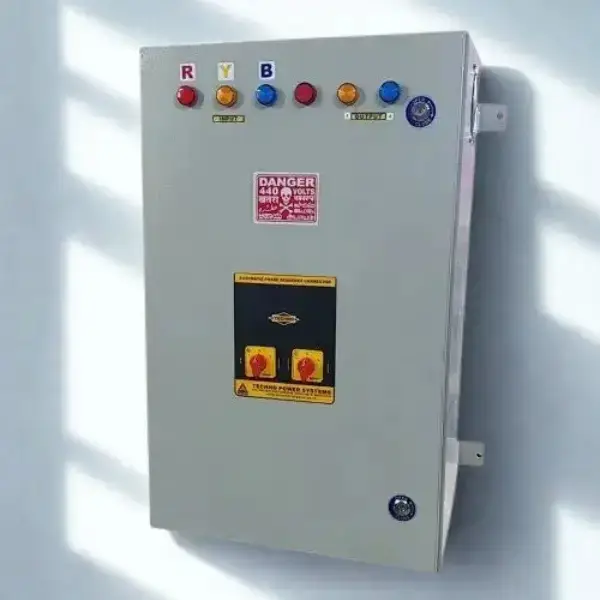
A conventional stabilizer, usually the relay type, corrects voltage in fixed steps. Inside, a transformer has several tapping points, and electronic relays switch between them to raise or lower the output. It "clicks" from one step to the next.
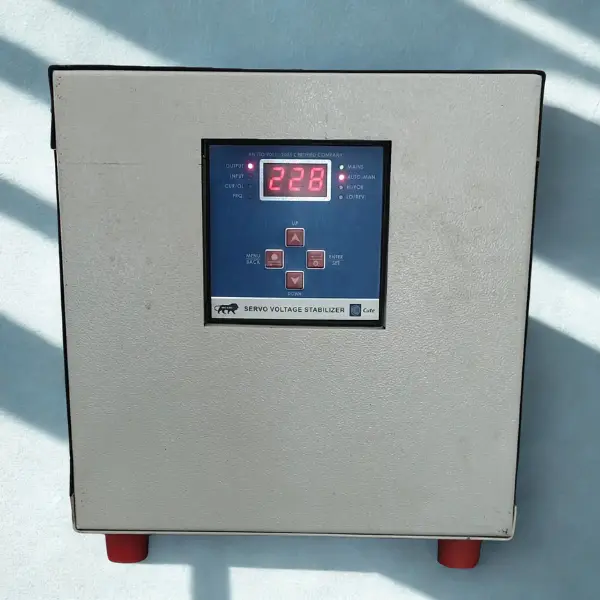
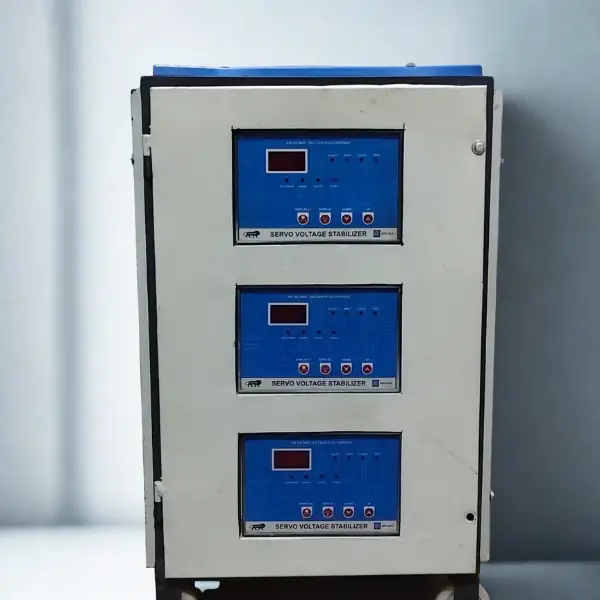
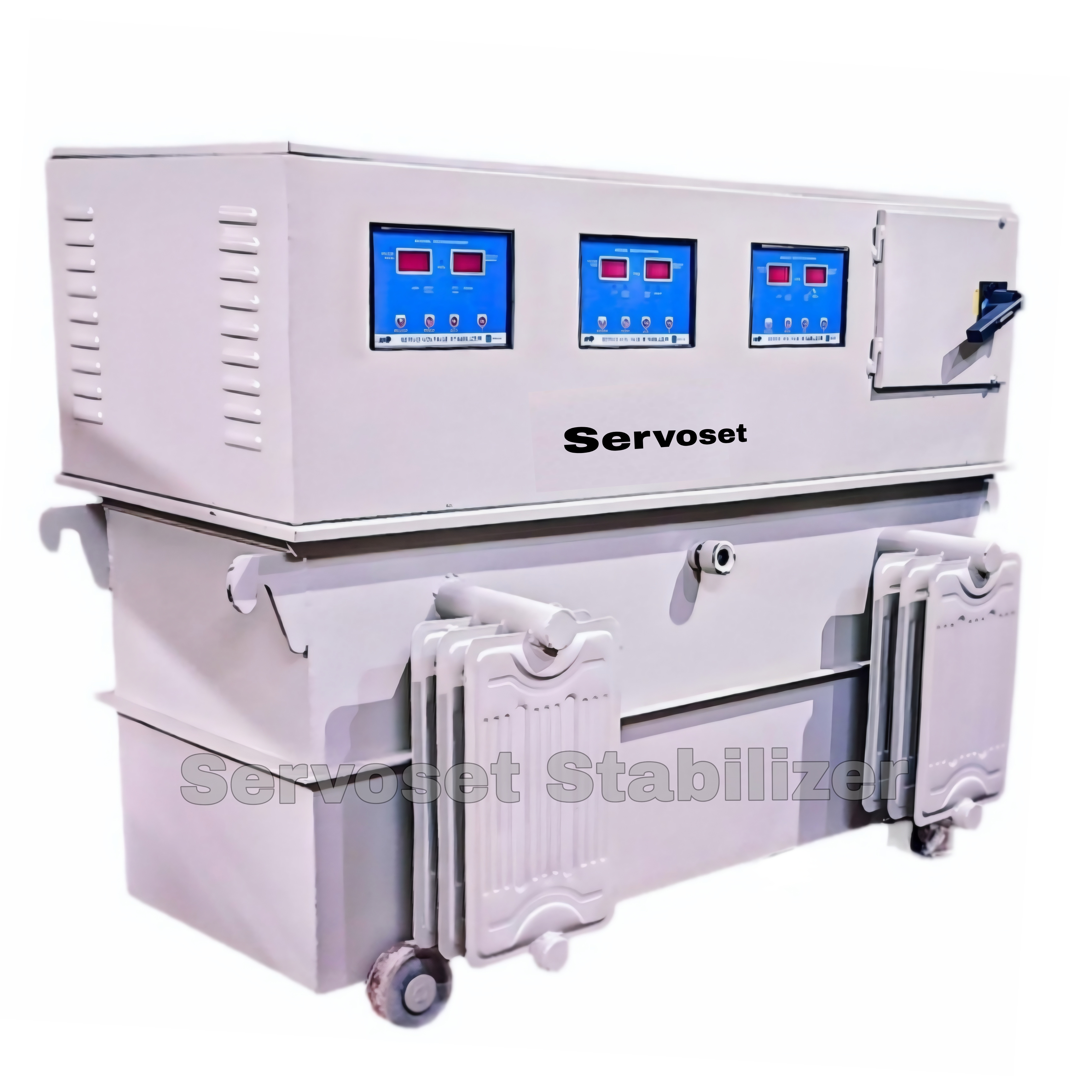
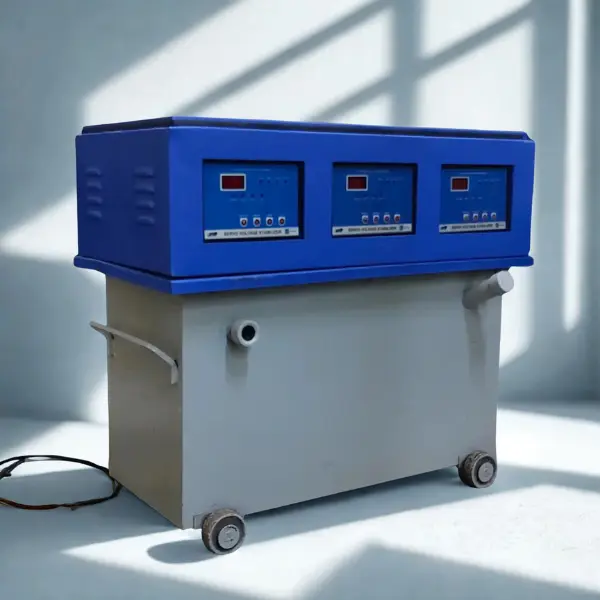
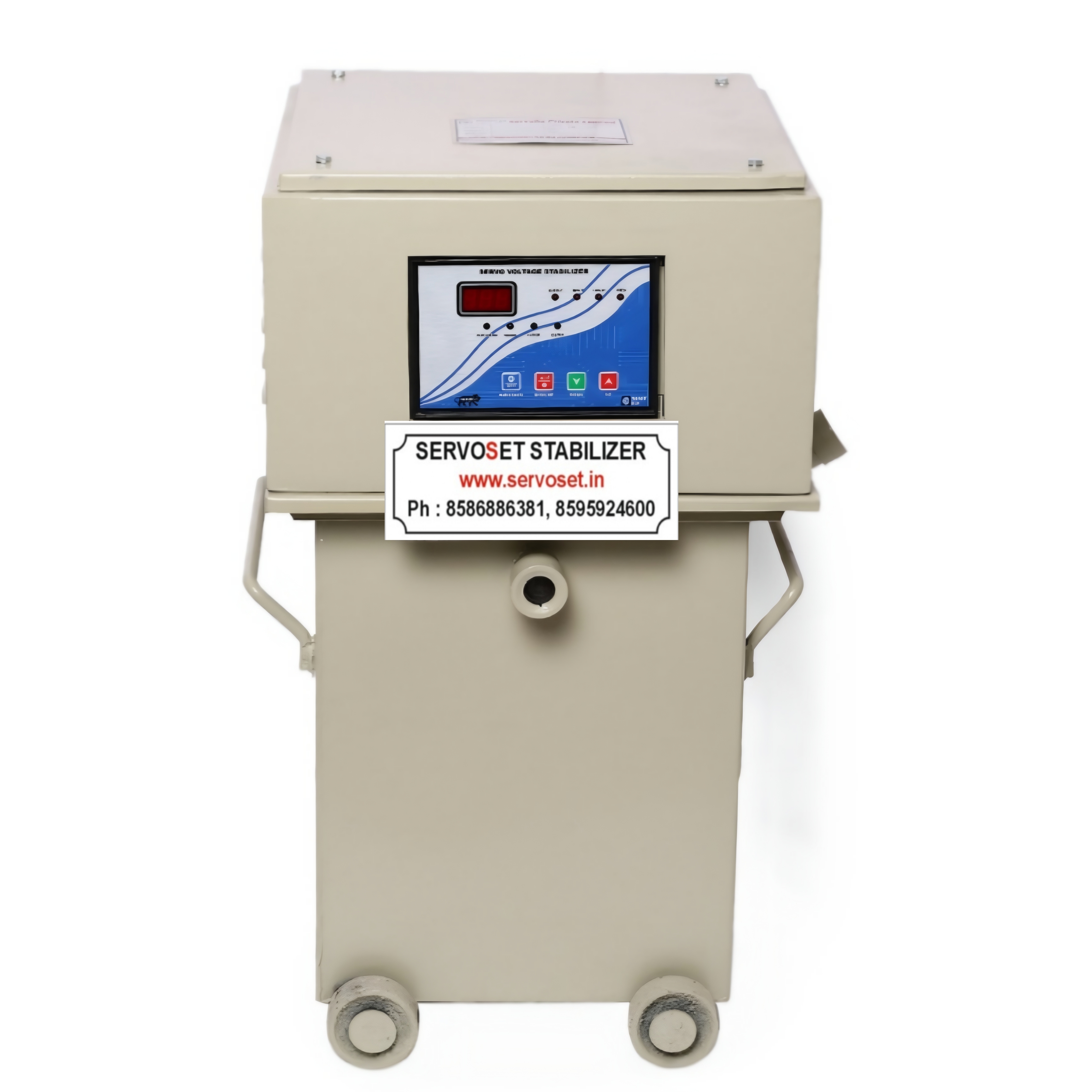
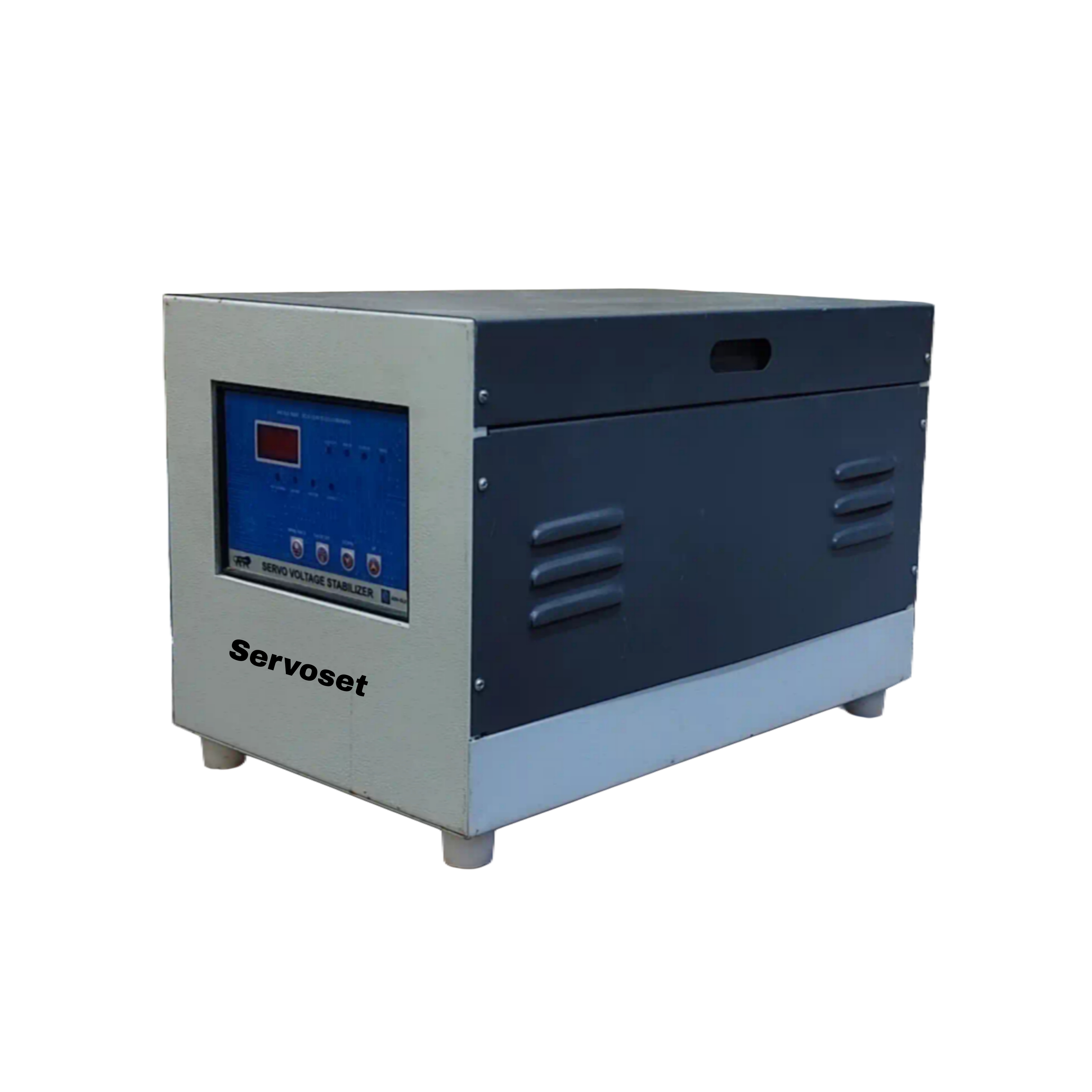
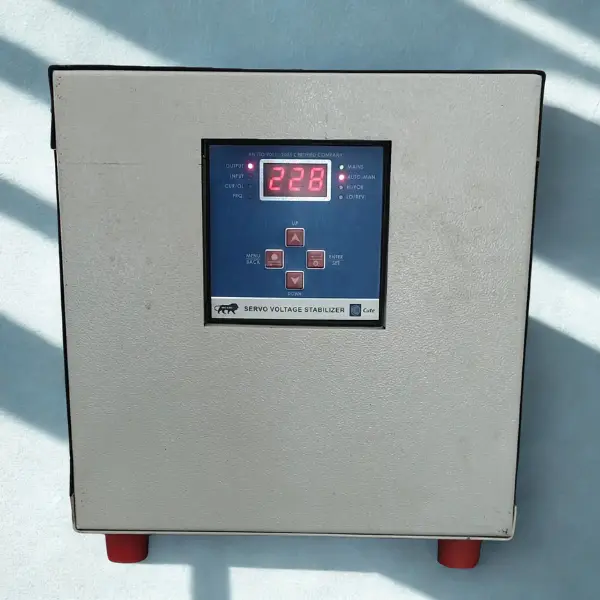
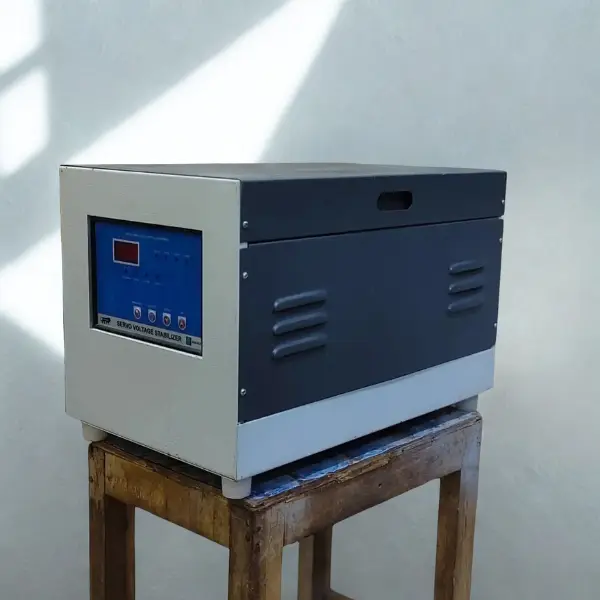
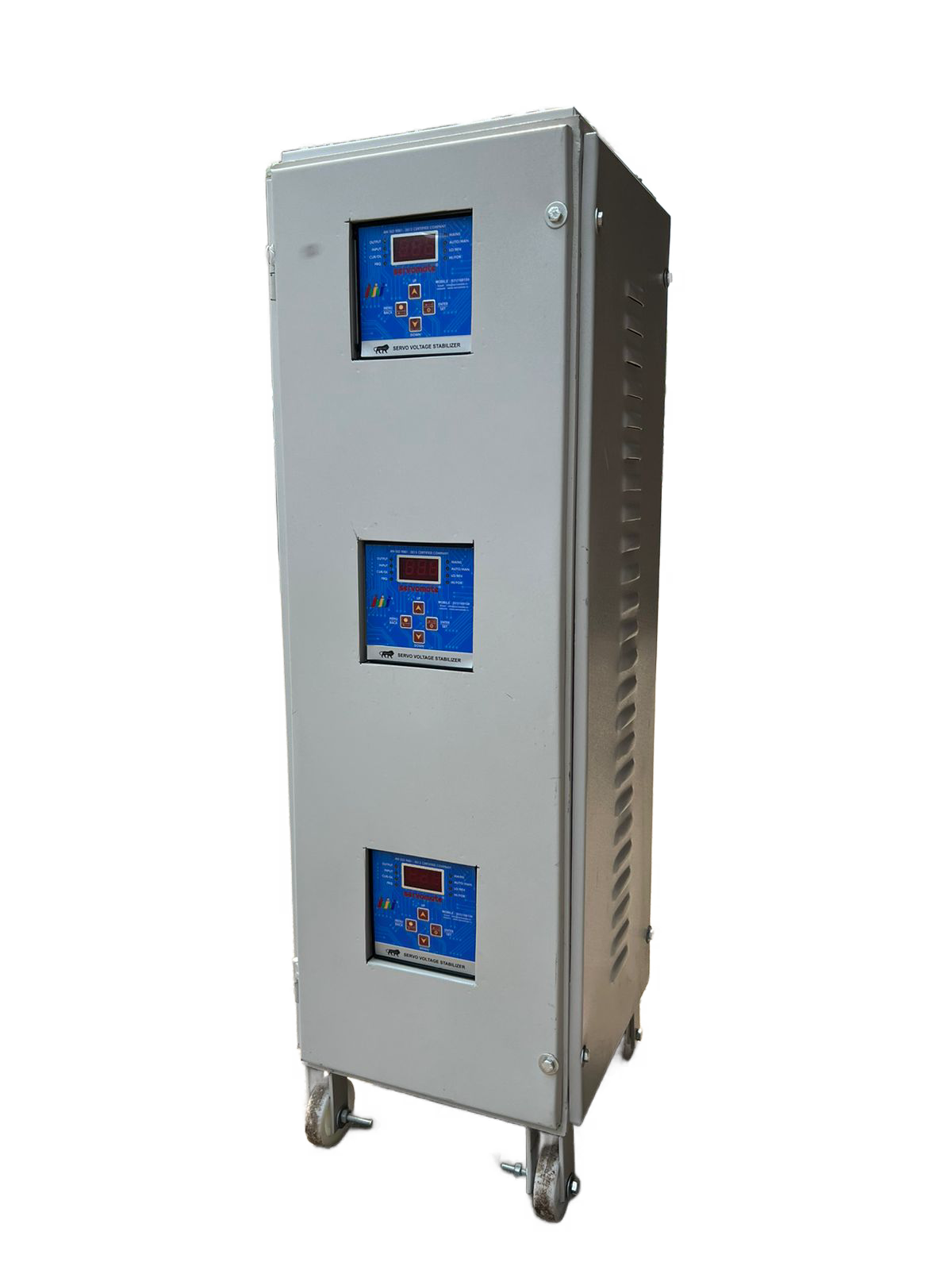
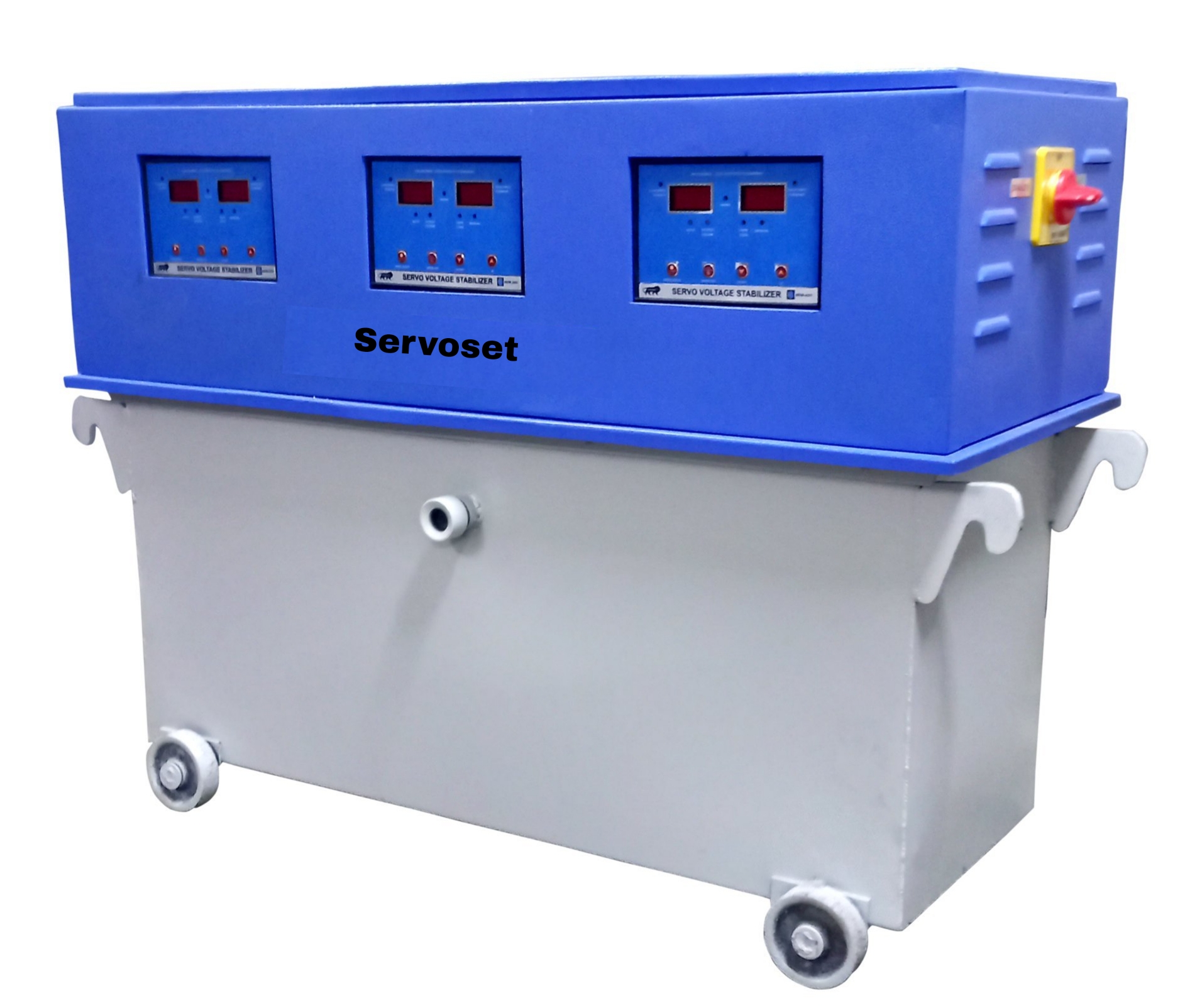
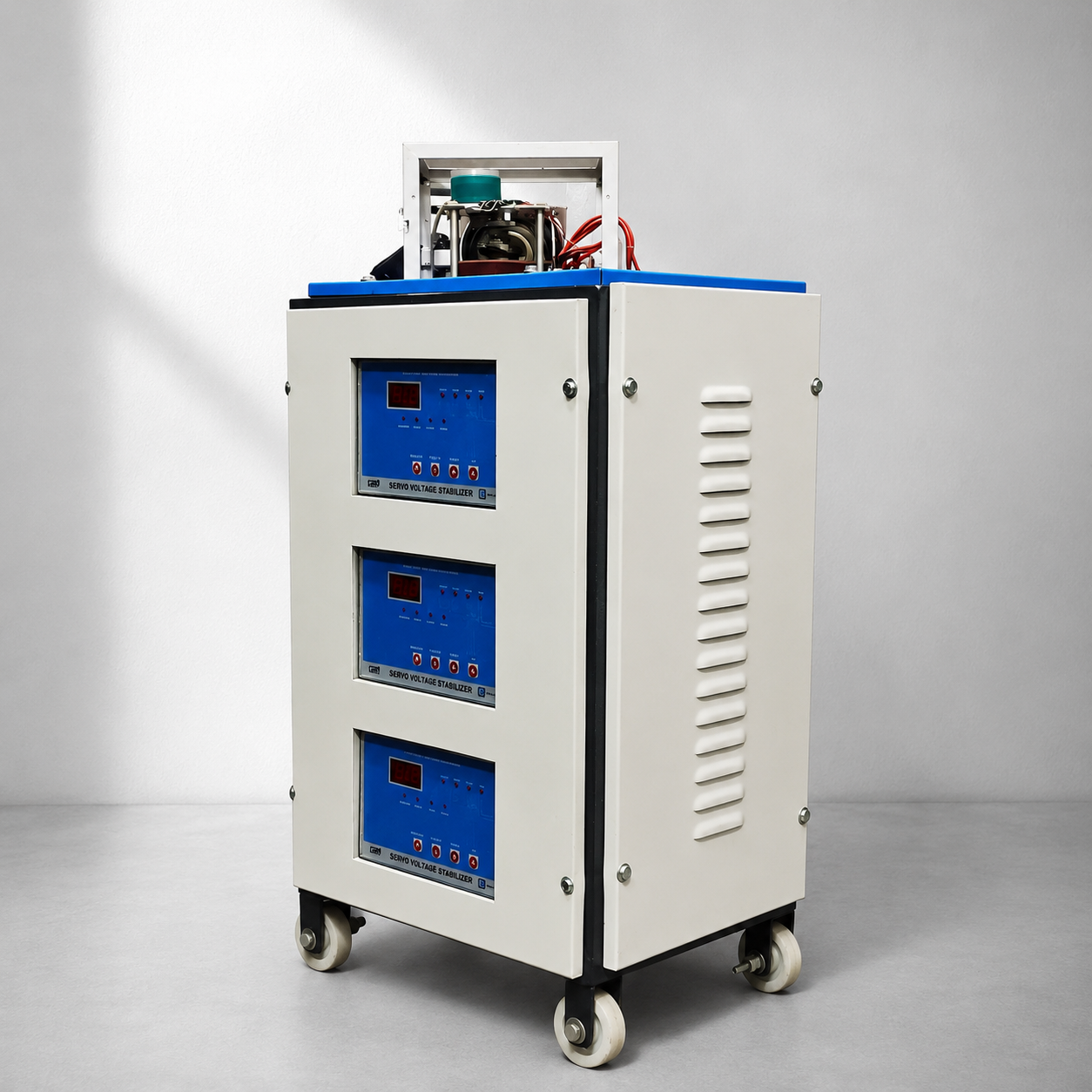
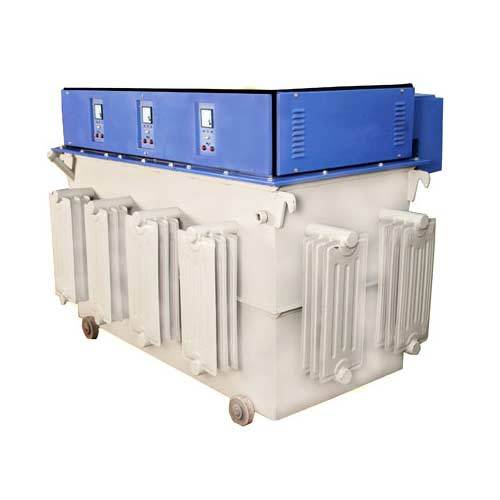
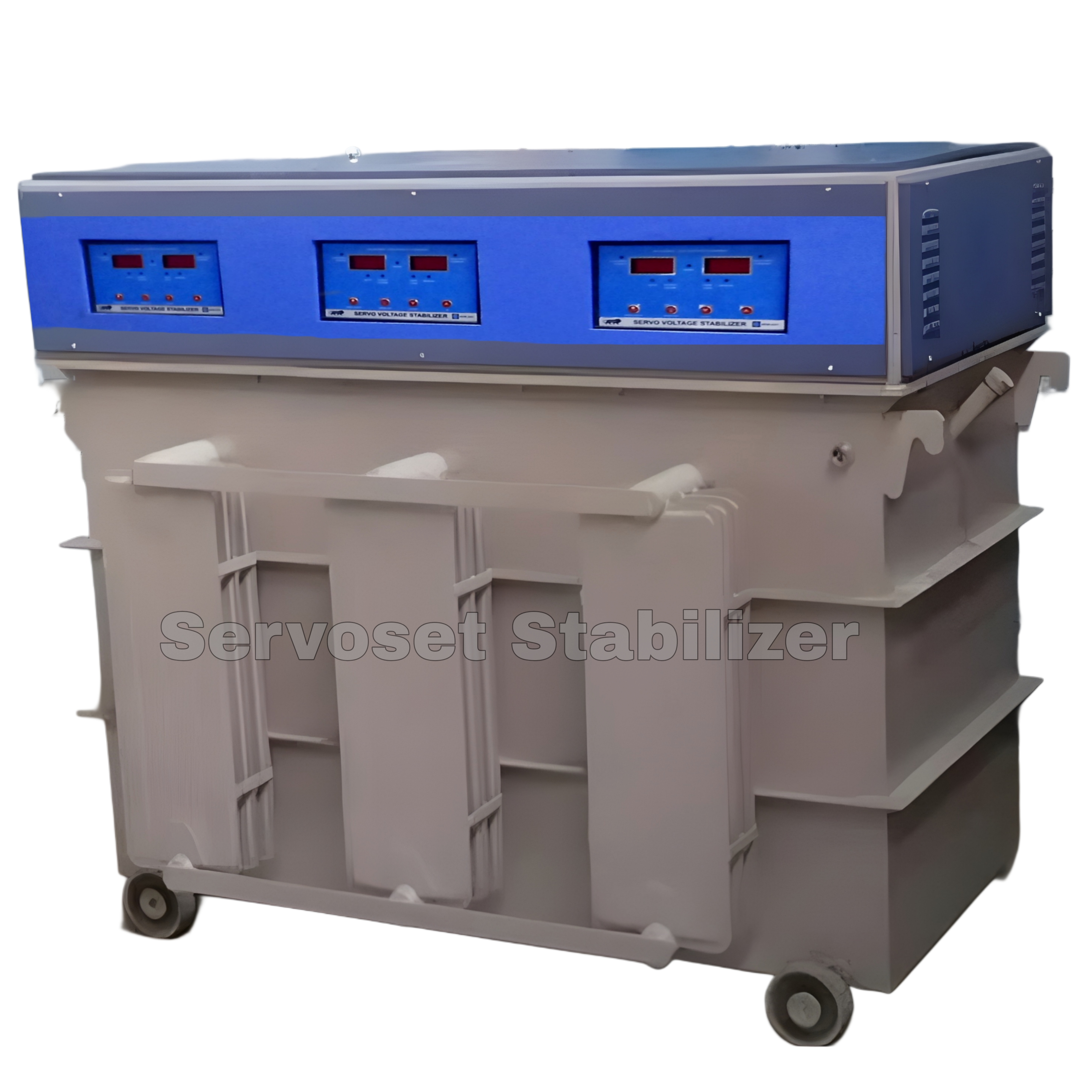
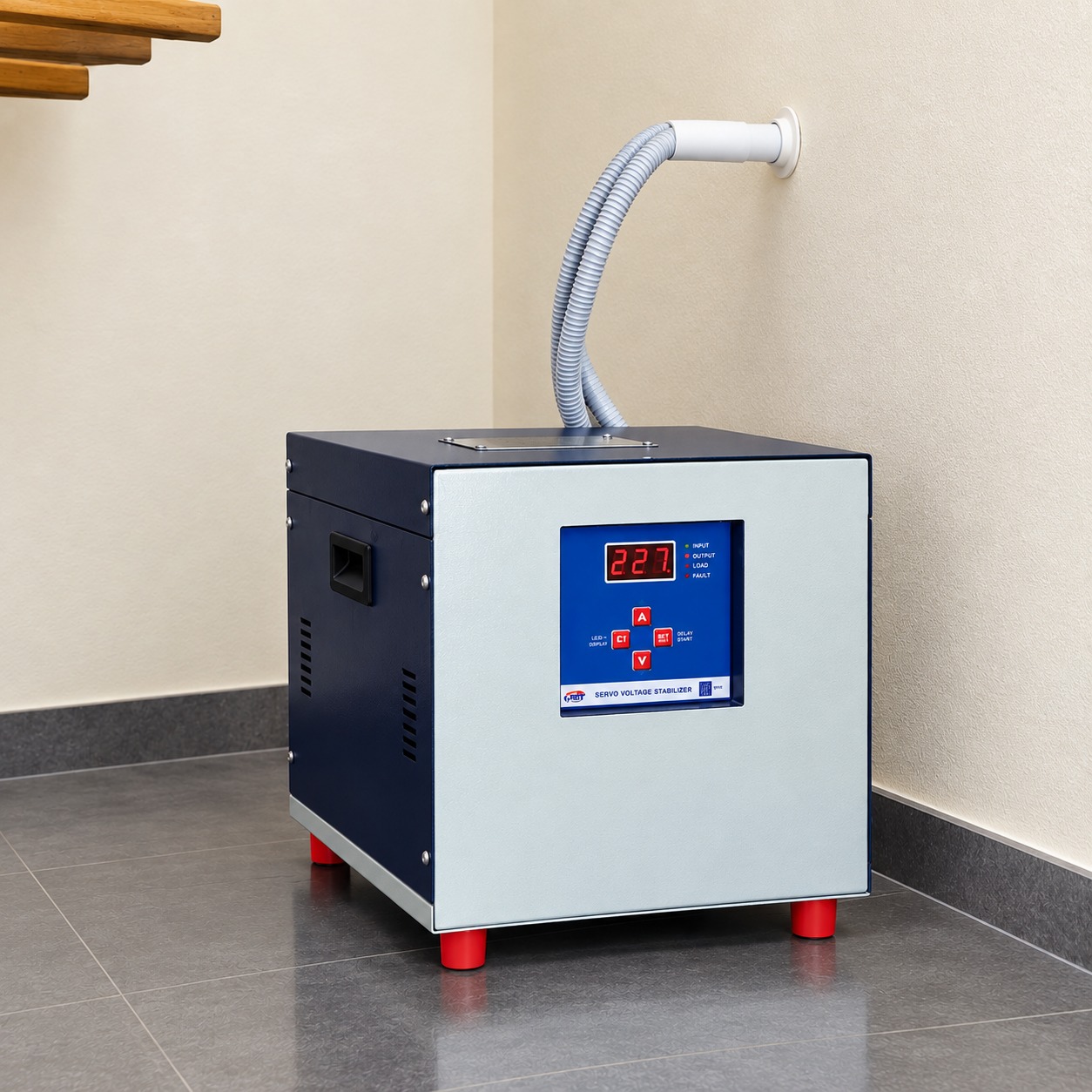
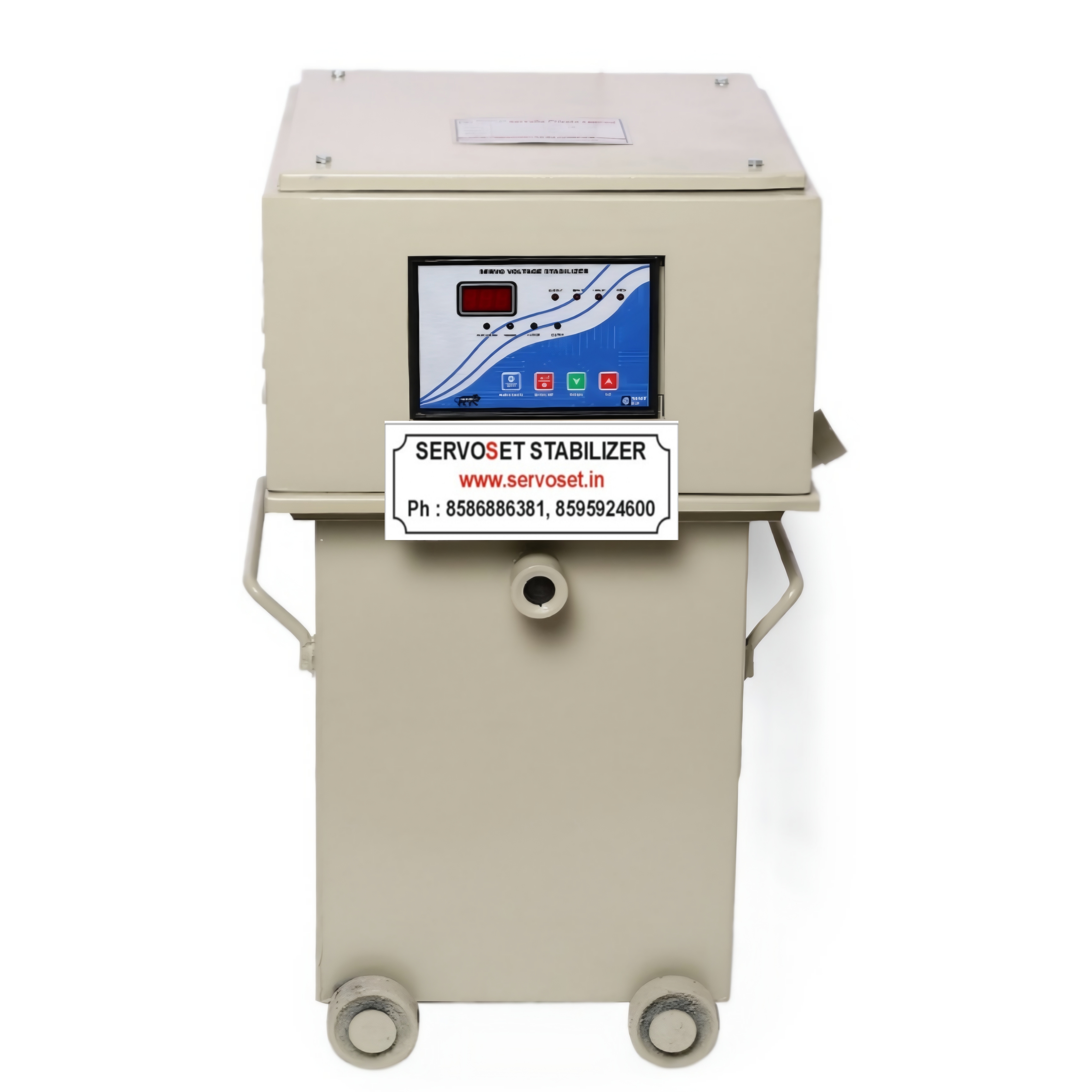
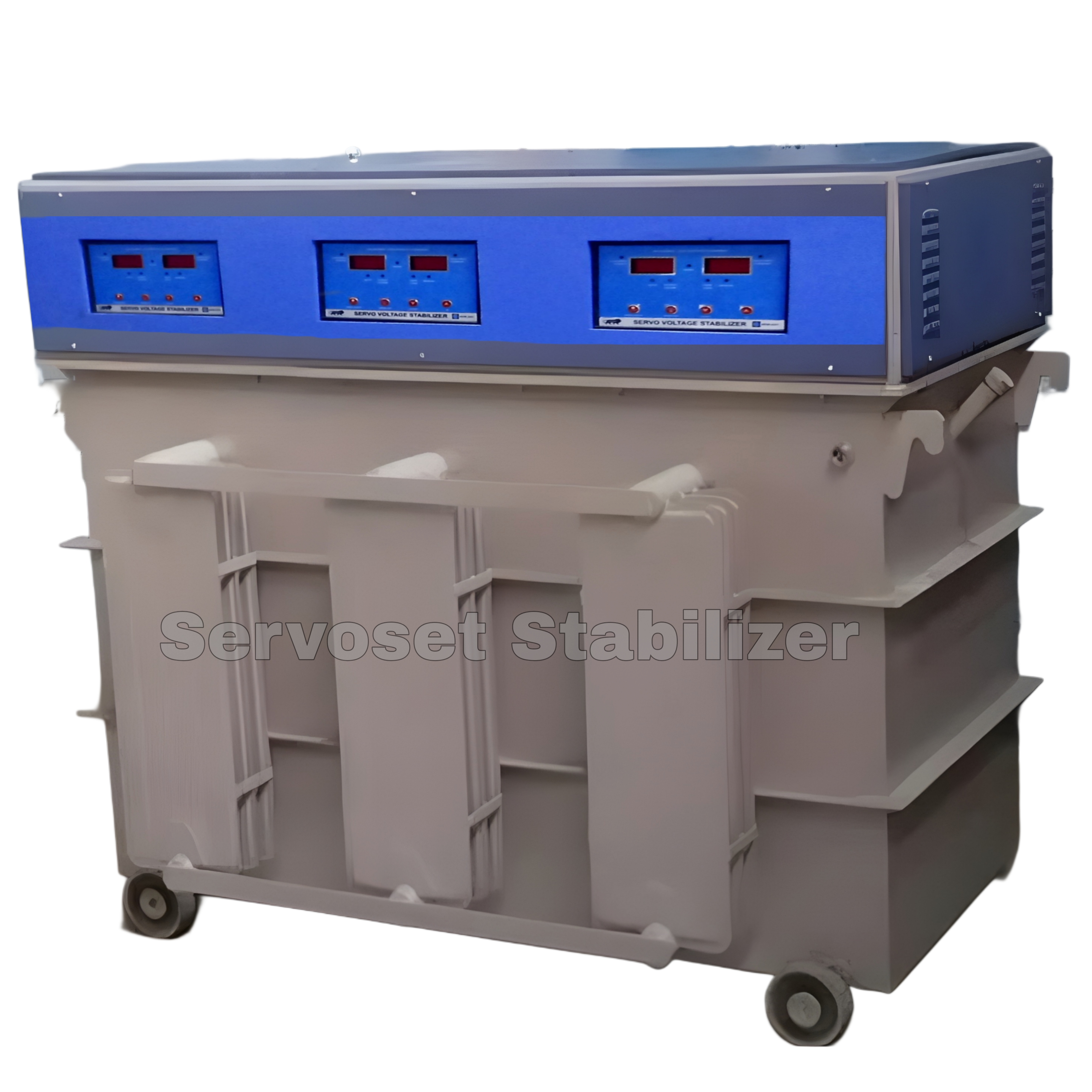
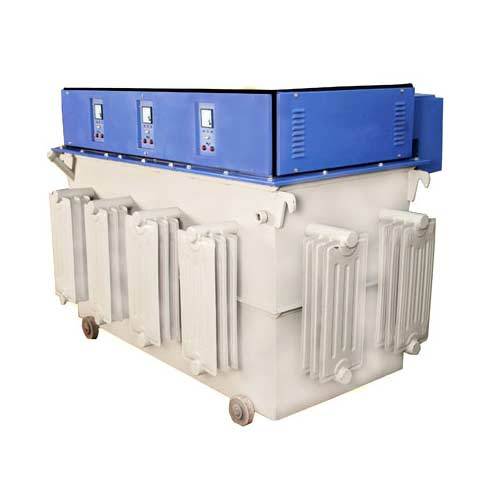
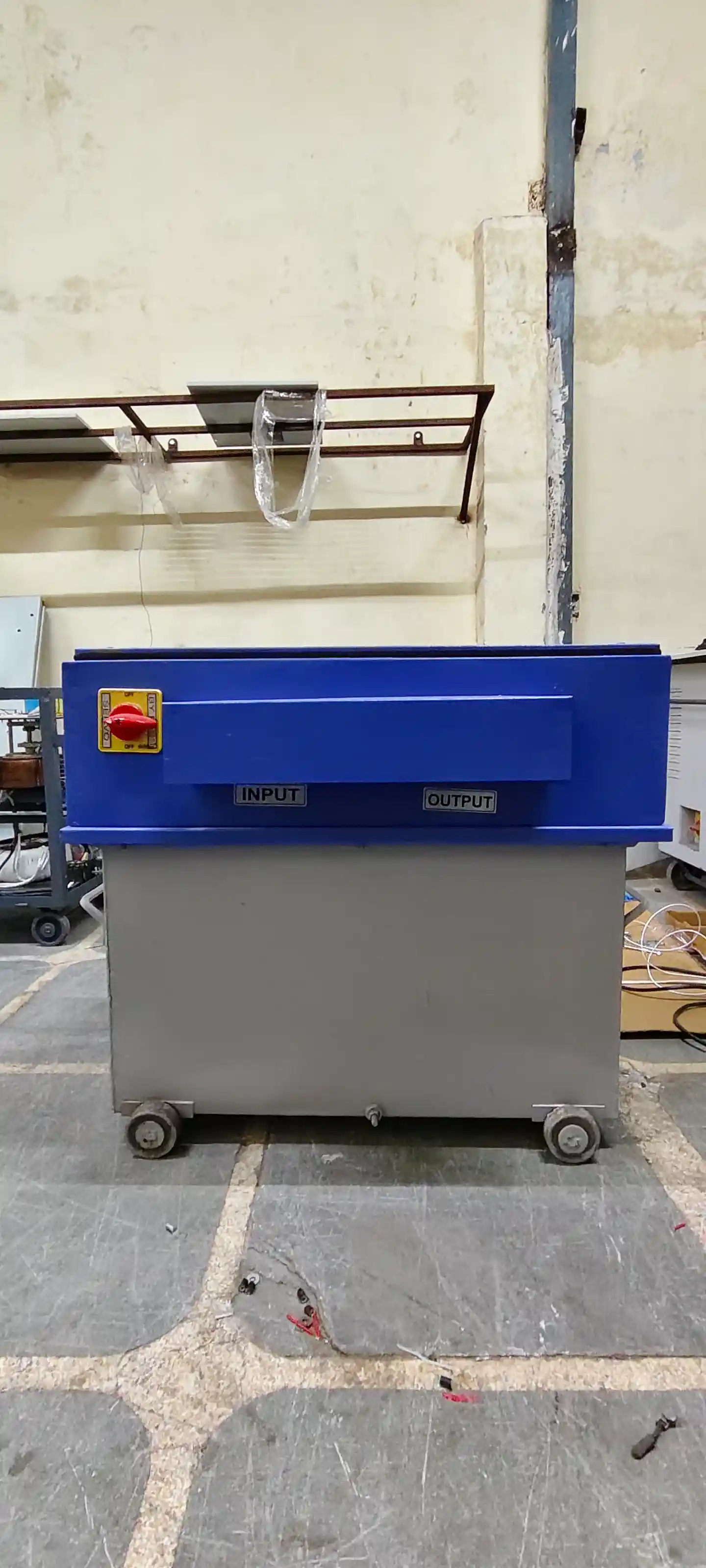
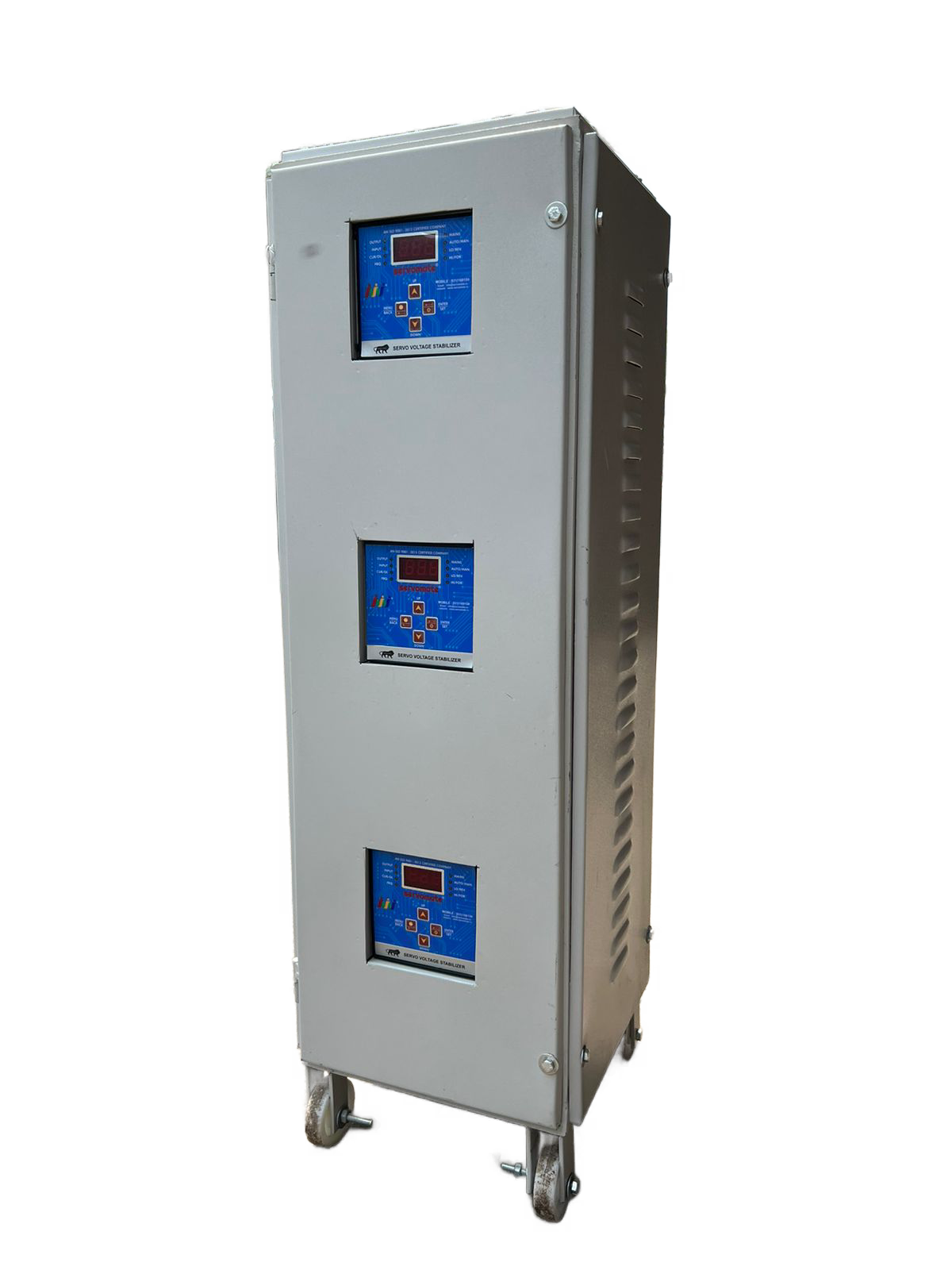
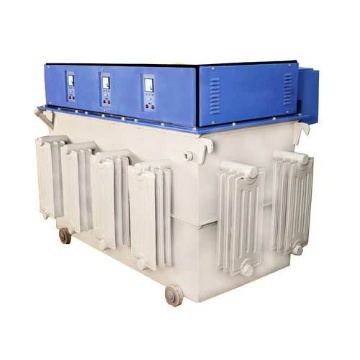
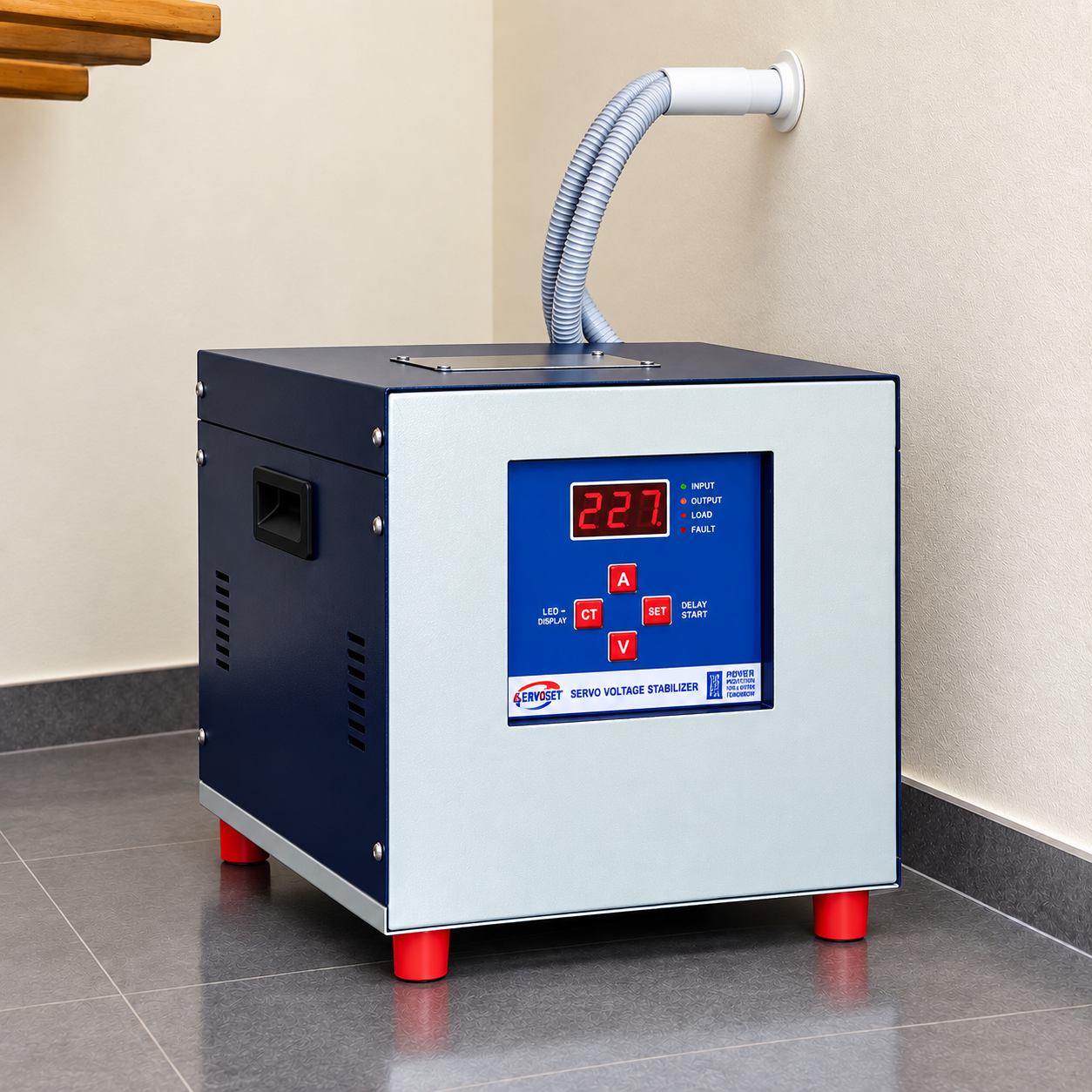
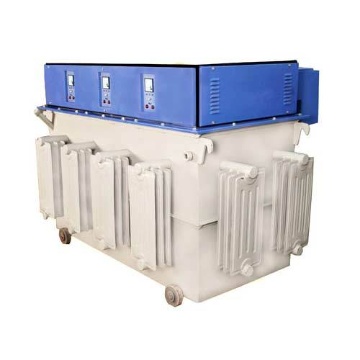
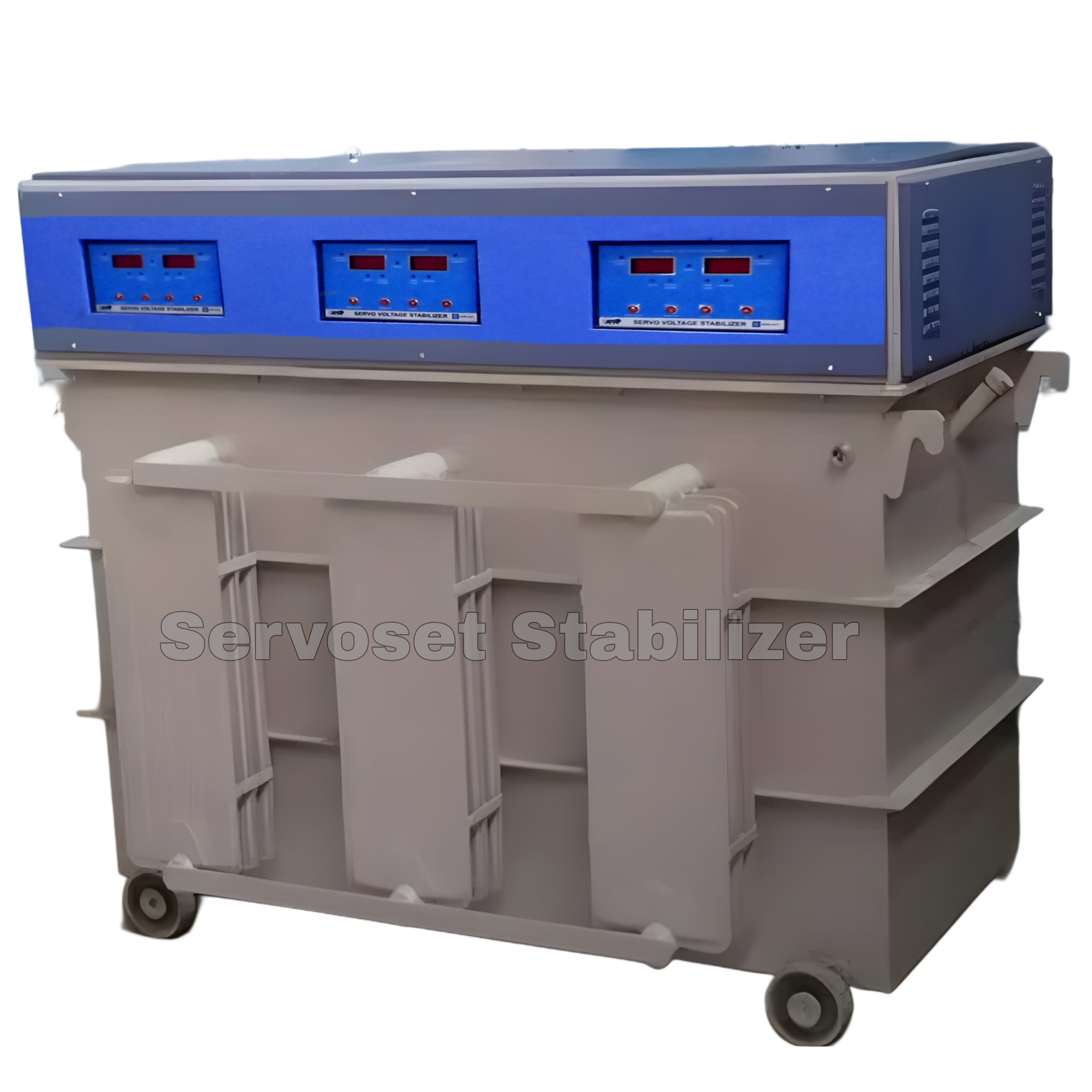
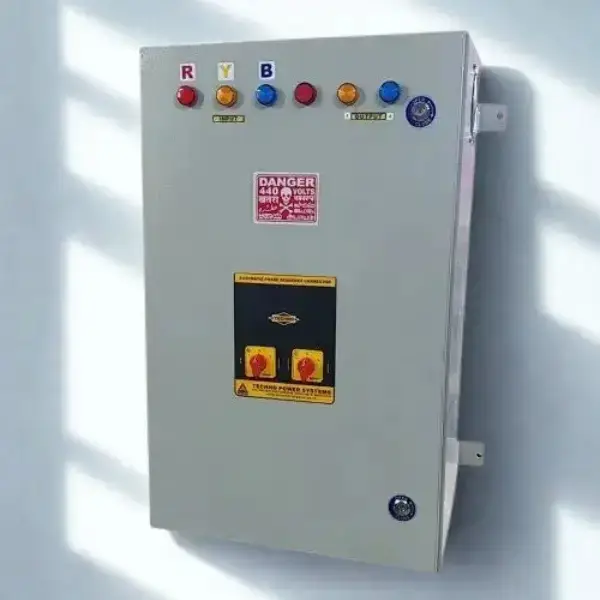
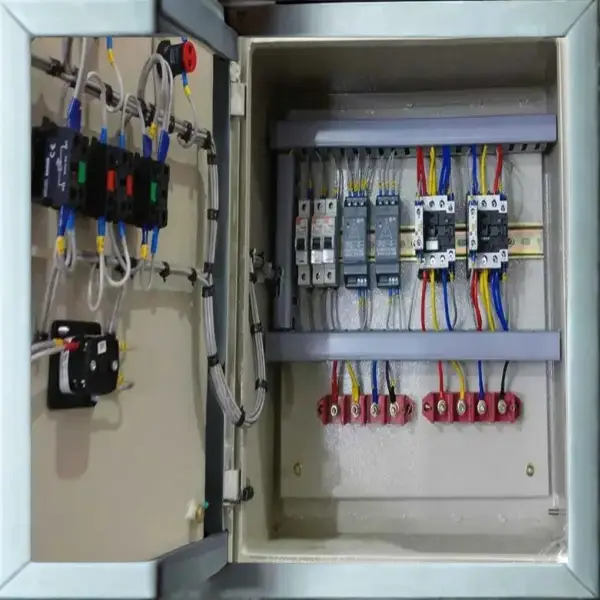
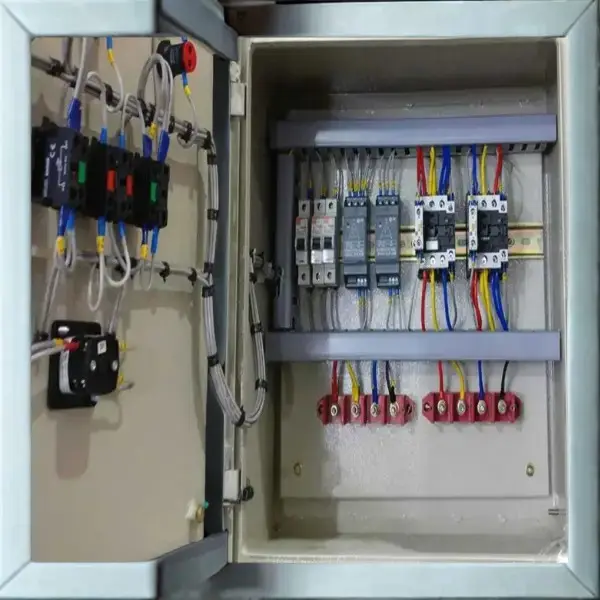
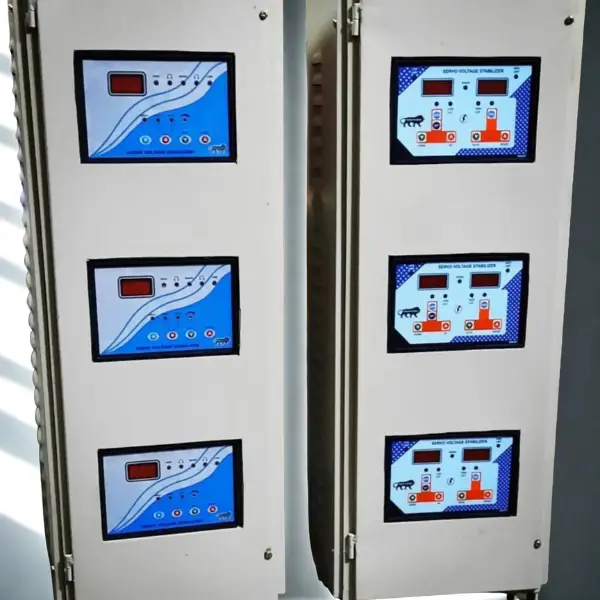
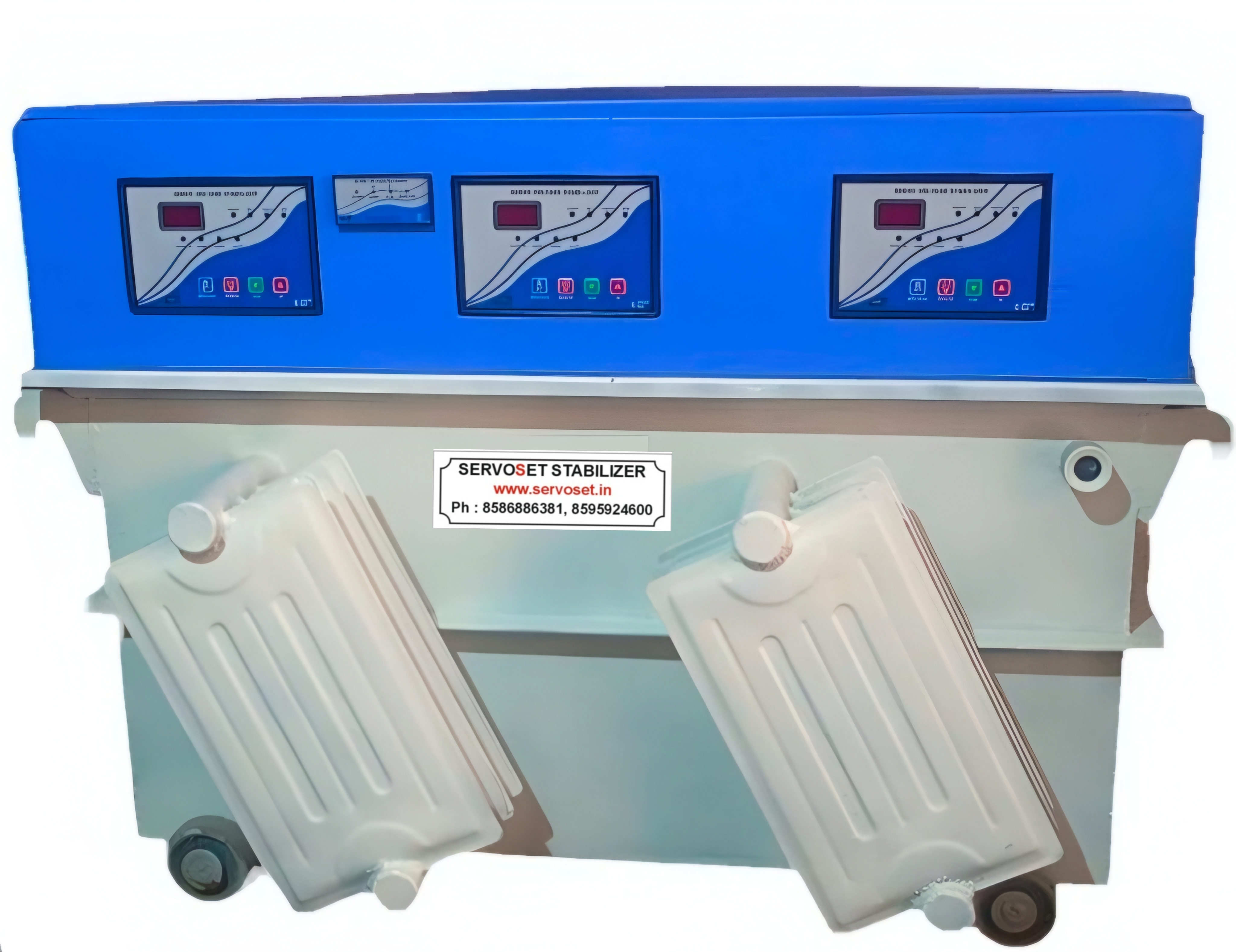
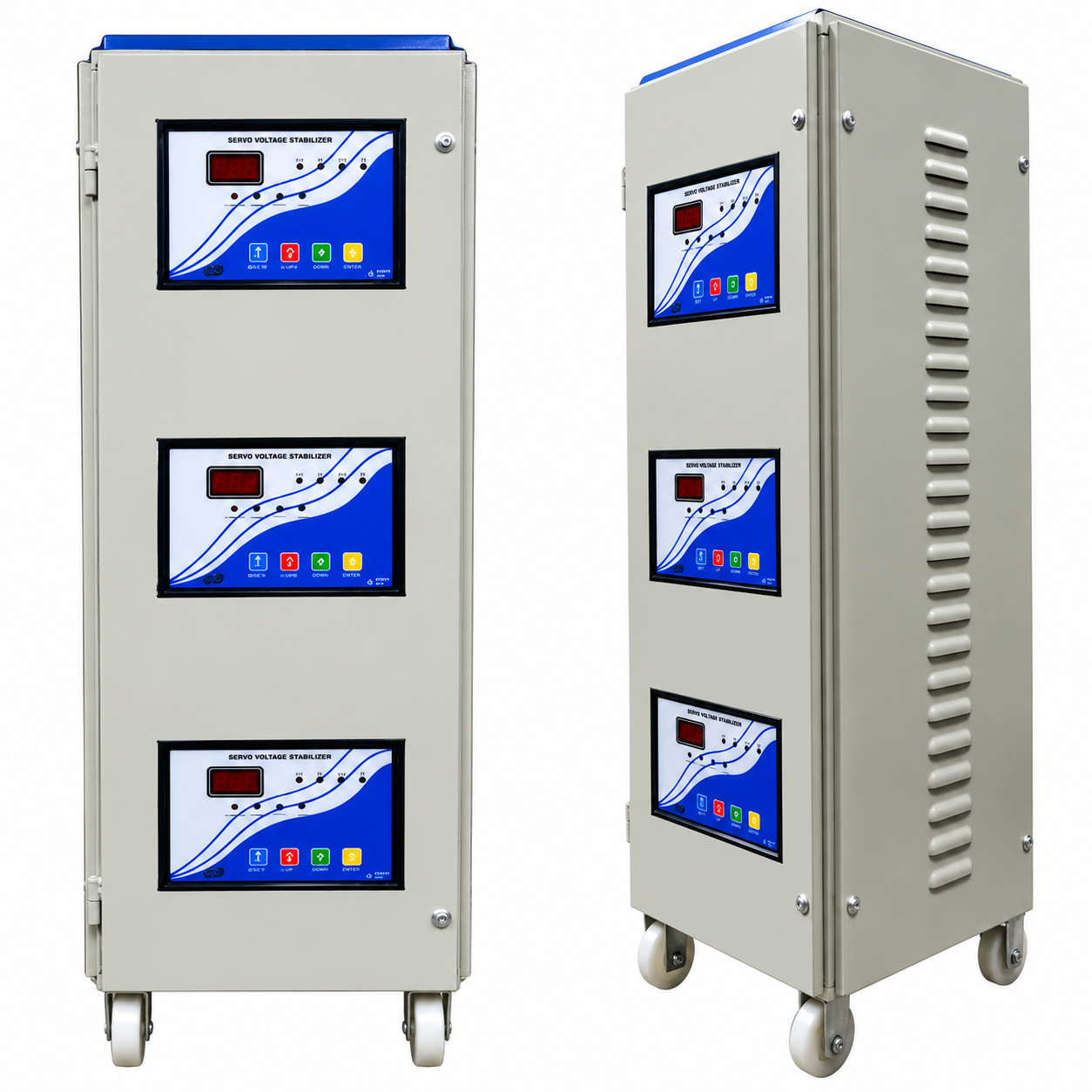
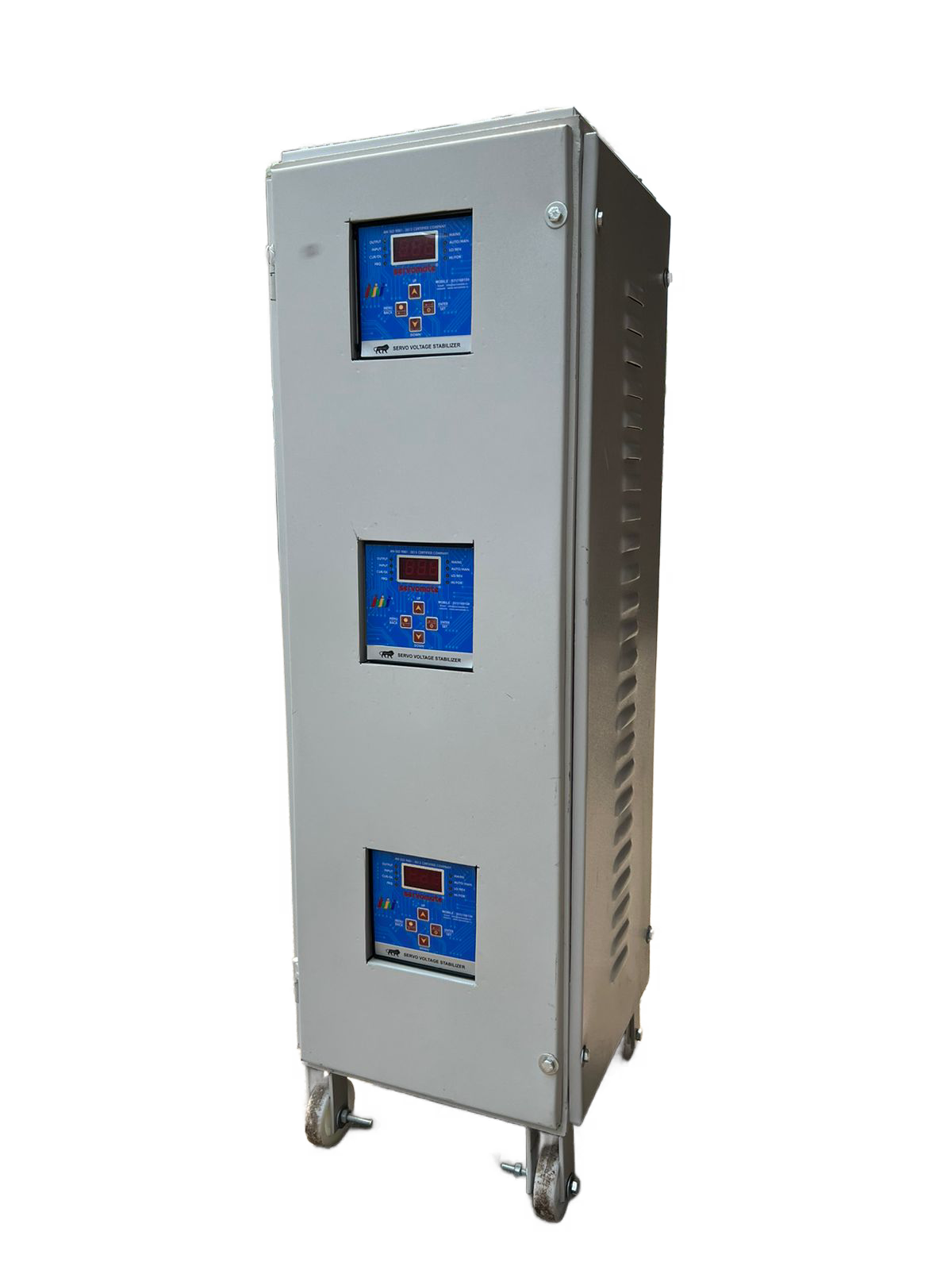
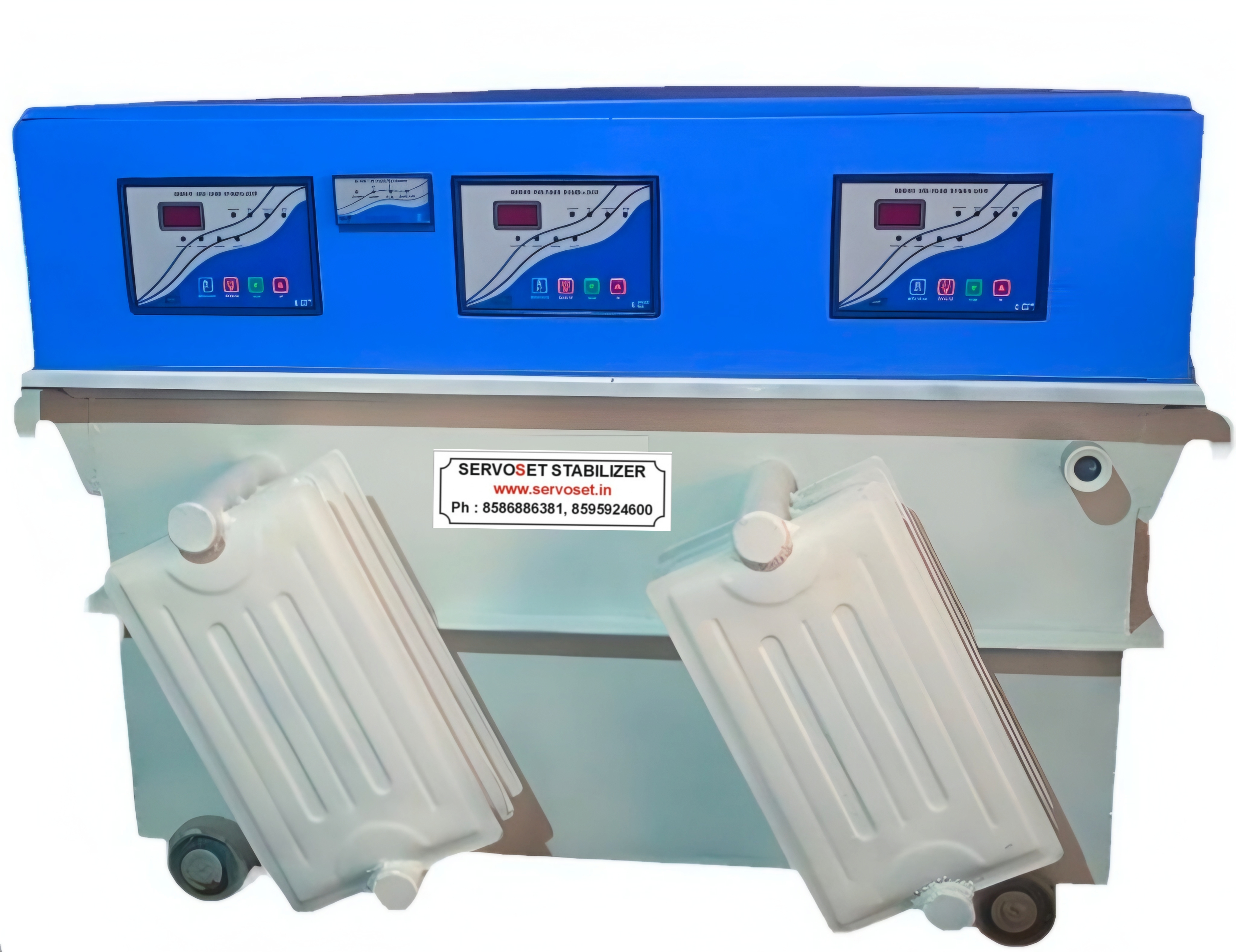
A servo voltage stabilizer works differently. A servo motor continuously moves a carbon brush or roller across the winding of a buck-boost transformer, adjusting the output smoothly and precisely instead of in jumps. A control circuit watches the output voltage and tells the motor exactly how far to move.
Think of it this way: a relay stabilizer is like changing gears in steps, while a servo stabilizer is like a smooth, continuous accelerator.
Round One: Accuracy, Who Holds the Voltage Steadier?
This is where the two types separate most clearly.
Servo stabilizers are known for tight output control, typically within a very small percentage of the set voltage. Because the correction is continuous, there are no sudden jumps that can stress sensitive electronics.
Conventional relay stabilizers correct in steps, so the output can vary more widely, and each change is a small jolt. That is acceptable for basic appliances but less ideal for precision equipment.
Winner: Servo, especially for CNC machines, laser equipment, medical devices and anything with sensitive electronics.
Round Two: Speed, Who Reacts Faster?
Here the tables turn. A relay stabilizer reacts quickly because switching a relay is nearly instant. A servo stabilizer relies on a motor that physically moves, so its correction is a little slower, though still fast enough for most real-world fluctuations.
Winner: Conventional (relay) for sheer response speed. If your supply has sudden, sharp spikes, pair any stabilizer with proper surge protection.
Round Three: Load Capacity, Who Handles the Heavy Stuff?
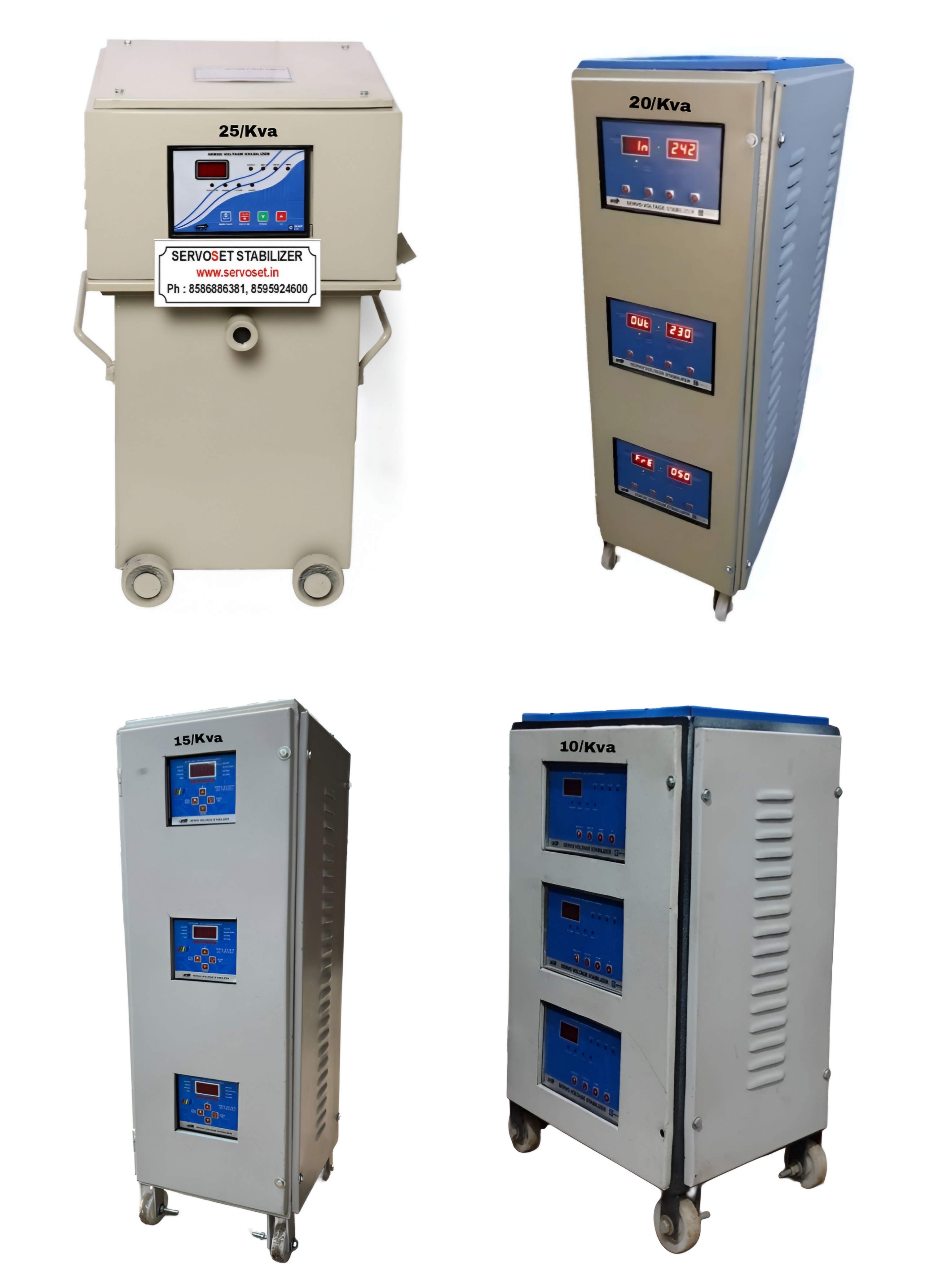
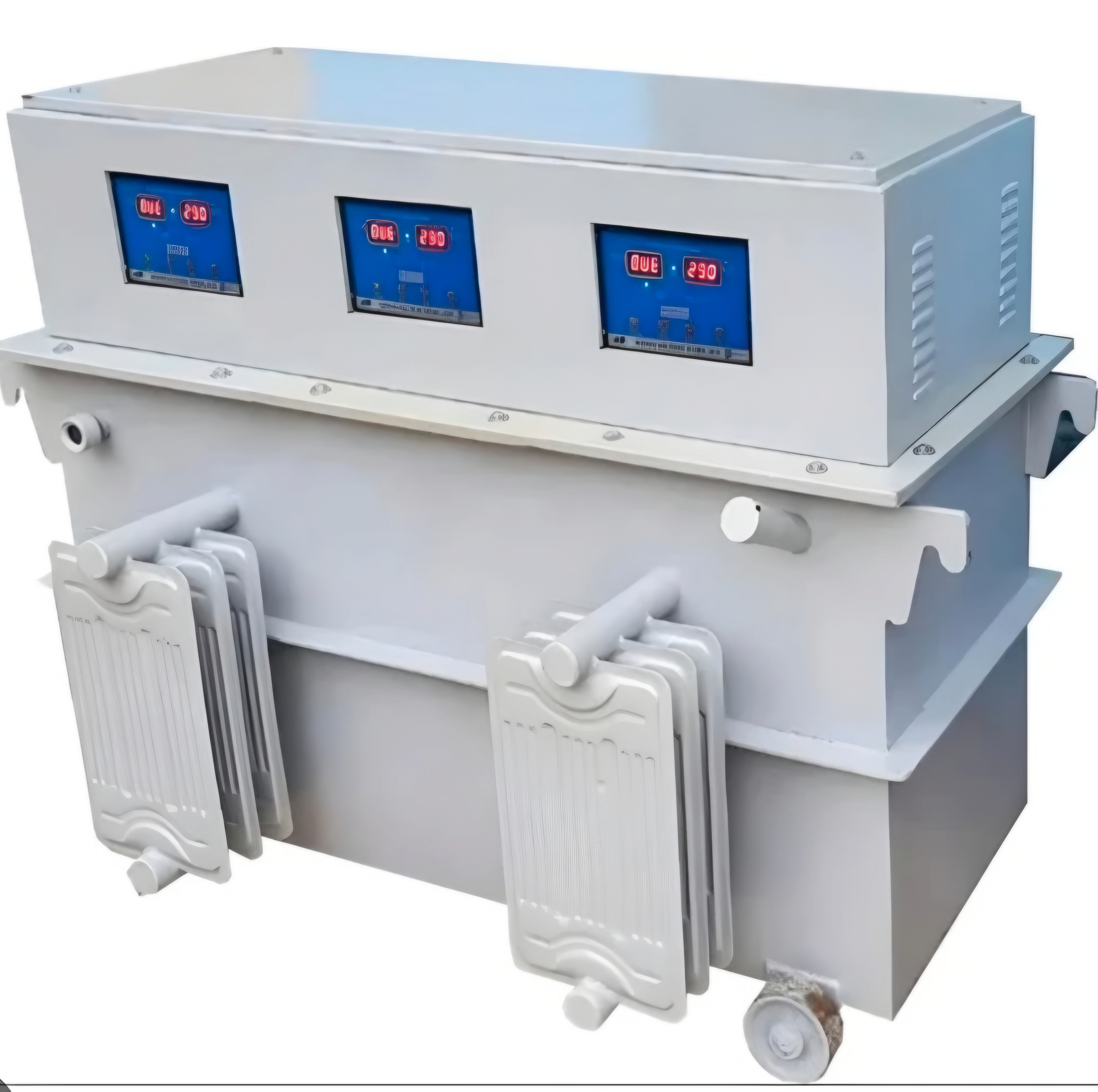
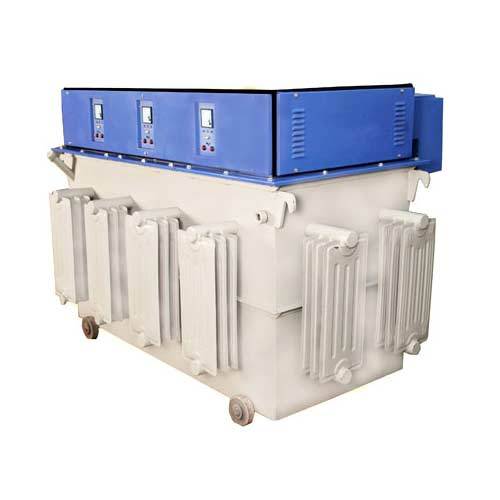
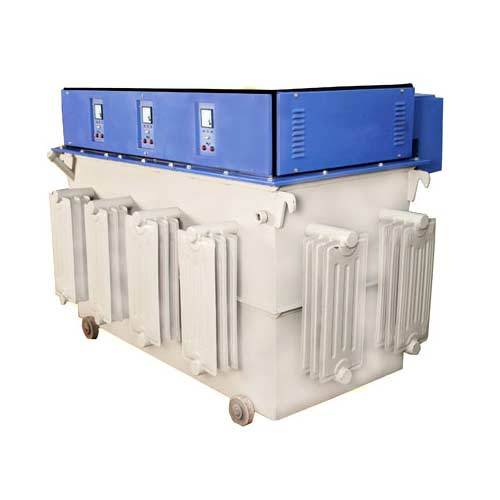
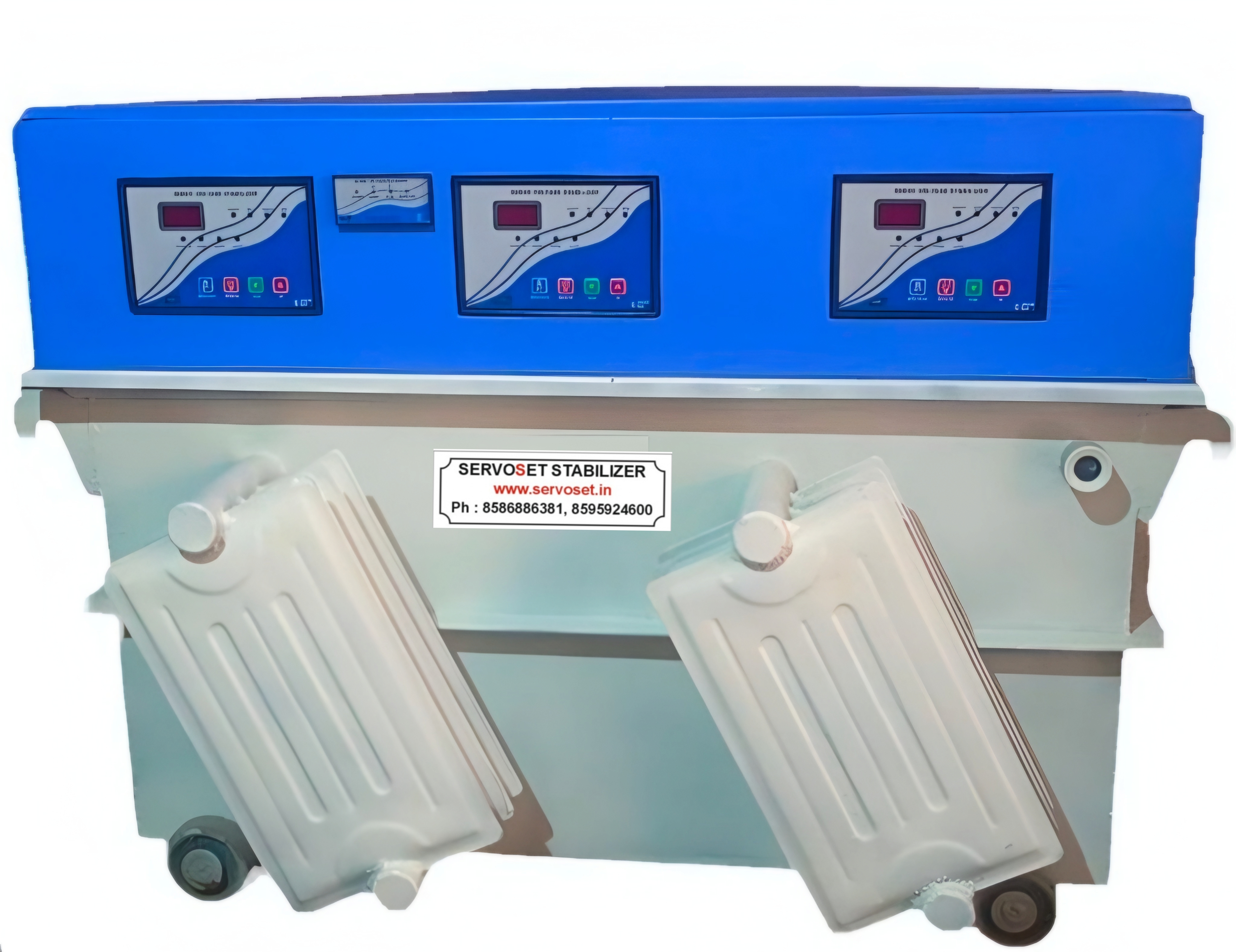
Conventional stabilizers are mostly built for smaller loads: homes, small shops and offices. Servo stabilizers are available in a much wider range of capacities, from small units to large three-phase models for factories, and they cope better with heavy, continuous loads and motors with high starting currents.
Winner: Servo, for industrial and high-load use.
Round Four: Input Range, Who Survives Bad Power?
Where supply quality is poor, the input range matters. Servo stabilizers generally work across a wider input voltage window, so they keep delivering usable output even when the incoming voltage drops very low or rises very high. Many relay stabilizers have a narrower correction range.
Winner: Servo.
Round Five: Price and Upkeep, Who Is Easier on the Wallet?
A conventional stabilizer costs less upfront and is simple to buy and replace, which is why it is common for household appliances. A servo stabilizer costs more initially, and because it has moving parts, it needs periodic servicing, such as checking the carbon brush or roller and the servo motor. Relay stabilizers have their own wear point too: the relays can wear out over time, especially under frequent switching.
Winner: Conventional for upfront cost, Servo for long-term value on expensive equipment.
What About Static Stabilizers?
You may also hear about static stabilizers. These use electronic components instead of relays or motors, so they have no moving parts and react very fast. They are a good middle path for some commercial uses, but for heavy industrial loads and the widest input ranges, servo stabilizers remain the more common choice.
Not Sure Which to Buy? Match Your Setup
The Home or Small Office
For ACs, refrigerators, TVs and computers on a modest load, a good-quality relay stabilizer is usually enough and keeps costs down. Check the capacity carefully, since an AC needs more headroom at start-up.
The Shop or Showroom
If you run multiple ACs, lighting and display equipment together, a servo stabilizer gives steadier voltage and handles the combined load better.
The Factory or Workshop in Faridabad
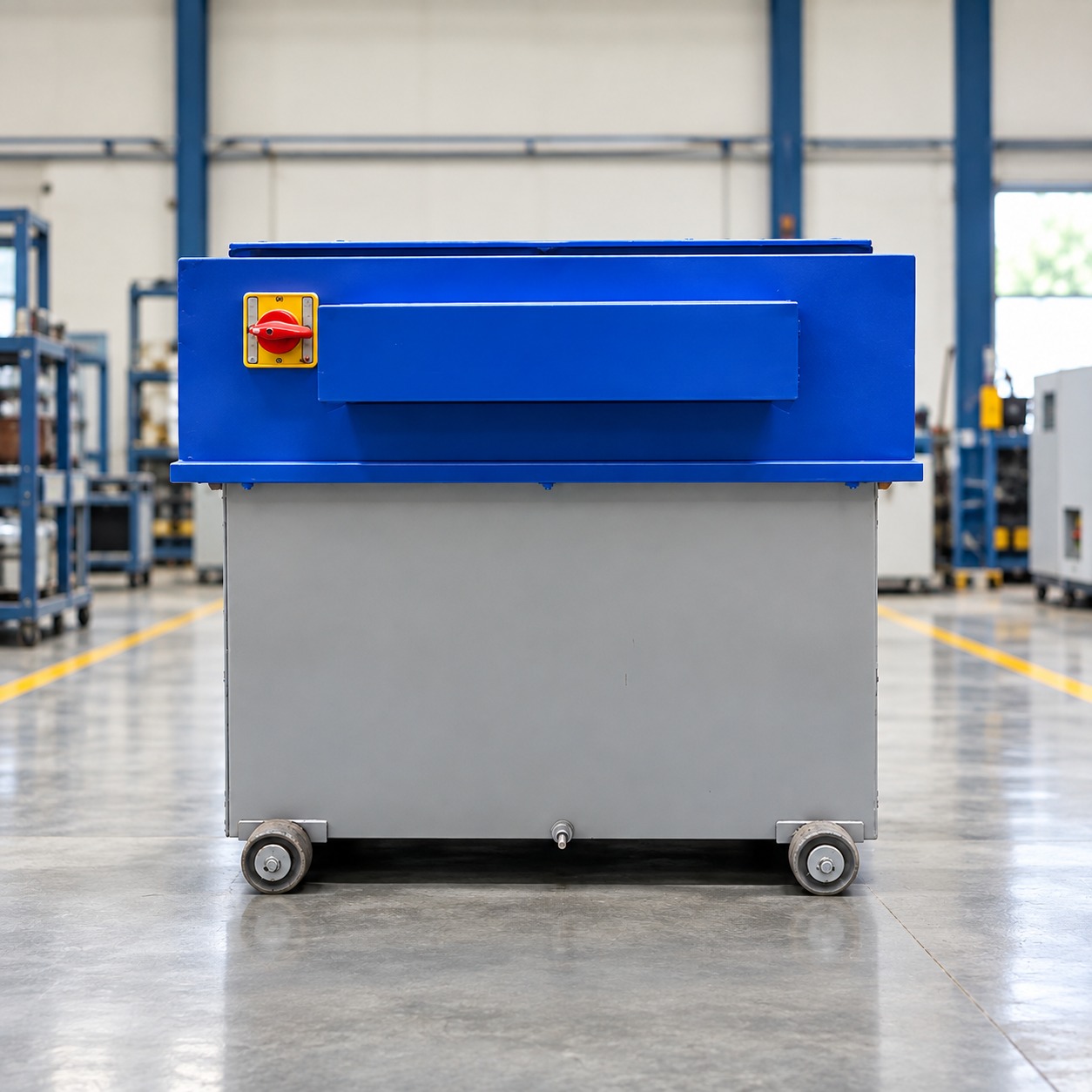
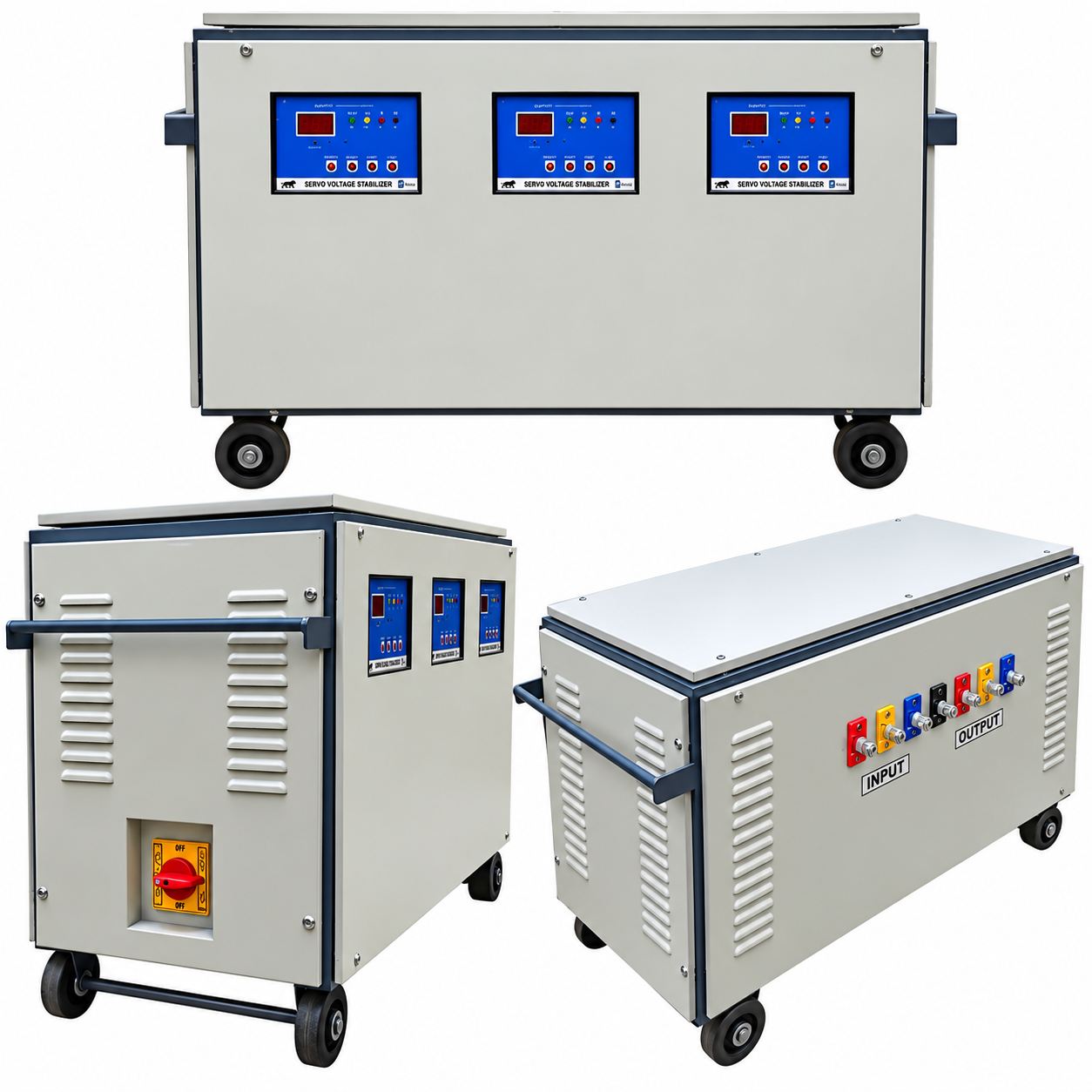
For CNC machines, laser cutters, press brakes, pumps, motors and production lines, go for a three-phase servo stabilizer sized with a safety margin. Machines like these are costly, and one bad voltage event can cost far more than the stabilizer itself.
The Clinic, Lab or Hospital
Sensitive medical and testing equipment needs precise, smooth voltage. A servo stabilizer is the safer choice here.
Five Mistakes Buyers Make (Don't Repeat Them)
- Choosing only on price: The cheapest option can cost far more if it fails to protect expensive equipment.
- Buying the wrong capacity: Always size the stabilizer with headroom above your total load, especially for motors and compressors.
- Ignoring the phase: Single-phase for light loads, three-phase for heavy machinery and industrial setups.
- Skipping the input range check: If your local supply swings widely, a narrow range will not protect you.
- Forgetting maintenance: Even the best stabilizer needs periodic checks to keep performing.
Quick Verdict: So, Which One Wins?
If you want accuracy, wide input range and heavy-load capability, the servo voltage stabilizer wins. If you want low cost and simple protection for everyday home appliances, a conventional relay stabilizer is enough. For anything expensive or precision-based, the extra cost of a servo stabilizer is usually small compared with what it protects.
FAQs
1. Is a servo stabilizer better than a relay stabilizer?
Yes for accuracy, wide input range and heavy loads, while relay suits light home use.
2. Which stabilizer is best for CNC and laser machines?
A three-phase servo stabilizer, because it gives smooth and precise voltage.
3. Do servo stabilizers need maintenance?
Yes, periodic checks of the brush, roller and servo motor keep them reliable.
4. Can I use a relay stabilizer for my AC?
Yes, if the capacity is right and it is rated for AC start-up load.
5. How do I choose the right KVA rating?
Add up your total load and choose a rating with a safety margin above it.
Conclusion
A stabilizer is not an expense. It is insurance for your machines, your production and your peace of mind. For basic household appliances, a conventional stabilizer does the job at a low cost. For factories, workshops, showrooms and sensitive equipment, especially in the industrial belt around Faridabad, a servo voltage stabilizer is the smarter, longer-lasting choice. Match the type to your load, size it with a margin, and buy from a supplier who stands behind the product with clear specifications and service support.
Not sure what capacity you need? Note down your machines and their ratings, and ask your supplier to size the stabilizer for you.