Introduction
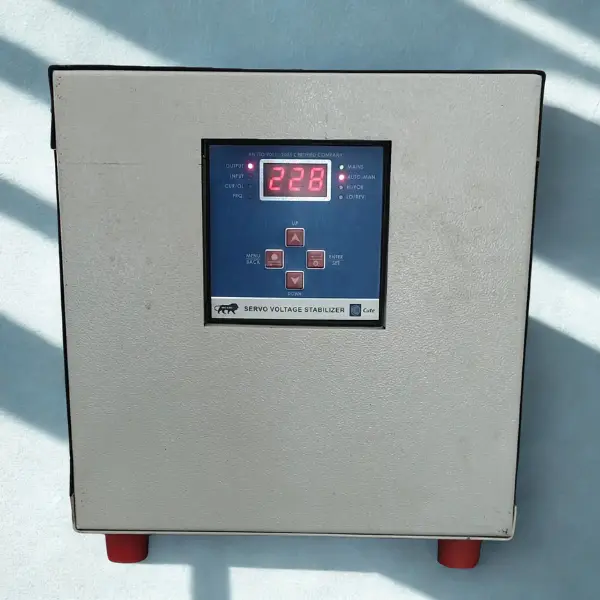
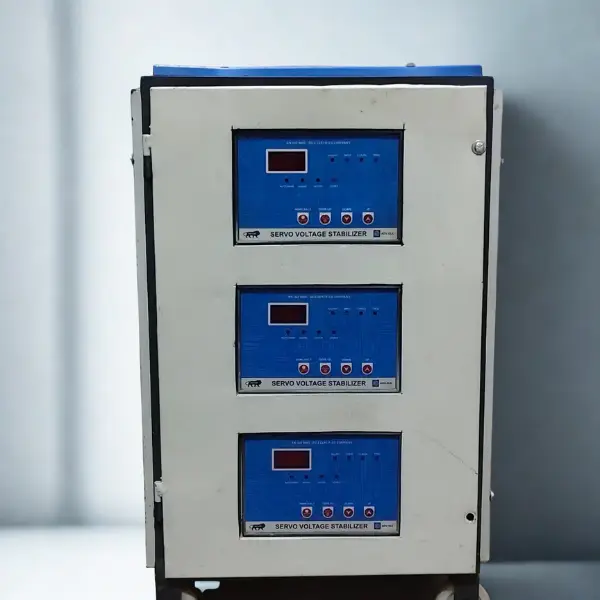
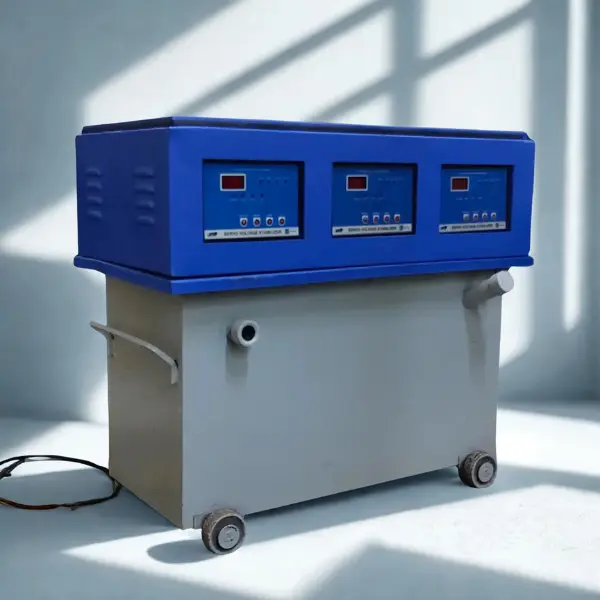
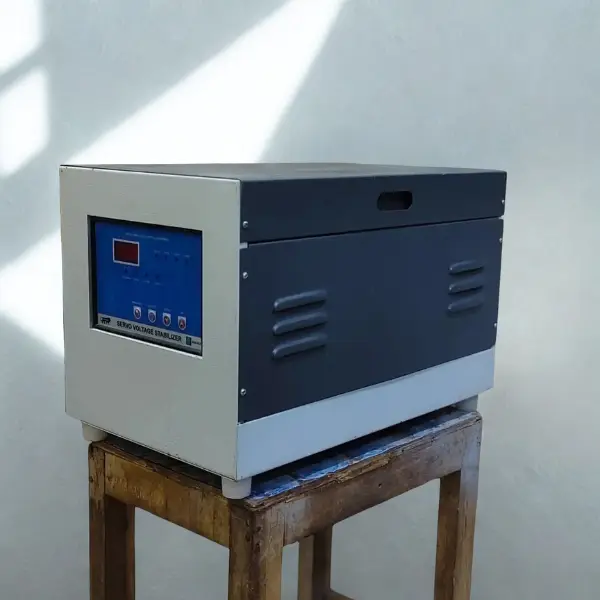
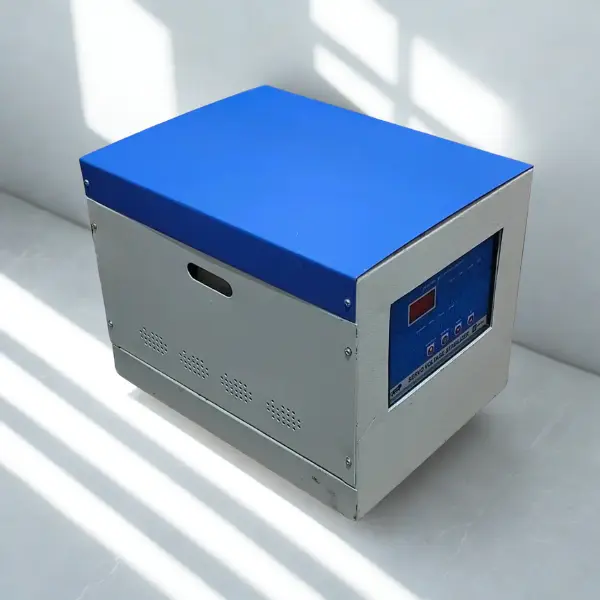
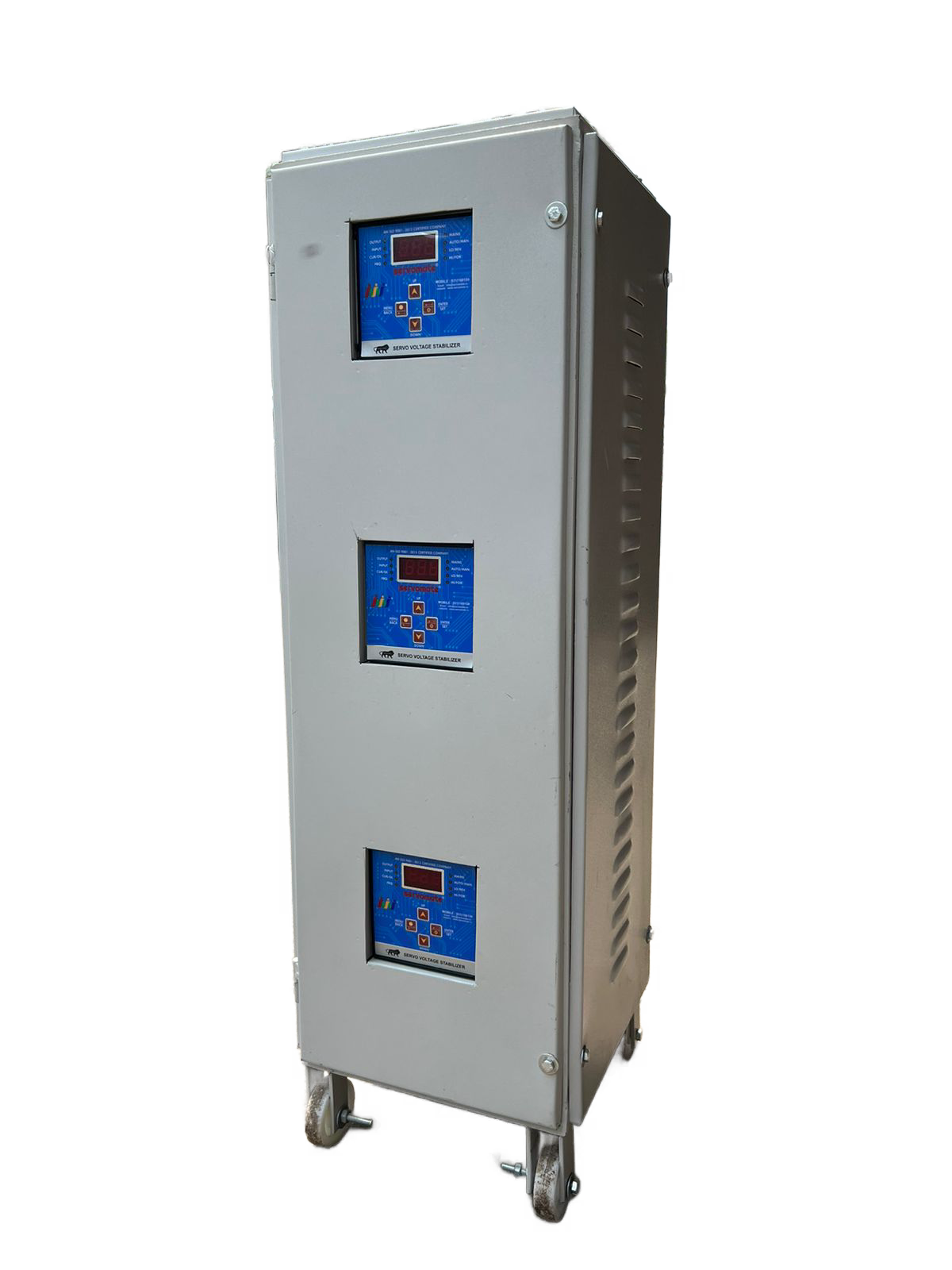
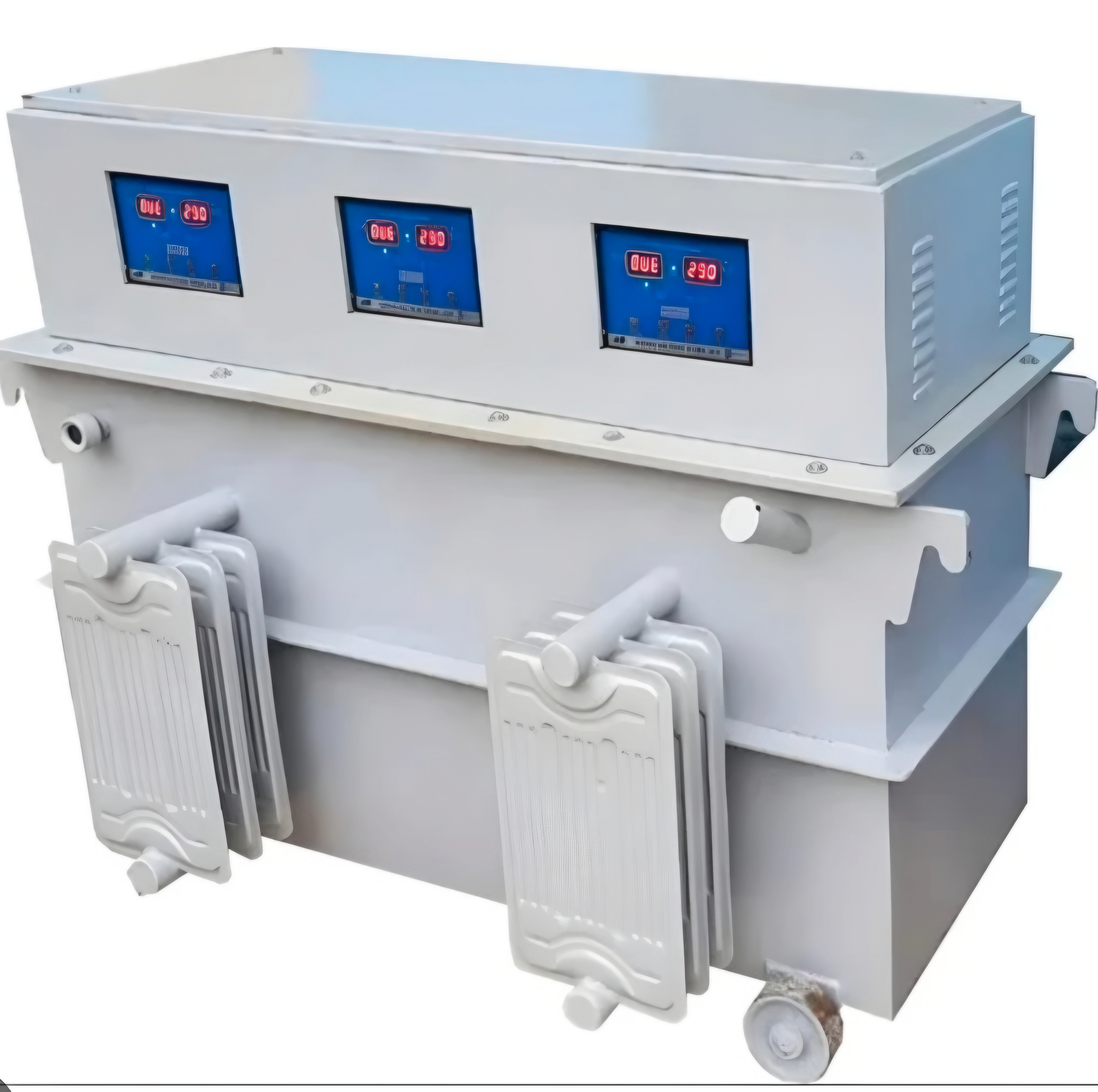
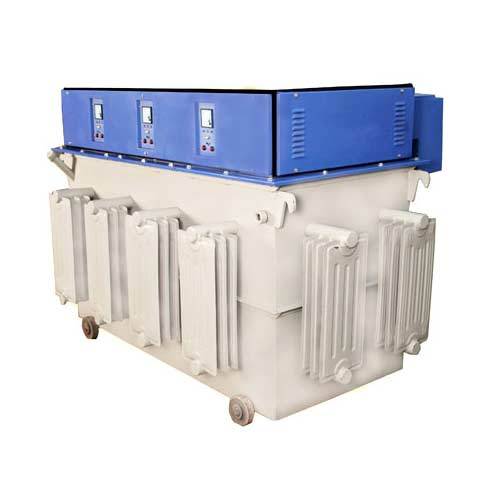
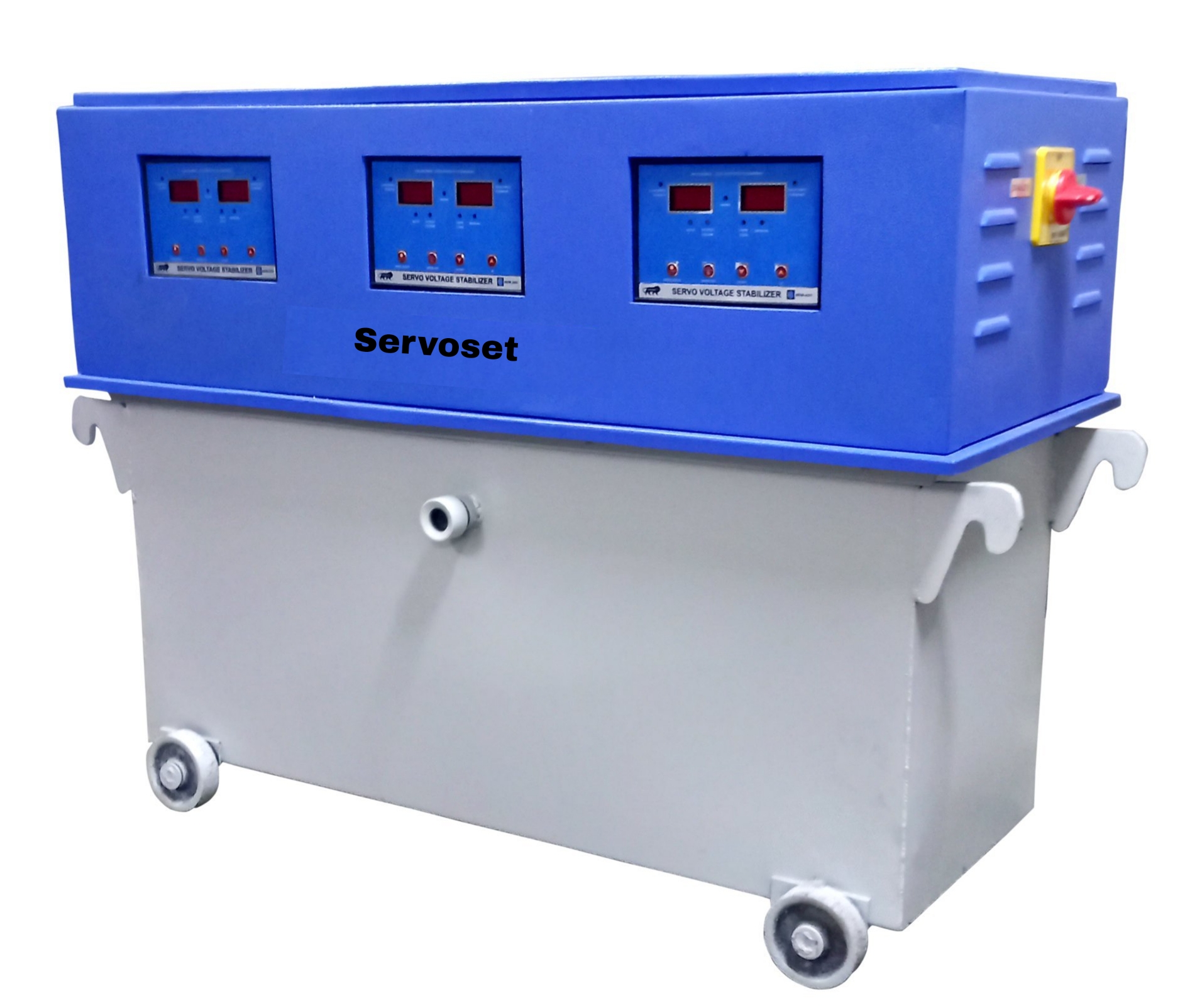
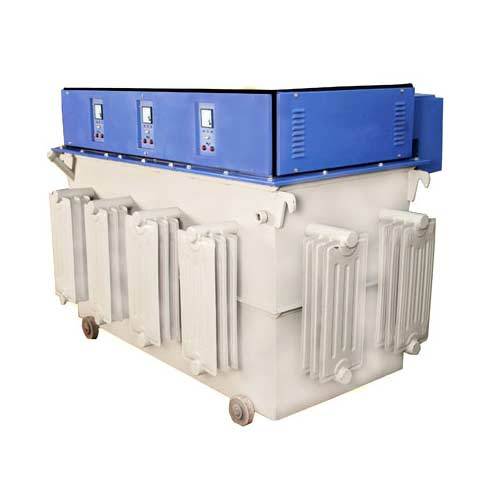
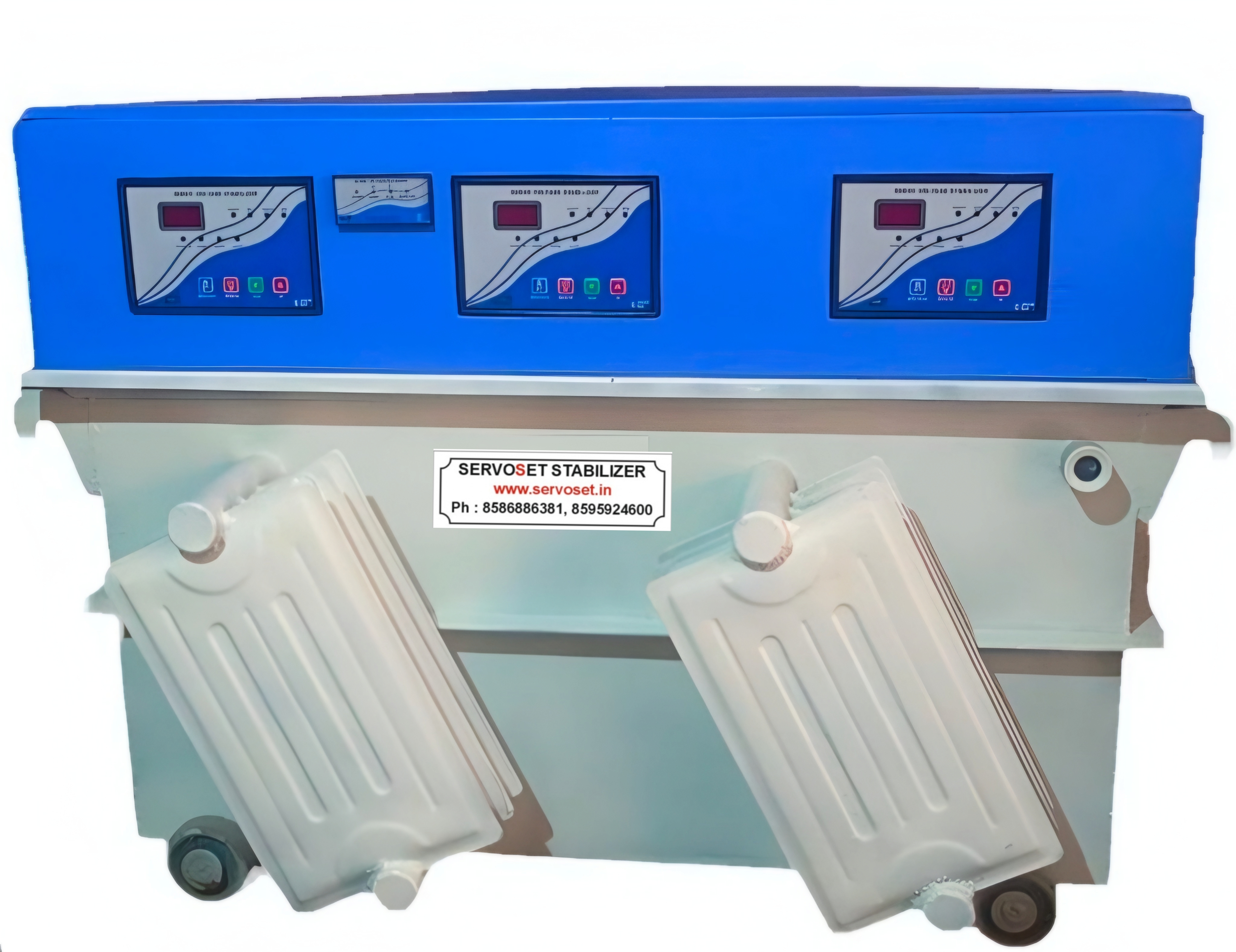
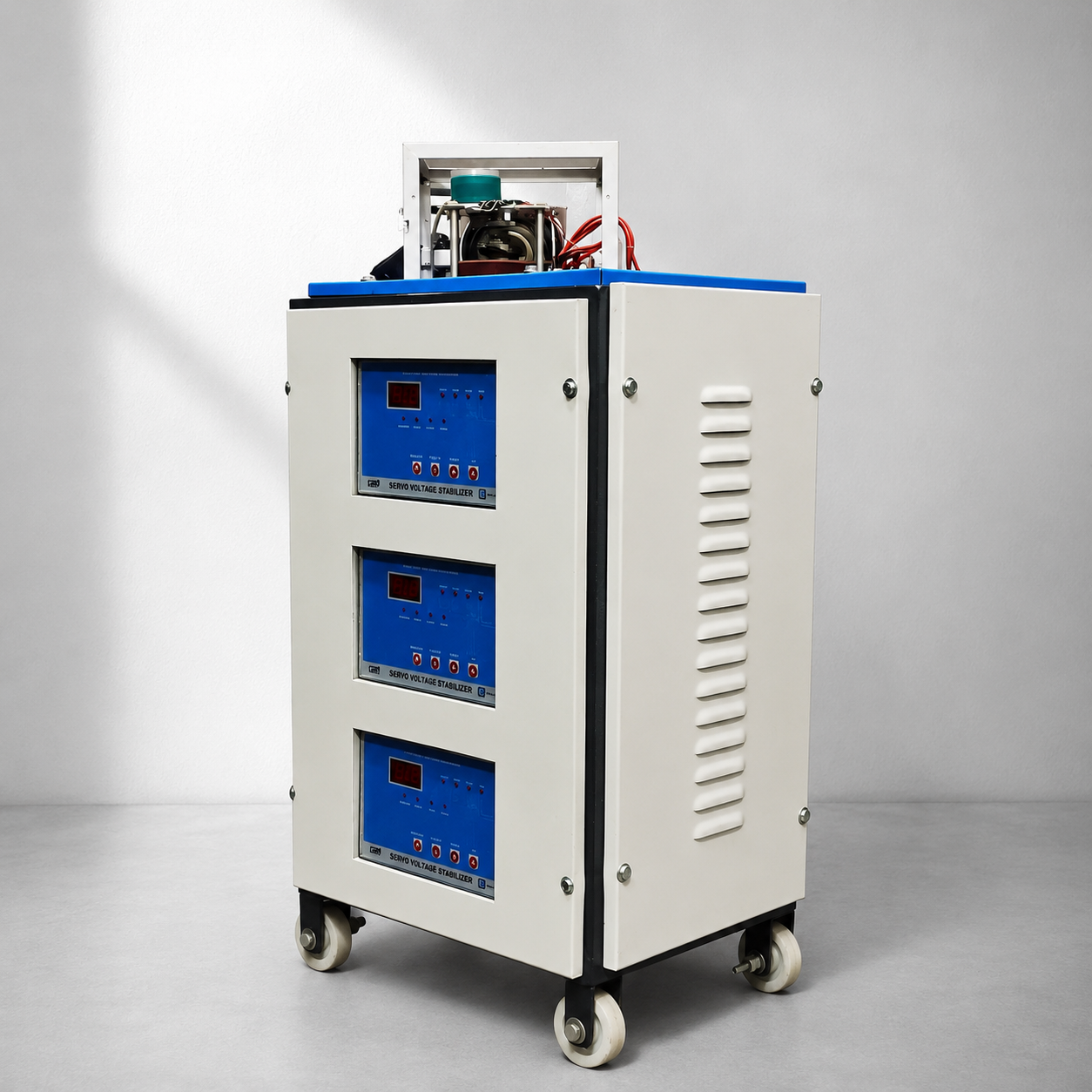
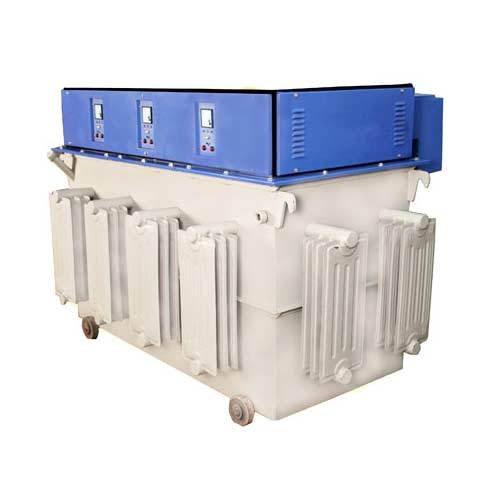
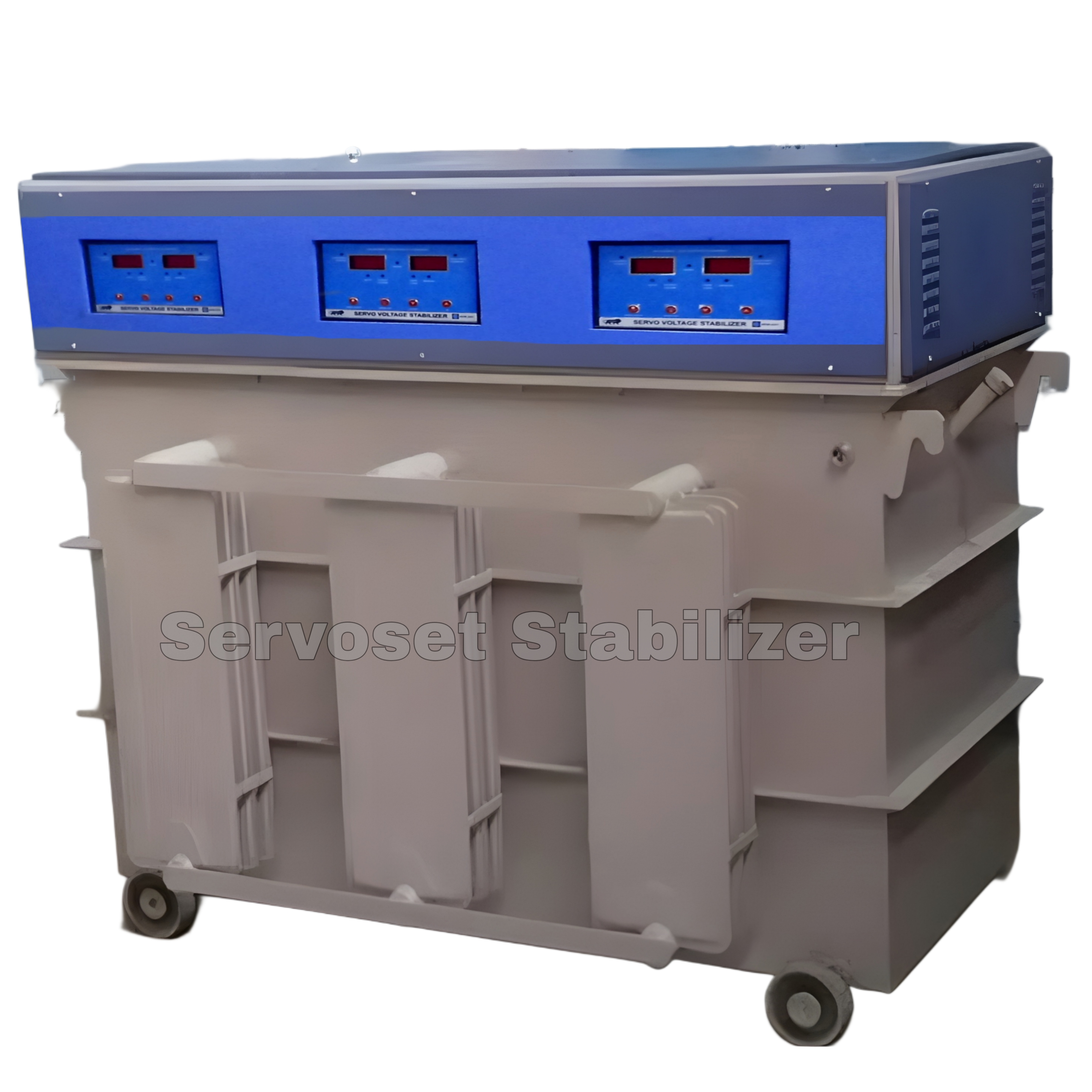
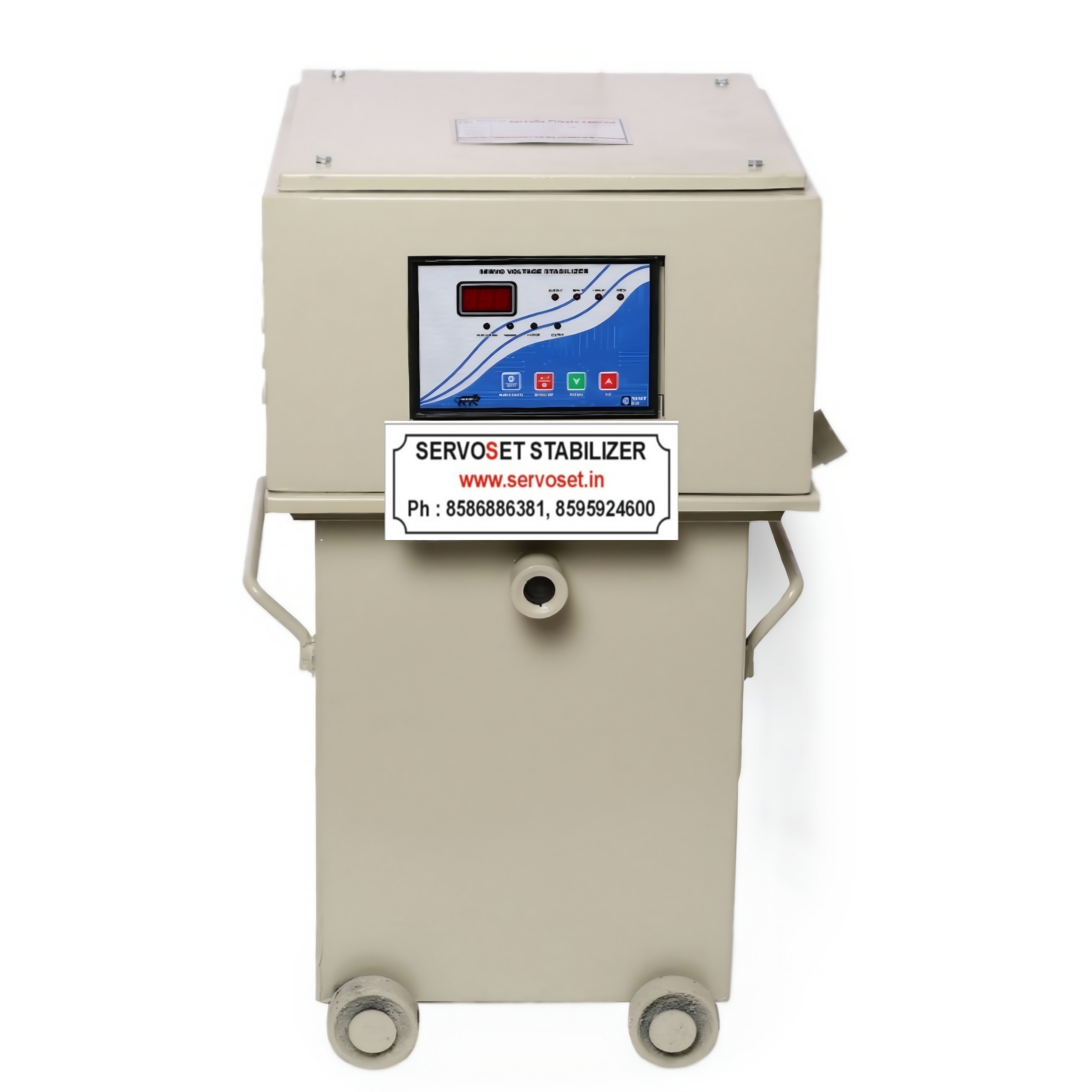
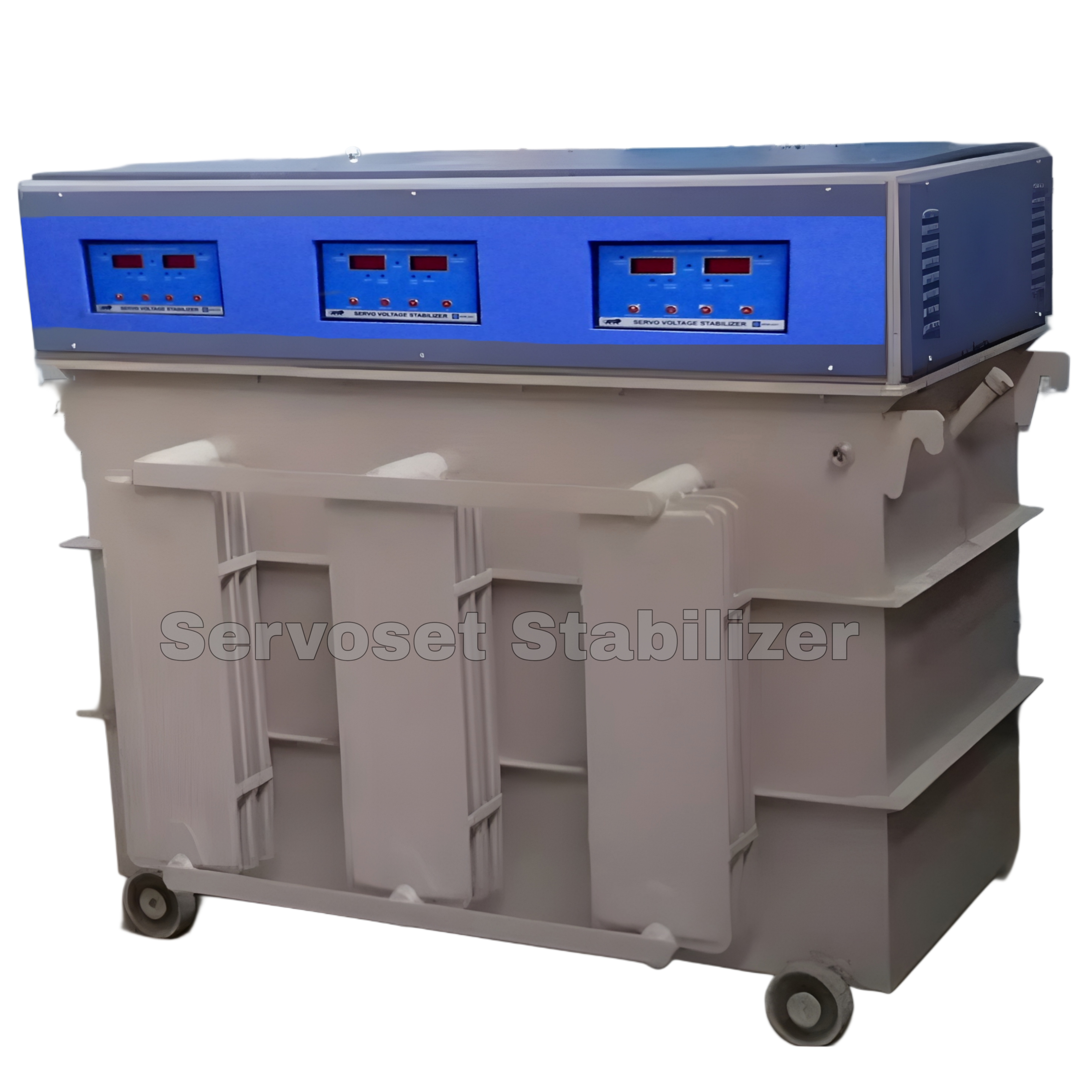
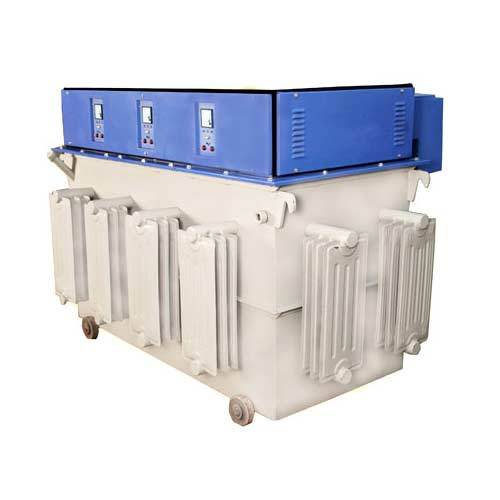
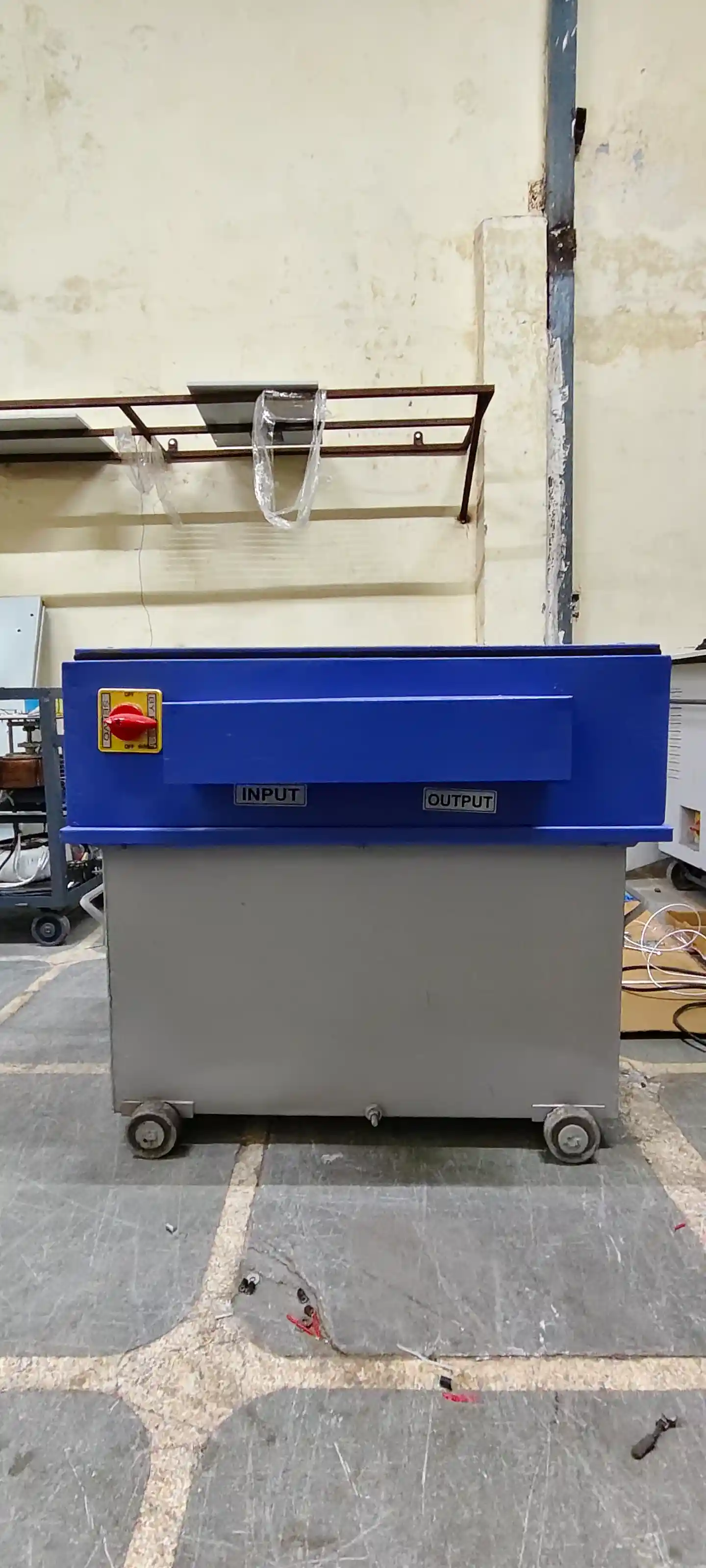
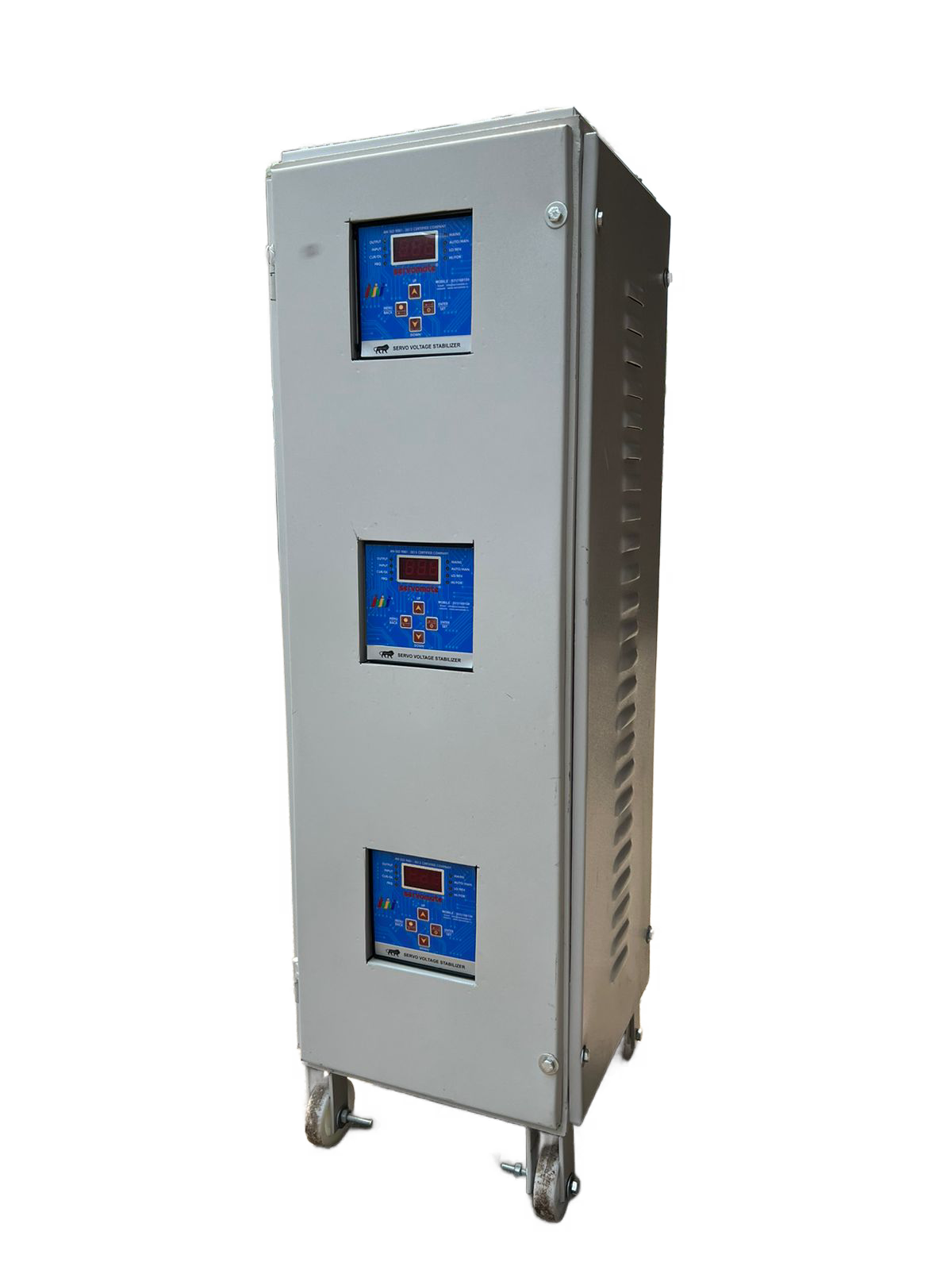
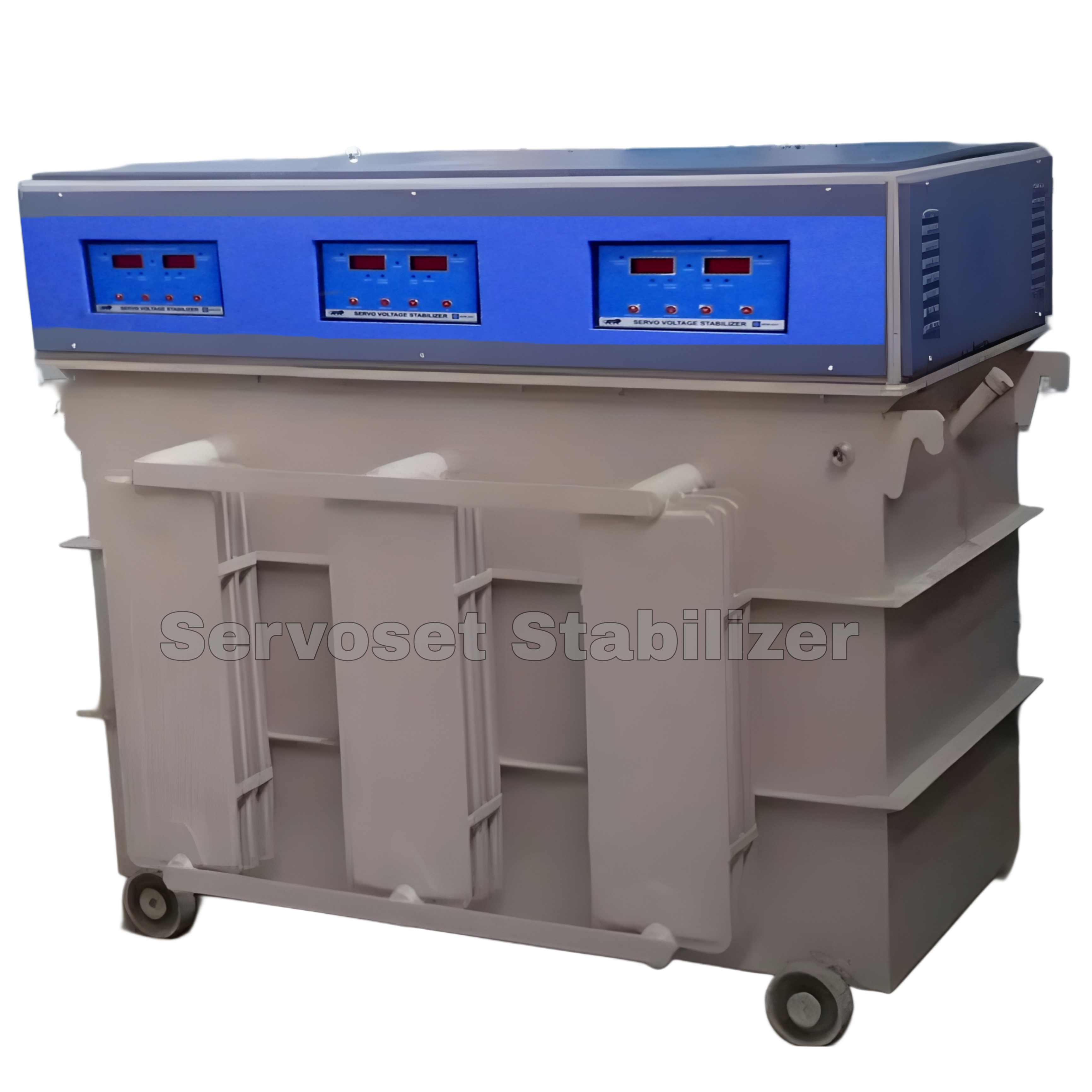
Every industrial facility runs on one non-negotiable requirement — stable, reliable power. The moment voltage swings, production slows down, machines heat up unnecessarily, or worse, expensive equipment gets damaged. This is exactly where a heavy duty servo voltage stabilizer earns its place on the factory floor. Unlike ordinary stabilizers designed for light commercial use, a heavy duty unit is built to absorb constant load fluctuations, handle sudden power surges, and keep running for years without breaking a sweat. For industries running CNC machines, injection molding units, textile looms, or large HVAC systems, this isn't a luxury add-on — it's core infrastructure.
At Servoset, we've spent years studying exactly what breaks down in low-quality stabilizers under real industrial conditions, and we design our heavy duty servo stabilizer range specifically to eliminate those failure points. This blog walks through what makes a servo voltage stabilizer genuinely "heavy duty," where it's used, how it actually works internally, and why getting this decision right protects both your machinery and your bottom line.
What Actually Makes a Stabilizer "Heavy Duty"
The term gets thrown around loosely in the market, but a genuinely heavy duty servo voltage stabilizer is defined by a few non-negotiable engineering choices. First, the servo motor and buck-boost transformer inside must be rated for continuous duty cycles, not intermittent use — meaning the unit can run 24x7 without thermal stress building up. Second, the copper winding quality and core material need to handle higher current density without efficiency loss, which is why cheaper units often use thinner gauge copper that heats up quickly under sustained load. Third, the control card and sensing circuitry must respond fast enough to correct voltage within milliseconds, even under heavy inductive loads like motors and compressors that create sharp current spikes.
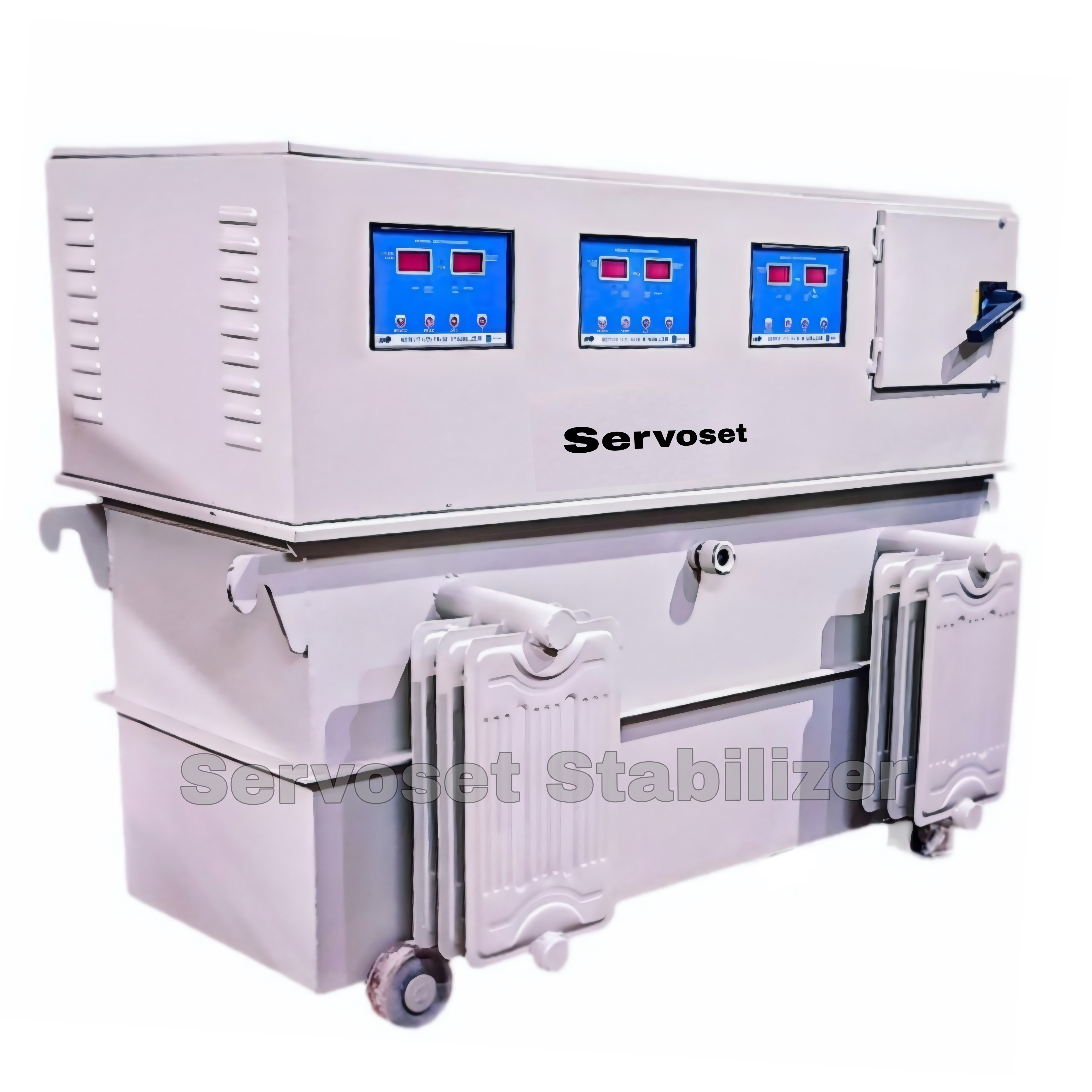
There's also a structural side to "heavy duty" that buyers often miss. The metal enclosure gauge, the quality of internal wiring insulation, and the size of cooling vents or fans all play a role in whether a stabilizer can survive years of factory-floor conditions — dust, vibration, and heat included. A stabilizer that ticks all of these boxes is what separates a genuinely industrial grade servo voltage stabilizer from a unit that looks similar on paper but fails within a year of daily factory use.
Why Ordinary Stabilizers Fail in Industrial Setups
Most voltage-related equipment failures in factories don't happen because a stabilizer wasn't installed — they happen because an undersized or light-duty stabilizer was installed where a heavy duty servo stabilizer was actually needed. A standard unit might work fine for a single motor or a small office setup, but the moment you connect it to a full production line with multiple machines drawing power simultaneously, the correction speed and load-handling capacity simply aren't there.
Overheated servo motors, burnt contacts, and repeated tripping are the most common symptoms we encounter when clients switch to a heavy duty servo voltage stabilizer after their previous unit failed under real load. In many cases, the original stabilizer wasn't defective by design — it was simply the wrong category of product for the job, sized and engineered for a lighter duty cycle than what the factory floor actually demanded. This mismatch is one of the most preventable causes of unplanned downtime in Indian manufacturing units today.
Industries That Rely on Heavy Duty Servo Stabilizers
Heavy duty servo voltage stabilizers are a standard requirement wherever machinery sensitivity meets unstable power supply. Plastic injection molding units depend on them to protect servo-driven molding machines from voltage dips that can ruin an entire production batch mid-cycle. Textile and dyeing units use them to keep looms and processing machines running at consistent speed regardless of supply fluctuations, since even small speed variations can affect fabric quality.
Pharmaceutical and food processing plants rely on stable voltage to protect sensitive automation and refrigeration systems, where a power irregularity can compromise an entire production batch or cold-chain requirement. Even commercial complexes with heavy HVAC and elevator loads use industrial servo stabilizers to prevent compressor damage, since compressor motors draw very high inrush current on startup. Metal processing, packaging lines, and printing presses are other common users, since all of these involve continuous motor operation where voltage consistency directly affects both output quality and machine life. In every one of these cases, the common thread is continuous, high-current operation where even a brief voltage irregularity translates into real financial loss.
Key Features to Check Before You Buy a Heavy Duty Servo Voltage Stabilizer
When evaluating a heavy duty servo voltage stabilizer, don't just look at the kVA rating on the nameplate — dig into what's actually inside. Check the correction speed, usually measured in volts per second, since faster correction means less stress on connected machinery during a voltage swing. Look at the input voltage range the stabilizer can handle; a genuinely industrial unit should comfortably manage wide swings rather than a narrow band, since a stabilizer that only corrects a small voltage window will bypass or trip during larger fluctuations.
Ask about the type of servo motor used and whether it's rated for continuous duty, since this single component is often the first to fail in cheaper units. Also verify the enclosure and cooling design, since a poorly ventilated cabinet will cause internal components to overheat during long factory shifts, shortening the lifespan of the whole unit. It's also worth asking about overload and short-circuit protection features, since a heavy duty stabilizer operating near its rated capacity should have built-in safeguards rather than relying solely on external fuses. At Servoset, every heavy duty unit we manufacture is built around these exact parameters, not just a bigger box with the same internals as a lighter model.
Servoset's Approach to Heavy Duty Manufacturing
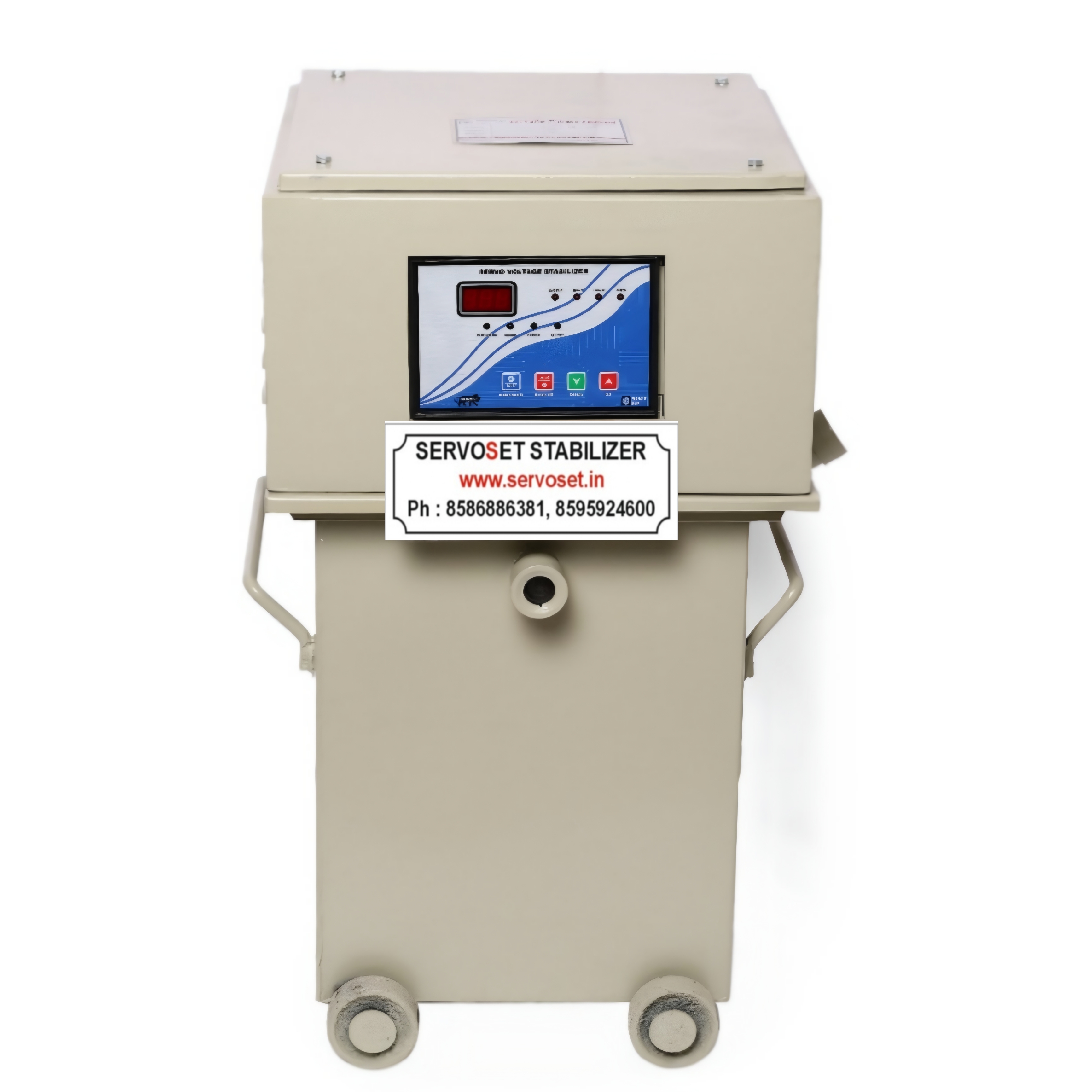
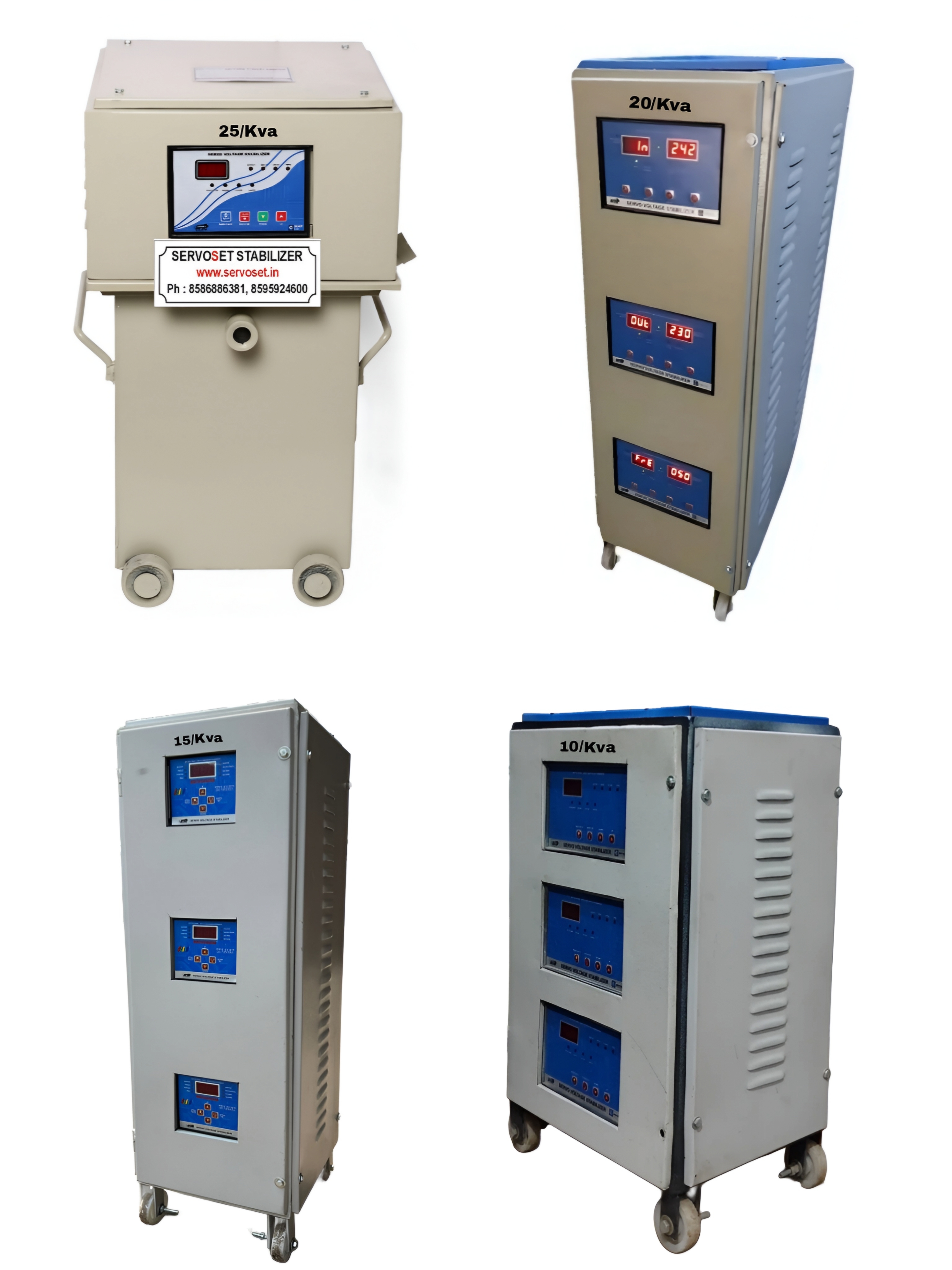
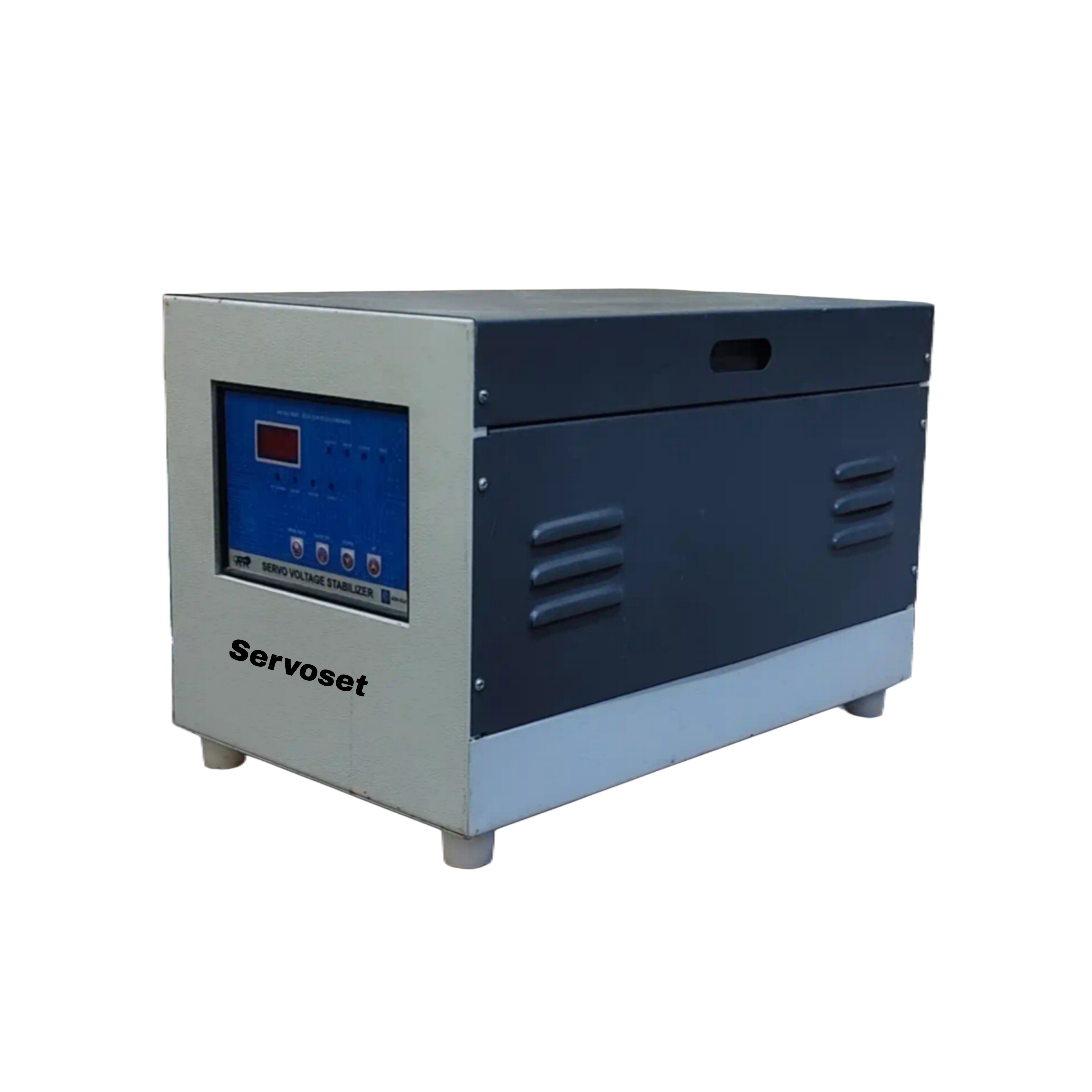
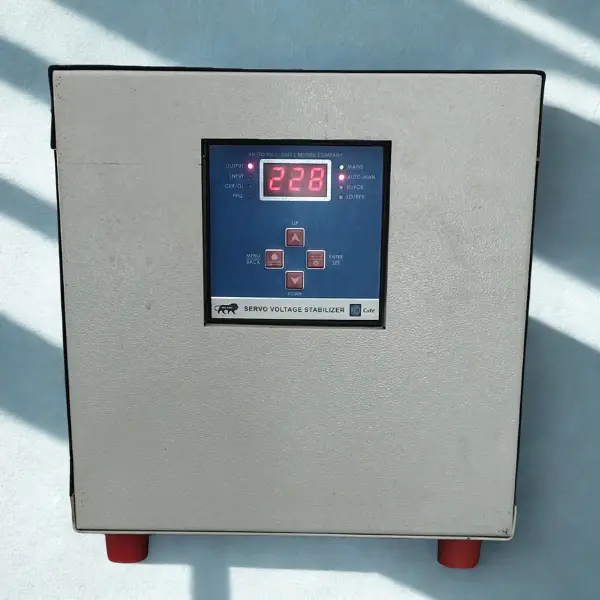
We don't treat our heavy duty servo voltage stabilizer range as a scaled-up version of our standard stabilizers — it's a separately engineered product line. Our heavy duty units use higher-grade copper windings, industrial servo motors rated for continuous operation, and control cards tuned for fast response under inductive load conditions typical of factory machinery.
Every unit goes through load testing before dispatch to confirm it performs under conditions similar to what it will face on a real production floor, not just under lab-ideal conditions. This includes checking performance under sudden load changes, verifying correction accuracy across the full rated input range, and confirming thermal stability during extended running periods. This is also why manufacturers scaling up production capacity consistently come back to Servoset for repeat orders — once a stabilizer proves itself under real factory conditions, replacing it with an unfamiliar brand becomes an unnecessary risk.
Maintenance and Long-Term Reliability
A heavy duty servo voltage stabilizer is a long-term investment, and getting years of trouble-free service out of it depends on a few basic practices. Keep the unit in a dry, ventilated space away from dust-heavy areas of the shop floor, since dust accumulation on internal components is one of the most common causes of premature failure and can also affect cooling efficiency over time.
Schedule periodic checks of the carbon brush assembly in the servo motor, as brush wear is normal but needs monitoring in continuous-duty applications — worn brushes are one of the few components that require replacement over a stabilizer's operational life. Ensure the earthing connection is solid, since industrial environments with heavy machinery often have inconsistent earthing that can affect stabilizer performance and, in some cases, create safety risks. It's also good practice to periodically check tightness of power terminal connections, since loose connections under high current can generate heat and cause nuisance faults. Servoset provides after-sales support and guidance for exactly these maintenance routines, so clients aren't left guessing once the unit is installed.
Choosing the Right Capacity for Your Load
One of the most frequent mistakes we see in the field is undersizing the stabilizer relative to actual connected load. It's important to calculate not just the running load of your machines but also the starting or inrush current, which can be significantly higher for motor-driven equipment — sometimes several times the running current for a brief moment during startup.
A heavy duty servo voltage stabilizer should be sized with adequate headroom above your peak load requirement, not just your average consumption, so that simultaneous machine startups or future capacity additions don't push the unit beyond its safe operating range. Our team at Servoset works directly with clients to assess their actual machine specifications before recommending a capacity, rather than pushing a one-size-fits-all number that may leave the facility under-protected or paying for capacity it doesn't need.
Why Servoset for Your Heavy Duty Servo Voltage Stabilizer
Industrial facilities need a stabilizer partner who understands real factory conditions, not a generic product bought off a catalog. Servoset has built its heavy duty range specifically with continuous, high-load industrial environments in mind, backed by manufacturing quality checks and a support team positioned to respond quickly to client needs.
This combination of genuinely industrial-grade internals and responsive service is what makes our heavy duty servo voltage stabilizers a preferred choice for manufacturers who can't afford unplanned downtime. From capacity assessment to after-sales support, the goal at every stage is to make sure the stabilizer fits the actual demands of your production environment rather than a generic specification sheet.
Frequently Asked Questions
1. What is the difference between a regular servo stabilizer and a heavy duty servo voltage stabilizer?
A regular servo stabilizer is designed for intermittent or lighter loads such as single machines or office equipment, while a heavy duty version is built for continuous industrial operation with higher current handling, faster correction speed, and components rated for round-the-clock use.
2. What kVA rating do I need for a heavy duty servo voltage stabilizer?
The right rating depends on your total connected load plus the starting current of motor-driven machinery. It's best to share your machine specifications with Servoset's team so they can calculate the correct capacity with adequate safety margin.
3. Can a heavy duty servo voltage stabilizer run 24x7 without issues?
Yes, that's precisely what distinguishes a heavy duty unit — it's engineered with continuous-duty rated motors and windings specifically so it can operate non-stop in industrial environments without thermal stress.
4. How fast does a heavy duty servo voltage stabilizer correct voltage fluctuations?
Correction speed varies by design, but heavy duty units are built for fast response, typically correcting voltage within a fraction of a second, which is critical for protecting sensitive machinery from sudden dips or surges.
5. What industries most commonly need heavy duty servo voltage stabilizers?
Plastic injection molding, textile manufacturing, pharmaceutical production, food processing, and any facility running multiple heavy machines simultaneously typically require heavy duty servo voltage stabilizers.
6. How often does a heavy duty servo voltage stabilizer need maintenance?
Routine checks every few months are recommended, focusing on carbon brush wear, dust accumulation, and earthing integrity, especially in dust-heavy industrial environments.
7. Does Servoset provide installation and after-sales support for its heavy duty servo voltage stabilizer range?
Yes, Servoset supports clients with installation guidance and after-sales service to ensure the stabilizer performs reliably through its operational life.
8. What is the typical lifespan of a heavy duty servo voltage stabilizer?
With proper maintenance and correct load sizing, a well-built heavy duty servo voltage stabilizer from Servoset can reliably serve an industrial facility for many years of continuous operation.
Conclusion
Voltage instability isn't something industrial businesses can plan around — it has to be engineered out of the system entirely. A heavy duty servo voltage stabilizer does exactly that, protecting expensive machinery, reducing downtime, and keeping production consistent regardless of grid conditions. Whether you're running a single production line or an entire plant with multiple heavy machines, the right stabilizer isn't an optional accessory — it's part of your equipment protection strategy. If your facility runs continuous industrial loads and you're evaluating a stabilizer that can genuinely keep up, explore Servoset's heavy duty servo voltage stabilizer range at servoset.in and get a capacity recommendation suited to your actual machine load.