Introduction
Delhi NCR's power grid sees frequent voltage swings — from summer AC-load surges to winter low-voltage dips in outer areas. For single-phase connections running machines, lifts, medical devices, or shop equipment, this instability is one of the most common causes of premature failure. A single phase servo voltage stabilizer is the standard fix used across homes, shops, clinics, and small industrial units in this region.
This guide covers what a single phase servo stabilizer does, which specifications matter for Delhi NCR's voltage conditions, and how to pick the right KVA rating for your load.
What Is a Single Phase Servo Voltage Stabilizer?
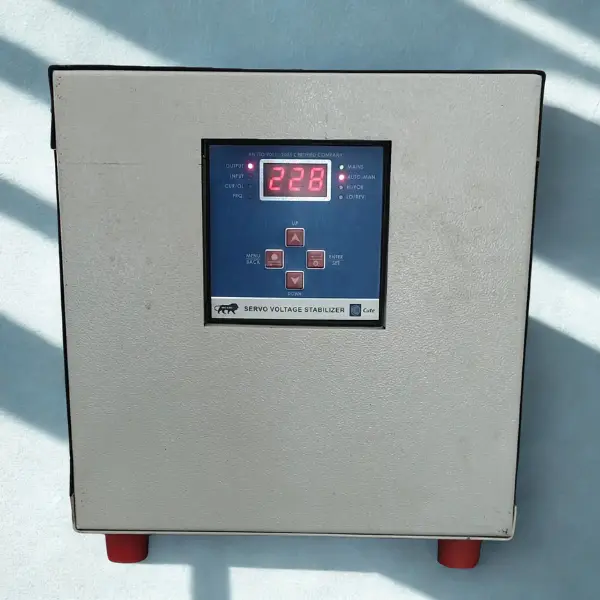
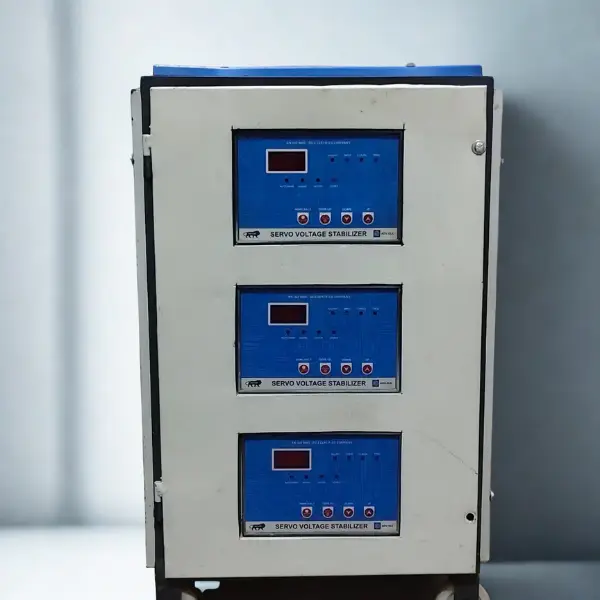
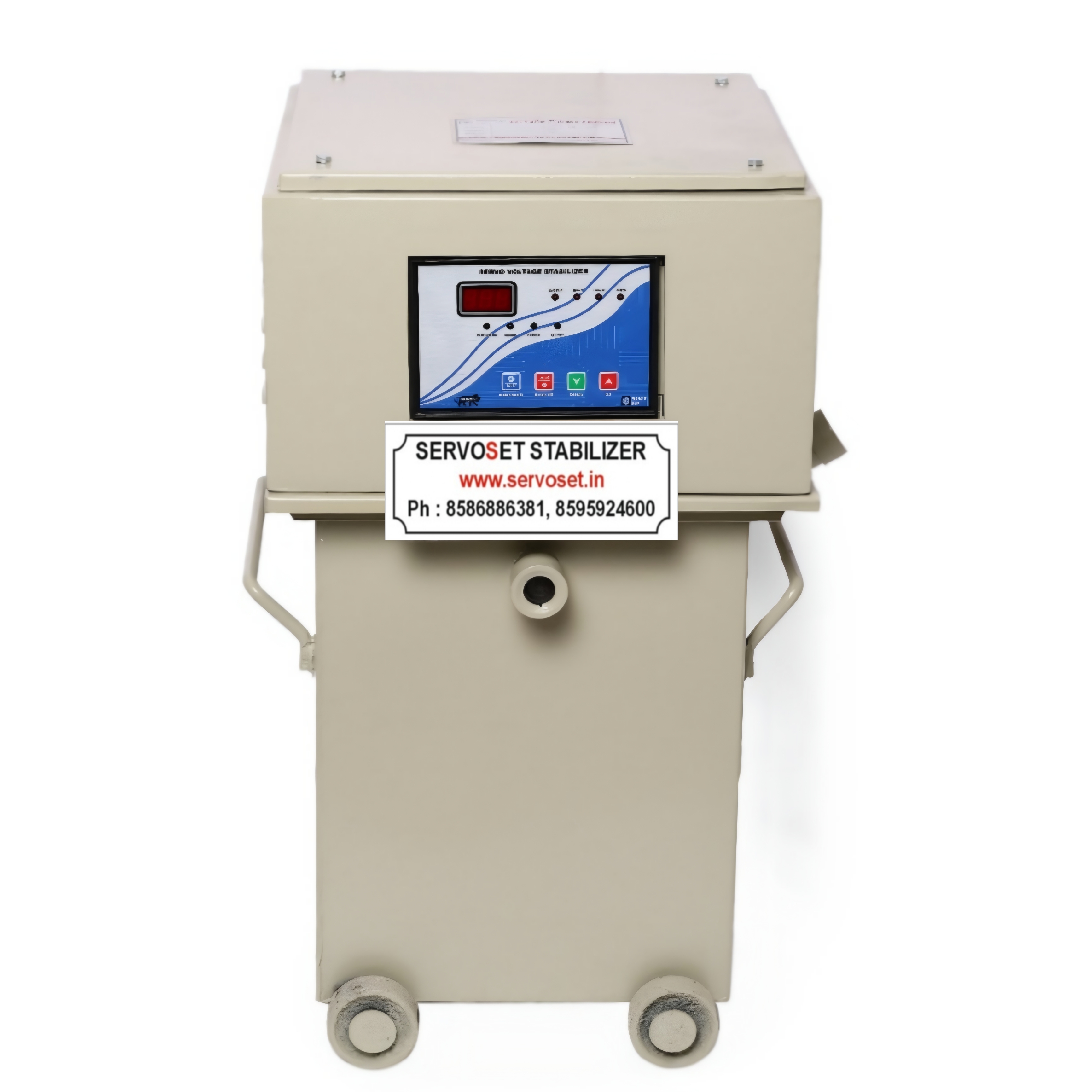
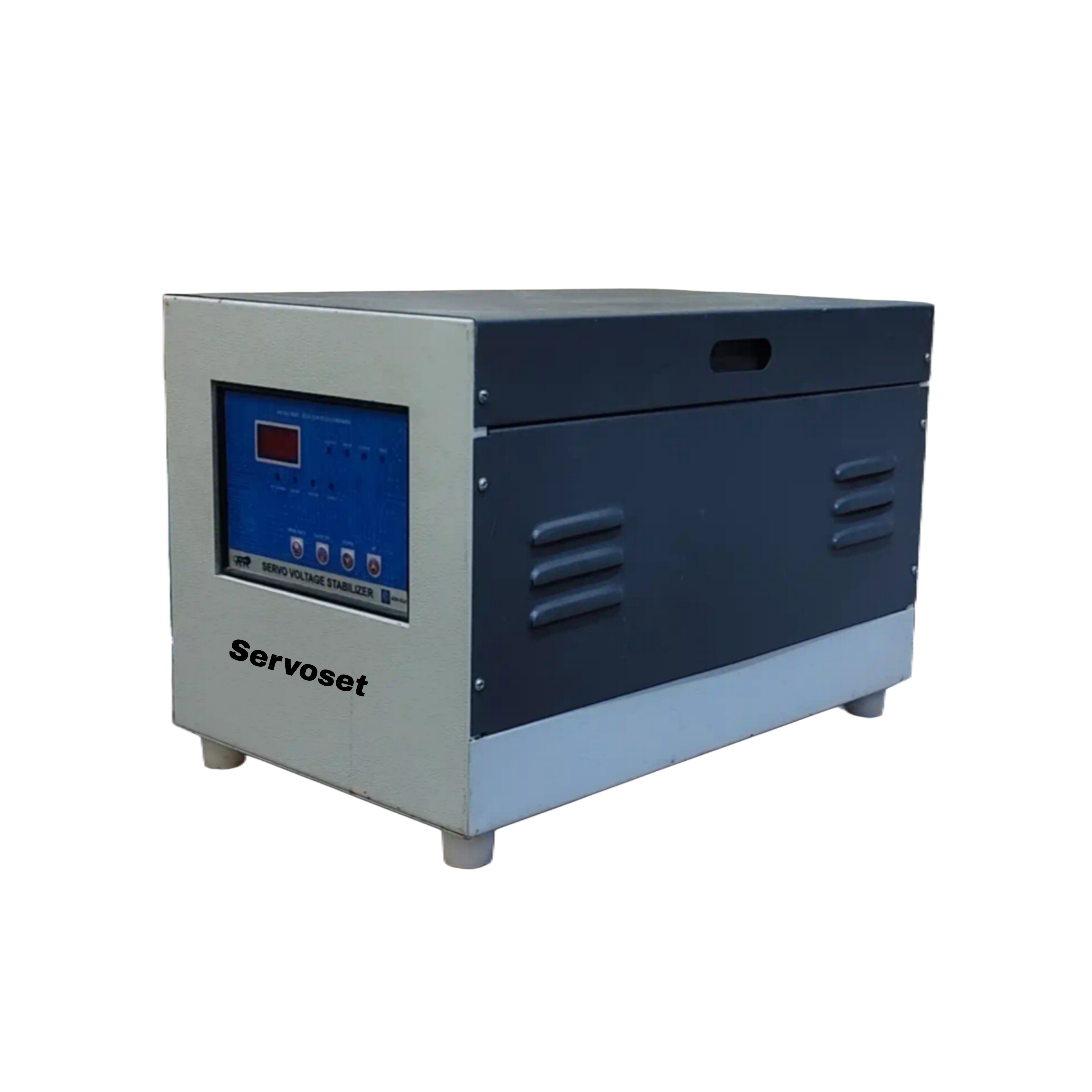
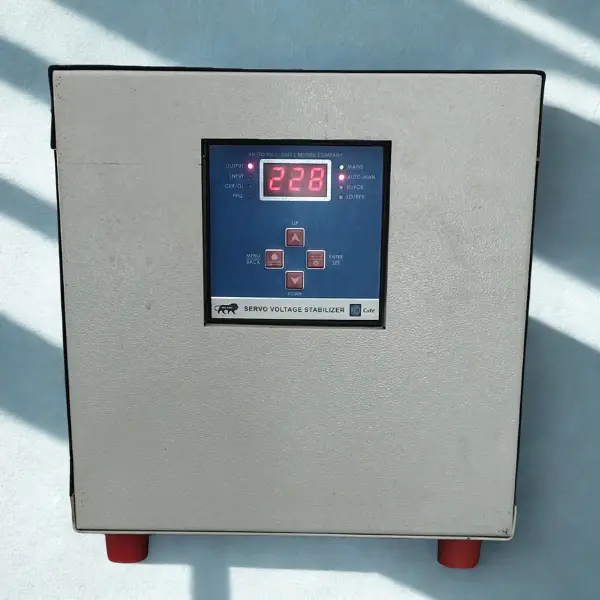
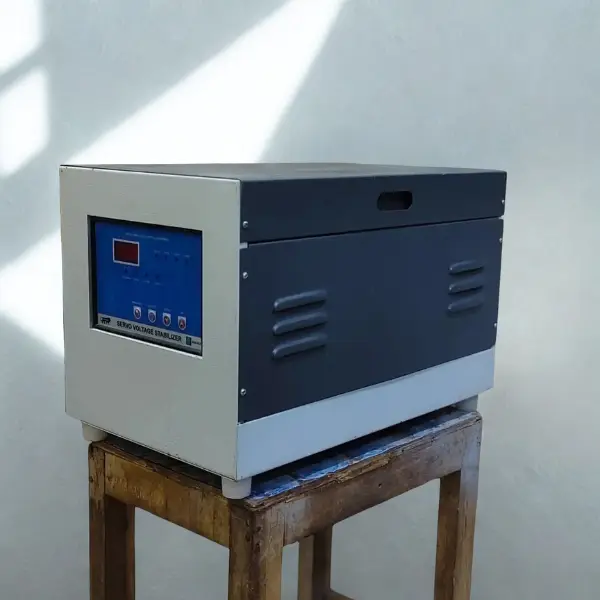
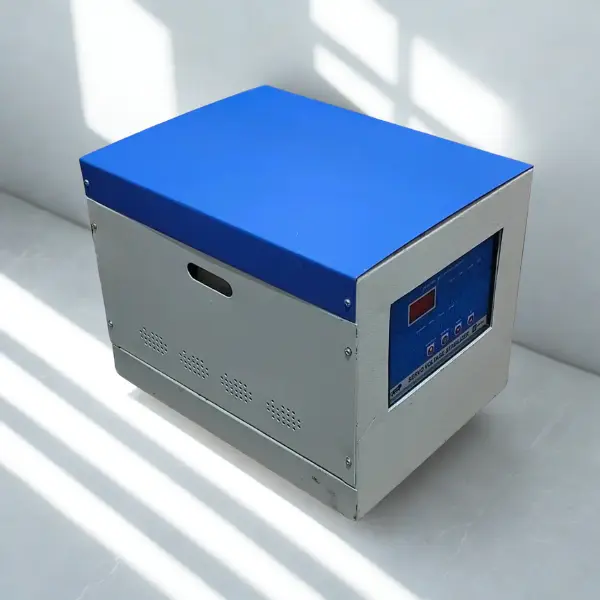
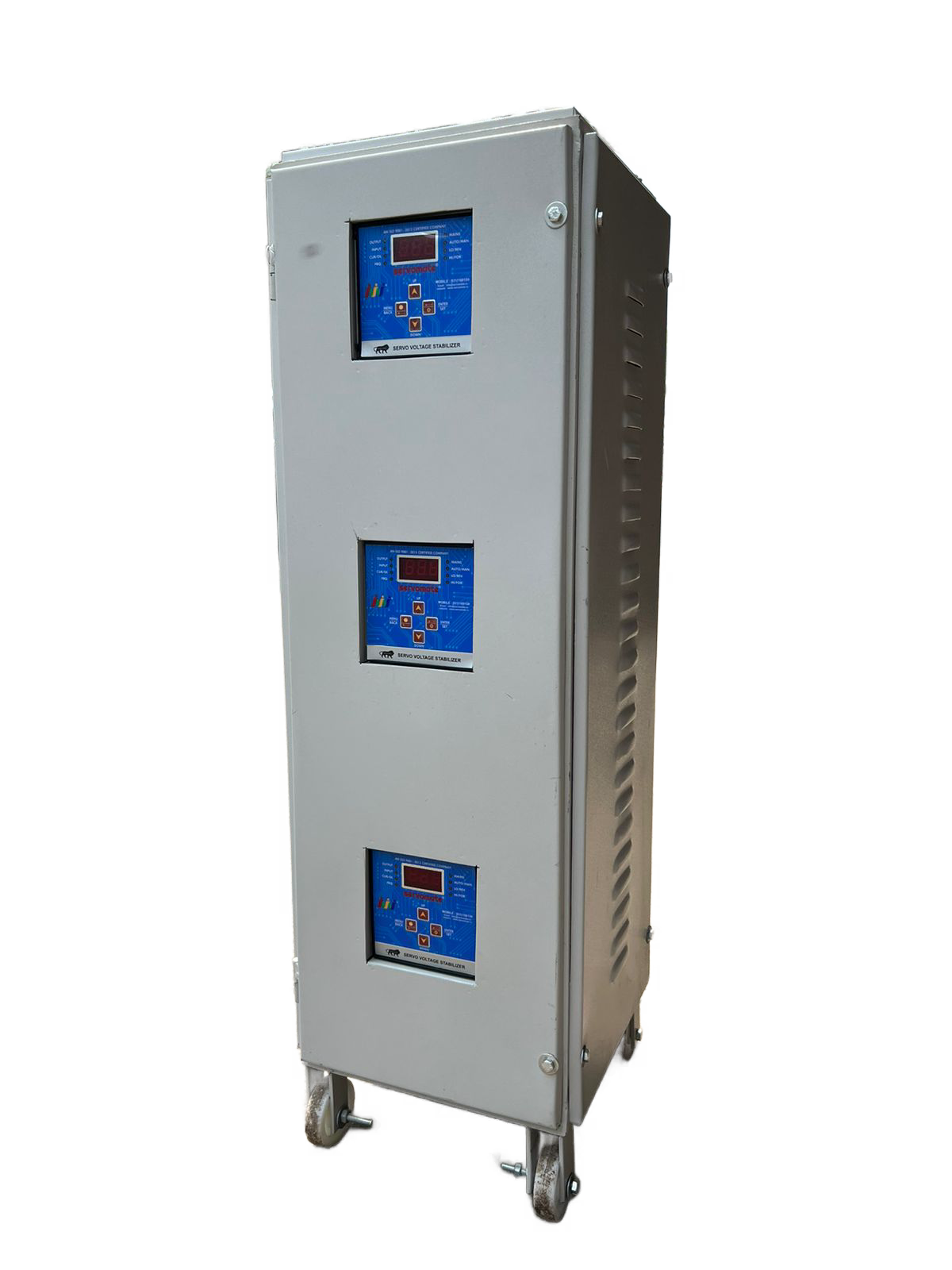
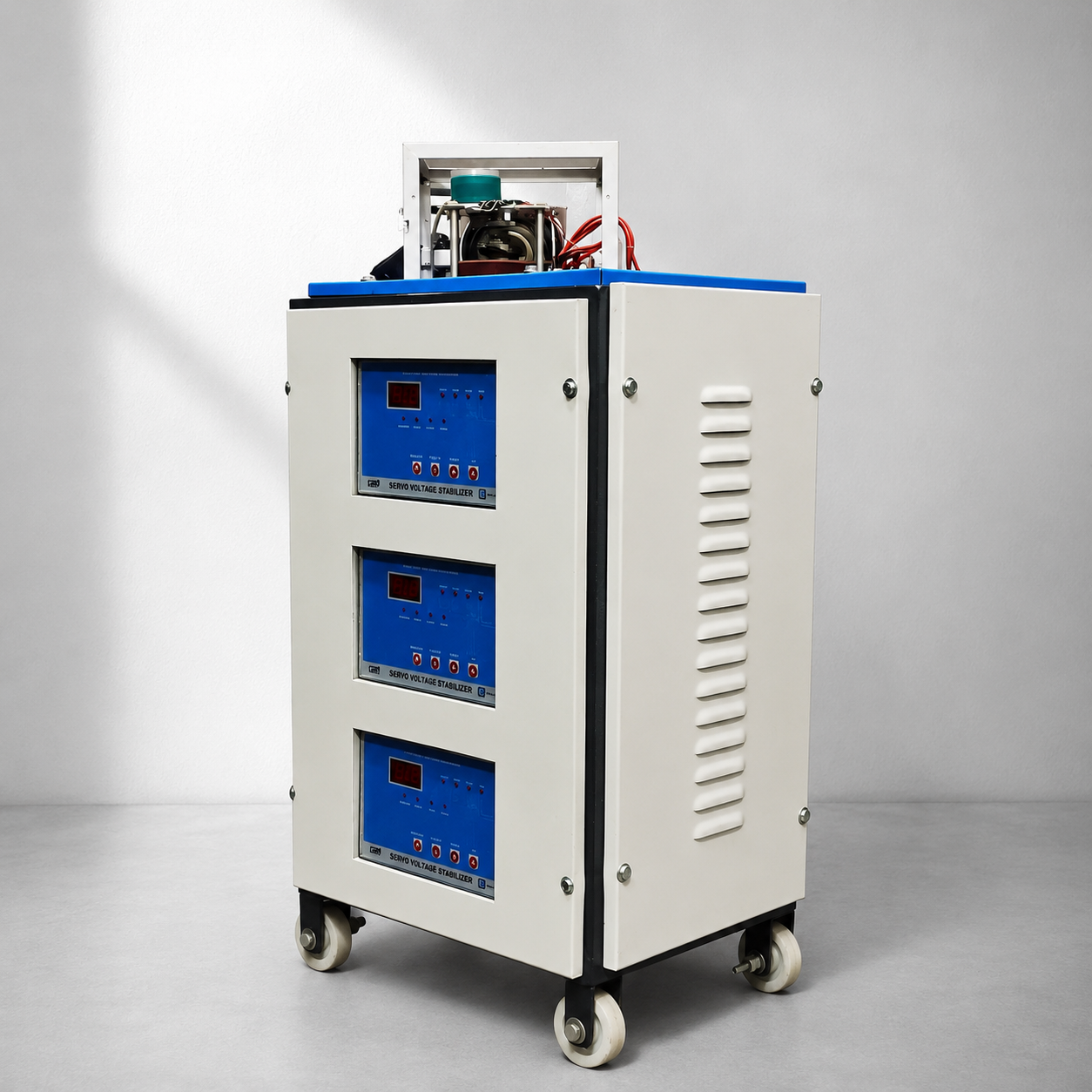
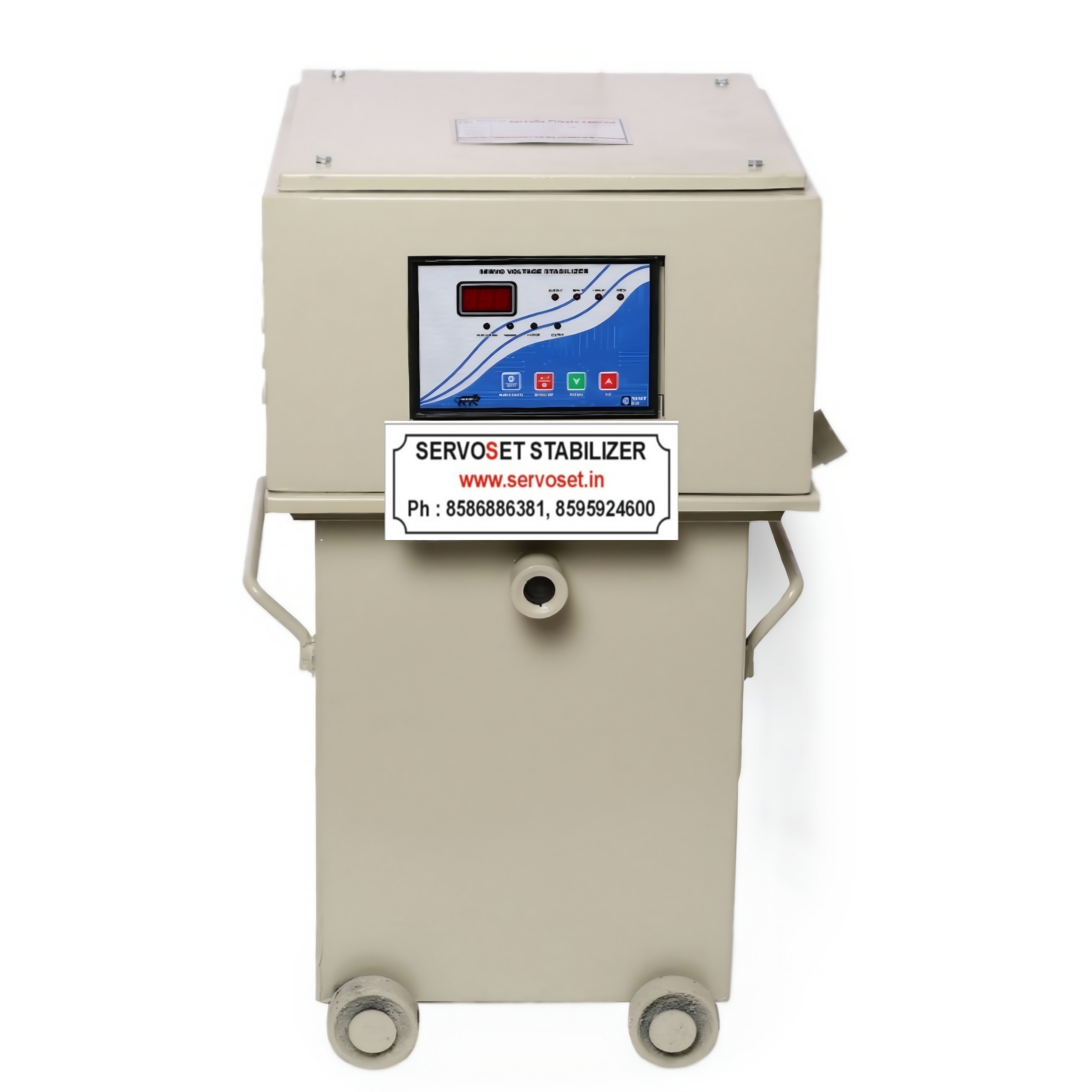
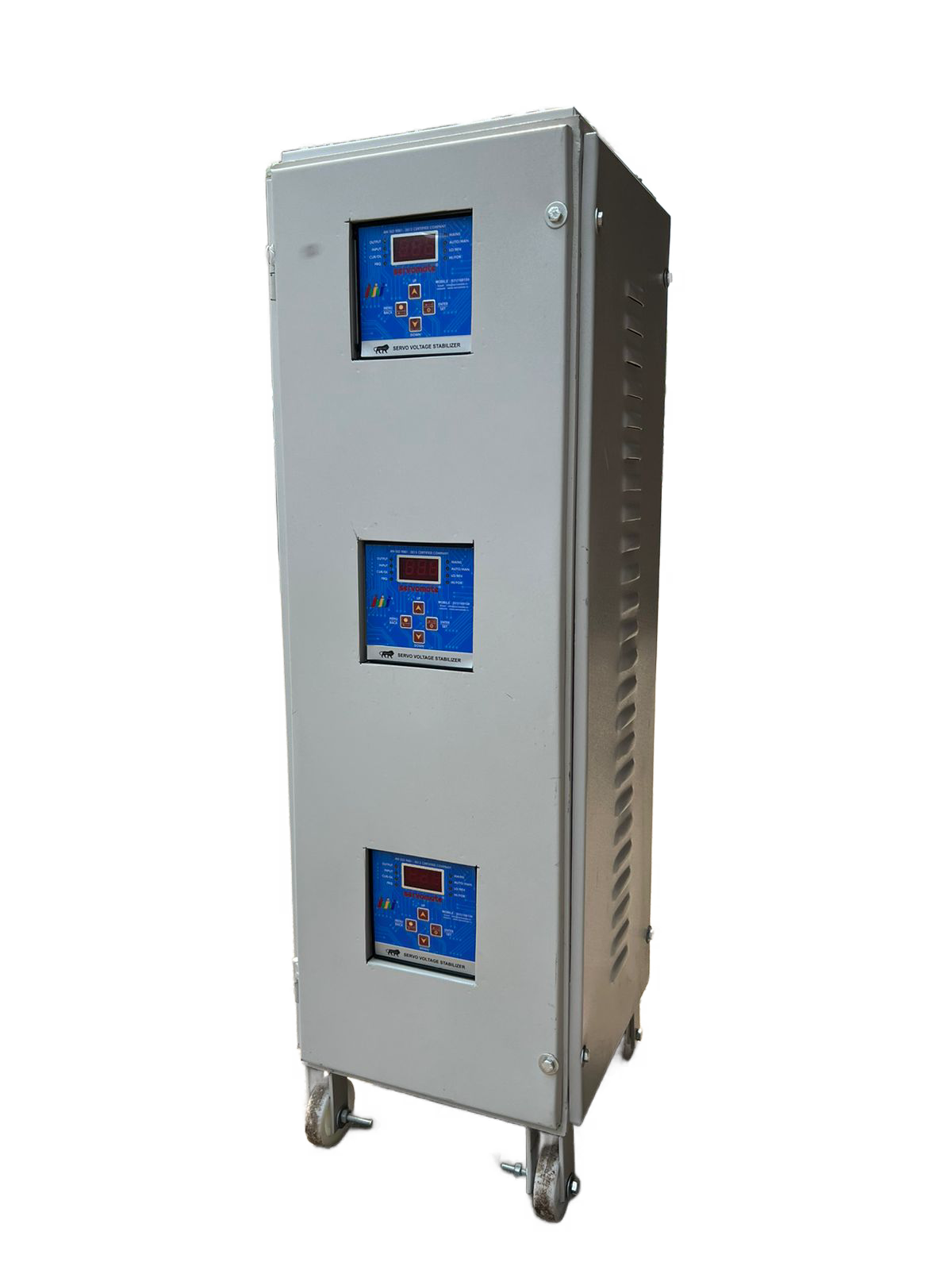
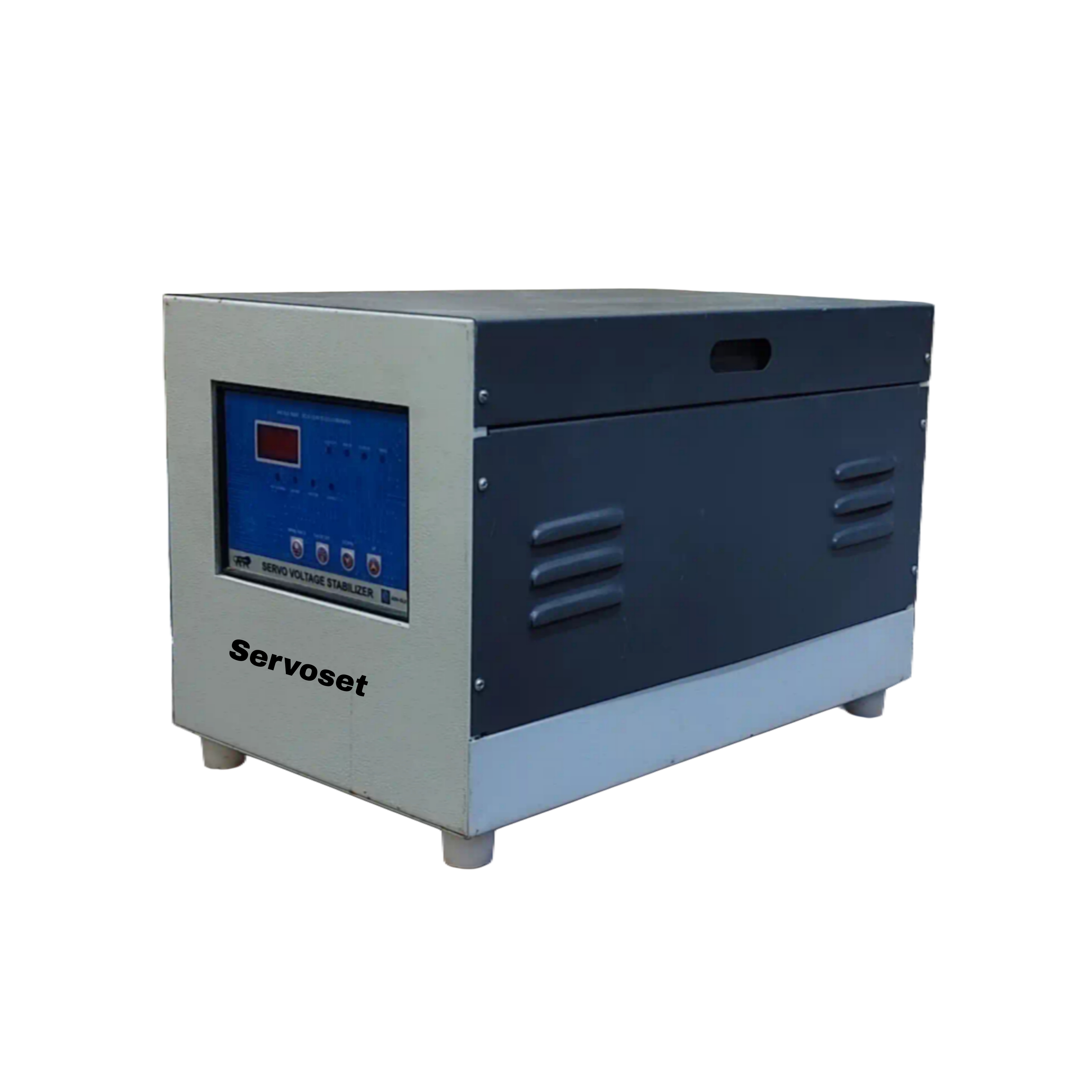
A single phase servo voltage stabilizer is a servo-motor-driven device that continuously corrects incoming voltage fluctuations and delivers a stable output — typically 220V or 230V ±1% — regardless of input swings. Unlike basic relay-type stabilizers that switch between fixed voltage steps, servo stabilizers use a buck-boost transformer controlled by a servo motor, giving smoother and more precise correction.
For single-phase supply (used in most residential, shop, and small commercial connections), this precision matters because sensitive equipment — motors, compressors, medical devices, computers — can be damaged by both overvoltage and undervoltage conditions.
Why Delhi NCR Needs Single Phase Stabilizers
Delhi NCR's single-phase supply quality varies significantly by area and season:
- Summer peak load: AC and cooling equipment usage pushes local transformers to capacity, causing voltage drops of 15-20% below rated supply in several pockets.
- Older infrastructure zones: Parts of Delhi, and outer sectors of Noida and Faridabad, still run on aging distribution networks with higher fluctuation ranges.
- Industrial-residential mix: Areas with mixed-use load (small manufacturing units next to residential blocks) see sharper voltage sags during shift-start hours.
- Monsoon-related dips: Waterlogging-related outages and grid switching during monsoon months cause frequent voltage transients.
A correctly sized single phase servo stabilizer absorbs these swings before they reach connected equipment, extending the working life of motors, compressors, and electronics.
Key Specifications to Check Before Buying
Before finalizing a single phase servo stabilizer, verify these specifications against your actual load:
- Input voltage range: Look for a wide range (e.g., 90V-285V) if your area has severe fluctuations, rather than a narrow-range budget unit.
- Output regulation: ±1% is the industry standard for servo stabilizers; anything wider defeats the purpose for sensitive loads.
- KVA rating: Must be sized to your connected load with headroom (typically 25-30% above running load) to handle motor starting current.
- Correction speed: Servo motor response time — faster correction protects equipment better during sudden transients.
- Protection features: Overload cut-off, high-low voltage cut-off, single-phase preventor (relevant mainly for three-phase but check equivalent protections), and time-delay start.
- Build quality: In-house wound transformer cores generally outperform assembled units using third-party cores on long-term reliability.
Air Cooled vs Oil Cooled: Which One Fits Your Use Case?
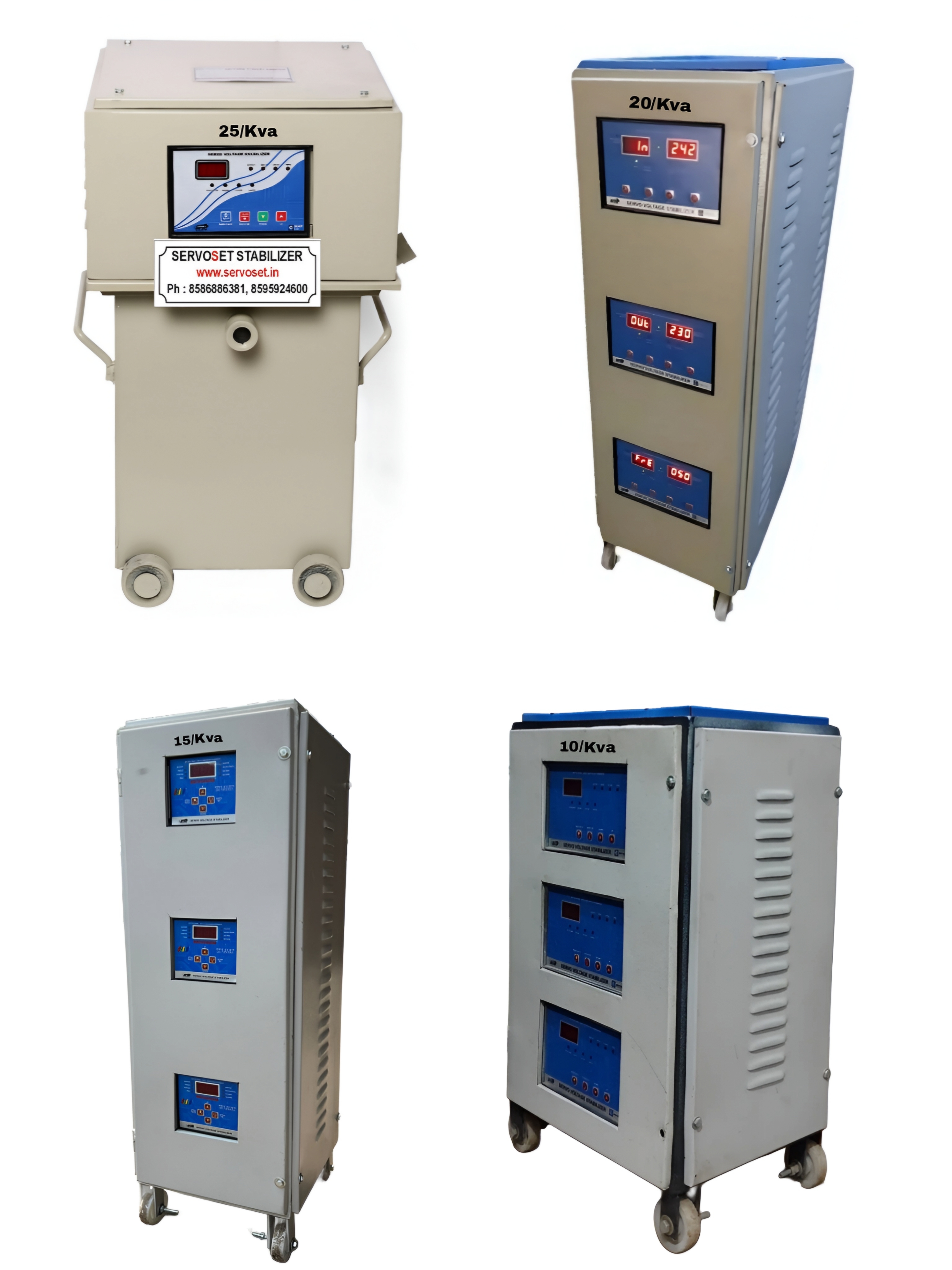
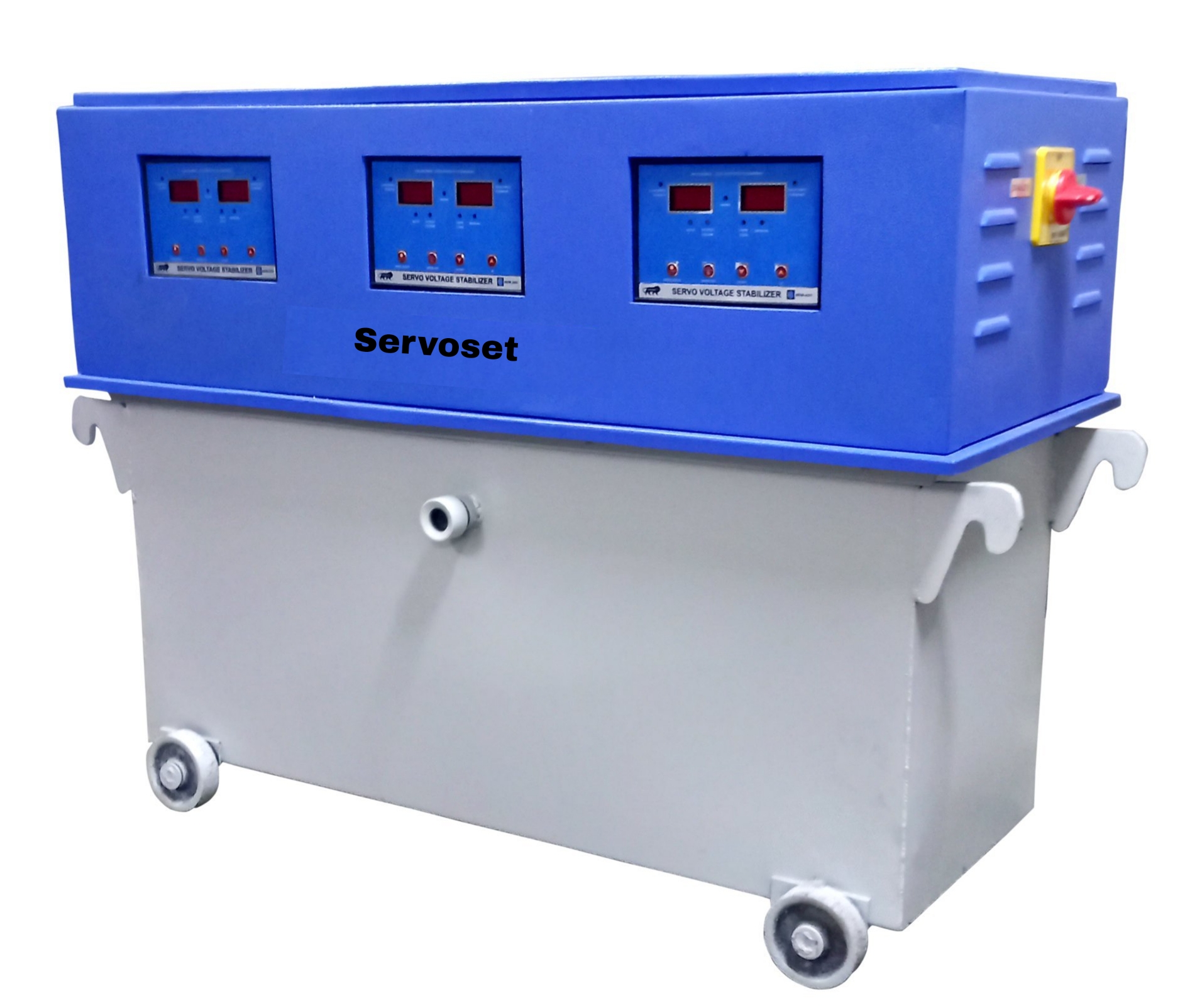
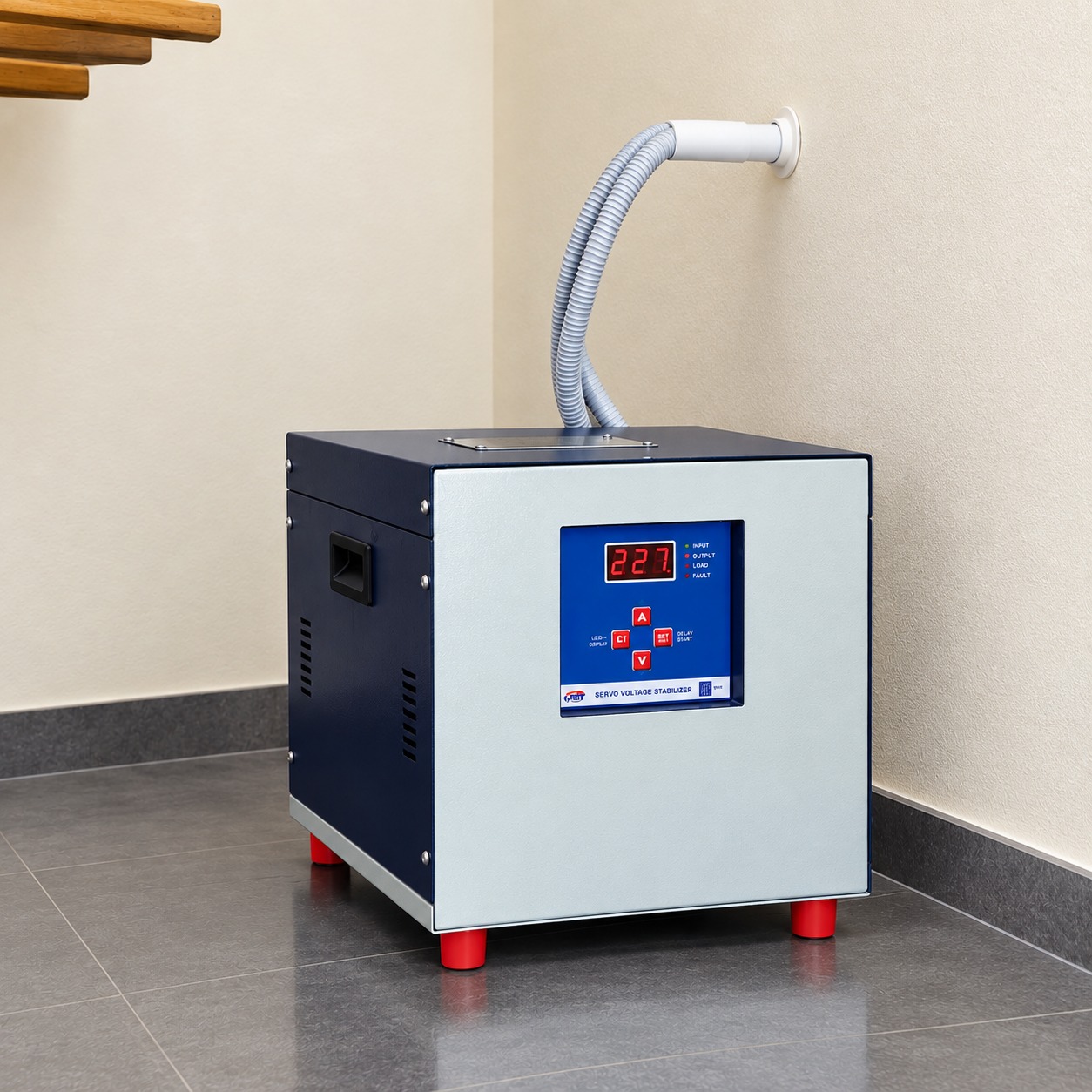
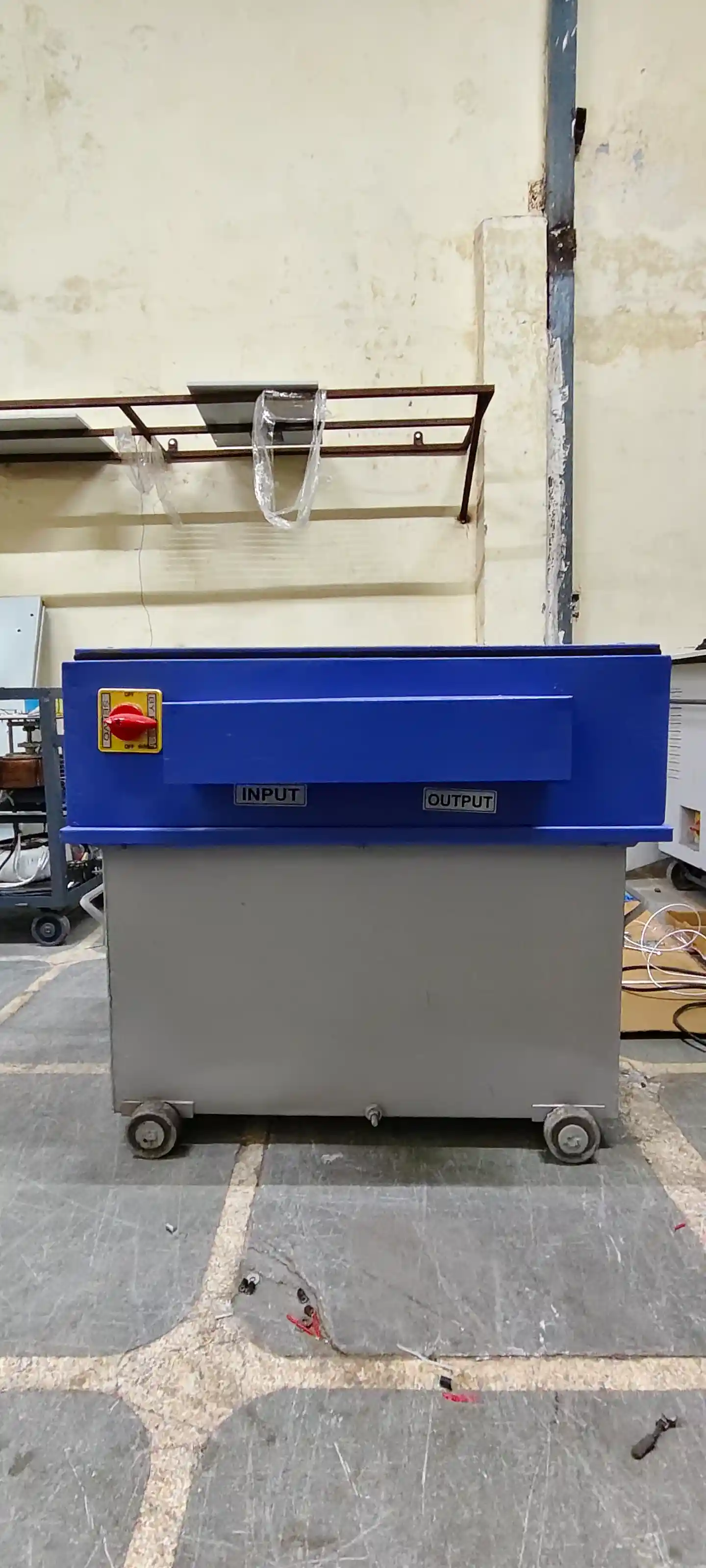
For single-phase applications, air cooled servo stabilizers are the standard choice for most residential, shop, clinic, and light commercial installations — they're compact, low-maintenance, and sufficient for loads typically up to 15-20 KVA.
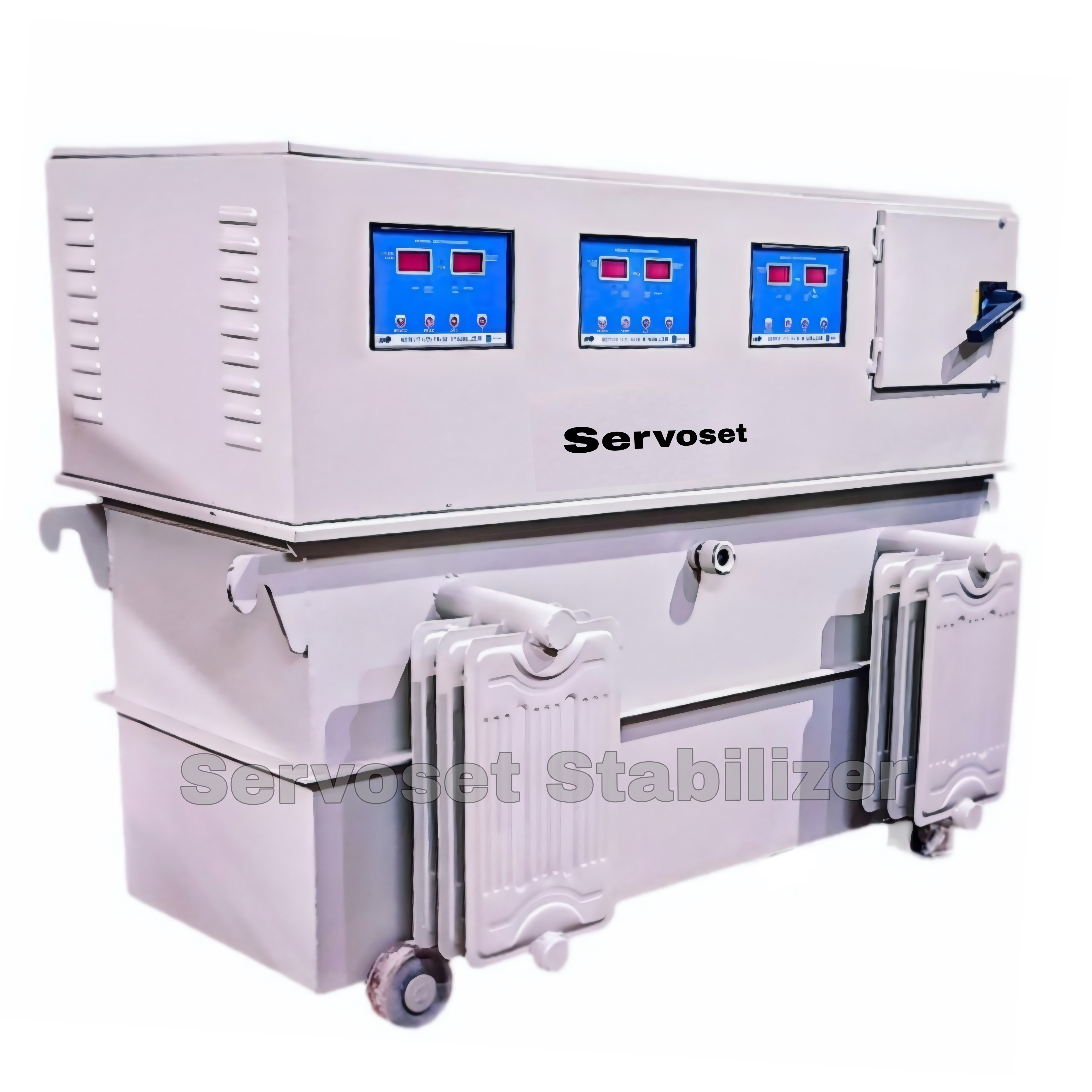
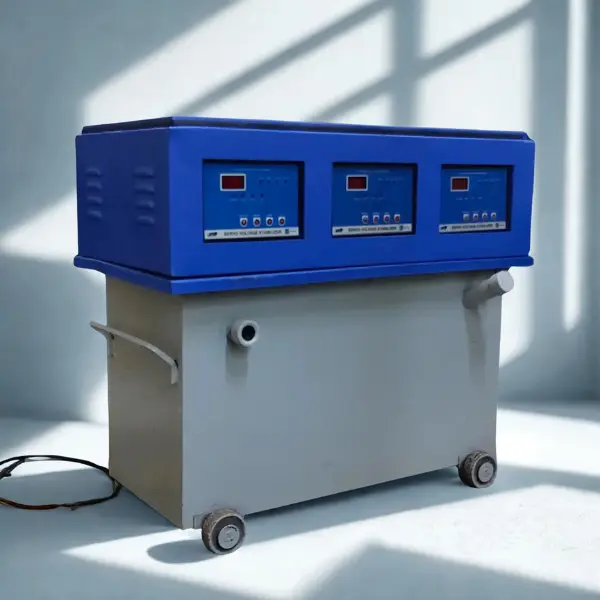
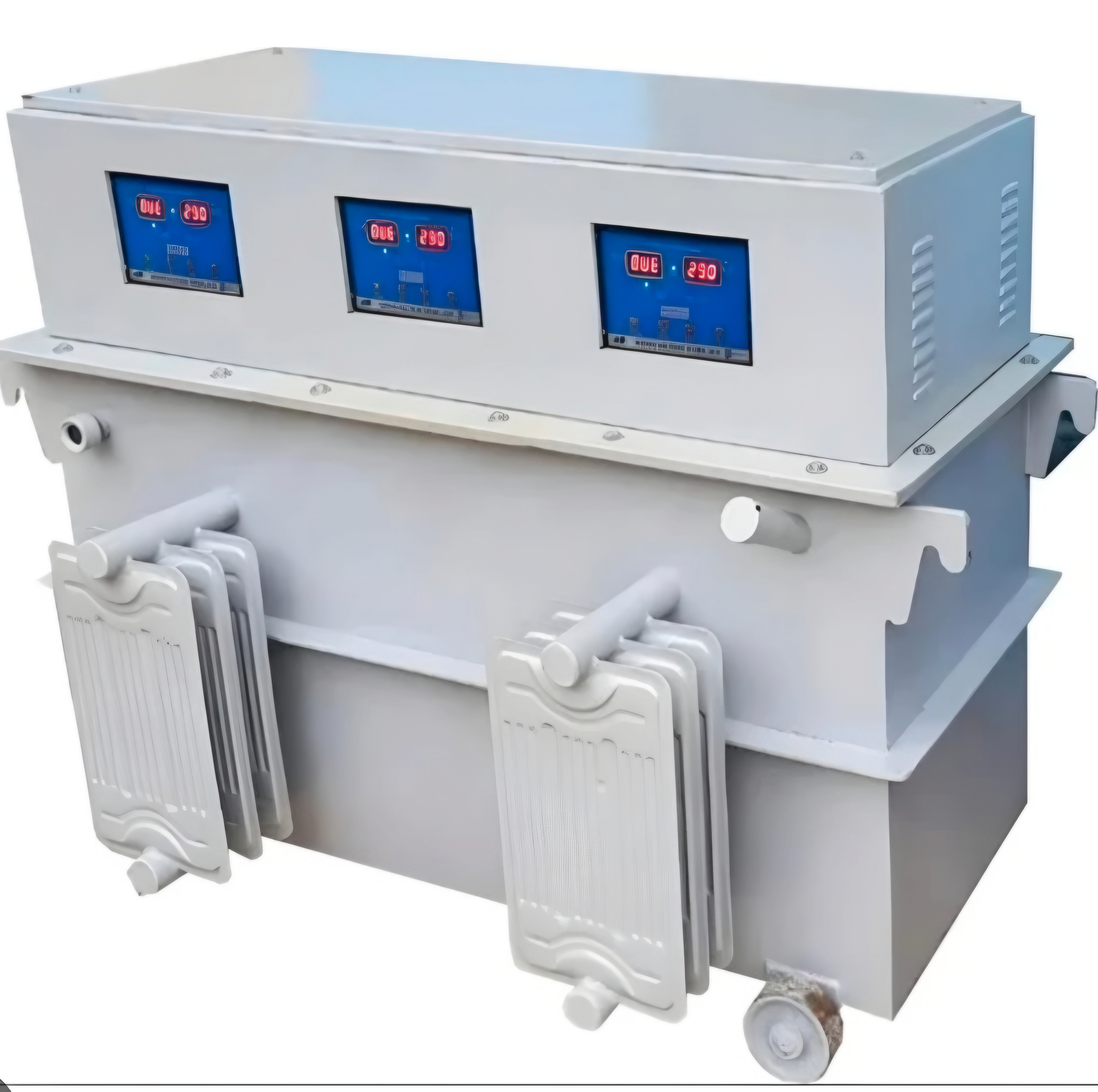
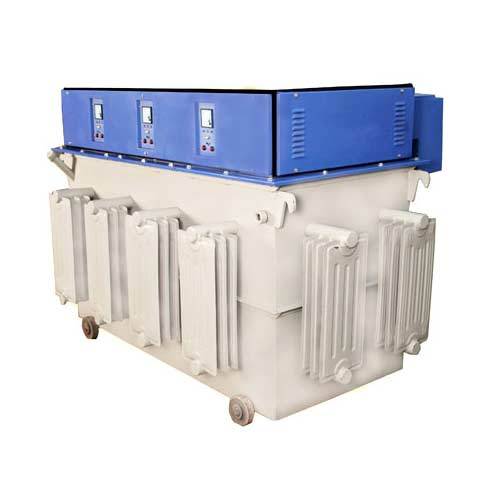
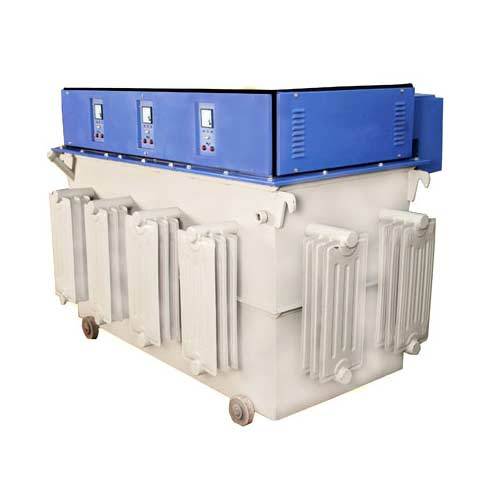
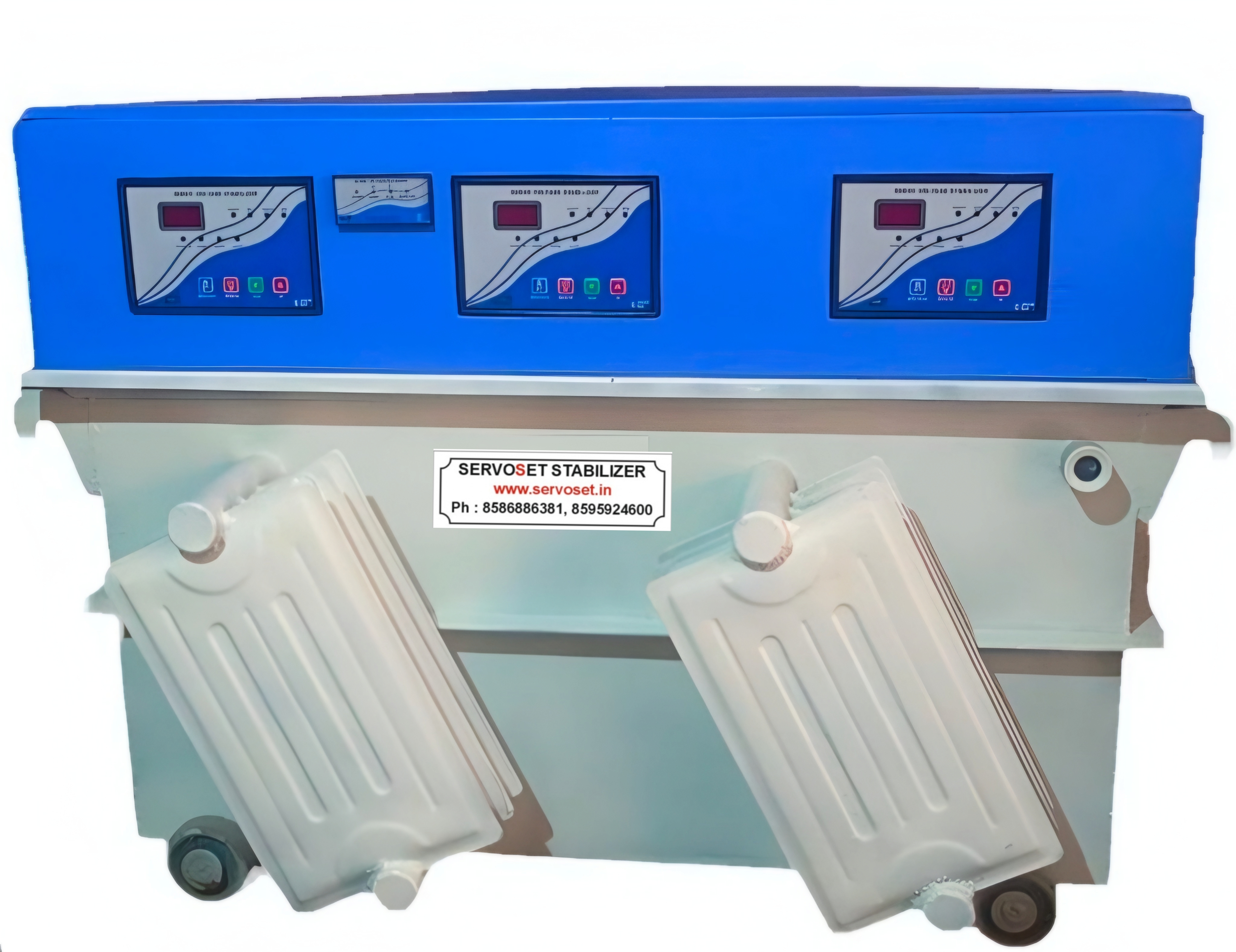
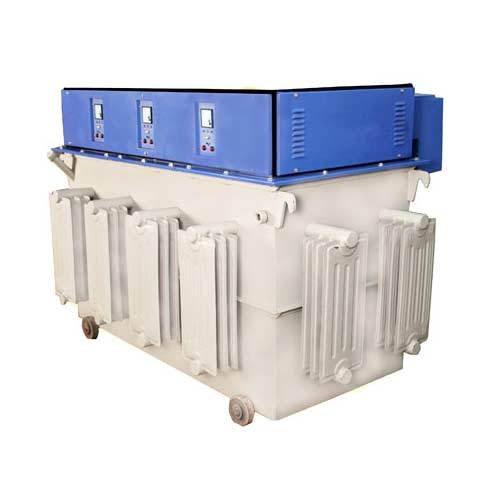
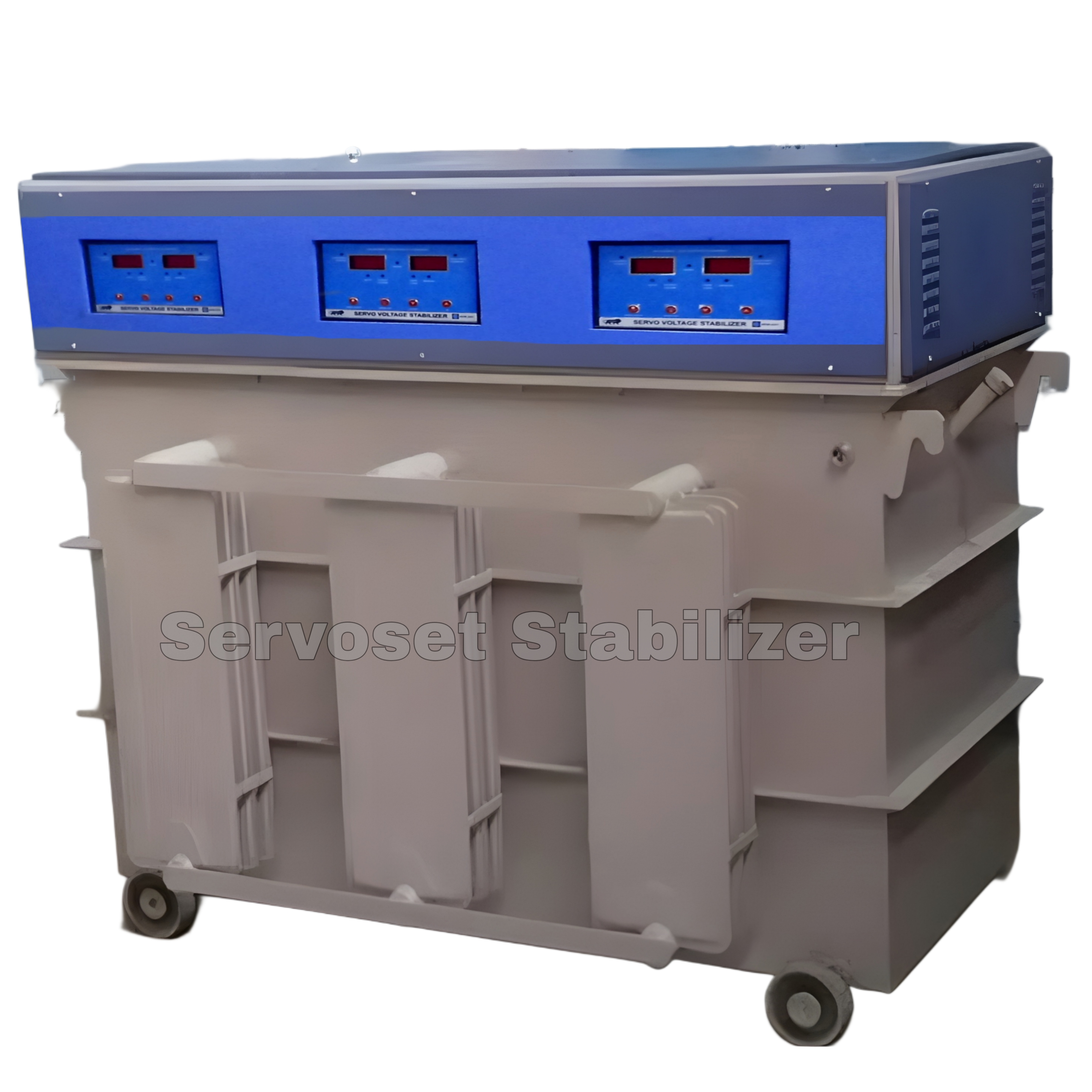
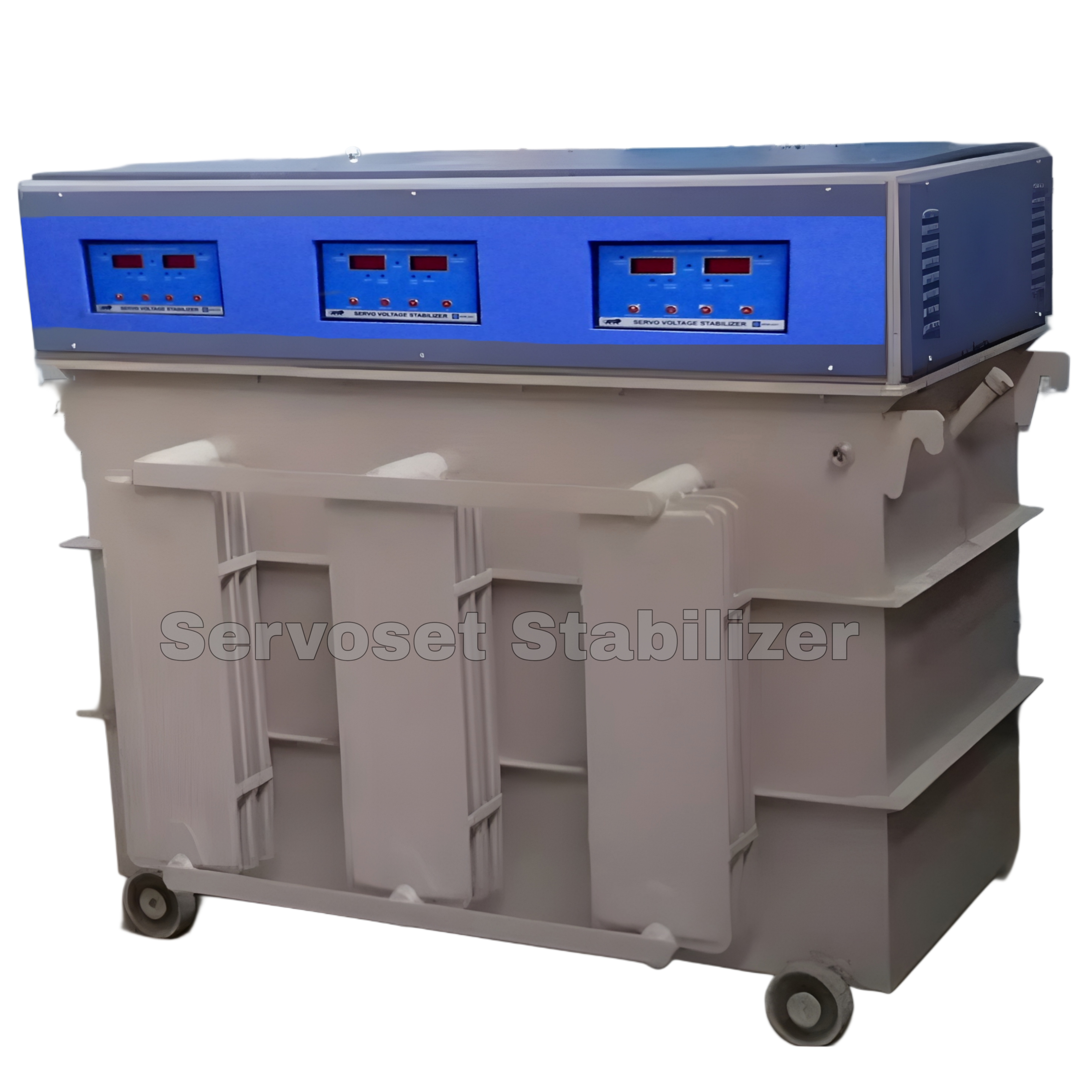
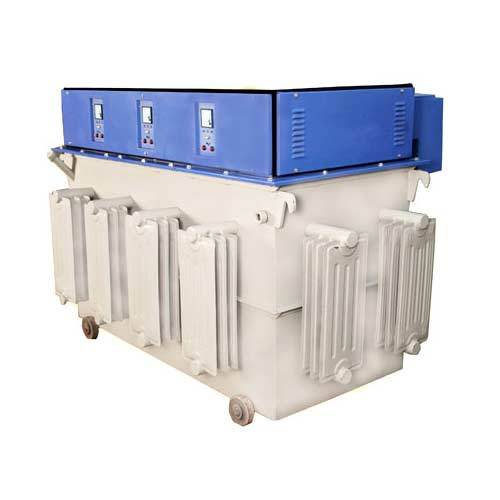
Oil cooled single-phase units are generally reserved for continuous heavy-duty operation or higher KVA ratings where sustained thermal load needs better dissipation — less common in single-phase residential/commercial setups but relevant for specific industrial single-phase machinery.
For most Delhi NCR single-phase use cases — homes, shops, clinics, small workshops — an air cooled unit in the right KVA range is the practical choice.
Common Applications Across Delhi NCR
Single phase servo stabilizers are widely used in:
- Residential apartments and independent houses (AC, refrigerator, home electronics protection)
- Retail shops and showrooms (lighting, billing systems, display equipment)
- Clinics and diagnostic centers (single-phase medical equipment)
- Lifts and elevators in low-rise buildings
- Small workshops and CNC-adjacent single-phase machines
- Printing and packaging units running single-phase motors
- Educational institutions (labs, computer rooms)
Why Choose Servoset for Single Phase Stabilizers?
Servoset manufactures single phase servo voltage stabilizers with a wide input range (90V-285V), ±1% output regulation, and both air and oil cooled configurations depending on load requirement. Key reasons Delhi NCR customers choose Servoset:
- Custom KVA configurations built to actual load requirements rather than one-size-fits-all units
- Protection features (overload cut-off, high-low voltage cut-off) built into standard models
- Direct manufacturer support — no distributor layer for warranty or service queries
- Applications proven across residential, commercial, and light industrial single-phase loads
View Servoset's single phase servo stabilizer range or get a customized quote based on your load.
Frequently Asked Questions
What KVA single phase servo stabilizer do I need for a home?
Most homes need 3-5 KVA. Larger homes with multiple ACs may need 5-10 KVA — size based on total load plus headroom.
What is the price range for single phase servo stabilizers in Delhi NCR?
Pricing scales with KVA rating, input range, and build quality. Contact Servoset for current rates on specific ratings.
Is a single phase servo stabilizer better than a relay-type stabilizer?
Yes. Servo stabilizers correct voltage smoothly and continuously, while relay-type units switch between fixed steps that can still stress equipment.
Can a single phase servo stabilizer protect against both high and low voltage?
Yes. It corrects both overvoltage and undervoltage within its input range.
Does Servoset provide installation and after-sales service in Delhi NCR?
Yes, Servoset is based in Noida and supports the full Delhi NCR region including Gurugram and Faridabad.
Conclusion
For Delhi NCR's variable single-phase power supply, a correctly specified servo voltage stabilizer is a practical safeguard rather than an optional upgrade — particularly for equipment-heavy homes, shops, clinics, and light industrial setups. Matching input voltage range, KVA rating, and cooling type to your actual load is the key decision, more important than any single brand claim.