Introduction
Voltage fluctuations are one of the most common reasons behind machine breakdowns in Indian factories, workshops, and commercial buildings. A CNC machine that trips without warning, a compressor that keeps overheating, or a control panel that burns out every few months often points to one hidden problem: unstable input voltage. The machine is usually fine. The power supply feeding it is not.
A servo voltage stabilizer helps solve this problem, but only when you choose the right capacity, type, and supplier. Search for the best servo voltage stabilizer suppliers in India, and you will find dozens of companies claiming to be number one. This guide skips the marketing claims and explains what really matters, helping you evaluate suppliers before placing an order.
Why Voltage Stabilization Matters for Indian Industry
Power supply in many industrial areas is far from stable. Voltage can drop during peak hours, rise when nearby loads switch off, or fluctuate throughout the day. Motors, drives, PLCs, laser machines, printing machines, and electronic control panels are all sensitive to these changes. The damage often does not appear immediately.
Motors may run hotter and wear out sooner, control cards may fail without an obvious reason, production quality may vary between batches, and equipment may draw additional current under low-voltage conditions, increasing electricity consumption.
Over a year or two, these hidden losses can cost significantly more than investing in a good-quality servo voltage stabilizer.
How a Servo Voltage Stabilizer Works
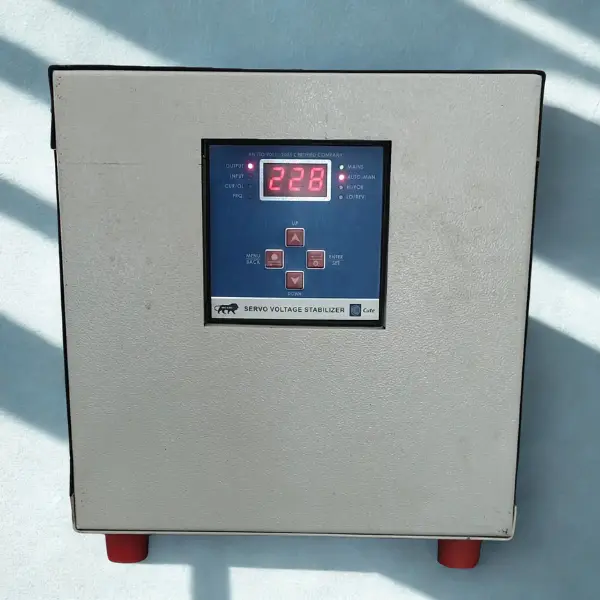
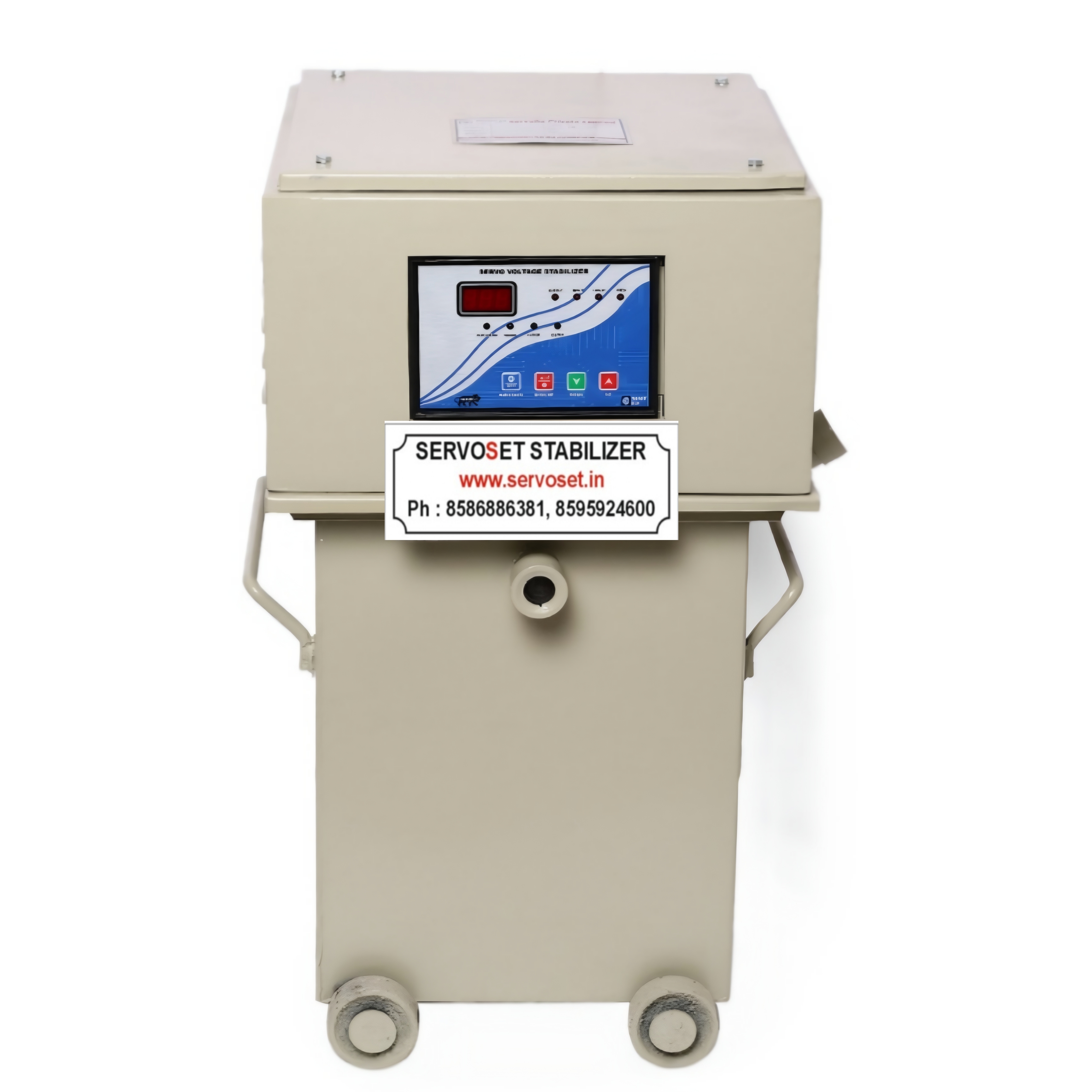
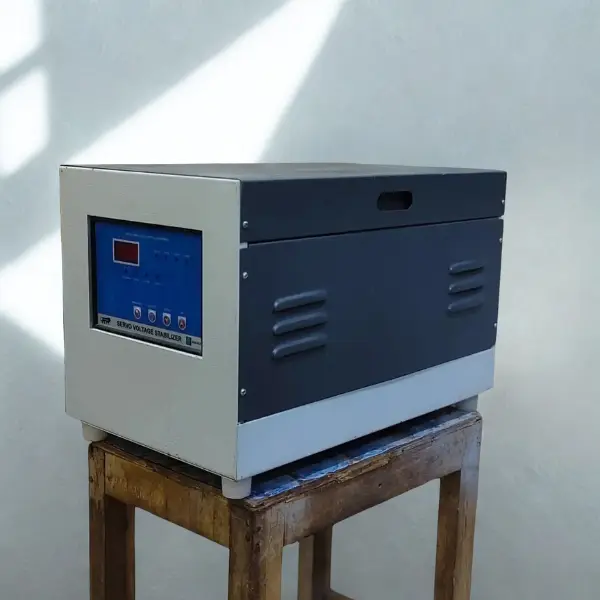
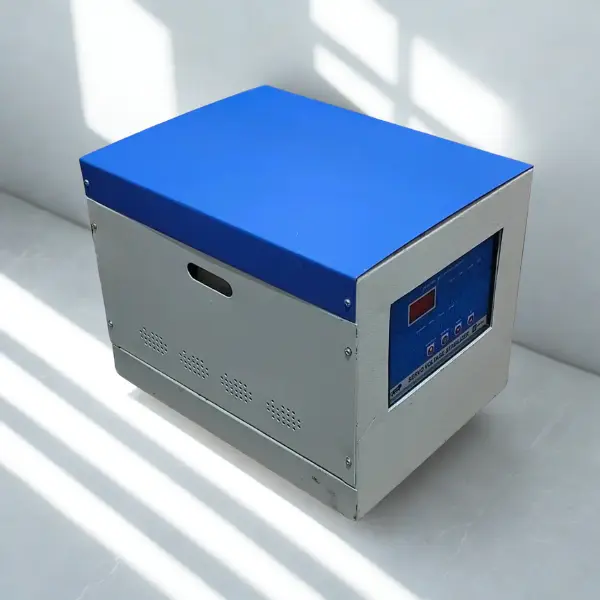
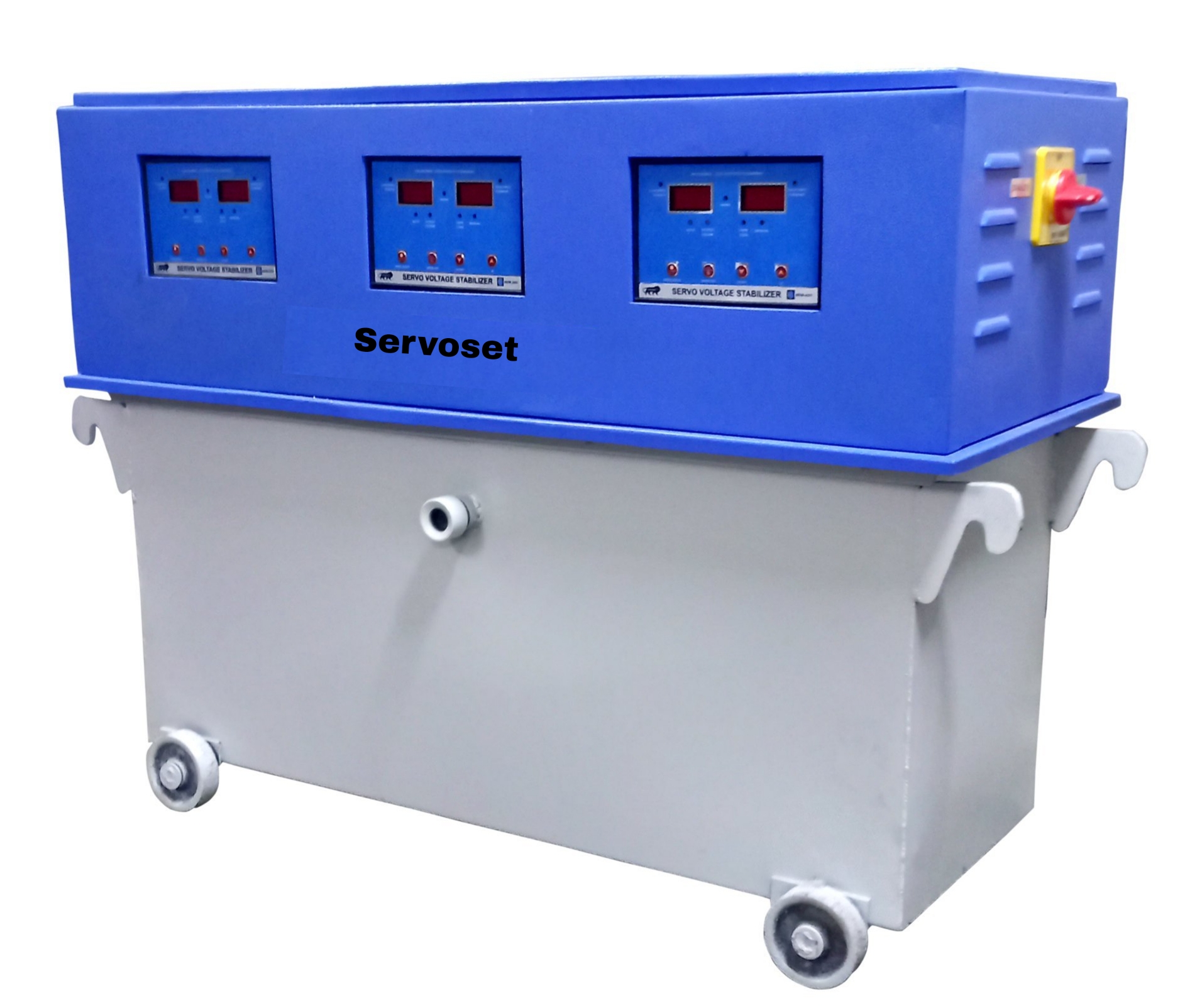
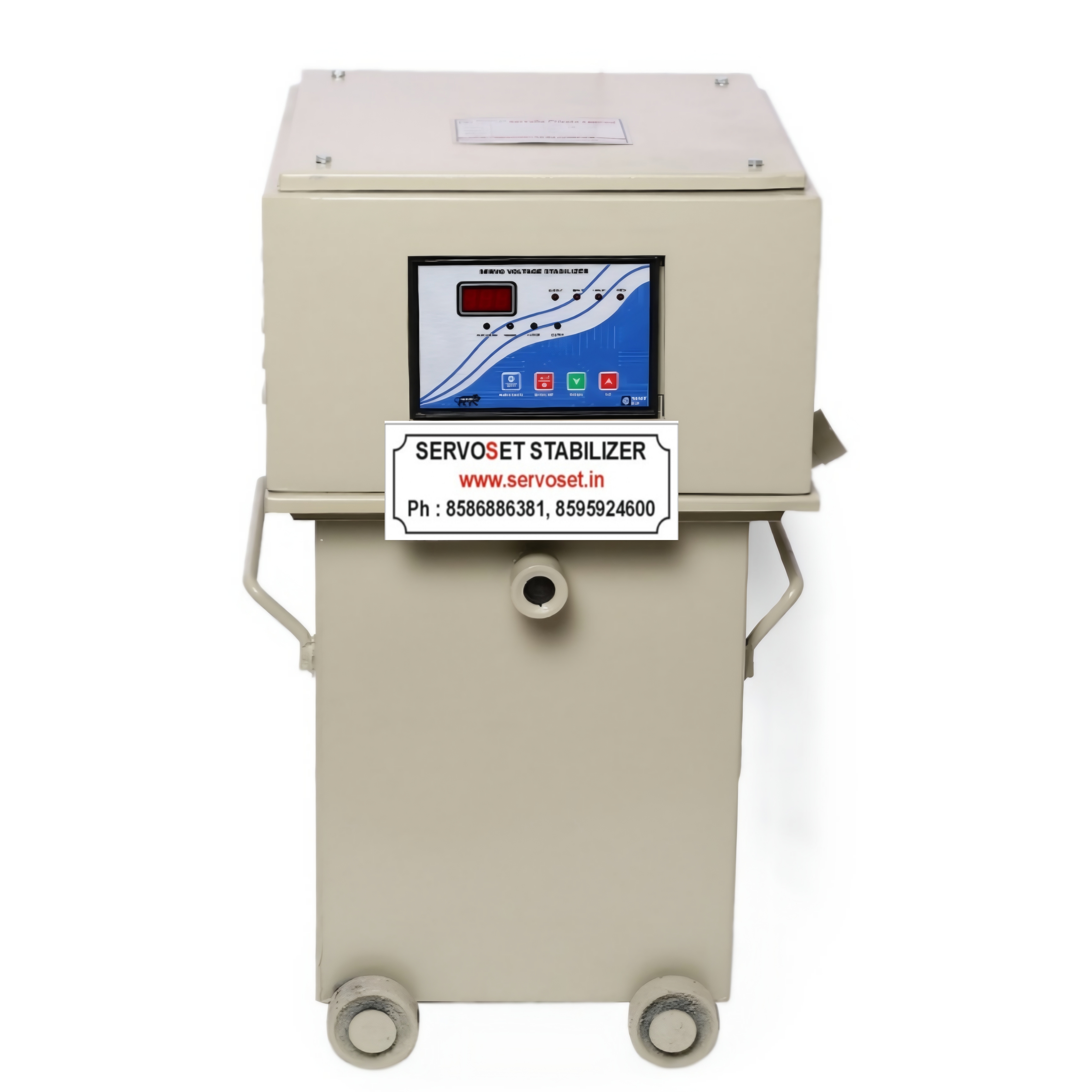
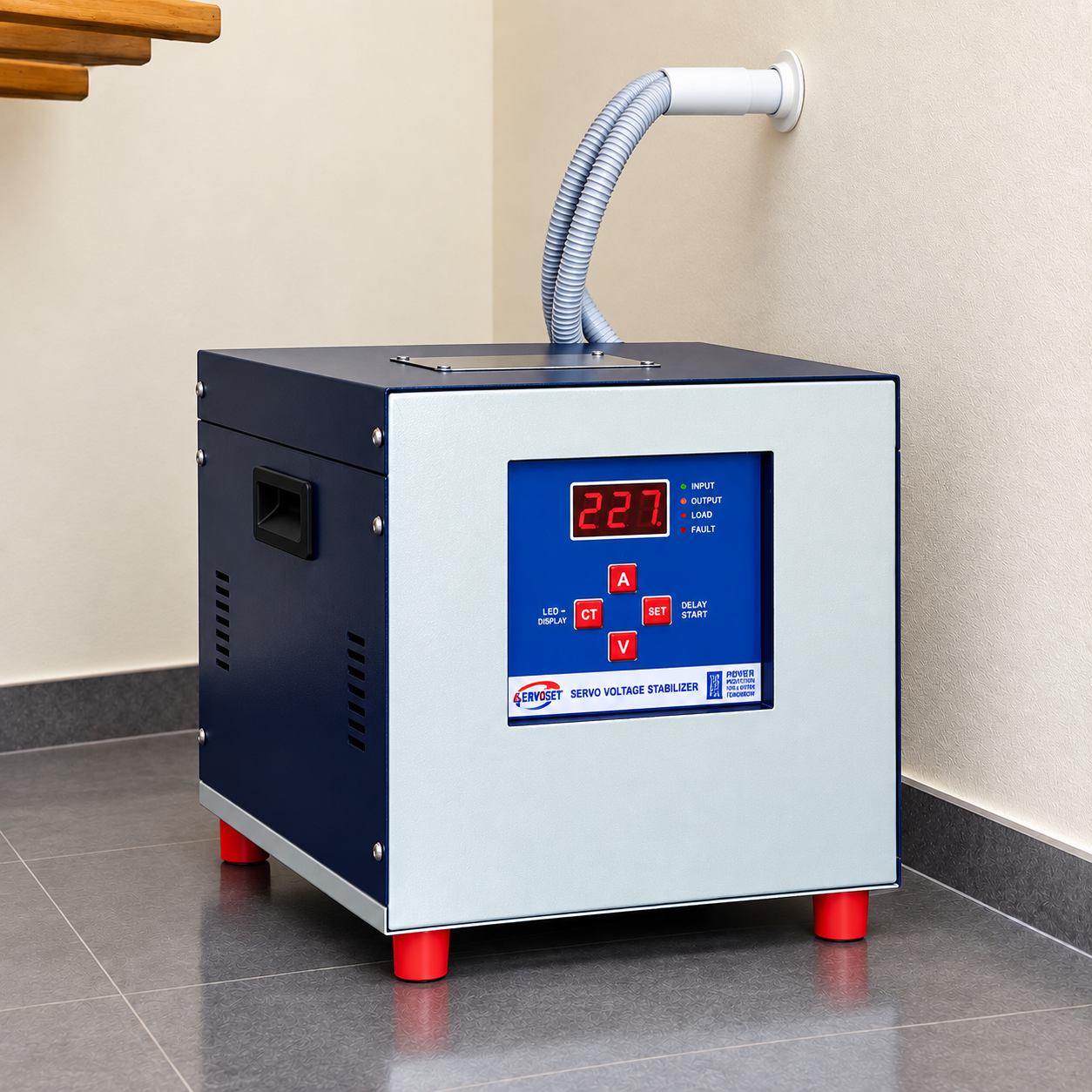
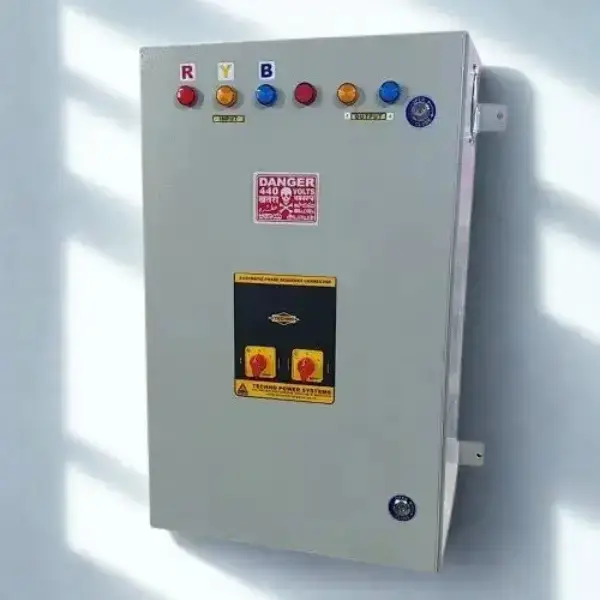
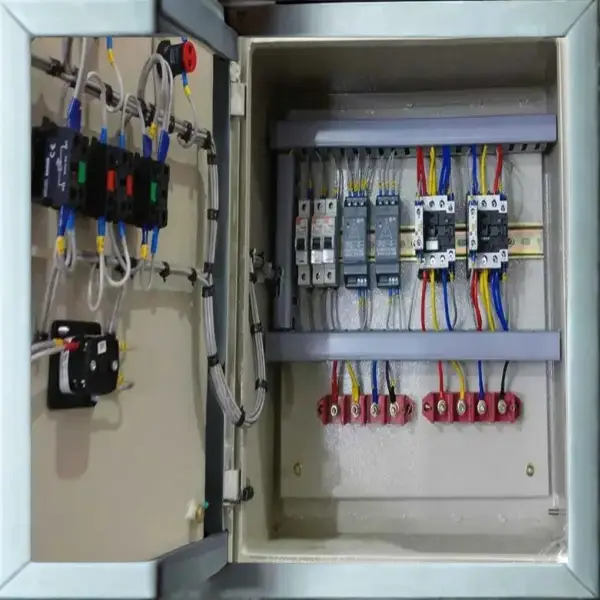
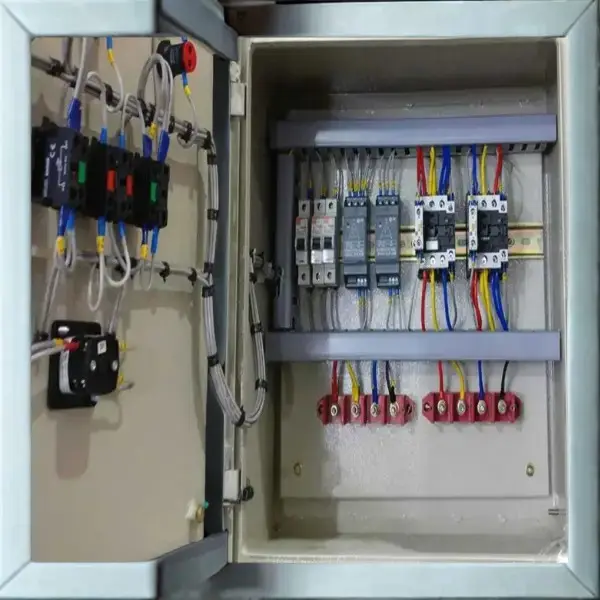
A servo voltage stabilizer maintains a steady output voltage even when the input voltage fluctuates. Inside the unit, a control card continuously monitors the output voltage. When the voltage moves away from the preset value, the control card signals a servo motor, which moves a carbon brush along a variable transformer until the voltage returns to the required level.
- When the input voltage drops, the stabilizer boosts the voltage.
- When the input voltage rises, the stabilizer reduces it.
This correction takes place smoothly rather than in sudden steps. As a result, servo stabilizers are widely used for heavy loads and voltage-sensitive industrial equipment. A well-designed unit can typically maintain output voltage within approximately ±1% of the set value, depending on the model and operating conditions.
This is why many factories rely on servo voltage stabilizers to protect expensive machinery.
Choosing the Right Type for Your Requirement
Not every stabilizer is suitable for every application. Understanding the main types will help you select the right model for your facility.
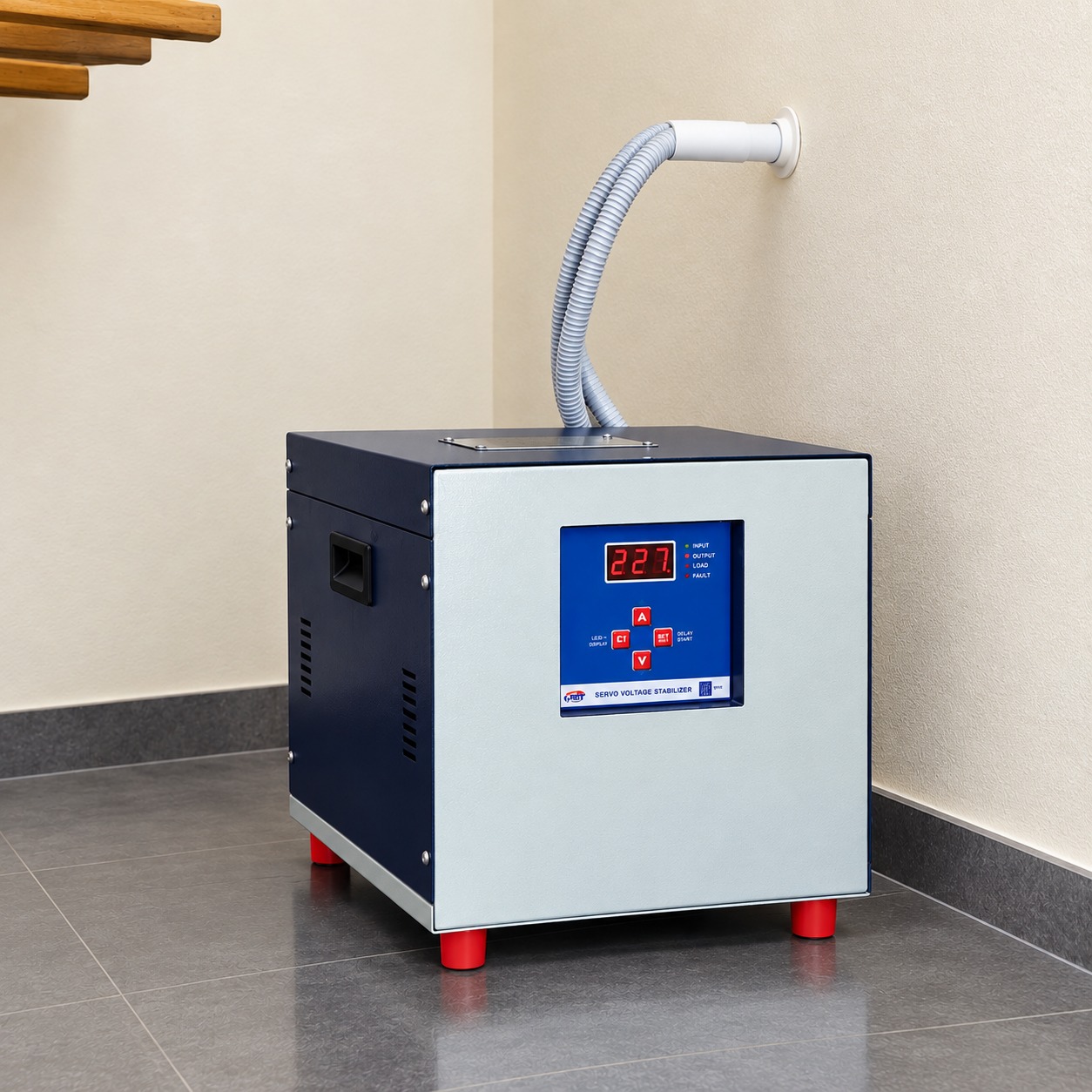
1. Single Phase Servo Voltage Stabilizer
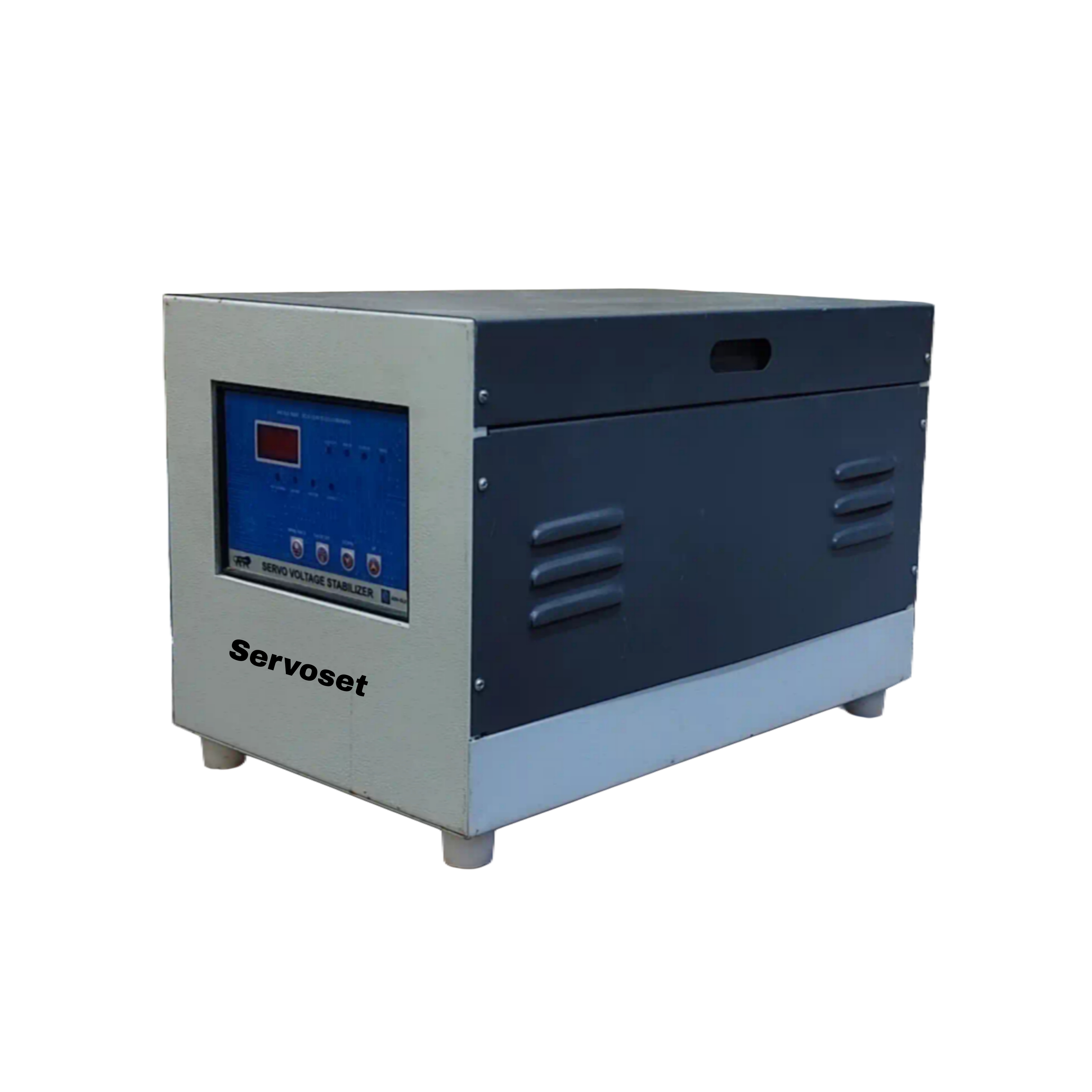
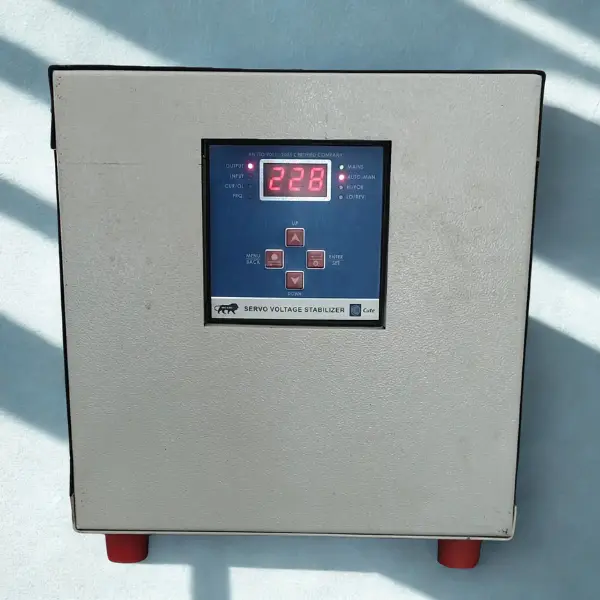
Single-phase stabilizers are suitable for small workshops, offices, and individual machines. They are commonly used where the power supply is single-phase and the connected load is relatively low.
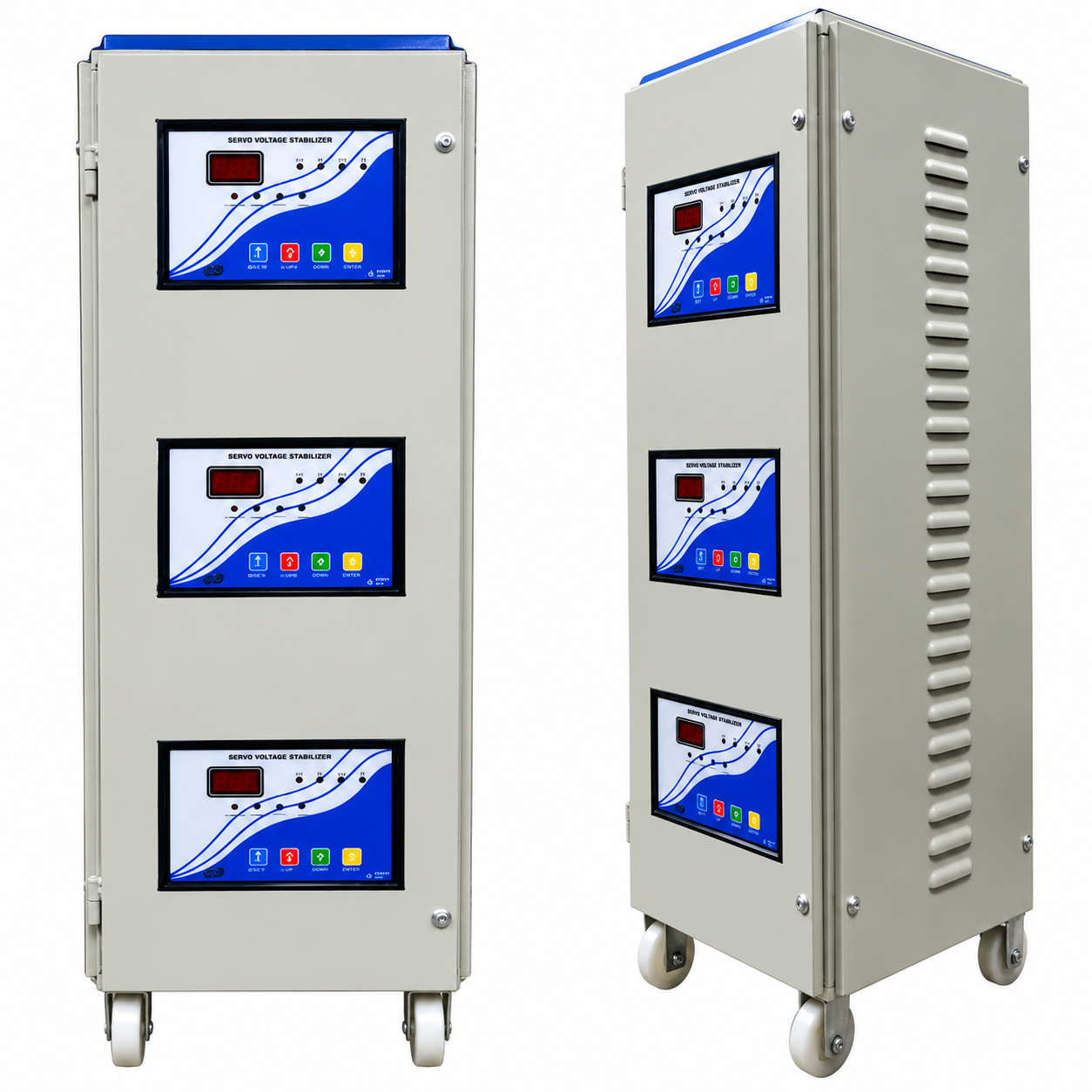
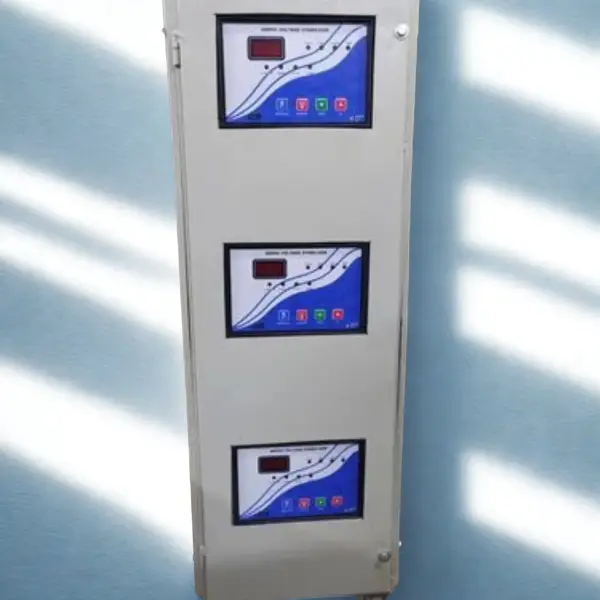
2. Three Phase Servo Voltage Stabilizer
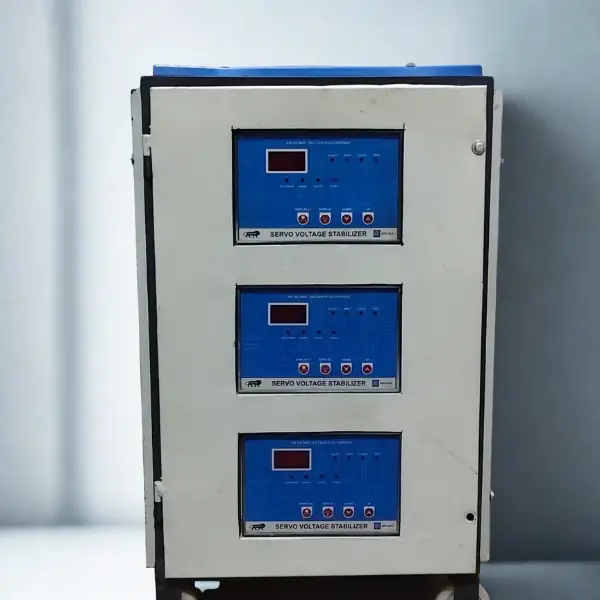
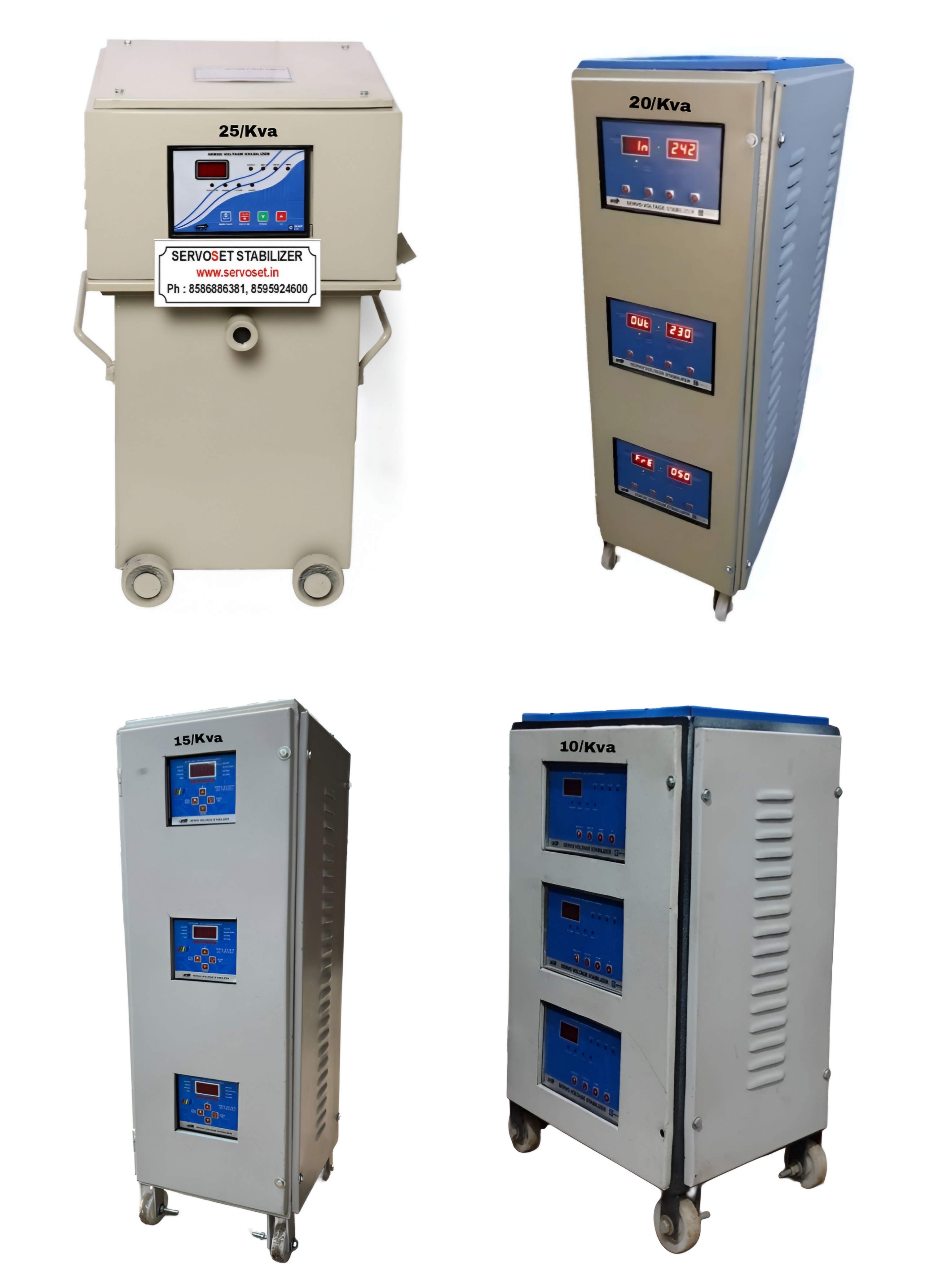
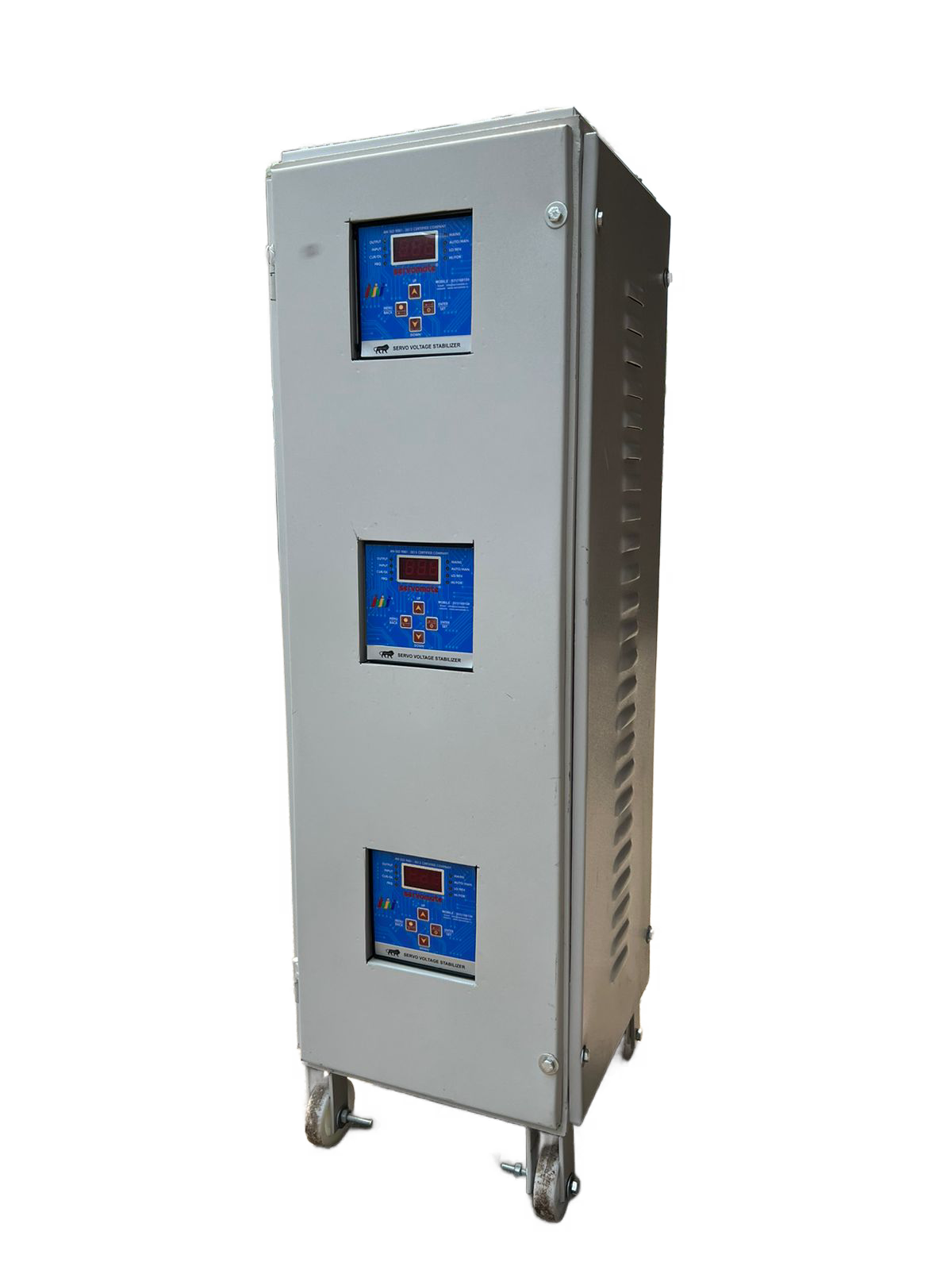
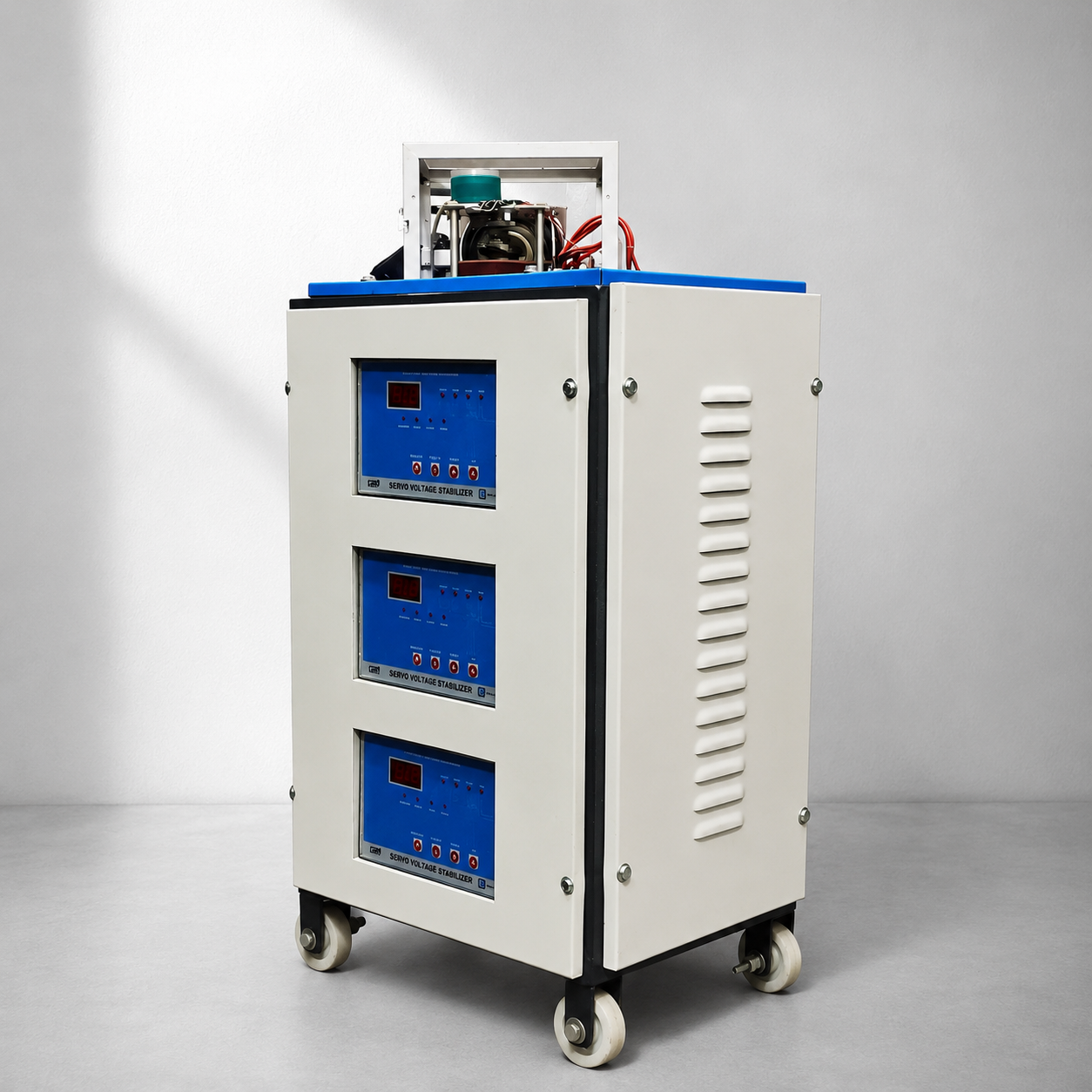
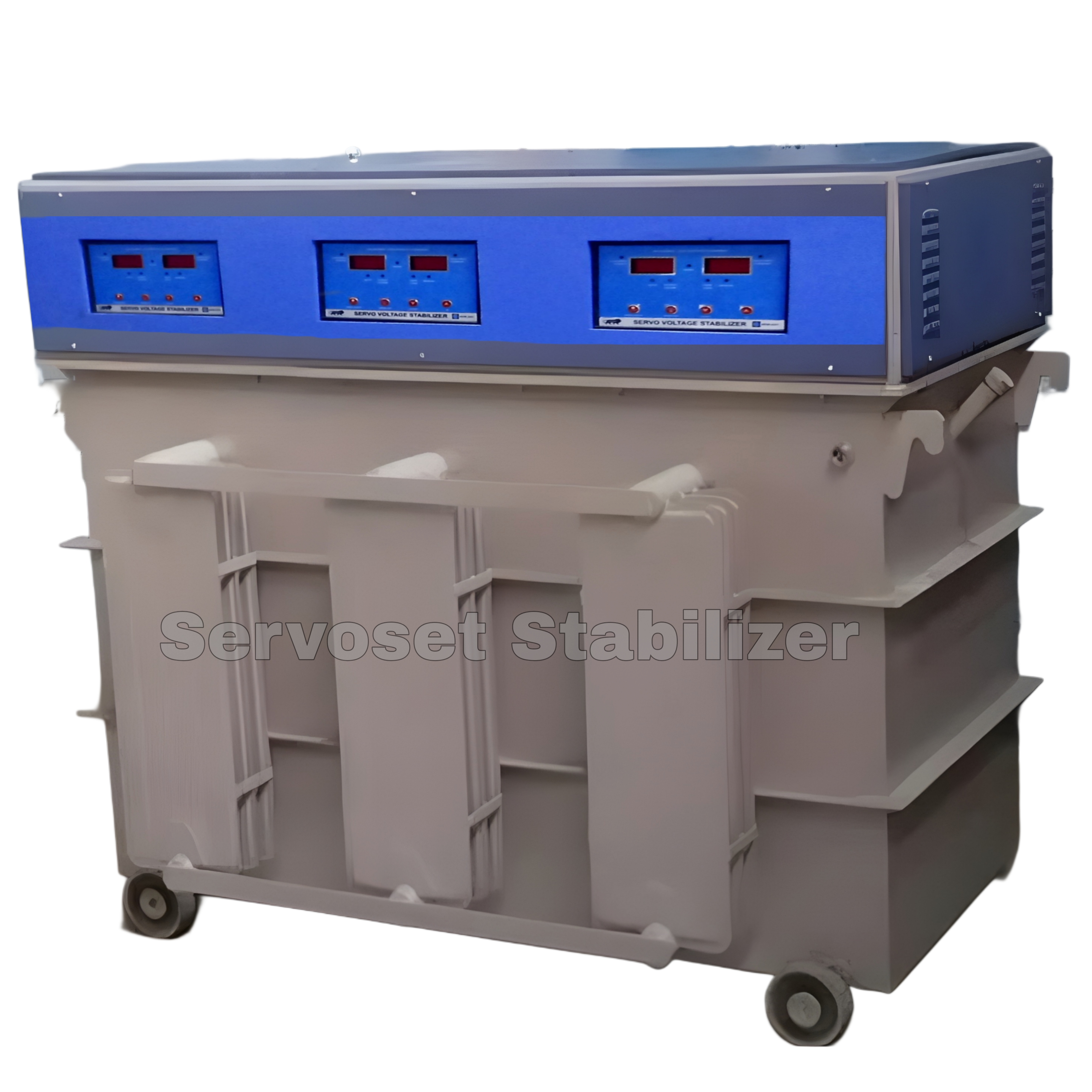
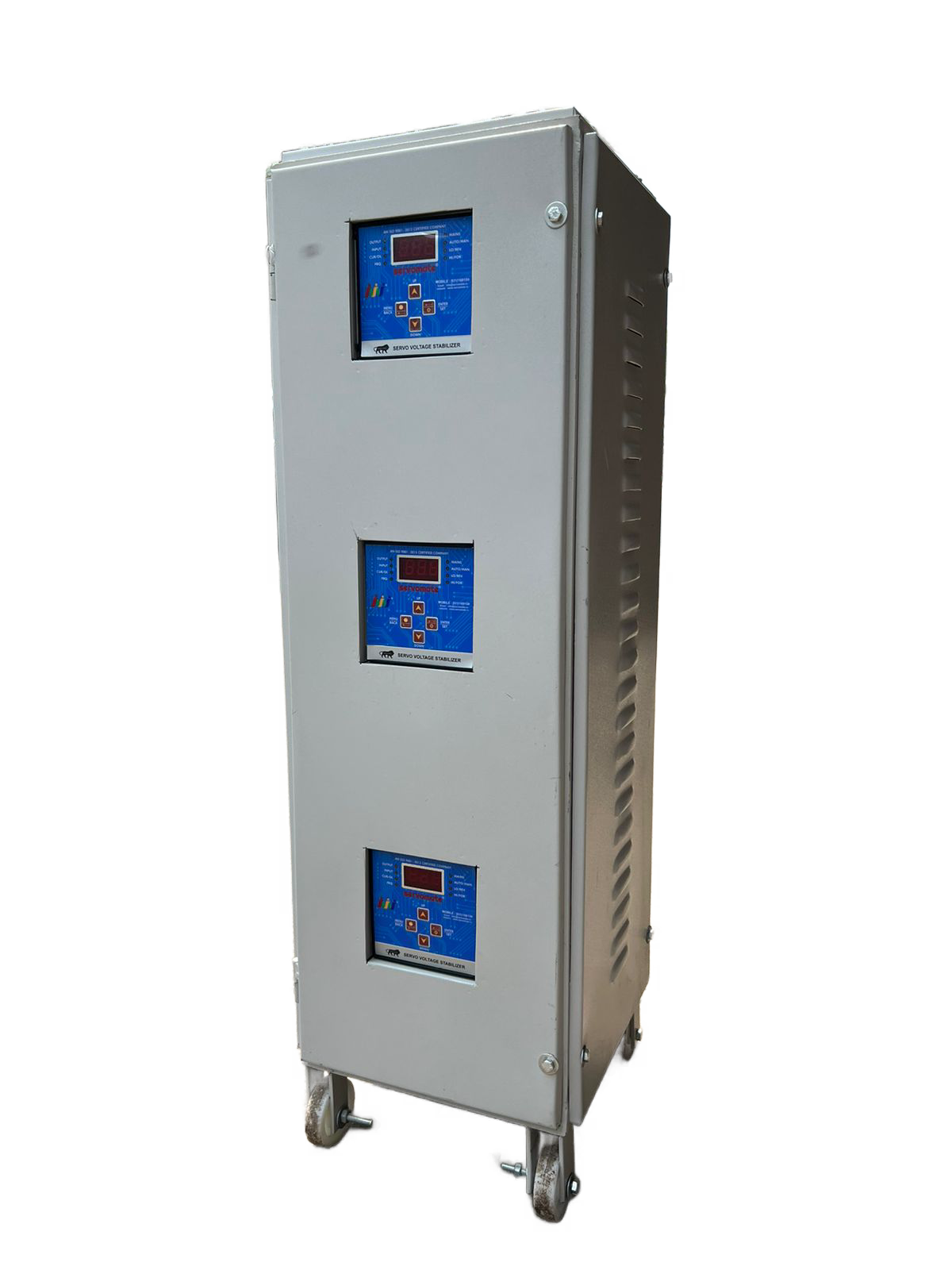
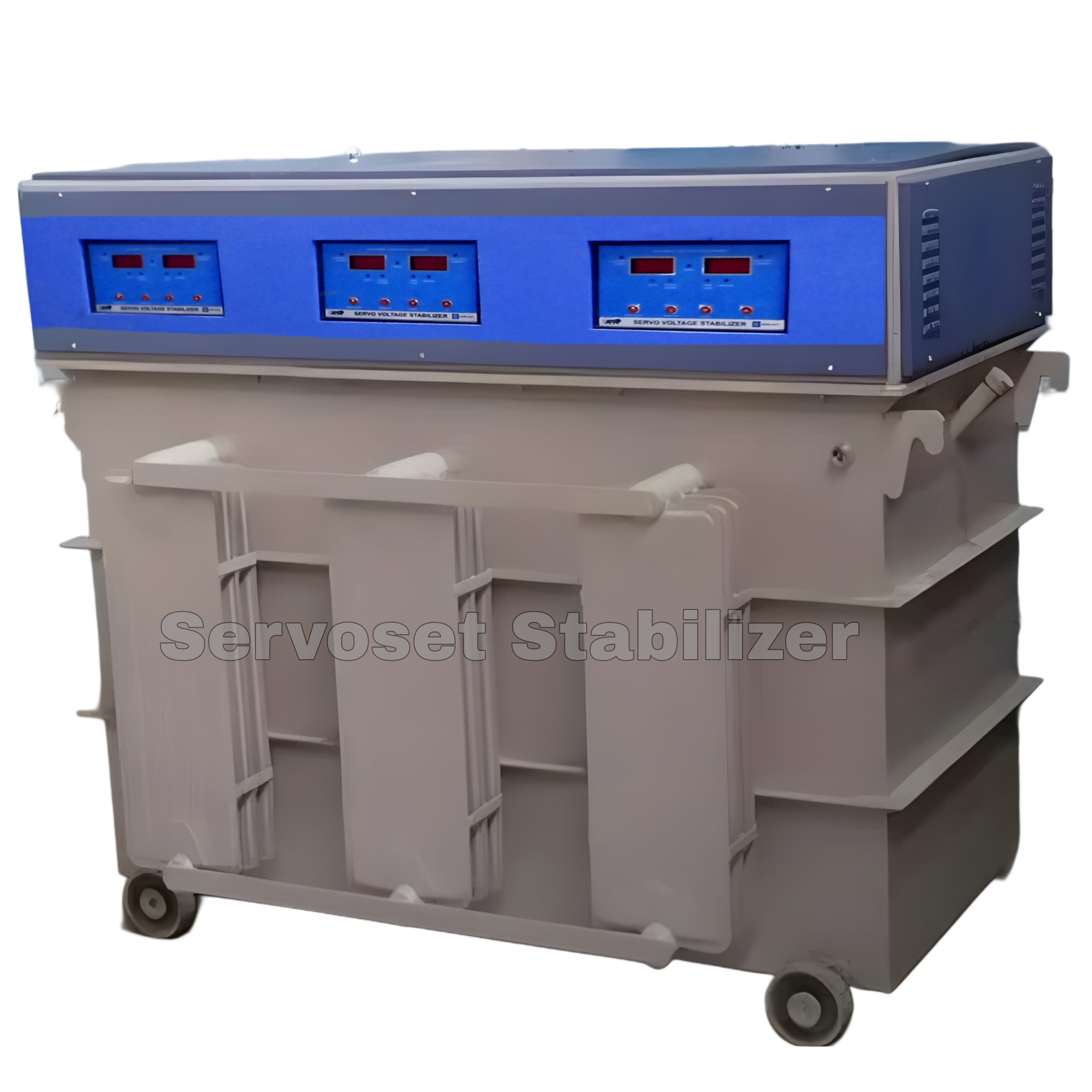
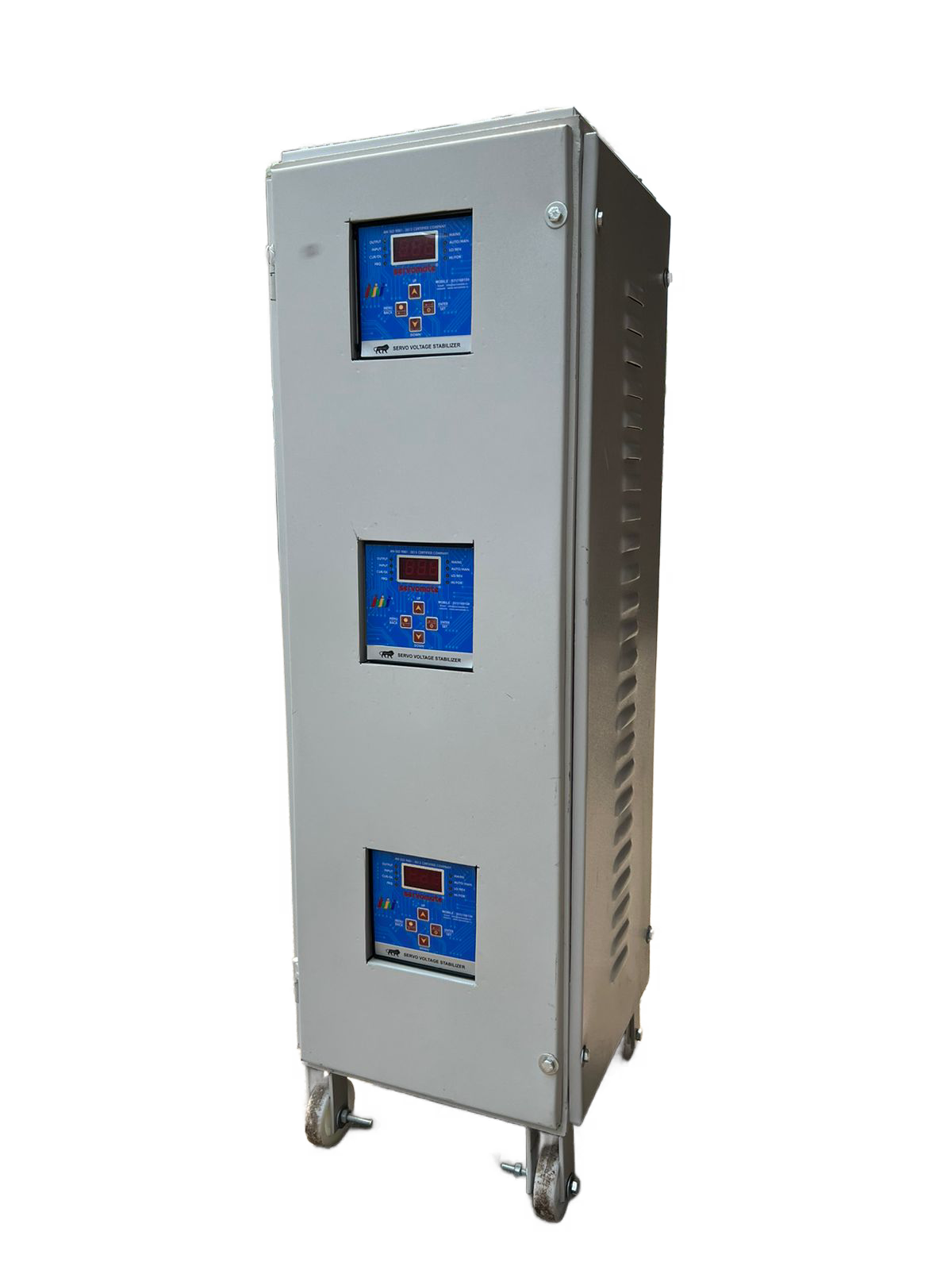
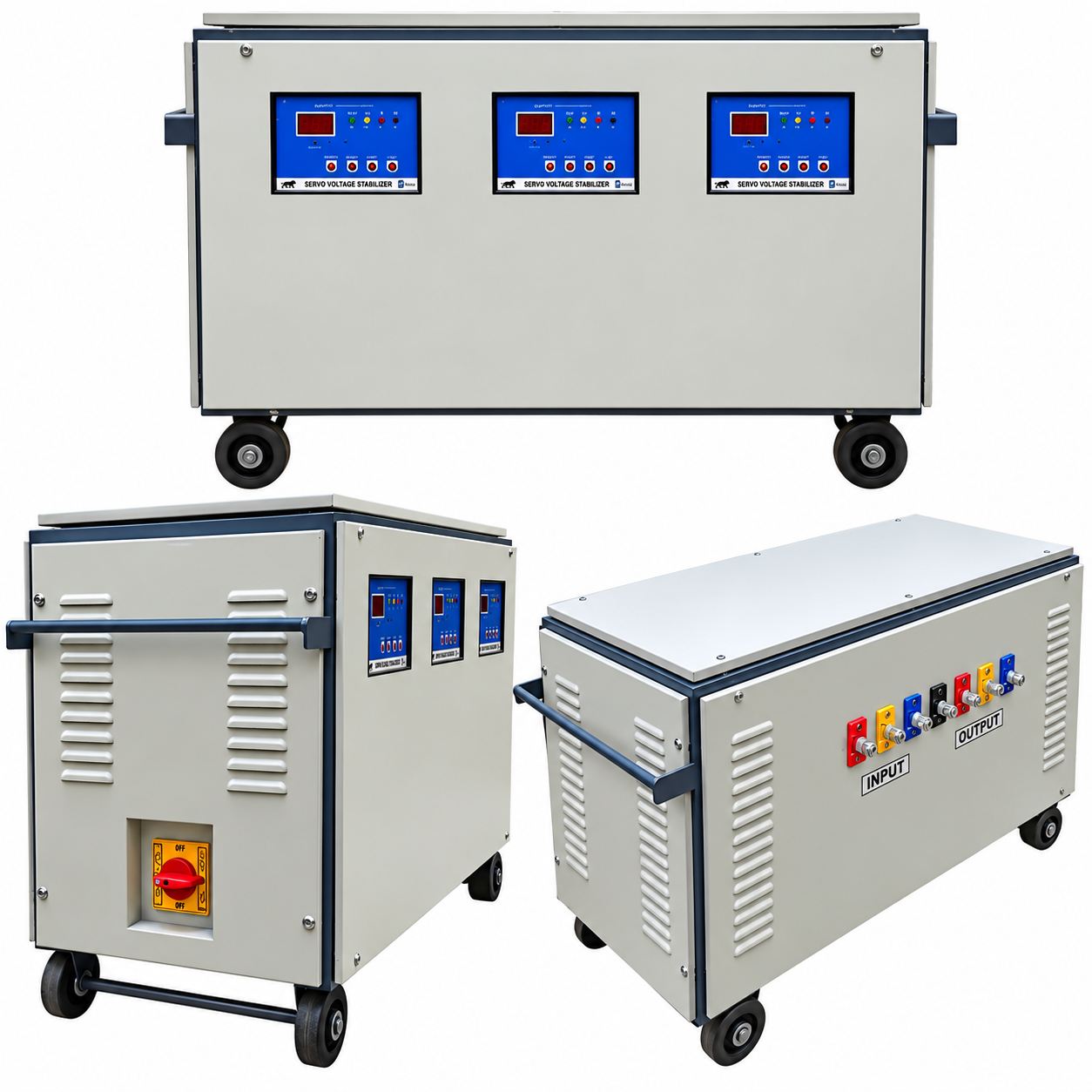
Three-phase stabilizers are designed for factories and industrial units where several machines operate simultaneously. They are commonly used with CNC machines, industrial motors, compressors, and production lines.
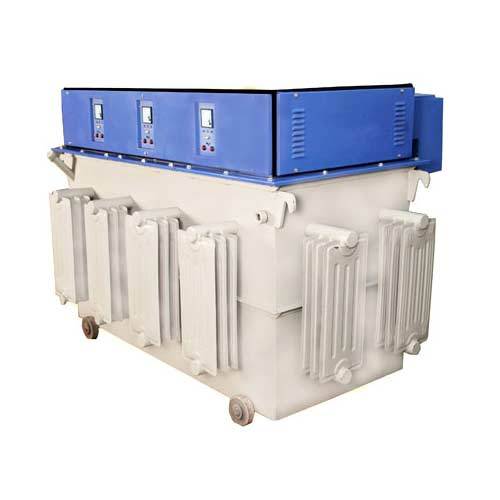
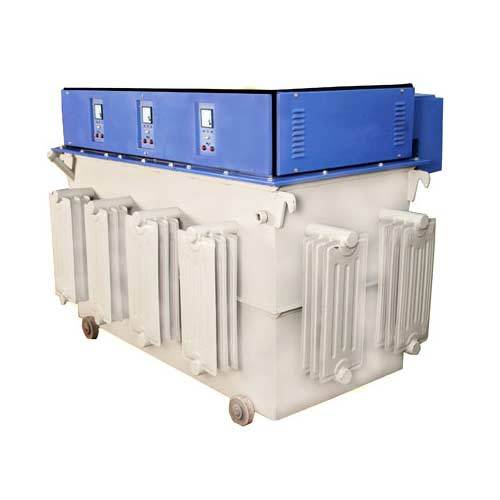
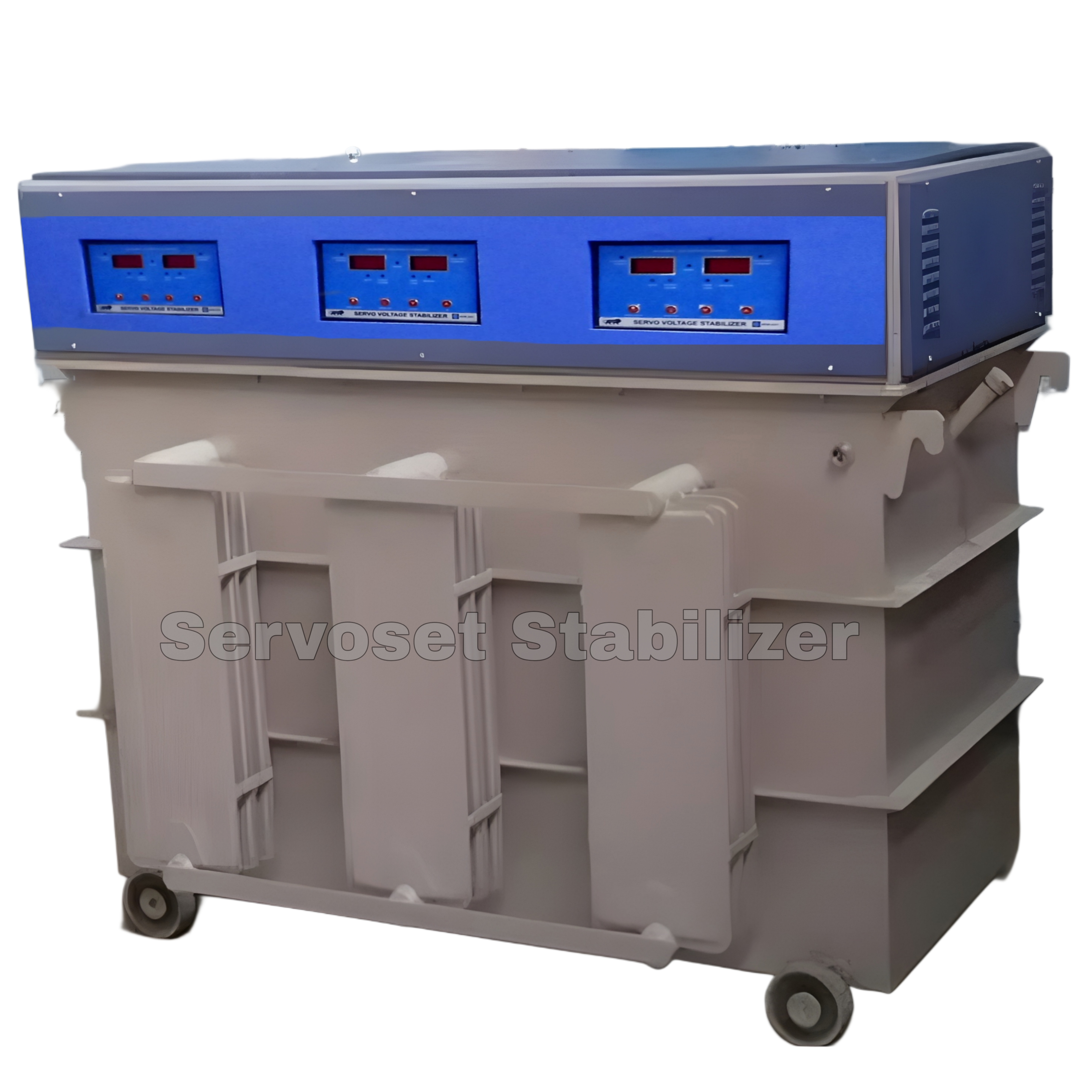
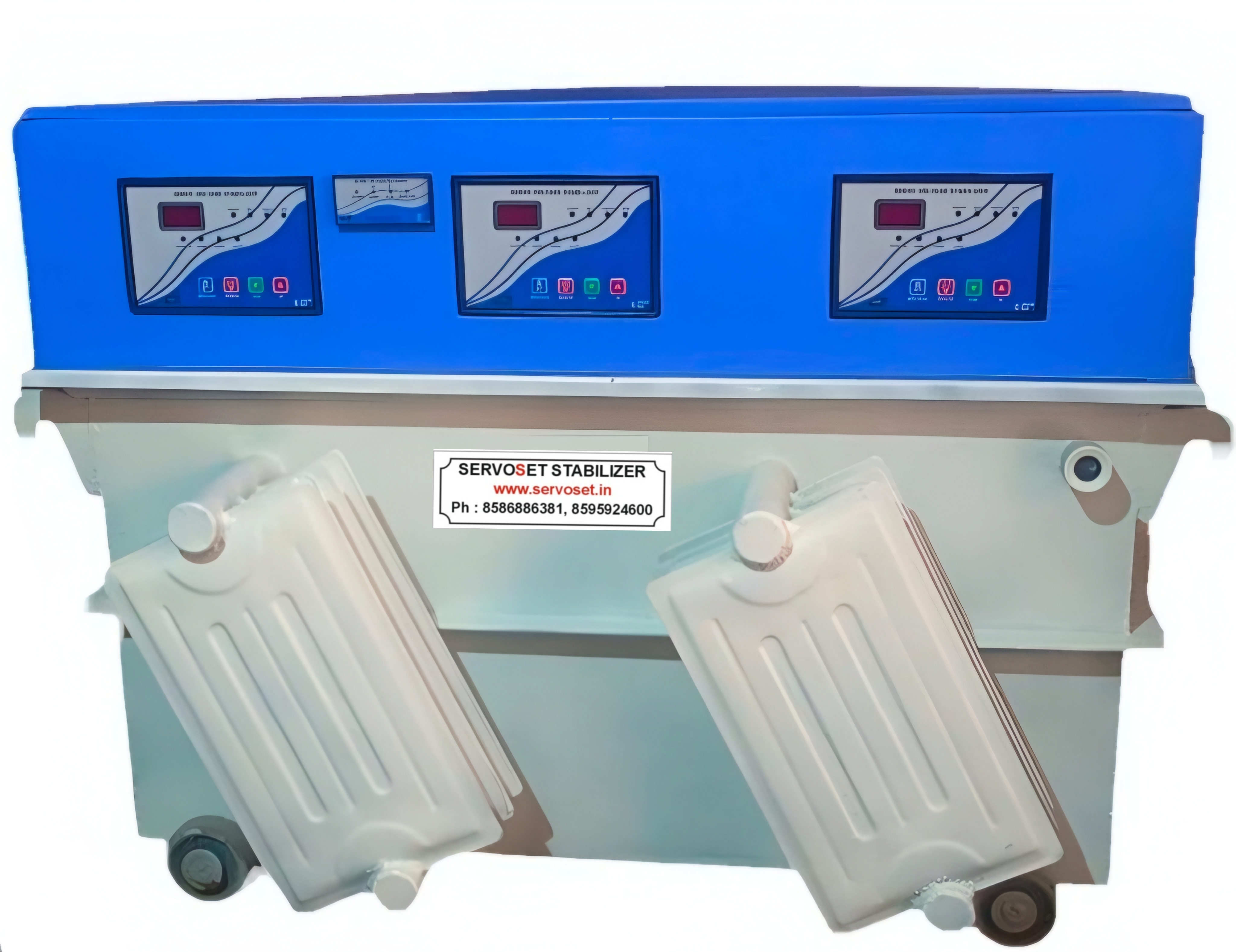
3. Oil Cooled Servo Voltage Stabilizer
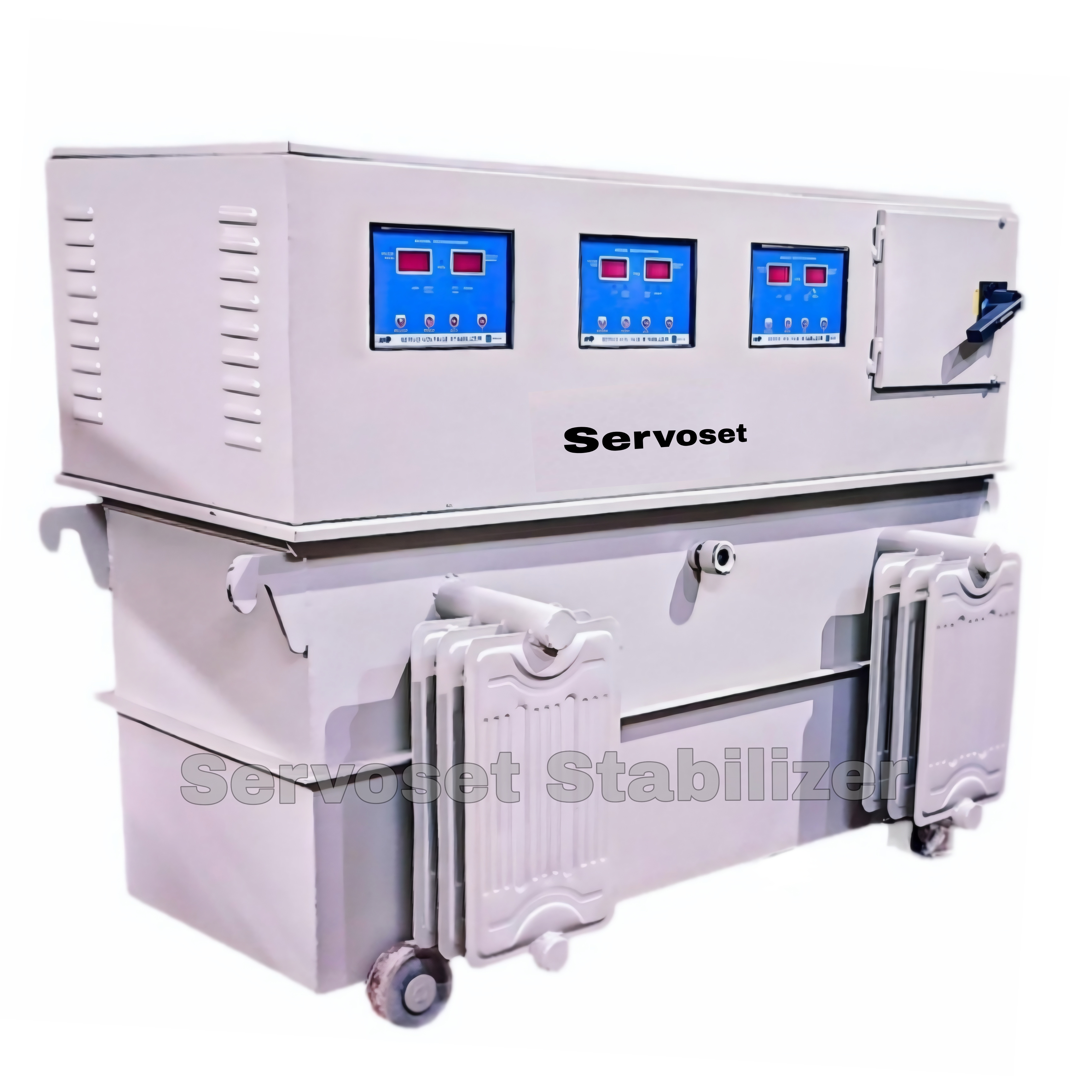
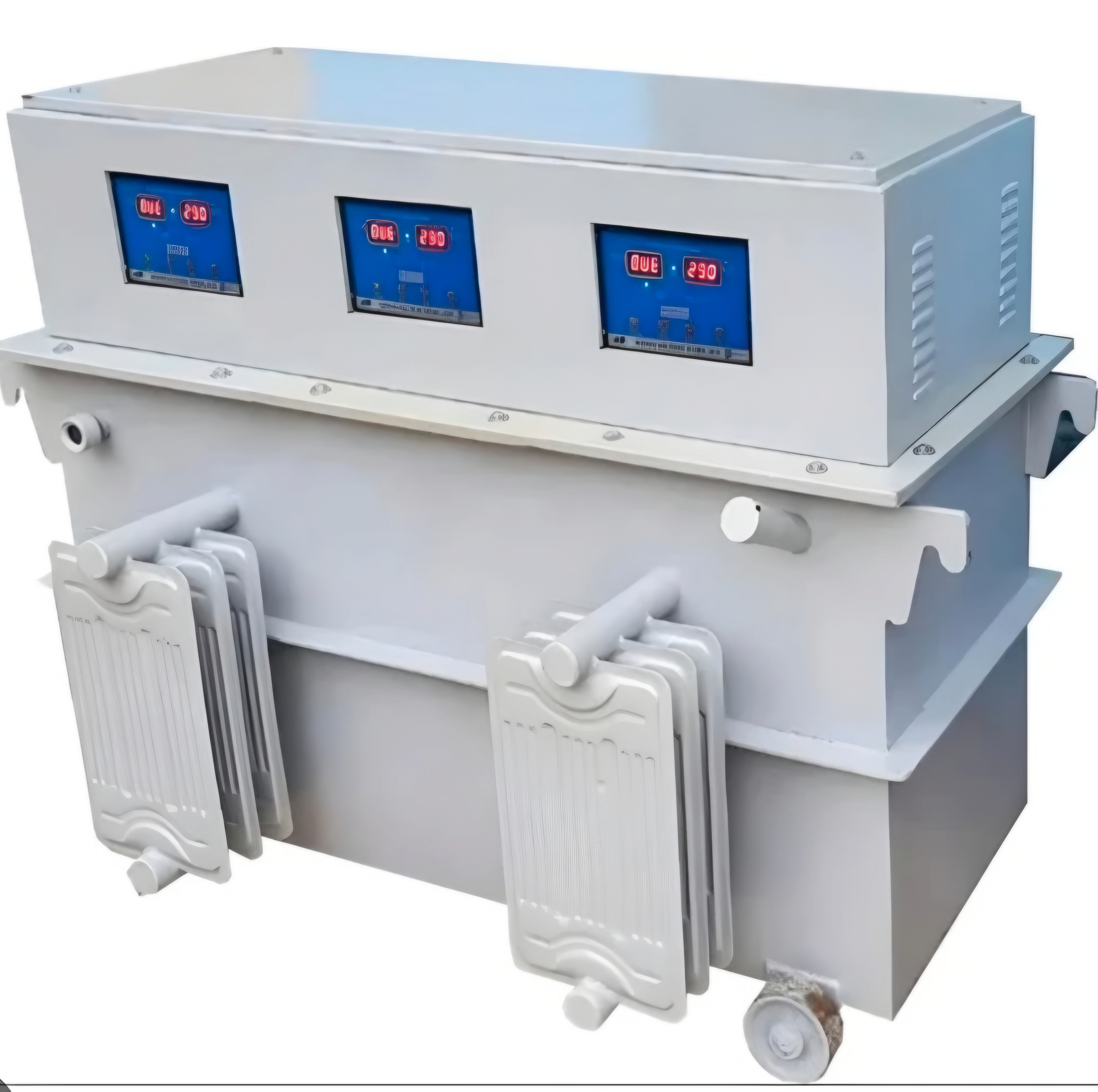
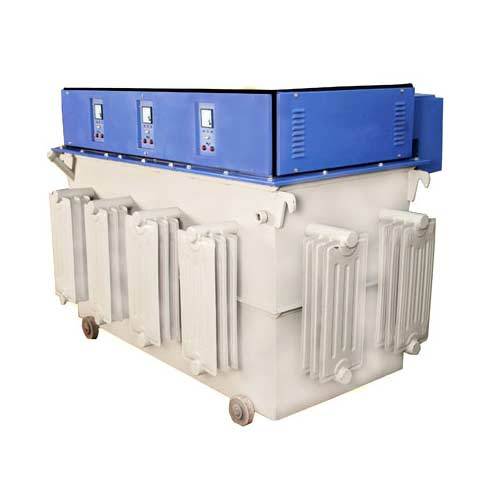
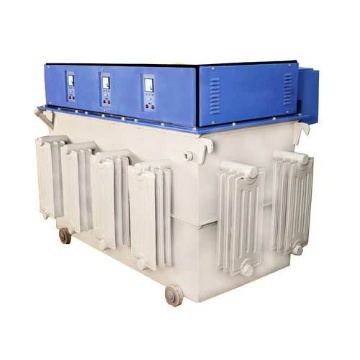
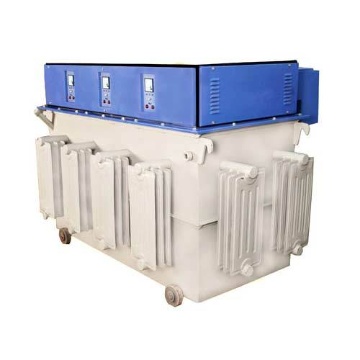
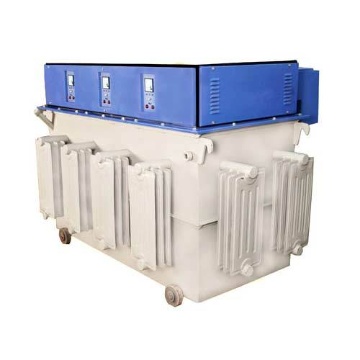
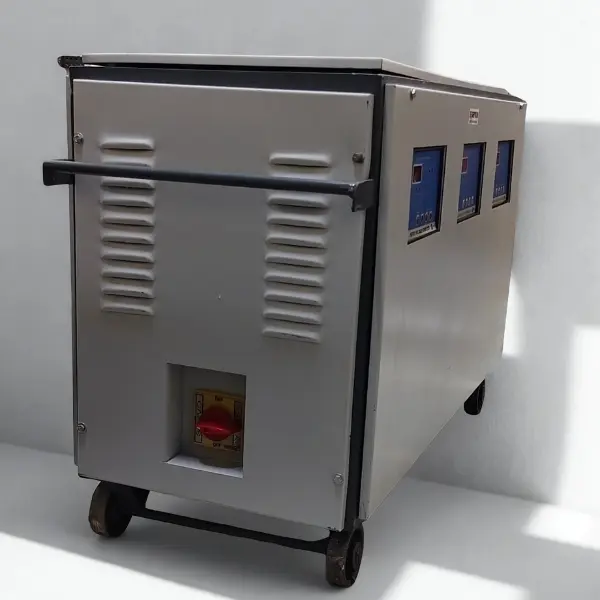
Oil-cooled models use transformer oil to cool the windings. This provides effective heat dissipation and, in suitably designed units, can offer additional protection in dusty or humid environments.
These models can be suitable for heavy loads, continuous operation, and industrial environments with high ambient temperatures.
4. Air Cooled Servo Voltage Stabilizer
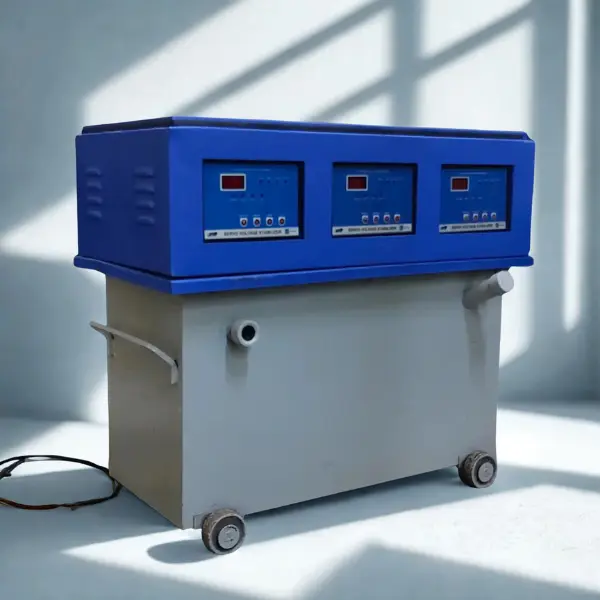
Air-cooled models dissipate heat through air circulation. They are generally lighter and can be suitable for moderate loads in clean indoor environments.
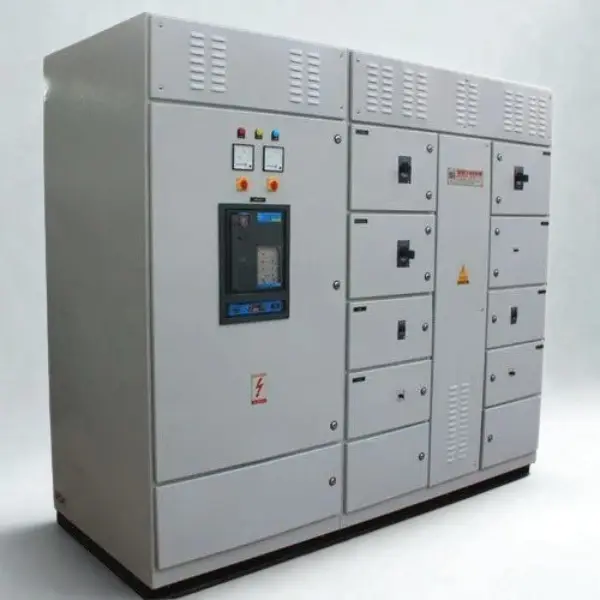
5. Mainline Servo Voltage Stabilizer
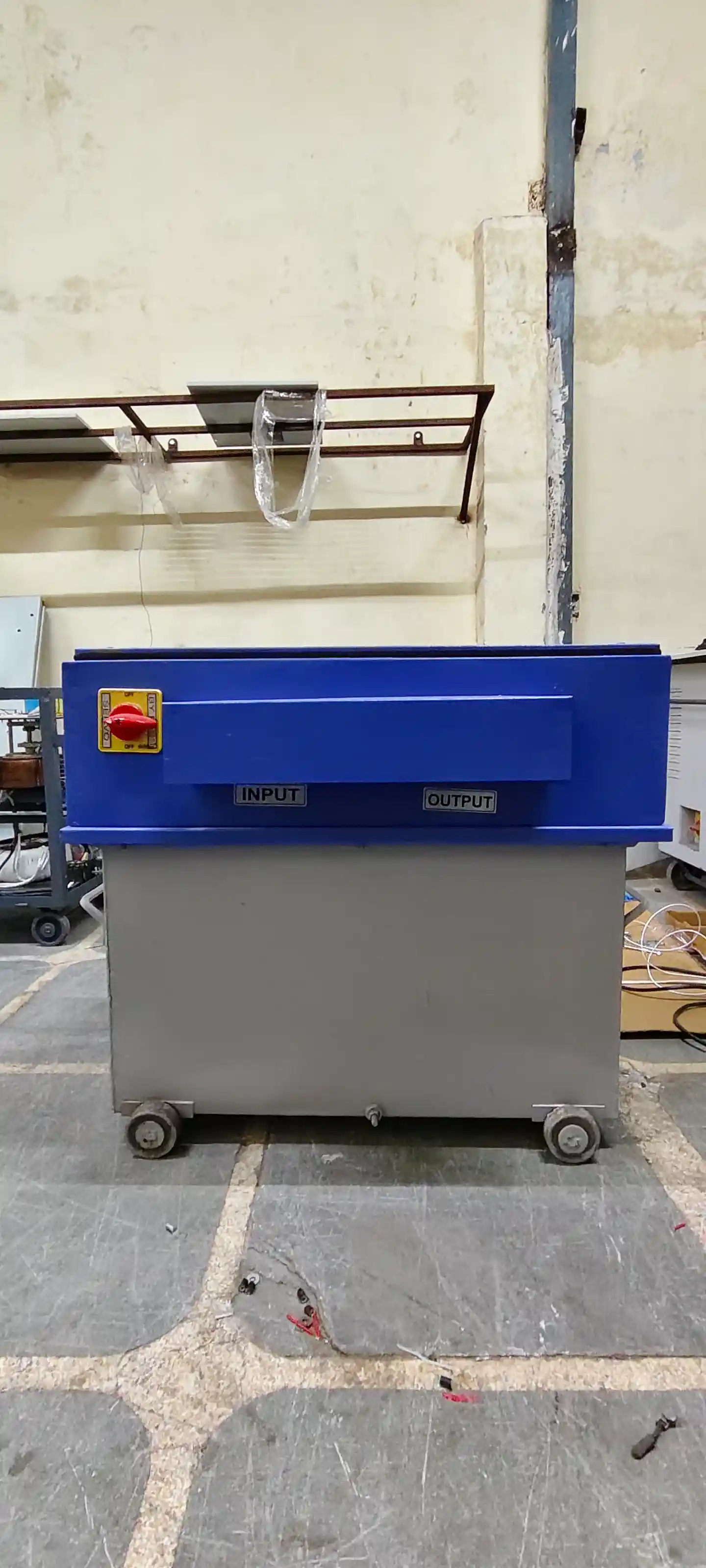
Mainline stabilizers are installed at the incoming power supply to help protect an entire building, office, or production facility from voltage fluctuations.
6. Heavy Duty Servo Voltage Stabilizer
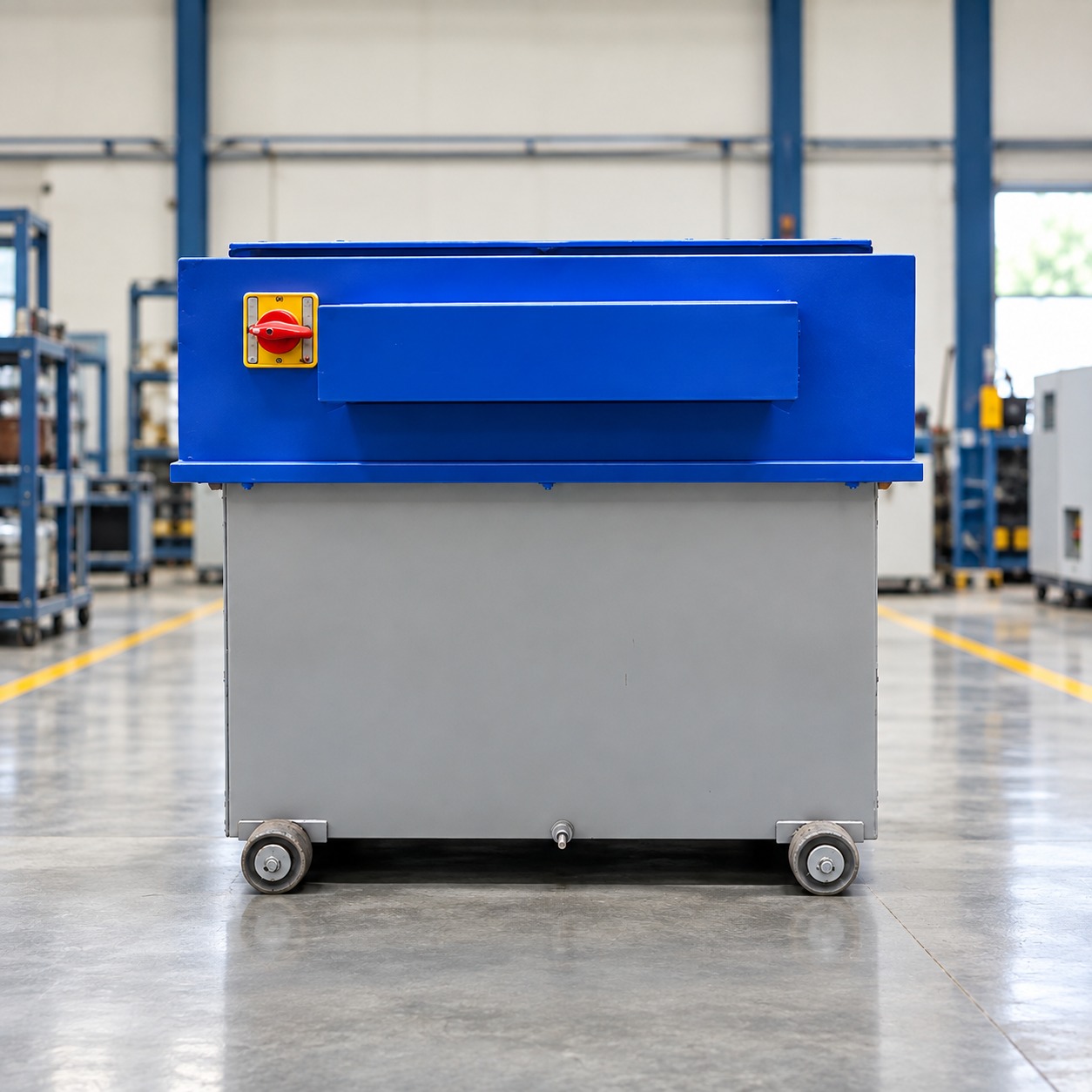
Heavy-duty models are designed for demanding industrial applications involving high loads and challenging operating conditions. Depending on the application, they may incorporate stronger components and appropriate cooling arrangements.
Simple rule: Consider an oil-cooled model for continuous industrial operation, dusty conditions, and high ambient temperatures. An air-cooled model may be suitable for lighter loads in clean indoor spaces.
If you are unsure, a reliable supplier should assess your machines, connected load, and working conditions before recommending a model.
How to Choose the Correct KVA Rating
This is where many buyers make mistakes. An undersized stabilizer may operate under continuous overload and fail prematurely, while an unnecessarily oversized unit increases the initial investment.
Follow these steps to determine the appropriate KVA rating:
- Calculate the total load: Add the rated power of all machines that will operate through the stabilizer.
- Convert kW into KVA: Use the power factor to calculate the apparent power requirement.
- Consider motor starting current: Motors can draw several times their normal running current for a short period during startup.
- Allow additional capacity: Consider approximately 20–25% extra capacity, subject to motor starting requirements and the manufacturer's technical recommendations.
- Check the input voltage range: Inform the supplier about the minimum and maximum voltage available at your site.
Formula:
KVA = kW ÷ Power Factor
For example, if a machine has a load of 24 kW and a power factor of 0.8:
24 ÷ 0.8 = 30 KVA
The machine therefore requires approximately 30 KVA of apparent power. The final stabilizer rating should also account for motor starting current and the required capacity margin.
Consider another example involving a 15 kW load at a power factor of 0.8:
15 ÷ 0.8 = 18.75 KVA
Adding approximately 25% capacity gives a requirement of around 23.4 KVA. A 25 KVA three-phase stabilizer may therefore be a suitable option, provided it can handle the motor starting current and other technical requirements.
What to Check Before Choosing a Servo Stabilizer Supplier
A supplier's quality often becomes clear from the questions they ask and the technical information they provide. Before placing an order, evaluate the following points.
1. Manufacturer or Trader
A manufacturer may be able to customize the input voltage range, output voltage, and enclosure design according to your requirements. A trader typically sells existing models, although some traders may also offer customization and service support. Verify the actual capabilities of the supplier before making a decision.
2. Product Range
Availability of single-phase, three-phase, oil-cooled, air-cooled, mainline, and heavy-duty models can indicate a supplier's product expertise and ability to serve different industrial applications.
3. KVA Selection Guidance
A reliable supplier should ask about your machine load, motor sizes, starting current, and input voltage range before recommending the appropriate capacity.
4. Build Quality
Ask about copper windings, carbon brushes, servo motors, control cards, and other essential components. You should also request details about testing procedures followed before dispatch.
5. Warranty and Service
Confirm the warranty period, coverage terms, service availability, and spare parts support. Also ask how quickly a technician can respond if the stabilizer develops a fault.
6. Delivery and Pricing
Look for secure packaging, clear delivery timelines, and a detailed quotation. The quotation should specify the KVA rating, input range, output voltage, cooling type, warranty, and installation costs.
If a supplier quotes a price without asking about your requirements, or offers a price that is unusually low compared with competing quotations, proceed carefully. Very low prices may reflect lower-quality windings or weaker components, potentially resulting in failures and higher maintenance costs later.
Understanding Price, Installation, and Maintenance
The price of a servo voltage stabilizer depends on several factors, including:
- KVA capacity of the stabilizer.
- Single-phase or three-phase configuration.
- Oil-cooled or air-cooled design.
- Specified input voltage range.
- Quality and quantity of copper used in the windings.
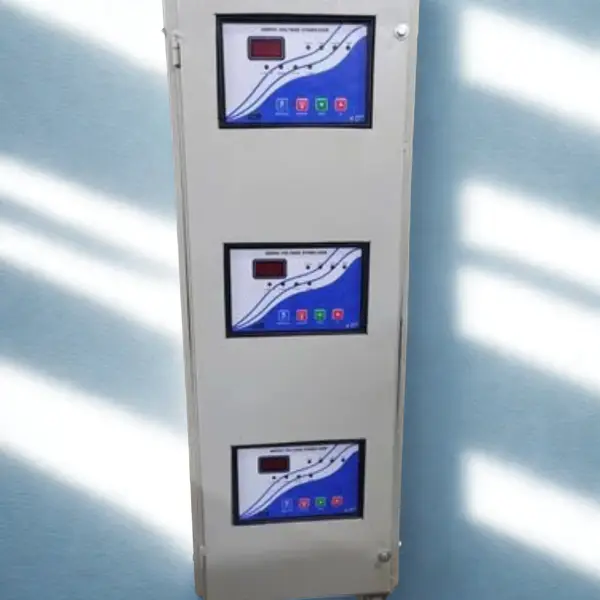
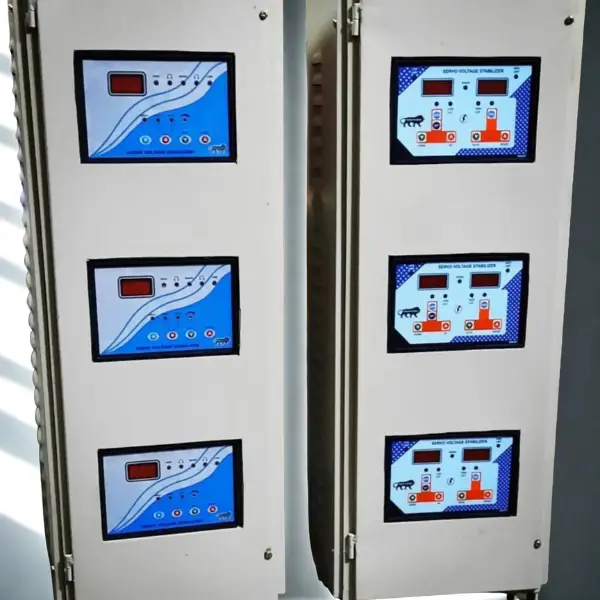
- Digital controllers and additional protection features.
- Customization requirements.
Instead of selecting the lowest-priced option, request quotations with matching technical specifications. This makes it easier to compare suppliers on price, quality, and overall value.
Why Proper Installation Matters
The performance and service life of a stabilizer depend significantly on correct installation.
- Install the unit in a dry, well-ventilated location.
- Keep it away from direct sunlight and water exposure.
- Use cables of the correct size and current-carrying capacity.
- Ensure proper electrical earthing.
- Maintain adequate clearance around the unit for heat dissipation.
How to Maintain a Servo Voltage Stabilizer
Regular maintenance helps maintain reliable performance and can extend the equipment's service life.
- Inspect and clean the carbon brush and brush track.
- Check carbon brushes for wear.
- Monitor oil level and condition in oil-cooled models.
- Schedule servicing according to the manufacturer's recommendations.
Servicing once or twice a year may be appropriate in many applications, although the required frequency depends on the operating environment and usage.
Premature stabilizer failures can often be associated with overloading, installation in enclosed and overheated rooms, or a lack of regular maintenance.
Why Industrial Buyers May Choose Servoset
Servoset offers a range of servo voltage stabilizers, including single-phase, three-phase, oil-cooled, mainline, and heavy-duty models. This gives buyers different options to consider based on their requirements.
Rather than recommending only one standard model, Servoset helps customers identify a suitable capacity and stabilizer type by considering their machine load, input voltage, and working conditions.
Whether you need to protect an individual machine or an entire production line, you can share your requirements to receive guidance on suitable options and a quotation.
Servoset supplies servo voltage stabilizers to customers across India.
FAQs
Which is the best servo stabilizer supplier in India?
The best supplier offers quality products, expert KVA guidance, warranty, and reliable service.
How do I choose the right KVA?
Calculate the total load, consider motor starting current, and allow 20–25% extra capacity.
Oil-cooled or air-cooled: which is better?
Oil-cooled models suit heavy loads, while air-cooled models suit lighter indoor applications.
Can servo stabilizers be customized?
Yes, input range, output voltage, and enclosure can be customized to your needs.
How long does a servo stabilizer last?
With proper installation and maintenance, it can last around 10–15 years.
Conclusion
A servo voltage stabilizer is a long-term investment in machine protection and consistent production quality. Choosing the right model requires a clear understanding of your total load, input voltage, and operating conditions.
The right supplier is one who asks about these three factors before quoting a price and provides technical guidance based on your actual requirements.