Introduction
While air cooled servo voltage stabilizers can be used in many applications, it is important to consider the installation location, room temperature and daily operating hours before choosing a model.
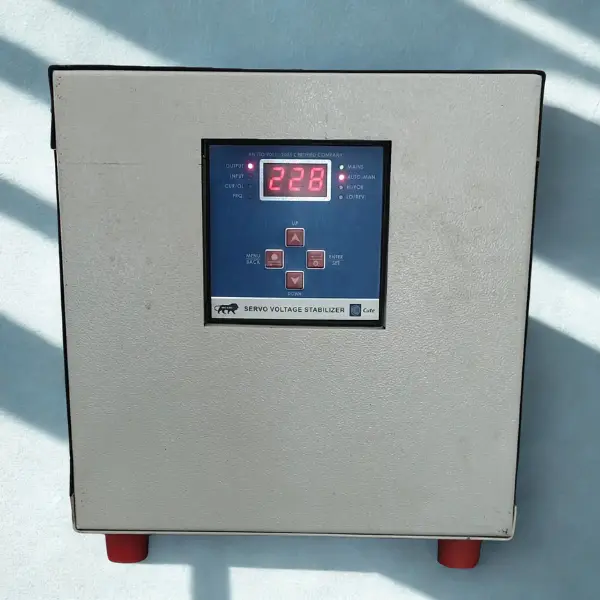
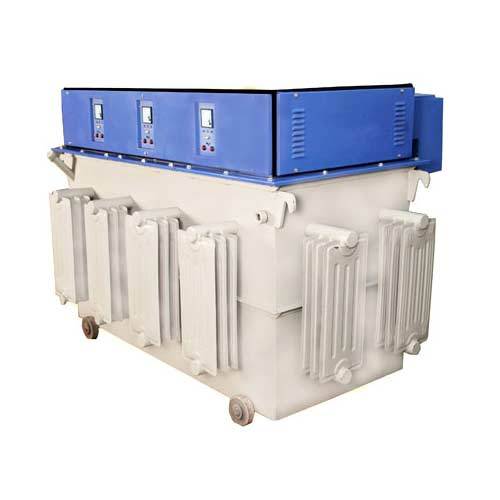
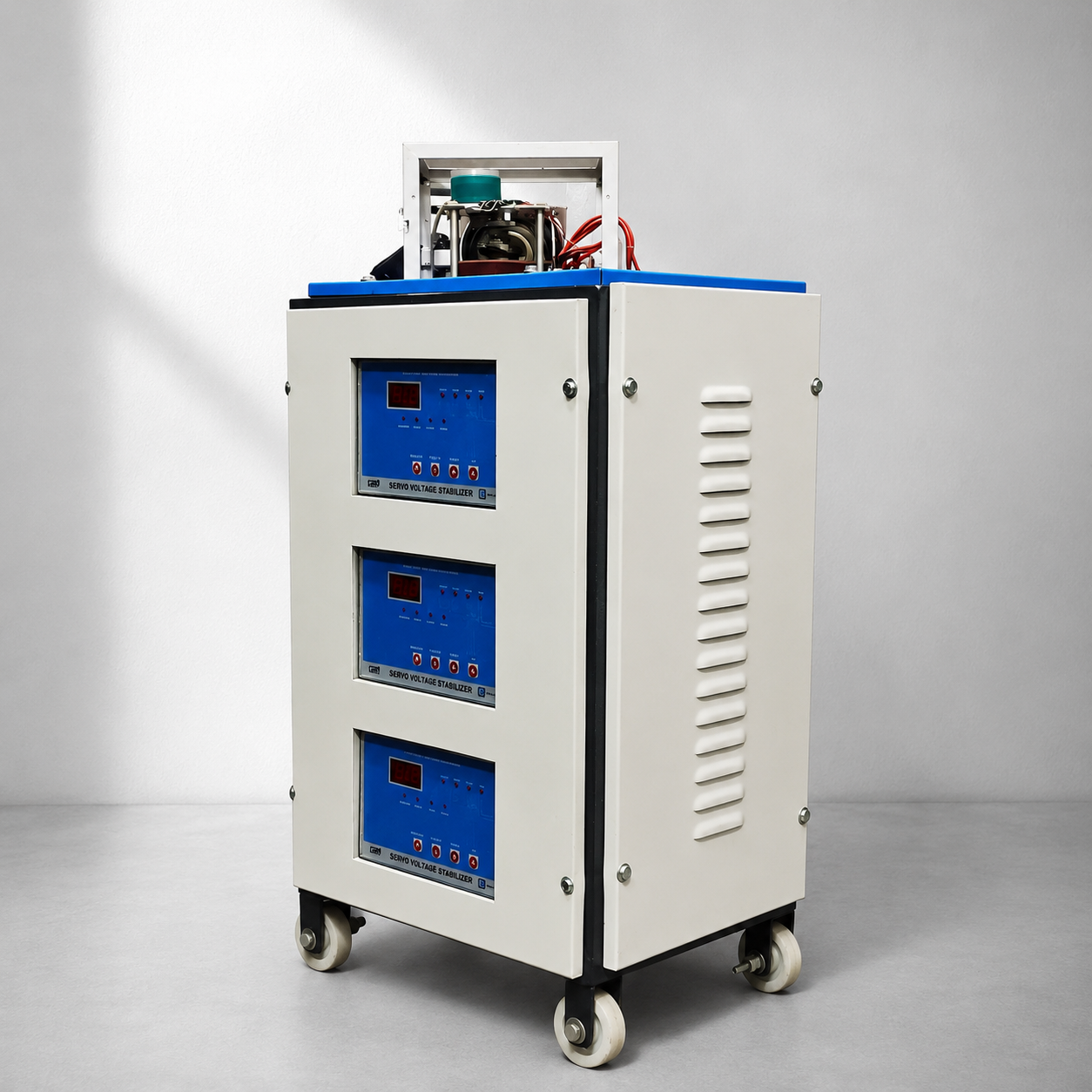
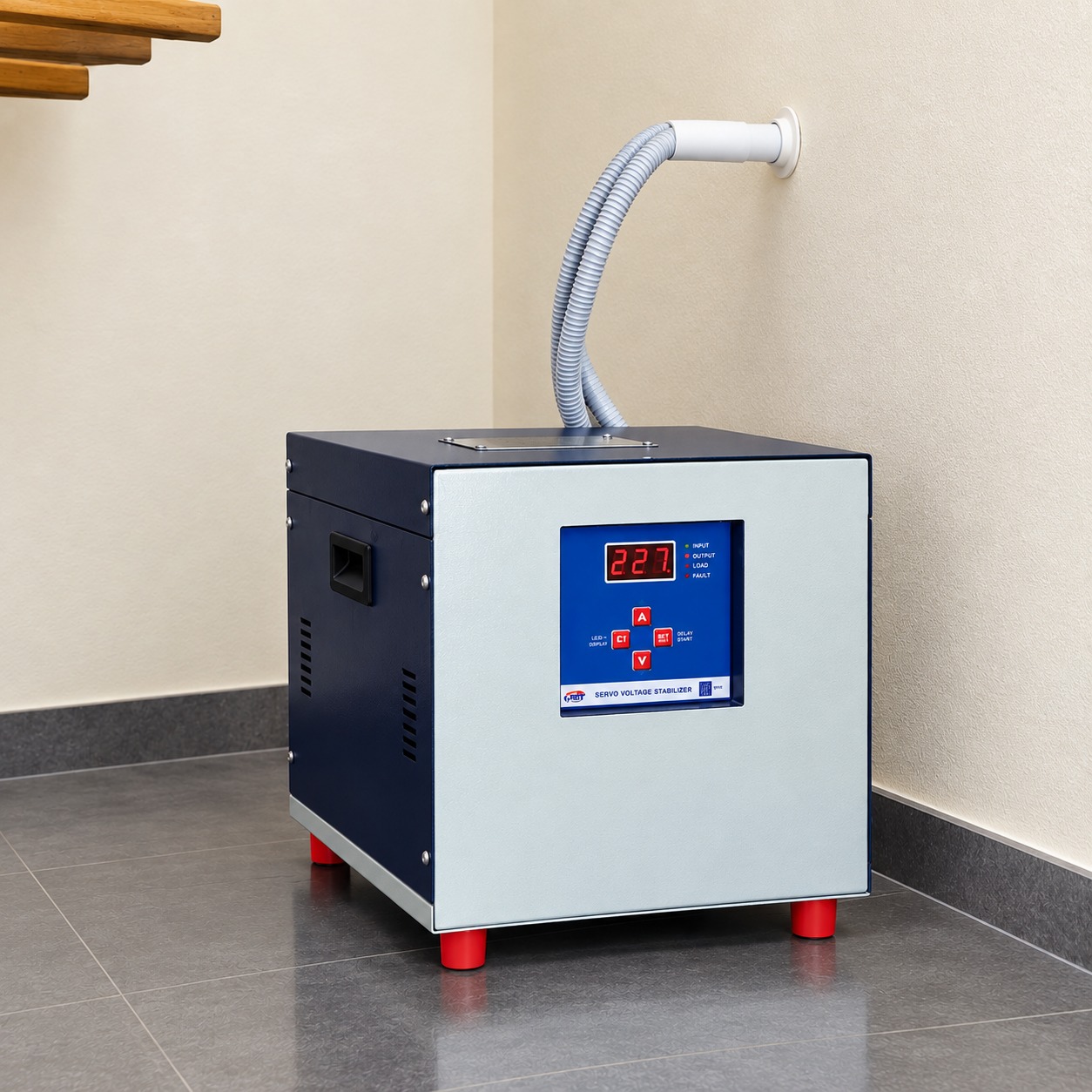
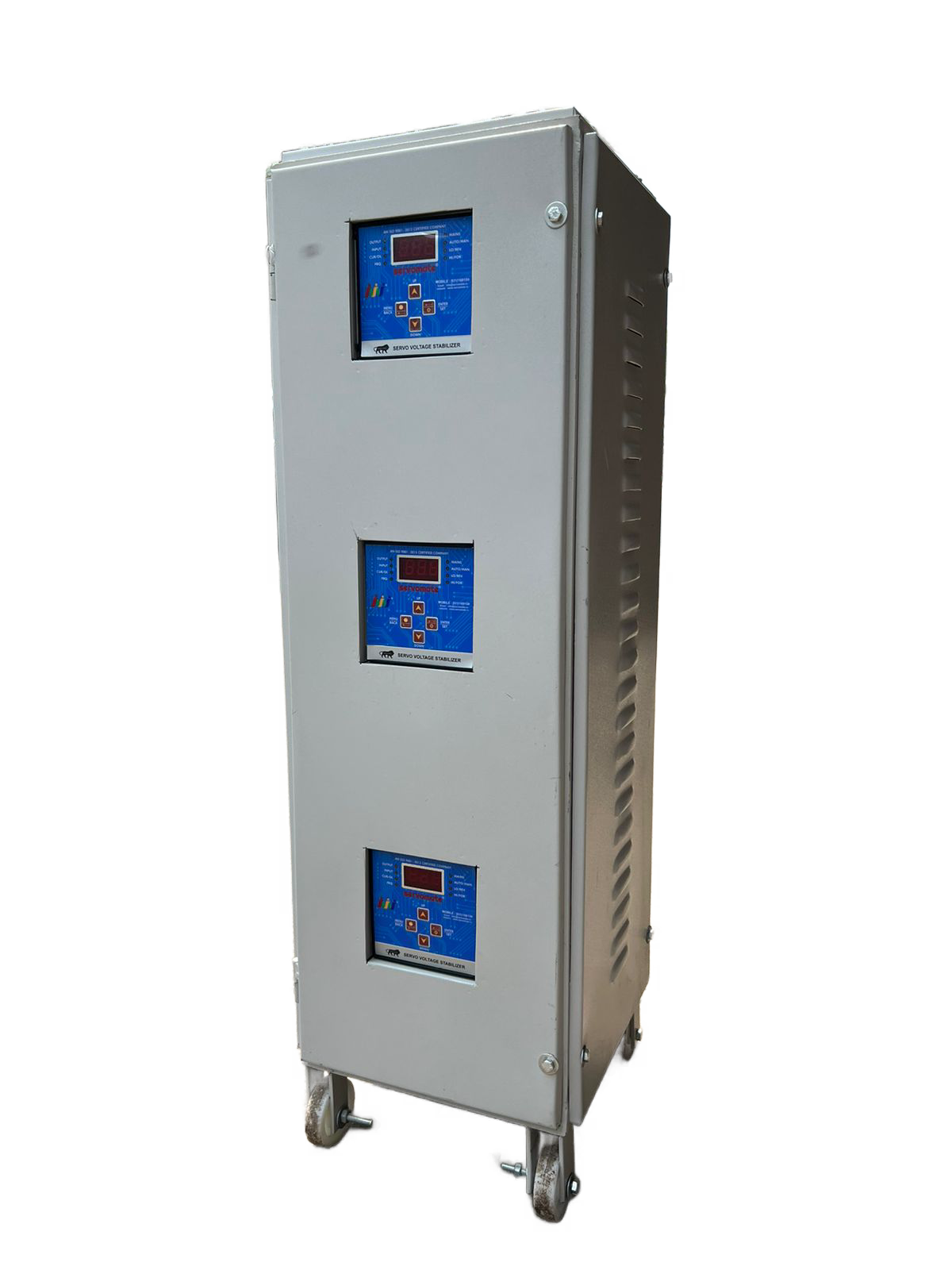
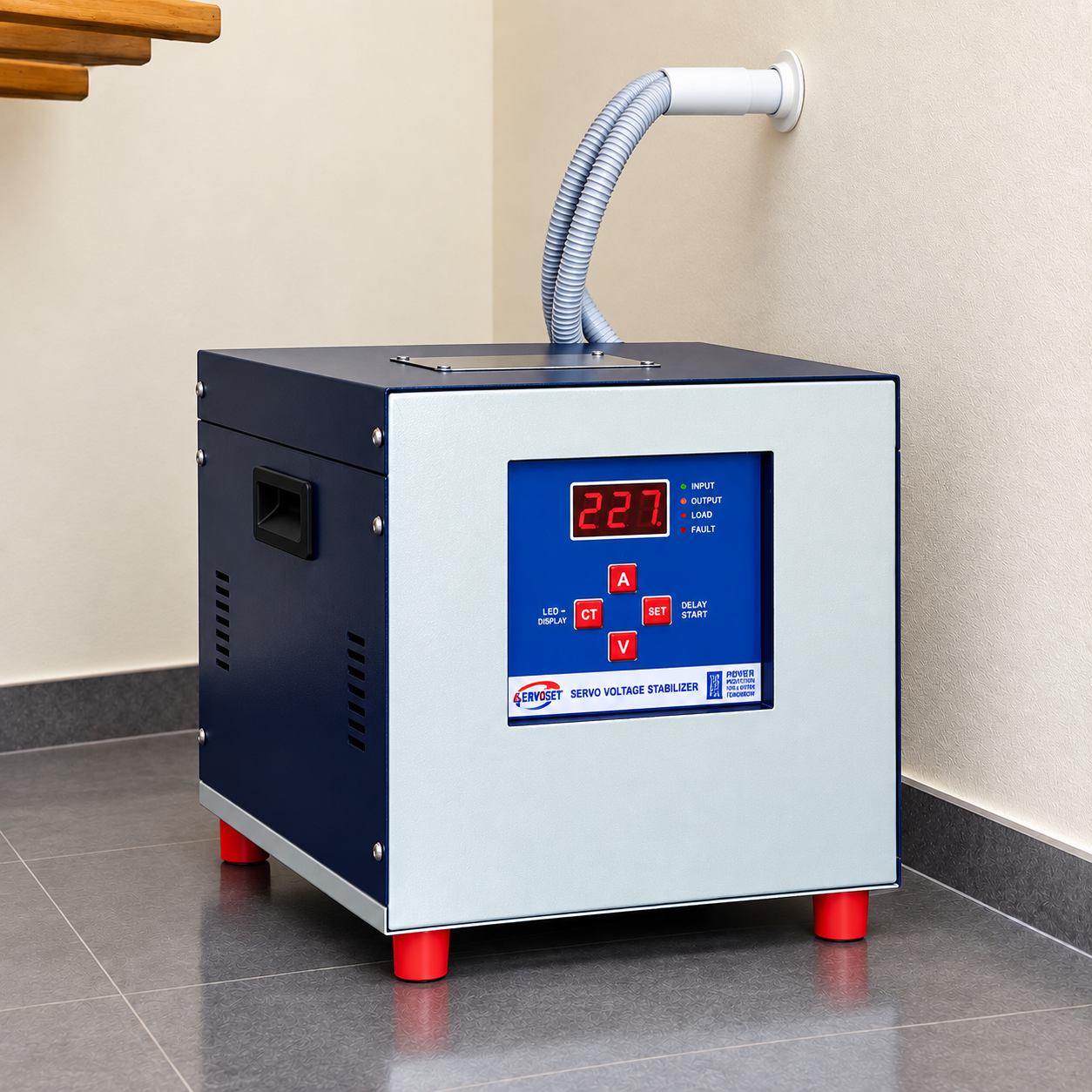
The main difference between air cooled and oil cooled models is the cooling system. An air cooled unit releases heat into the surrounding air and does not require cooling oil. This can make maintenance easier, making it a practical option for offices, shops and workshops with good ventilation.
However, conditions can be different in factories or areas where temperatures rise during summer. Machines may run for long hours, and dust can affect the equipment. Before making a decision, consider whether an air cooled stabilizer is suitable for your particular application.
Where Can You Use an Air Cooled Servo Stabilizer?
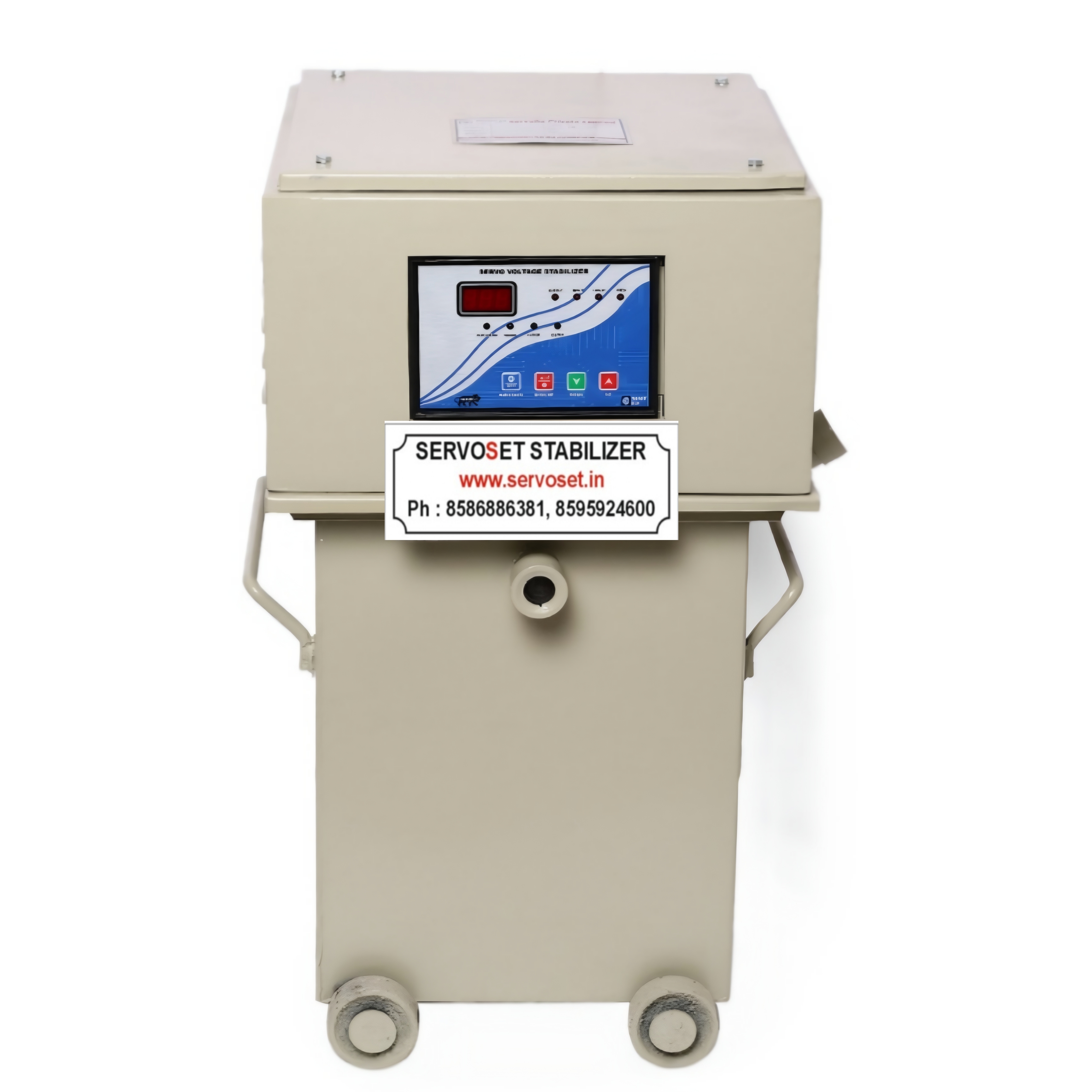
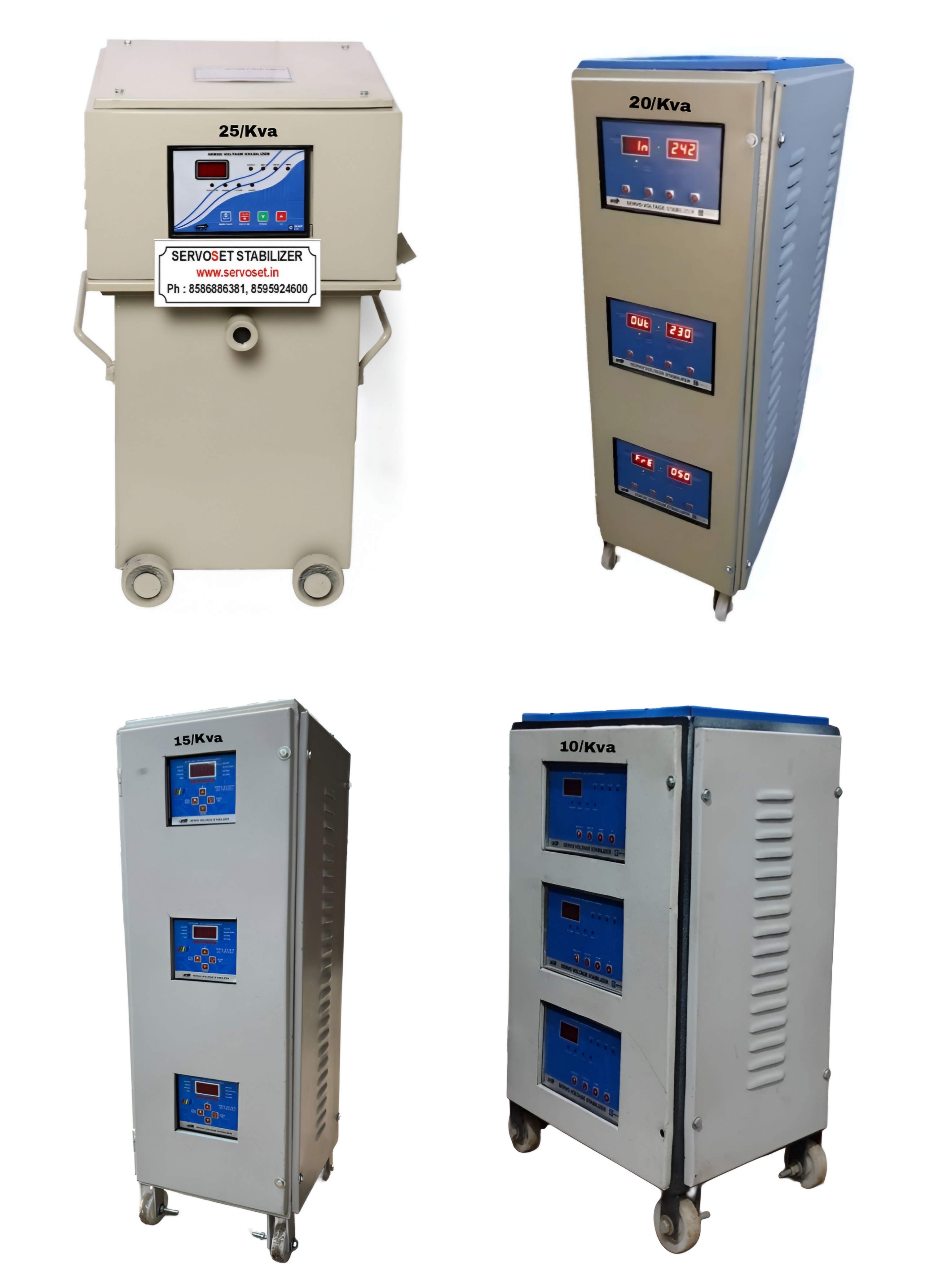
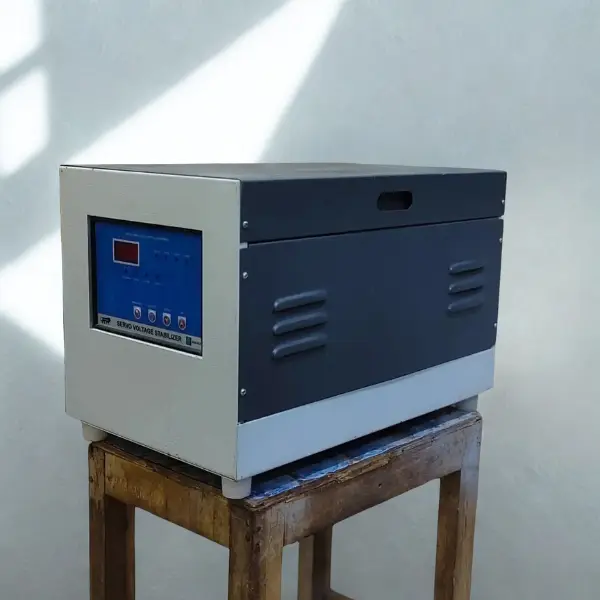
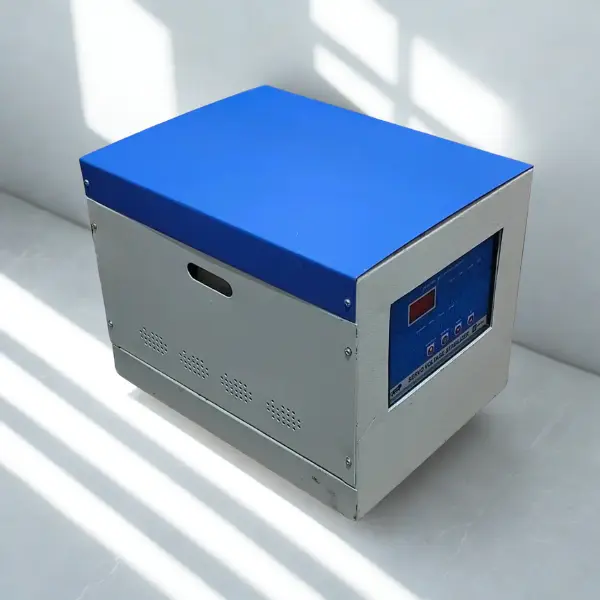
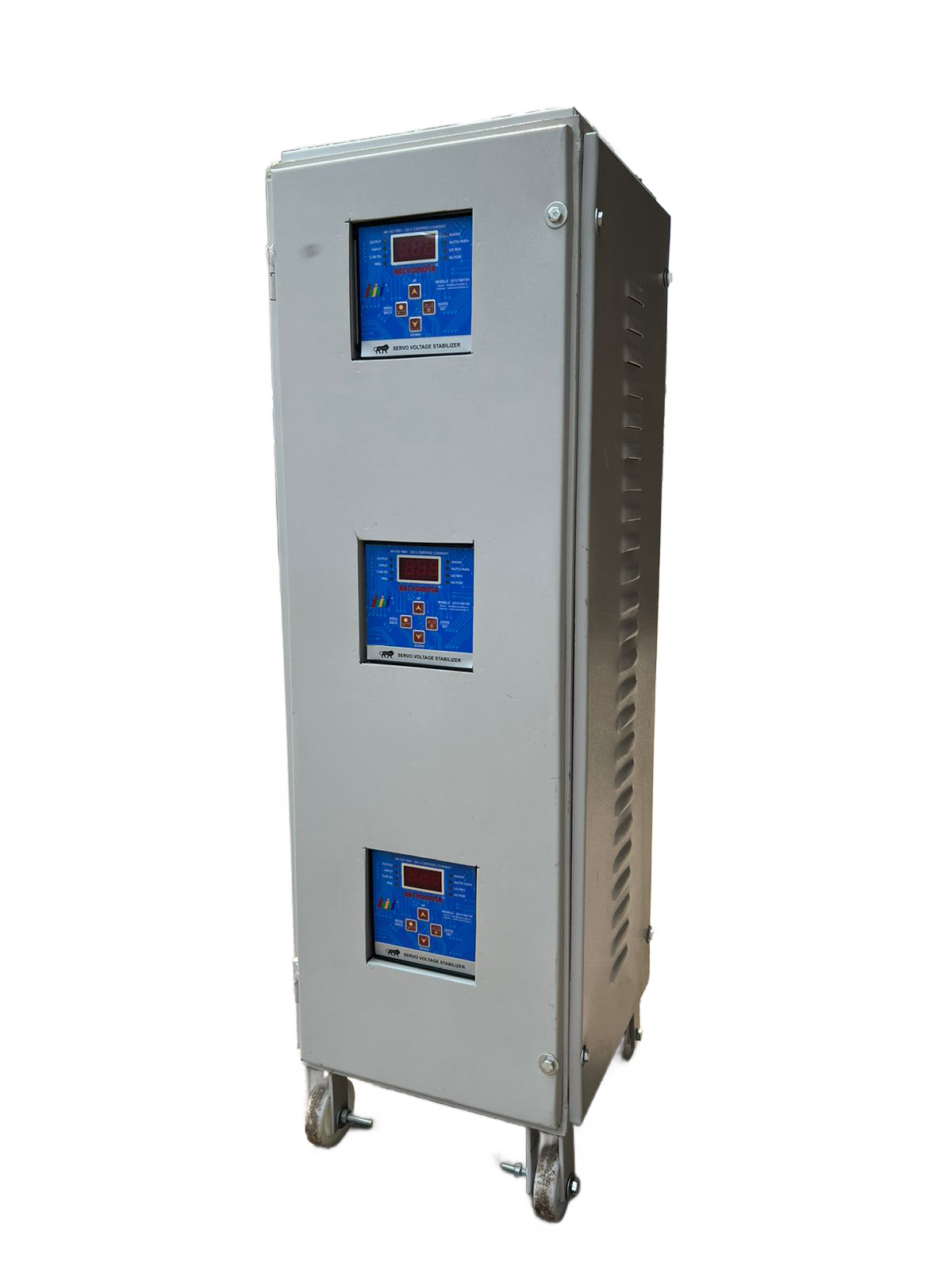
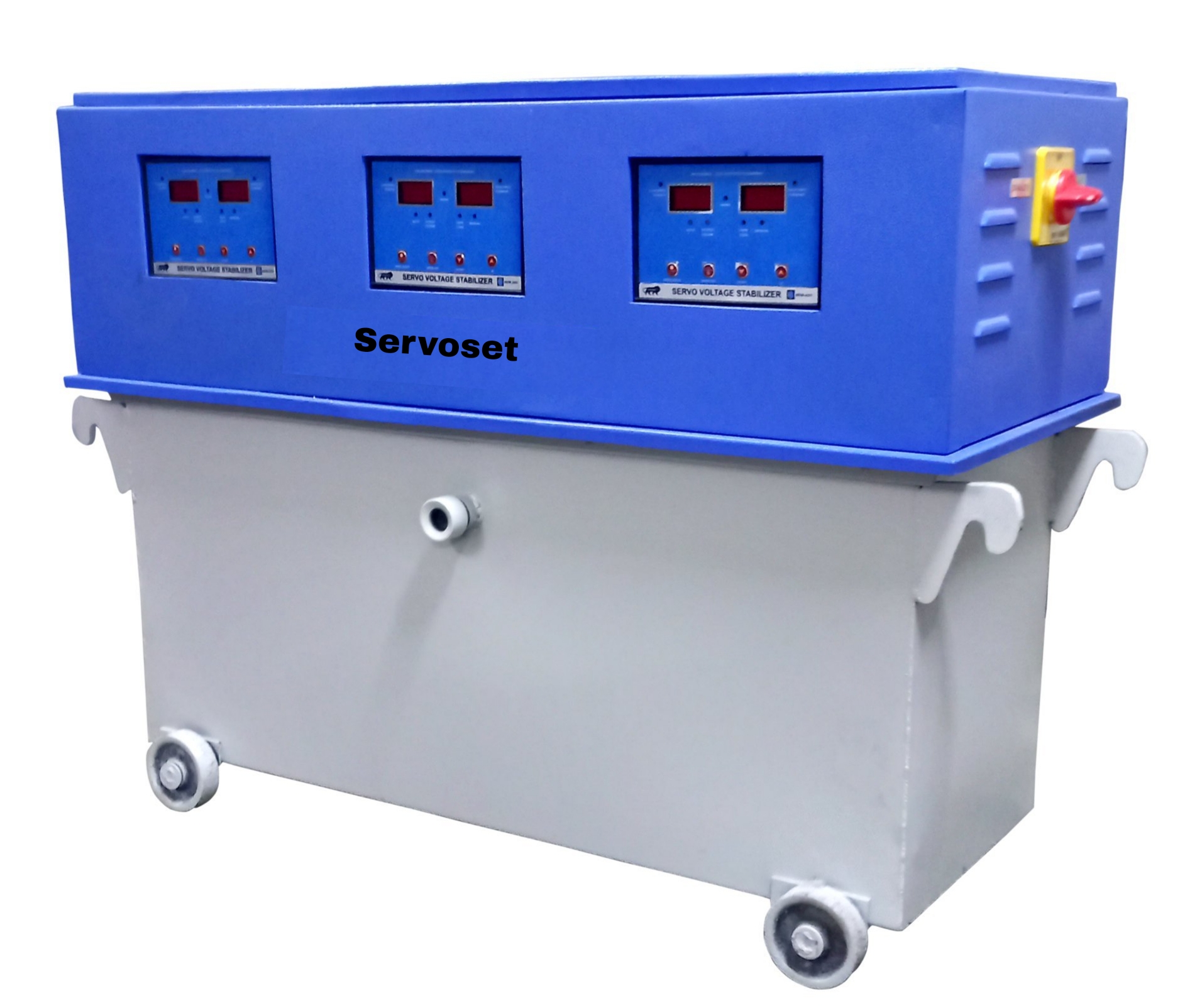
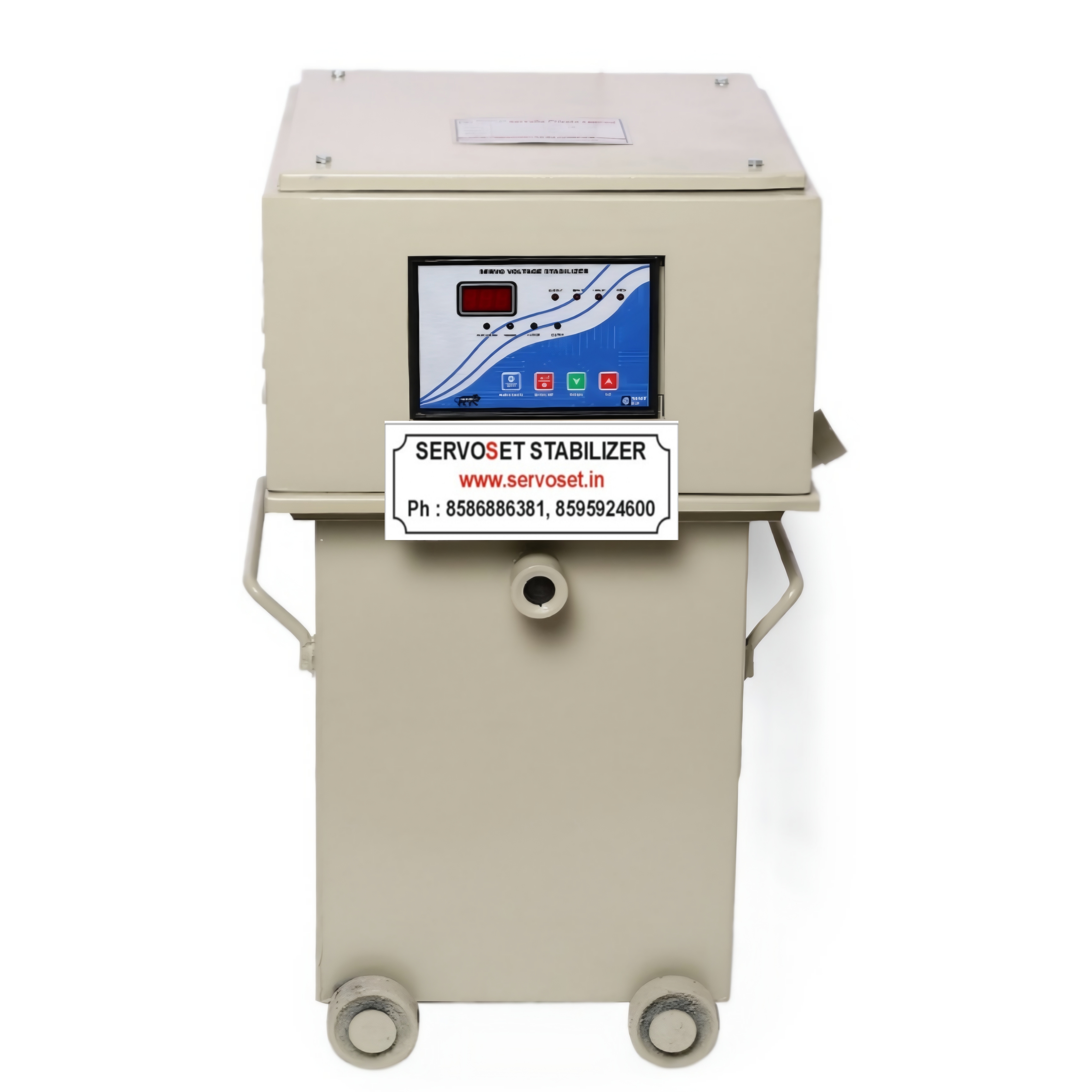
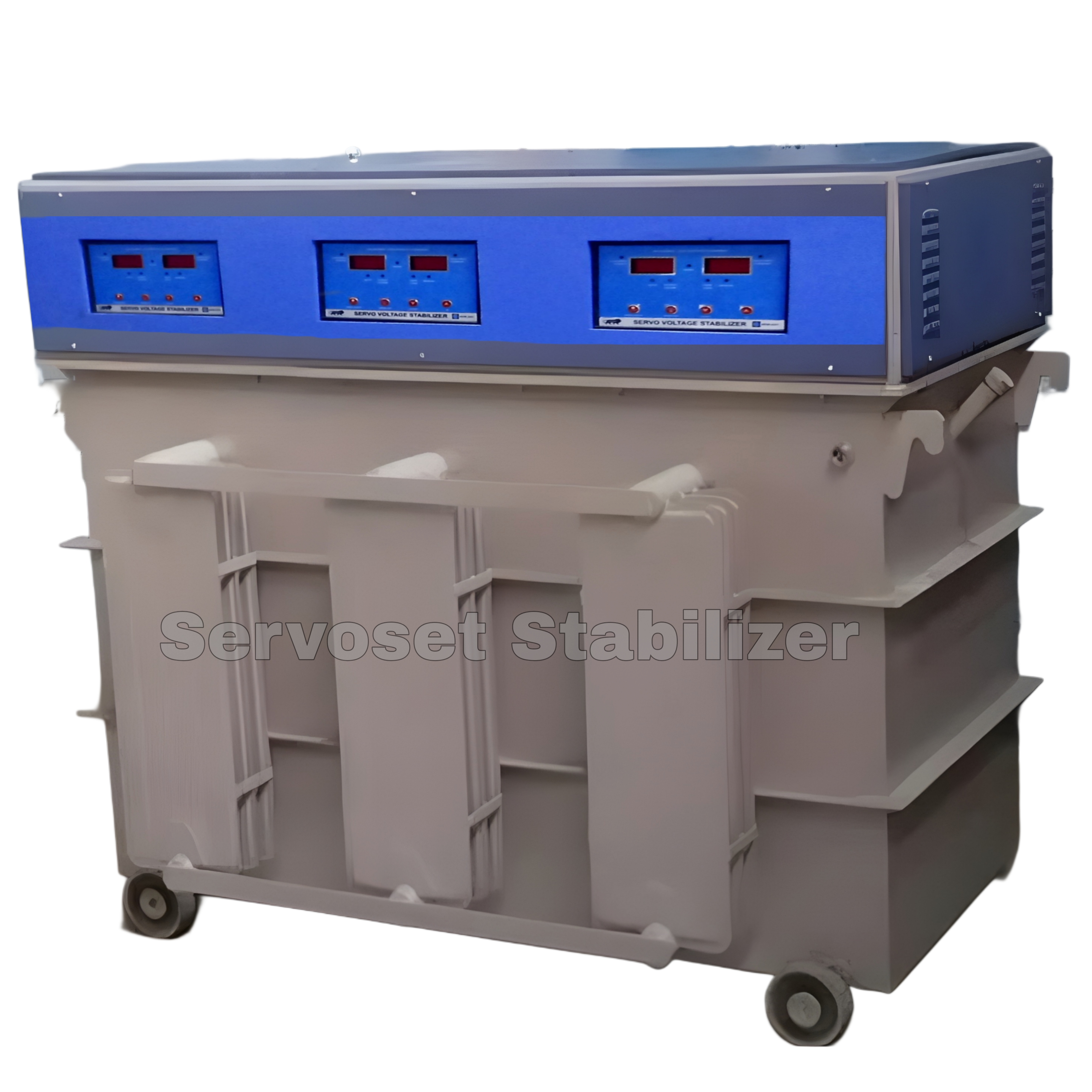
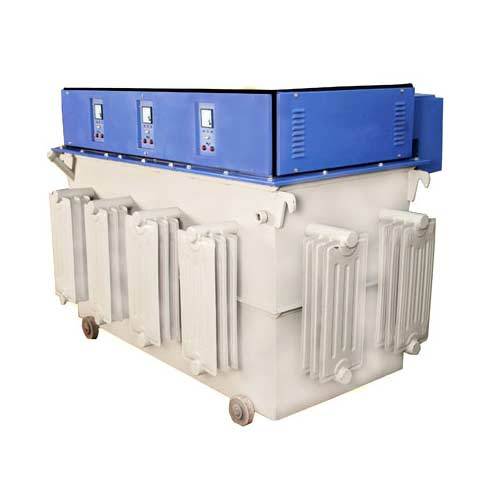
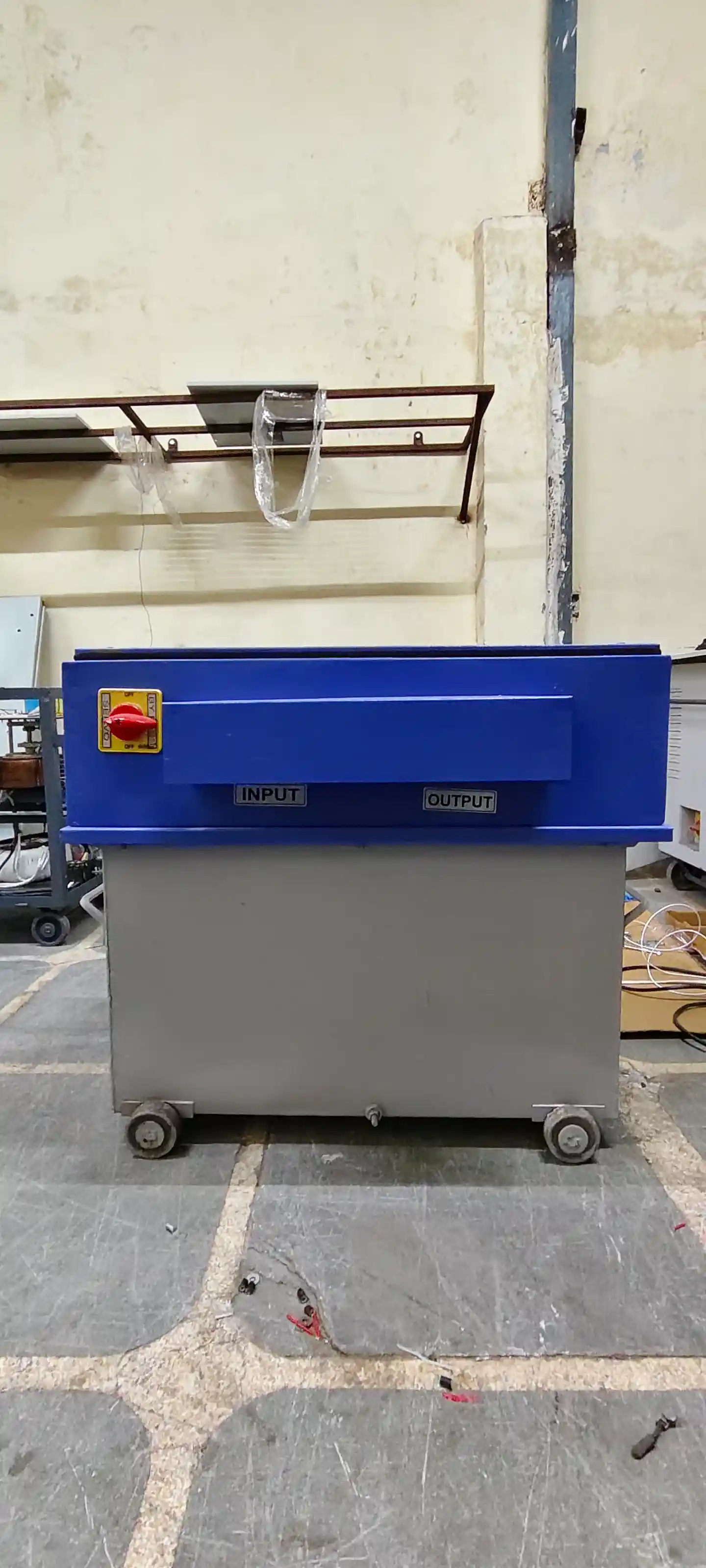
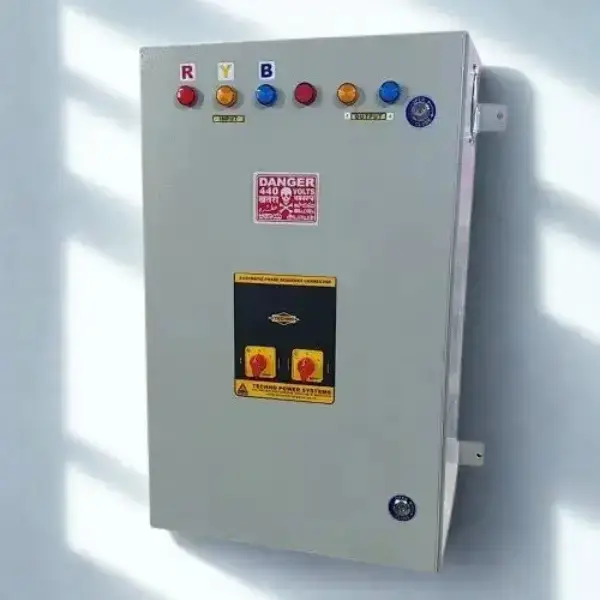
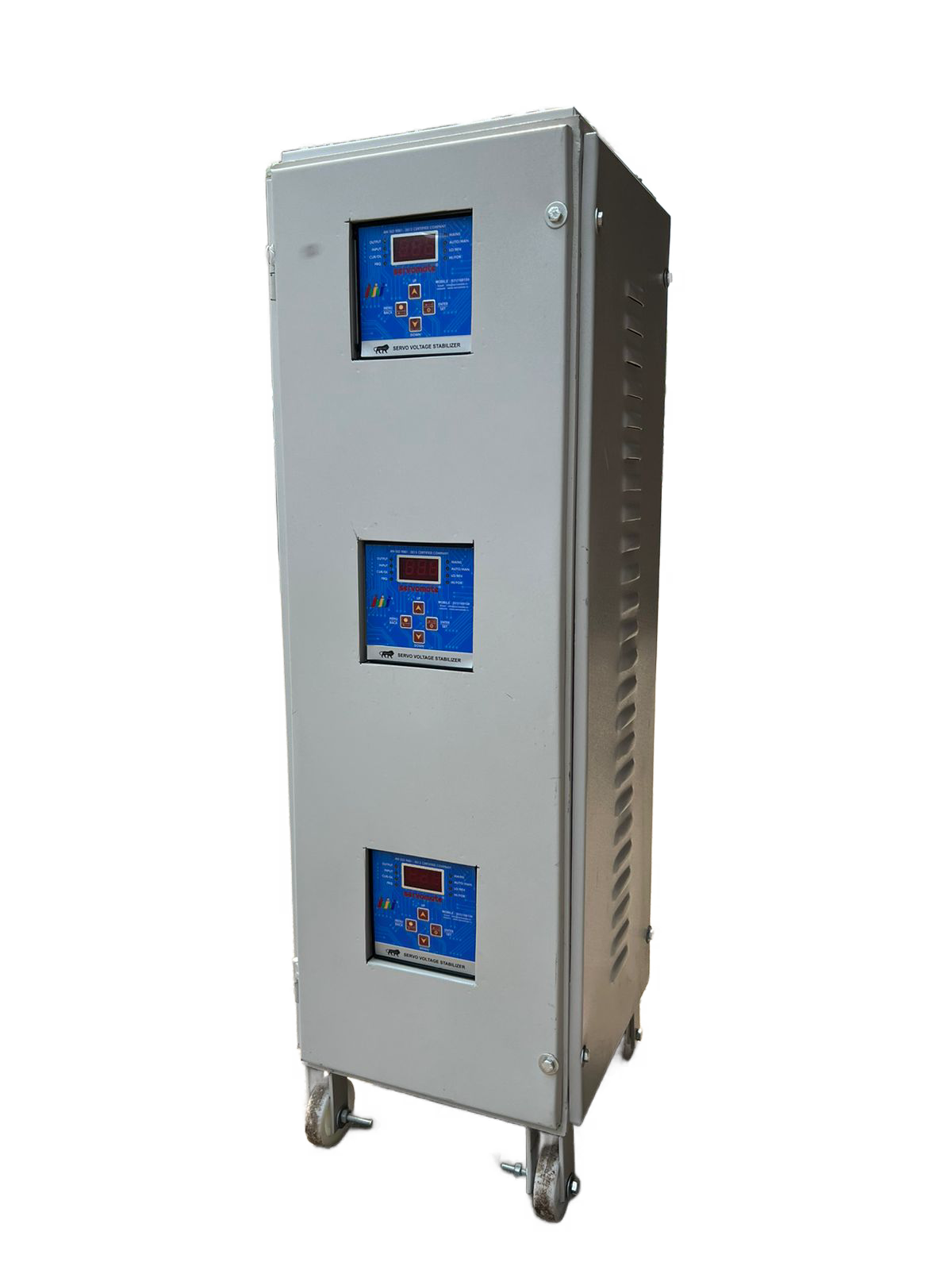
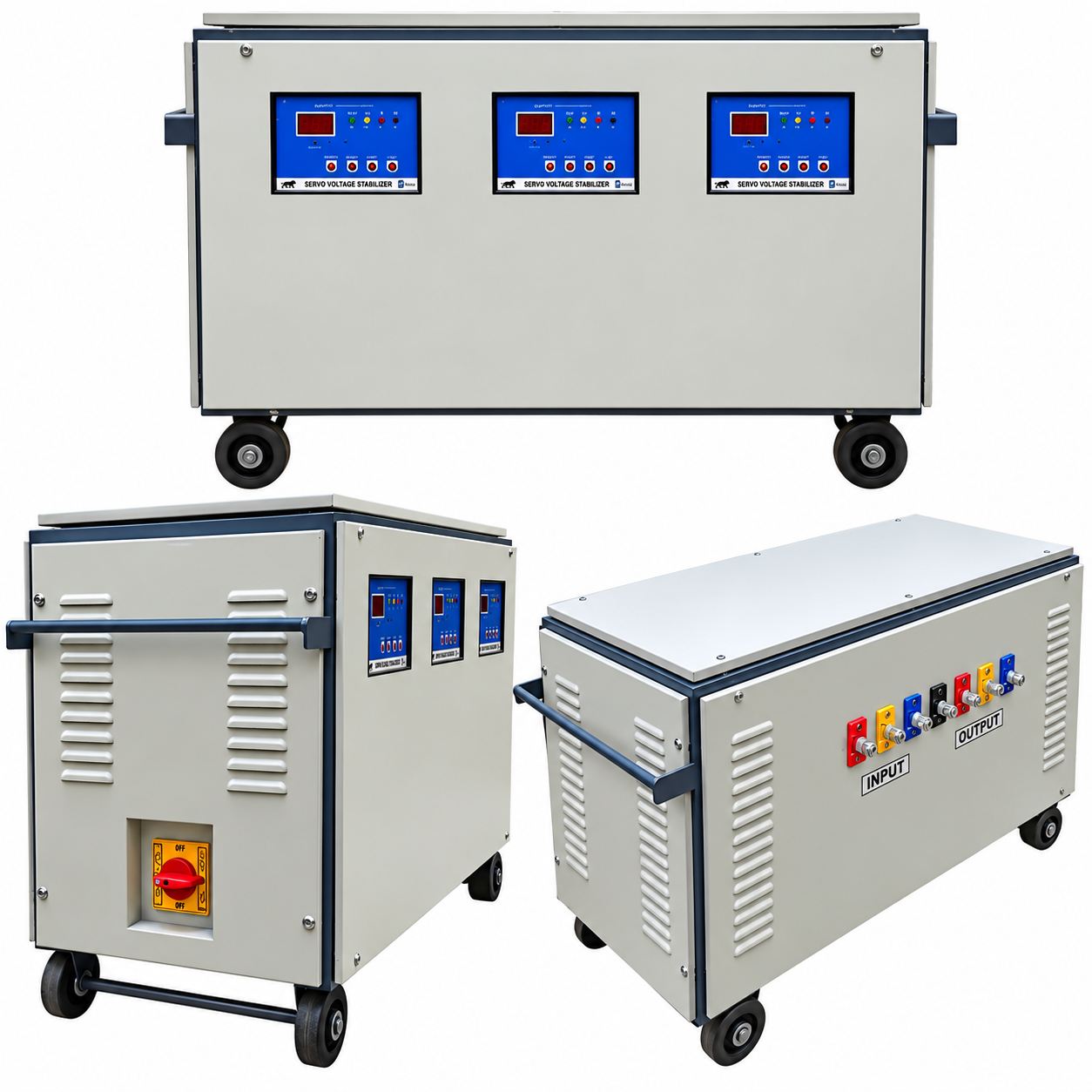
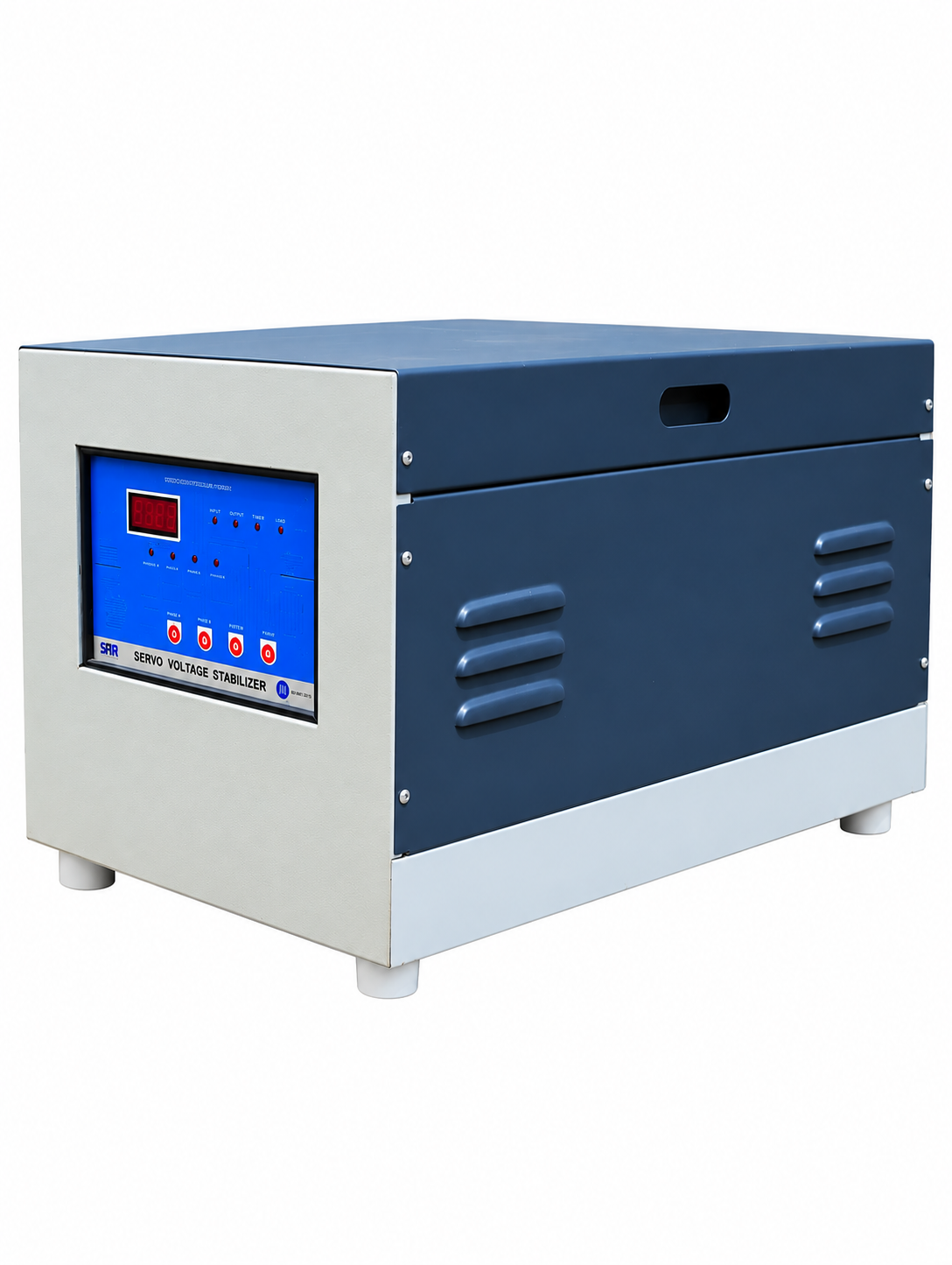
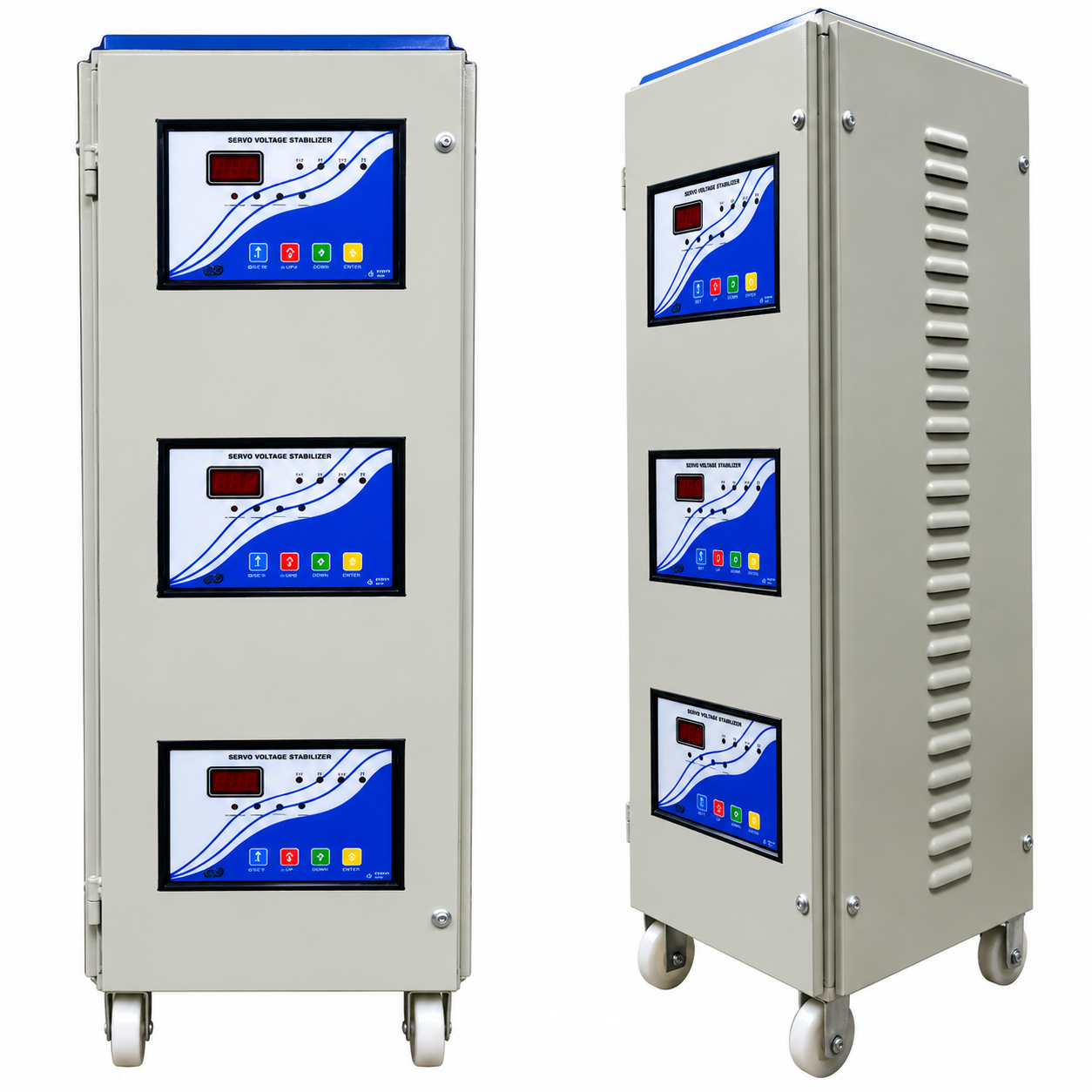
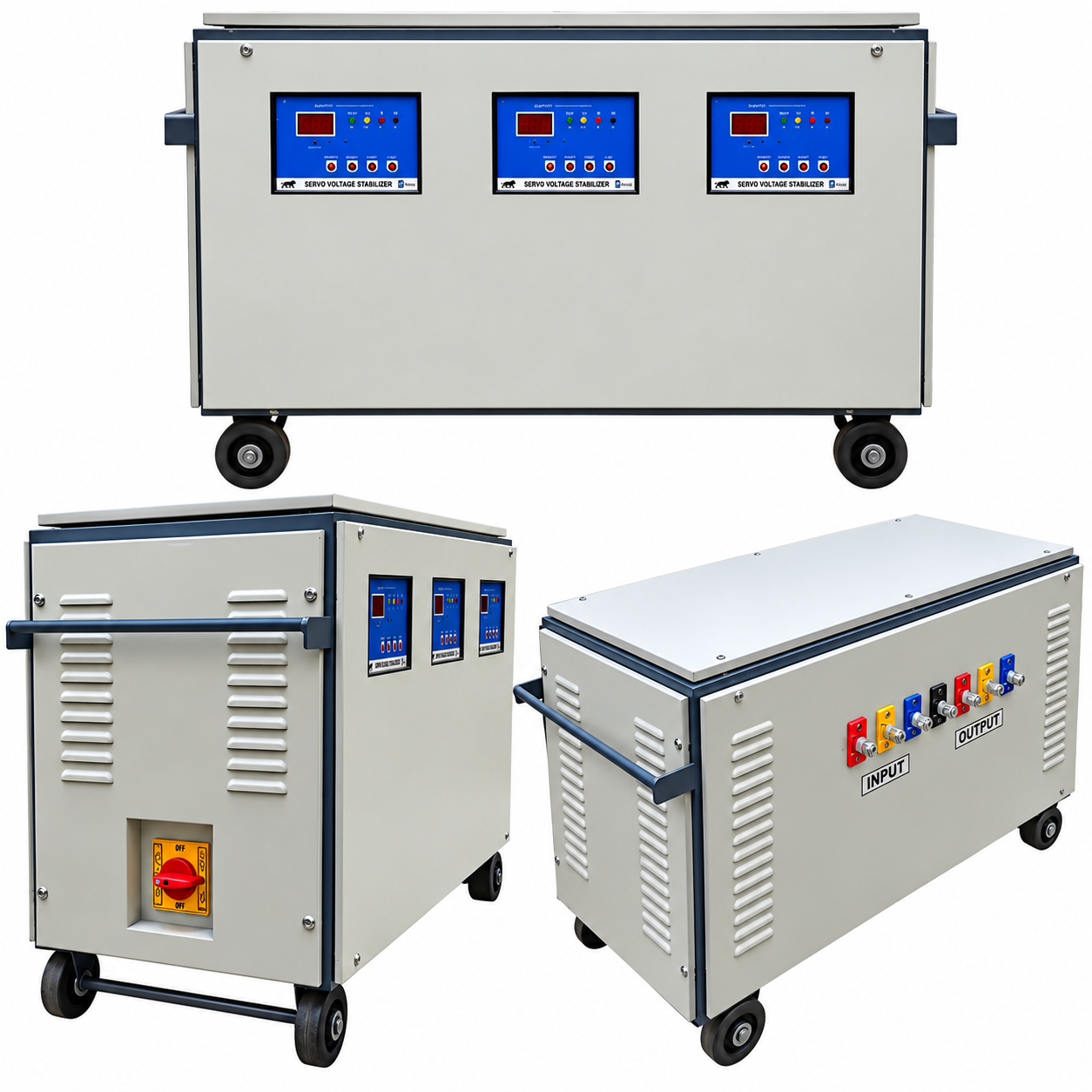
Air cooled servo stabilizers are used in offices, commercial buildings and industrial facilities, depending on the electrical load and installation conditions.
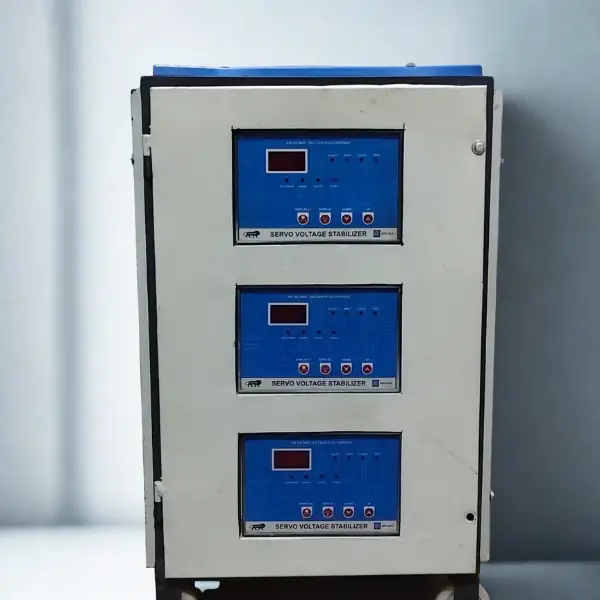
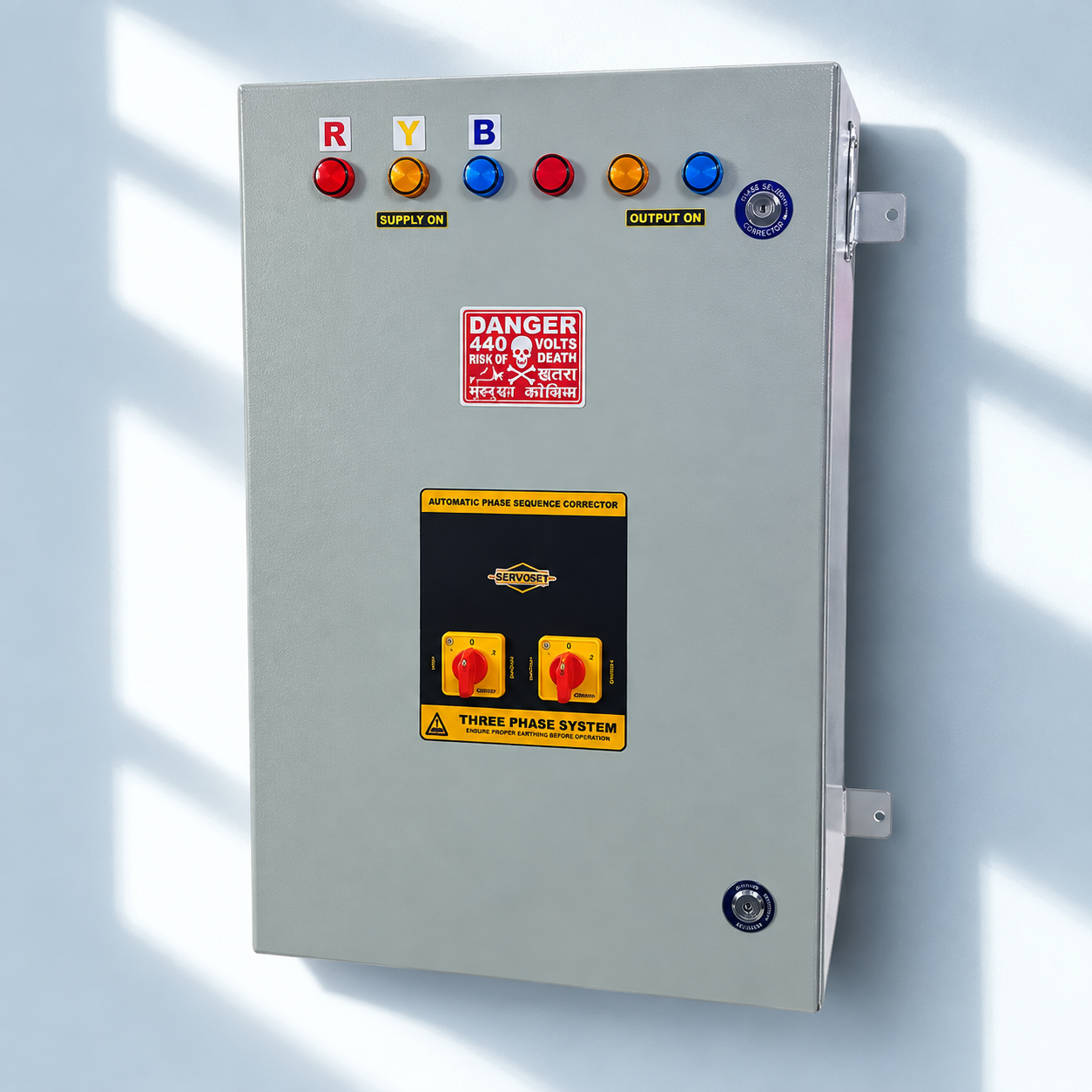
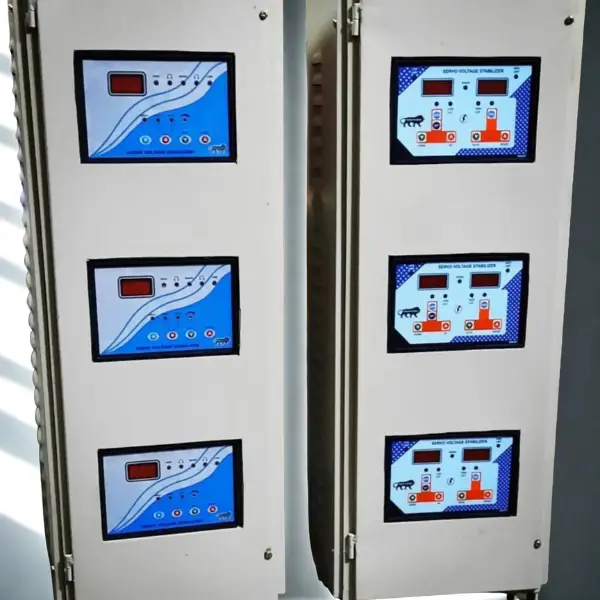
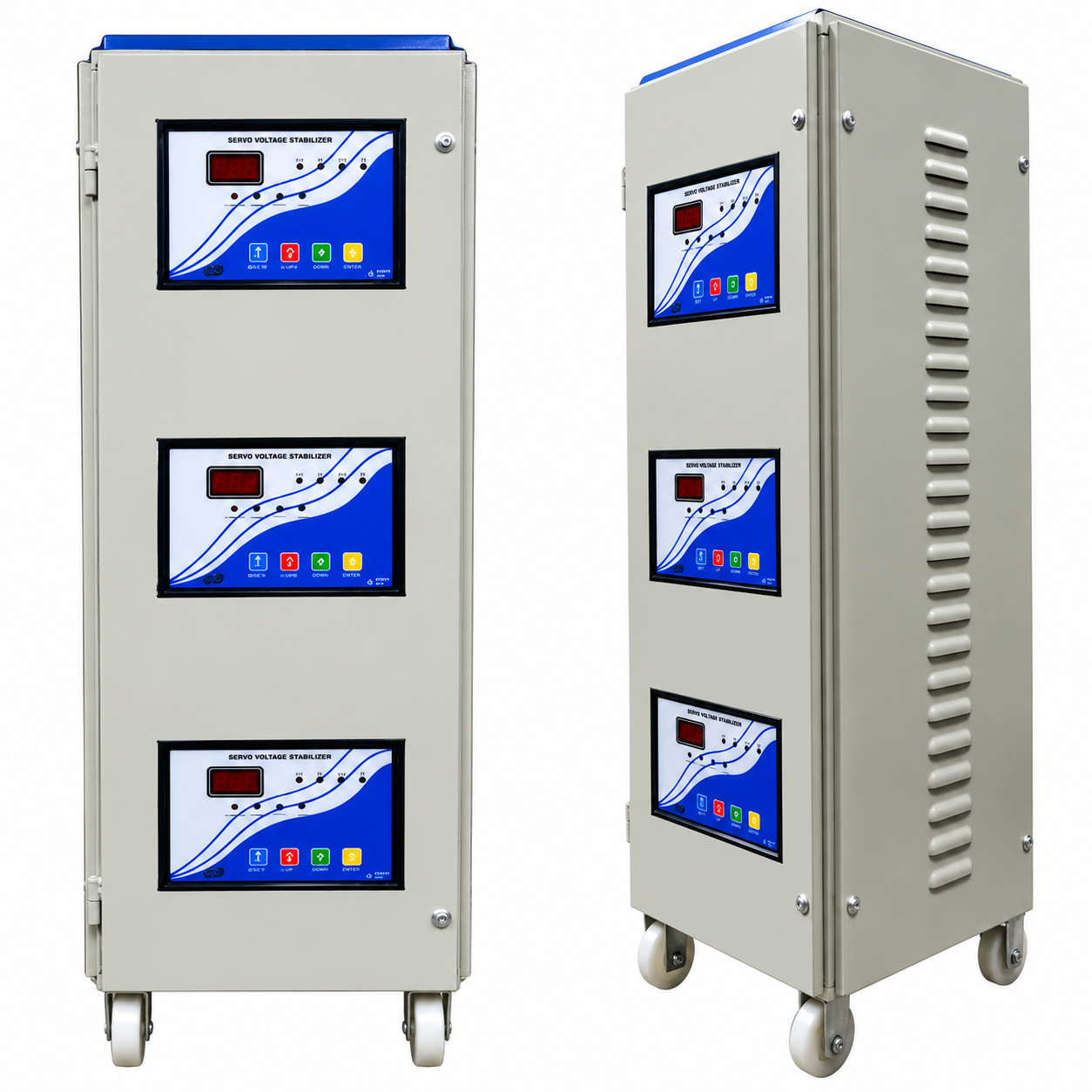
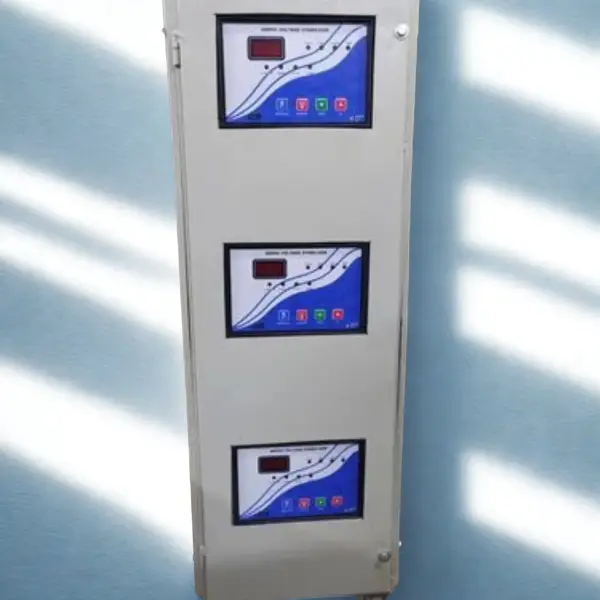
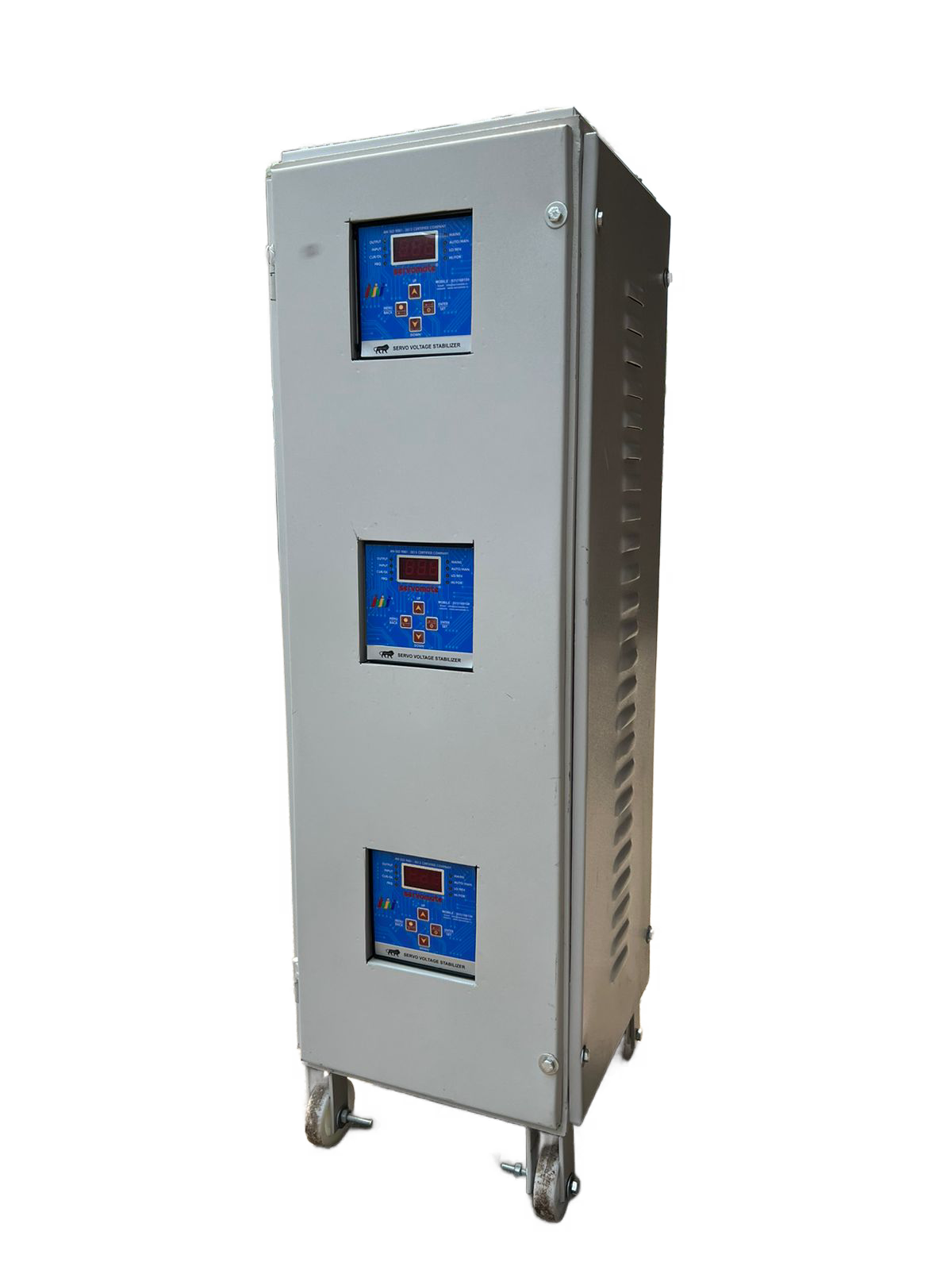
They are available in both single phase and three phase models, making them suitable for a range of applications.
Here are a few points to consider:
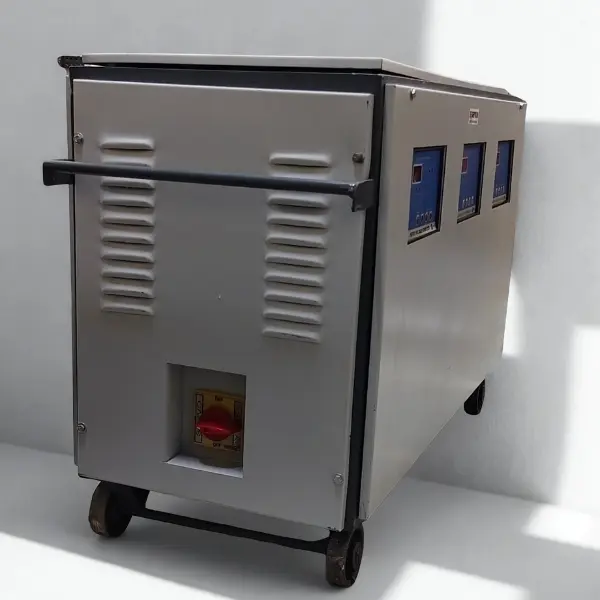
- Cooling: Uses natural airflow or a fan to remove heat without requiring cooling oil.
- Installation: These units are generally lighter than oil cooled models, making them easier to handle and install.
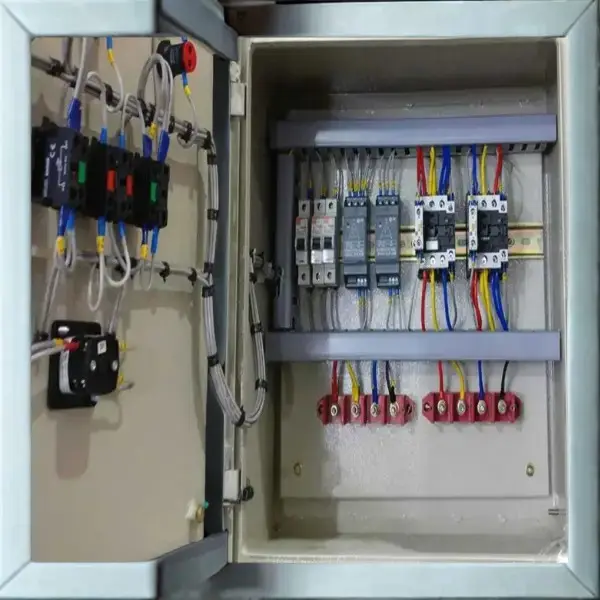
- Maintenance: There is no cooling oil to maintain, but dust cleaning and checks of the brushes, windings and wiring are still necessary.
- Environment: A clean, dry and well-ventilated room is generally suitable.
- Capacity: The required capacity depends on the connected load, starting current, voltage fluctuations and daily operating hours.
The cooling method alone does not determine the load capacity of a stabilizer. Always check the specifications of the particular model before making a purchase.
How Does Room Temperature Affect Performance?
Room temperature is easy to overlook when selecting a stabilizer. Buyers often focus on capacity and price without considering the conditions in which the unit will operate.
For example, if a stabilizer is installed in a factory where the temperature rises during the afternoon, it must deal with both the heat generated during voltage correction and the heat already present in the room. When the surrounding air is hot, removing this heat becomes more difficult. The internal temperature may rise further when the unit operates under a heavy load for several hours.
However, not every air cooled stabilizer will struggle during summer. Performance depends on the model, connected load and surrounding temperature.
Some models are designed to operate at ambient temperatures of up to approximately 45°C. This limit varies between manufacturers, so always check the specifications of your chosen unit.
If your electrical room becomes particularly hot, discuss the situation with your supplier. Improving ventilation or cooling the room may help. If the conditions are unsuitable, another stabilizer model may be a better choice.
Air Cooled or Oil Cooled: Which Should You Choose?
There is no single option that suits every installation. Both types have their advantages, and the right choice depends on your operating requirements.
An air cooled stabilizer can be convenient when you want to avoid oil-related maintenance and have a suitable indoor installation space. It may work well in shops, offices and workshops where temperatures remain moderate and air circulation is adequate.
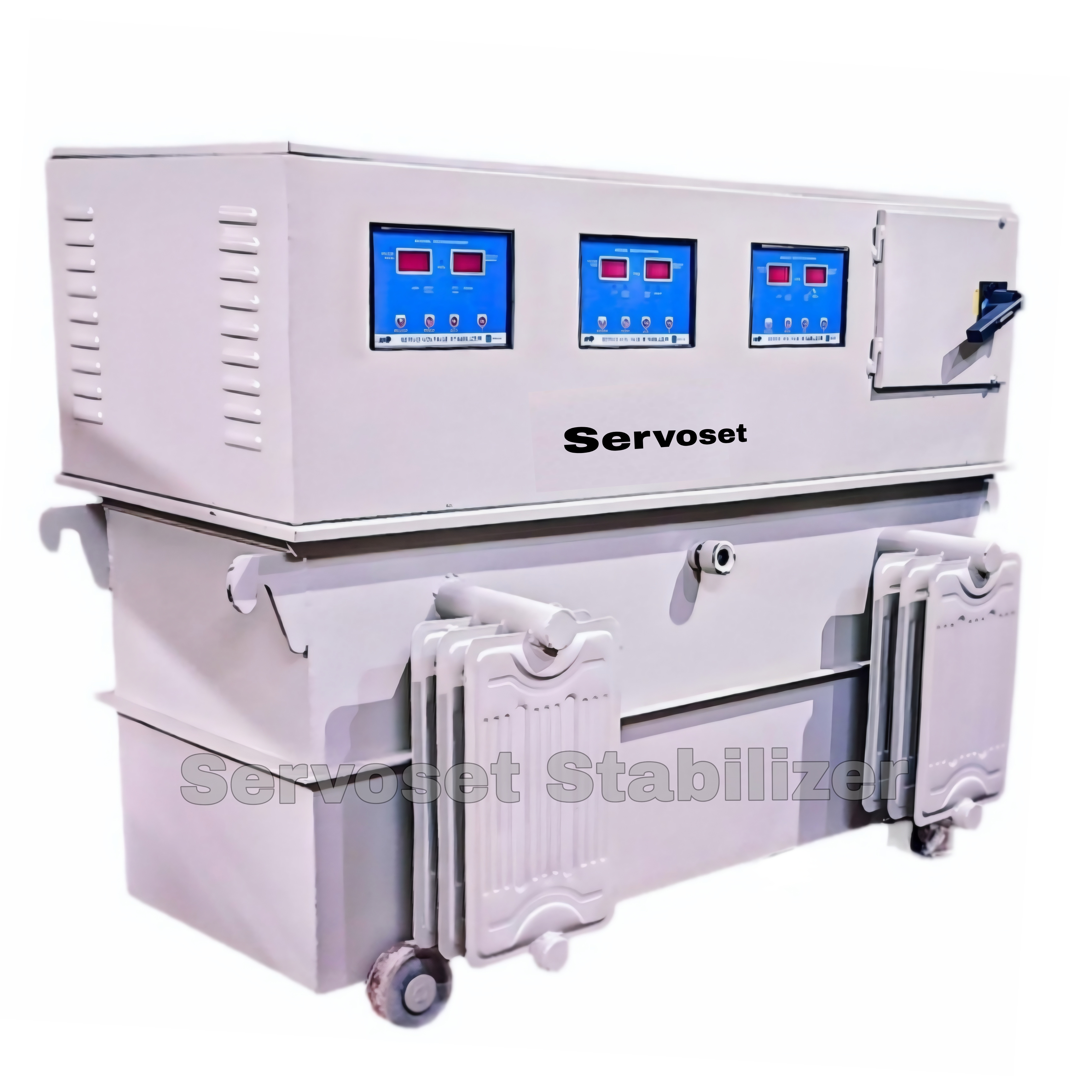
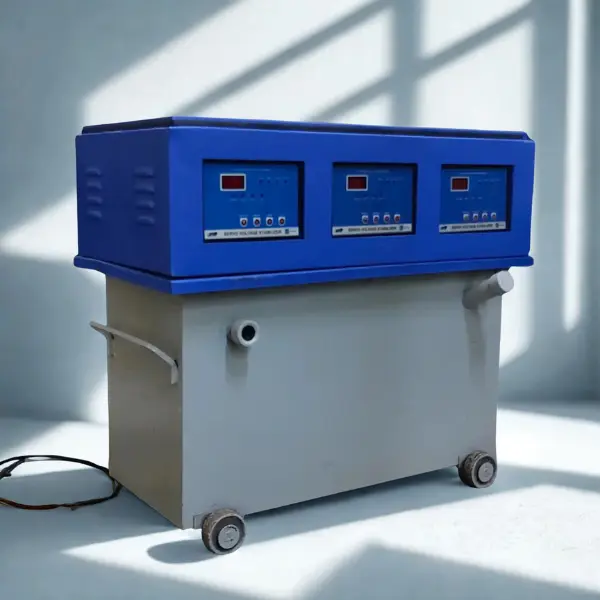
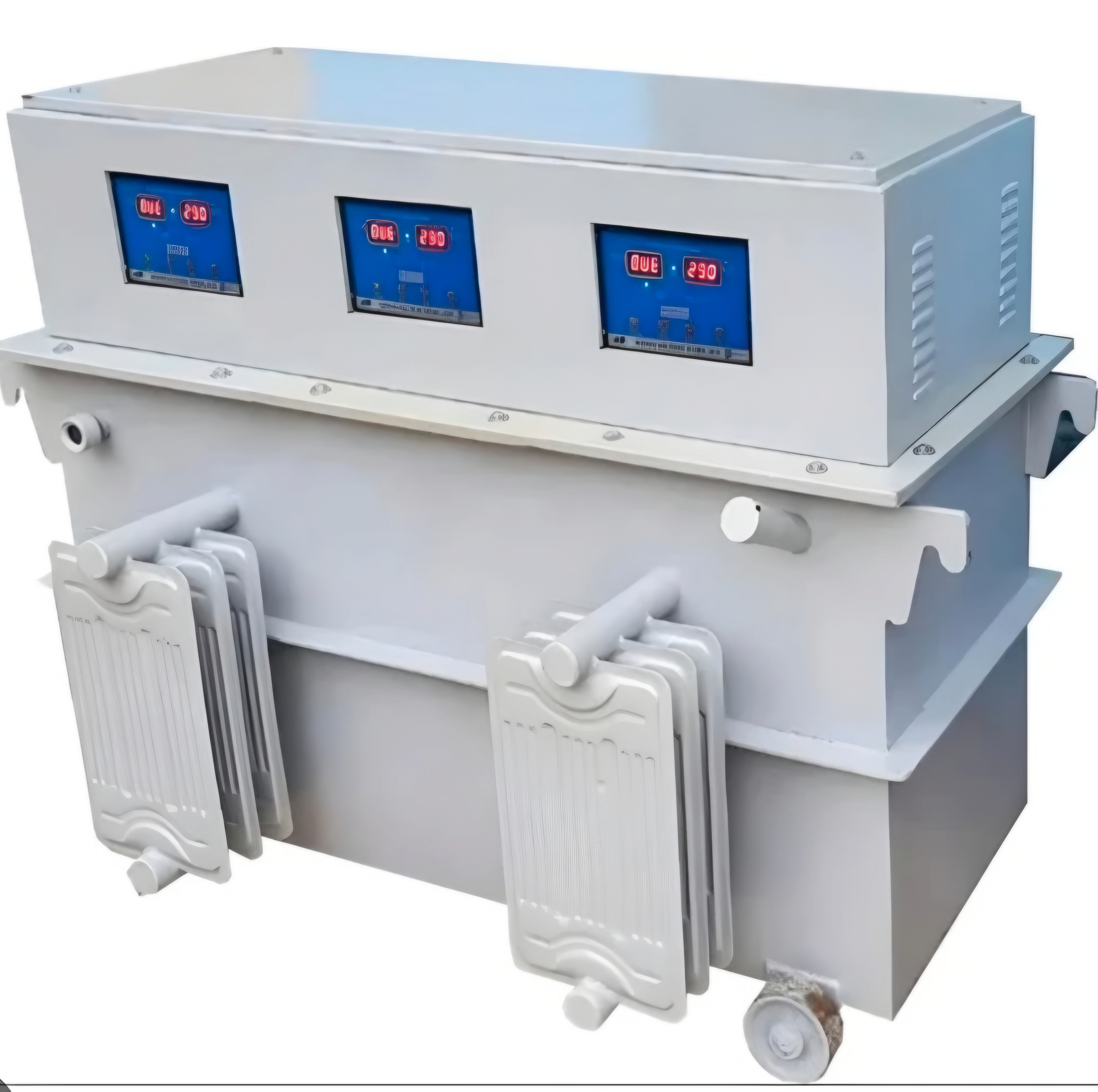
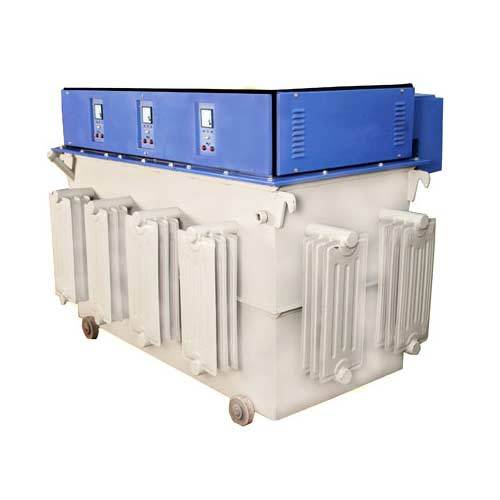
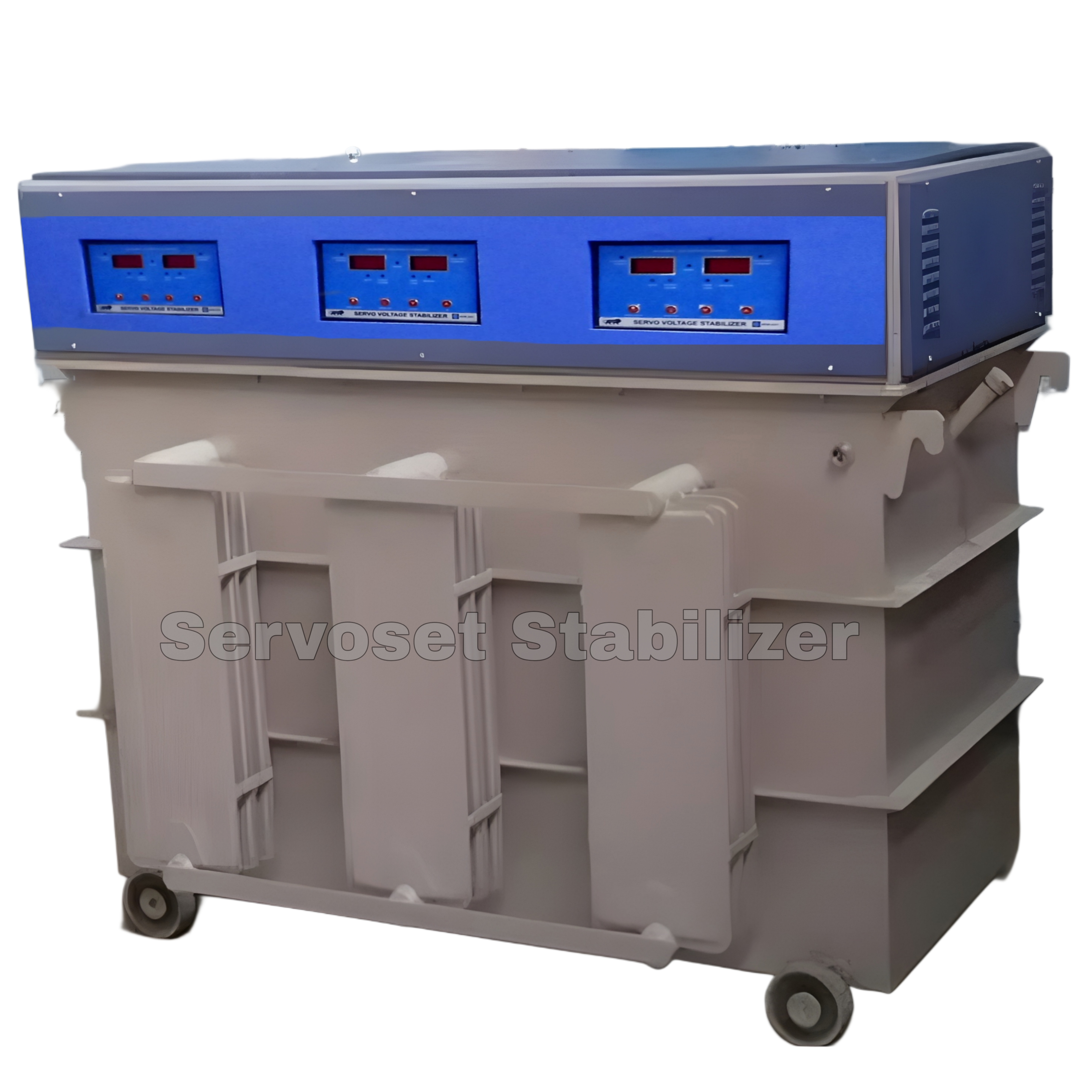
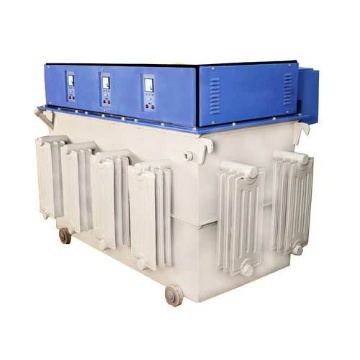
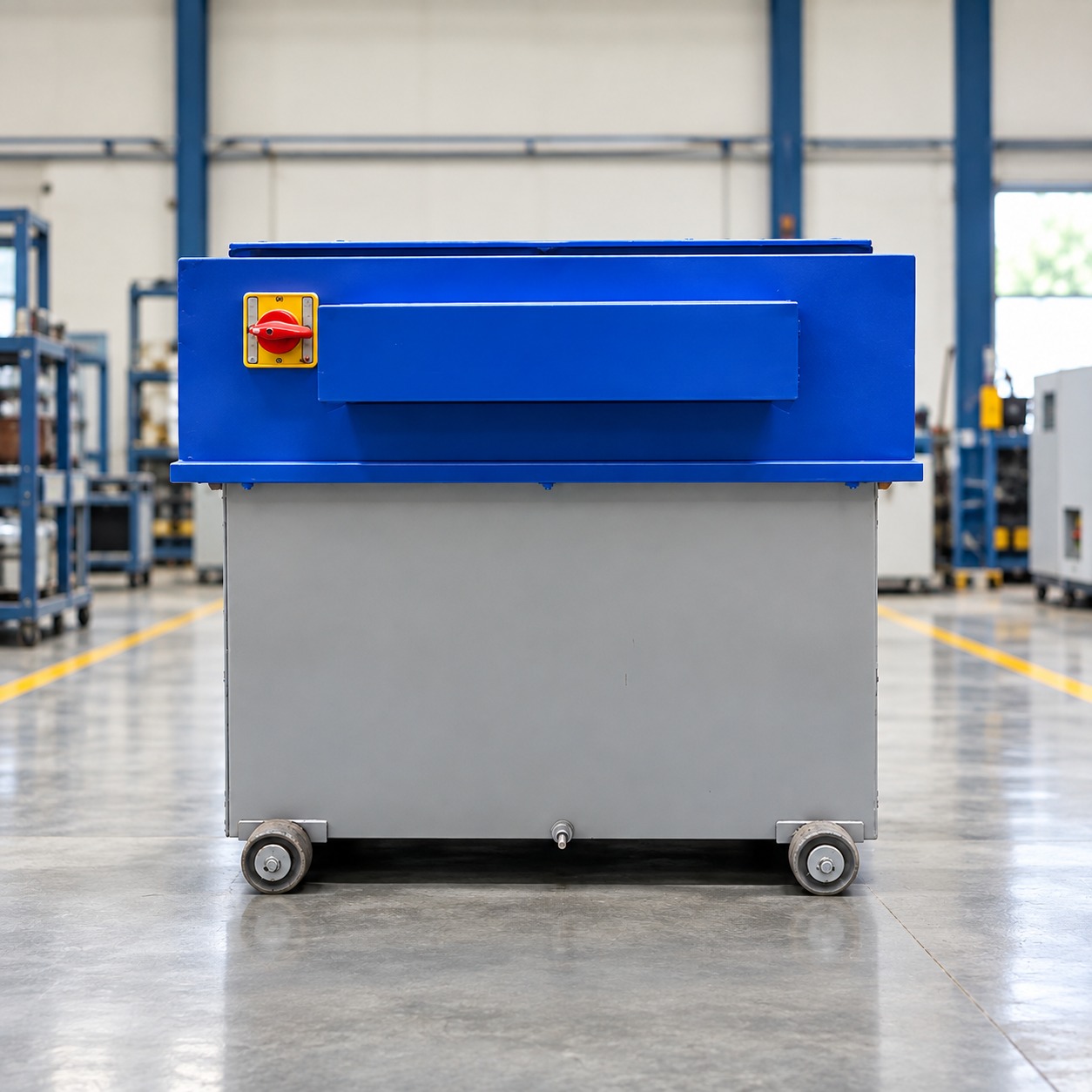
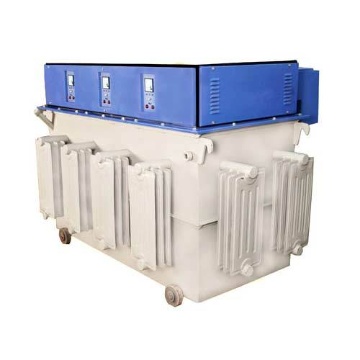
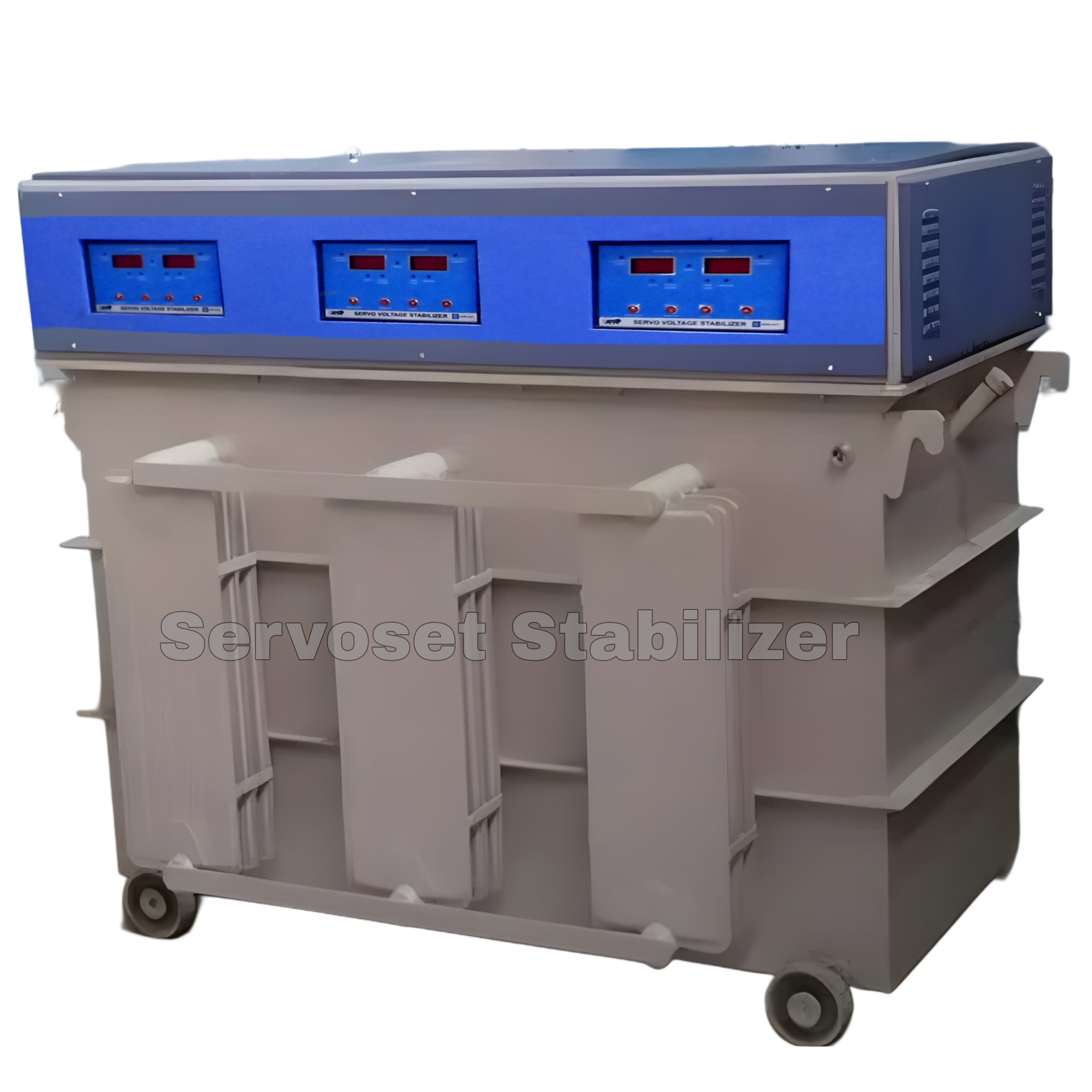
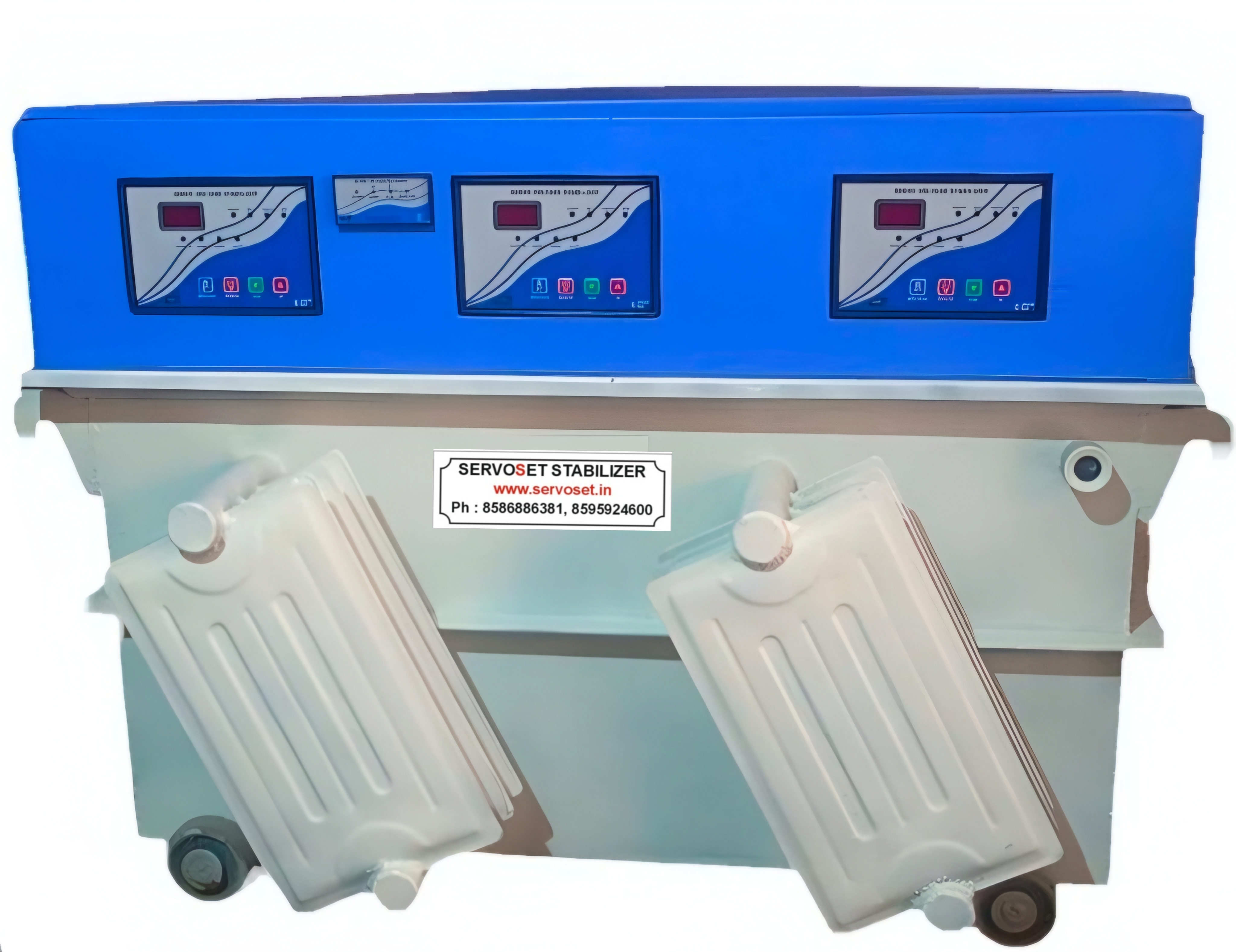
For applications involving demanding operating conditions or continuous heavy loads, an oil cooled model may be worth considering. It must also be installed correctly and maintained according to the manufacturer's instructions.
Before making your decision, consider these questions:
- Does the installation area become very hot during summer?
- Will the stabilizer operate under a heavy load for long periods?
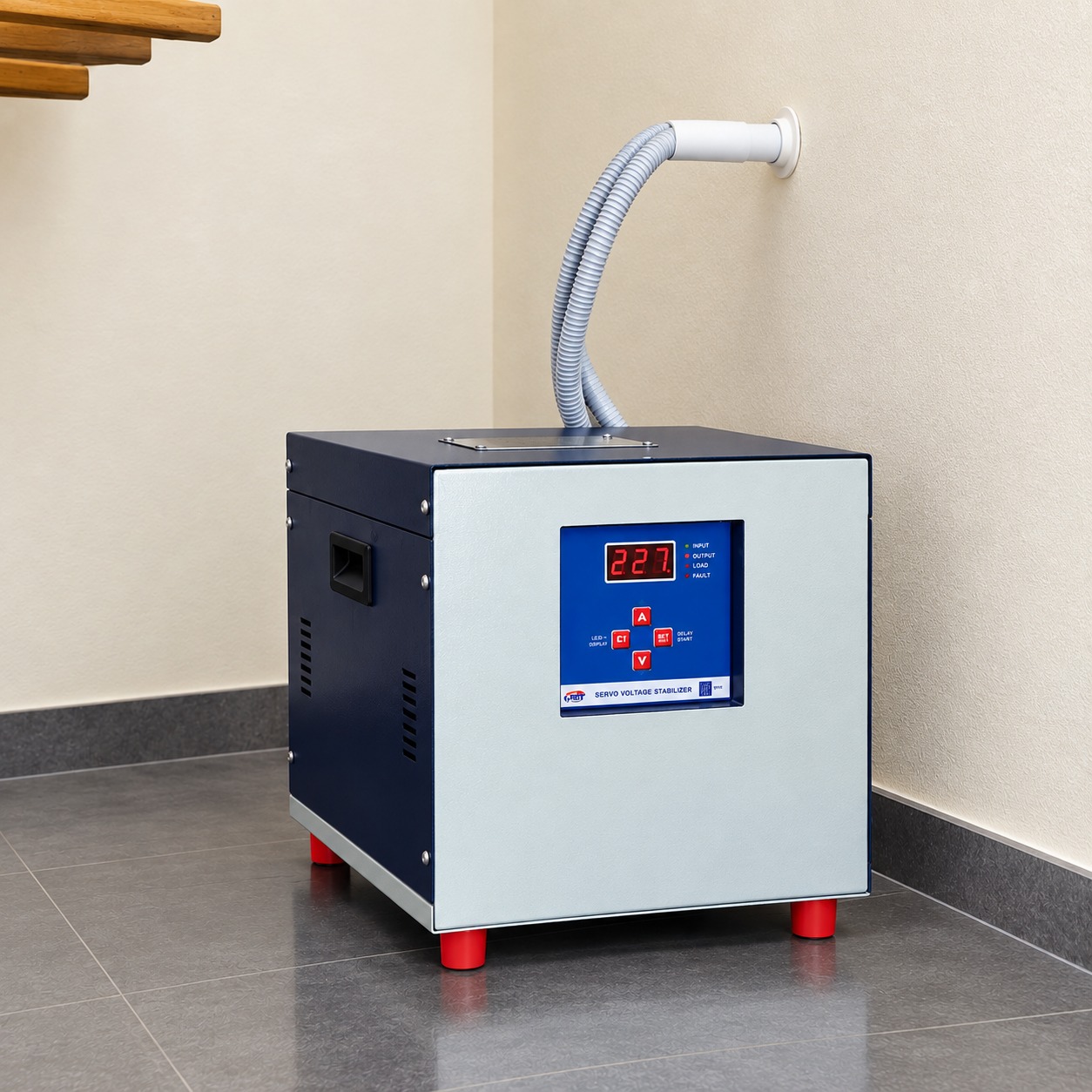
- Is there enough space around the unit for proper airflow?
These answers can help narrow down your options. Check the manufacturer's specifications and discuss your electrical requirements with a supplier before selecting a model.
Things to Avoid When Installing an Air Cooled Stabilizer
Even a suitable stabilizer can face operating problems if it is installed in the wrong location. A few simple precautions can help prevent common issues.
- Installing in a confined space: Placing the unit against a wall or inside a small, enclosed cabin can restrict airflow. Maintain the clearance recommended by the manufacturer.
- Keeping it near heat sources: Avoid installing the stabilizer close to heaters, boilers or machinery that produces excessive heat. Keep it away from direct sunlight as well.
- Ignoring dust accumulation: Dust can be a problem in workshops and factories. Keep the surrounding area clean and ensure the ventilation openings remain clear.
- Choosing the wrong capacity: Do not select a model based only on the normal running load. Consider starting currents, voltage conditions and any equipment you may add later.
- Making servicing difficult: Install the unit where a technician can access it easily. Leave enough space for inspection and routine maintenance.
Taking care of these details during installation can make maintenance easier and help avoid unnecessary operating problems.
How to Maintain an Air Cooled Servo Voltage Stabilizer
Although an air cooled stabilizer does not require cooling oil, regular inspection is still important. A few simple checks can help identify potential problems before they become serious.
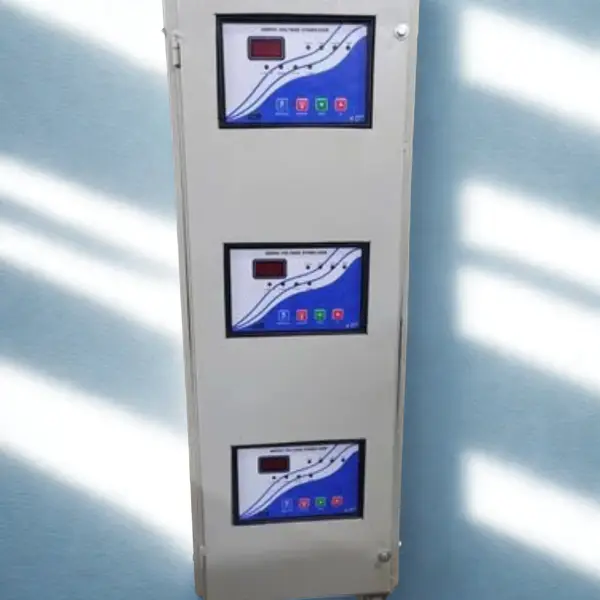
Monitor the input and output voltage readings during operation. If the unit starts making unusual noises or displays a warning, arrange an inspection rather than ignoring the issue.
Clean dust from the outer surface and ventilation openings as needed. If the unit has a cooling fan, check that it operates properly. Stabilizers installed in dusty factories may require more frequent cleaning than those used in offices.
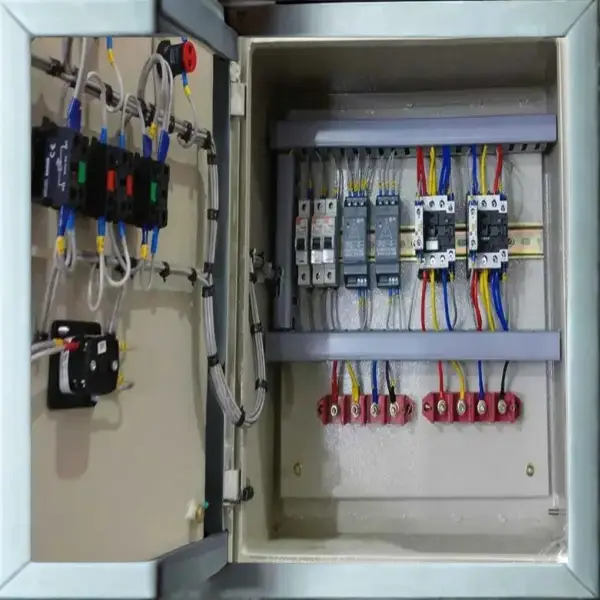
The wiring terminals, carbon brushes and other internal components should be inspected according to the manufacturer's maintenance schedule. Some installations may require annual servicing, while units operating in harsh conditions may need more frequent attention.
Always switch off and isolate the equipment before cleaning or inspection. Internal maintenance should be carried out by a qualified technician.
Things to Consider Before Buying
Choosing a stabilizer becomes easier when you have a clear understanding of your electrical requirements. You do not need to know every technical detail, but a few basic details can help your supplier recommend a suitable model.
Start by identifying the total connected load and the type of equipment you want to protect. Then consider the input voltage range, phase requirements and the number of hours the stabilizer will operate each day.
The installation environment also matters. If the room becomes hot during summer, has excessive dust or lacks proper ventilation, share these details with your supplier before purchasing.
Choosing the cheapest option is not always the best decision. The stabilizer should be suitable for your actual working conditions to provide reliable performance over time.
Need Help Choosing a Stabilizer? Get in Touch with SERVOSET
Selecting the right stabilizer starts with understanding the requirements of your installation. A small commercial setup may have very different needs from a factory where machinery operates throughout the day.
If you are considering an air cooled servo voltage stabilizer, contact the SERVOSET team and share details about your connected load, input voltage range, room temperature and daily operating hours. Mention any dust or ventilation issues as well. This information can help you discuss suitable options for your application.
Visit the SERVOSET website to learn more.
Frequently Asked Questions
What is an air cooled servo voltage stabilizer?
An air cooled servo voltage stabilizer corrects voltage fluctuations and releases the heat generated during operation through natural airflow or a cooling fan.
Are air cooled stabilizers suitable for factories?
They can be suitable for certain factory applications. Consider the connected load, operating temperature, dust levels and daily usage before choosing a model.
Do air cooled stabilizers require oil?
No. They use air for cooling, so there is no cooling oil to check or replace. Other components still require regular inspection and maintenance.
Can I install an air cooled stabilizer in a hot room?
This depends on the maximum operating temperature specified by the manufacturer. Check the model's specifications and improve ventilation if necessary.
How often should I service an air cooled stabilizer?
The service interval depends on the model and operating conditions. Follow the manufacturer's maintenance schedule and arrange an inspection if you notice unusual heating, noise or changes in performance.
Are single phase and three phase models available?
Yes. Both options are available, but the appropriate model depends on your electrical supply and connected load.
Conclusion
An air cooled servo voltage stabilizer can be a suitable choice for a clean, well-ventilated installation. Before buying, consider the connected load, room temperature and daily operating hours. If your site is particularly hot or dusty, discuss other suitable options with your supplier. Contact SERVOSET to explore a stabilizer that meets your requirements.