Introduction
A stabilizer does not get a day off. In a busy industrial plant, it works through every shift, correcting the supply hundreds of times an hour while heat builds up inside and dust settles on every surface. Over the years, its ability to handle heat and dust determines how long it lasts.
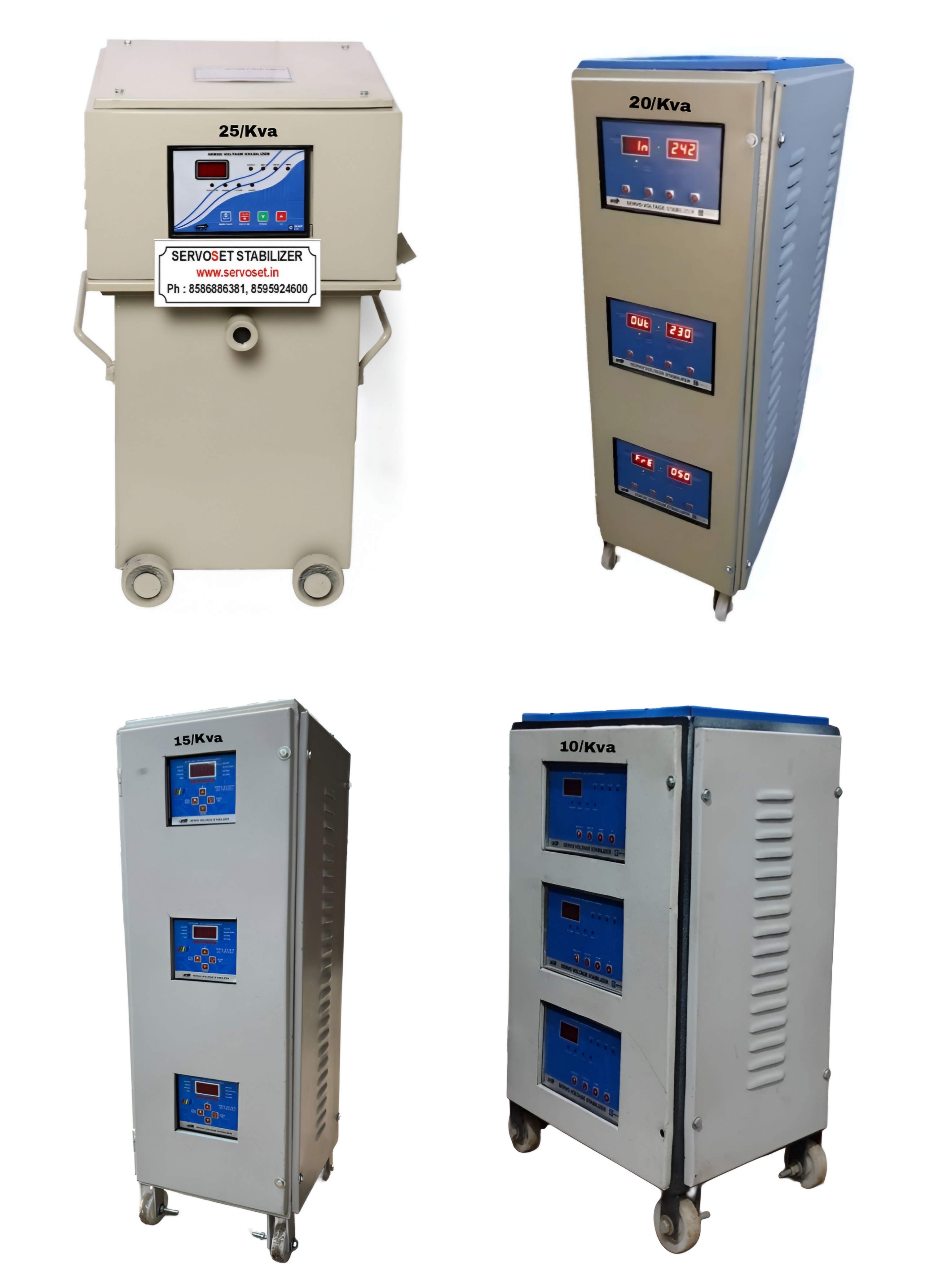
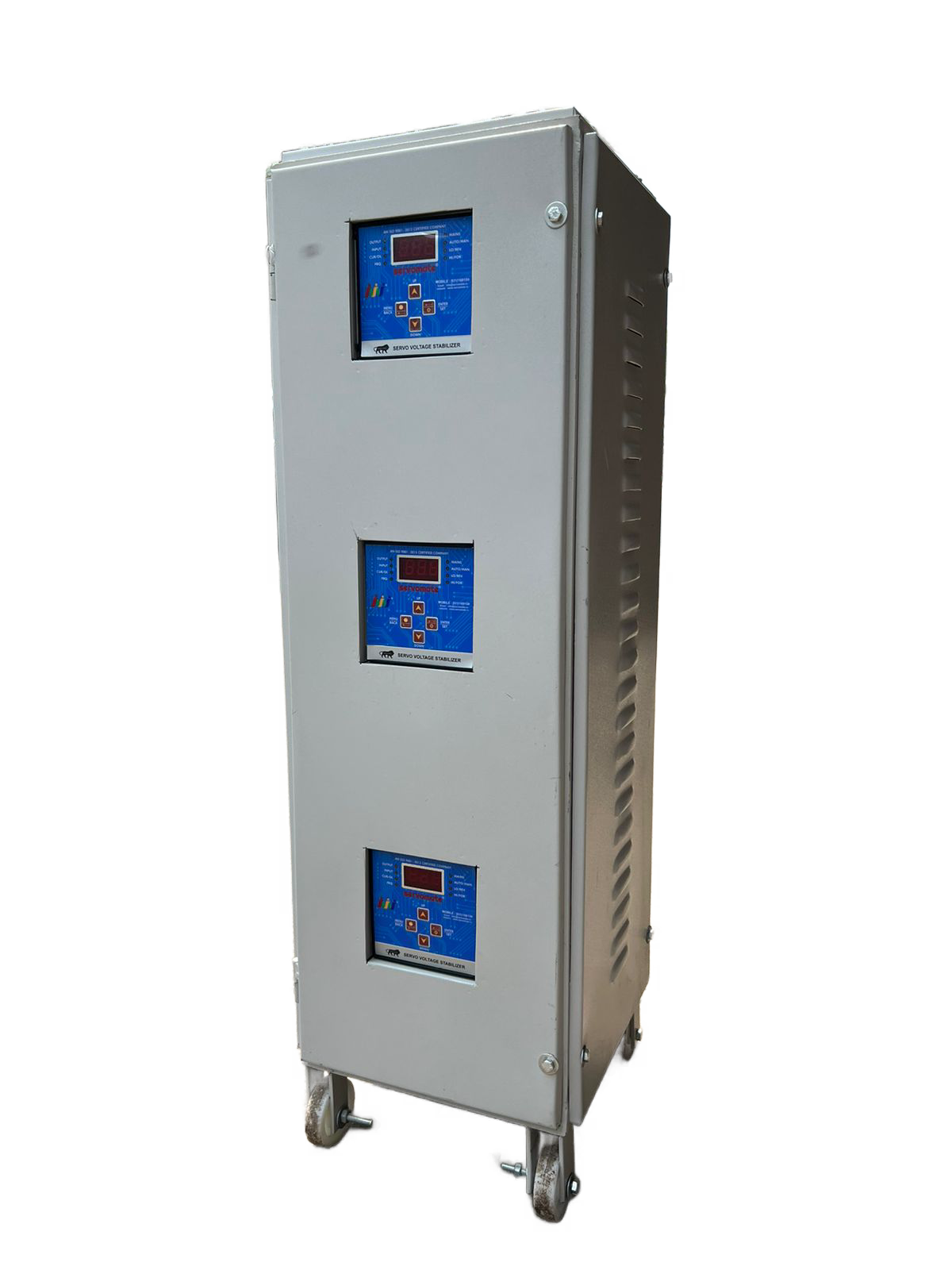
This is where oil cooled three phase servo voltage stabilizers earn their place. They are designed for heavy loads and demanding industrial environments, making them a common choice for factories that cannot afford stabilizer breakdowns. This guide explains how they work, what makes them different, and how to choose the right one for your plant in Sonipat.
Why Oil Cooling Makes Sense in Sonipat's Industrial Belt
Sonipat's industrial areas, including Kundli, Rai, Barhi, and Kharkhoda, are home to engineering units, auto component manufacturers, food processing plants, packaging units, plastic industries, steel plants, and cold storage facilities. Many of these industries operate for long hours with heavy motors, compressors, and furnaces, placing continuous stress on electrical equipment.
Dust
Open yards, moving trucks, and ongoing construction keep dust levels high in industrial areas. When dust enters an electrical unit, it can settle on windings and moving parts, restrict heat dissipation, and gradually damage insulation and brush contacts.
Heat
Summer temperatures in Haryana can be high, and operating machinery makes industrial plant rooms even hotter. A stabilizer running at full load under these conditions has limited thermal headroom before overheating becomes a concern.
Power Supply Fluctuations
Heavy industrial loads, agricultural pumping seasons, and peak summer demand can cause voltage fluctuations throughout the day. The stabilizer must continuously correct the supply, increasing heat generation and mechanical wear.
Fog and Moisture
Winter fog increases moisture in the air, which can affect exposed electrical components and cause insulation problems if the equipment is not adequately protected.
A cooling method that manages heat while protecting internal components from dust and moisture is not a luxury in these conditions. It is a practical requirement.
What Is an Oil Cooled Three Phase Servo Voltage Stabilizer?
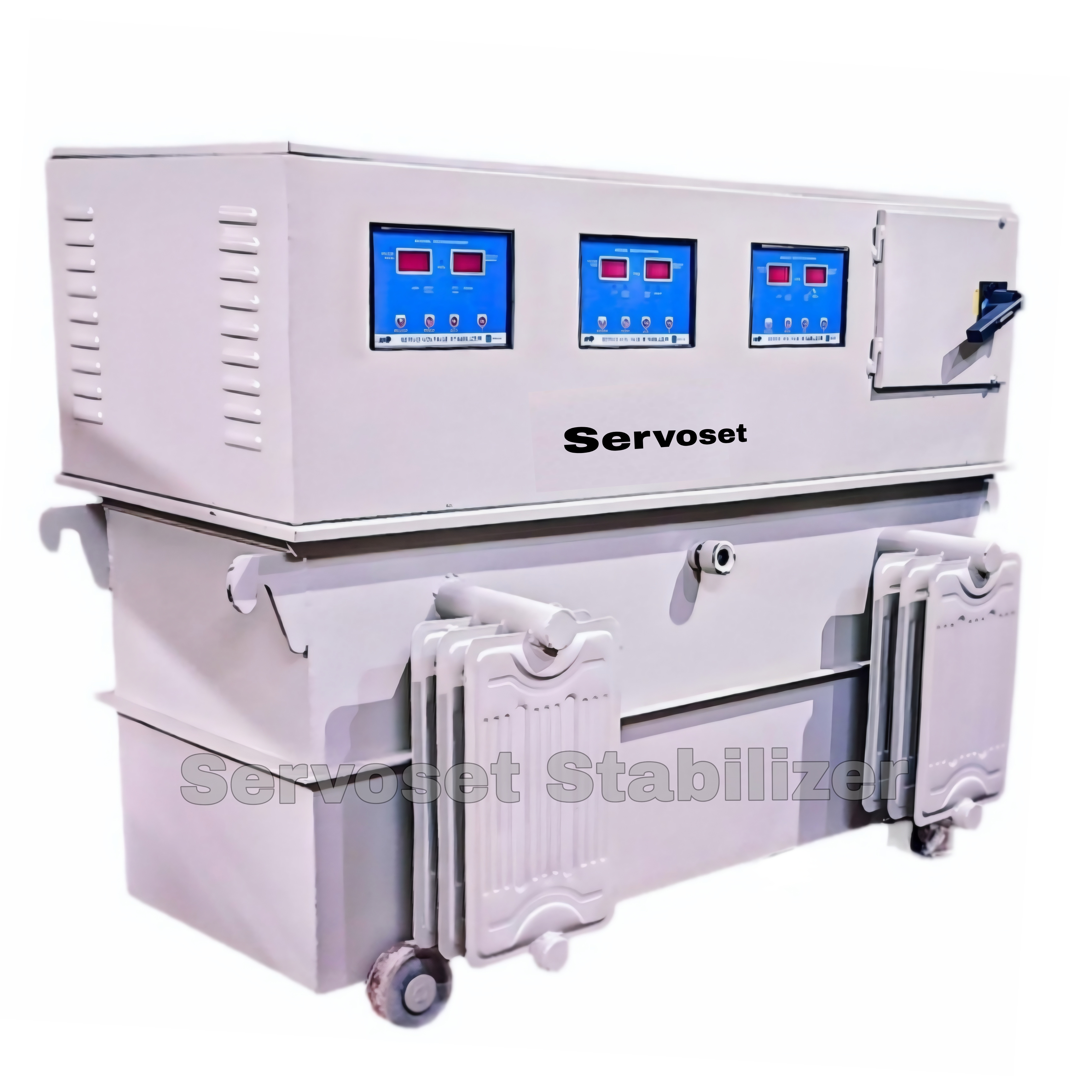
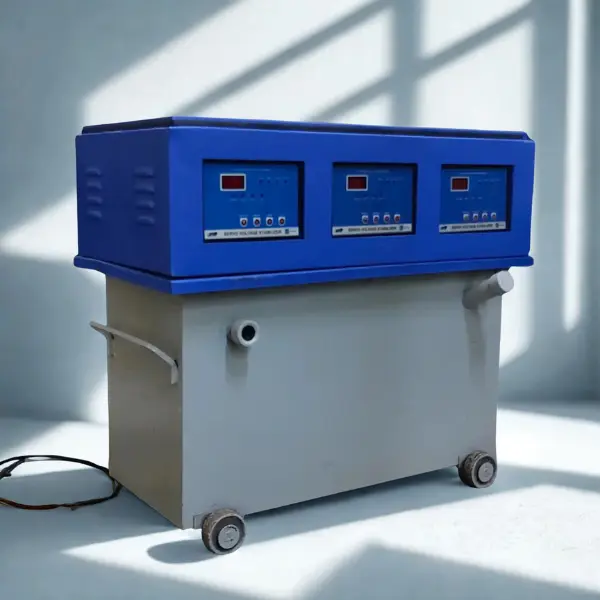
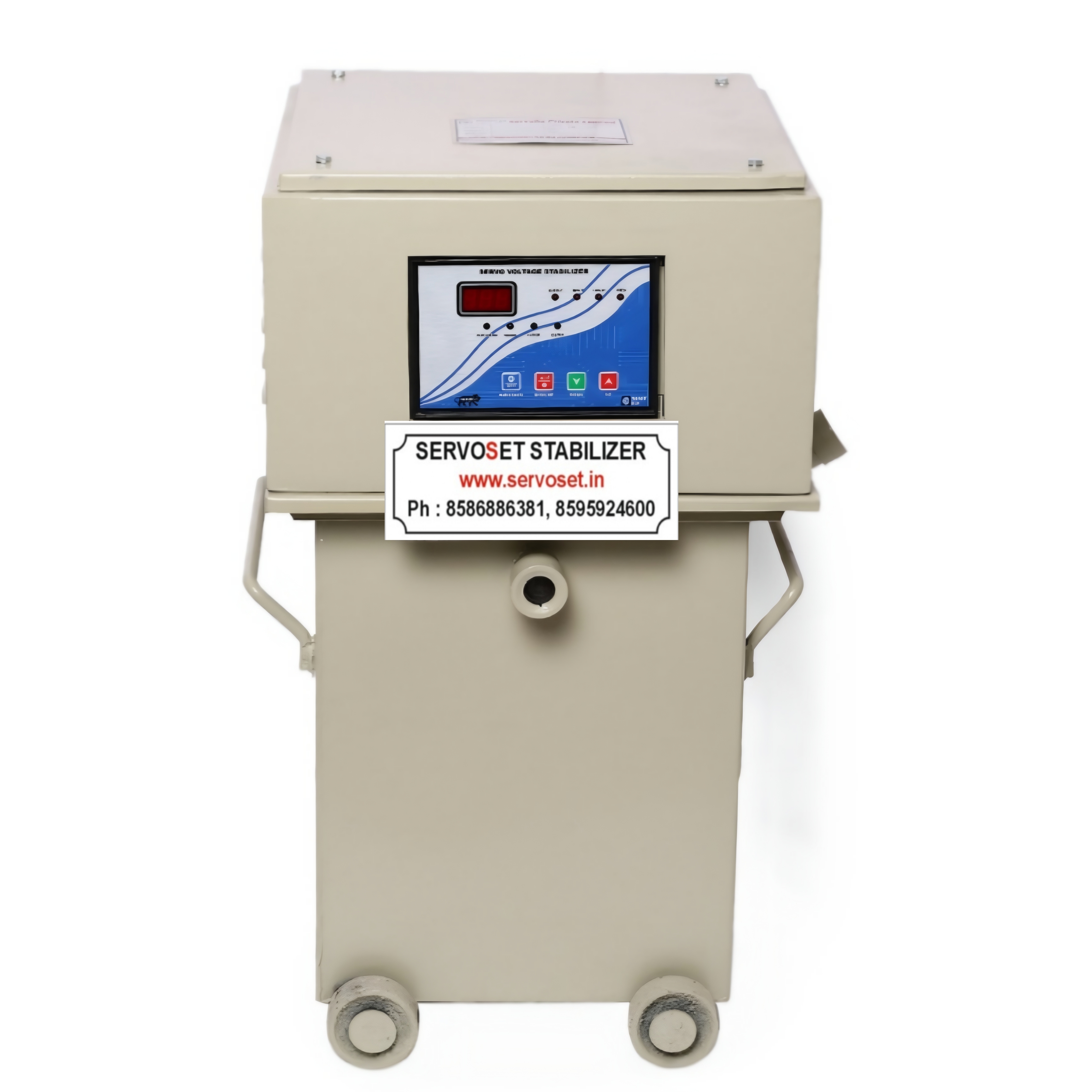
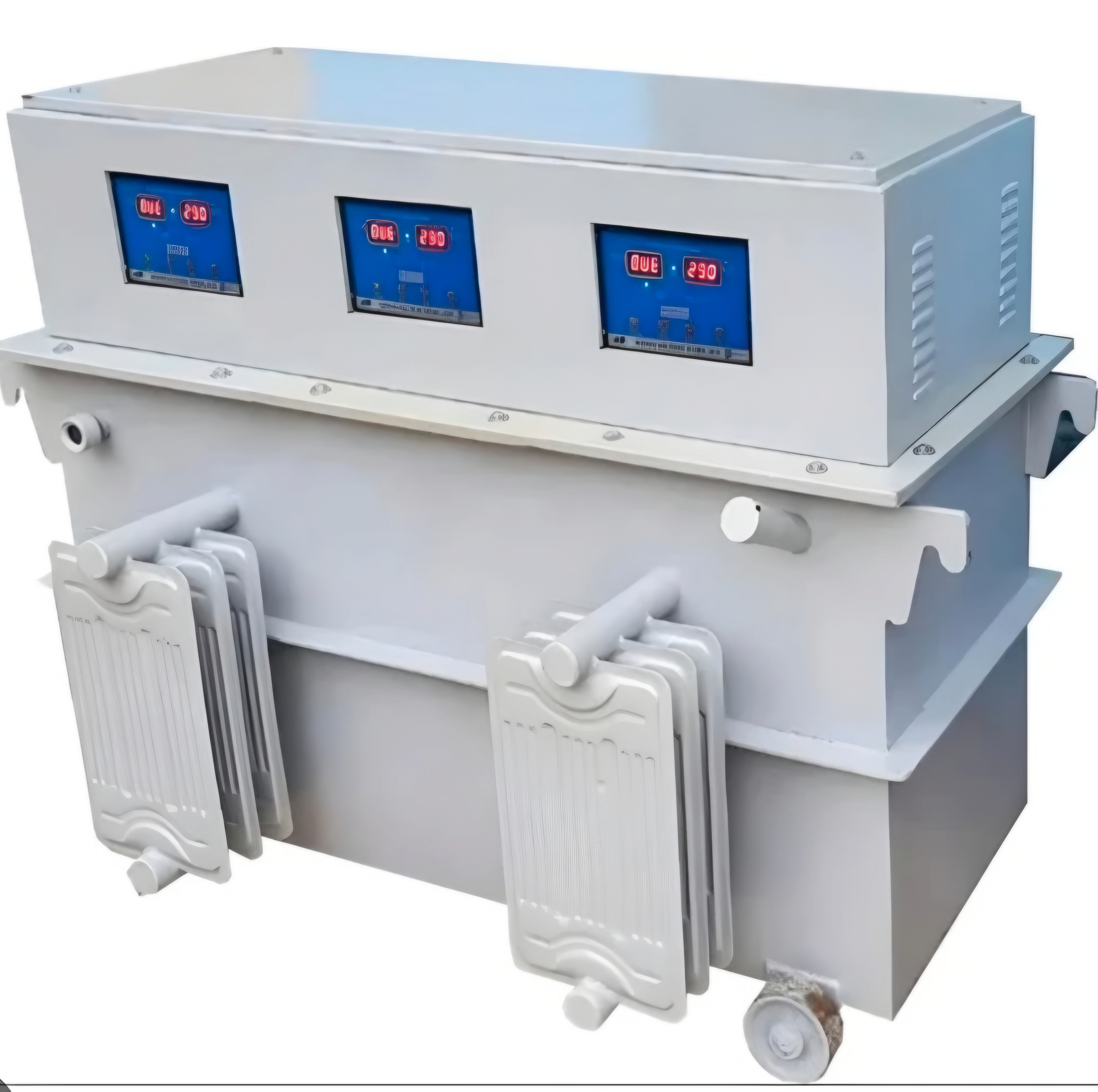
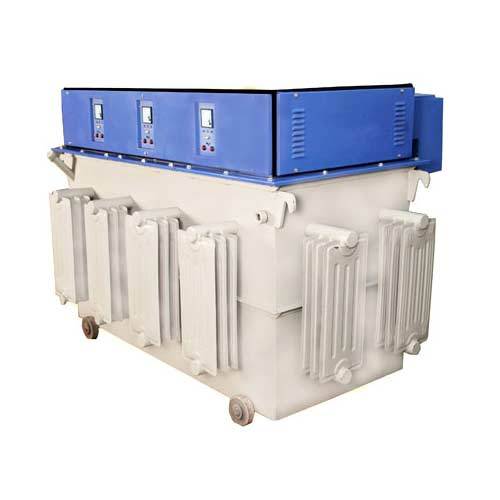
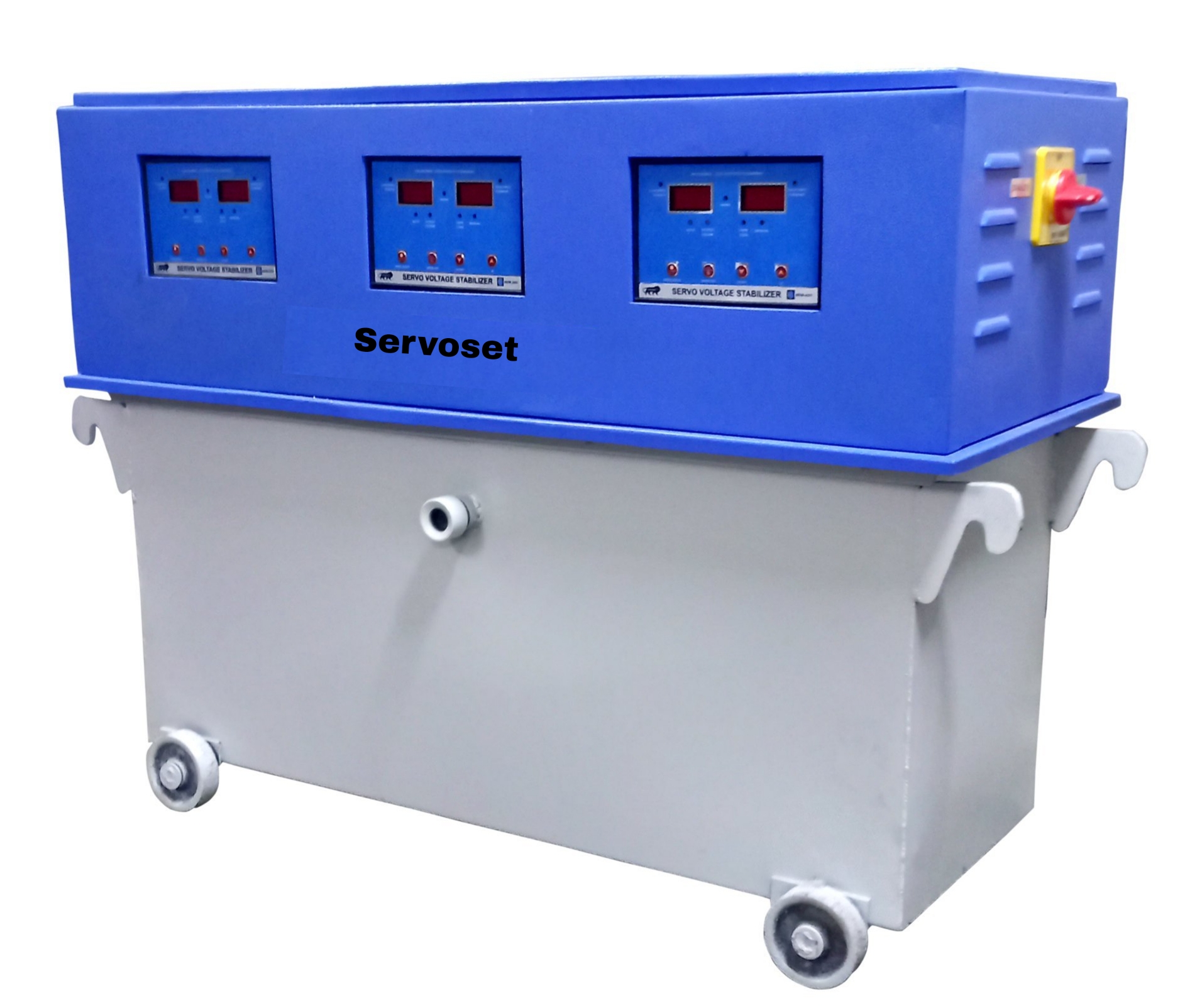
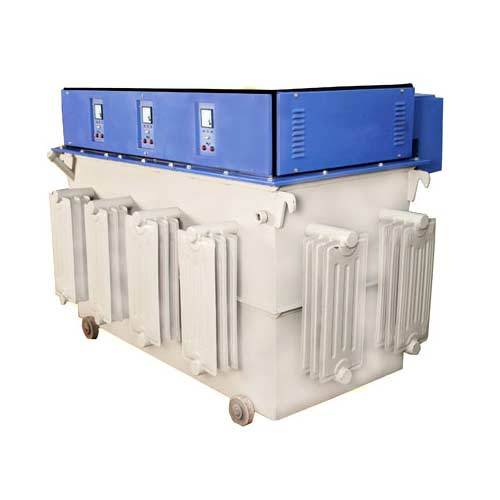
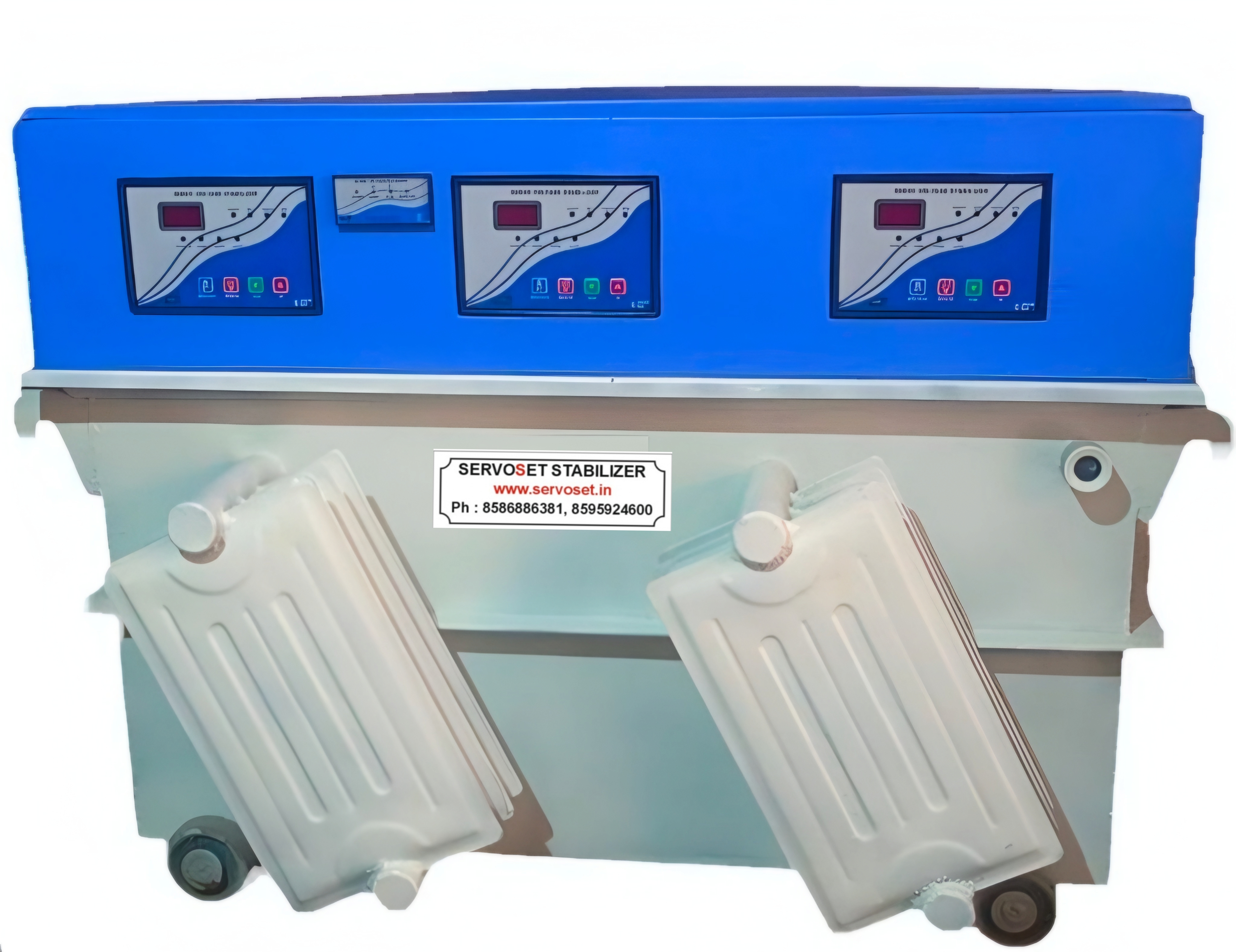
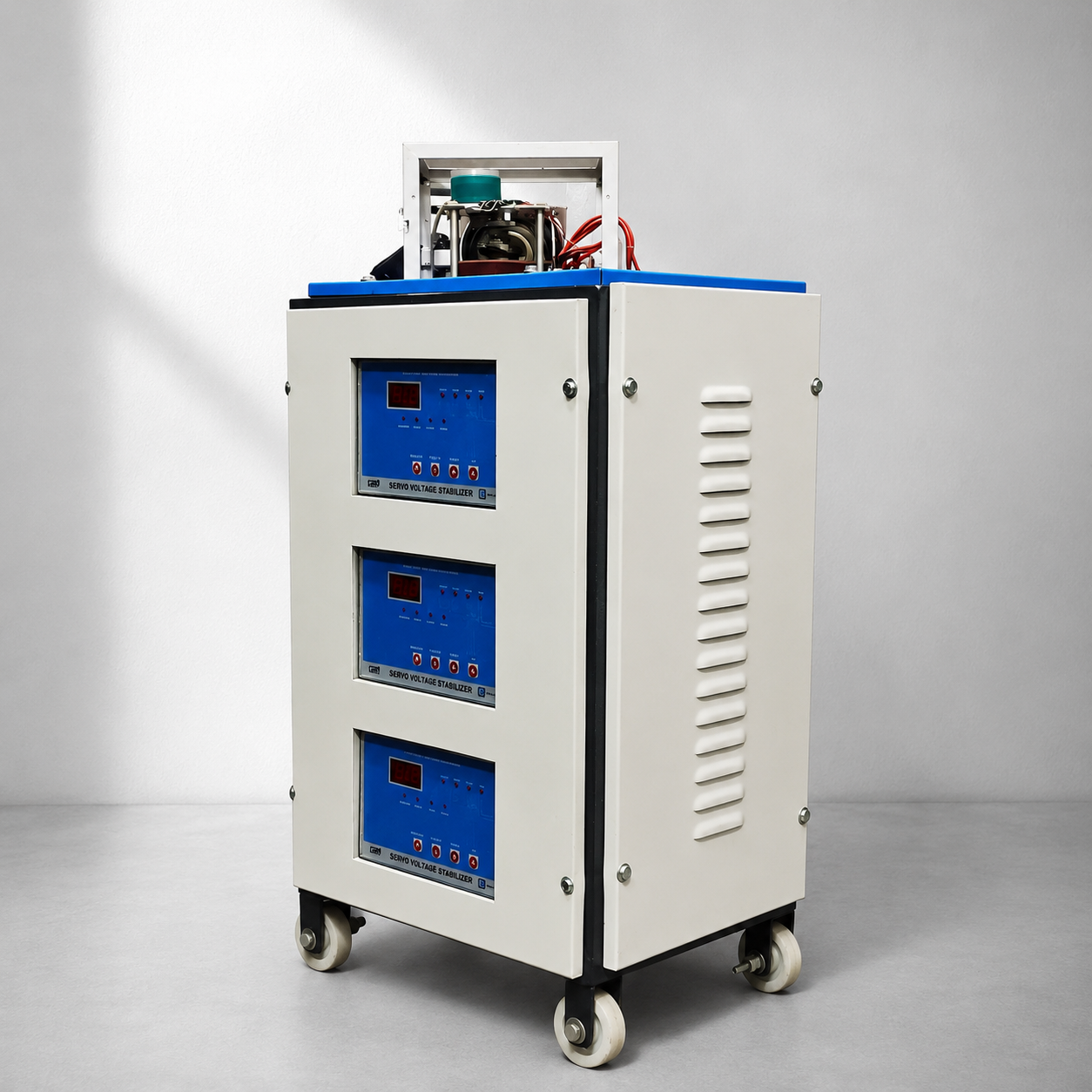
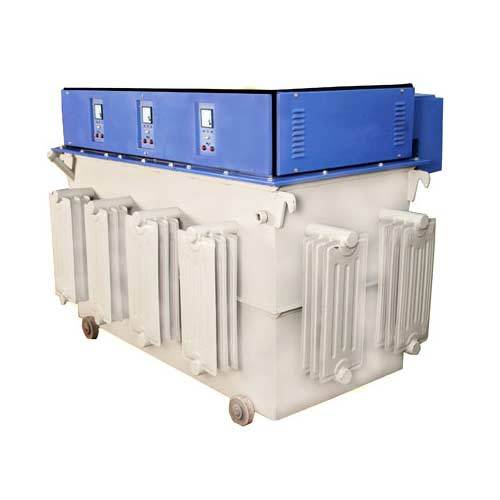
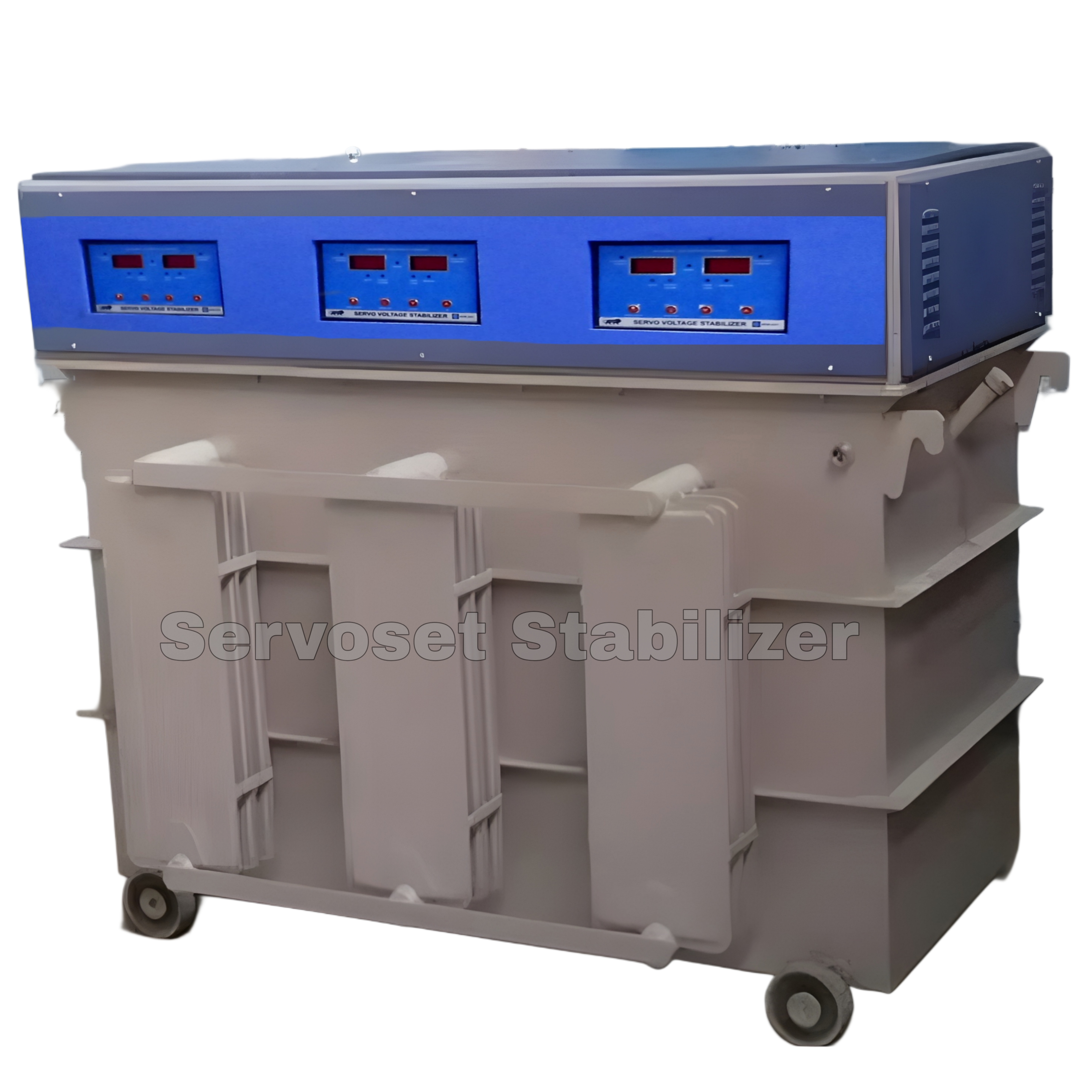
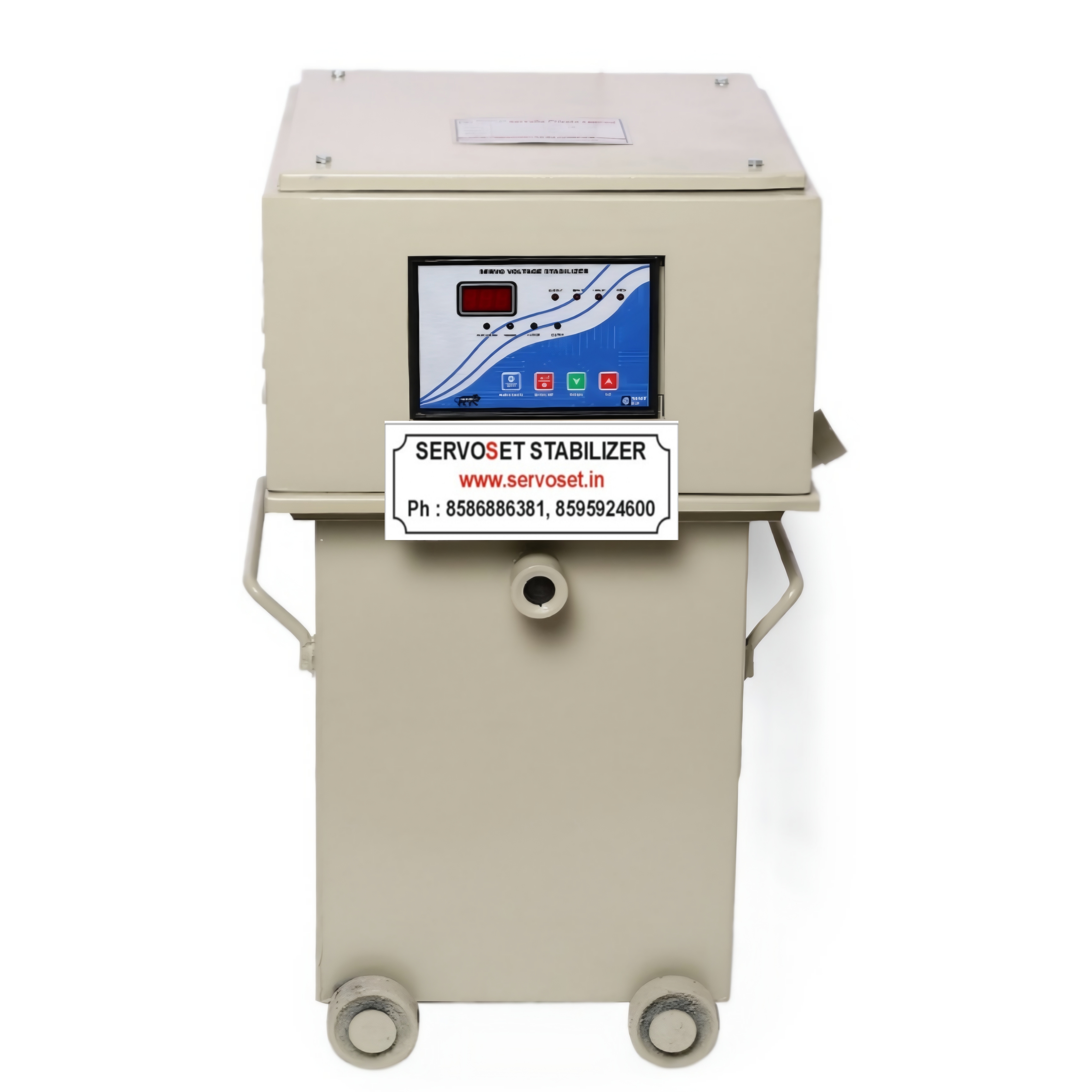
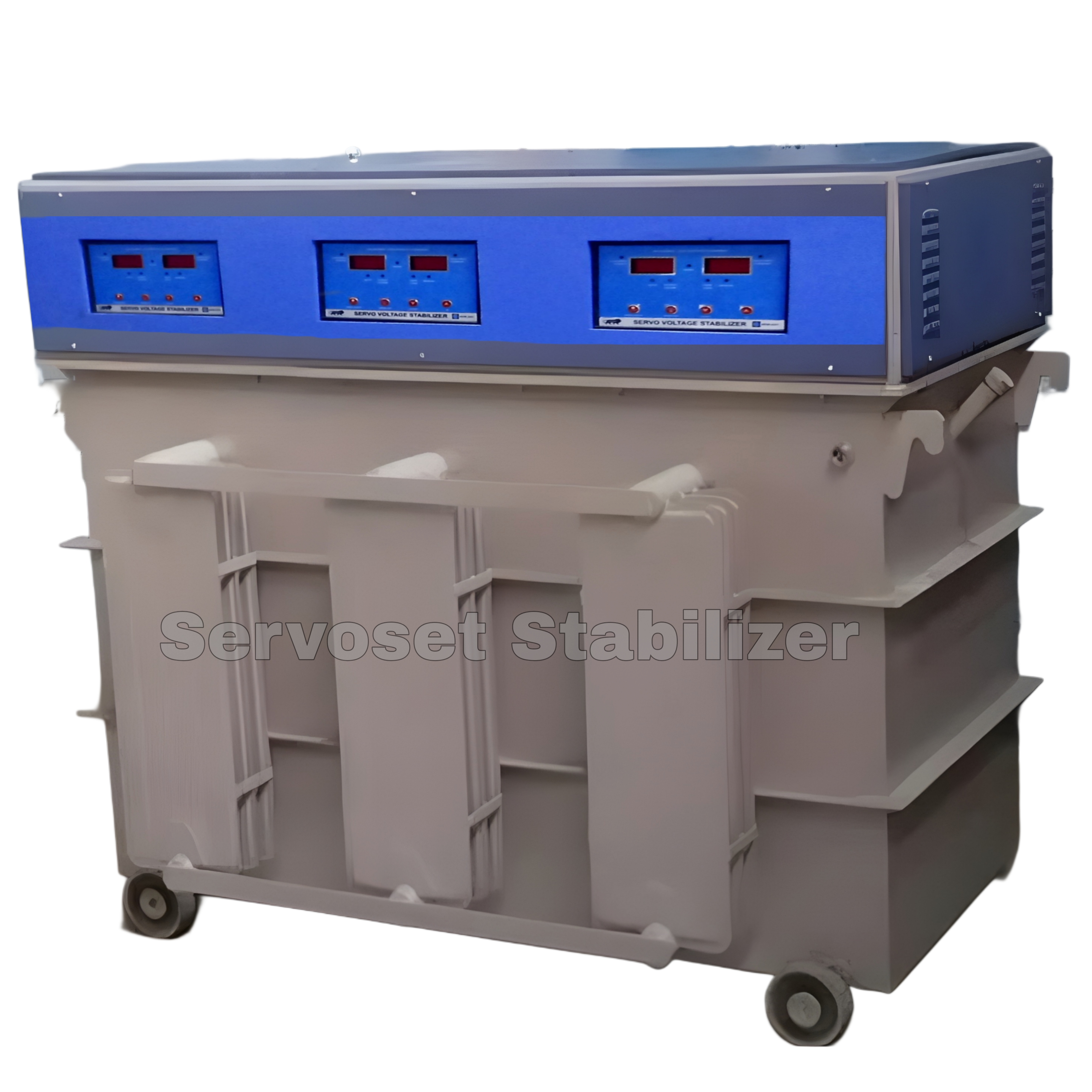
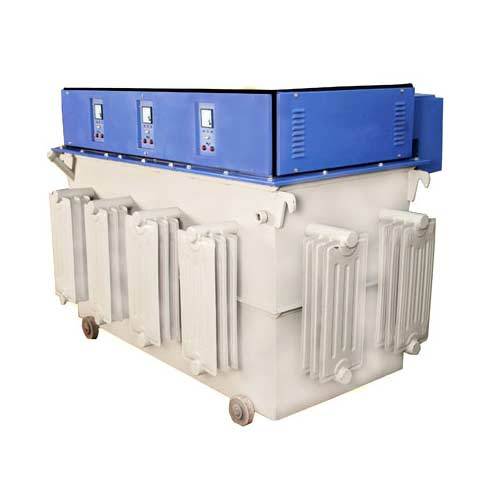
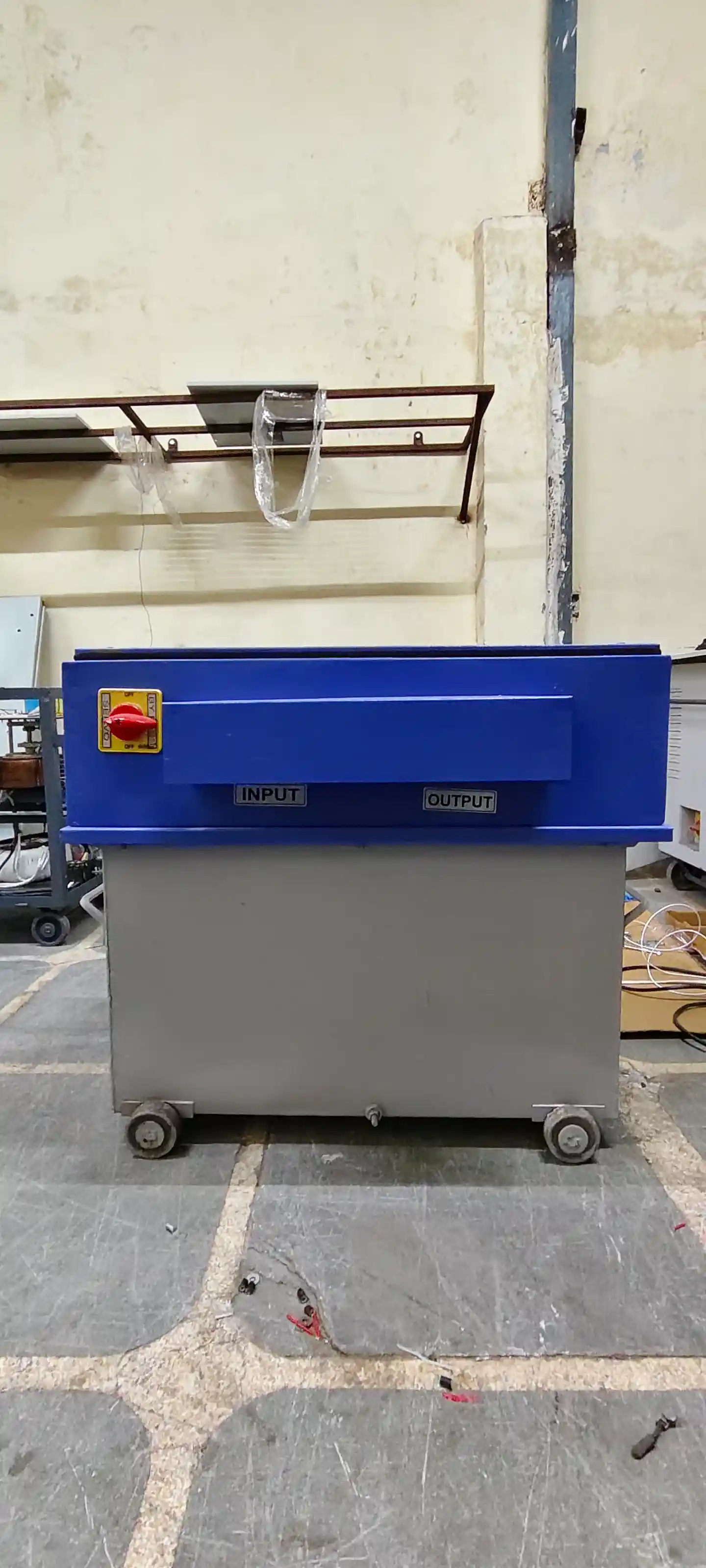
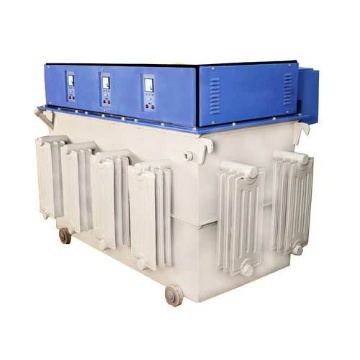
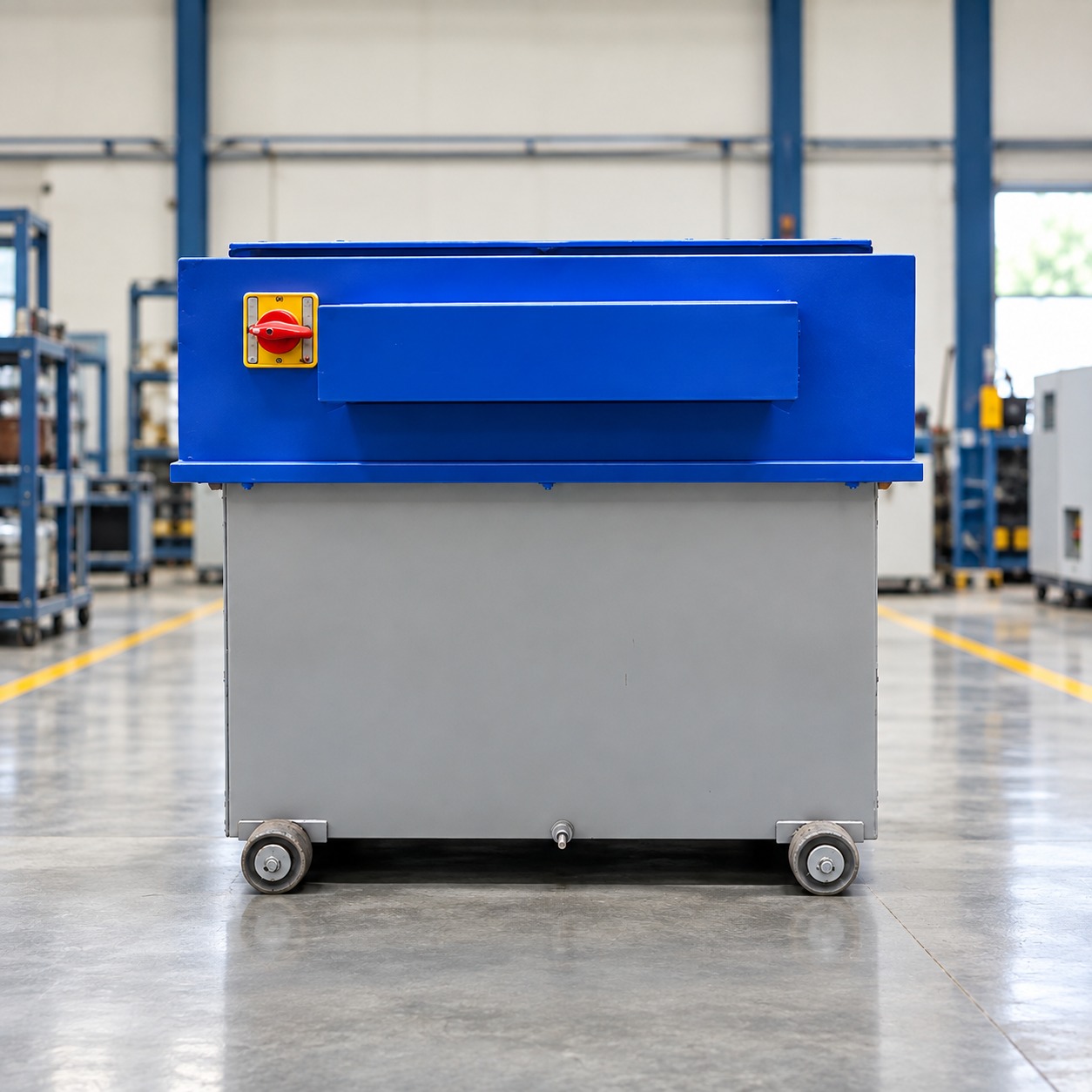
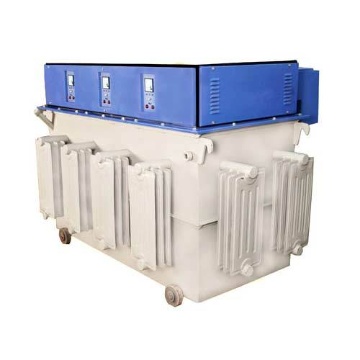
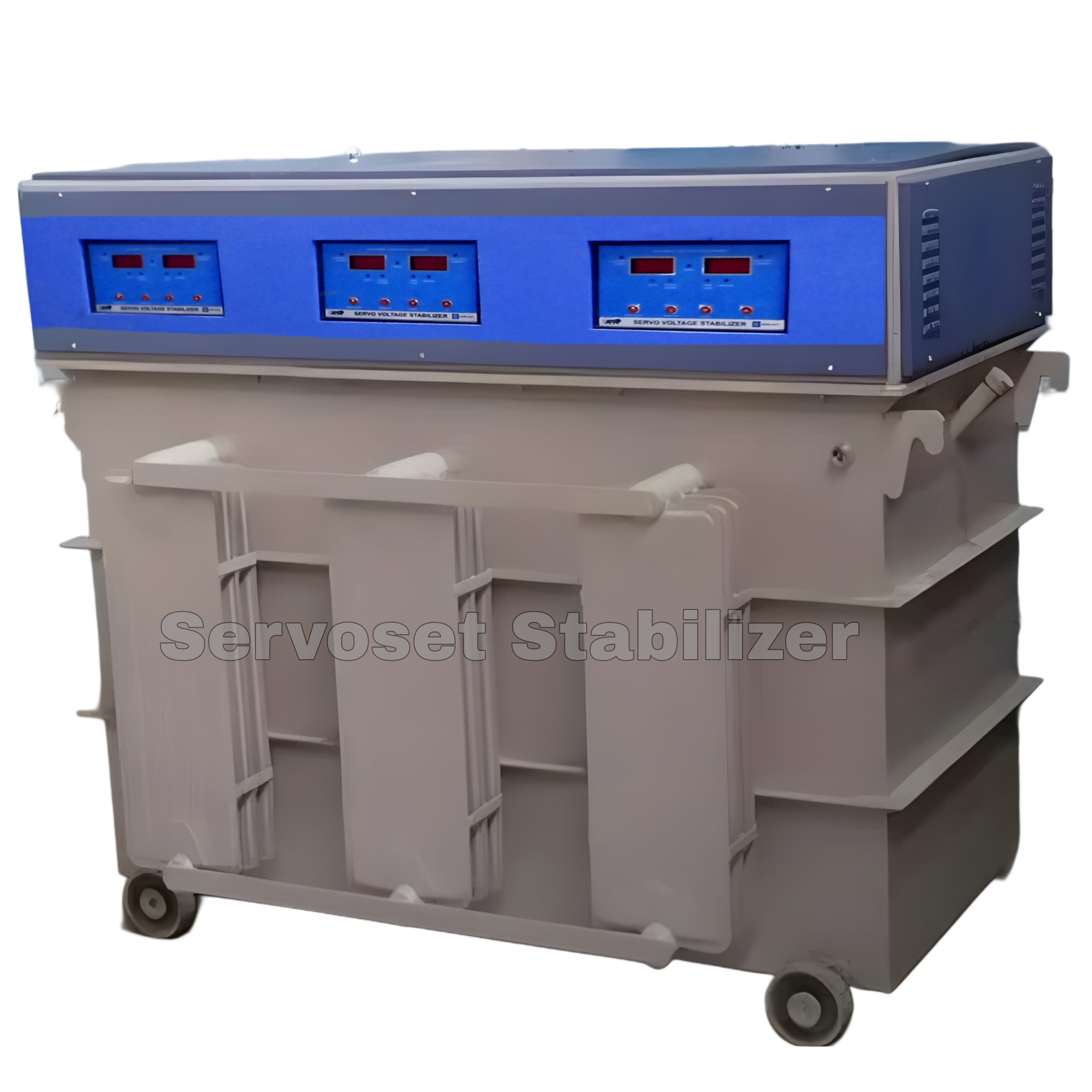
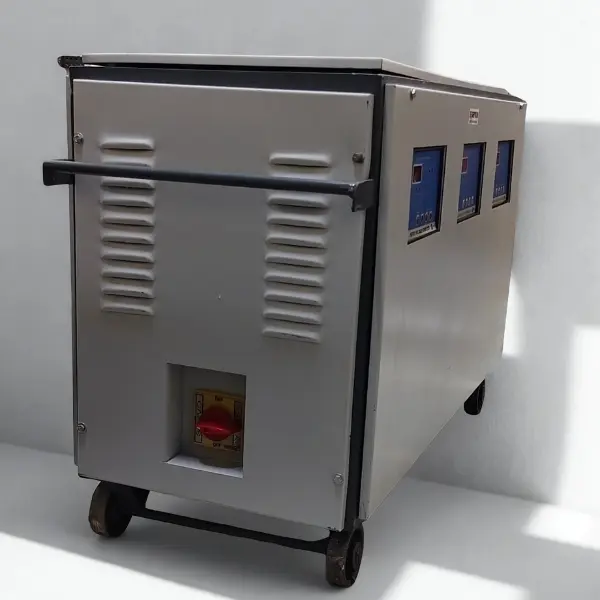
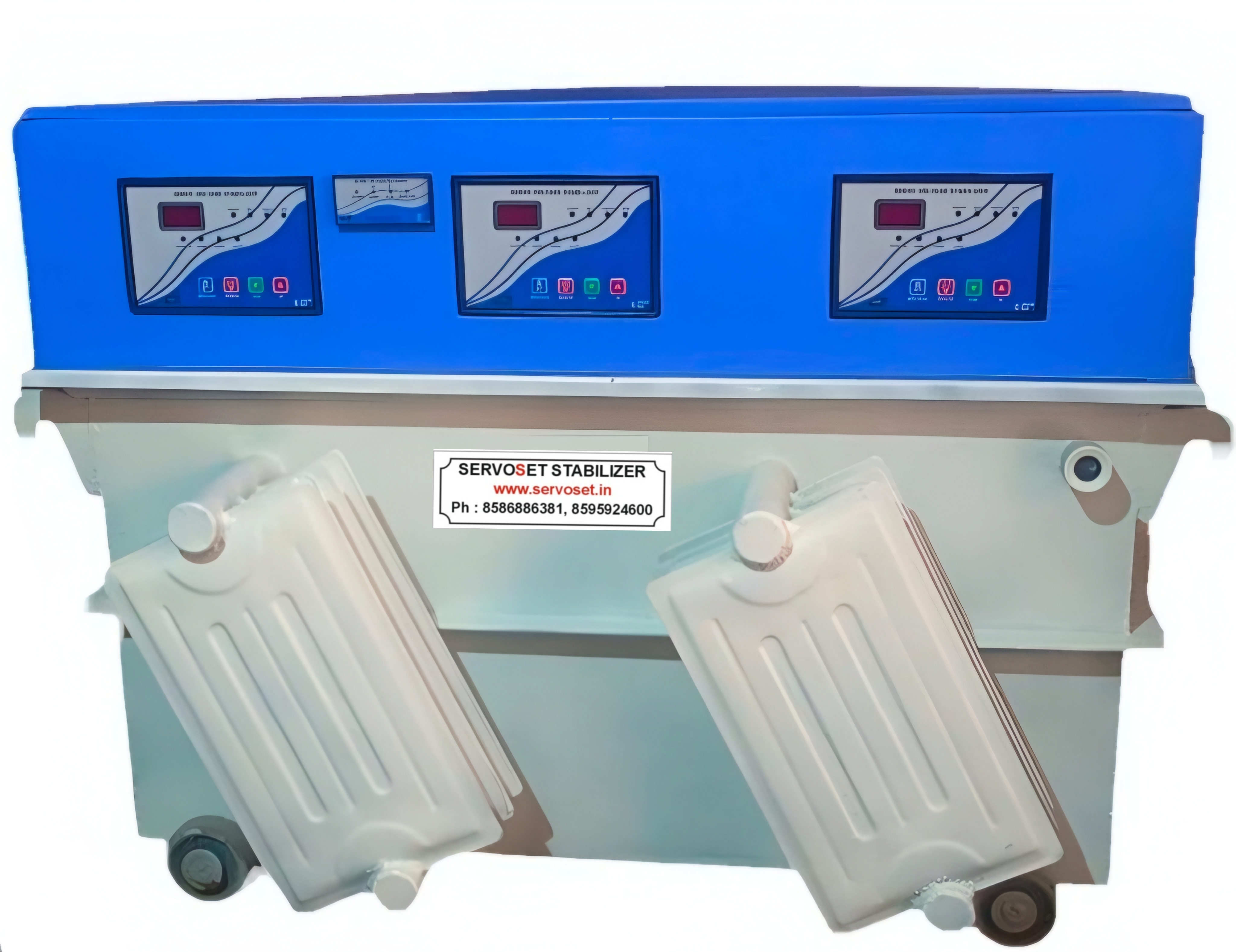
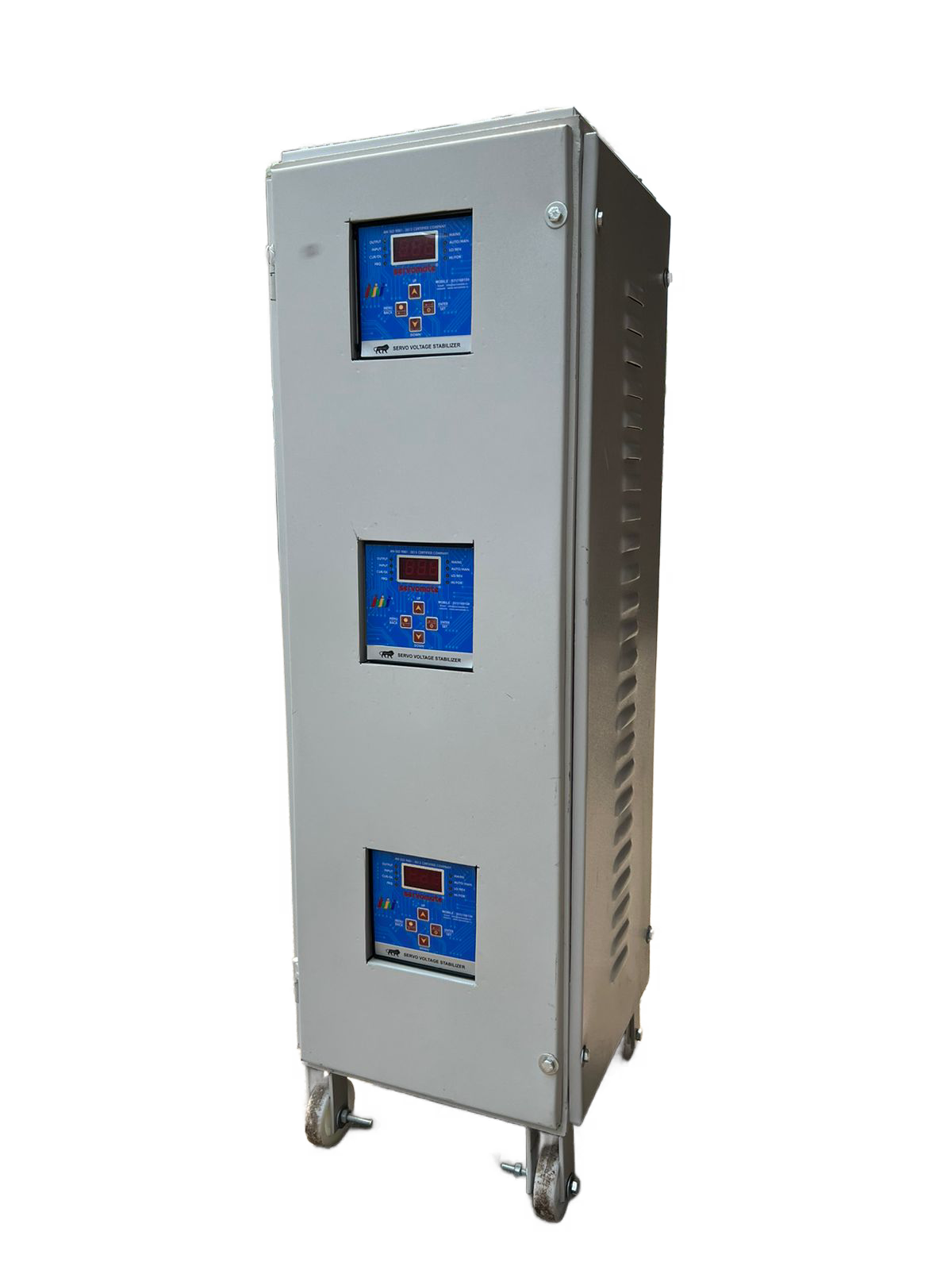
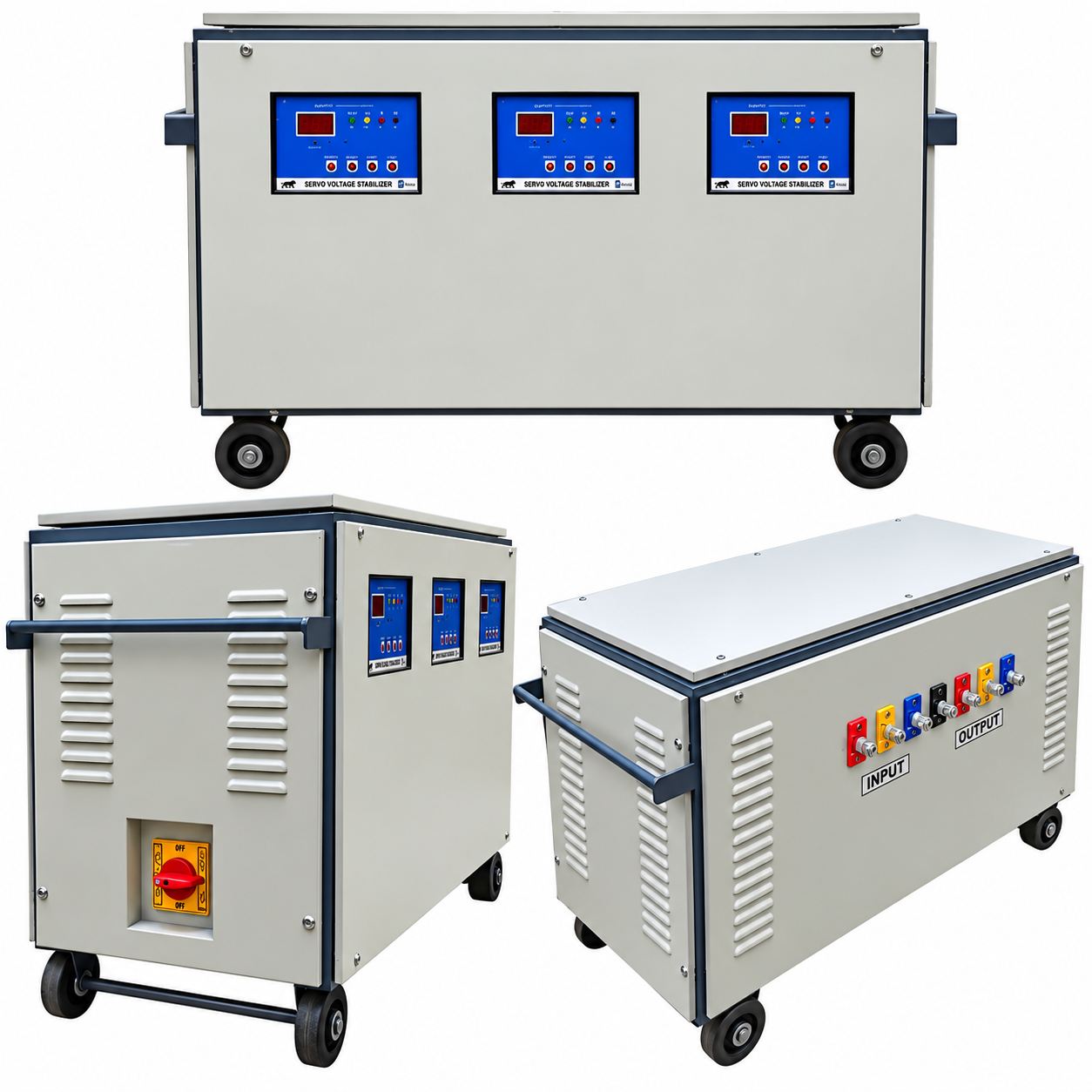
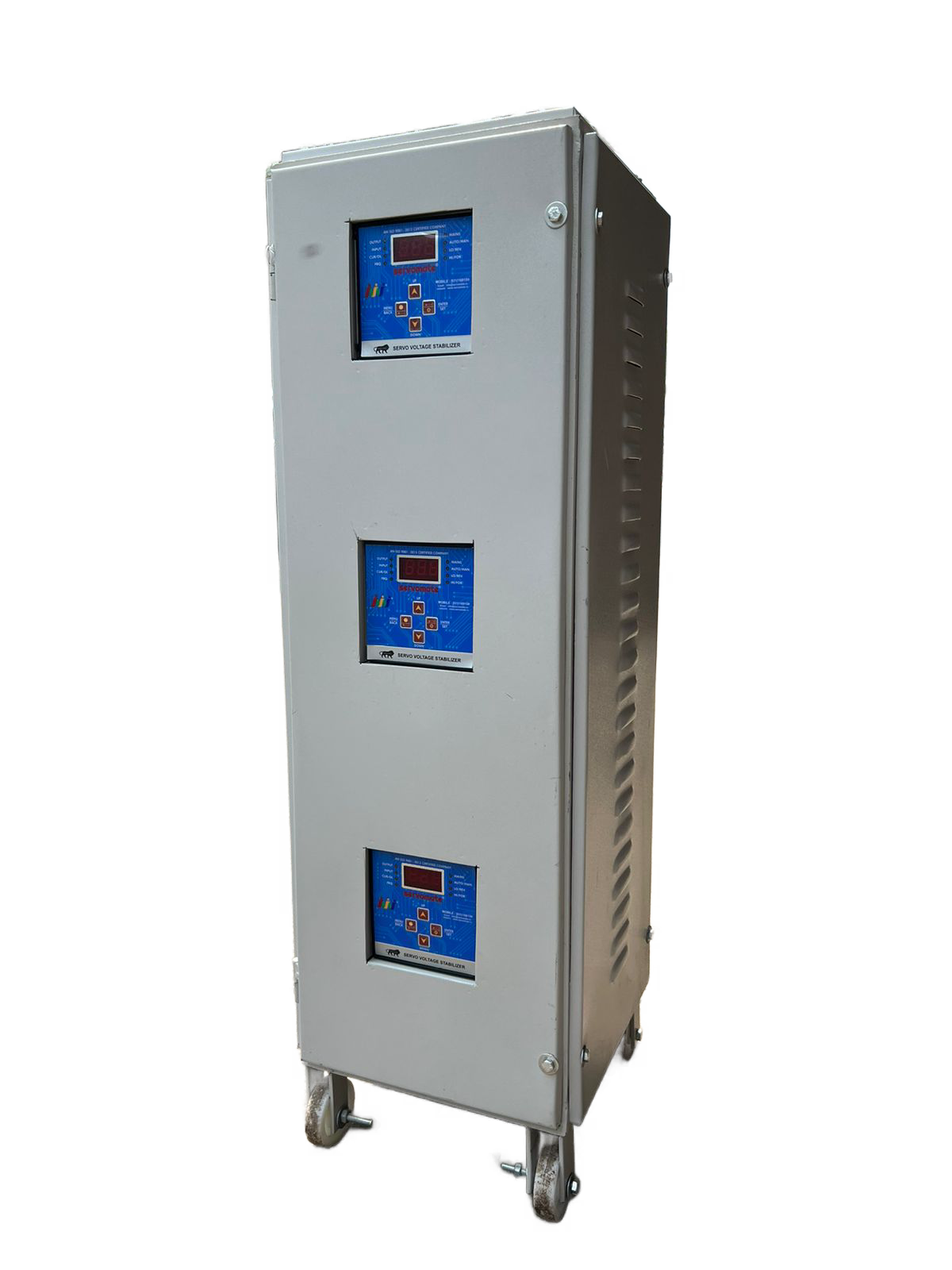
An oil cooled three phase servo voltage stabilizer is designed for three phase power supplies, typically 415V. Its main working components are housed inside a sealed tank filled with transformer oil.
The oil performs two important functions. First, it transfers heat away from the windings. Second, it provides electrical insulation between live components and between those components and the tank body.
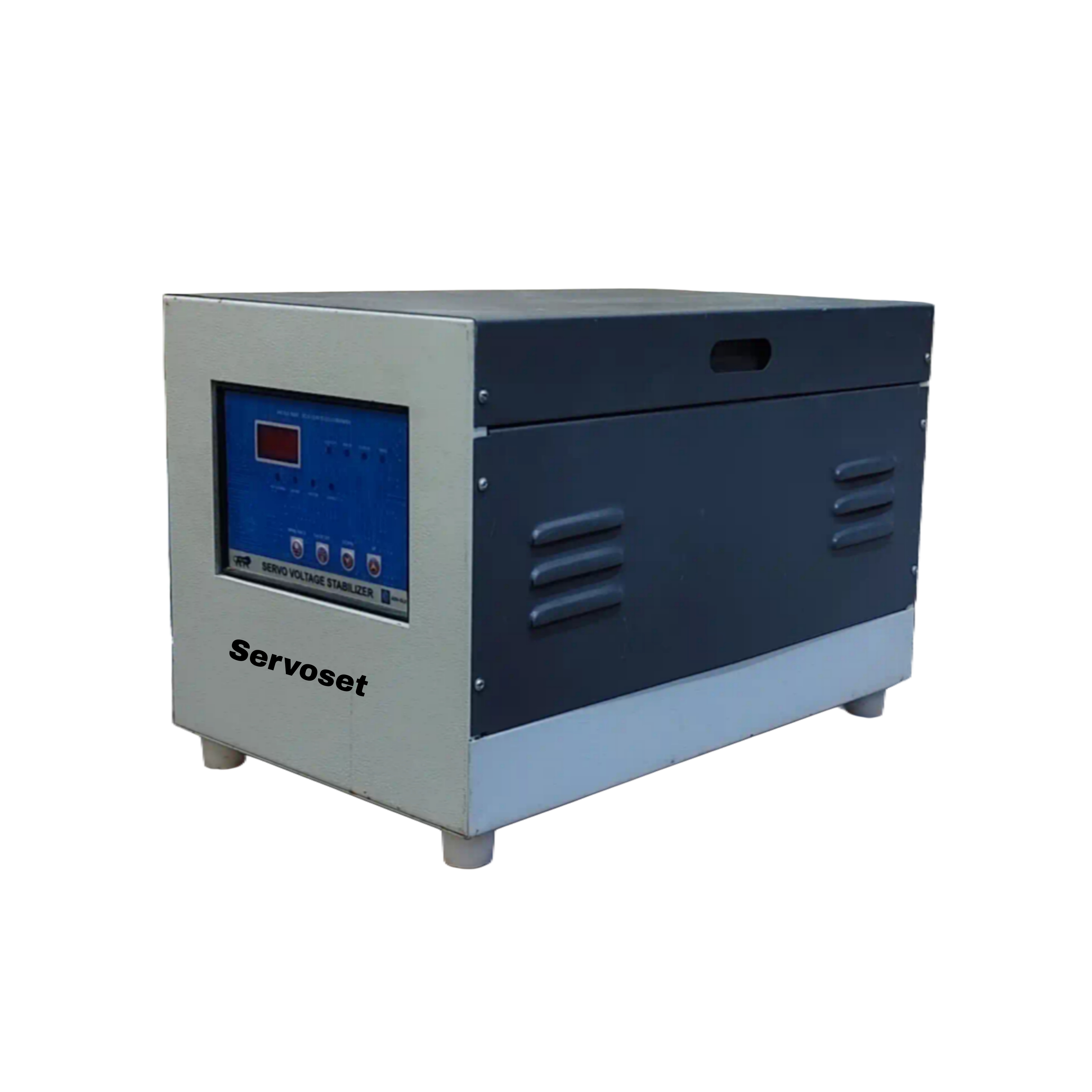
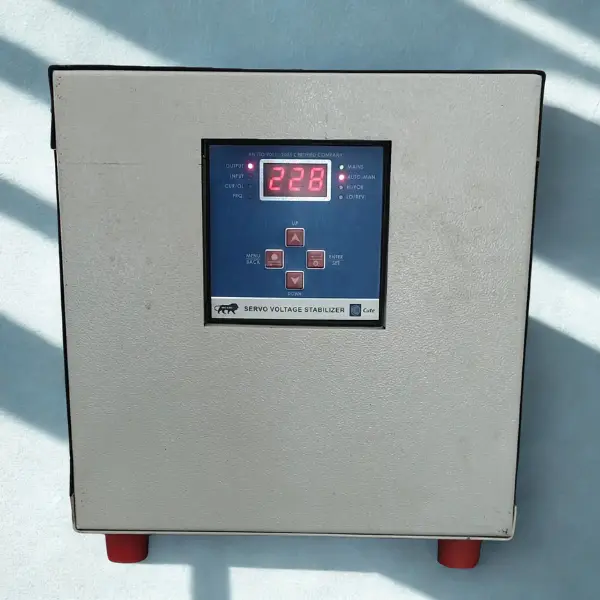
The voltage correction process works similarly to that of a conventional servo stabilizer. A control card monitors the output voltage, a servo motor moves the carbon brush over an autotransformer, and a buck-boost transformer adjusts the voltage to maintain a stable output.
The main difference is how the stabilizer manages heat and protects its internal components during continuous operation.
Because of this design, oil cooled stabilizers are commonly selected for higher capacities and demanding industrial applications. With the correct rating, input voltage range, and installation, they can operate reliably under heavy loads for extended periods.
What Components Are Inside an Oil Cooled Stabilizer?
Autotransformer (Variable Transformer)
The autotransformer is the primary voltage-adjusting component. It consists of a copper winding around a core, with a carbon brush moving across the winding to select the required voltage point.
Buck-Boost Transformer
The buck-boost transformer adds voltage when the incoming supply is low and reduces voltage when the incoming supply is high. This helps maintain the required output voltage.
Servo Motor and Drive Mechanism
The servo motor moves the brush assembly to the position specified by the control card. This allows the stabilizer to correct voltage through controlled, smooth movements.
Transformer Oil
Transformer oil surrounds the internal components inside the tank. It absorbs heat from the windings, transfers that heat to the tank walls, and provides electrical insulation.
Radiator Fins or Cooling Surfaces
Radiator fins or other cooling surfaces help release heat from the oil into the surrounding air, preventing excessive temperature buildup inside the tank.
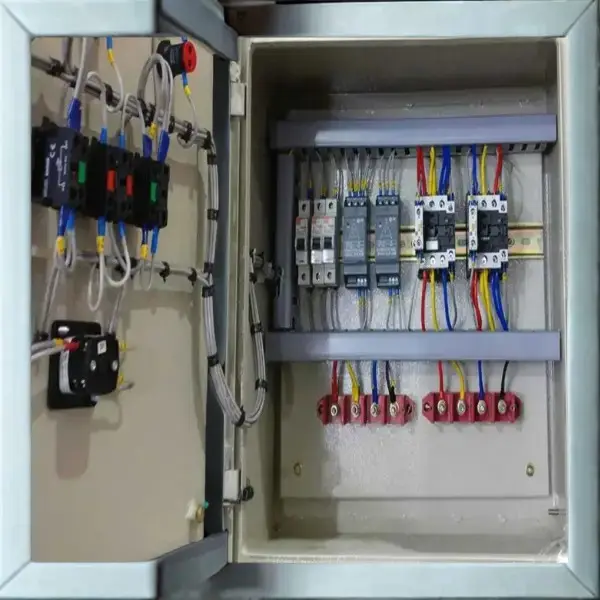
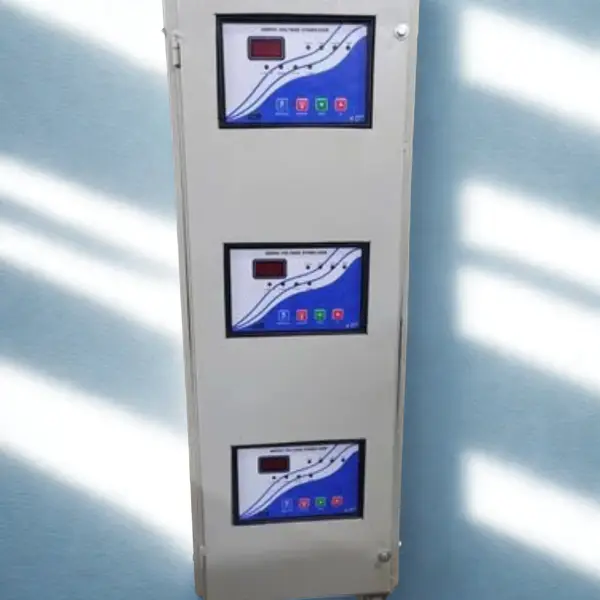
Outside the tank, the stabilizer typically includes a control panel, meters, protection devices, and oil-related accessories such as an oil level indicator, temperature indicator, and breather.
How Oil Cooling Helps Keep a Stabilizer Healthy
1. Transfers Heat Away from the Windings
Heat is one of the major causes of deterioration in copper windings and insulation. Inside the tank, oil circulates naturally through convection. Warm oil rises, transfers heat to the tank walls, cools down, and moves downward again.
This continuous circulation helps remove heat from the core components and maintain safe operating temperatures during extended periods of heavy loading, provided the stabilizer is correctly rated and its cooling system is functioning properly.
2. Provides Electrical Insulation
Transformer oil provides strong resistance to electrical breakdown. It helps maintain insulation between internal electrical components and supports the design requirements of higher-capacity stabilizers.
However, electrical safety also depends on the oil's condition, equipment design, and regular testing.
3. Protects Internal Components from Dust and Moisture
Since the main working components are enclosed inside a tank, they are less exposed to airborne dust. Proper tank sealing also helps limit moisture ingress.
This is one of the main reasons oil cooled stabilizers can be suitable for dusty, hot, or humid industrial environments. Regular inspection of seals and potential oil leaks remains essential.
4. Helps Manage Carbon Brush Wear
The carbon brush moves across the autotransformer winding during voltage correction. Friction and localized heating can occur at the contact point.
An oil cooled design helps manage heat around the internal components and maintain a controlled operating environment. However, brush wear also depends on brush material, design, load conditions, and maintenance practices.
Oil Cooled vs. Air Cooled Servo Voltage Stabilizers
| Comparison Factor | Oil Cooled Stabilizer | Air Cooled Stabilizer |
|---|---|---|
| Cooling Method | Uses transformer oil inside a sealed tank to transfer heat away from internal components. | Uses air circulation and ventilation to remove heat from internal components. |
| Dust and Moisture Protection | Provides better protection for internal components when the tank is properly sealed. | Internal components may be more exposed to surrounding dust and moisture. |
| Heat Management | Suitable for continuous heavy-duty applications when correctly designed and rated. | Suitable for moderate loads and installations with adequate ventilation. |
| Typical Applications | Large industrial loads, dusty factories, and demanding operating environments. | Smaller loads and relatively clean indoor installations. |
| Maintenance Requirements | Requires oil level checks, oil quality testing, leak inspections, and mechanical servicing. | Requires regular dust cleaning, ventilation checks, and internal component inspections. |
| Installation | Can be installed indoors or outdoors if the model and installation are suitable for the environment. | Generally suitable for clean, well-ventilated indoor spaces. |
| Weight and Size | Usually heavier because of the oil and tank. | Generally lighter and easier to move. |
| Initial Cost | Usually higher, depending on capacity and specifications. | Generally lower for comparable applications, depending on capacity and specifications. |
Signs You Should Consider an Oil Cooled Stabilizer
1. Your Air Cooled Stabilizer Overheats During Summer
If your existing stabilizer trips because of high temperature or becomes excessively hot under heavy loads, its cooling capacity and actual loading should be reviewed.
2. Dust Accumulates Quickly Around the Stabilizer
If the unit becomes dirty soon after cleaning, airborne dust may be affecting its internal components. An enclosed design may help reduce this exposure.
3. Your Plant Operates Two or Three Shifts
Continuous heavy loading leaves little time for equipment to cool down. Effective thermal management becomes particularly important in plants operating around the clock.
4. The Stabilizer Is Installed Near Heavy Machinery
Furnaces, presses, grinding machines, and open industrial yards can increase the heat and dust around the stabilizer.
5. You Experience Repeated Brush or Winding Problems
Frequent carbon brush replacement or winding faults should prompt an inspection of the load, operating temperature, electrical contacts, and maintenance practices.
6. Your Plant Has a High Electrical Load
Higher-capacity systems require effective thermal management. A correctly rated oil cooled stabilizer may be a suitable option for such applications.
How to Select the Right Capacity: A Worked Example
Suppose an industrial unit in Kundli has a measured three phase line current of approximately 200 amps.
Step 1: Calculate the Load
For a three phase system, the apparent power can be estimated using the following formula:
kVA = (√3 × Line Voltage × Line Current) ÷ 1000
For a 415V supply and a line current of 200A:
kVA = (1.732 × 415 × 200) ÷ 1000
The estimated load is approximately 144 kVA.
This calculation assumes that 200A is the three phase line current. The actual load should be verified at the installation site.
Step 2: Add a Capacity Margin
A preliminary margin of around 20–25% may be considered for future load growth and motor starting requirements.
This brings the estimated capacity requirement to approximately 173–180 kVA.
The required margin may vary depending on motor starting current, the type of load, and the starting method used.
Step 3: Select the Appropriate Rating
Based on this estimate, an available 180 kVA or 200 kVA model may be considered. The final rating should be selected according to the manufacturer's available models, actual load measurements, and motor starting requirements.
Step 4: Check the Input Voltage Range
Record the minimum and maximum input voltage experienced at your plant. Choose a stabilizer with an input range that covers these fluctuations and provides the required output voltage.
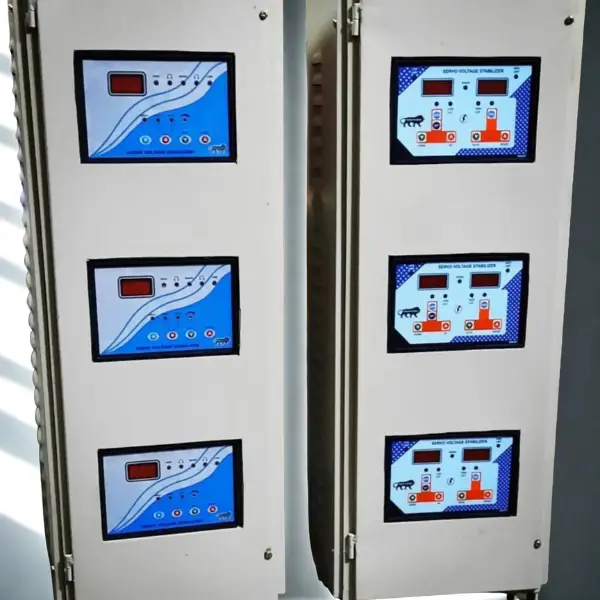
If your plant operates both three phase machines and single phase equipment, consider a model with independent phase correction. This allows each phase voltage to be regulated separately and may be more suitable for mixed loads.
Oil Maintenance: An Important Task That Should Not Be Ignored
Oil cooled stabilizers are not maintenance-free. The oil plays an important role in cooling and insulation, so regular inspection is essential.
1. Check the Oil Level
Inspect the oil level indicator at regular intervals. A low oil level can affect cooling and insulation. If the level drops, arrange an inspection to identify the cause and take corrective action according to the manufacturer's instructions.
2. Monitor Oil Temperature
The temperature indicator shows the operating temperature of the stabilizer. If the temperature continues to rise, particularly during summer, have the load and cooling system inspected.
3. Inspect the Breather
The silica gel inside the breather helps absorb moisture from incoming air. When it changes colour or becomes saturated, it should be replaced or reactivated according to the manufacturer's instructions.
4. Test Oil Quality
Arrange periodic testing to check the oil's dielectric strength and overall condition. If the oil becomes contaminated or deteriorates, a qualified technician can recommend filtration or replacement.
5. Check for Oil Leaks
Inspect tank joints, gaskets, and drain valves for signs of leakage. Even a slow leak can gradually reduce the oil level and affect equipment performance.
6. Service the Carbon Brush and Servo Mechanism
Follow the recommended maintenance schedule to inspect brush wear, the servo motor, the drive mechanism, and electrical connections.
Maintaining a simple inspection log helps identify developing problems early and reduces the risk of unexpected production shutdowns.
What to Look for Before Buying an Oil Cooled Stabilizer
1. Oil Tank and Welding Quality
The tank should be robust, properly painted, and leak-free. Its construction must safely contain the oil and protect the internal components.
2. Copper Winding Quality
High-quality copper windings and suitable insulation help the stabilizer handle electrical loads and operating temperatures. Confirm the winding material and design specifications with the manufacturer.
3. Input and Output Voltage Range
The input voltage range should cover the fluctuations experienced at your plant. Output voltage accuracy should meet the requirements of the connected machinery.
4. Correction Speed and Accuracy
Fast, smooth voltage correction helps maintain a stable supply. This is particularly important for sensitive equipment and systems using electronic drives.
5. Protection Features
Check for essential safety features such as overload protection, short circuit protection, single phasing protection, high and low voltage cut-off, and oil temperature protection where applicable.
6. Bypass Arrangement
A bypass arrangement can allow the load to receive power through an alternative path while the stabilizer is being serviced, provided the electrical installation supports this operation. This can help reduce production interruptions.
7. Local Service Support
Access to trained technicians, spare parts, and timely maintenance is particularly important for heavy-duty industrial equipment. Check the manufacturer's local service network before purchasing.
Industries in Sonipat That Can Benefit from Oil Cooled Stabilizers
Engineering and Fabrication Units
Heavy motors, welding machines, and machine tools place significant and fluctuating demands on the power supply. A suitably rated stabilizer can help maintain voltage within the required range.
Automotive Component Manufacturing
CNC machines, press shops, and long-running production lines require a stable electrical supply. Voltage regulation can help support machine performance and product quality.
Food Processing and Cold Storage
Compressors and chillers often operate for extended periods. Voltage dips and fluctuations can affect motor operation, making appropriate electrical protection important.
Plastic and Packaging Industries
Extruders and moulding machines depend on a consistent power supply. Voltage fluctuations can affect production processes and product quality.
Steel and Metal Processing
Furnaces, rolling equipment, and grinding machines can draw heavy current while operating in hot and dusty surroundings. A properly designed stabilizer can help manage voltage fluctuations in these demanding environments.
Warehouses and Large Commercial Buildings
Lifts, HVAC systems, and pumping equipment can benefit from suitable voltage regulation and electrical protection.
Frequently Asked Questions (FAQs)
1. Is an Oil Cooled Stabilizer Better Than an Air Cooled Stabilizer?
It depends on the application. Oil cooled stabilizers may be more suitable for heavy loads, dusty environments, and continuous operation. For moderate loads in clean indoor spaces, an air cooled stabilizer may provide a more economical solution.
2. Can an Oil Cooled Servo Stabilizer Be Installed Outdoors?
Yes, many models can be installed outdoors if they are specifically designed for outdoor use. Appropriate protection against rain and direct sunlight may be required. Always confirm the model's outdoor rating and installation requirements with the manufacturer.
3. How Often Should the Oil Be Changed?
There is no single replacement schedule for every stabilizer. The timing depends on operating load, temperature, environmental conditions, and oil quality. Regular oil testing helps determine whether filtration or replacement is necessary.
4. Does the Oil Make the Stabilizer Unsafe?
The presence of oil does not automatically make a stabilizer unsafe. However, using the correct oil, following the manufacturer's safety instructions, and inspecting for leaks are essential. Any leakage or equipment fault should be addressed promptly.
5. Can It Support Single Phase Loads Alongside Three Phase Machines?
This depends on the stabilizer's design. A model with independent phase correction can regulate each phase separately and may be suitable for mixed loads. Share your load details with the manufacturer before selecting a model.
6. How Do I Choose the Right Stabilizer Capacity for My Plant?
Calculate the actual connected load in kVA, then consider motor starting current and possible future expansion. Select an appropriate standard rating and input voltage range. A site inspection by a qualified electrical engineer can help establish the correct capacity.
7. What Happens If the Oil Level Becomes Too Low?
A low oil level can reduce cooling and insulation performance, increasing the risk of overheating and equipment damage. If the oil level indicator shows a drop, arrange an inspection and identify the cause of any leakage.
Conclusion
An oil cooled three phase servo voltage stabilizer is a practical option for industrial plants that cannot afford frequent downtime. Its oil-based cooling system helps remove heat and protect internal components from dust and moisture.
With the correct capacity, suitable input voltage range, proper installation, and regular maintenance, an oil cooled stabilizer can provide reliable voltage regulation over the long term.