Introduction
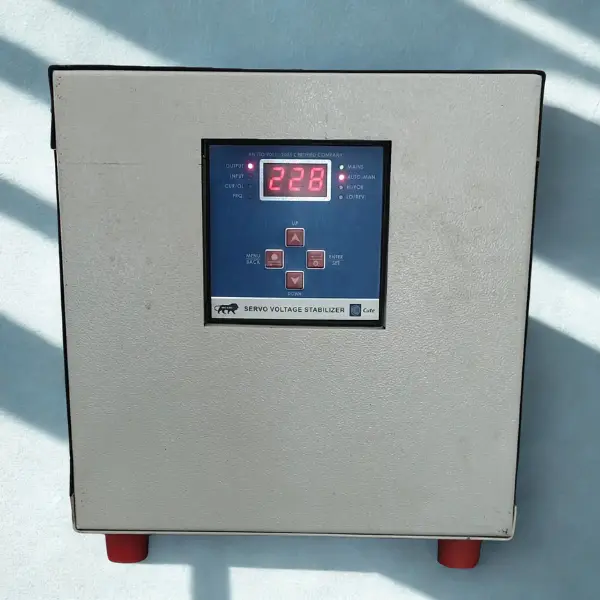
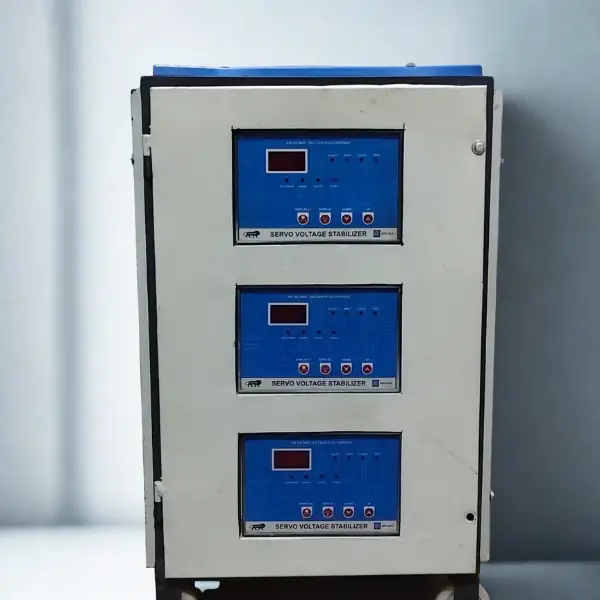
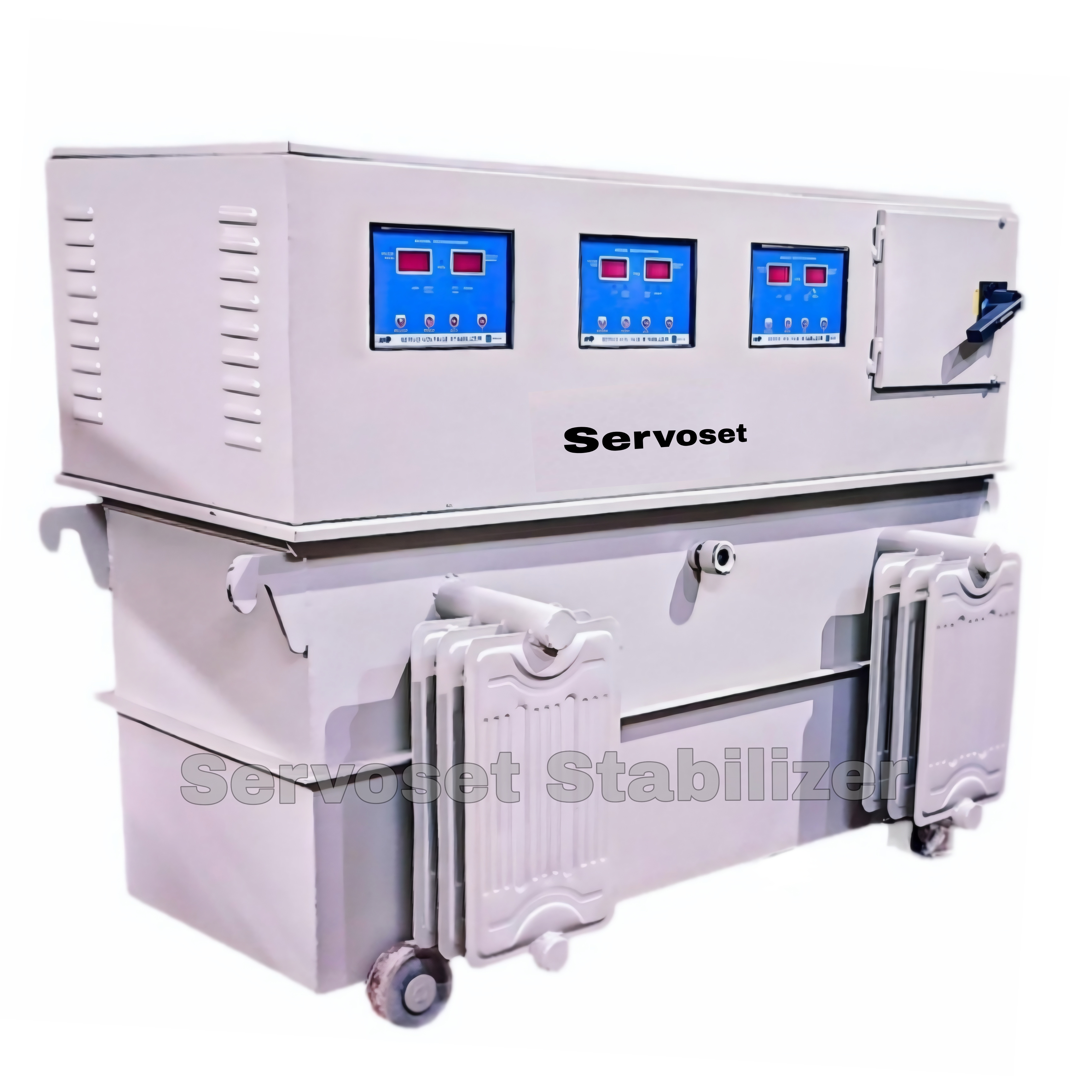
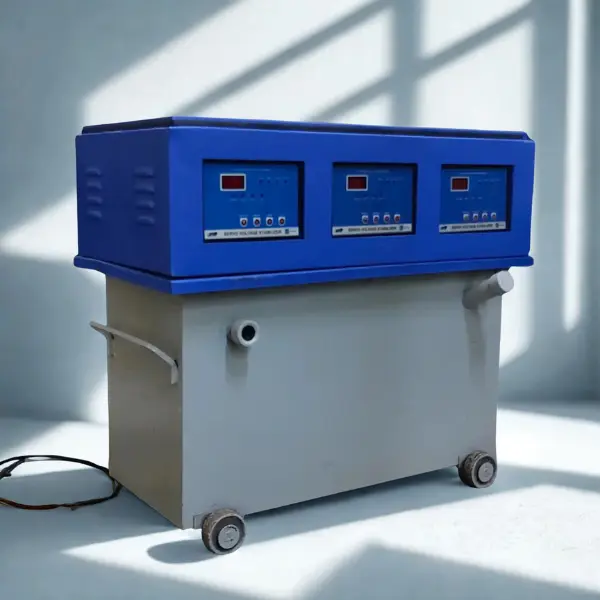
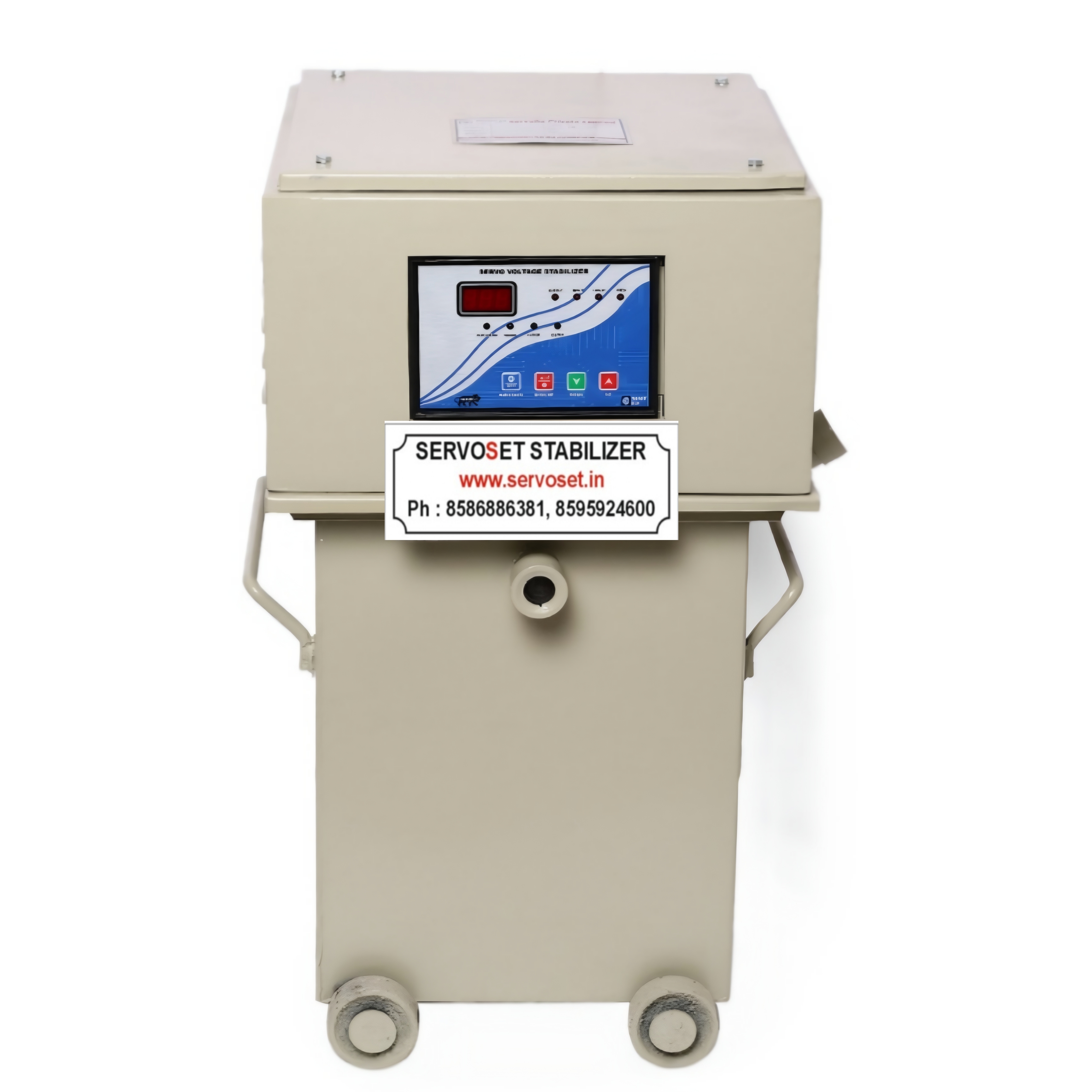
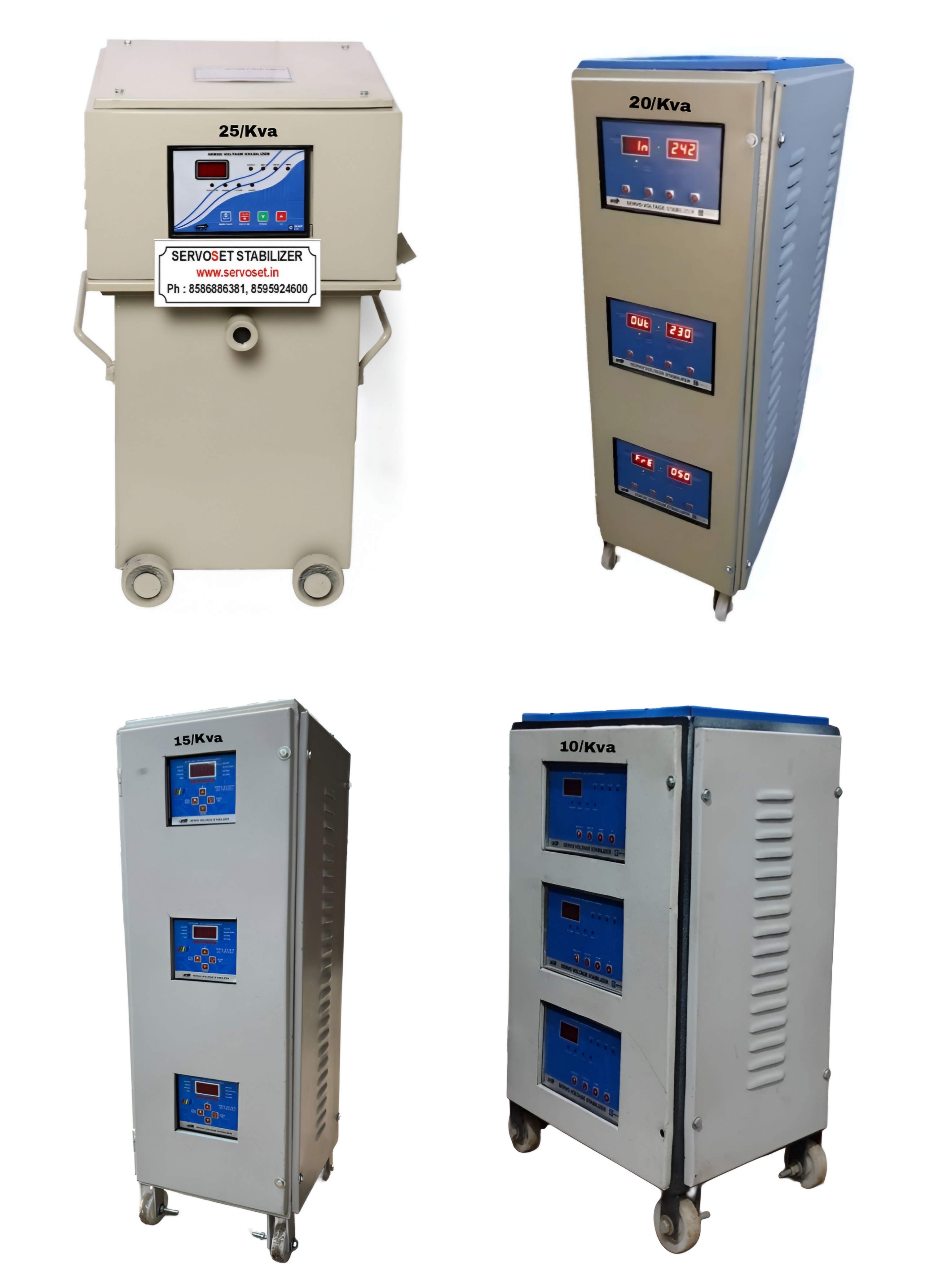
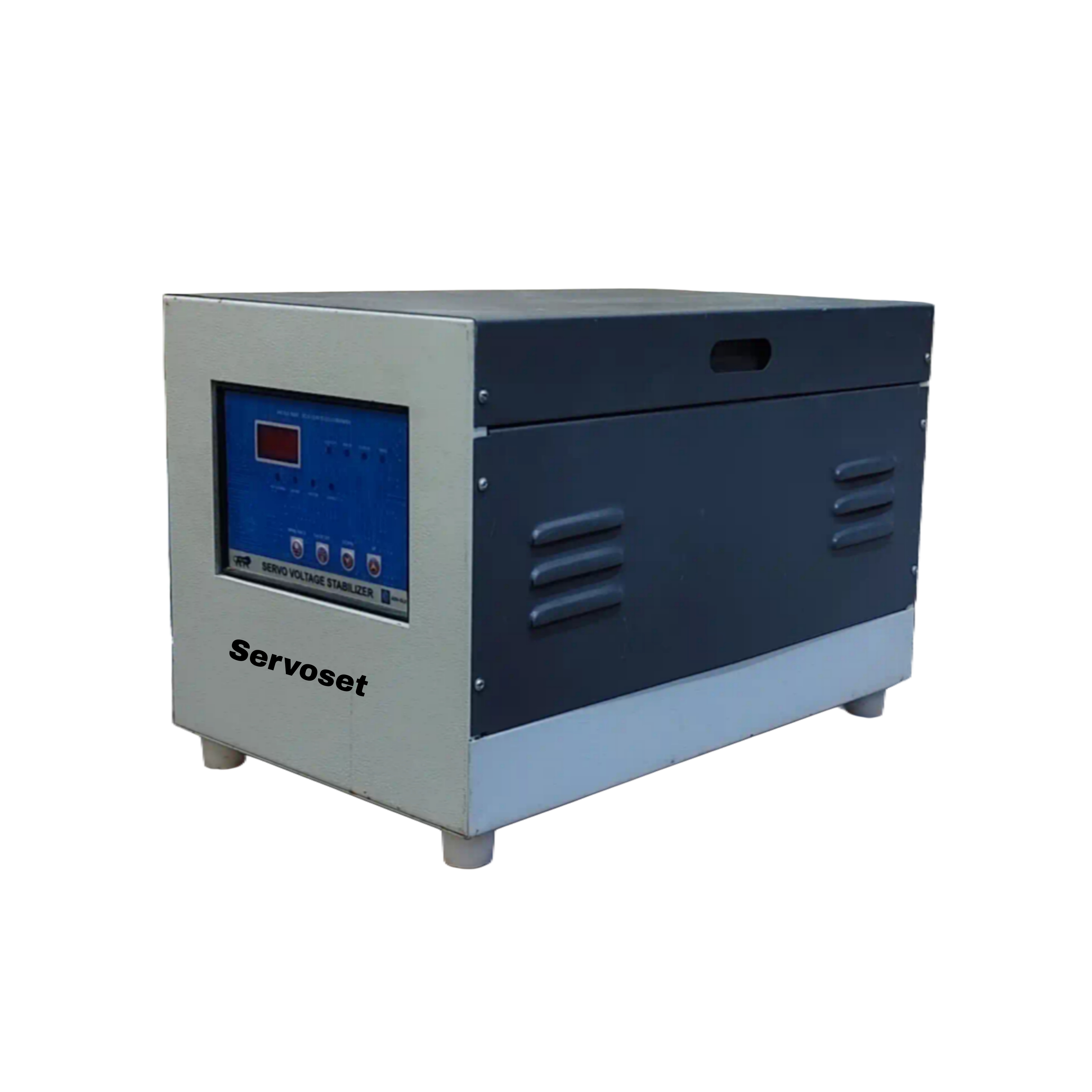
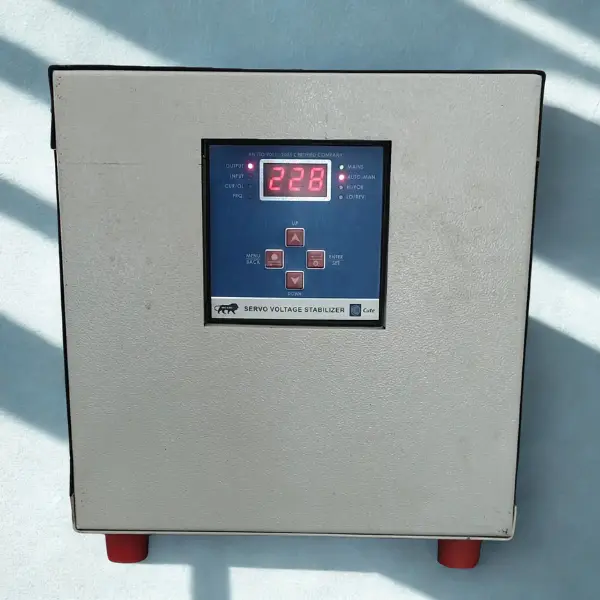
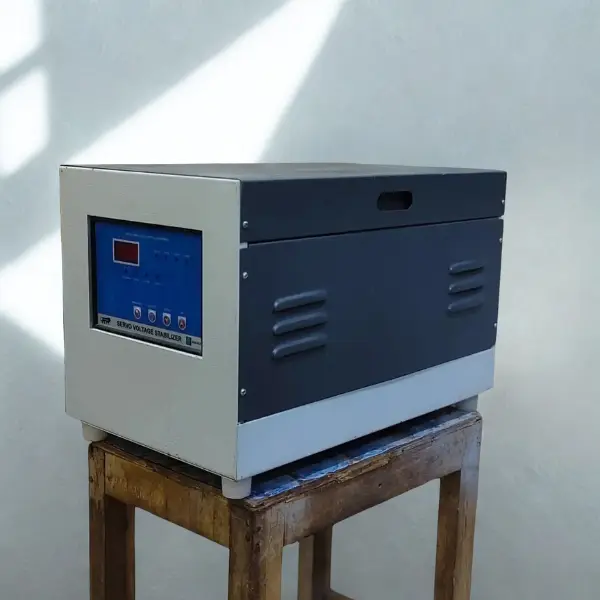
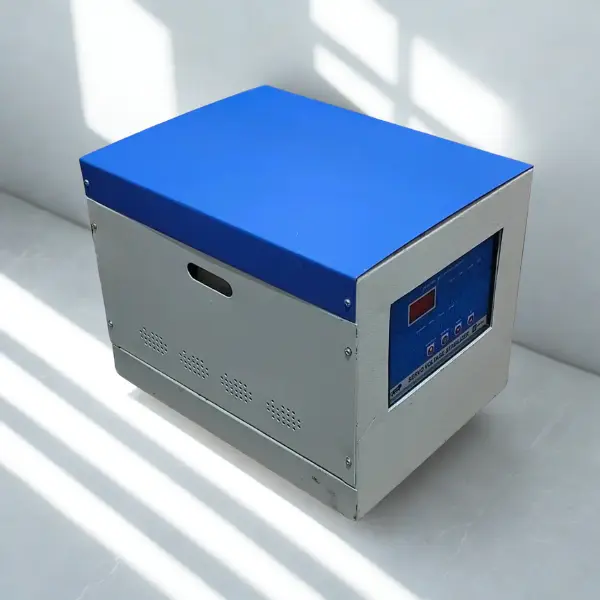
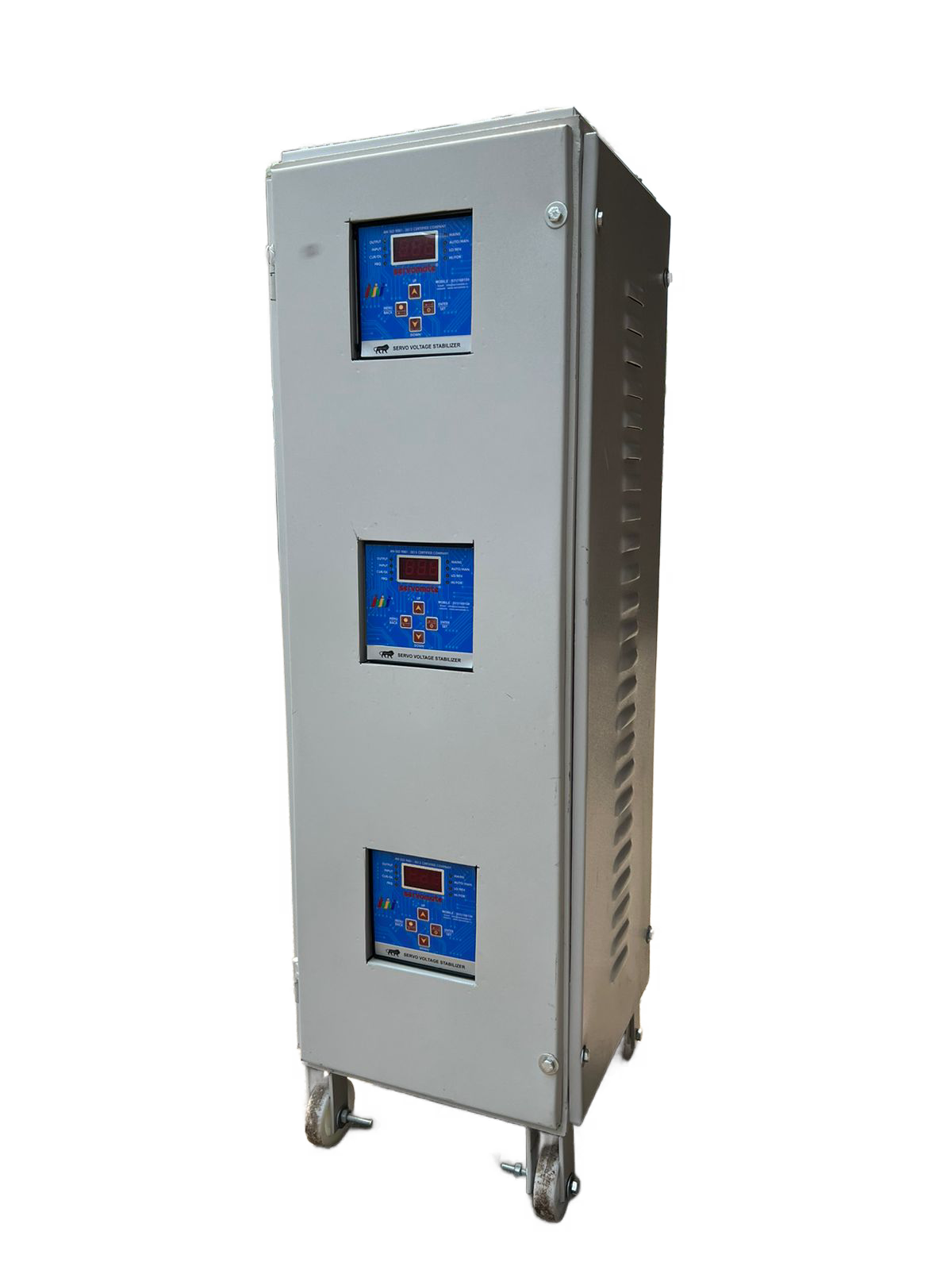
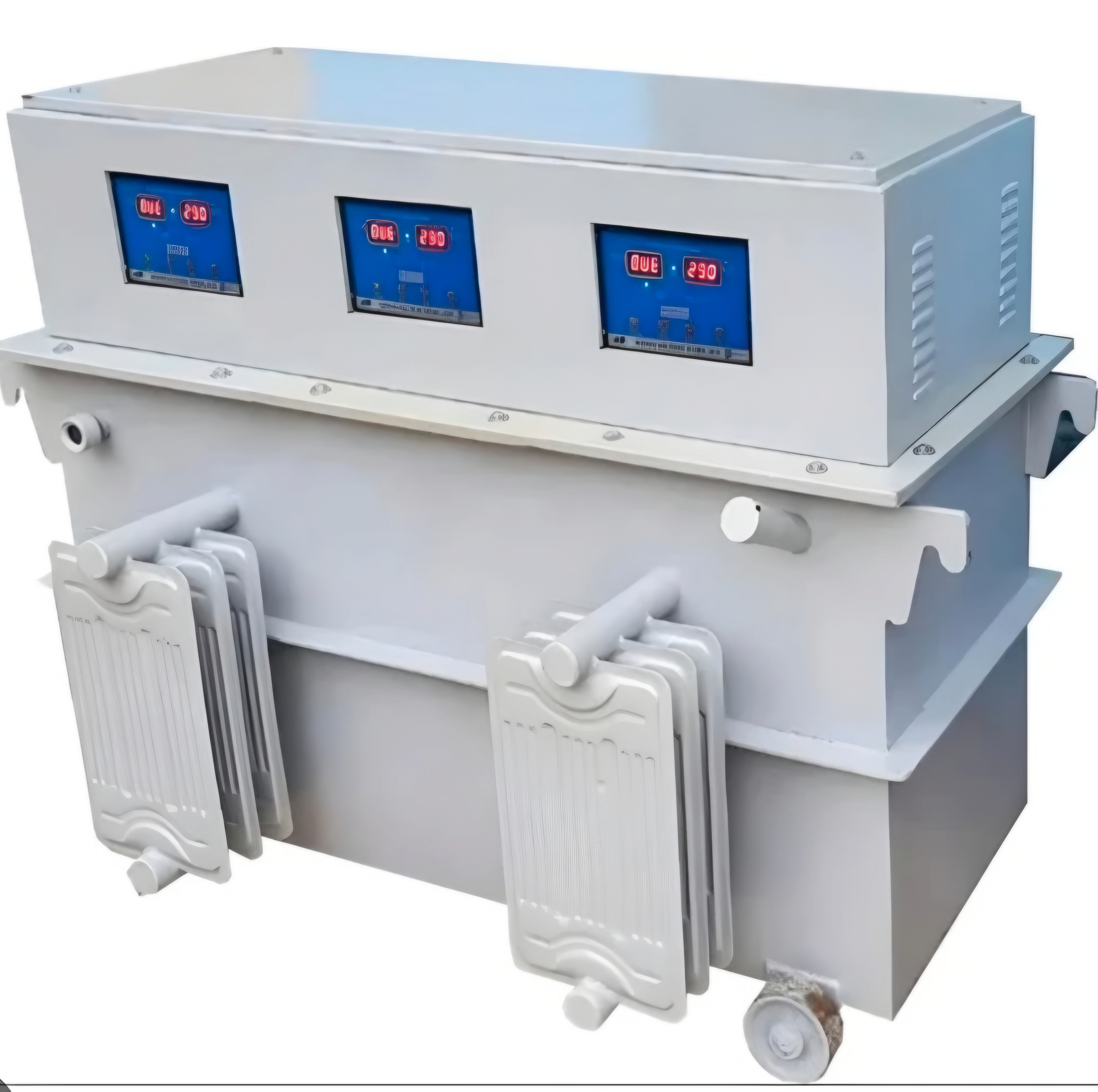
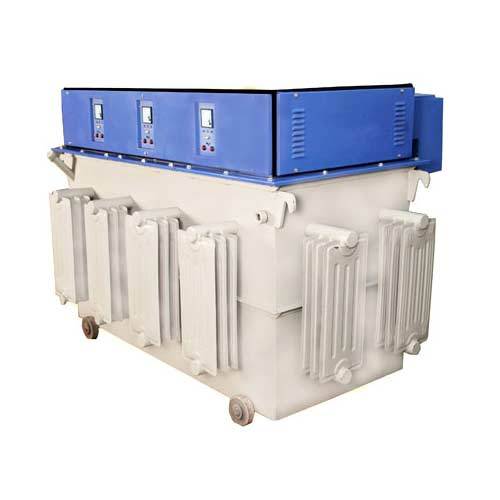
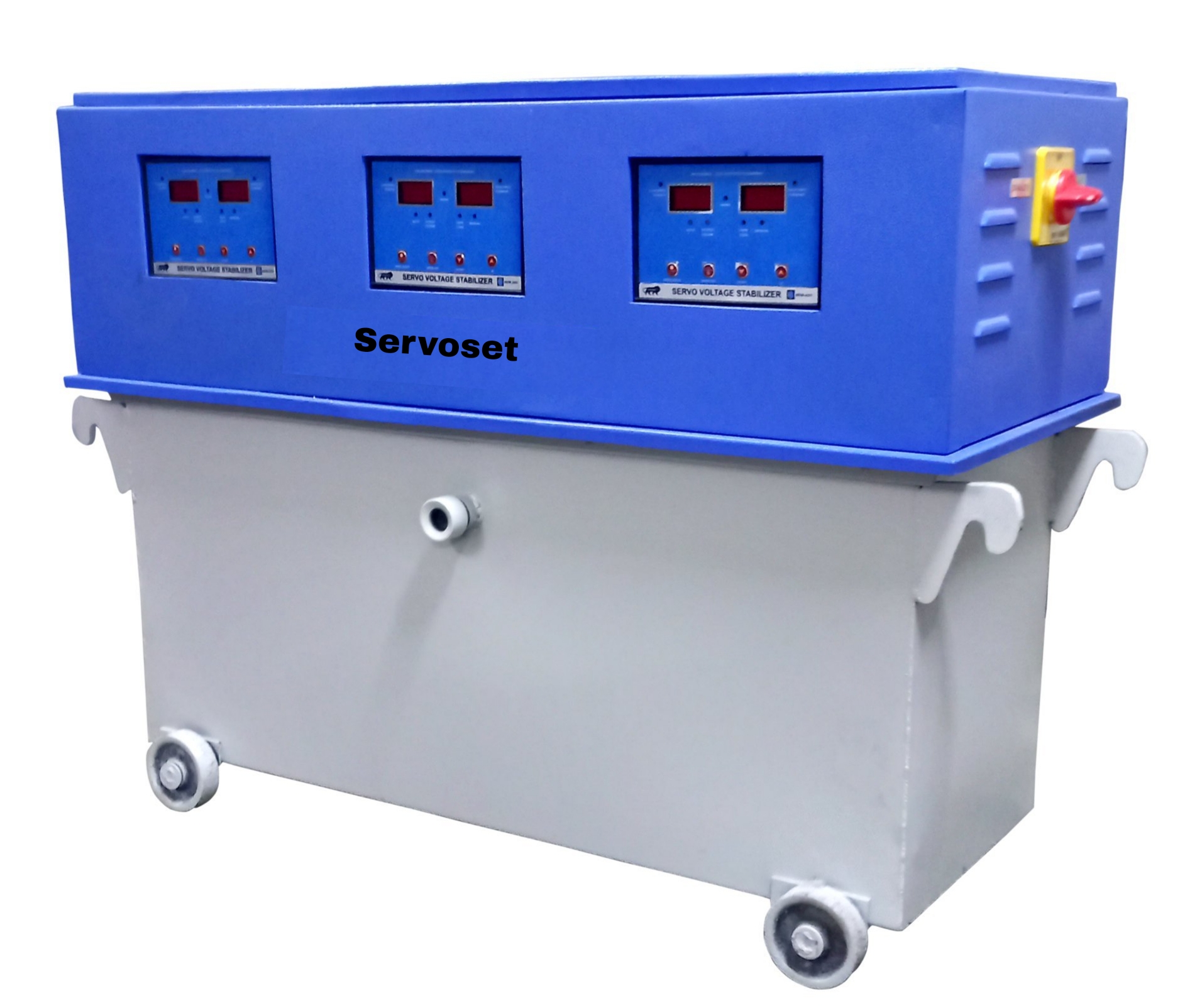
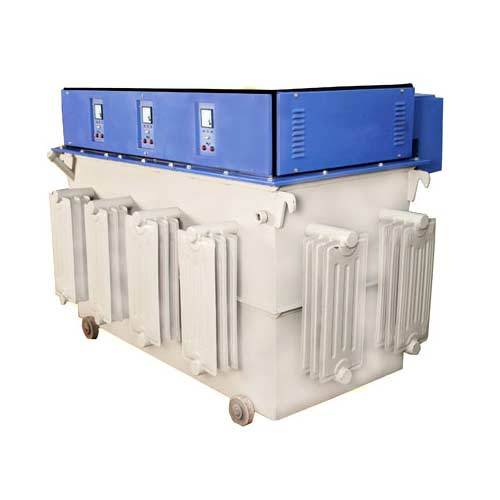
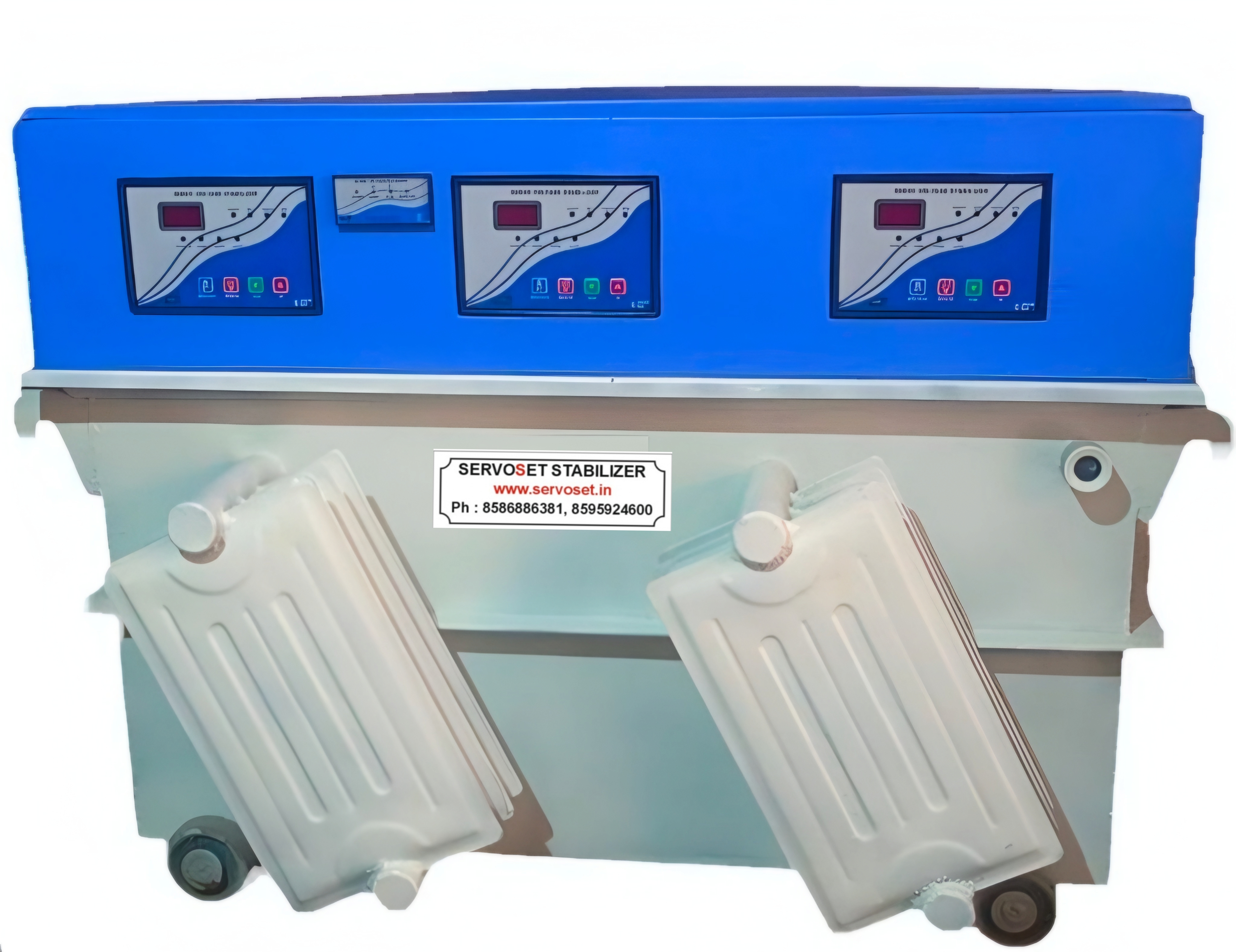
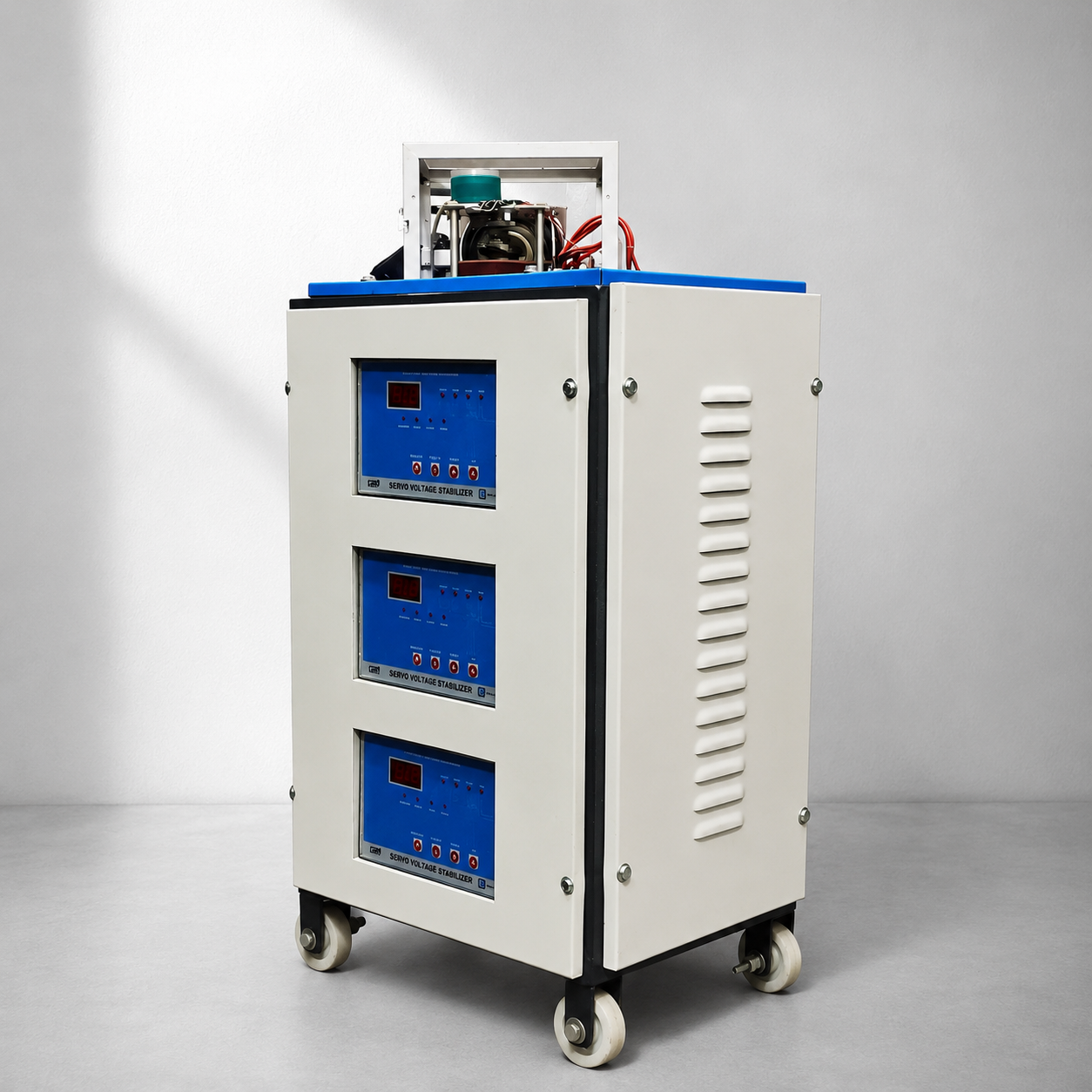
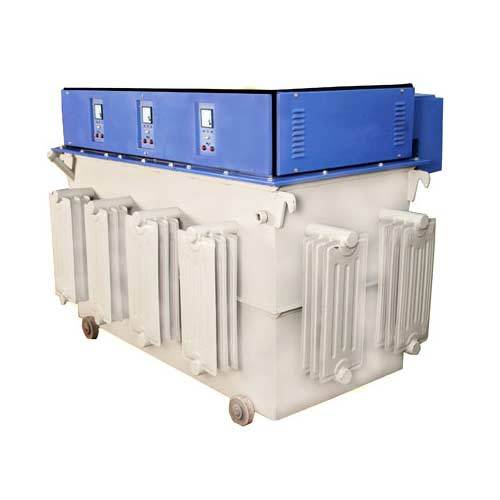
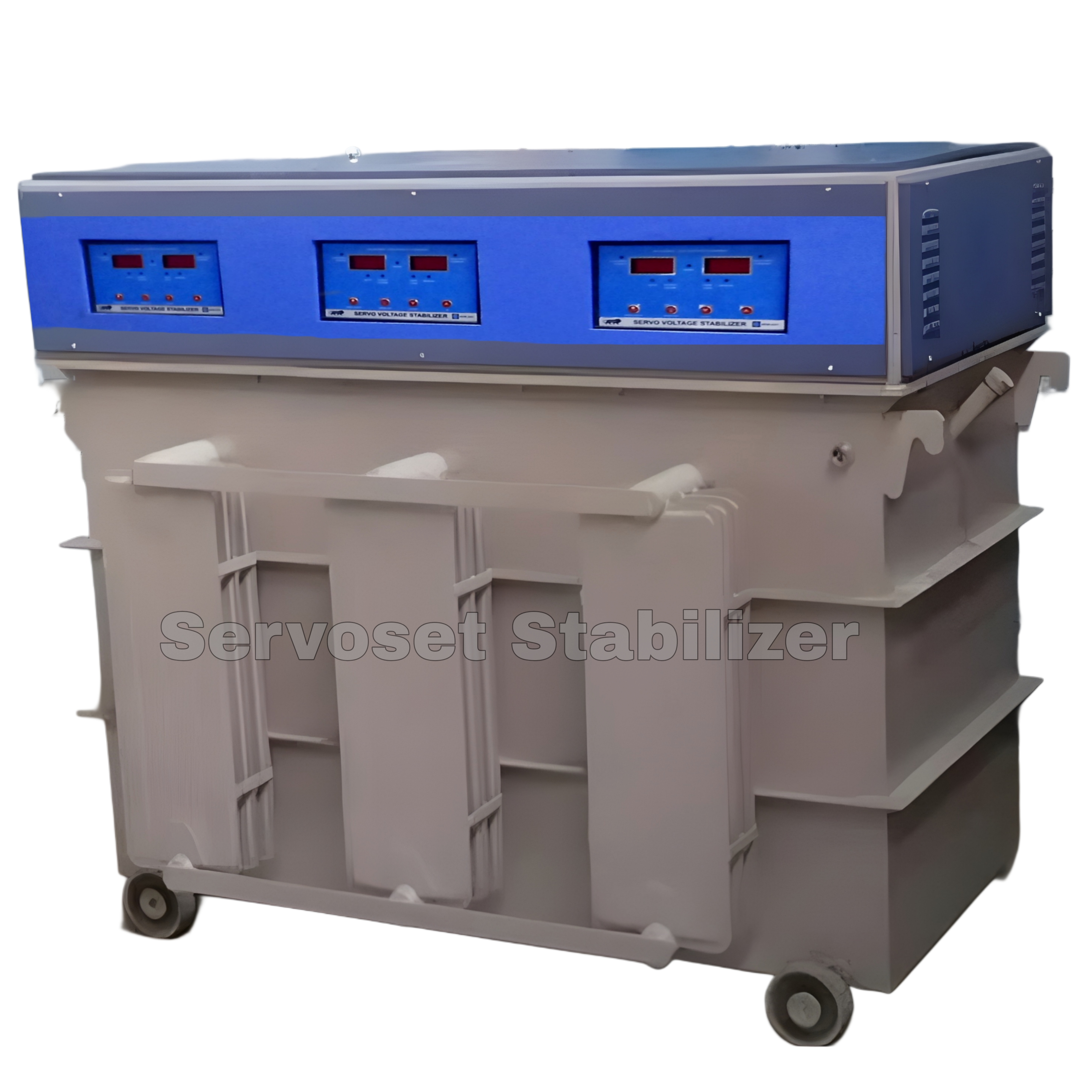
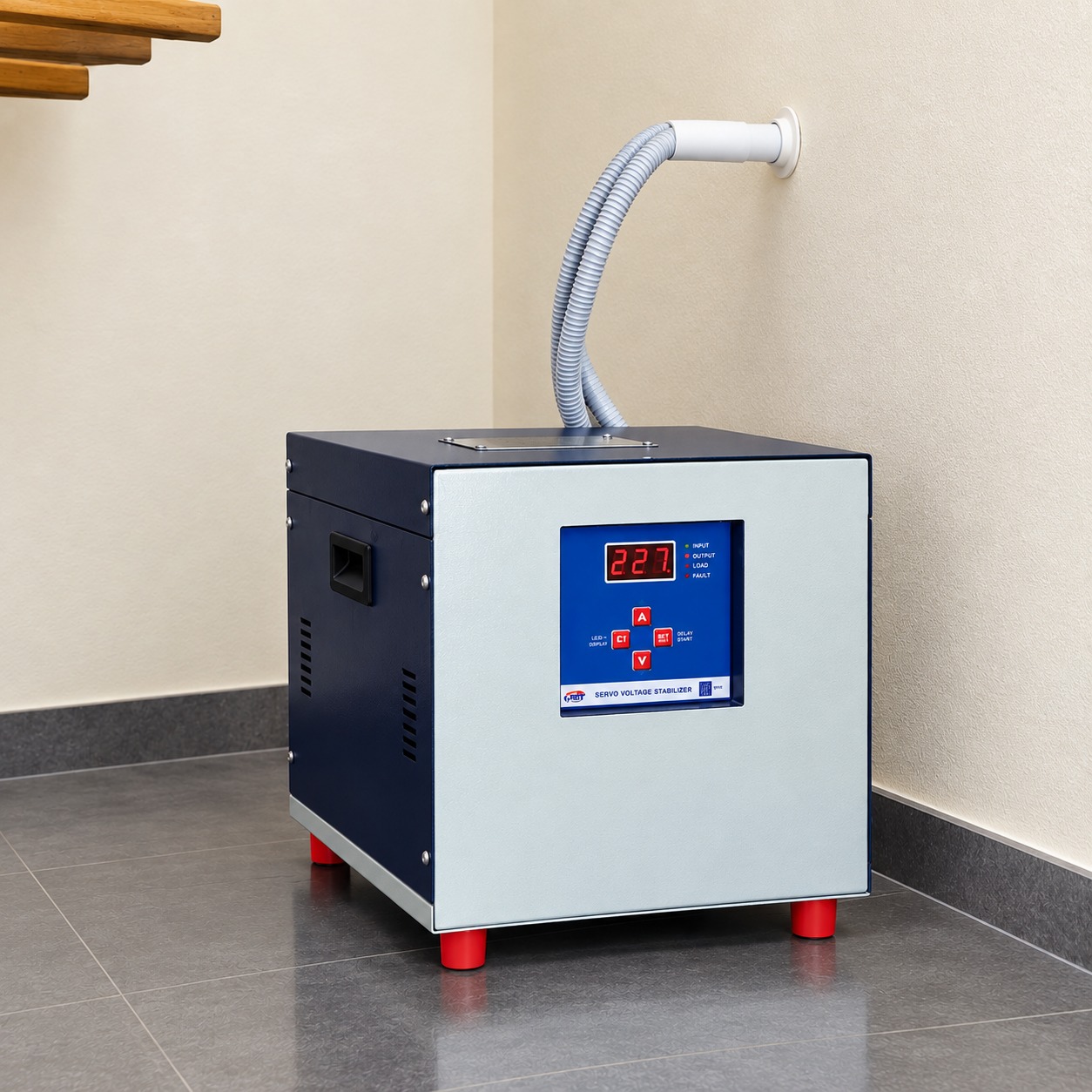
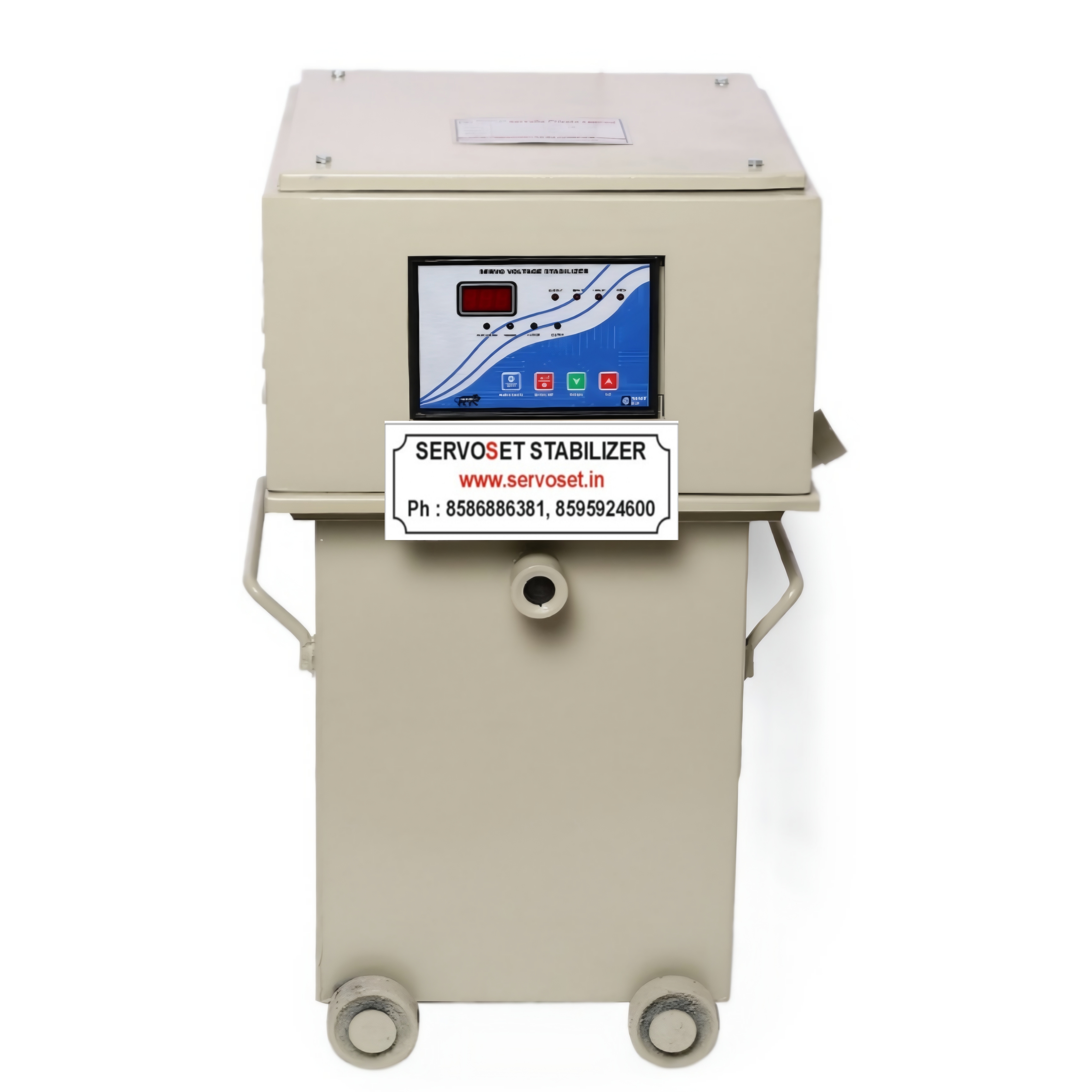
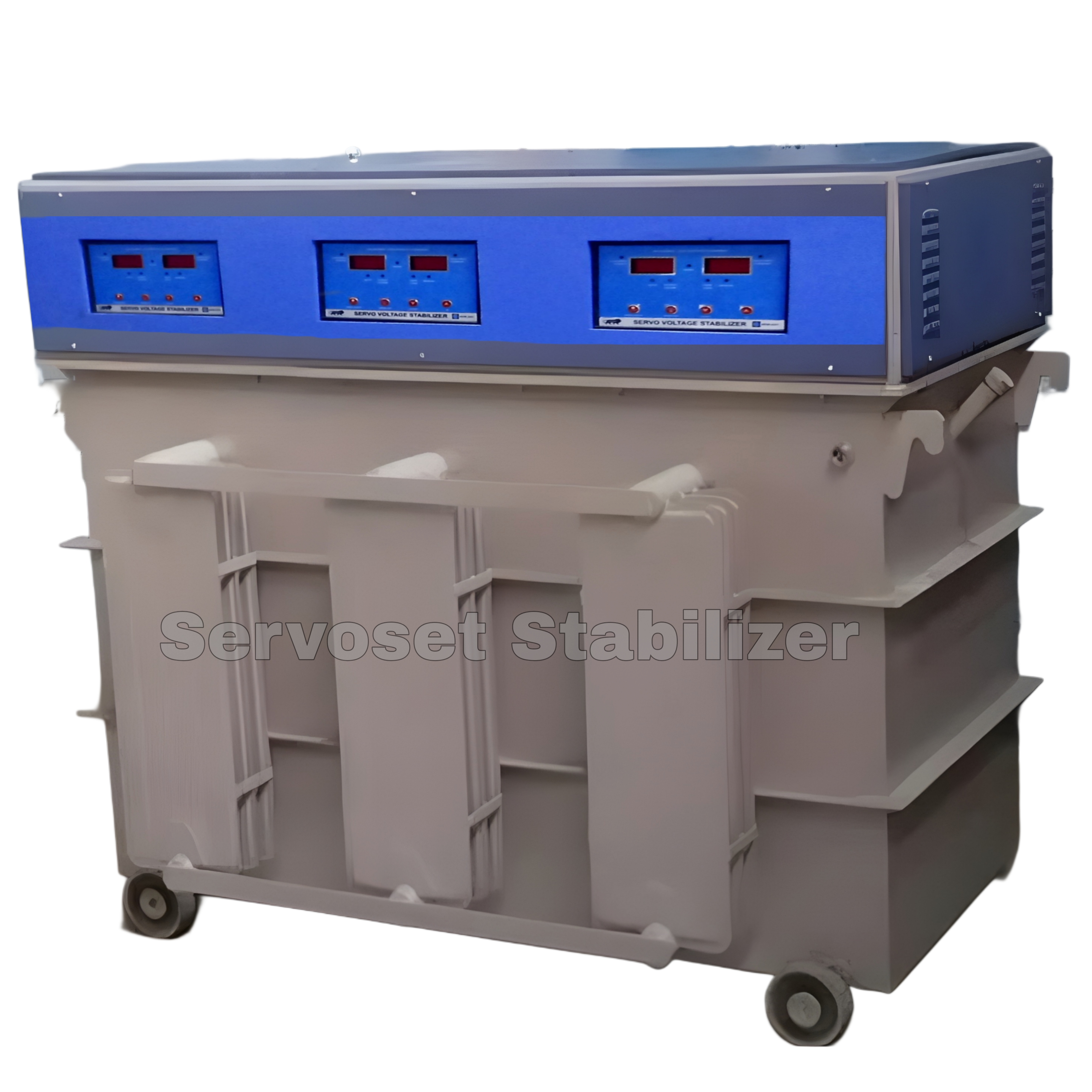
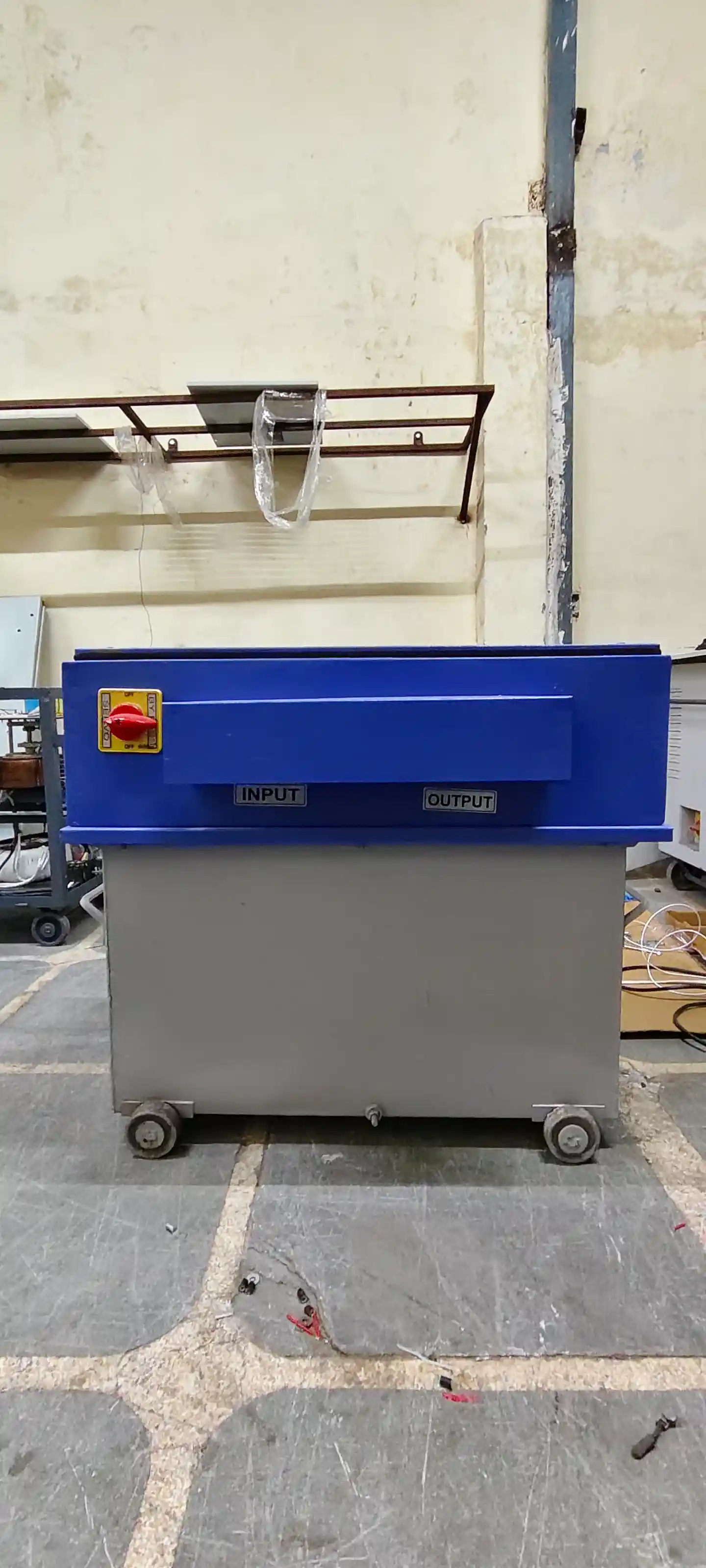
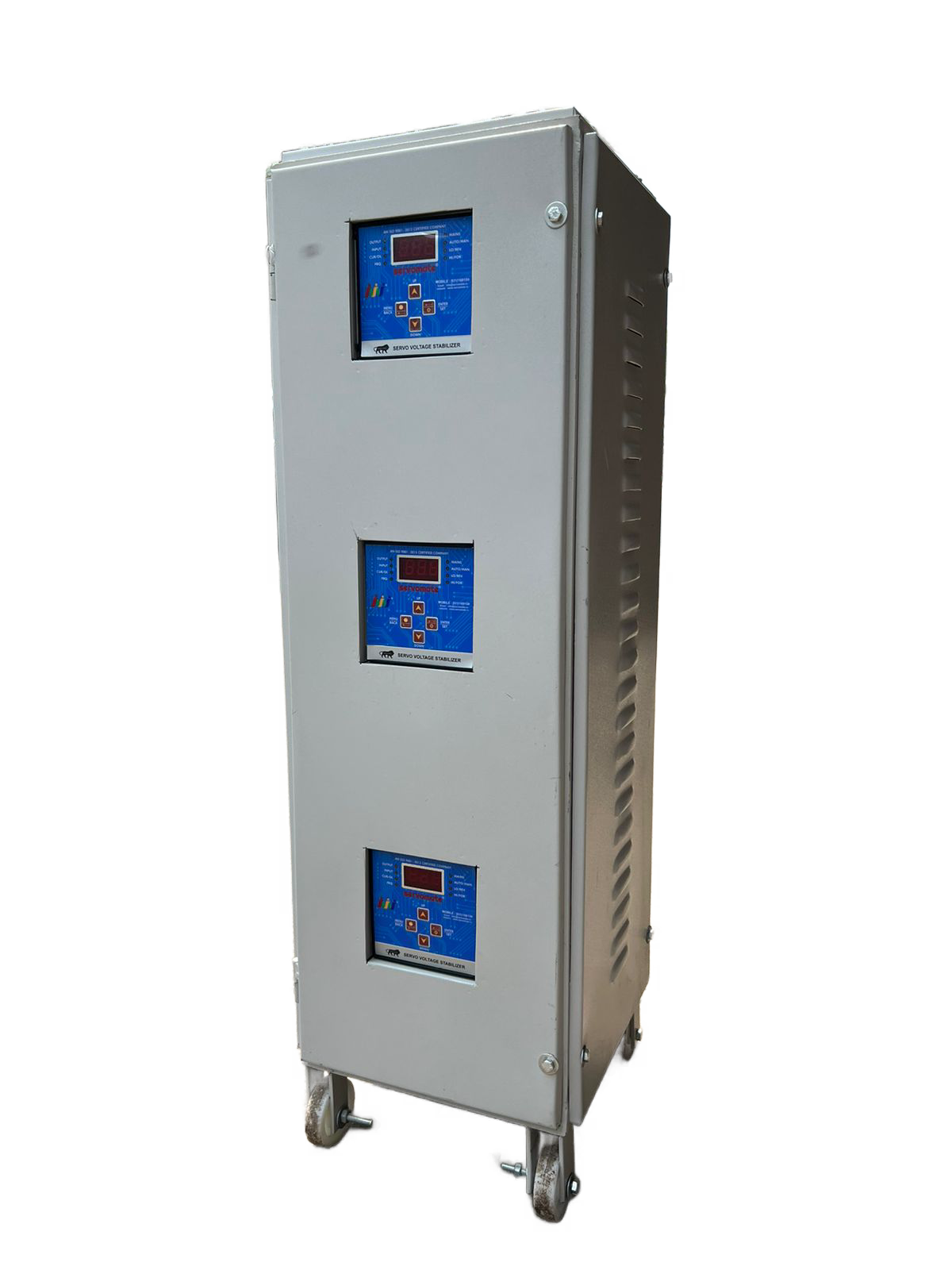
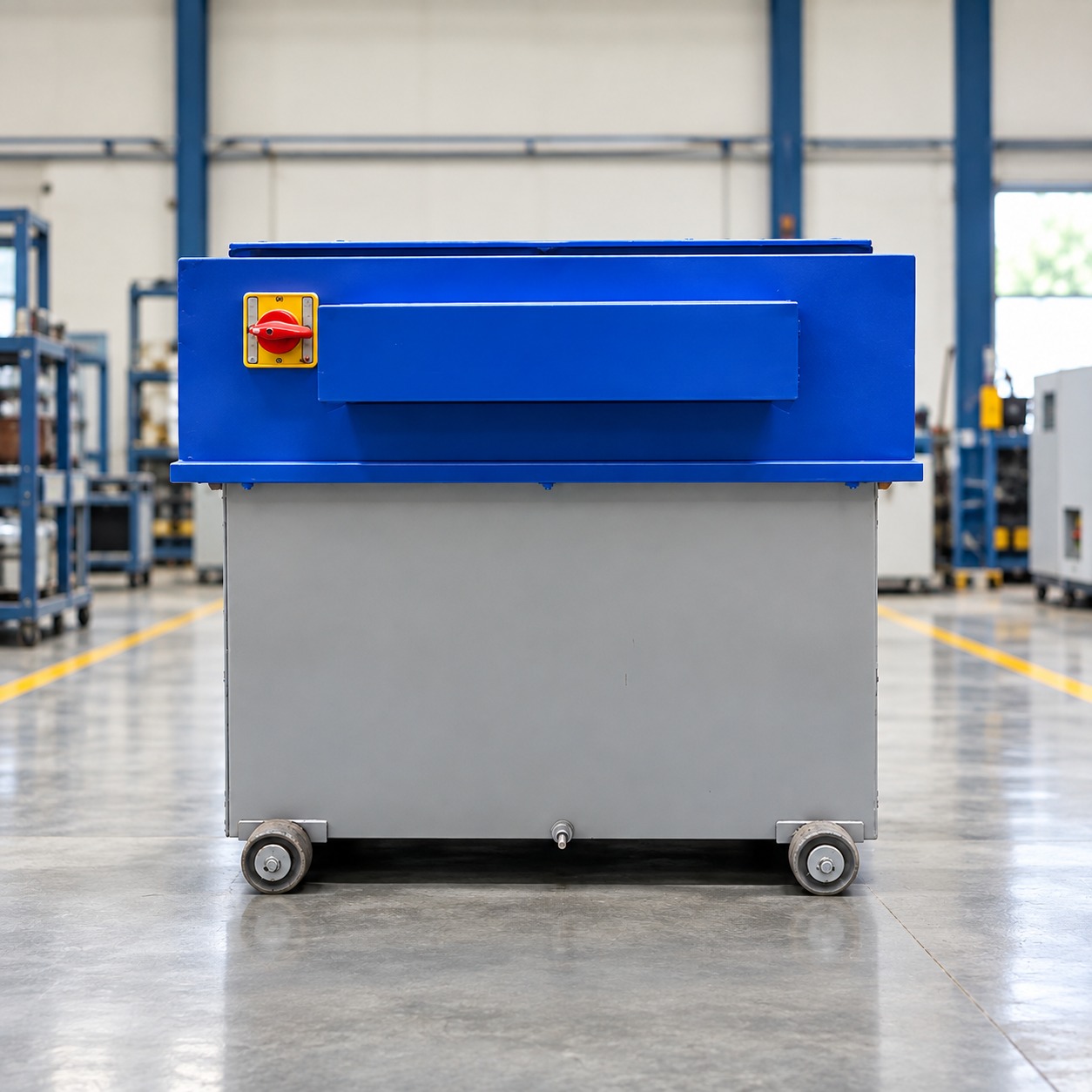
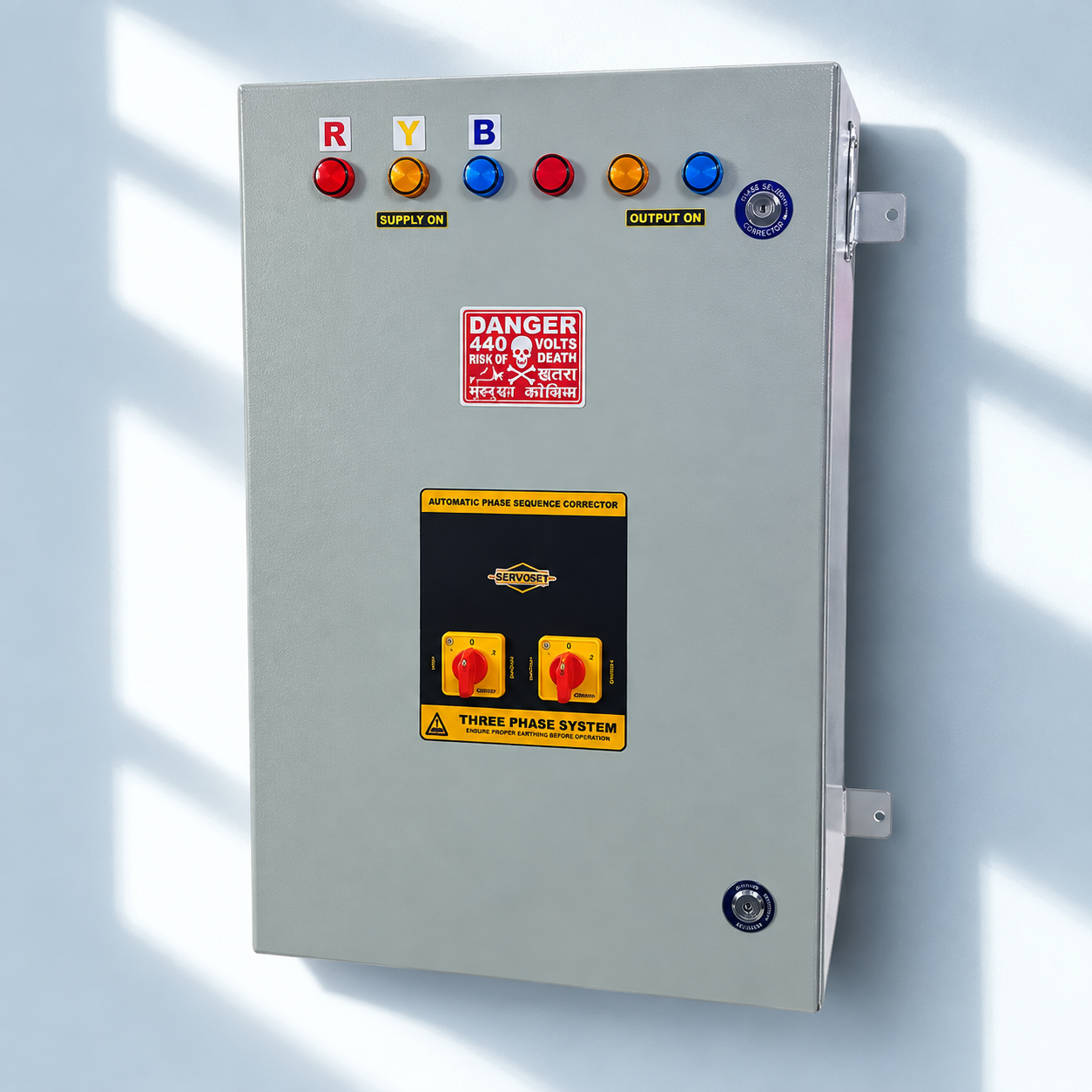
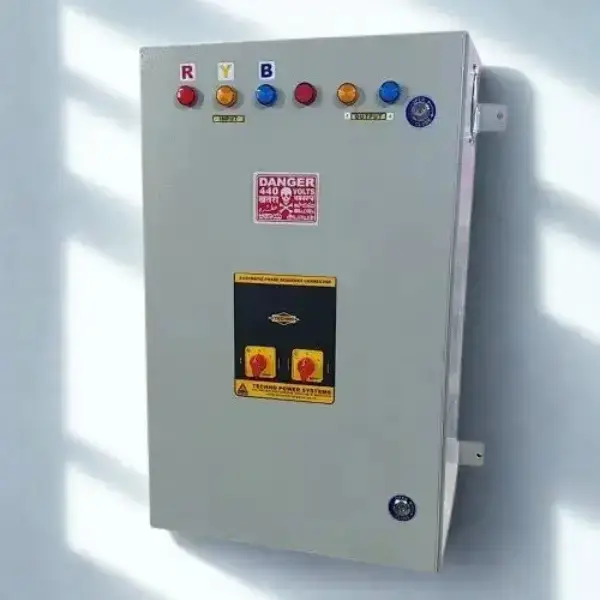
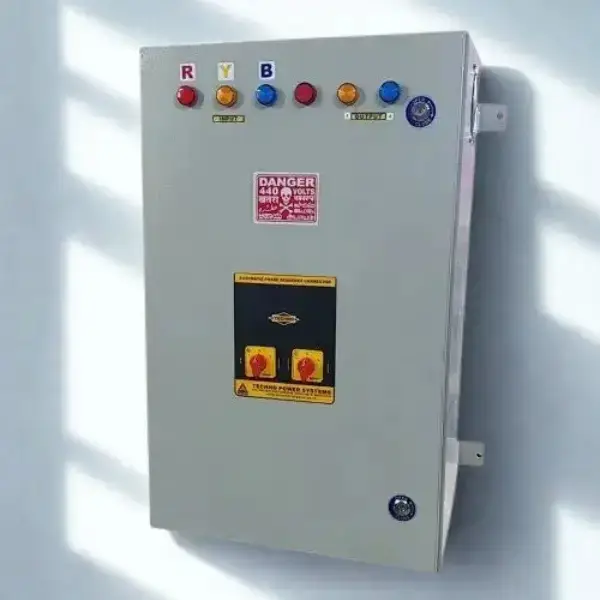
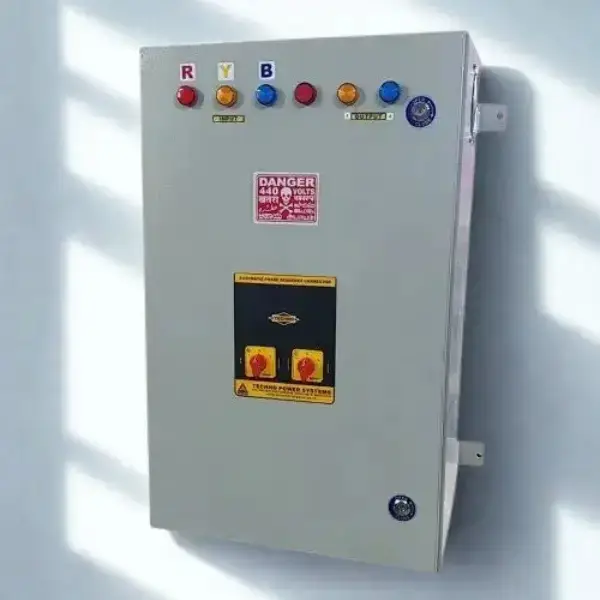
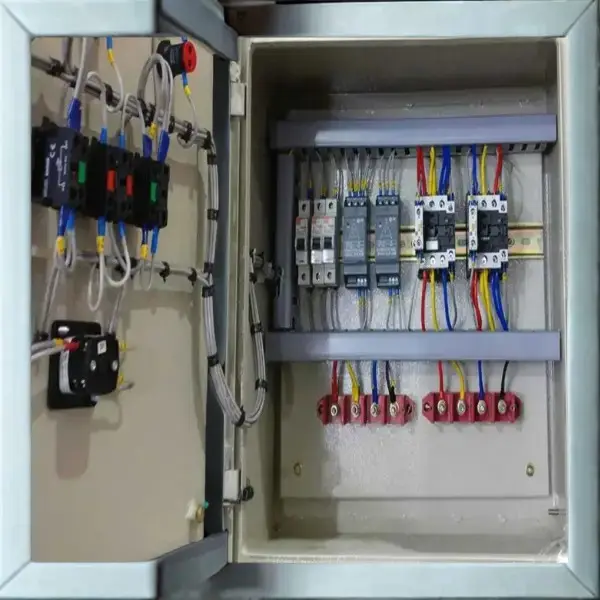
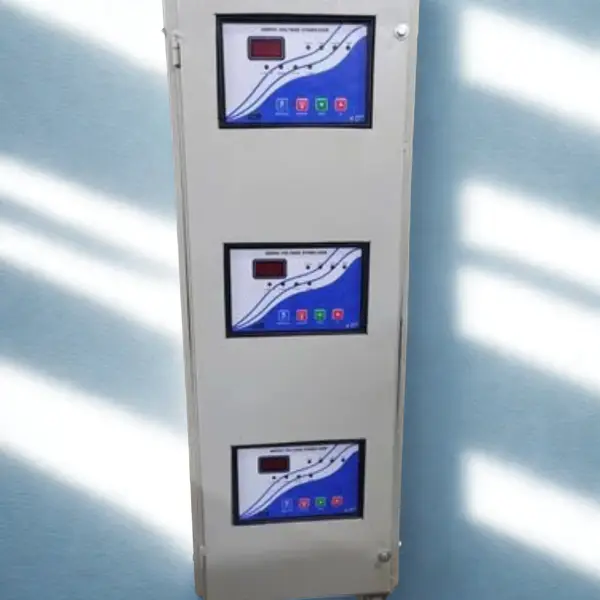
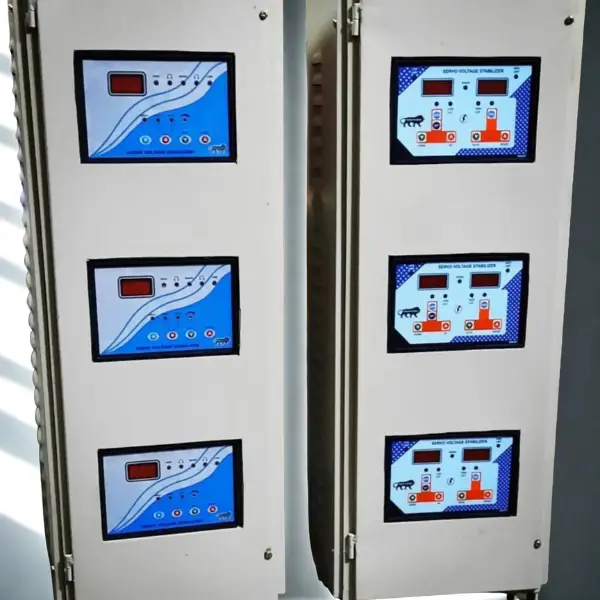
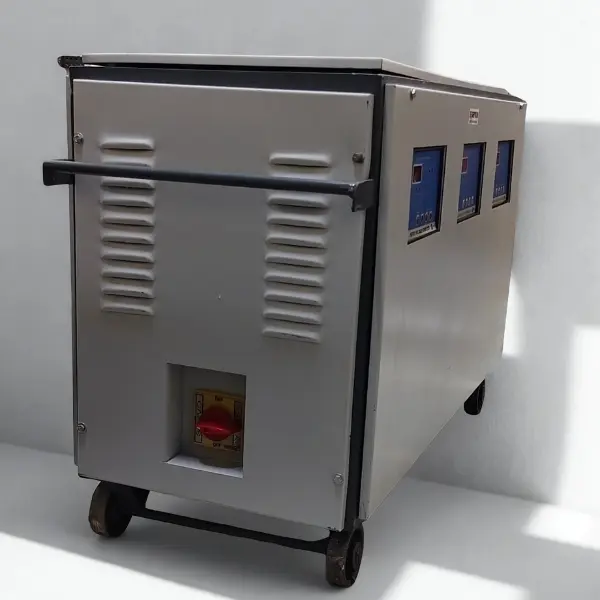
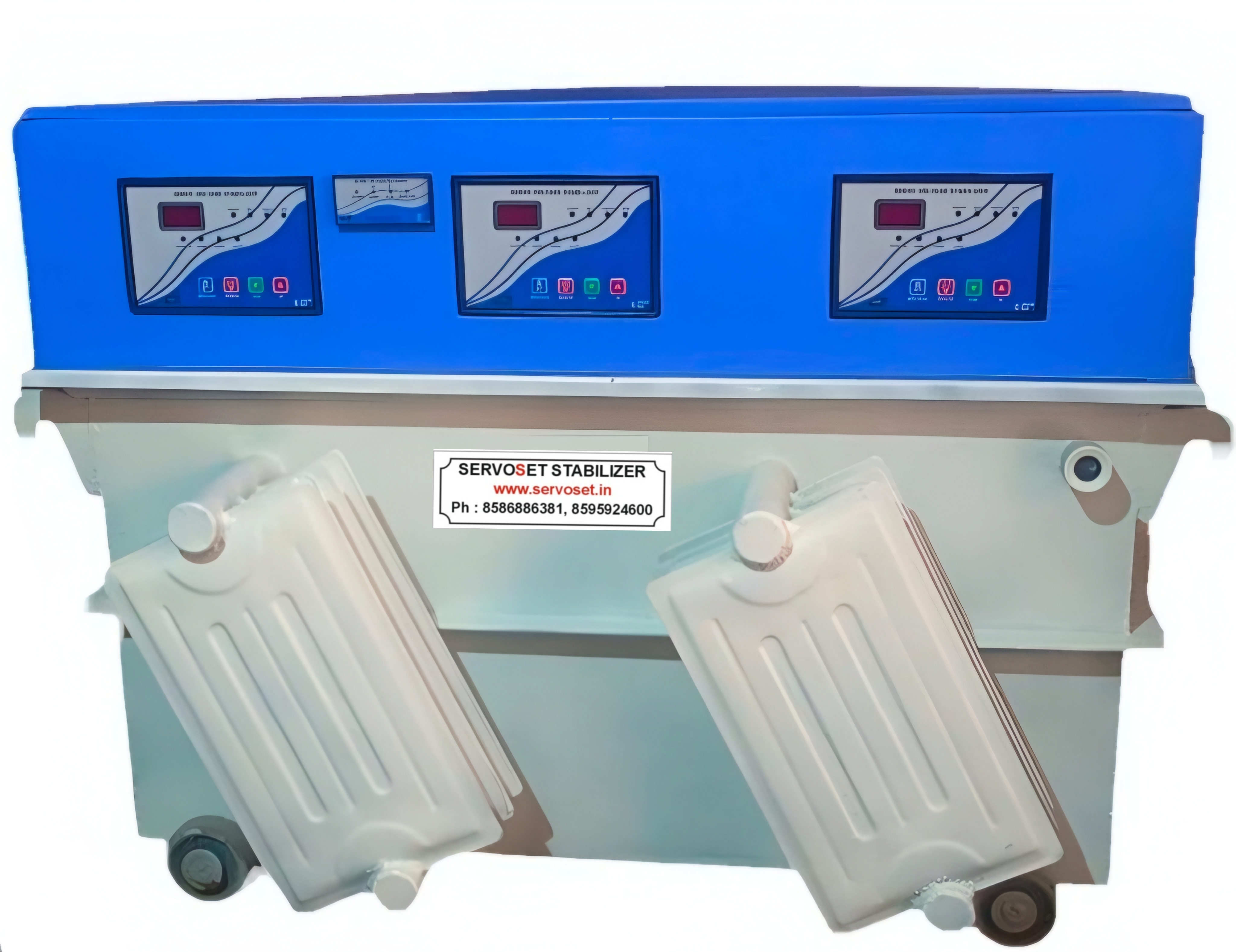
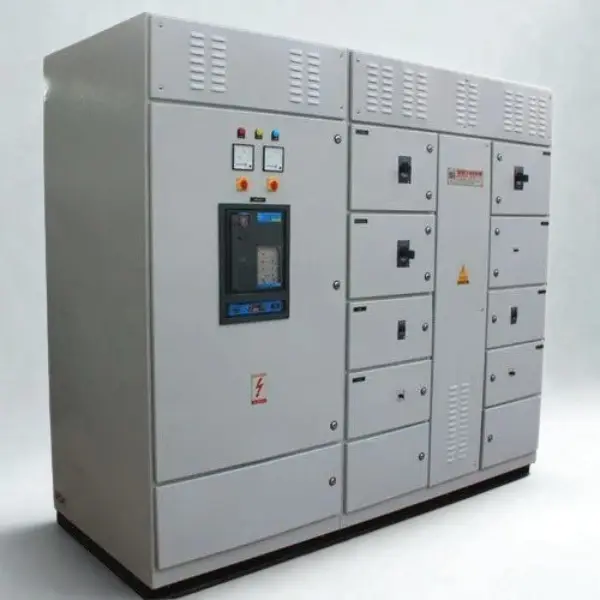
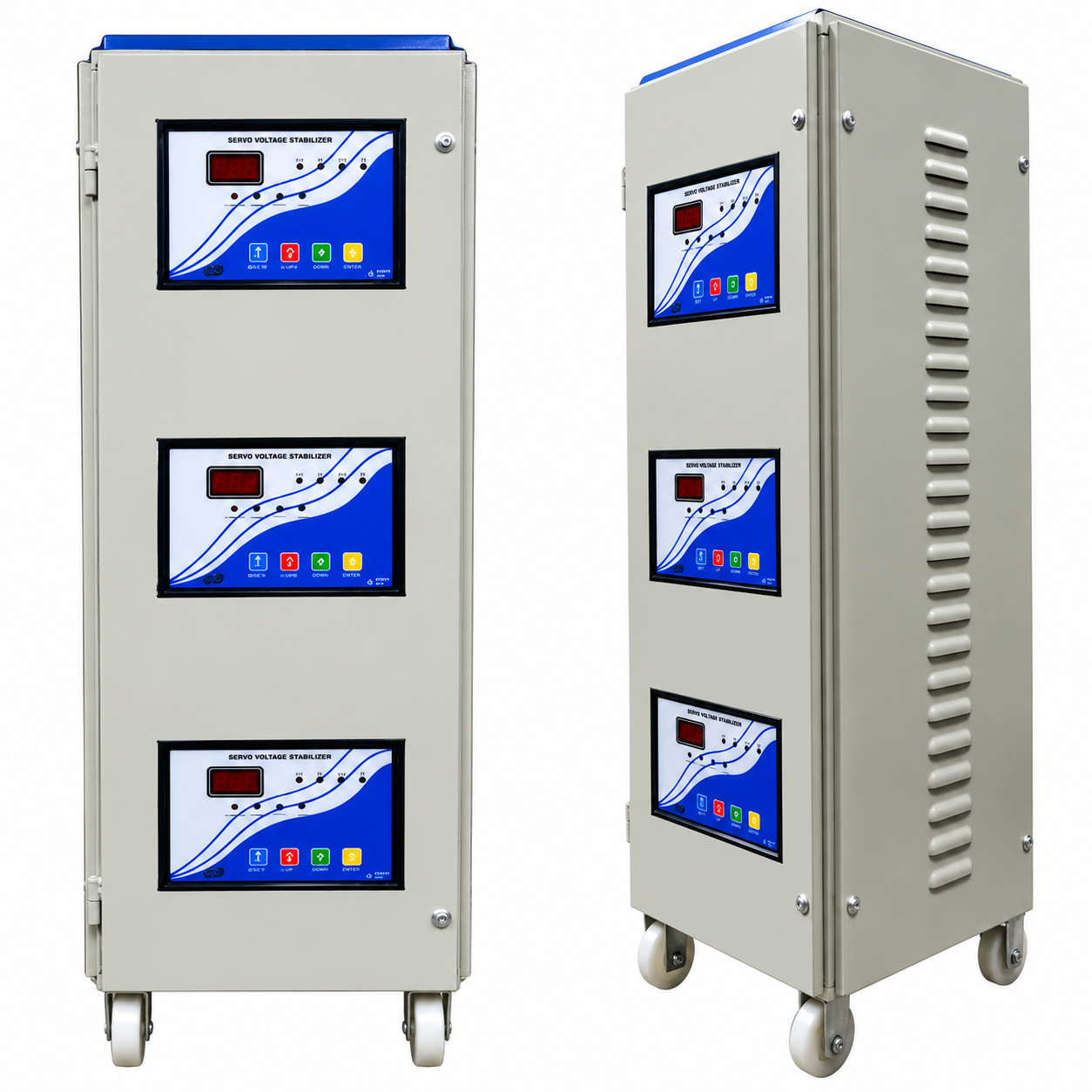
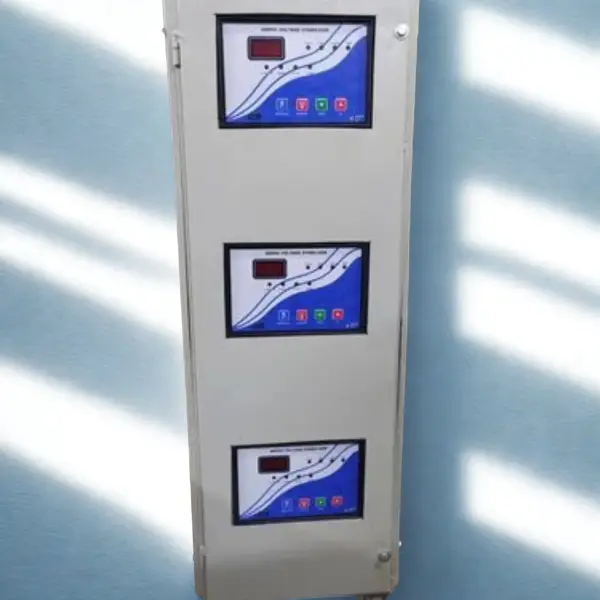
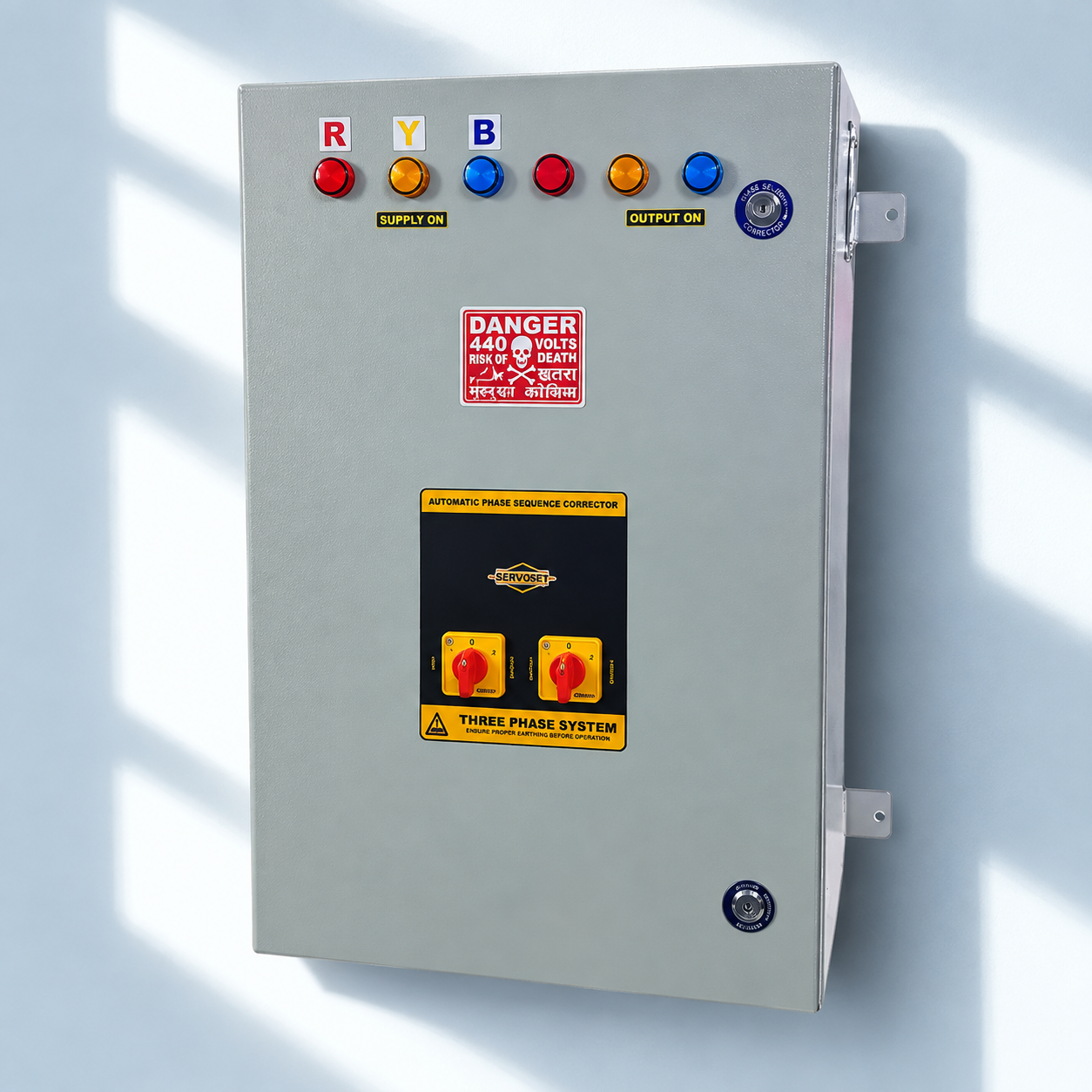
Three-phase electrical systems are widely used for operating motors, pumps, compressors, HVAC equipment, industrial machinery, and other heavy electrical loads. For such equipment, maintaining the correct phase sequence is important because an incorrect sequence can affect the direction of motor rotation and the normal operation of connected machinery. The 100A Automatic Phase Sequence Corrector by Servoset is designed for applications where automatic phase sequence management is required.
Instead of manually checking and changing phase connections whenever the sequence changes, an automatic phase sequence corrector can perform the required correction as part of the electrical system. This can make three-phase power management more convenient for suitable commercial and industrial applications.
With its 100A rating, the corrector is intended for applications where the specified current-handling capacity matches the electrical requirements of the installation. However, proper product selection should always be based on the actual load, electrical configuration, and manufacturer's specifications.
Understanding the 100A Automatic Phase Sequence Corrector
A phase sequence corrector is an electrical device used to manage the order of phases in a three-phase power supply. In a three-phase system, the phases follow a particular sequence. Equipment such as motors can depend on this sequence to rotate in the intended direction.
When the incoming phase order is incorrect, a three-phase motor may rotate in the opposite direction. Depending on the equipment and application, this can interfere with normal operation. An automatic phase sequence corrector is designed to identify the phase order and make the necessary correction automatically.
The Servoset 100A Automatic Phase Sequence Corrector can therefore be considered for electrical installations where maintaining the intended phase sequence is an important requirement.
Why Phase Sequence Matters in Three-Phase Systems
Phase sequence is particularly important when three-phase electrical power is supplied to rotating equipment. Motors are designed to rotate in a specific direction, and changing the phase order can change that direction.
For example, equipment such as pumps, compressors, fans, and industrial machines may require a specific direction of rotation. If the phase sequence is reversed, the equipment may not perform as intended.
Automatic phase sequence correction can reduce the need for manual intervention and help maintain the required phase order when the incoming supply sequence changes.
Key Features of the Servoset 100A Corrector
The 100A Automatic Phase Sequence Corrector is designed around the requirement of automatic phase sequence management. Its suitability depends on the electrical specifications of the intended installation.
- 100A Capacity: Designed for applications requiring the specified 100A current-handling capability.
- Automatic Phase Correction: Helps manage incorrect phase sequence without requiring manual phase swapping.
- Three-Phase Application: Intended for suitable three-phase electrical systems.
- Automatic Operation: Reduces the need for repeated manual phase sequence adjustments.
- Industrial Use: Can be considered for appropriate commercial and industrial electrical applications.
- Equipment Compatibility: Suitable applications should be determined according to the connected load and manufacturer's specifications.
How Automatic Phase Correction Works
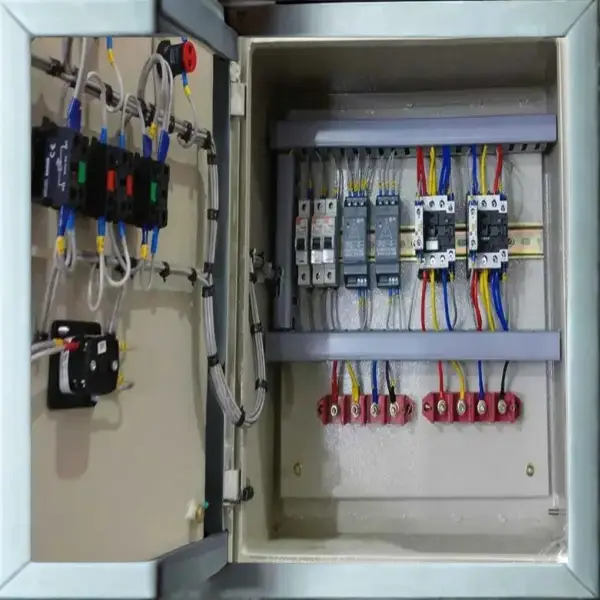
An automatic phase sequence corrector monitors the incoming three-phase electrical supply and determines the order in which the phases are arriving. When the detected sequence does not match the required arrangement, the device can change the phase arrangement to provide the required sequence.
This process removes the need for an operator to manually interchange phase connections each time an incorrect sequence is identified. The exact operating mechanism and switching arrangement depend on the product design and specifications.
Automatic correction can be particularly useful in electrical systems where the phase sequence needs to remain consistent for connected three-phase machinery.
Industries and Equipment That Can Use It
Phase sequence correction can be relevant to various applications where three-phase electrical equipment is installed. The corrector should be selected according to the electrical requirements of each application.
Industrial Machinery
Manufacturing and industrial equipment may use three-phase motors for different operations. Correct phase sequencing can help ensure that motors rotate in their intended direction.
Water Pumps
Three-phase pumps can be sensitive to motor rotation direction. Maintaining the required phase sequence can support the intended operation of suitable pumping equipment.
Compressors
Compressors that use three-phase motors can also require a particular direction of rotation. Automatic phase correction can be considered where phase order management is required.
HVAC Equipment
Large HVAC installations can include three-phase compressors, pumps, and fans. Proper phase sequencing can be an important part of the electrical setup for such equipment.
Commercial Electrical Systems
Commercial facilities using three-phase machinery may benefit from automatic phase sequence management when consistent phase order is required.
Workshops and Manufacturing Facilities
Workshops and manufacturing environments may operate several three-phase machines. An automatic correction system can reduce the need for repeated manual phase adjustments.
Advantages of Using Automatic Phase Correction
Reduced Manual Intervention
Automatic correction reduces the need to manually inspect and interchange phase connections whenever the incoming sequence changes.
Supports Correct Motor Direction
Maintaining the intended phase sequence can help compatible three-phase motors operate in their designed direction.
Convenient Electrical Management
Automatic phase correction can simplify phase sequence management in suitable electrical installations where consistent phase order is required.
Suitable for Higher Current Applications
The 100A rating makes the corrector suitable for applications where the electrical load falls within its specified current-handling range.
Useful for Multiple Applications
Depending on the electrical configuration, phase sequence correction can be relevant to motors, pumps, compressors, fans, and other compatible three-phase equipment.
Choosing the Right 100A Phase Sequence Corrector
Selecting a phase sequence corrector requires more than simply looking at its current rating. The complete electrical system should be evaluated before choosing a product.
Check the Current Requirement
Verify the operating current of the connected load and make sure it is compatible with the specified 100A capacity of the corrector.
Consider the Connected Equipment
Identify whether the system operates motors, pumps, compressors, fans, or other equipment where phase sequence is important.
Verify Three-Phase Compatibility
Confirm that the electrical supply and equipment configuration are compatible with the corrector before installation.
Review Technical Specifications
Always check the manufacturer's specifications for electrical ratings, installation requirements, operating conditions, and other product-specific information.
Important Installation Considerations
Proper installation is essential when working with three-phase electrical equipment, particularly when the system involves higher current levels. Incorrect wiring or unsuitable electrical protection can create safety risks and may affect connected equipment.
The corrector should be installed according to the manufacturer's instructions and applicable electrical safety requirements. A qualified electrical professional should verify the supply, wiring, load requirements, protection arrangements, and compatibility before commissioning the system.
After installation, the phase sequence and connected equipment should be checked to confirm that the system is operating as intended.
Applications of the Corrector in Kolkata
The 100A Automatic Phase Sequence Corrector in Kolkata can be considered for commercial, industrial, manufacturing, and other suitable facilities using three-phase electrical equipment.
Applications may include electrical systems supporting pumps, motors, compressors, HVAC equipment, production machinery, and other compatible three-phase loads where maintaining the intended phase sequence is important.
The actual suitability of the product should be evaluated according to the load characteristics, electrical supply, installation environment, and technical requirements of the application.
Maintenance and Operational Considerations
Electrical equipment should be inspected and maintained according to the manufacturer's recommendations and the requirements of the overall electrical system. Connections, protective devices, and associated components should be checked by qualified personnel when required.
Regular attention to the electrical installation can help identify loose connections, abnormal operating conditions, or other issues before they affect connected equipment.
The corrector should also be operated within its specified electrical limits. If the connected load or electrical configuration changes, the suitability of the existing phase sequence corrector should be reviewed.
Why Choose Servoset?
Selecting the right electrical equipment involves considering product specifications, application requirements, installation conditions, and long-term operating needs. The Servoset 100A Automatic Phase Sequence Corrector is designed for applications that require automatic phase sequence management.
Before purchasing, users should review the product specifications and confirm that the corrector matches the electrical requirements of their installation. This is particularly important when the equipment will be connected to higher-current three-phase machinery.
FAQs
1. Why is a phase sequence corrector needed?
It helps maintain the required phase order in a three-phase system and can prevent incorrect motor rotation caused by phase reversal.
2. Which equipment can use a 100A phase sequence corrector?
Suitable applications may include three-phase motors, pumps, compressors, HVAC equipment, and industrial machinery.
3. How does automatic phase correction take place?
The device monitors the incoming phase sequence and automatically changes the phase arrangement when an incorrect sequence is detected.
4. What does the 100A rating mean?
The 100A rating represents the specified current-handling capacity of the corrector. The actual load must be checked against the manufacturer's specifications.
5. Can it be used for industrial applications?
Yes, it can be considered for suitable industrial and commercial three-phase applications where automatic phase sequence management is required.
6. Who should install the phase sequence corrector?
Installation should be performed by a qualified electrical professional following the manufacturer's instructions and applicable electrical safety requirements.
Conclusion
Maintaining the correct phase sequence is an important consideration for many three-phase electrical systems, particularly those operating motors, pumps, compressors, fans, and industrial machinery. The 100A Automatic Phase Sequence Corrector by Servoset provides an automatic approach to managing phase sequence in suitable electrical applications.
Before selecting the product, users should evaluate the current requirement, three-phase configuration, connected equipment, electrical protection, installation conditions, and manufacturer specifications. Proper installation by a qualified professional is also important for safe and reliable operation.
For businesses looking for a 100A Automatic Phase Sequence Corrector in Kolkata, selecting equipment according to the actual electrical requirements of the installation can help ensure compatibility and dependable performance.