Introduction
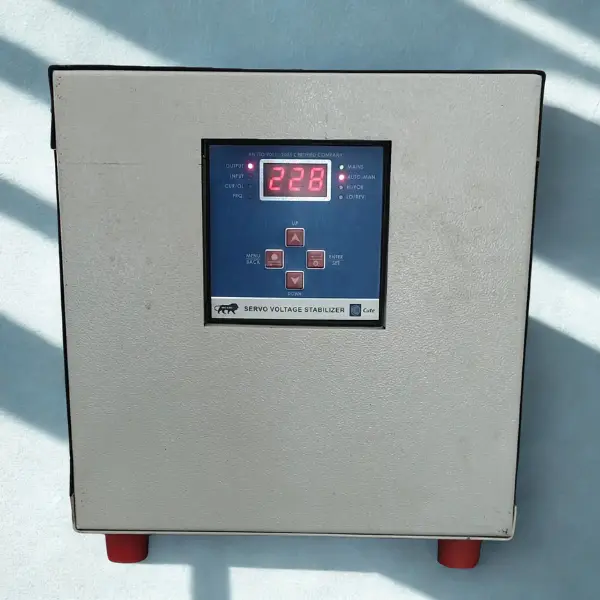
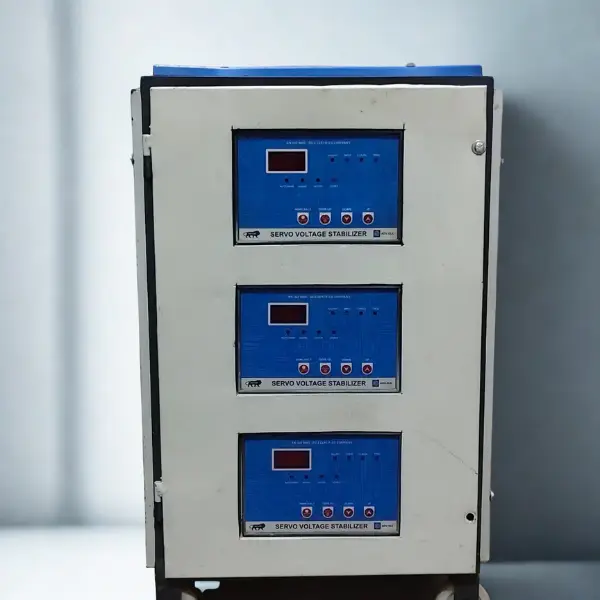
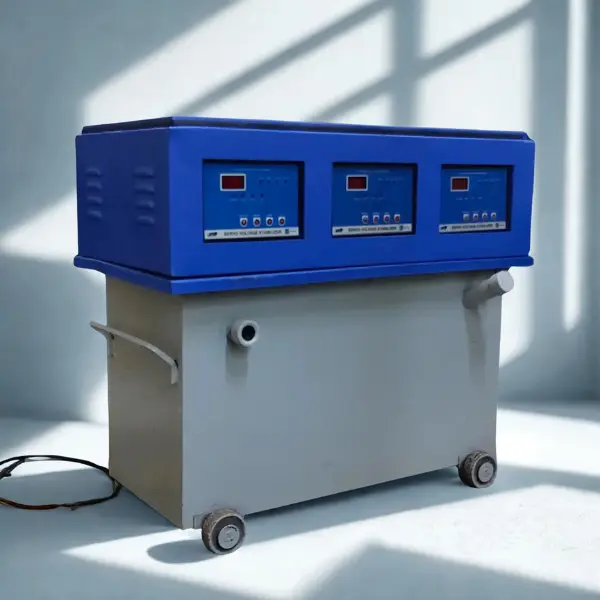
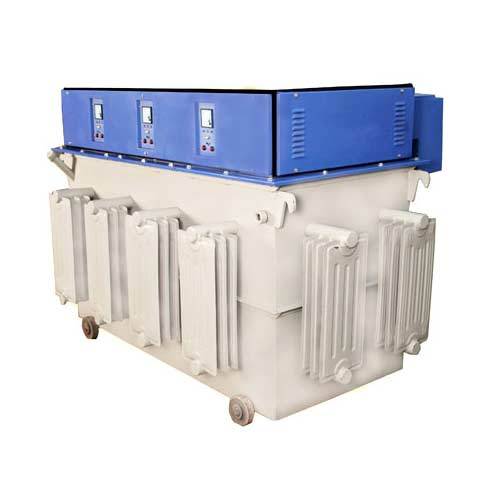
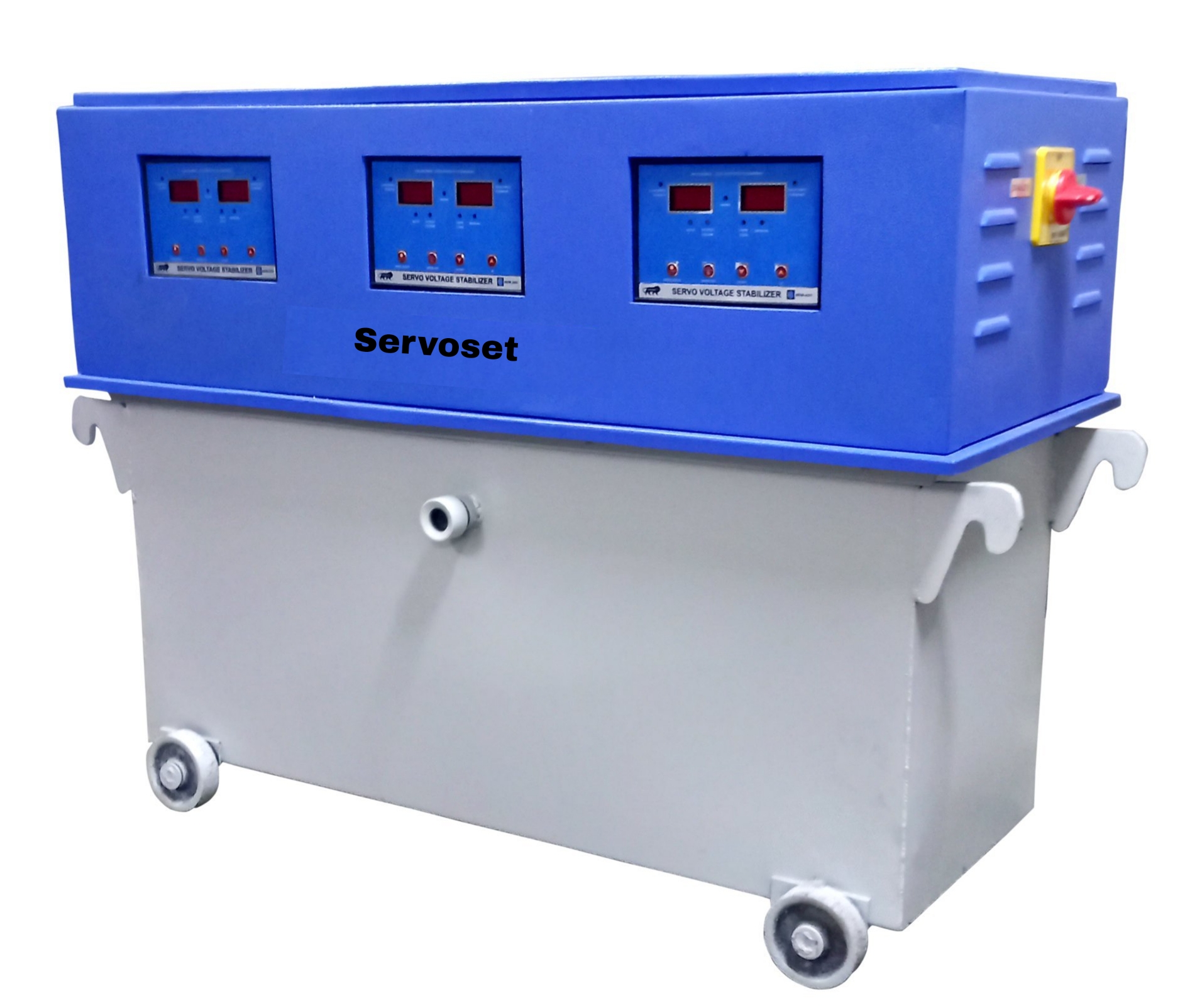
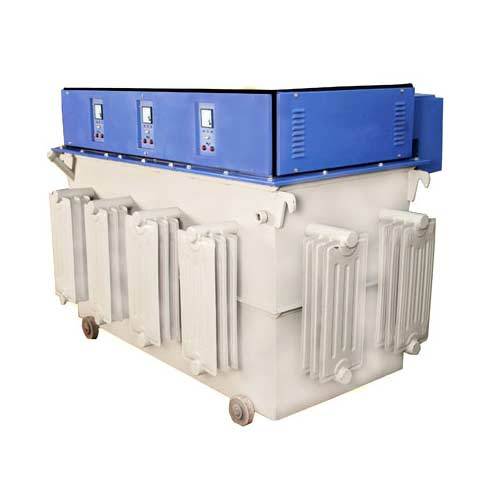
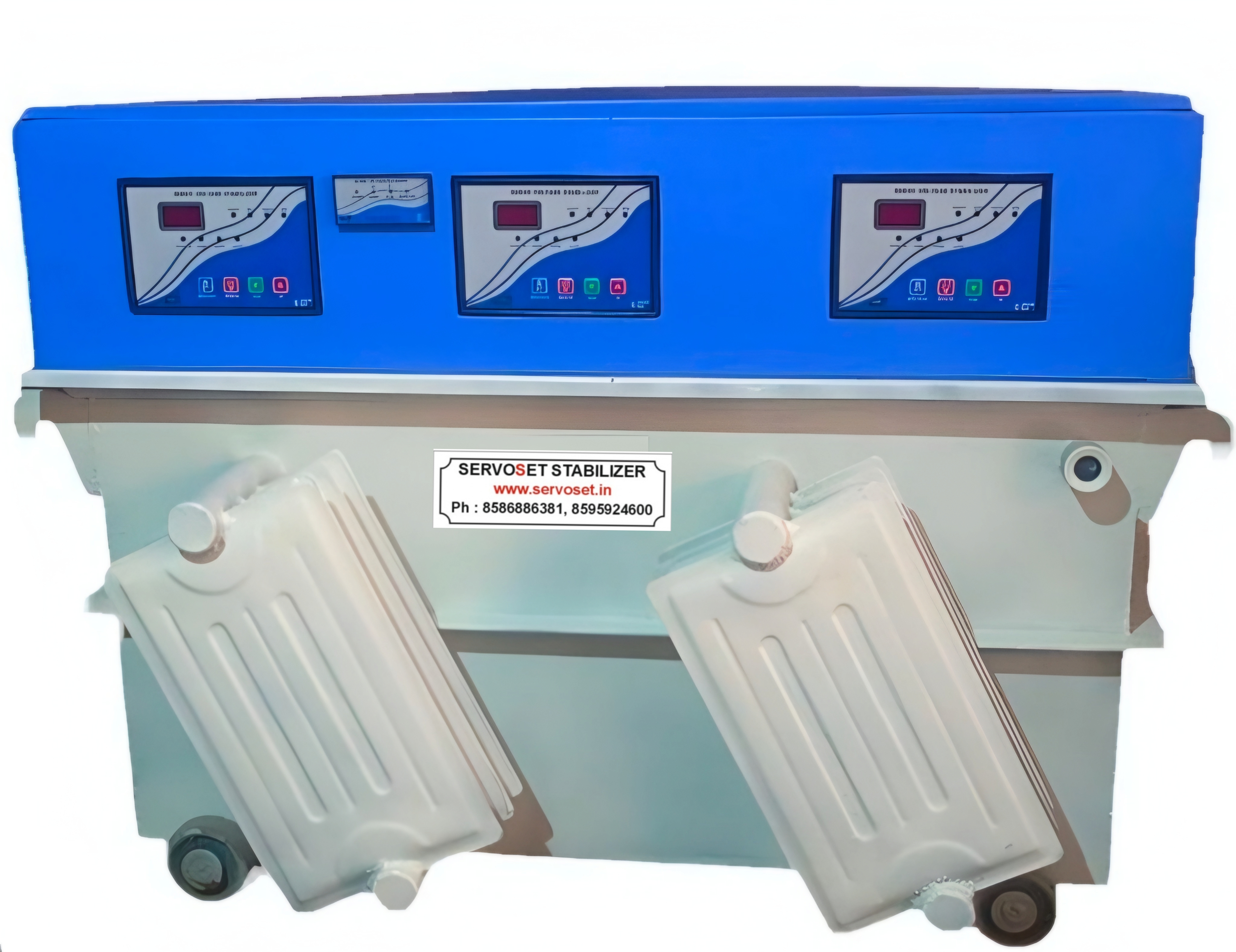
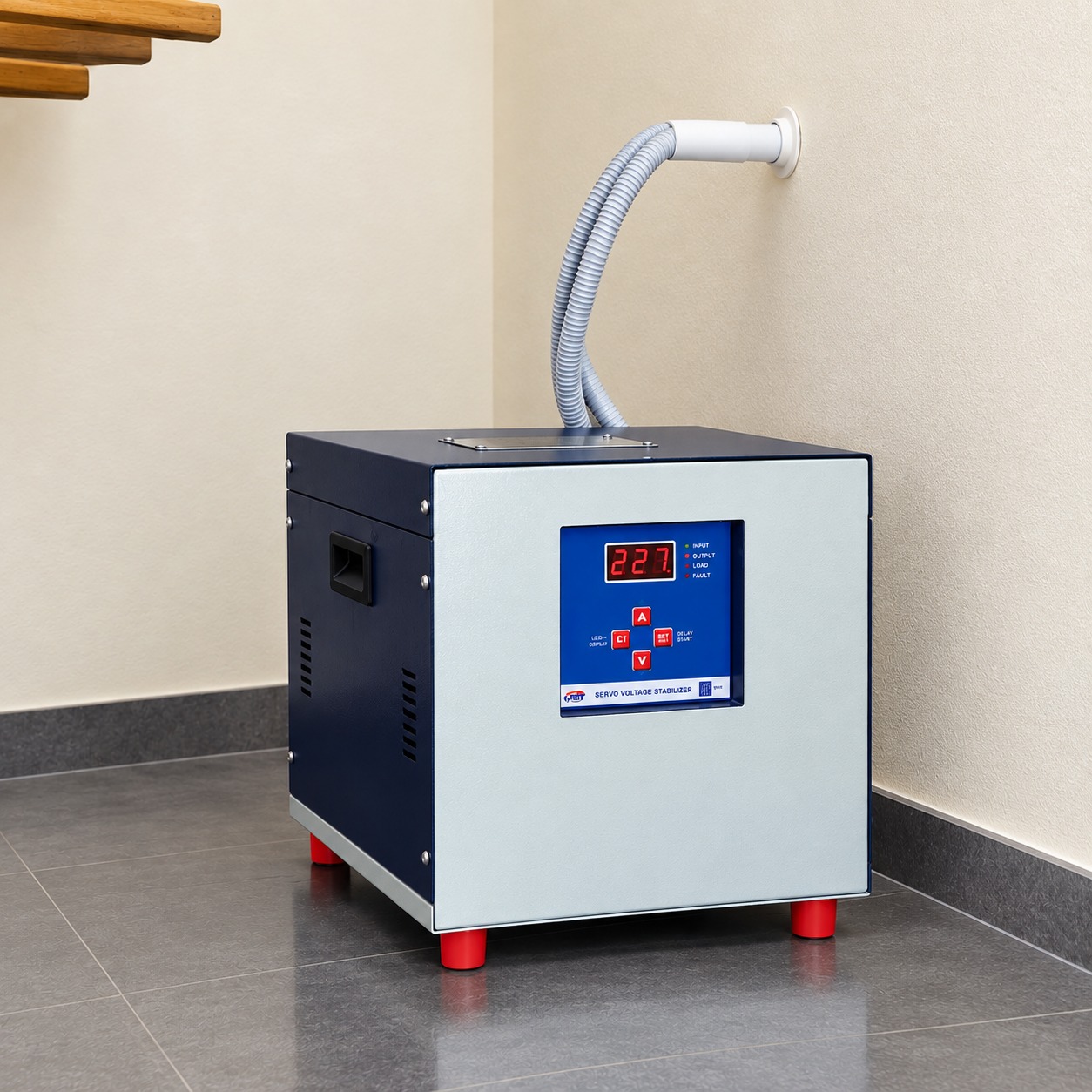
Most facilities have multiple machines, panels, and circuits drawing power from one common source. Instead of installing a separate stabilizer for every load, a mainline servo voltage stabilizer sits right at the incoming power supply and corrects voltage for the entire facility before it reaches any downstream equipment. This single-point protection approach is why mainline stabilizers have become the preferred choice for factories, commercial buildings, and multi-machine setups that need consistent voltage across the board rather than isolated fixes for individual machines.
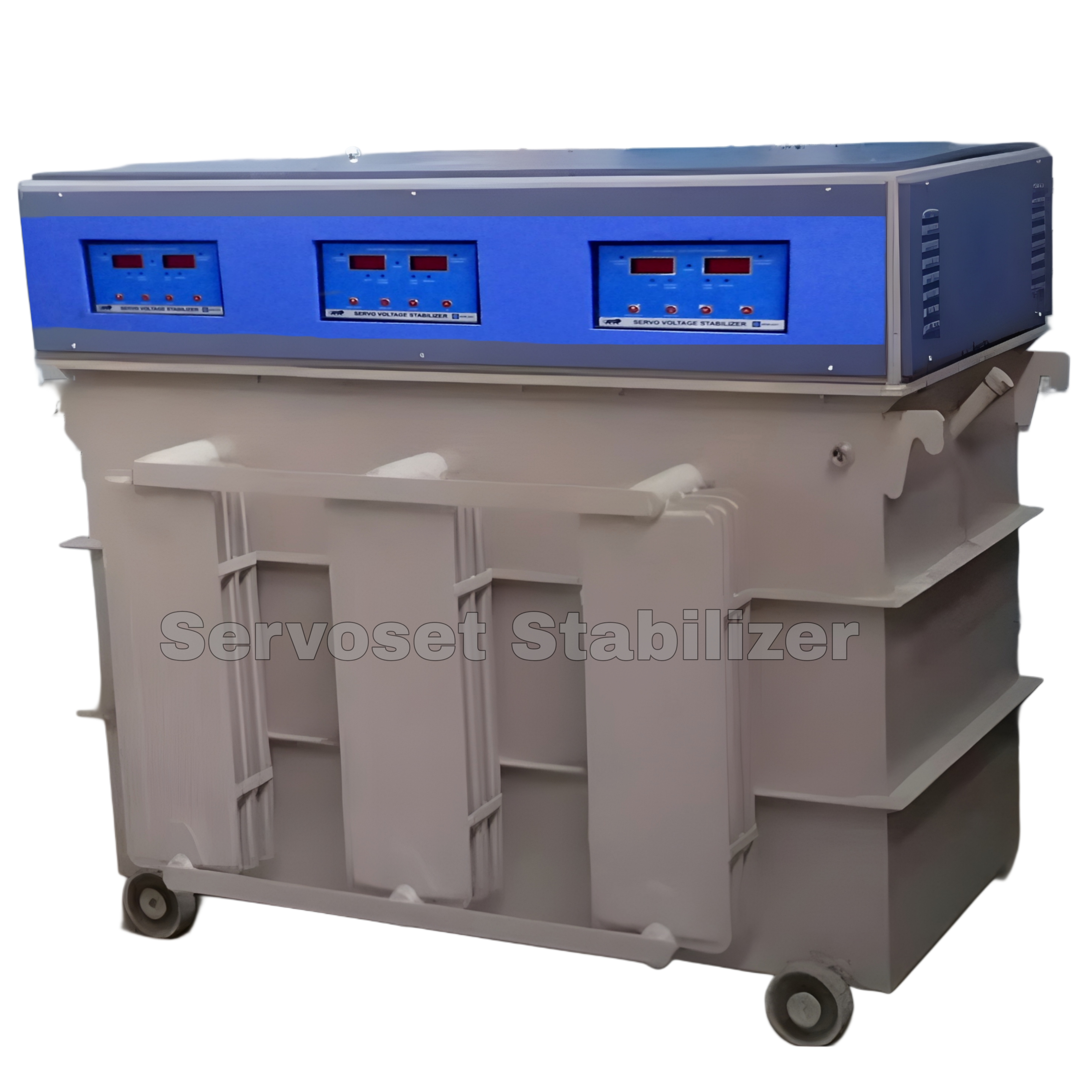
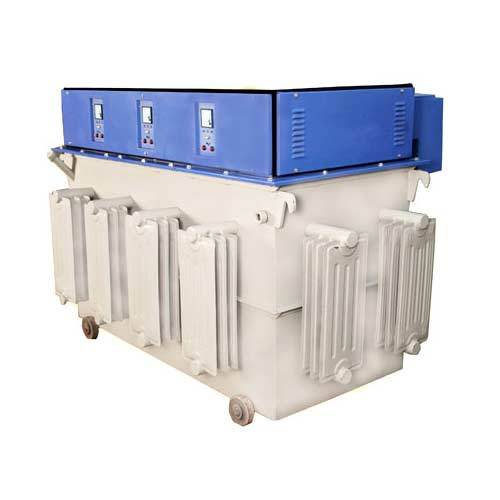
At Servoset, mainline servo voltage stabilizers are engineered to handle the combined load of an entire facility — which means higher current capacity, faster correction response, and build quality that can sustain constant operation without failure. This blog explains what a mainline stabilizer actually does, why it's different from a machine-level stabilizer, and what to look for when choosing one for your facility.
What Is a Mainline Servo Voltage Stabilizer
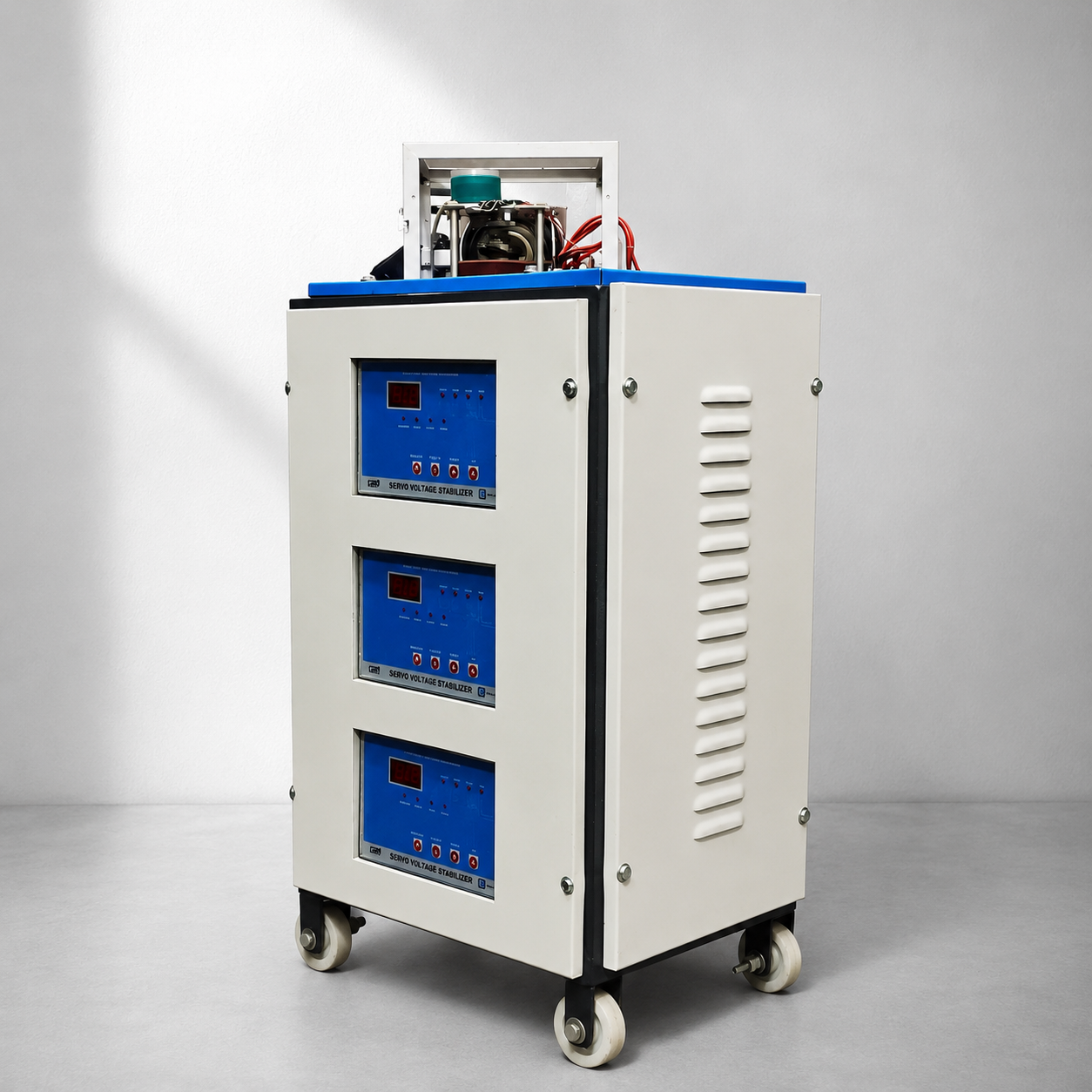
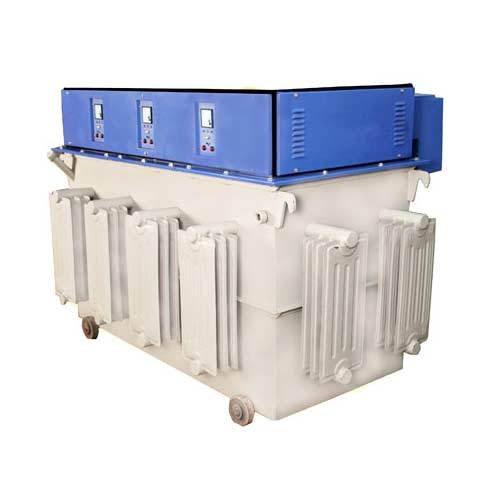
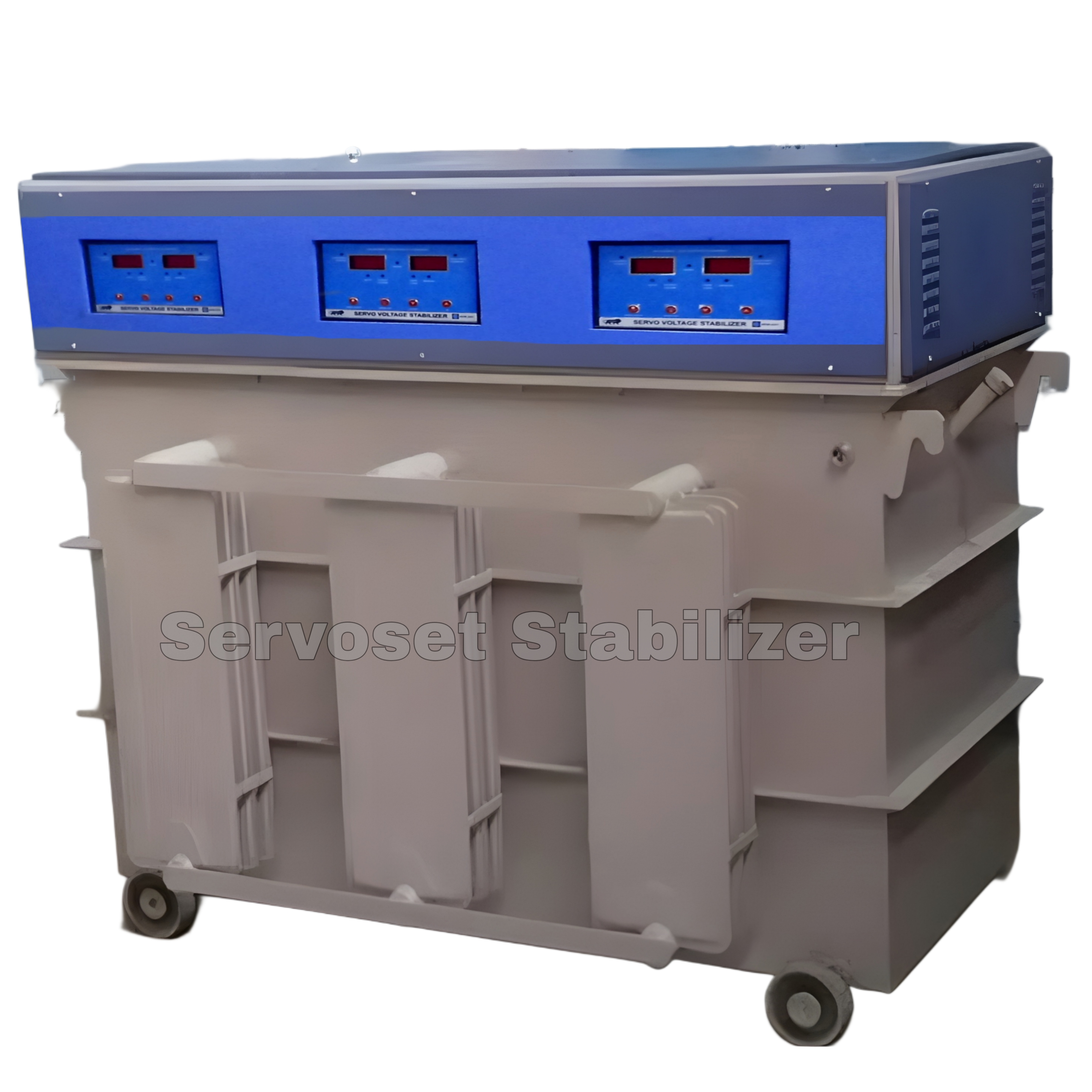
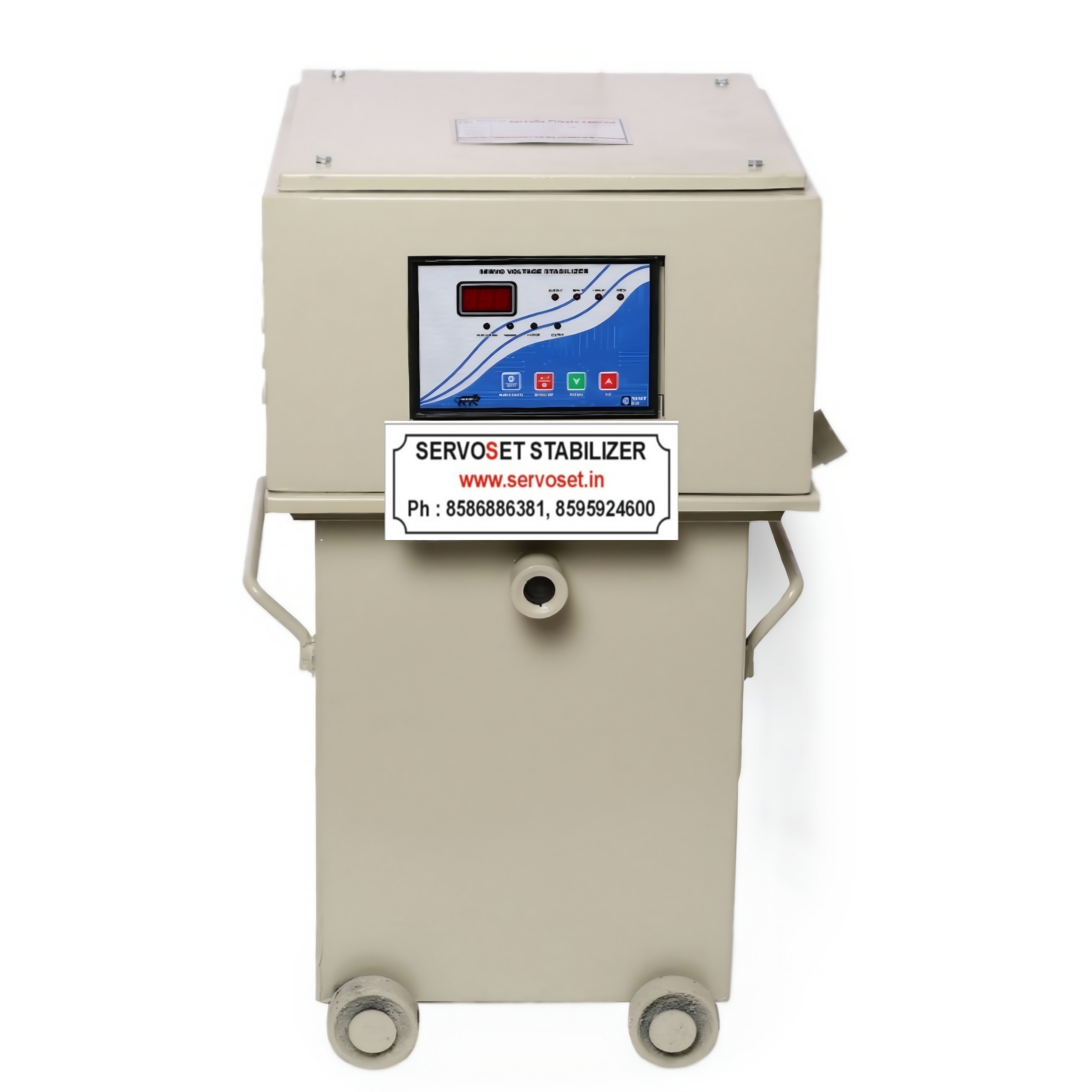
A mainline servo voltage stabilizer is installed at the main incoming power line of a building or facility, before the supply branches out into individual distribution panels. Its job is to correct voltage fluctuations at the source, so every connected machine, panel, and appliance downstream receives stable, regulated voltage automatically. This is different from installing separate stabilizers at each machine, which only protects that specific piece of equipment and leaves everything else exposed to the same fluctuating supply.
Because a mainline unit handles the combined load of the entire facility, it needs to be built with significantly higher capacity and a more robust servo motor and transformer assembly than a machine-level stabilizer. The correction has to happen accurately even when multiple loads are switching on and off simultaneously across different parts of the building.
Why Choose a Mainline Stabilizer Over Individual Unit Stabilizers
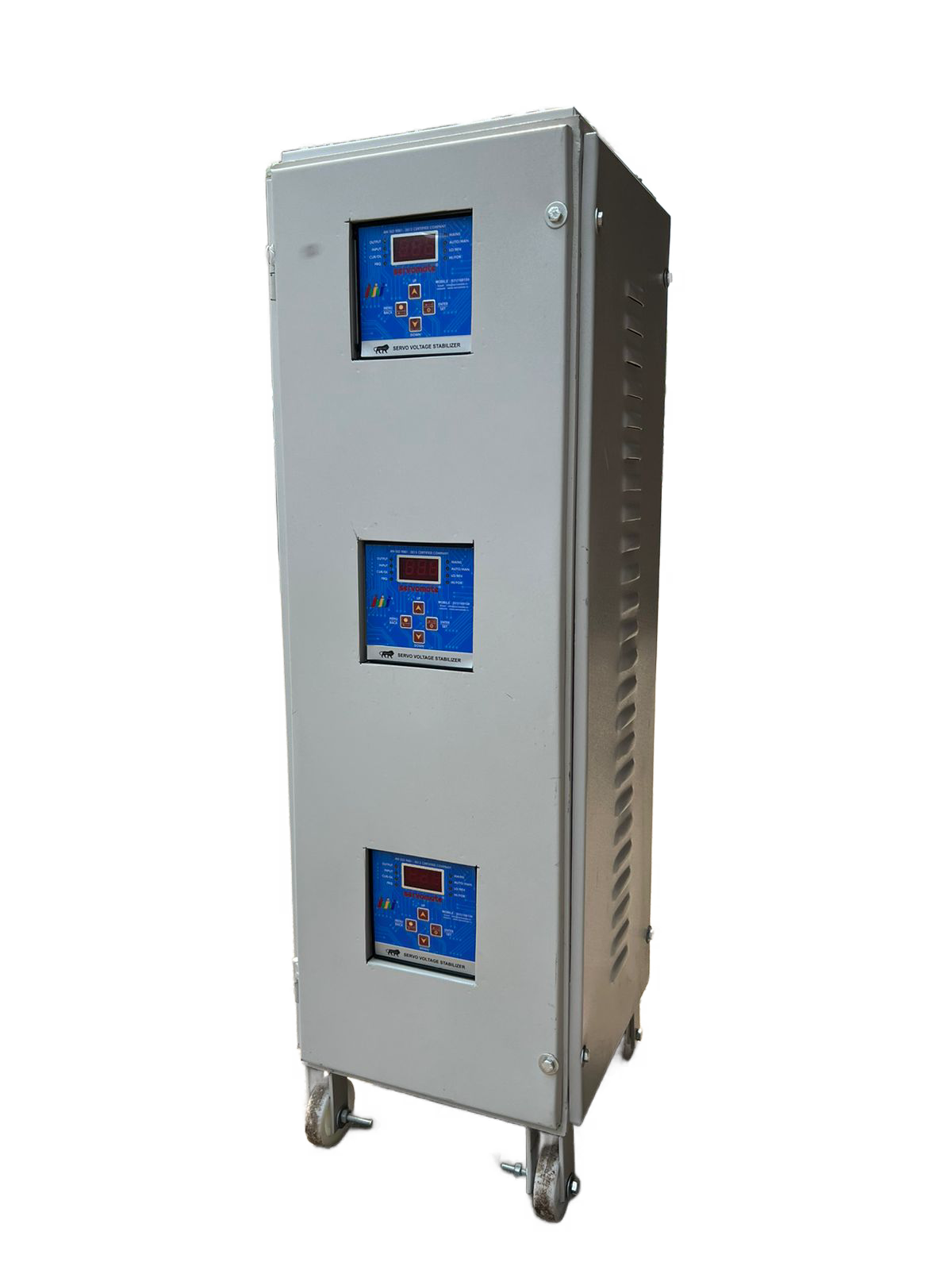
Installing individual stabilizers at every machine can quickly become expensive, harder to maintain, and inconsistent in performance, since each unit corrects voltage independently without any coordination. A mainline servo voltage stabilizer solves this by handling correction centrally, which means fewer units to install, fewer points of failure to monitor, and consistent voltage quality delivered to every circuit from a single, well-engineered source.
This approach is particularly valuable for facilities that are expanding — new machines or panels can simply be connected to the already-stabilized main supply, rather than requiring a fresh stabilizer purchase for every addition. It also simplifies maintenance, since there's one central unit to service rather than tracking multiple stabilizers scattered across a facility.
How a Mainline Servo Voltage Stabilizer Works
The core mechanism remains the same as any servo stabilizer — a servo motor drives a variac to adjust the buck-boost transformer ratio, correcting voltage smoothly and continuously rather than in abrupt steps. What changes at the mainline level is scale: the transformer, wiring, and servo assembly all need to be rated for the full combined load of the facility, along with the ability to respond quickly to load changes that happen simultaneously across multiple circuits.
A well-engineered mainline unit also needs robust sensing circuitry that can detect voltage deviation quickly across a wide input range, since the incoming supply to a facility can fluctuate more unpredictably than a single machine's dedicated line. This is why mainline stabilizers are generally built with higher-grade components than what would be used in a smaller, single-machine unit.
Where Mainline Servo Voltage Stabilizers Are Used
Mainline stabilizers are common in manufacturing plants where dozens of machines draw power from a shared supply, commercial complexes with heavy HVAC and elevator loads, hospitals and data centers that cannot tolerate voltage-related downtime, and multi-unit industrial sheds where several tenants share a common incoming power line. In all of these cases, protecting the source rather than each individual load is both more practical and more cost-effective.
Facilities that have previously experienced equipment damage from voltage surges across multiple machines at once — often during grid disturbances or heavy load switching nearby — are typically the ones that move toward a mainline solution, since it addresses the root of the problem rather than treating each affected machine separately.
Key Factors to Consider When Selecting a Mainline Stabilizer
Sizing is the most critical decision, and it needs to account for the full connected load of the facility along with realistic headroom for future expansion, not just current consumption. Correction speed and input voltage range matter just as much here as with any other servo stabilizer, since a mainline unit dealing with fluctuations from an entire facility's worth of switching loads needs to respond quickly and across a wide range.
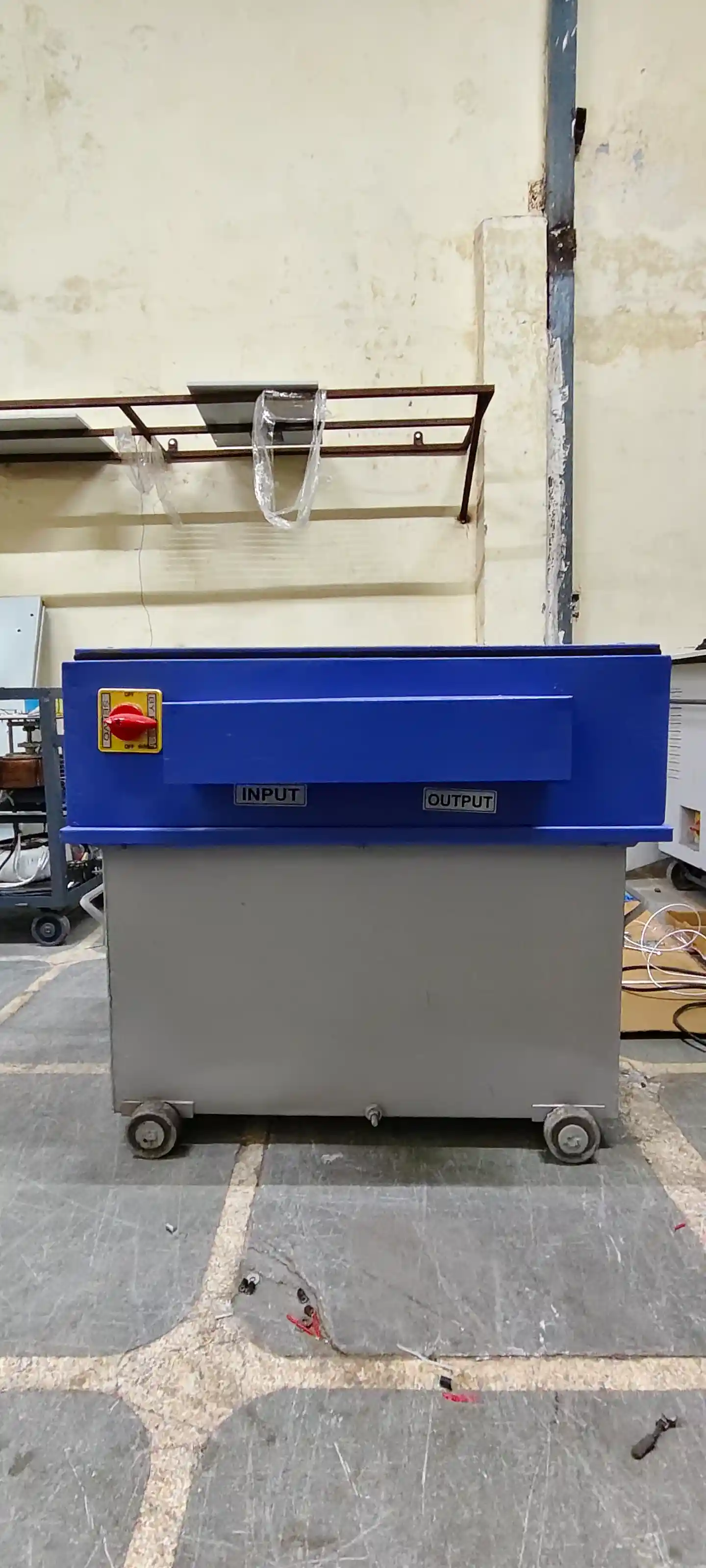
Build quality of the servo motor, transformer, and enclosure should be evaluated closely, since a mainline unit runs continuously and any weak link in the design will surface faster under full-facility load than it would in a smaller, single-machine application. It's also worth checking overload protection and bypass provisions, since a mainline stabilizer failure — however rare — should not mean a complete power outage for the facility while the unit is serviced.
Servoset's Mainline Servo Voltage Stabilizer Range
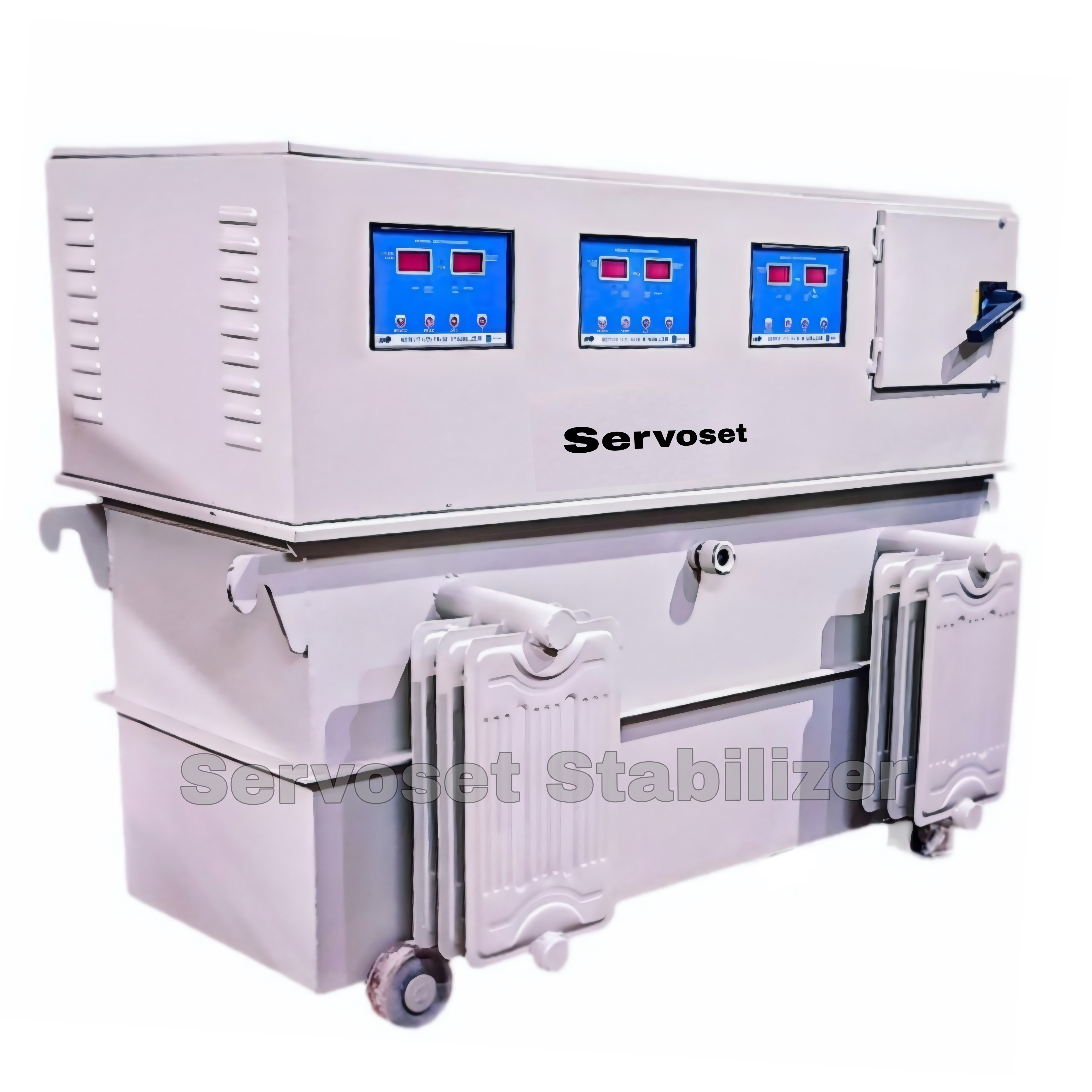
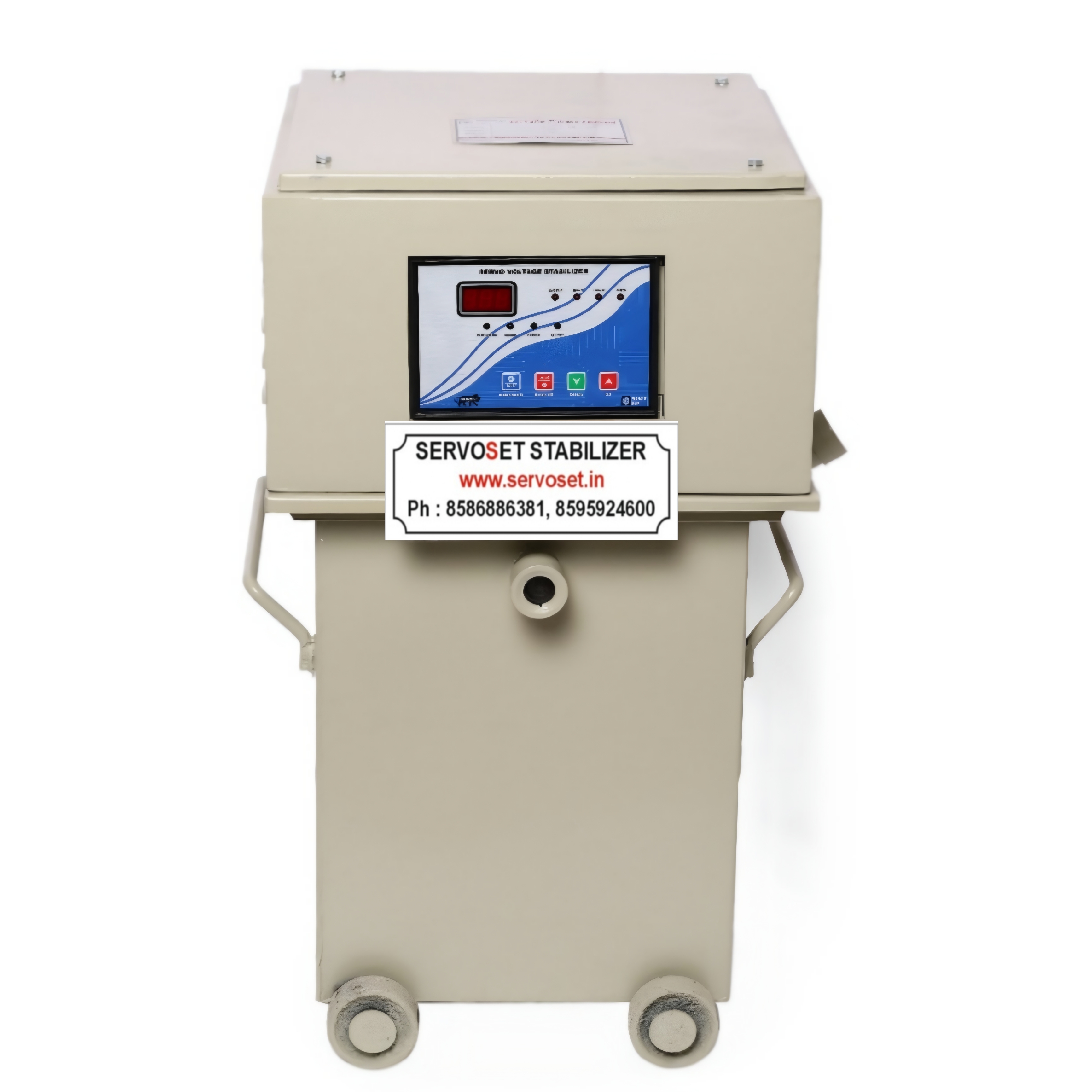
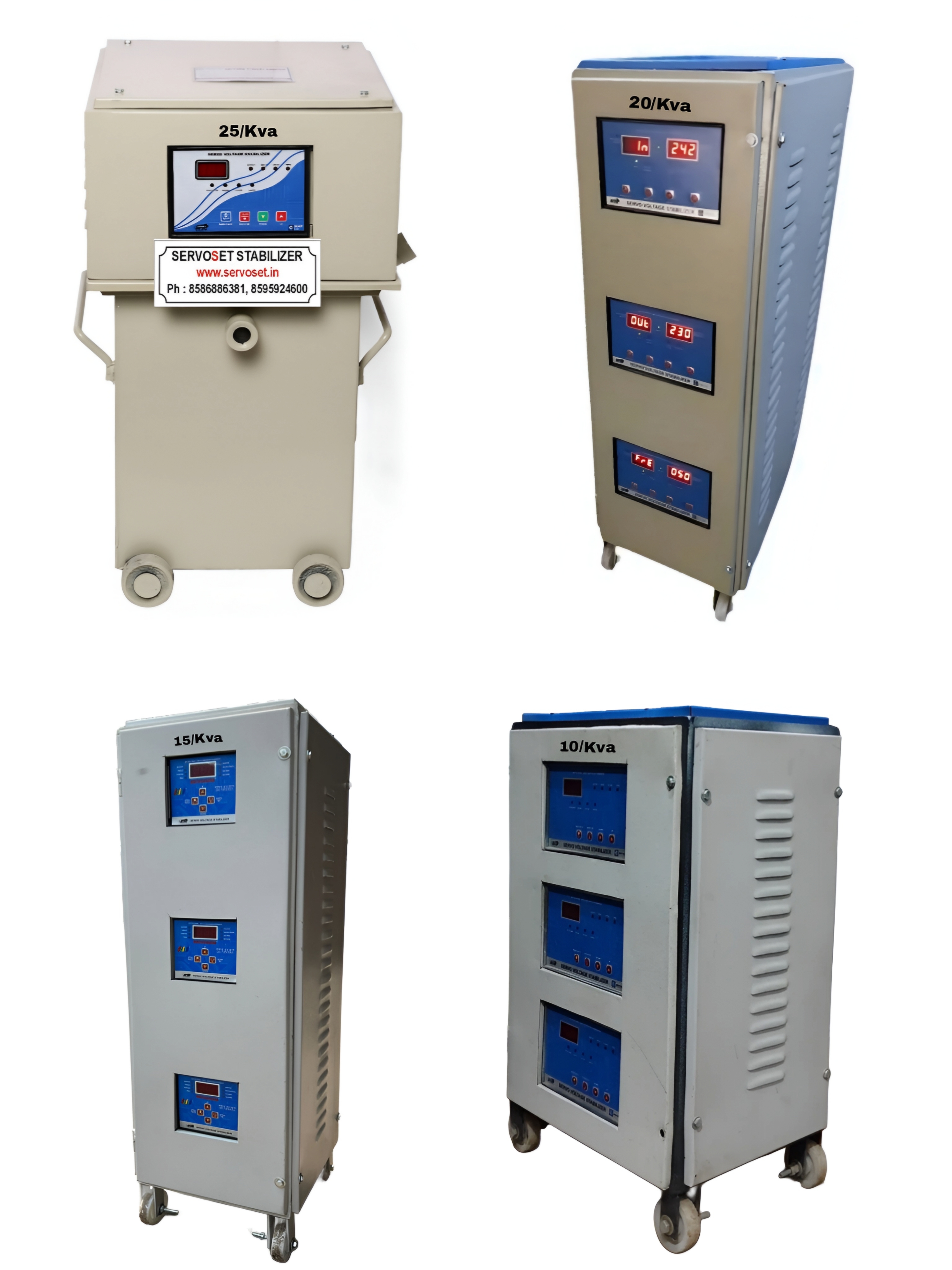
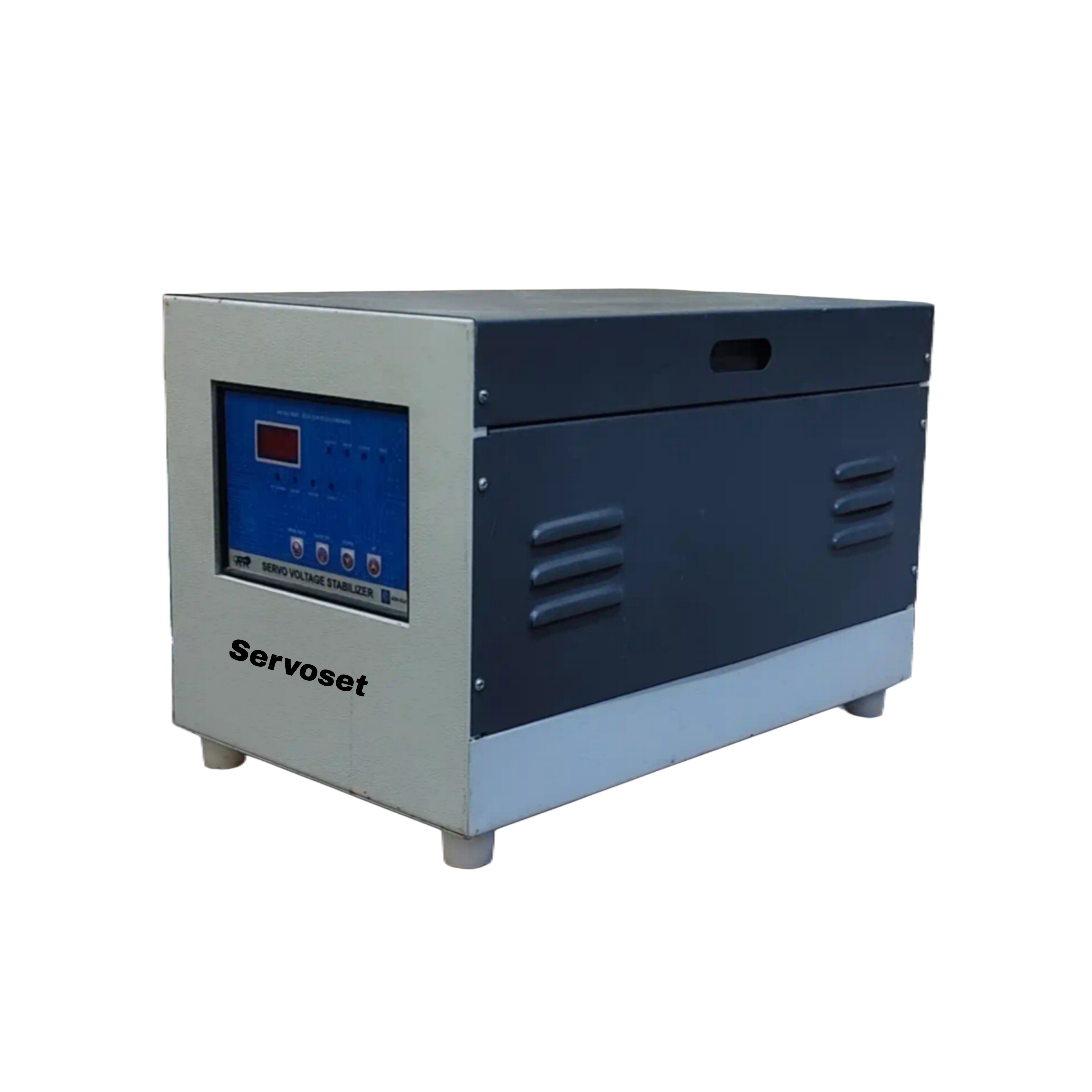
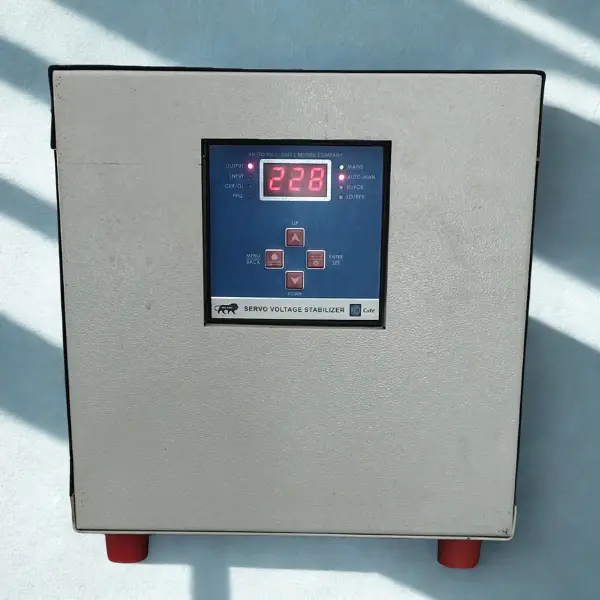
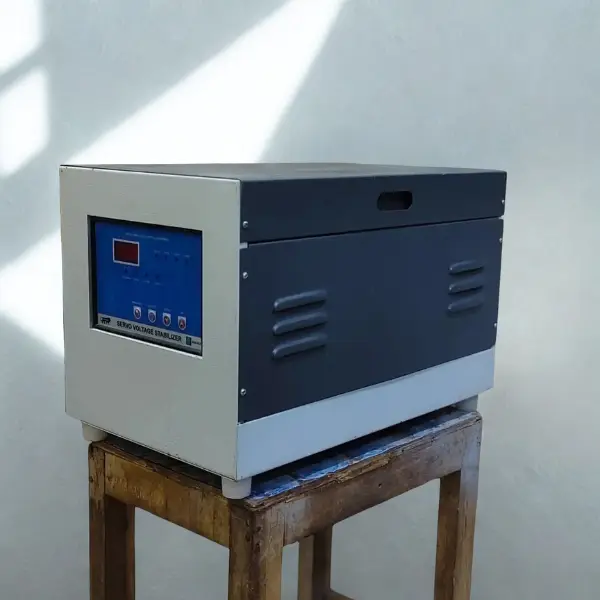
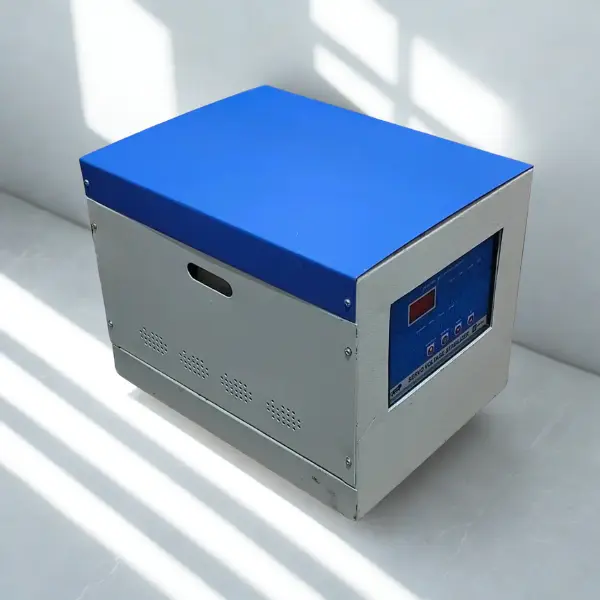
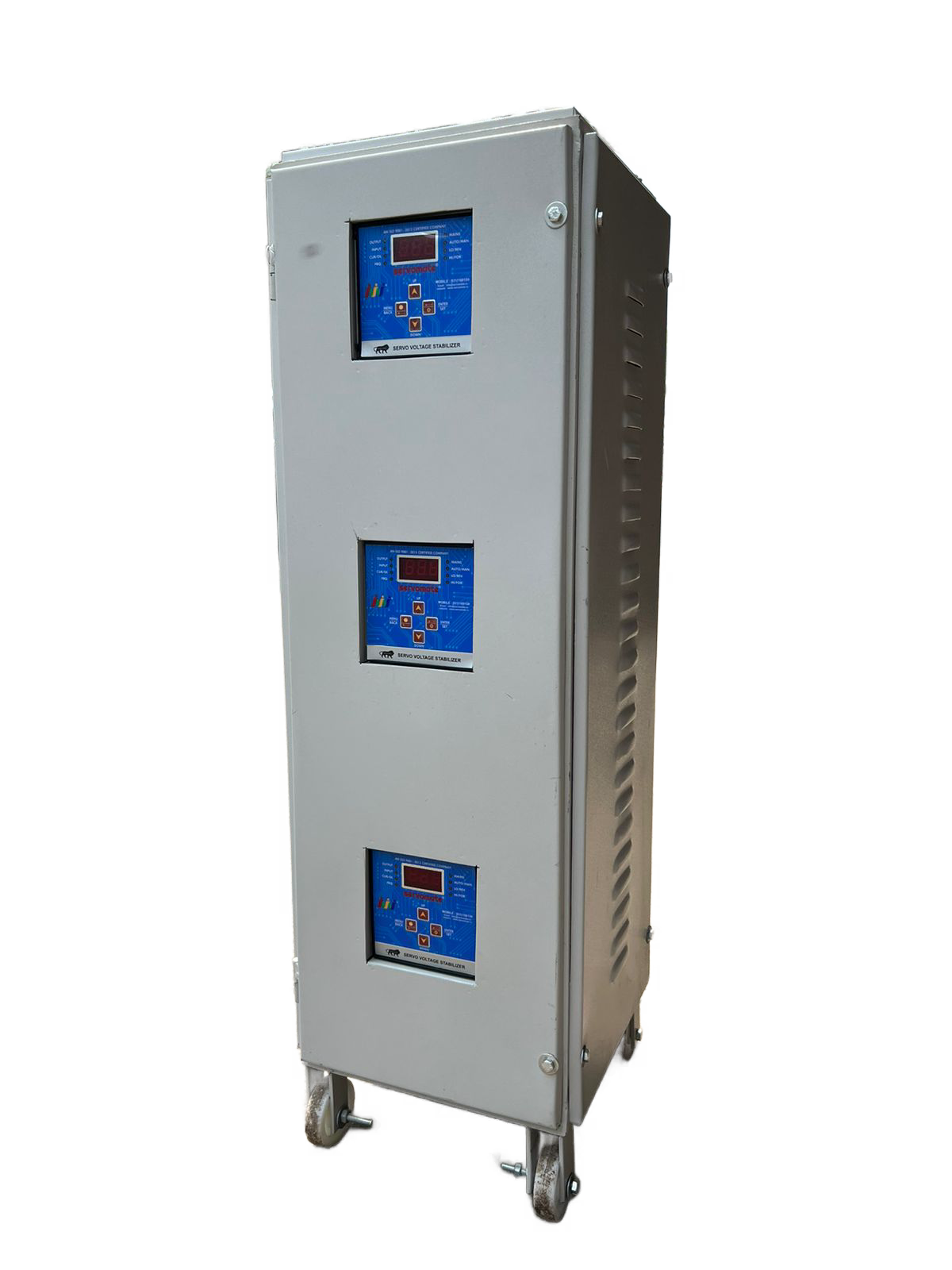
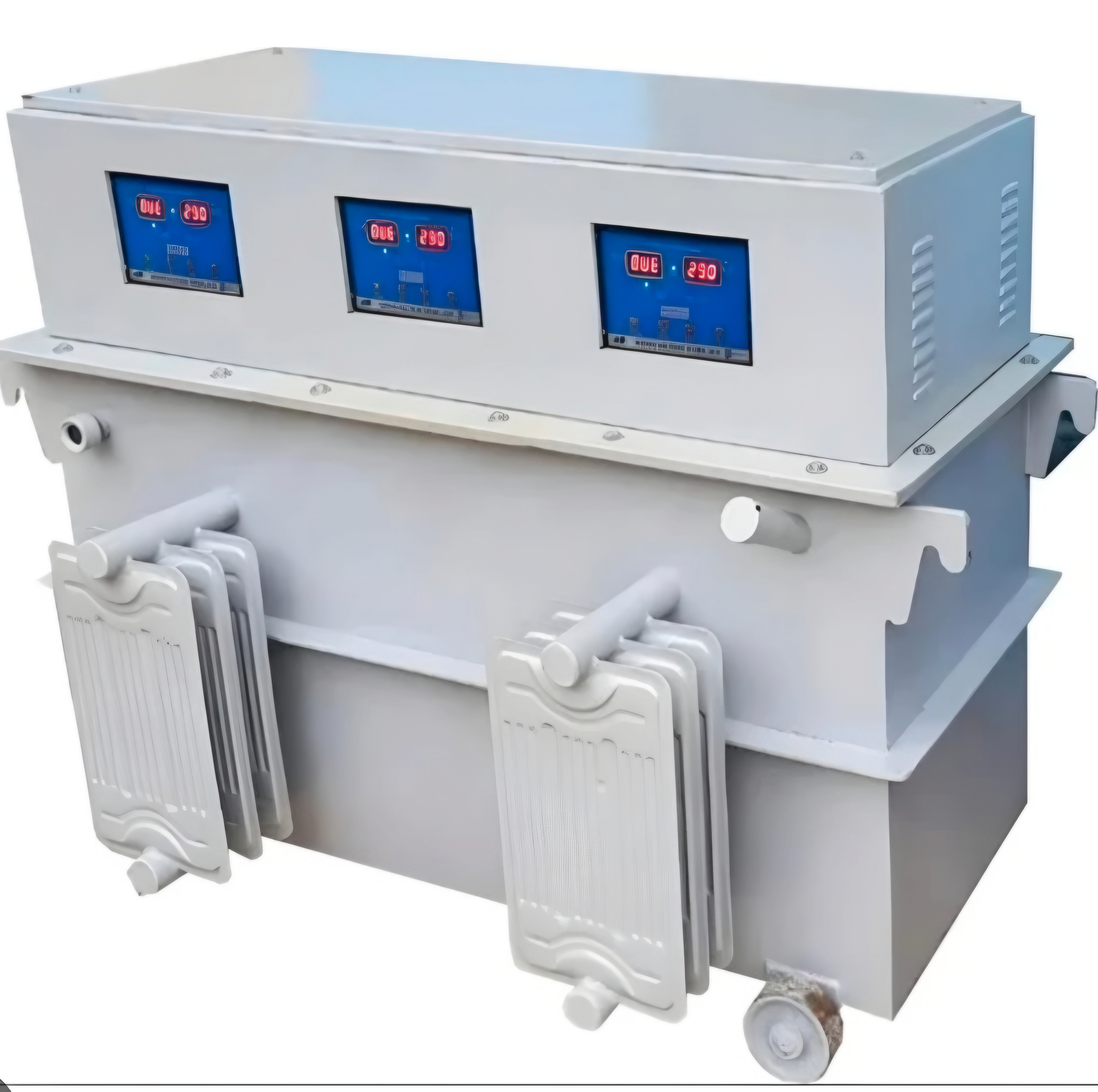
Servoset designs its mainline servo voltage stabilizers specifically for facility-wide protection, with servo motors and transformers rated for continuous, high-capacity operation. Every unit is tested under simulated full-load conditions before dispatch to confirm it performs reliably once installed at the main supply point of a real facility.
Our team works with clients to assess total connected load, expected future expansion, and specific site conditions before recommending a capacity, ensuring the stabilizer is neither undersized for the facility's needs nor unnecessarily oversized in a way that adds cost without added benefit.
Frequently Asked Questions
1. What is a mainline servo voltage stabilizer?
A mainline servo voltage stabilizer is installed at the main incoming power supply of a facility and corrects voltage for the entire building or plant before it reaches individual machines or panels.
2. How is a mainline stabilizer different from a machine-level stabilizer?
A machine-level stabilizer protects only the specific equipment it's connected to, while a mainline stabilizer corrects voltage centrally for the entire facility, protecting every downstream connection at once.
3. What capacity mainline servo stabilizer do I need for my facility?
Capacity depends on your total connected load plus realistic headroom for future expansion. Servoset's team can calculate the right size based on your actual facility load.
4. Can a mainline stabilizer handle multiple machines switching on and off?
Yes, a properly designed mainline servo voltage stabilizer is built to respond quickly to load changes happening simultaneously across different circuits in a facility.
5. What happens if a mainline stabilizer needs servicing?
Good mainline units include bypass provisions so the facility isn't left without power while the stabilizer is being serviced, minimizing operational disruption.
6. Is a mainline stabilizer more cost-effective than individual unit stabilizers?
For facilities with multiple machines, yes — a single, well-sized mainline stabilizer is generally more cost-effective and easier to maintain than separate stabilizers at every machine.
7. What industries typically use mainline servo voltage stabilizers?
Manufacturing plants, commercial complexes, hospitals, data centers, and multi-unit industrial facilities commonly use mainline servo voltage stabilizers to protect their entire power supply.
8. Does Servoset customize mainline stabilizers for specific facility loads?
Yes, Servoset assesses total connected load and future expansion plans before recommending a mainline stabilizer capacity tailored to the facility's actual requirements.
Conclusion
Protecting an entire facility's power supply from a single point is a smarter, more scalable approach than managing voltage issues machine by machine. A mainline servo voltage stabilizer delivers exactly that, correcting fluctuations at the source and ensuring every connected system downstream receives clean, stable power. If your facility needs facility-wide voltage protection, explore Servoset's mainline servo voltage stabilizer range at servoset.in and get a capacity recommendation built around your actual load.