Introduction
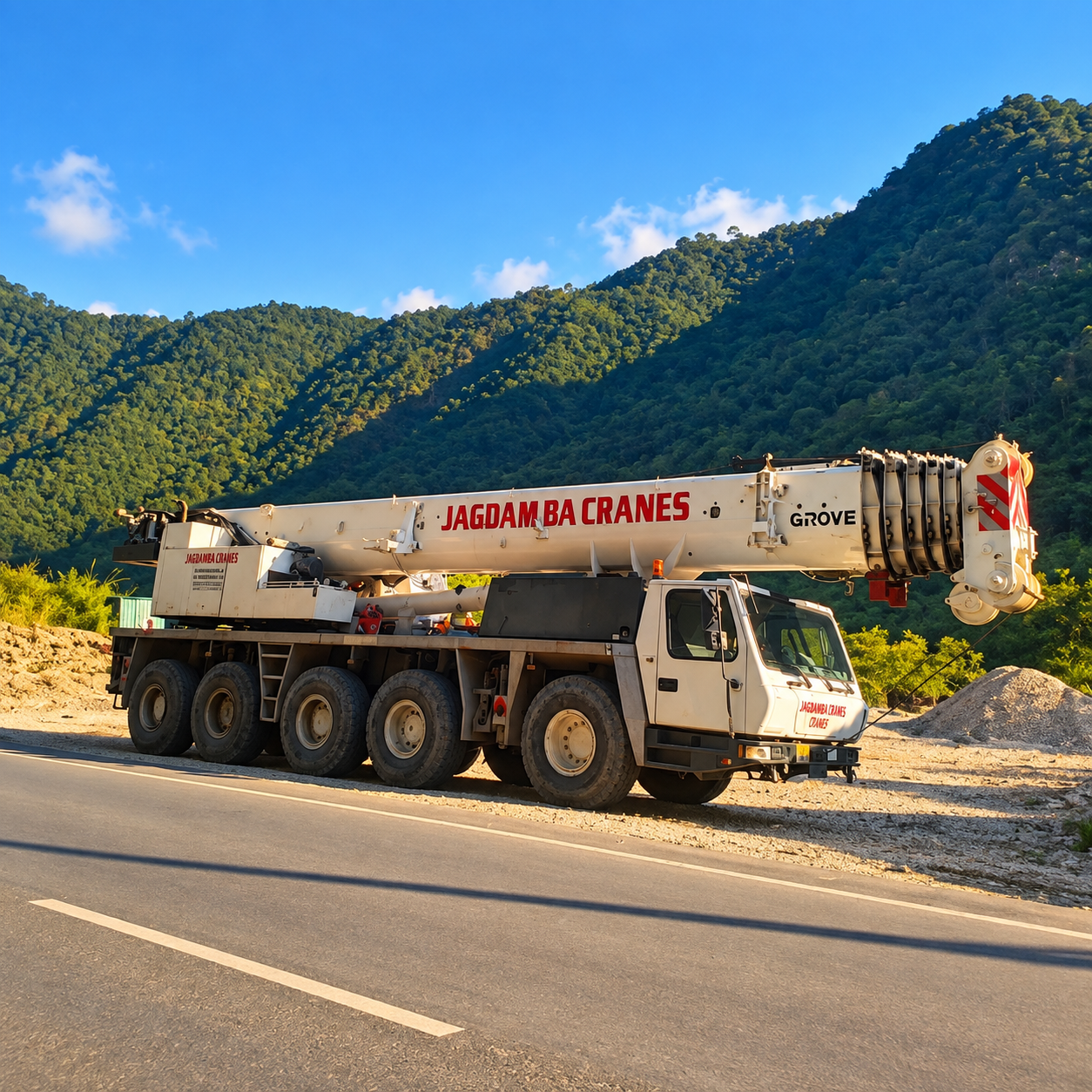
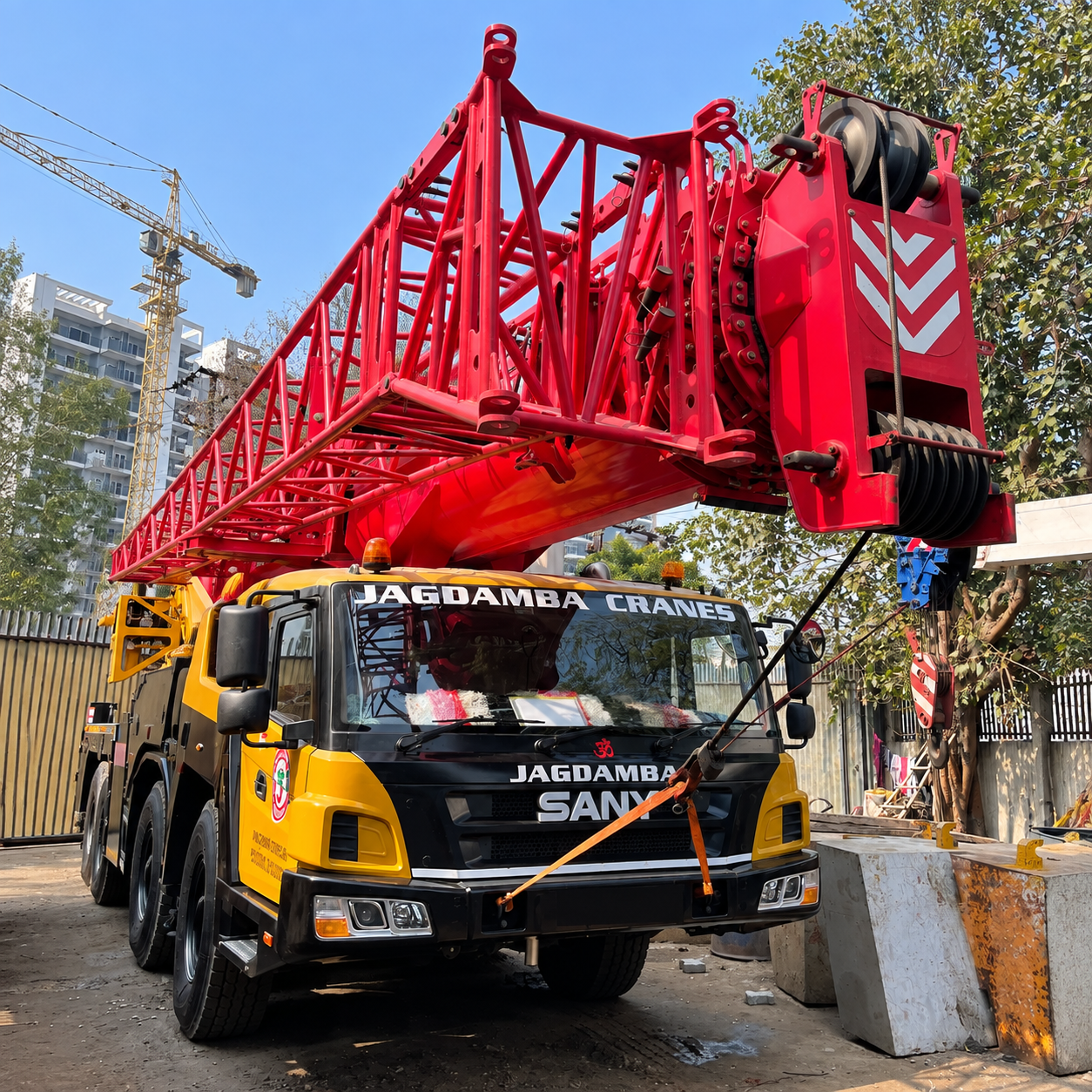
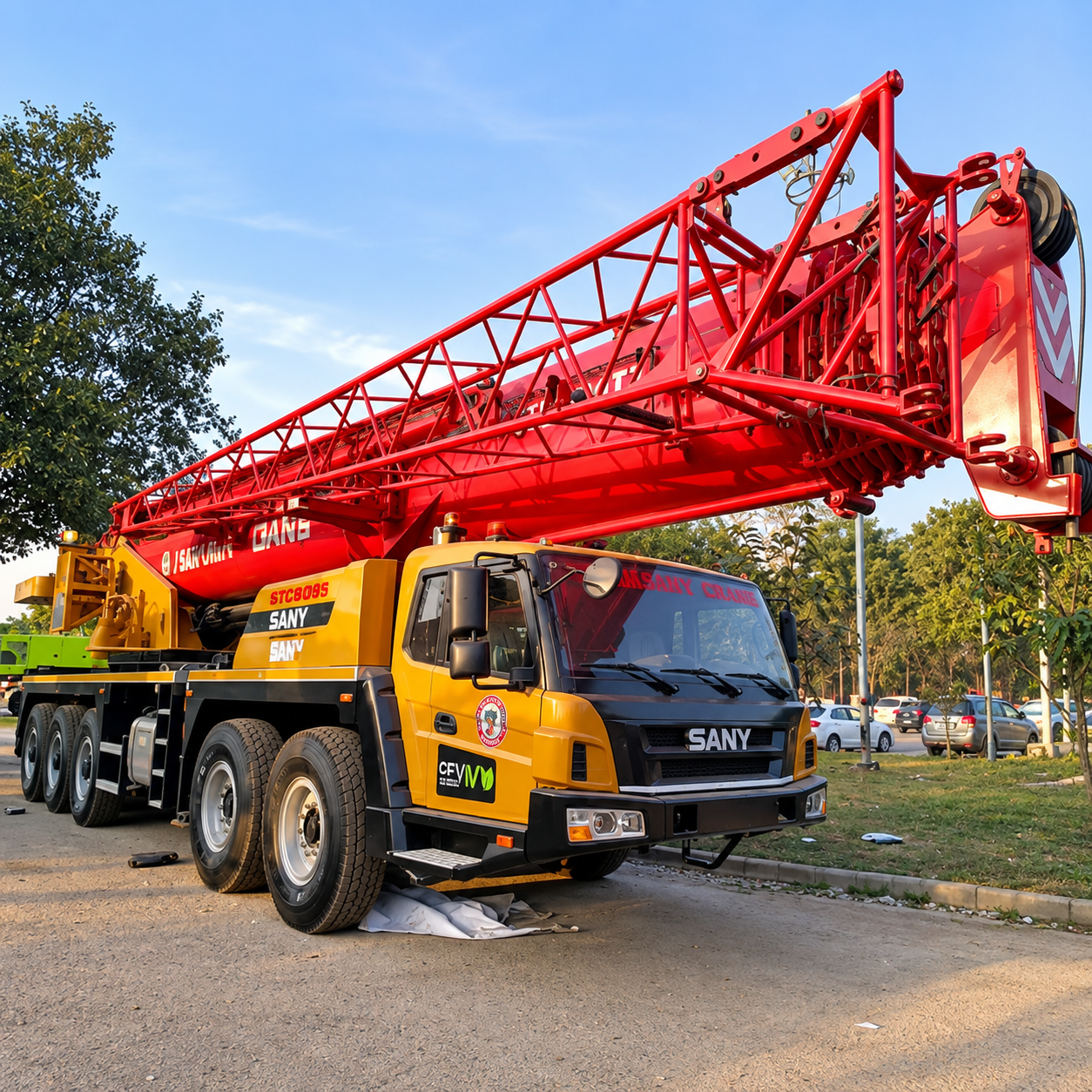
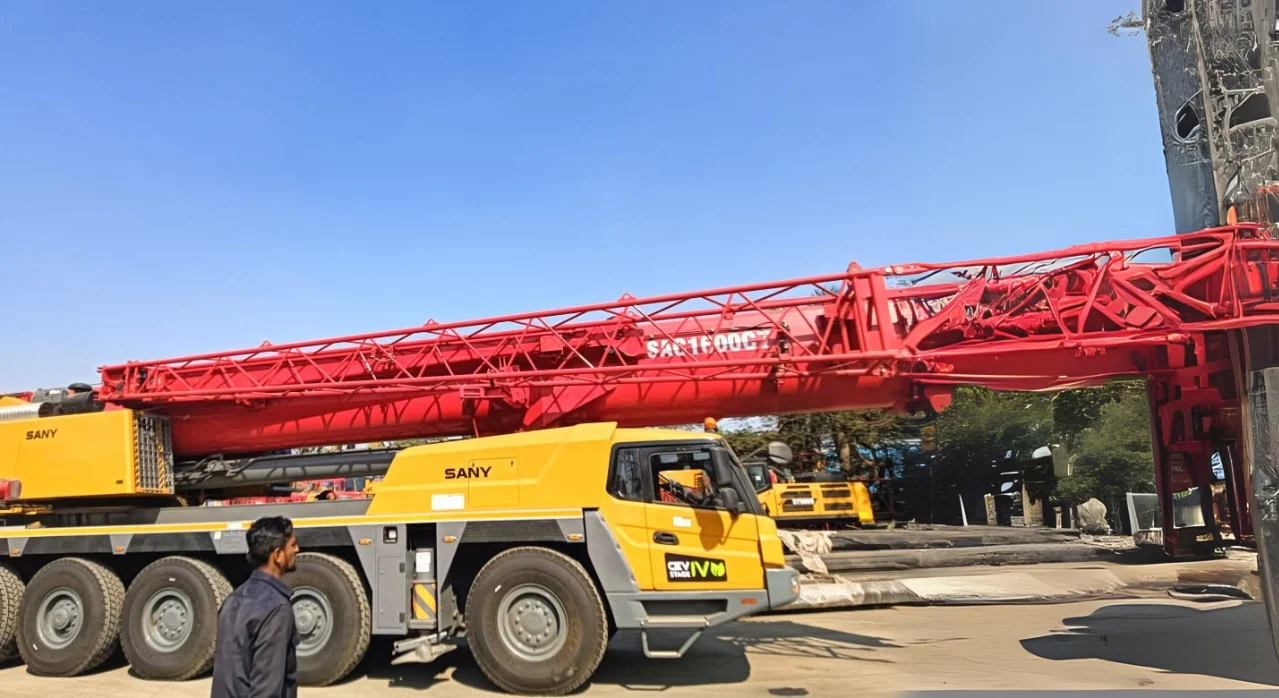
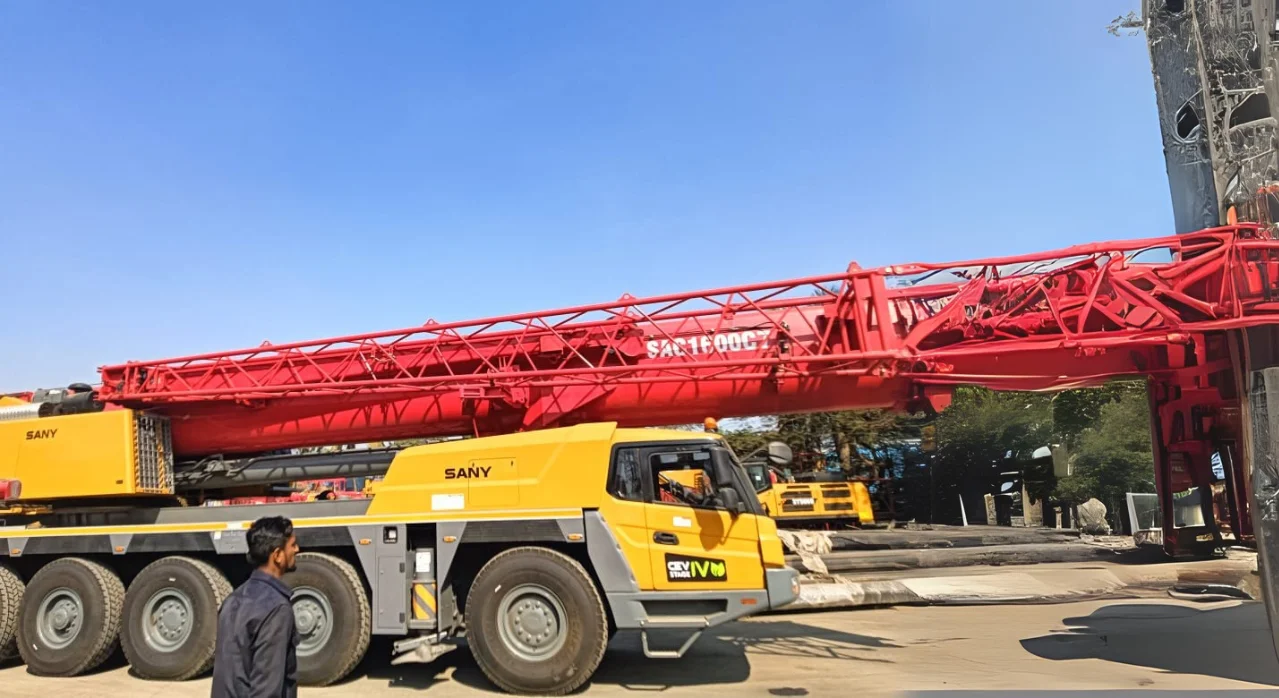
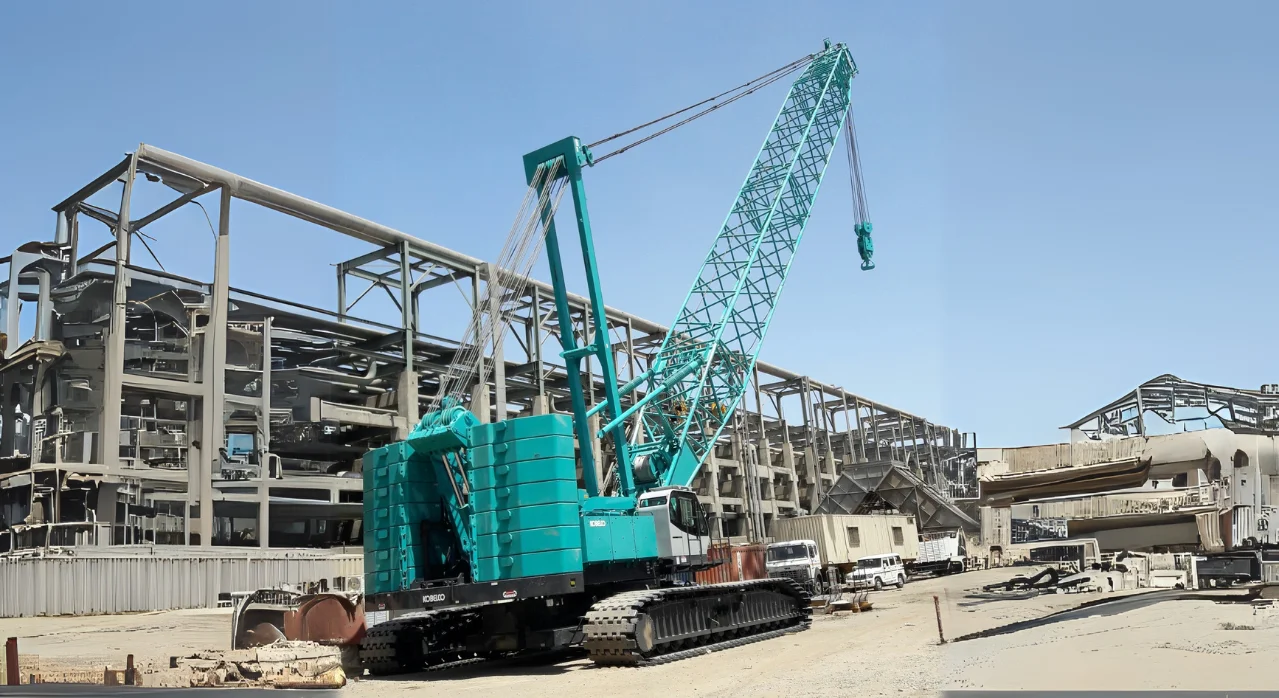
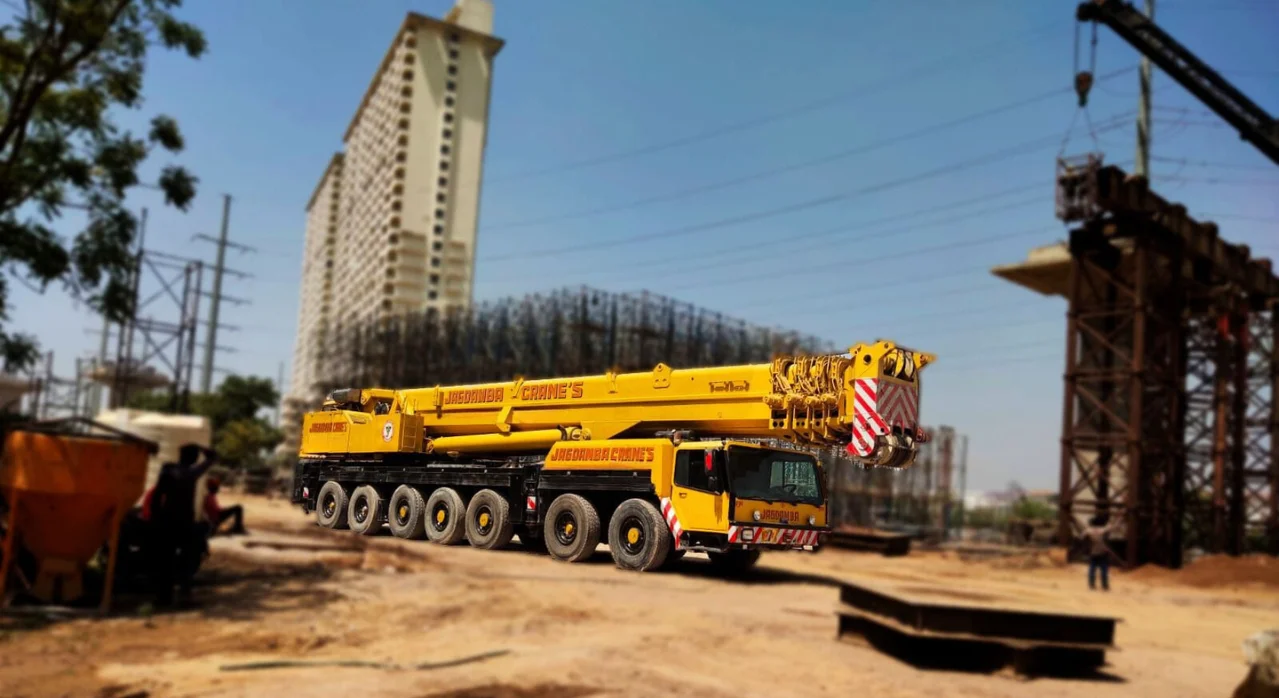
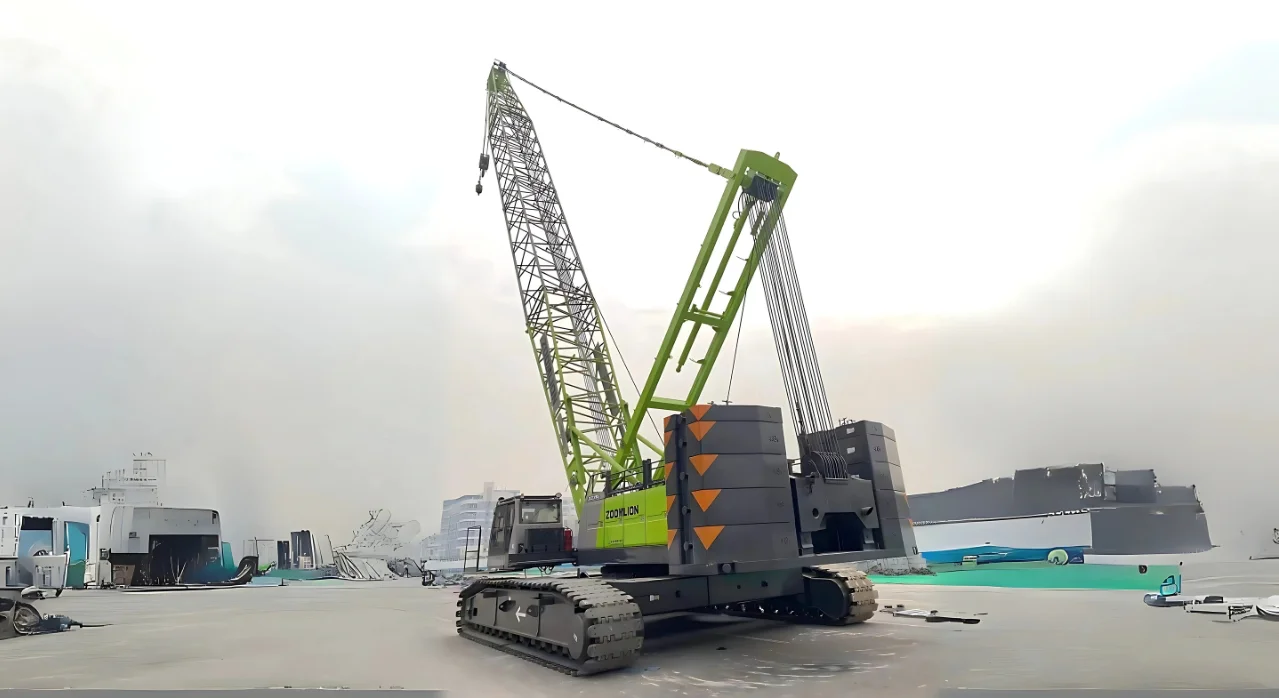
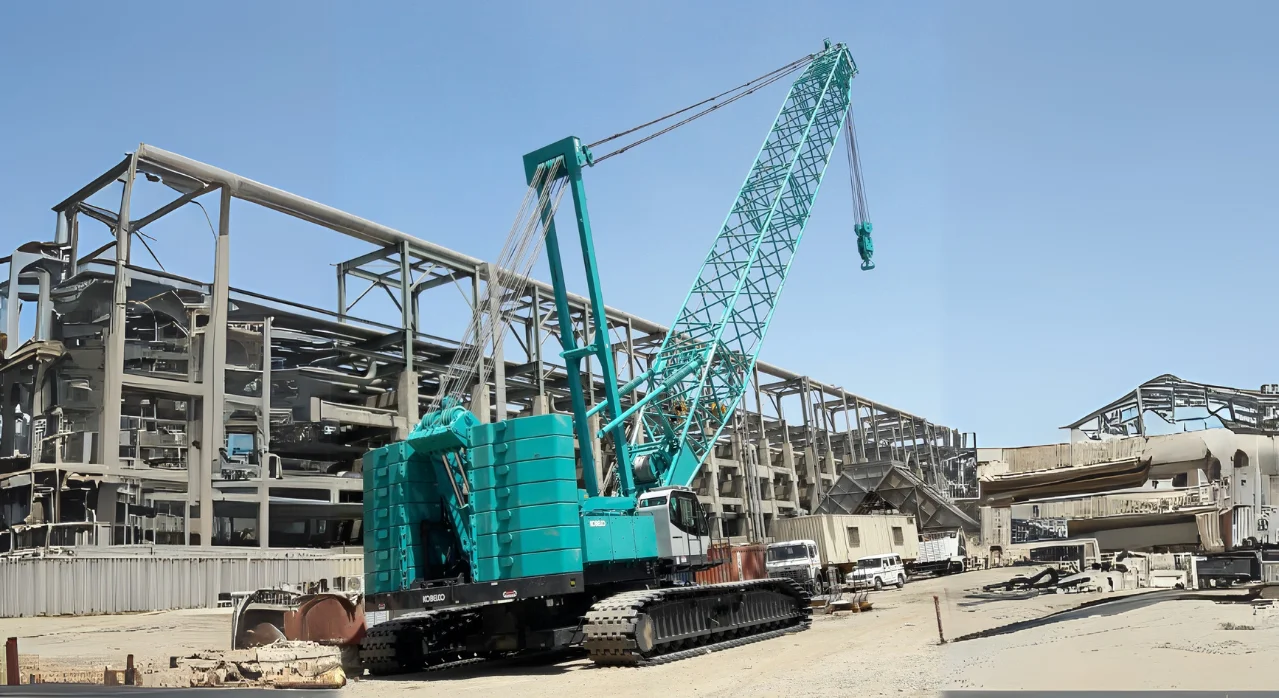
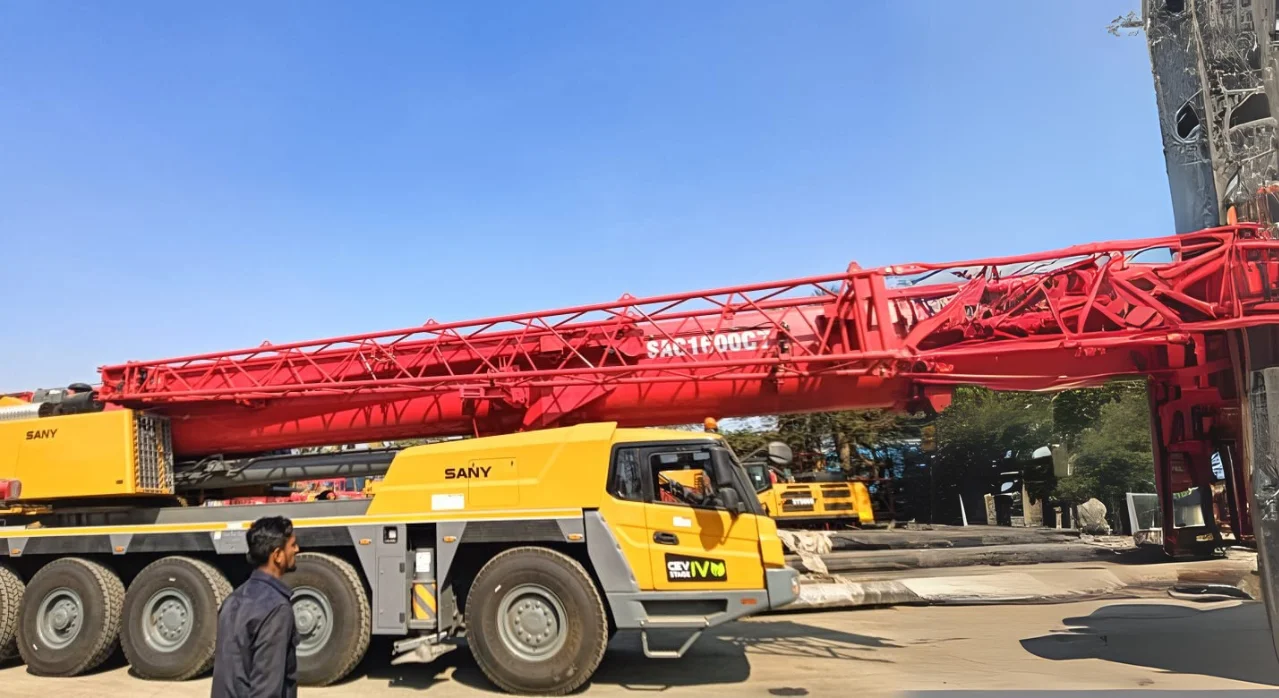
Modern construction and infrastructure projects often involve materials and equipment that cannot be moved efficiently through manual handling. Structural steel, concrete components, industrial machinery, pipes, generators, construction equipment, and oversized loads require properly selected lifting equipment. A Sany crane rental service provides contractors, builders, industrial companies, and project managers with access to suitable cranes for temporary and project-specific lifting requirements.
Hiring a crane can be useful when a project needs additional lifting capacity without the long-term investment associated with purchasing heavy equipment. Depending on the project, a suitable Sany crane can support material placement, machinery installation, structural work, infrastructure development, and other heavy lifting activities.
Successful crane operations depend on more than the equipment itself. Load characteristics, lifting radius, working height, ground conditions, site access, operator coordination, and project scheduling all need to be considered before the crane is deployed.
Sany Cranes for High-Load Construction Work
Large construction projects frequently require lifting equipment capable of handling heavy components at different stages of development. A Sany crane on rent can support activities involving structural steel, concrete elements, roofing components, construction machinery, and other heavy materials.
The appropriate crane configuration depends on the actual requirements of the project. The maximum load, lifting height, working radius, and placement position should be evaluated before selecting equipment.
Using suitable lifting equipment can help construction teams move heavy materials into position without relying entirely on manual handling methods. This can be particularly important when construction activities involve elevated locations or large structural components.
Heavy Material Placement at Construction Sites
Moving heavy materials from one location to another is only one part of a lifting operation. In many projects, the crane must also position the load accurately at its final location.
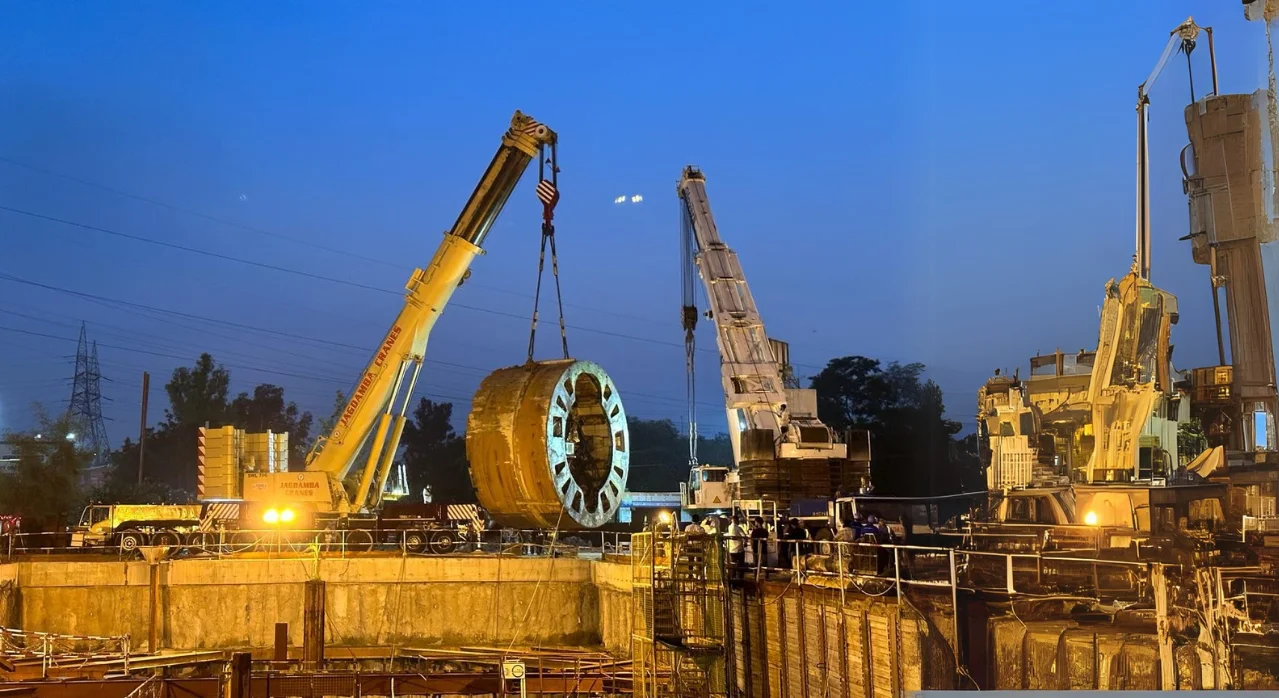
Sany crane rental can support controlled placement of materials such as steel beams, fabricated structures, concrete components, pipes, and machinery. The required boom configuration and crane capacity should be determined according to the lifting plan.
Before lifting begins, the work area should be assessed to identify obstacles, access limitations, overhead hazards, and the required movement path of the load.
Mobile Crane Support for Infrastructure Projects
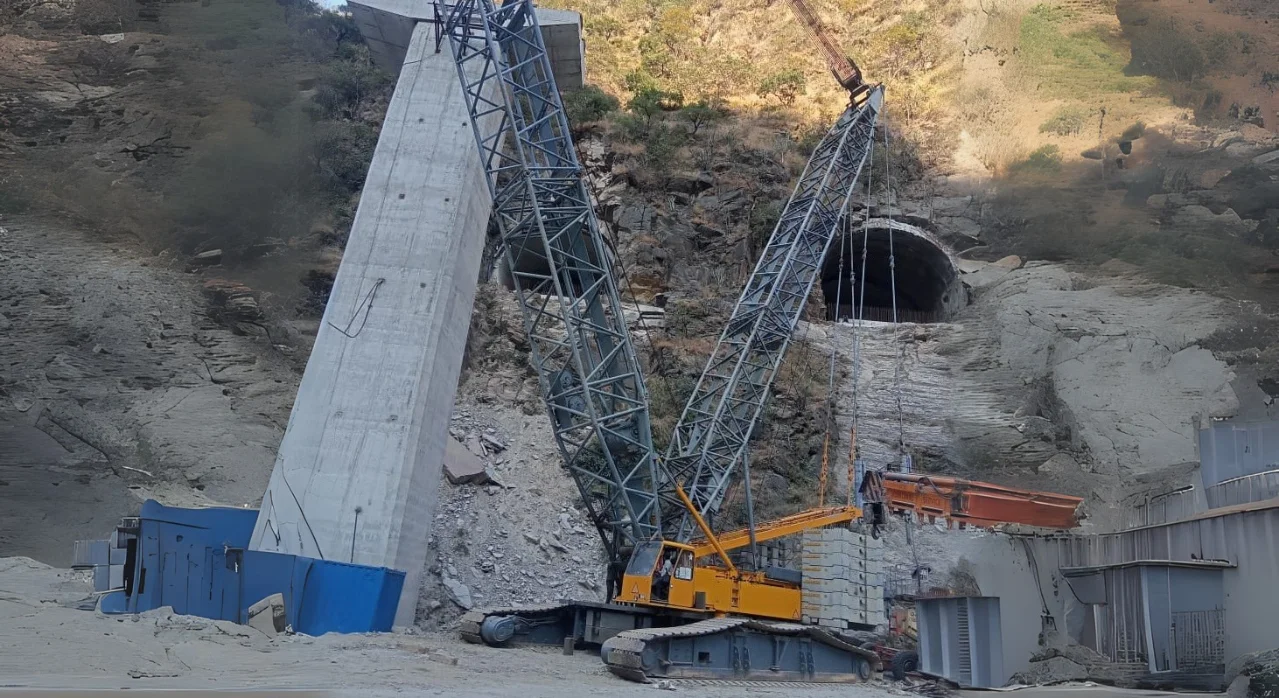
Infrastructure development often involves large-scale lifting activities. Roads, bridges, commercial structures, industrial facilities, utilities, and other infrastructure projects may require cranes at different construction stages.
A Sany mobile crane rental can provide project teams with temporary lifting capability when equipment is required at specific locations or during particular phases of construction.
Because infrastructure sites can change as construction progresses, crane positioning and access requirements should be reviewed before every major lifting operation.
Safe Lifting of Structural Steel and Machinery
Structural steel and industrial machinery can have considerable weight and dimensions, making proper lifting preparation essential. The load should be evaluated before selecting the crane and lifting accessories.
When a Sany crane for hire is used for structural lifting, the project team should consider the weight of the load, lifting points, center of gravity, required reach, and final placement area.
Machinery installation can require additional precision because equipment may need to be positioned within a specific area or aligned with existing foundations and connections.
Crane Support for Industrial Equipment Installation
Industrial facilities regularly handle equipment that cannot be moved using ordinary material-handling methods. Transformers, generators, production machinery, tanks, compressors, fabricated structures, and other heavy components may require crane assistance.
A suitable Sany crane rental service can provide temporary lifting support during equipment installation, relocation, maintenance, or plant expansion activities.
Industrial lifting should be planned carefully because equipment may be expensive, oversized, or difficult to maneuver once suspended. Proper communication between the crane operator, lifting supervisor, rigging team, and installation personnel is therefore important.
Handling Oversized Loads With Sany Equipment
Not every heavy load has a simple shape. Some loads may be long, wide, unevenly distributed, or difficult to attach to standard lifting equipment.
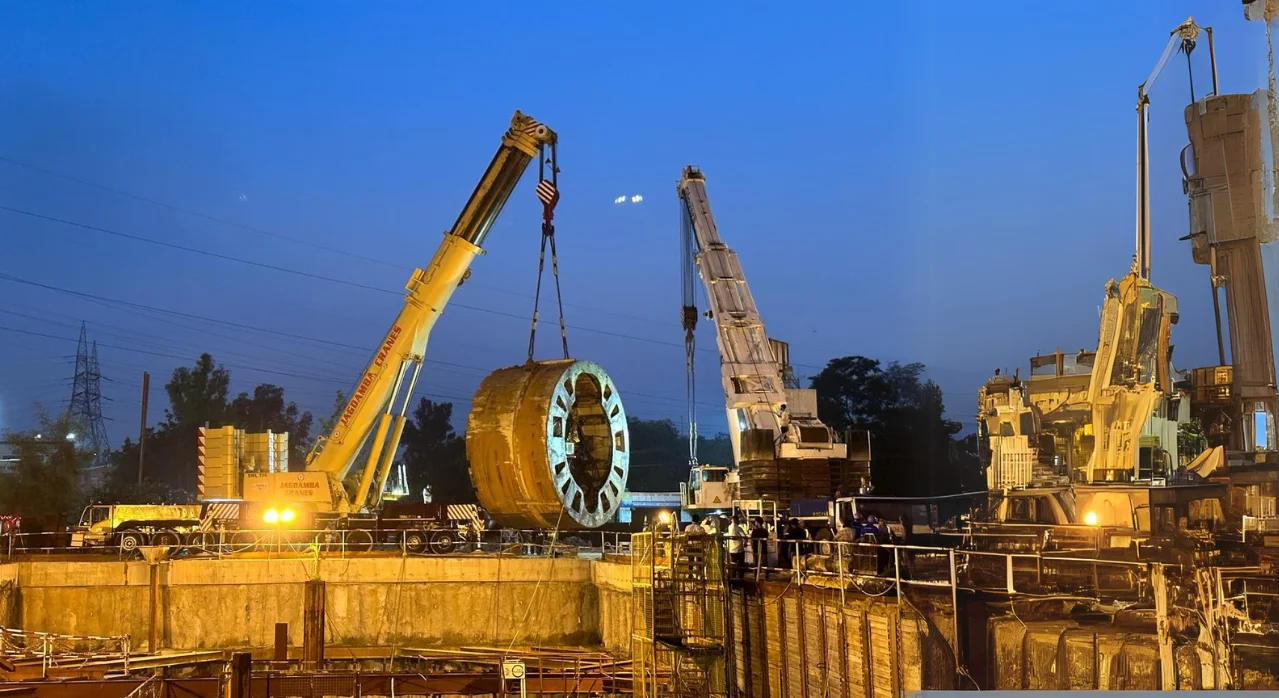
Oversized loads require careful evaluation of dimensions, weight distribution, lifting points, transportation routes, and placement requirements. The crane should have adequate capacity for the planned operation under the applicable working conditions.
For such operations, project teams may need a detailed lifting plan that identifies the crane position, load path, rigging arrangement, communication procedures, and exclusion area.
Construction Site Access and Crane Positioning
The ability to reach a project site is an important consideration when arranging crane hire. Narrow roads, restricted entrances, uneven surfaces, overhead structures, nearby buildings, and limited working areas can affect crane deployment.
Before scheduling a Sany crane on rent, the site should be checked for suitable access and sufficient space for positioning the equipment.
Crane positioning should also account for the load's movement path and the location where materials will be placed. Proper planning can reduce unnecessary repositioning and help organize lifting activities more efficiently.
Planning Lifting Operations Around Project Schedules
Construction schedules often involve several activities taking place simultaneously. Crane operations therefore need to be coordinated with material delivery, structural work, equipment installation, and other site activities.
Scheduling a Sany crane rental according to the project's lifting requirements can help reduce unnecessary waiting time. Materials should ideally be prepared before the crane begins the planned lifting operation.
Project managers should also consider setup time, transportation, inspection, operator availability, and possible delays when planning crane deployment.
Choosing Crane Capacity According to Load Requirements
Crane selection should not be based only on the maximum advertised lifting capacity. The actual capacity available during a particular lift can depend on the operating configuration and working conditions.
Important factors include:
- Load weight
- Working radius
- Lifting height
- Boom length
- Crane configuration
- Ground conditions
- Load dimensions
- Placement location
Providing accurate project information to the crane rental provider helps in identifying equipment that matches the intended lifting operation.
Operator Coordination During Heavy Lifting
The crane operator plays an important role during lifting operations. However, safe lifting is a coordinated activity involving the operator, riggers, signalers, supervisors, and other site personnel.
Clear communication is necessary before and during load movement. The team should establish appropriate signals or communication methods before the lift begins.
When arranging a Sany crane rental service, customers should confirm whether a qualified operator is included in the rental arrangement or needs to be arranged separately.
Transportation and Mobilization of Rental Cranes
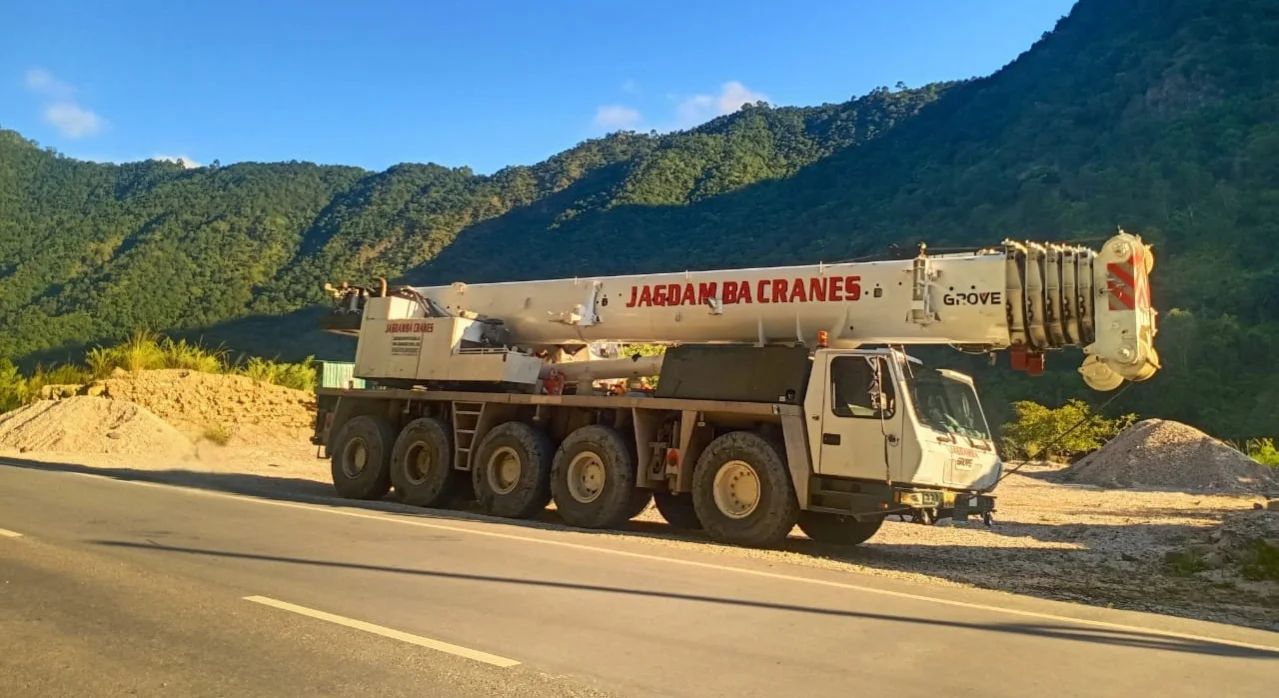
Heavy cranes cannot always be transported to a site in the same manner as ordinary vehicles. Equipment size, road conditions, route restrictions, permits, and site access can affect mobilization requirements.
The rental provider and customer should discuss transportation arrangements before the scheduled deployment date. This helps ensure that the crane reaches the site at the required time.
Mobilization and demobilization costs may also form part of the overall Sany crane rental cost, so these details should be clarified before confirming the rental.
Managing Crane Operations in Restricted Work Areas
Urban construction and industrial sites sometimes provide limited space for crane operations. Nearby buildings, roads, electrical infrastructure, pipelines, and other structures may restrict equipment movement.
Restricted areas require careful planning to determine where the crane can be positioned and how the load can be moved.
Site supervisors should identify potential hazards before lifting begins and establish appropriate restricted or exclusion zones around the operating area.
Inspection and Readiness Before Heavy Lifting
Crane readiness is an important part of project preparation. Equipment should be inspected according to the manufacturer's recommendations and applicable safety requirements before operation.
Depending on the equipment, inspections can involve components such as hooks, wire ropes, brakes, hydraulic systems, tires or tracks, safety devices, structural components, and other relevant systems.
Lifting accessories should also be checked for suitability and condition before they are used with the load.
Applications Across Commercial and Industrial Projects
The applications of Sany crane rental extend across several sectors. Construction contractors may use cranes for structural work, while industrial organizations may require them for machinery installation or plant maintenance.
Typical applications can include:
- Building construction
- Industrial plant installation
- Bridge construction
- Steel structure erection
- Heavy machinery installation
- Warehouse development
- Infrastructure projects
- Power and utility projects
- Factory expansion
- Equipment relocation
The crane model and configuration should always be selected according to the specific lifting requirements of the project.
Factors That Affect Crane Hiring Costs
The cost of hiring a crane depends on several project-specific factors. A larger crane or more complex lifting operation may require different equipment, transportation arrangements, and additional support.
Common factors affecting rental pricing include:
- Crane capacity
- Rental duration
- Project location
- Transportation distance
- Operator requirements
- Working hours
- Mobilization and demobilization
- Site conditions
- Special lifting requirements
Customers should request a detailed quotation that clearly explains the included services and any additional charges.
Short-Term and Long-Term Crane Requirements
Crane requirements vary considerably between projects. A contractor may need equipment for a single heavy lift, while a large construction project may require crane support for an extended period.
Sany crane hire can provide flexibility for both temporary and longer project requirements, subject to equipment availability and rental conditions.
When estimating the rental period, customers should consider setup, lifting activities, possible delays, and the time required for equipment removal.
Important Points Before Scheduling a Sany Crane
Before booking a crane, project teams should prepare accurate information about the lifting operation. This allows the rental provider to understand the equipment requirements more clearly.
Important details include the load weight, dimensions, lifting height, working radius, site address, access conditions, expected rental period, and preferred operating schedule.
Customers should also confirm equipment availability, transportation arrangements, operator support, rental rates, working-hour limits, and other commercial conditions in advance.
Frequently Asked Questions
What types of projects use Sany crane rental?
Sany crane rental can support construction, infrastructure, industrial installation, machinery shifting, steel erection, and other heavy lifting projects.
How is the required Sany crane capacity determined?
Crane capacity is determined by considering load weight, working radius, lifting height, configuration, and site conditions.
Can I hire a Sany crane for a single lifting job?
Yes, short-term crane hiring may be available for individual lifting operations depending on equipment availability.
Does crane rental include transportation?
Transportation arrangements vary by provider and should be confirmed when requesting the rental quotation.
Can Sany cranes be used for machinery installation?
Suitable Sany cranes can be used for lifting and positioning heavy industrial machinery and equipment.
Do I need a crane operator when renting a crane?
Operator arrangements depend on the rental provider and project requirements and should be confirmed before booking.
What information should I provide when requesting a crane?
Provide the load weight, dimensions, lifting height, working radius, location, duration, and site access information.
What affects the cost of Sany crane rental?
Capacity, rental duration, transportation, location, operator requirements, working hours, and project complexity can affect the rental cost.
Why is crane positioning important?
Proper positioning helps provide suitable lifting reach while accounting for ground conditions, obstacles, access, and the planned load path.
Should the crane be inspected before use?
Yes, the crane and relevant lifting equipment should be checked according to applicable inspection procedures before operation.
Conclusion
A Sany crane rental service can provide valuable lifting support for construction, infrastructure, industrial, and heavy material-handling projects. From structural steel placement and machinery installation to oversized load handling and infrastructure development, the appropriate crane can support demanding lifting operations when selected and operated correctly.
Before arranging a Sany crane on rent, project teams should evaluate load weight, working radius, lifting height, site accessibility, ground conditions, rental duration, transportation, operator requirements, and safety procedures. Careful planning helps ensure that the selected equipment matches the actual requirements of the job.
With proper crane selection, site preparation, qualified personnel, and organized lifting procedures, businesses can integrate crane equipment into their project schedules while maintaining a structured approach to heavy material handling.