Introduction
Heavy lifting equipment failure rarely happens because of the crane itself — it happens because of planning gaps. Wrong crane size for the load, an operator unfamiliar with the site's ground conditions, or a rigging plan drawn up in a rush. Mobile crane services exist precisely to close these gaps, giving construction, industrial, and infrastructure projects access to the right lifting capacity exactly when and where it's needed, without the cost and permanence of owning a crane outright.
This guide covers the different types of mobile cranes available, how the hiring process actually works, and the factors that separate a professional crane service from one that puts your project (and crew) at risk.
The Core Purpose of a Mobile Crane Service
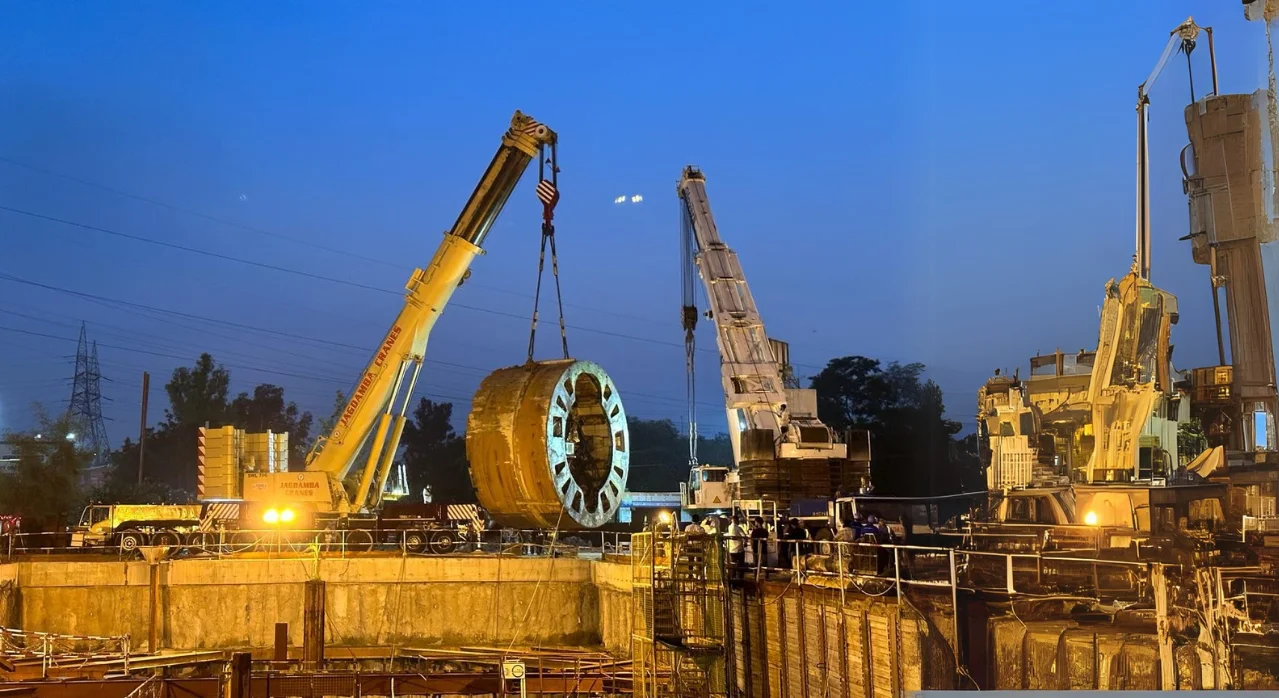
At its simplest, a mobile crane service supplies a crane, an operator, and often a rigging crew to handle a lifting task for a defined period — whether that's a single afternoon lift or a multi-month construction project. Because these cranes travel on wheels or tracks rather than being fixed in place, they can be brought in, repositioned, and removed as project needs change, which makes them far more practical than a stationary crane for most short- and medium-term jobs.
The service model matters here as much as the equipment. A crane sitting idle because of a scheduling error, a poorly maintained machine breaking down mid-lift, or an operator unfamiliar with a site's access constraints can each turn a routine lift into a costly delay.
Types of Mobile Cranes and Where They Fit
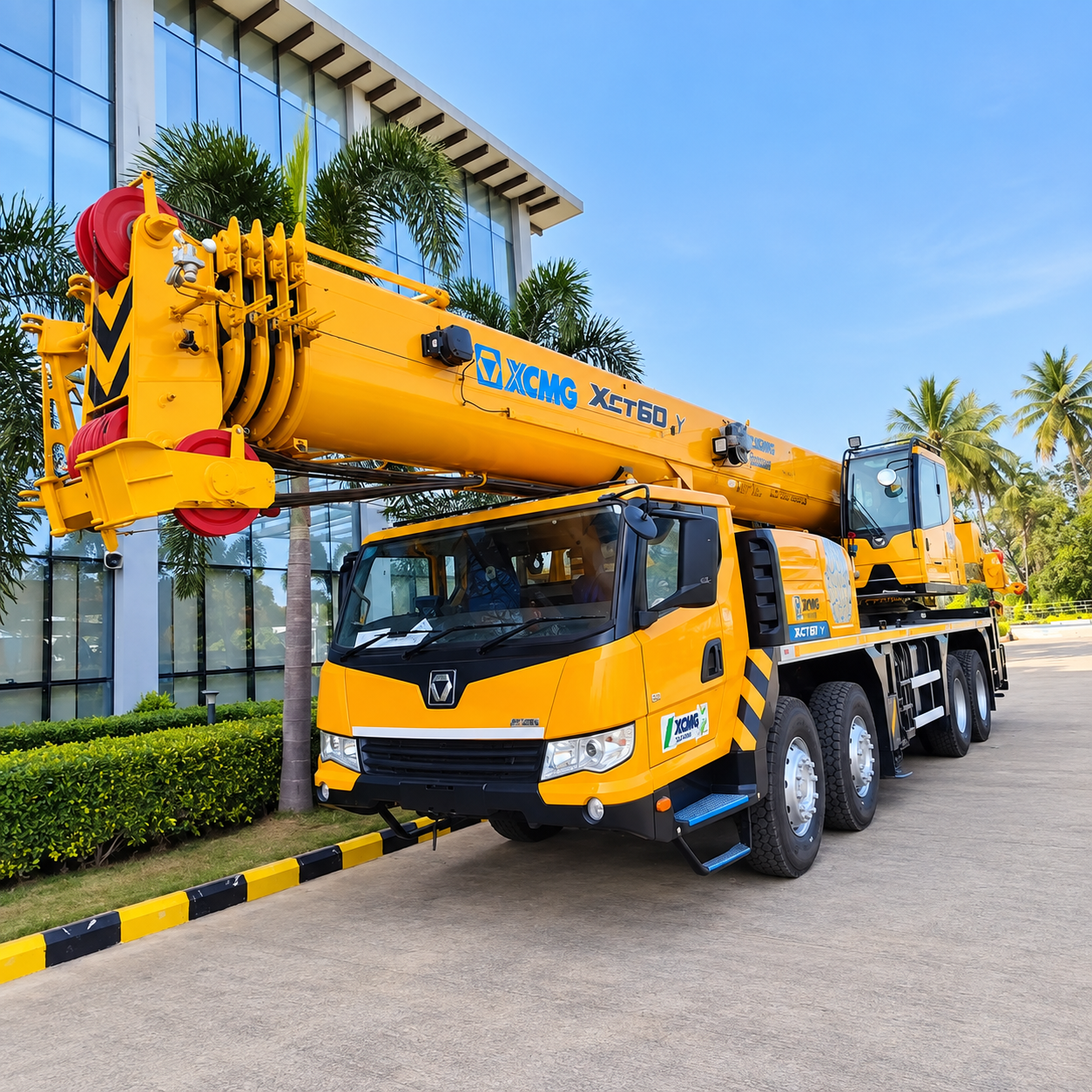
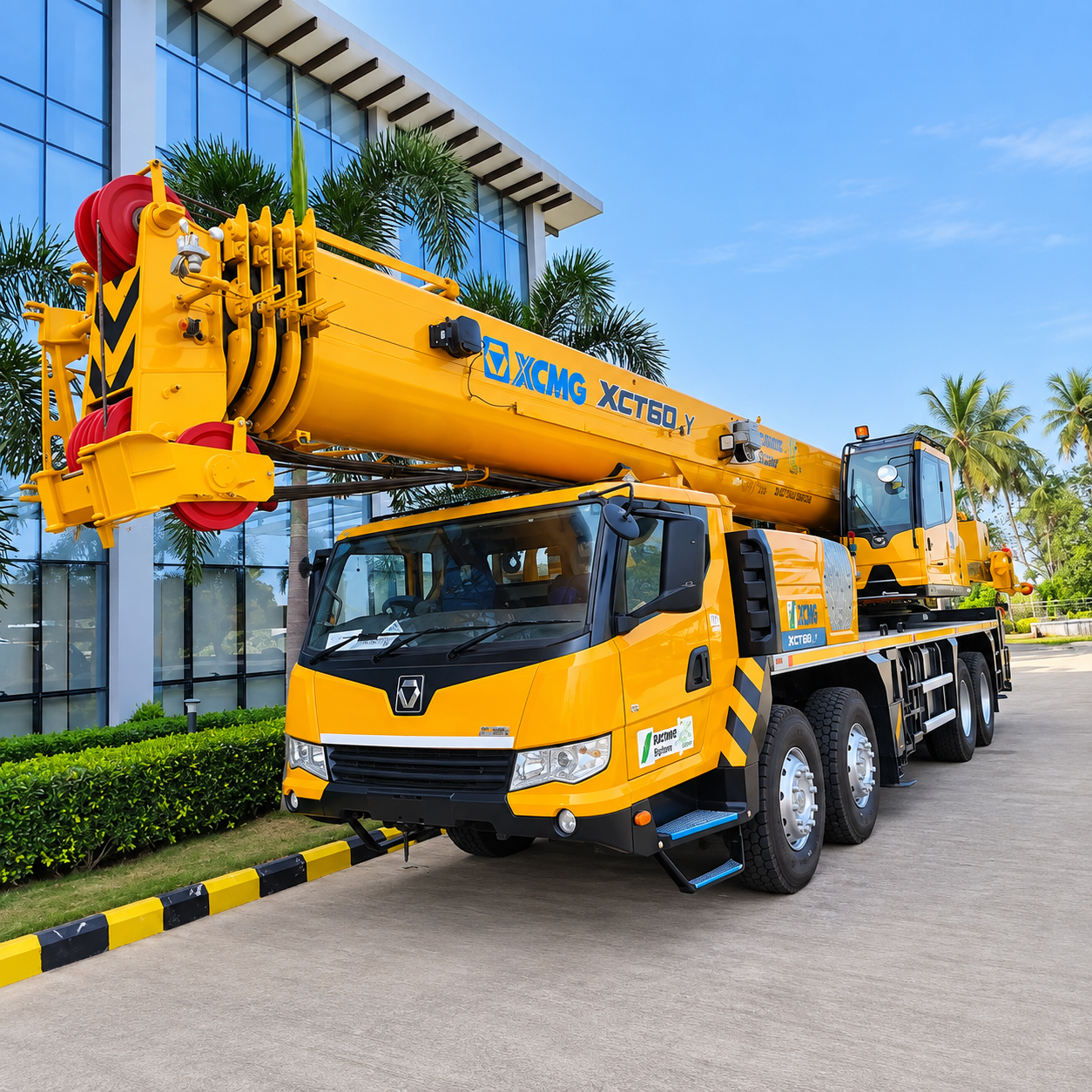
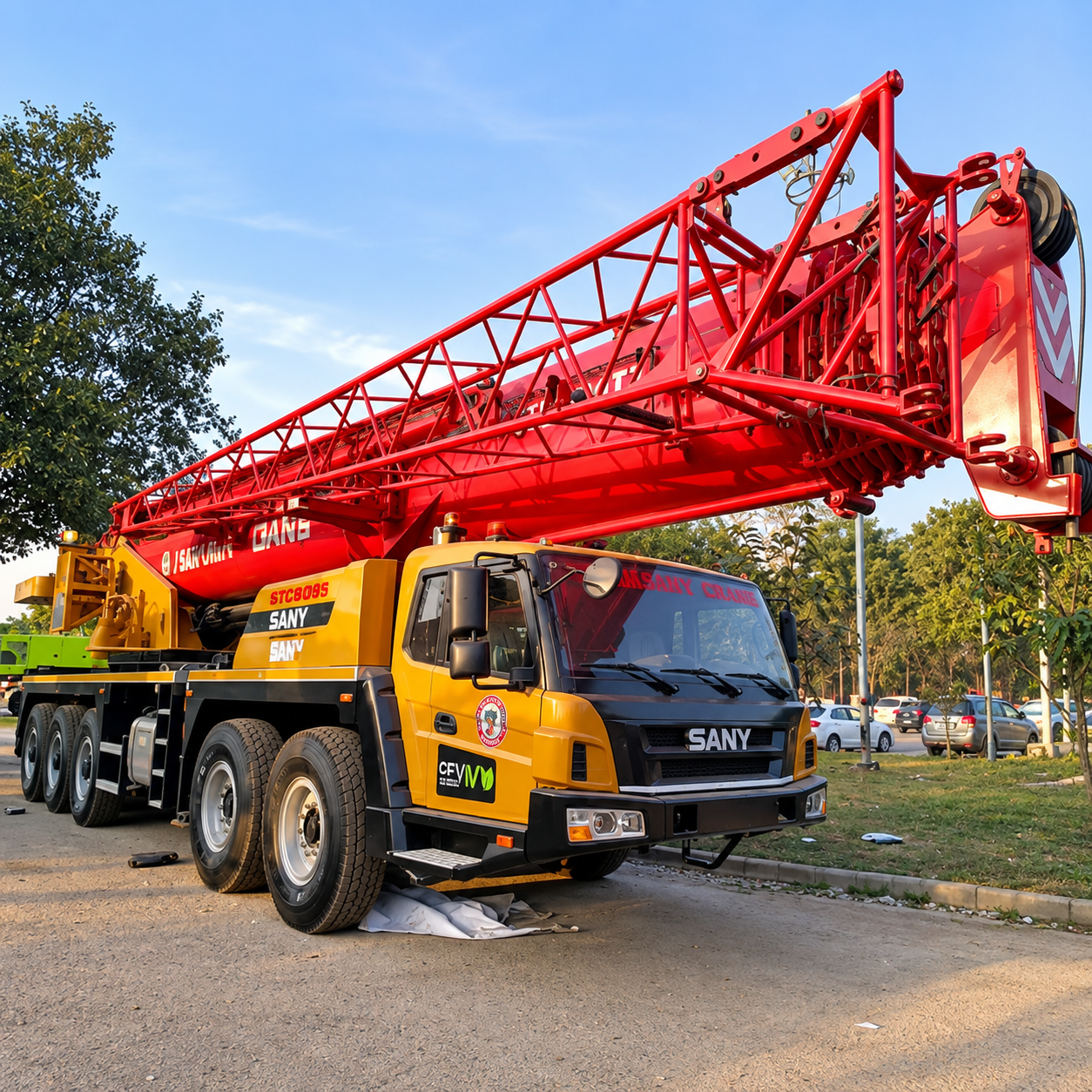
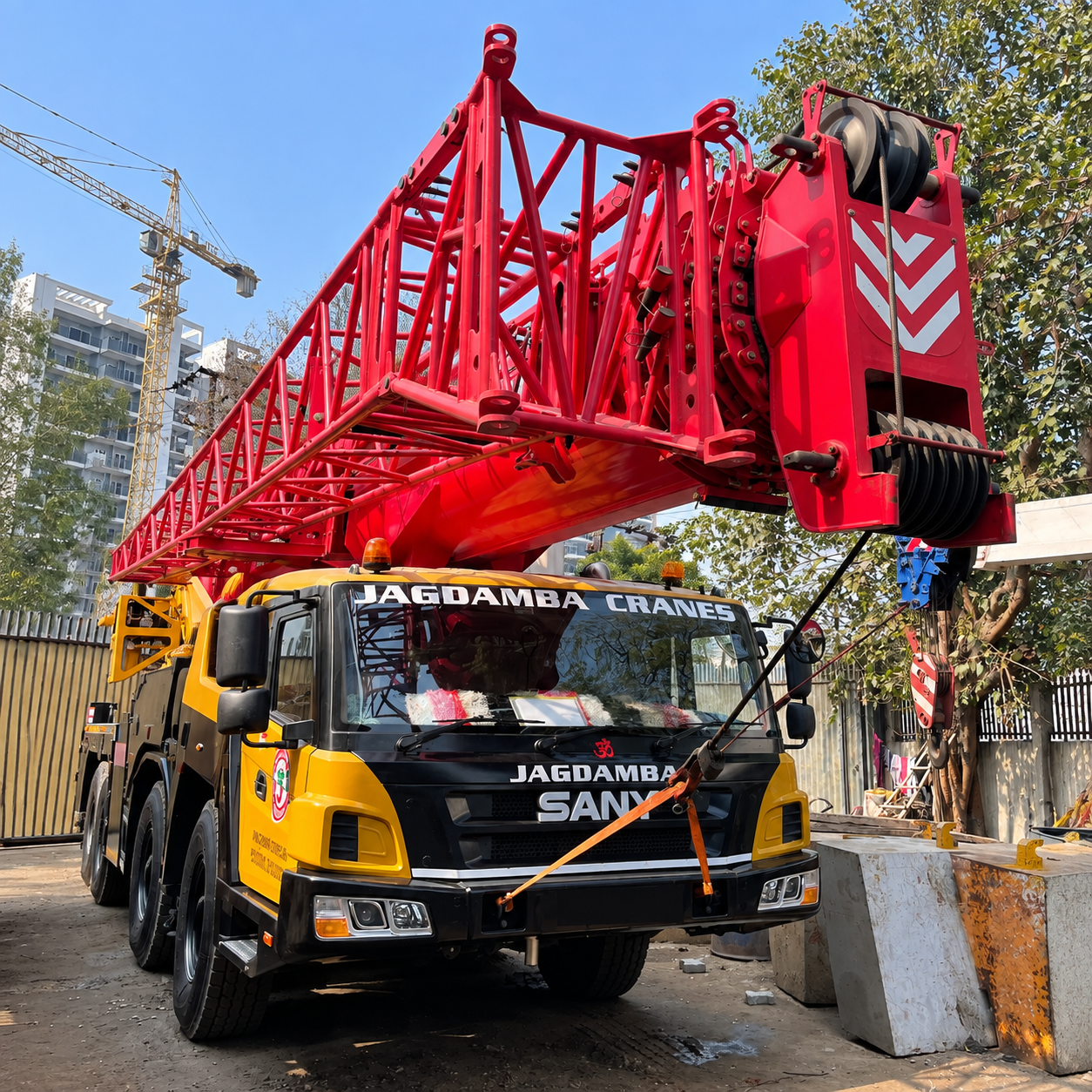
Truck-mounted cranes are built onto a standard truck chassis, allowing them to travel on public roads at normal speeds and reach a site without needing a separate transport vehicle. These work well for jobs requiring quick mobilization and moderate lifting capacity.
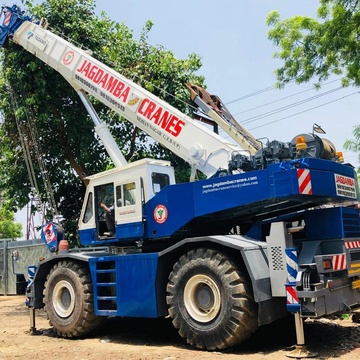
Rough terrain cranes run on large rubber tires designed for off-road and uneven surfaces, making them the go-to choice for construction sites, quarries, and industrial yards where the ground isn't paved or level.
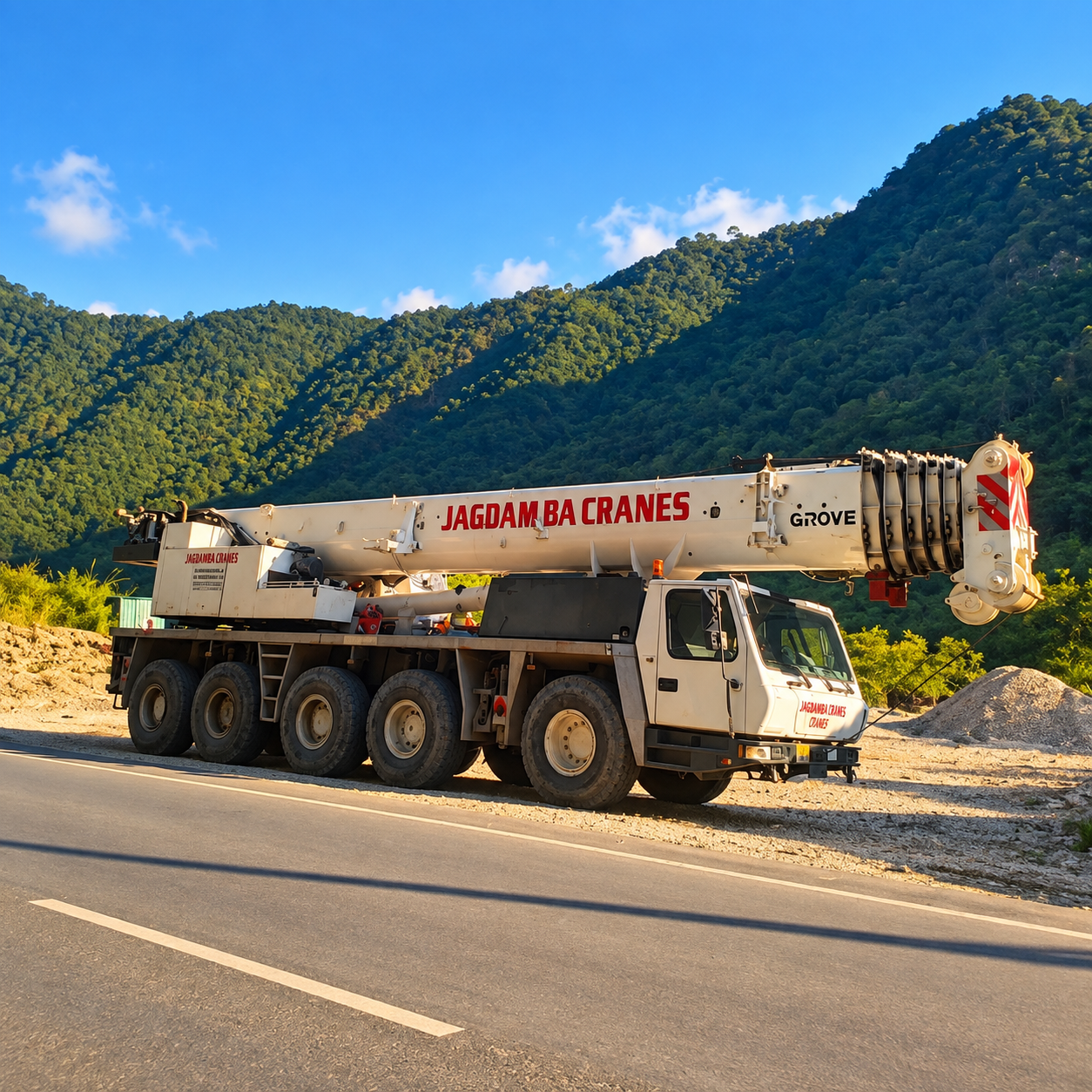
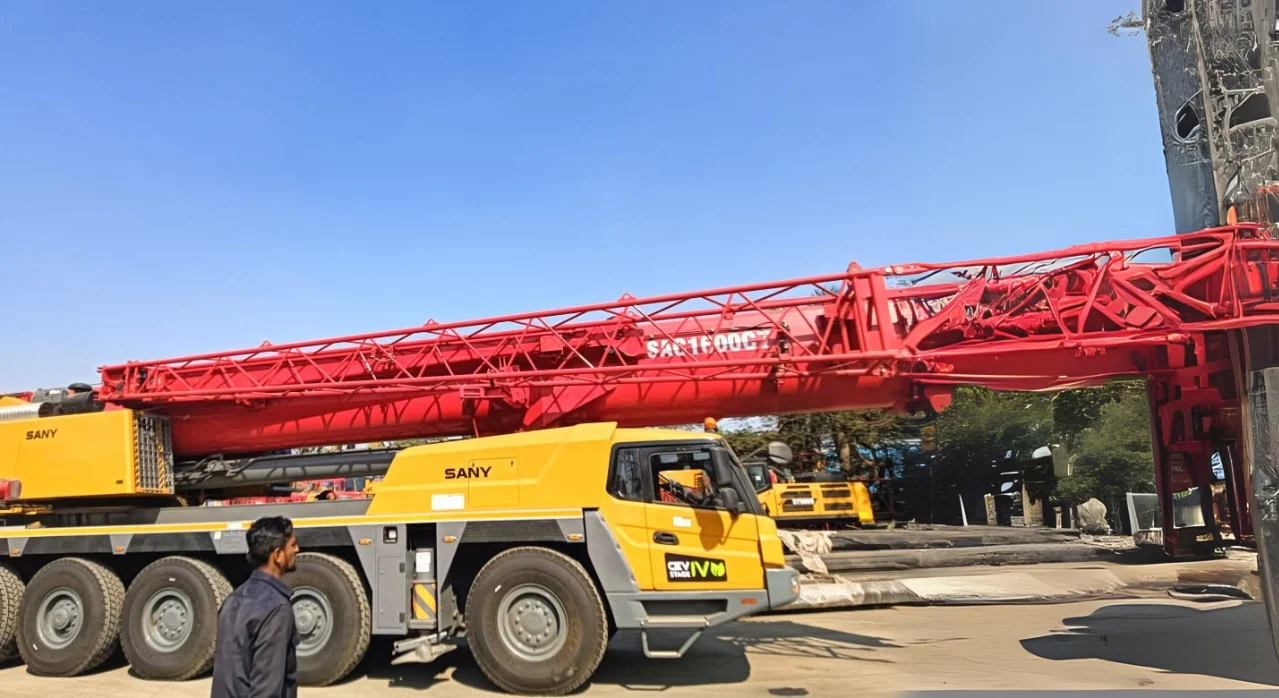
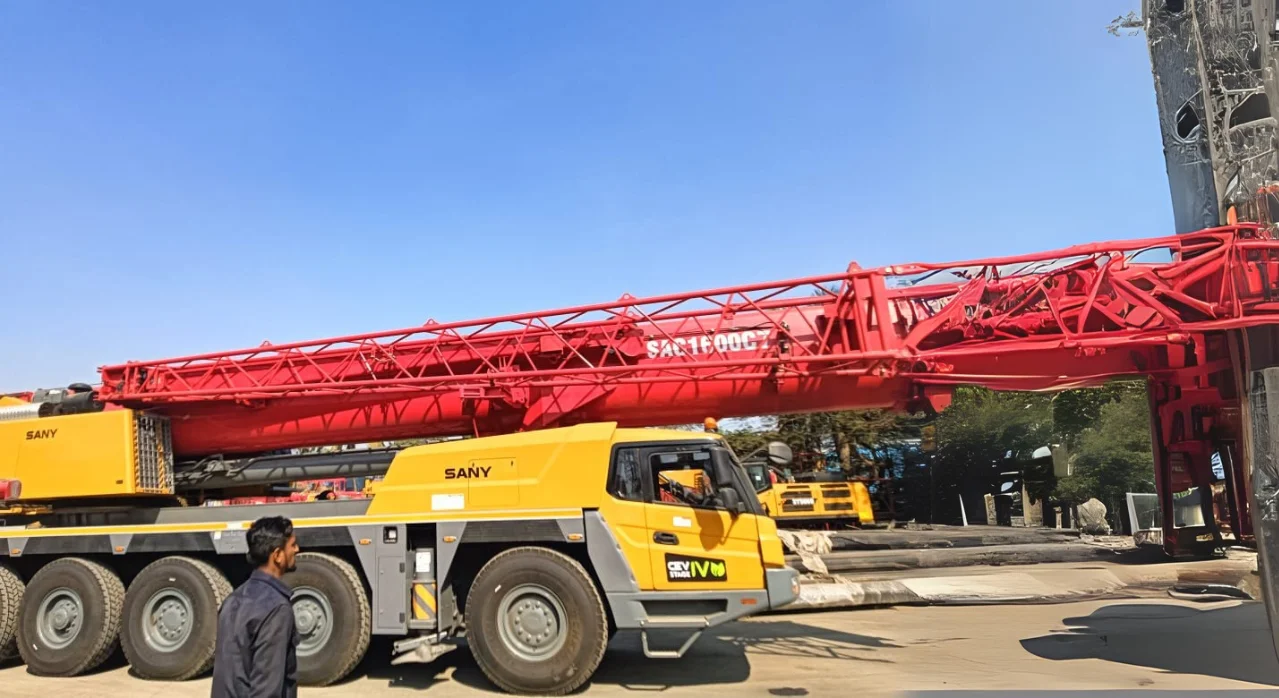
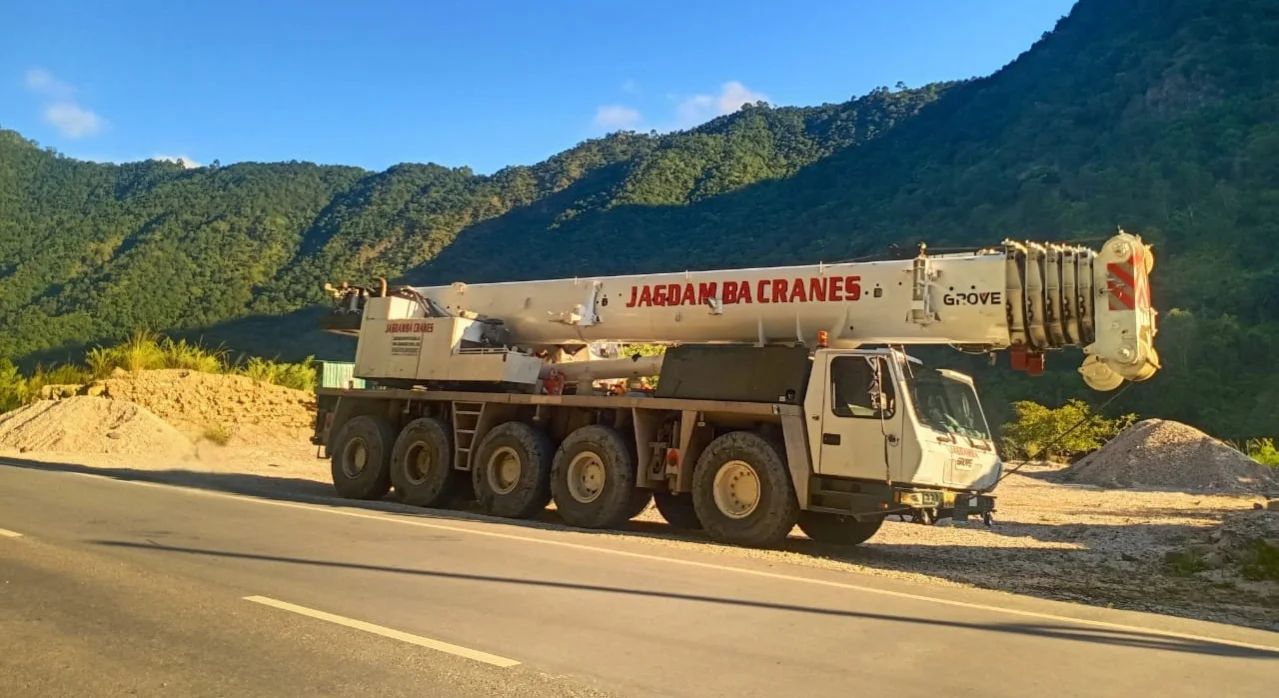
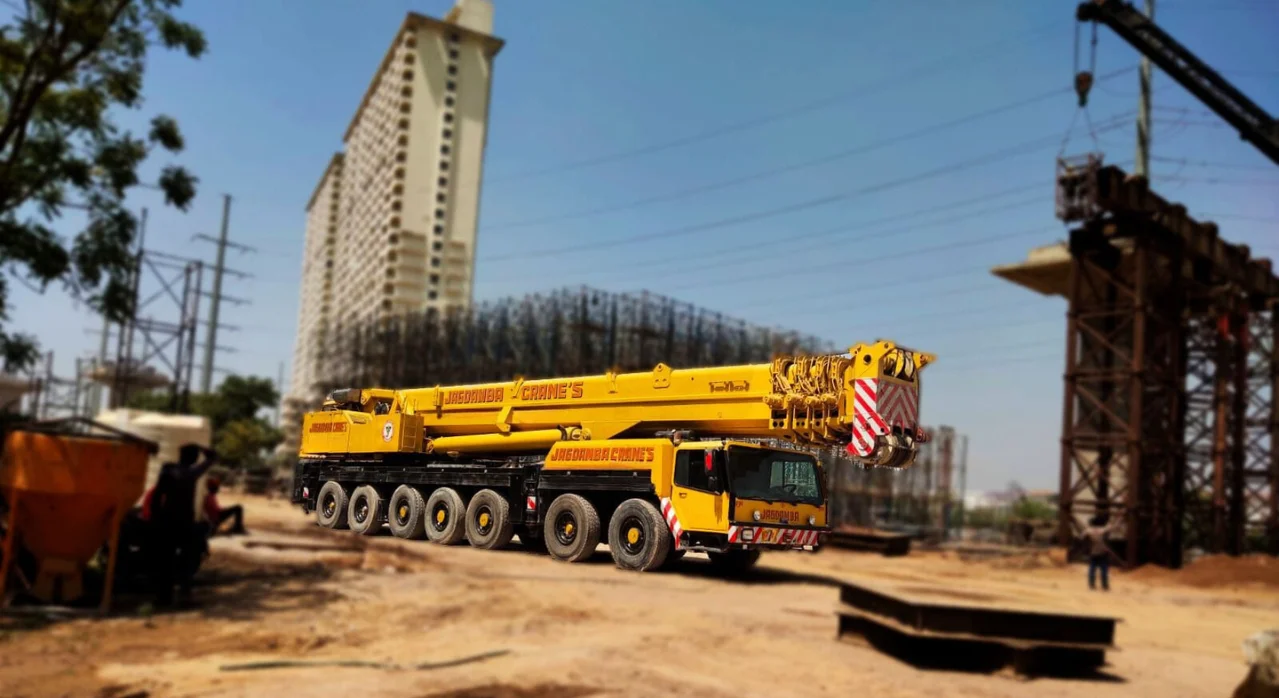
All-terrain cranes combine the road speed of a truck-mounted crane with the off-road capability of a rough terrain unit, giving them the versatility to handle both highway travel and rugged site conditions in a single machine.
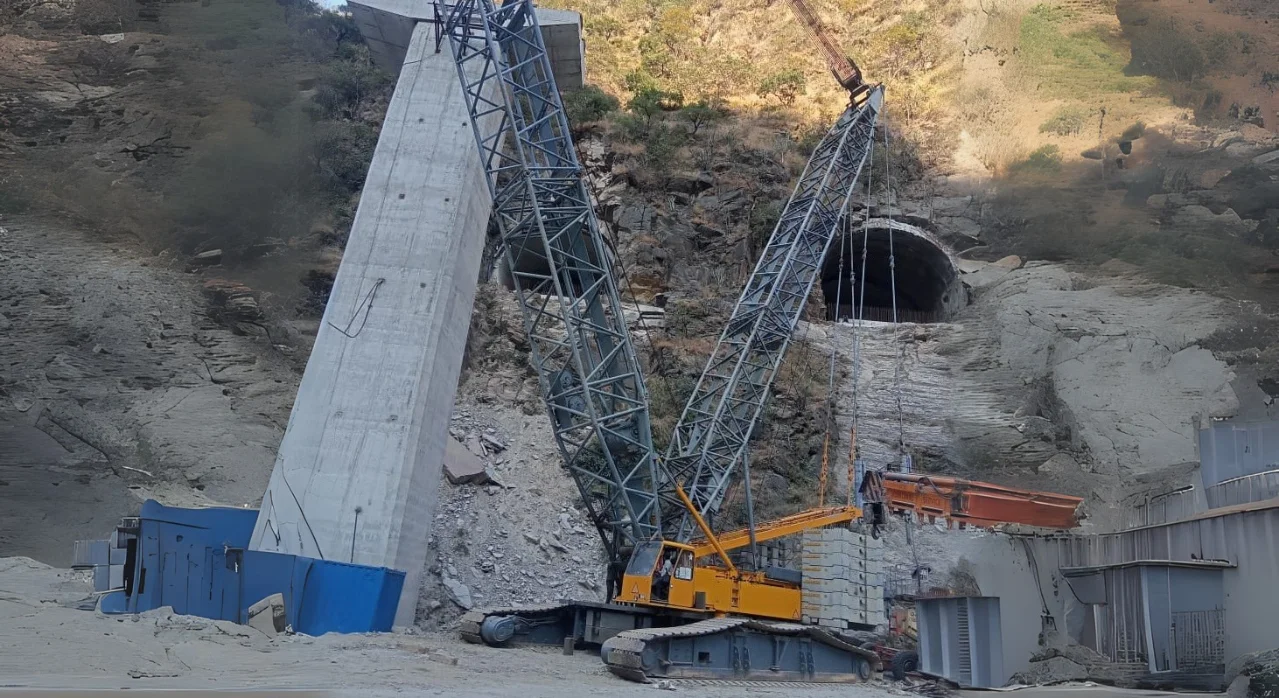
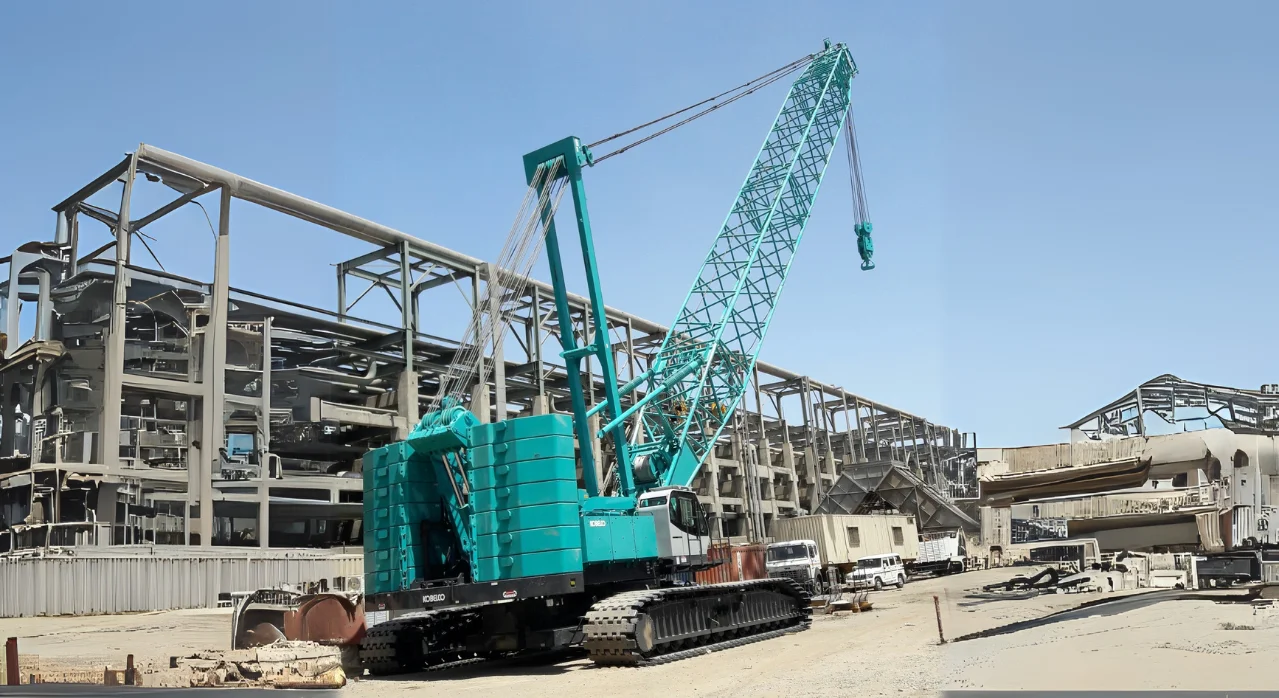
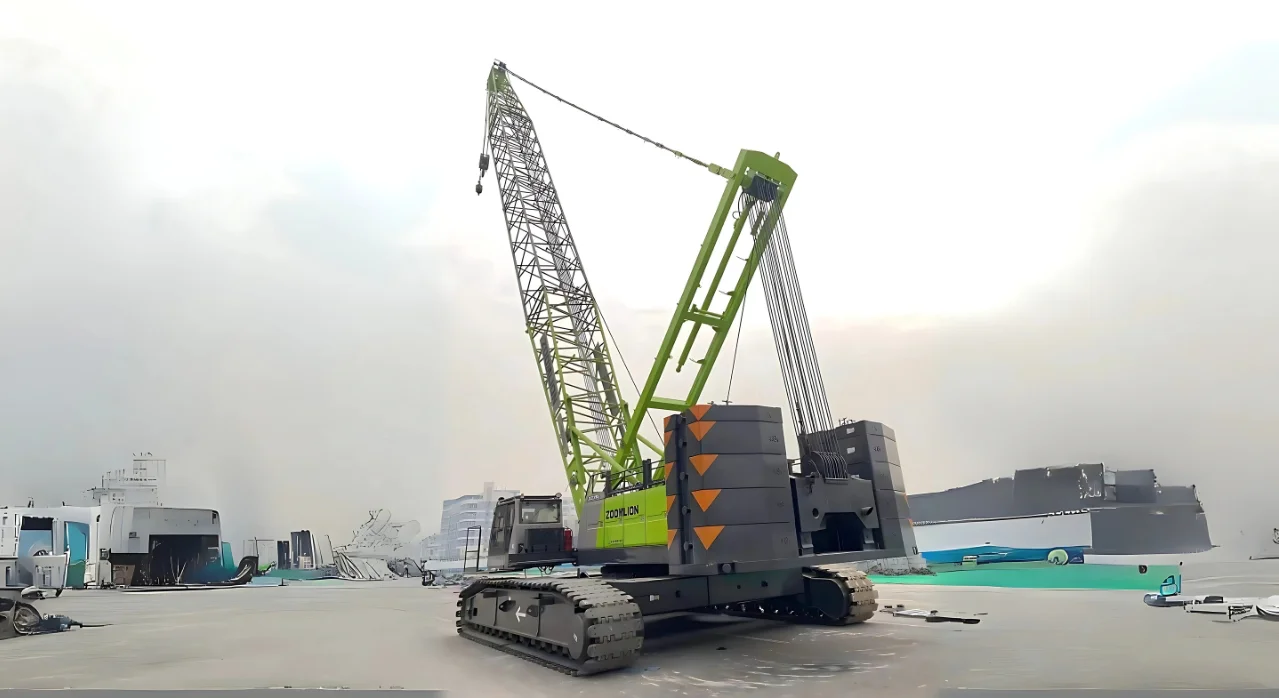
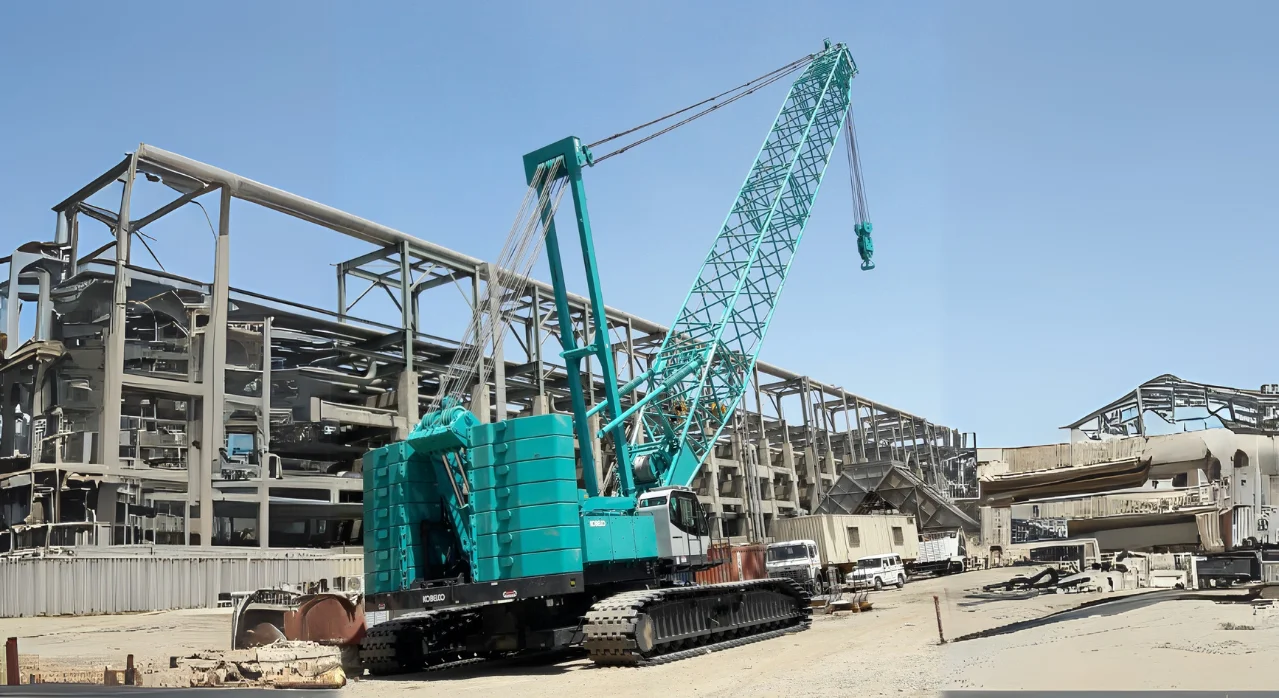
Crawler cranes move on tracks instead of wheels, offering exceptional stability for very heavy lifts, but they typically need to be transported to site in pieces and assembled on location, which adds time and cost.
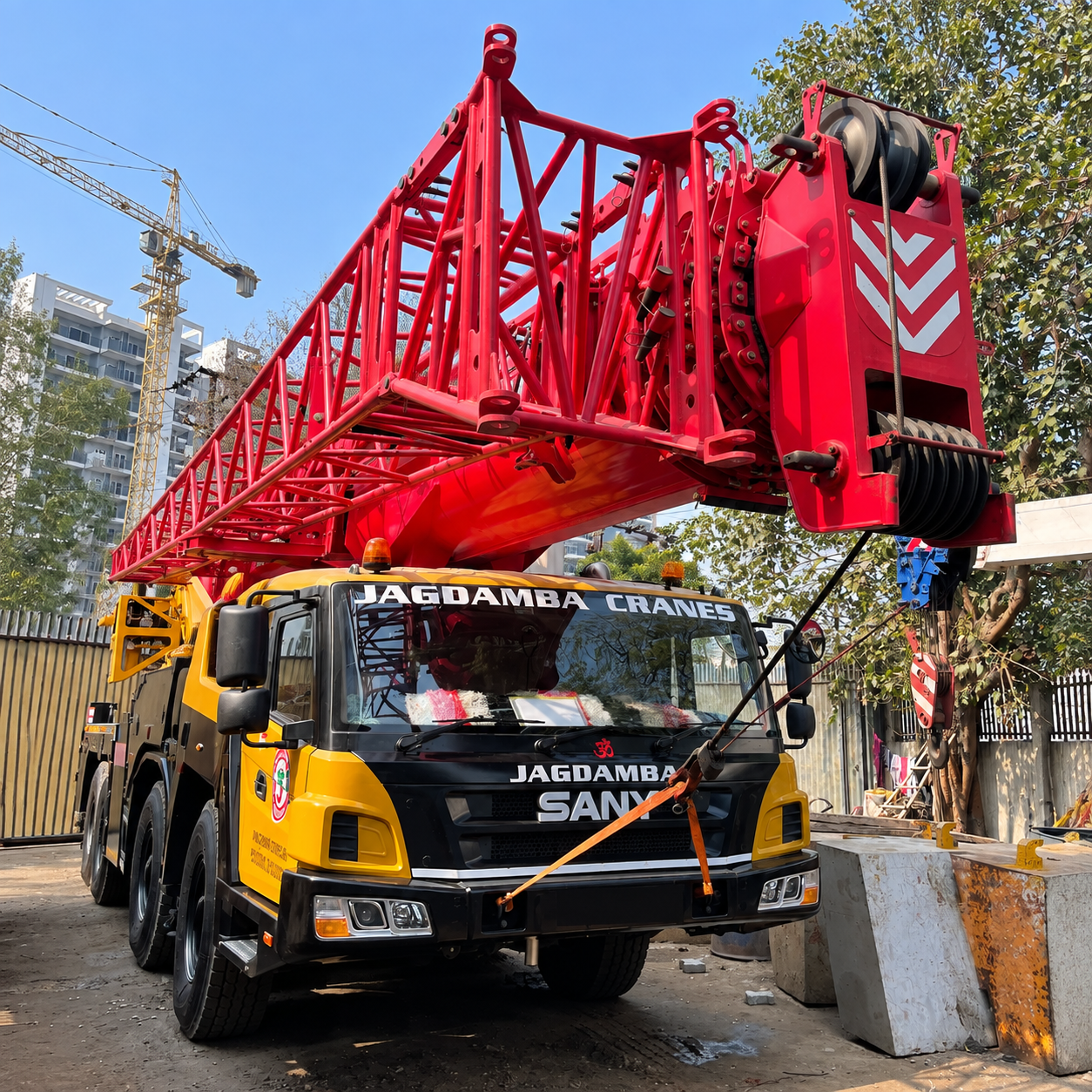
Telescopic boom cranes feature a boom made of nested sections that extend hydraulically, allowing operators to adjust reach quickly without needing to reconfigure the entire rig — useful for jobs where lift height or distance varies throughout the day.
Matching the crane type to the site conditions and load requirements is one of the first decisions a good service provider will walk you through before quoting a job.
What Determines the Right Crane for a Job
Choosing a crane isn't just about maximum lifting capacity on a spec sheet. A few factors typically drive the decision:
Load weight and dimensions — the heaviest single lift on the job determines the minimum capacity needed, but oddly shaped or off-center loads may require a larger margin than the raw weight suggests.
Lift radius — how far the load needs to travel horizontally from the crane's base position, since capacity drops significantly as boom extension and radius increase.
Ground conditions — soft, sloped, or uneven ground can limit which crane types are usable and may require additional groundwork like mats or compacted pads before setup.
Site access — narrow streets, overhead obstructions, or limited turning space can rule out larger cranes entirely, sometimes pushing the job toward a smaller crane doing multiple lifts instead of one large lift.
Lift duration — a single quick lift favors a truck-mounted crane that can set up and leave fast, while an extended job might justify the cost of a crawler crane's setup time.
The Hiring Process, Step by Step
Site assessment. A reputable service typically requests site details — access routes, ground conditions, overhead hazards, and nearby structures — before recommending equipment, sometimes with an in-person visit for complex jobs.
Load and lift planning. The provider calculates required capacity based on load weight, lift radius, and boom angle, then prepares a lift plan outlining crane positioning and any rigging requirements.
Permits and clearances. Depending on the job location, permits may be needed for road use, oversized loads during transport, or working near public areas — a good provider handles or advises on this rather than leaving it entirely to the client.
Equipment and crew mobilization. The crane, operator, and any additional riggers or signal personnel are scheduled to arrive at the agreed time, with enough buffer for setup before the actual lift window.
The lift itself. Execution follows the pre-agreed plan, with the operator and ground crew communicating constantly, particularly for lifts near structures, power lines, or other personnel.
Demobilization. The crane is broken down, loaded, and moved off-site, and any temporary groundwork (mats, pads) is typically removed as part of the service.
What Separates a Reliable Crane Service From a Risky One
Operator certification. Ask directly whether operators hold valid certification for the specific crane type and capacity being used — this isn't a formality, since operating a crane outside a certified capacity range is one of the leading causes of lifting accidents.
Maintenance records. A provider that can show recent inspection and maintenance documentation for their fleet is signaling that equipment failure isn't something you'll discover mid-lift.
Insurance coverage. Confirm the service carries adequate liability insurance covering both equipment damage and third-party injury, and get this in writing before the job starts.
Transparent pricing. Reliable providers break down costs clearly — mobilization, hourly or daily rates, standby time, and demobilization — rather than bundling everything into a vague lump sum that leaves room for surprise charges.
Site-specific lift planning. A provider that asks detailed questions about your site and load before quoting is generally more careful than one that quotes a price without ever discussing the specifics of the job.
Communication during the job. Good crews use clear hand signals or radio communication throughout the lift, and won't proceed if visibility, weather, or ground conditions change unexpectedly.
Common Applications Across Industries
- Steel erection and structural installation on commercial and industrial builds
- Placing HVAC units, generators, and other rooftop or elevated equipment
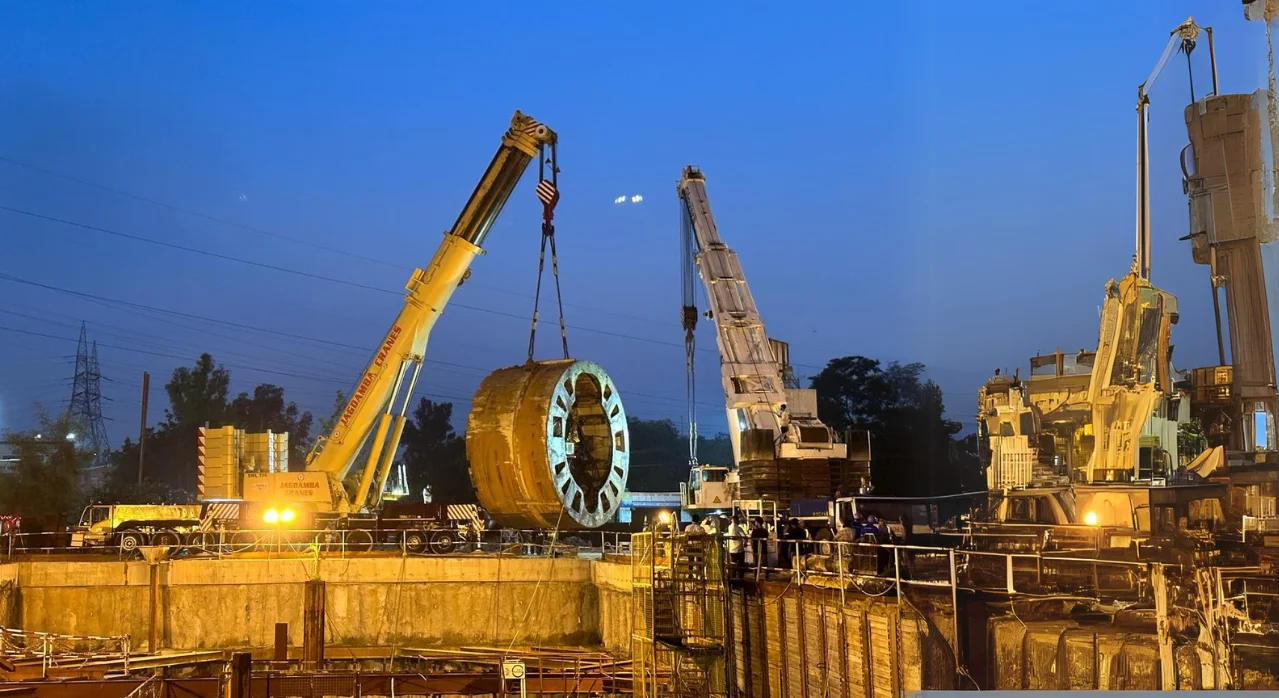
- Installing precast concrete elements on infrastructure projects
- Loading and unloading heavy machinery at industrial facilities
- Setting utility poles, transformers, and substation equipment
- Wind turbine component assembly
- Bridge girder placement and other transportation infrastructure work
- Emergency lifts, such as recovering stuck or overturned vehicles and equipment
Safety Considerations That Shouldn't Be Skipped
Ground bearing capacity. Cranes exert enormous point-loads through their outriggers, so verifying the ground can actually support that weight — sometimes requiring engineered mats — prevents tip-overs before they happen.
Exclusion zones. A properly run lift establishes a clear exclusion zone around the crane's working radius, keeping non-essential personnel well away from the load path.
Weather monitoring. Wind speed in particular can make an otherwise safe lift dangerous, and professional crews will delay or halt operations if conditions exceed the crane's rated limits.
Load rigging inspection. Slings, shackles, and other rigging hardware should be inspected before every lift, since worn or mismatched rigging is a common point of failure even when the crane itself is perfectly sound.
Pre-lift briefings. A short briefing covering the lift plan, communication signals, and emergency procedures before work begins keeps everyone on the same page, especially on sites with multiple contractors present.
Cost Factors Worth Understanding Upfront
Pricing for mobile crane services generally depends on crane size and capacity, rental duration, distance for mobilization and demobilization, and whether the job requires additional crew like riggers or signal persons. Standby time — periods where the crane and crew wait on-site due to delays outside their control — is often billed separately, which is why clear scheduling and site readiness before the crane arrives can meaningfully reduce total cost.
FAQs
How do I know what size crane I need for my project?
The right size depends on your heaviest lift, the distance the load must travel from the crane, and your site's ground conditions, so a proper lift plan from the provider is more reliable than estimating capacity yourself.
What's the difference between a rough terrain crane and an all-terrain crane?
A rough terrain crane is built for off-road job sites only, while an all-terrain crane can also travel on public roads at normal speeds, offering more flexibility between sites.
Do I need a permit to bring a mobile crane onto my site?
It depends on your location and whether the crane will use public roads or work near public areas, so it's best to confirm this with your provider before scheduling.
How long does it take to set up a mobile crane on-site?
Setup time varies by crane type, ranging from under an hour for a truck-mounted crane to several hours or more for larger crawler cranes requiring assembly.
What happens if weather conditions change during a scheduled lift?
A professional crew will delay or stop the lift if wind speed or visibility exceeds safe operating limits, since continuing under unsafe conditions risks both the load and personnel nearby.
Is it cheaper to rent a mobile crane or buy one for regular use?
For occasional or project-based lifting needs, renting is almost always more cost-effective than the purchase price, maintenance, and storage costs of owning a crane outright.
What qualifications should a crane operator have?
Operators should hold valid certification matching the specific crane type and capacity being used, along with documented experience on similar lifts.
Can a mobile crane work on soft or uneven ground?
Some crane types, like rough terrain cranes, are designed for this, but ground bearing capacity still needs to be verified, and additional support like mats may be required regardless of crane type.
Conclusion
A mobile crane is only as good as the planning, certification, and communication behind its use. The equipment itself rarely fails when it's properly maintained — most problems on lifting jobs trace back to mismatched crane selection, unclear site information, or skipped safety steps in the rush to get a lift done. Choosing a service provider who asks the right questions upfront, maintains transparent pricing, and treats safety planning as a standard part of the job — not an afterthought — is what actually protects your project timeline, your budget, and everyone working on-site.