Introduction
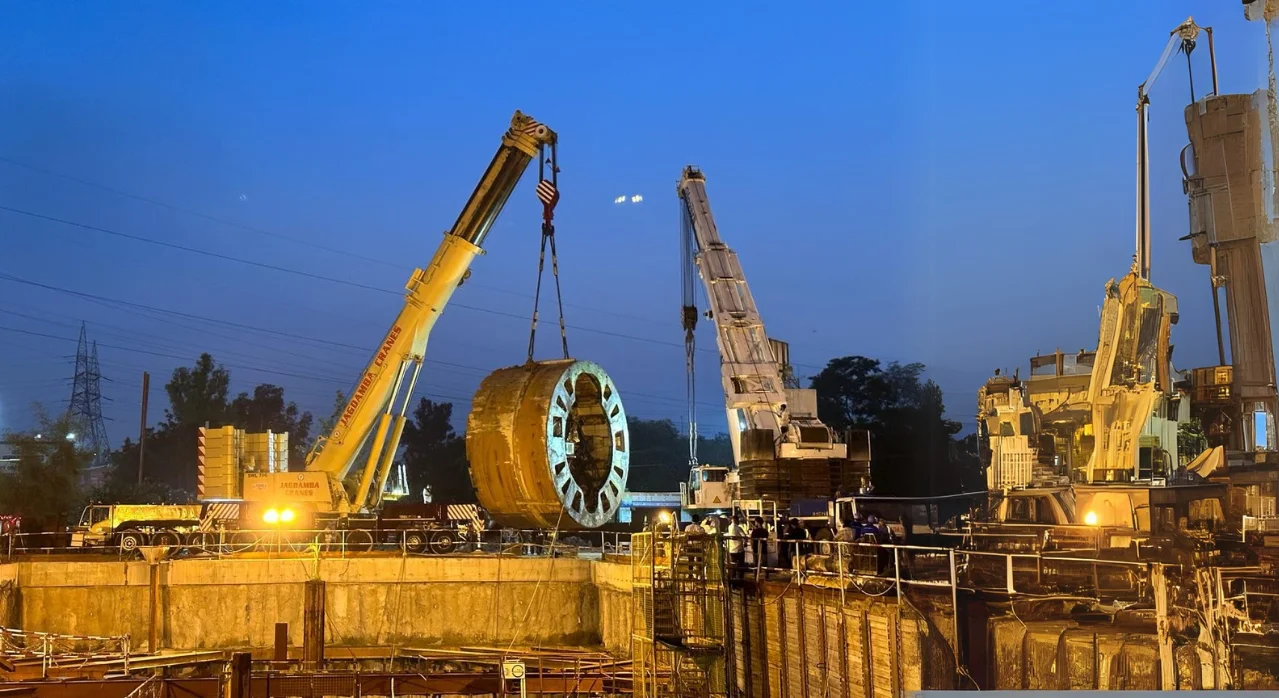
Heavy lifting is an essential part of construction, infrastructure, manufacturing, industrial erection, and large-scale project work. Moving heavy machinery, structural components, steel sections, equipment, and other loads requires the right lifting equipment. A hydraulic crane rental provides a practical solution for businesses that need powerful lifting equipment without the high investment involved in purchasing and maintaining a crane.
Hydraulic cranes use advanced hydraulic systems to generate controlled lifting power and are available in different capacities and configurations. Depending on the project, companies can choose a hydraulic crane on rent for a short-term lifting operation or hire one for a longer project.
Understanding Hydraulic Cranes
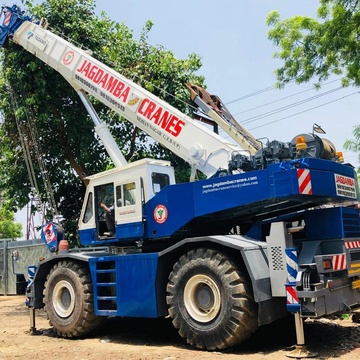
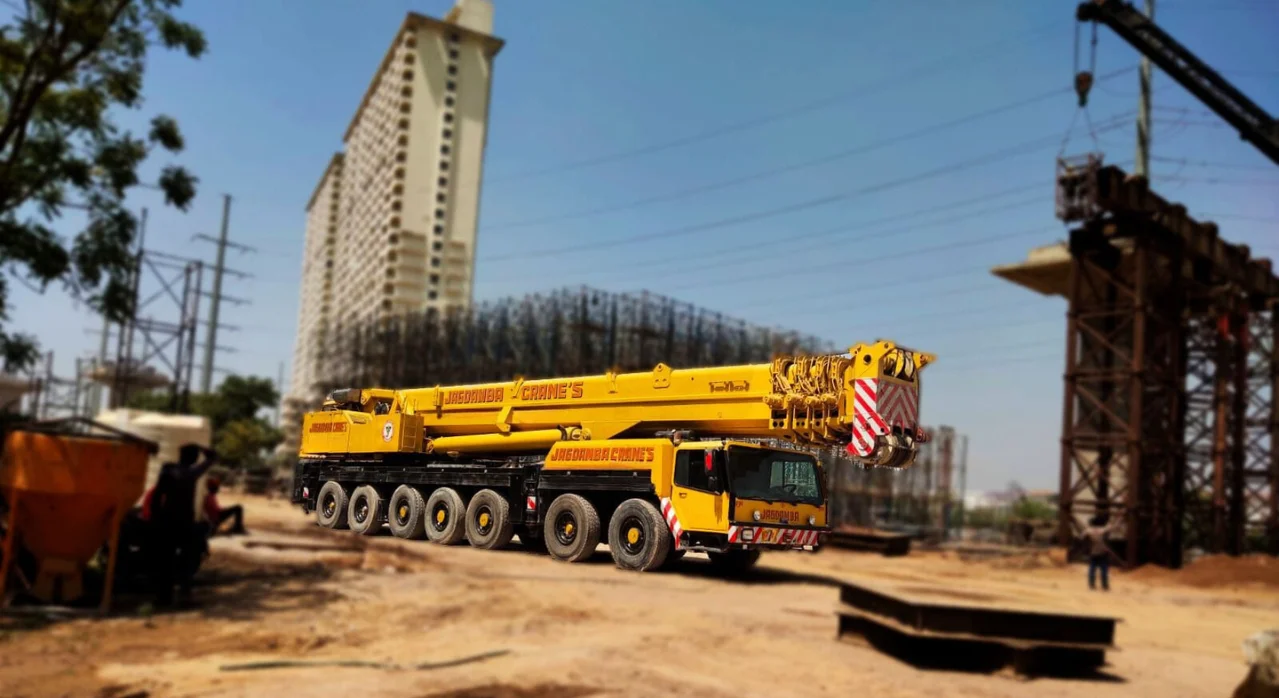
A hydraulic crane is a heavy lifting machine that uses hydraulic pressure to operate its lifting and boom mechanisms. Hydraulic fluid is pressurized through pumps and directed to hydraulic cylinders, allowing the crane to raise, lower, extend, or position heavy loads with controlled movement.
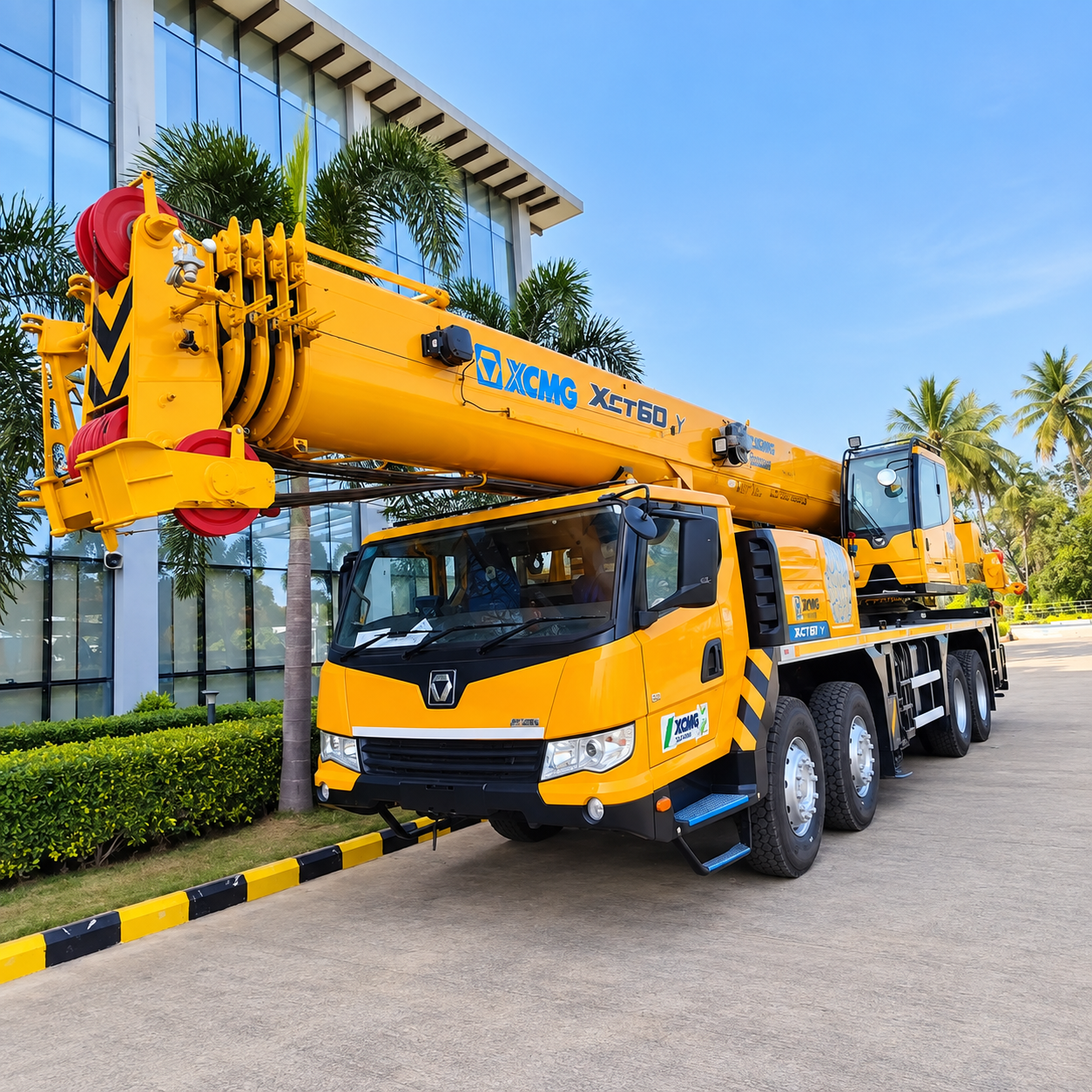
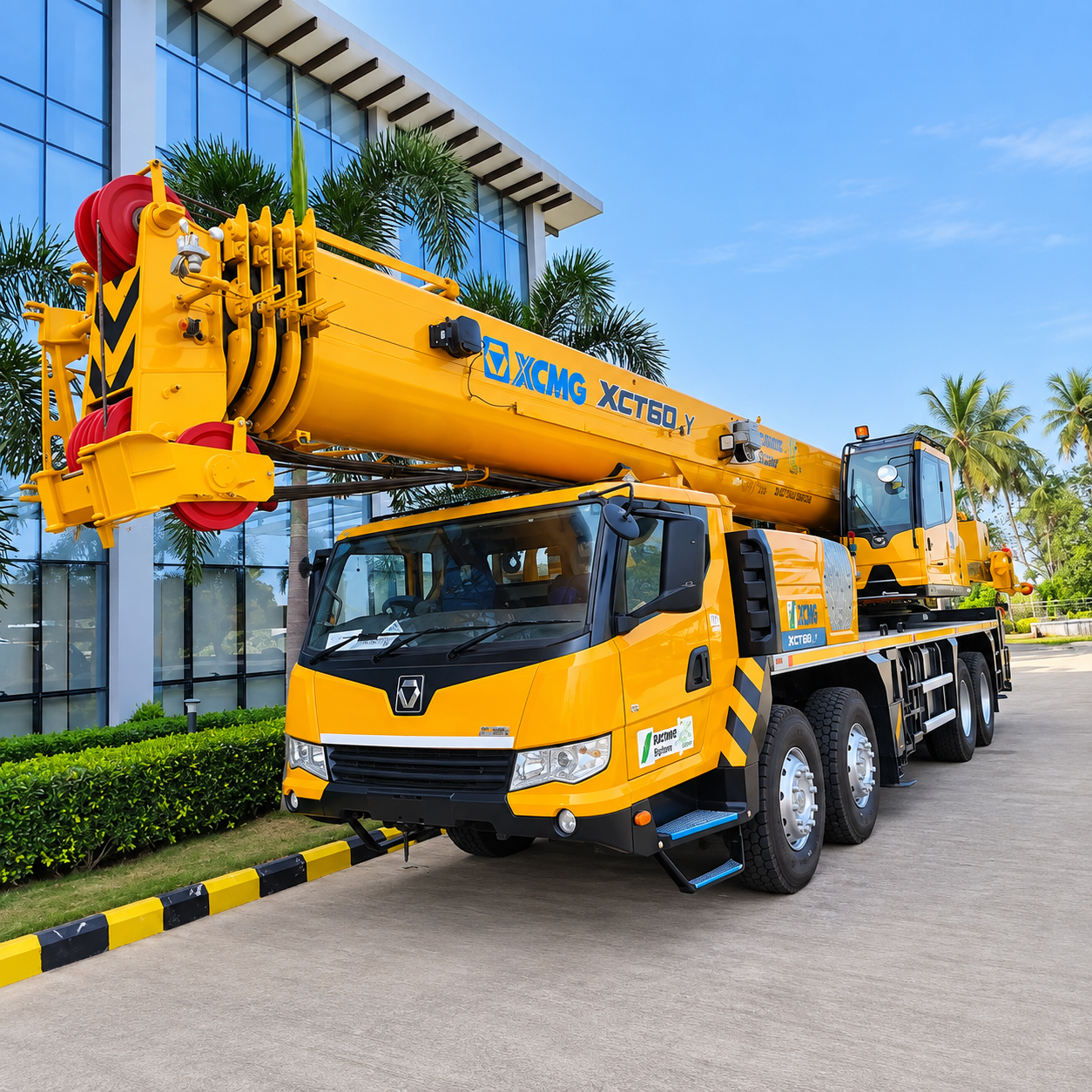
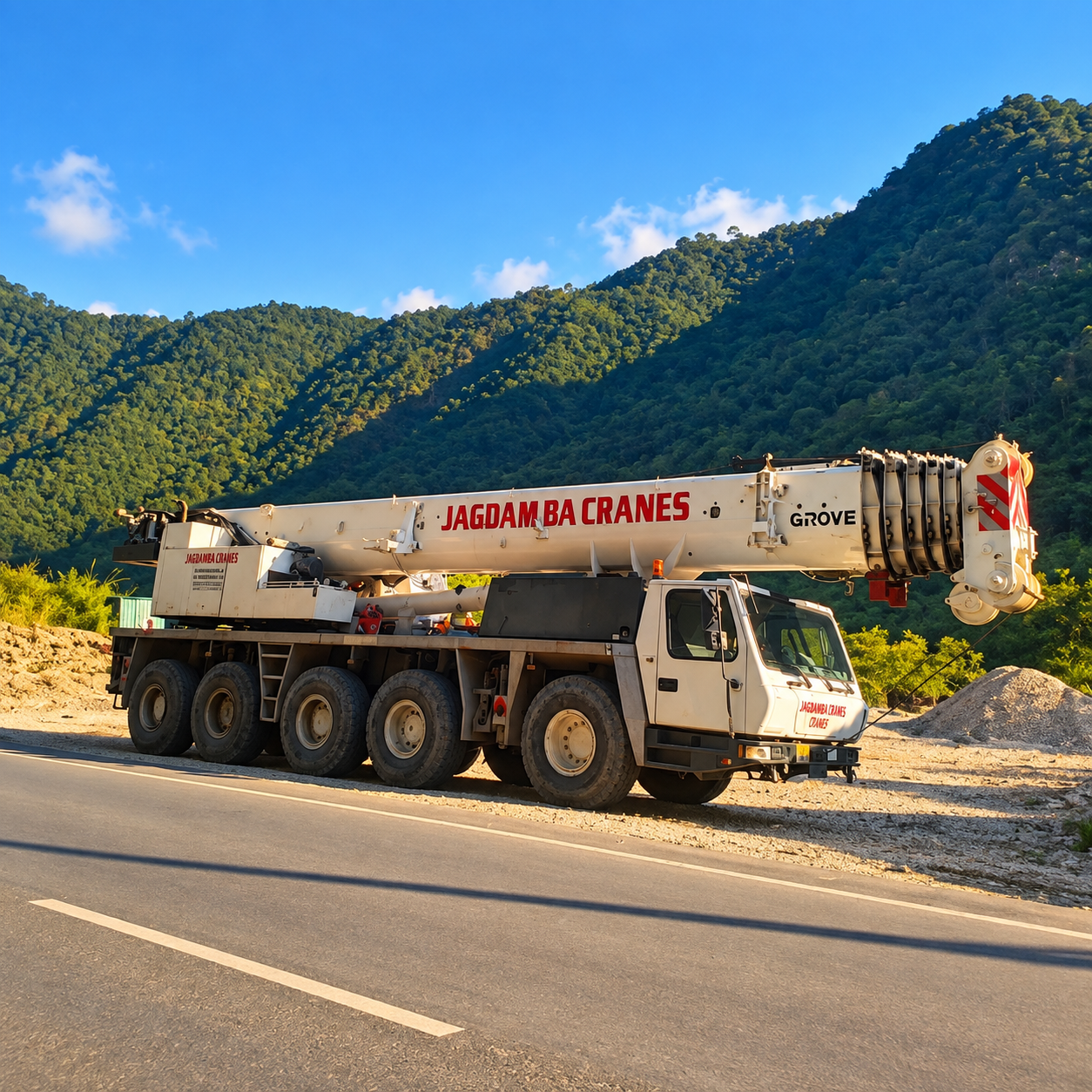
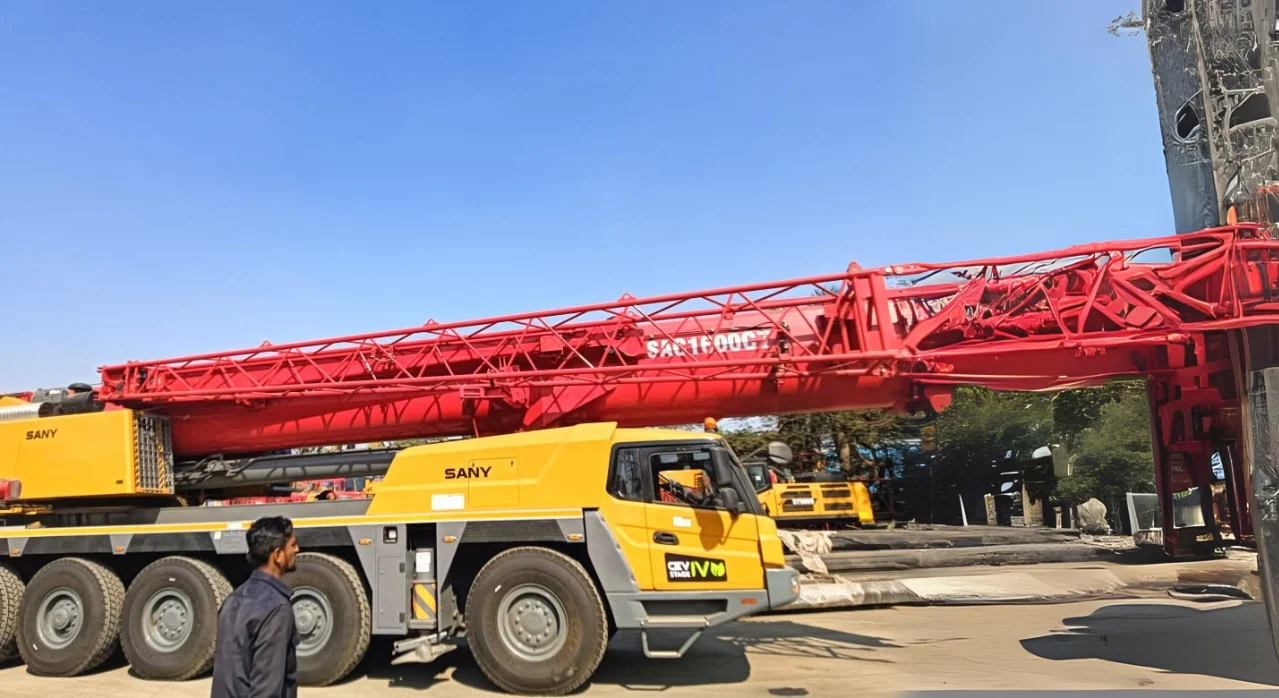
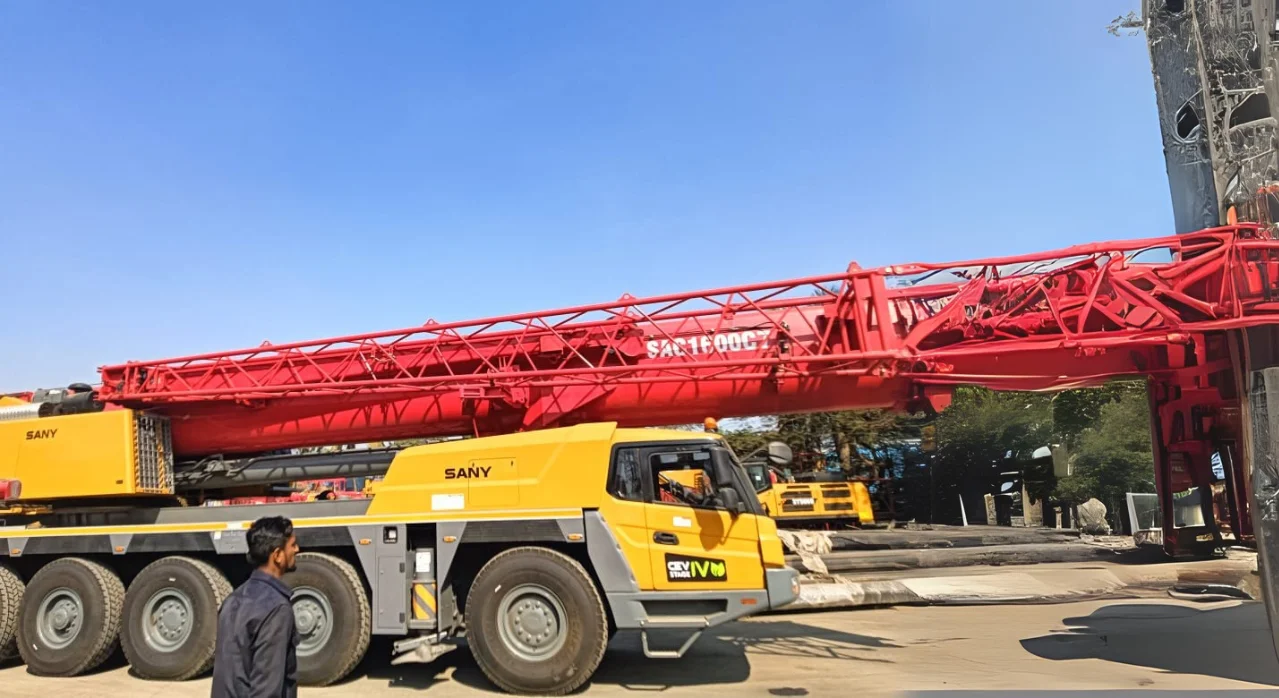
Many modern hydraulic cranes feature telescopic booms. A hydraulic telescopic crane can extend its boom to achieve greater working height and reach while providing flexibility for different lifting operations.
Why Businesses Prefer Crane Rental
Purchasing a heavy-duty crane requires substantial investment as well as expenses related to maintenance, storage, insurance, transportation, and trained manpower. Crane rental services allow companies to access specialized equipment only when it is required.
A hydraulic crane hire arrangement can be particularly useful for construction projects, factory installation, infrastructure work, plant maintenance, and other temporary lifting requirements.
Hydraulic Crane Capacity and Technical Data
Hydraulic cranes are available in different lifting capacities. The appropriate crane depends on the load weight, lifting height, working radius, boom length, site conditions, and required configuration.
| Specification | Typical / Example Range |
|---|---|
| Lifting Capacity | 35 Tons to 700 Tons and higher |
| Crane Configuration | Hydraulic Telescopic / Mobile |
| Boom Type | Telescopic boom on applicable models |
| Hydraulic System | Hydraulic pump and cylinder mechanism |
| Mobility | Road-mobile configurations available |
| Application | Construction, industrial and infrastructure lifting |
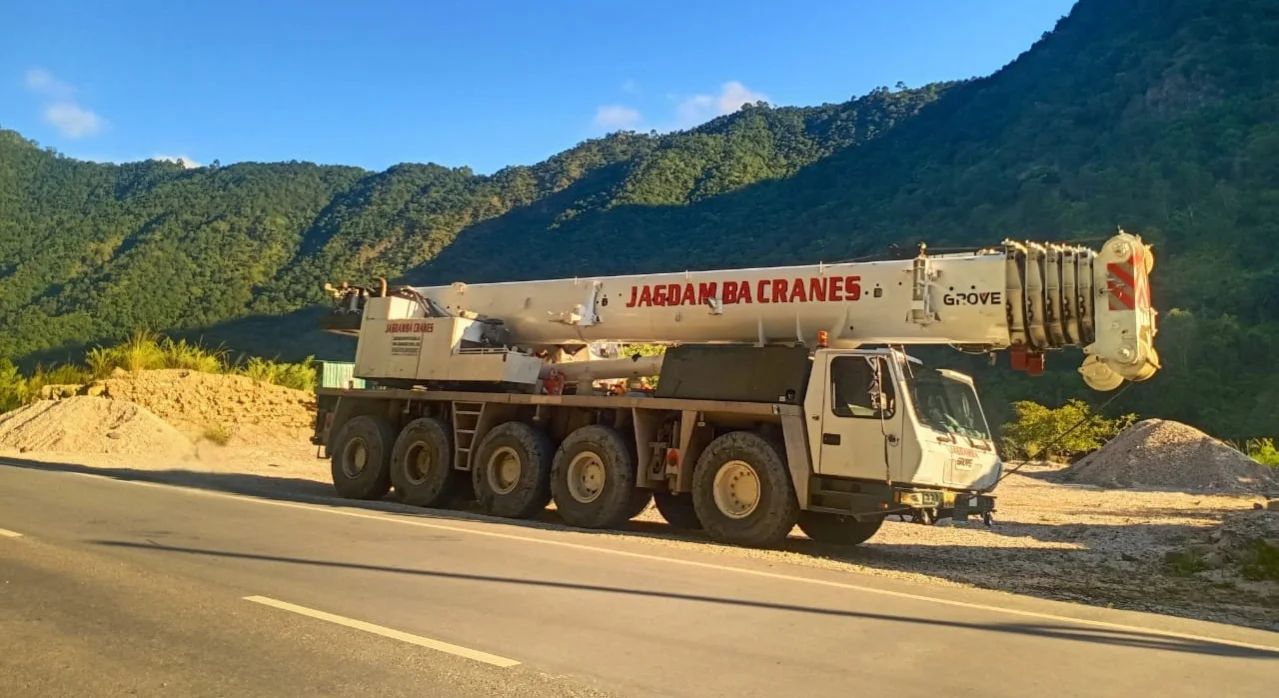
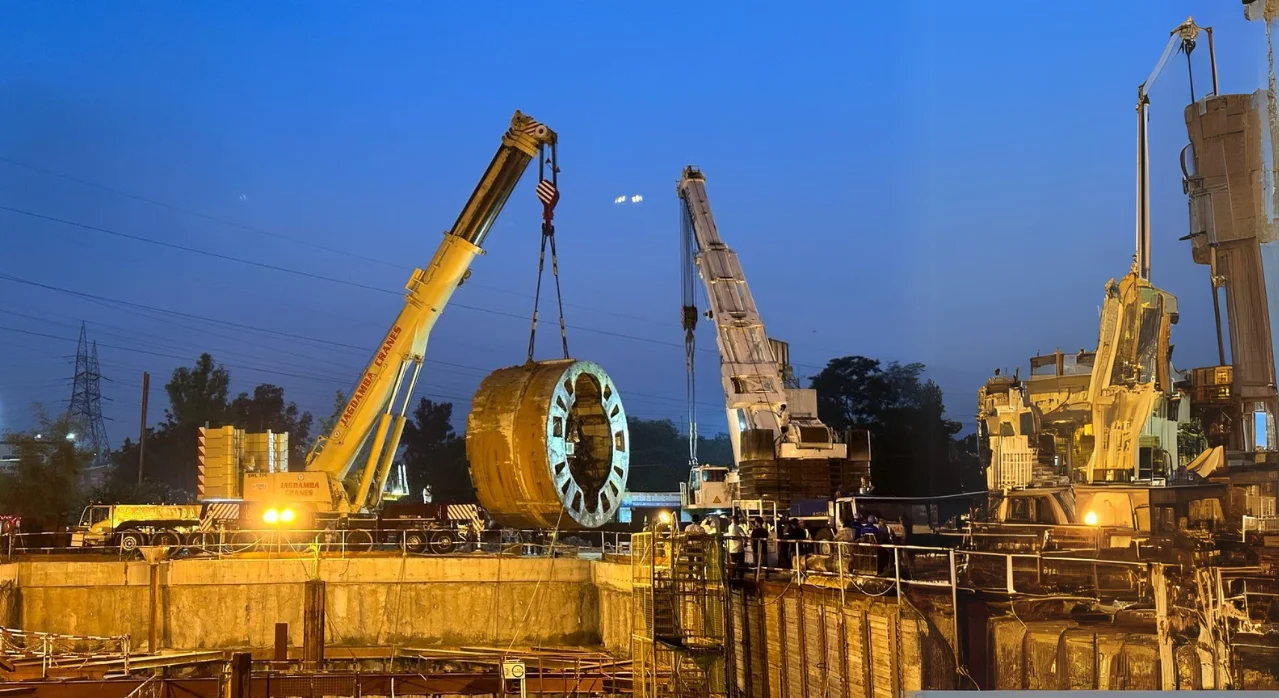
Jagdamba Crane's hydraulic telescopic fleet includes cranes ranging from 35 tons to 700 tons. Its TEREX AC 700 SSL, for example, has a 700-ton lifting capacity, a 60-meter main boom, and a 48-meter luffing jib.
Choosing Crane Capacity According to the Job
Crane capacity should never be selected simply by looking at the maximum tonnage. The actual lifting capacity depends on the working radius, boom configuration, lifting height, counterweight, and other operating conditions.
| Capacity Category | Suitable Applications |
|---|---|
| 35–50 Ton | General construction and equipment handling |
| 80–110 Ton | Structural erection and medium-heavy industrial lifting |
| 160 Ton | Industrial installation and infrastructure projects |
| 300 Ton | Heavy machinery and industrial equipment positioning |
| 500 Ton | Large infrastructure and industrial lifting |
| 700 Ton | Major refinery, petrochemical and heavy-lift projects |
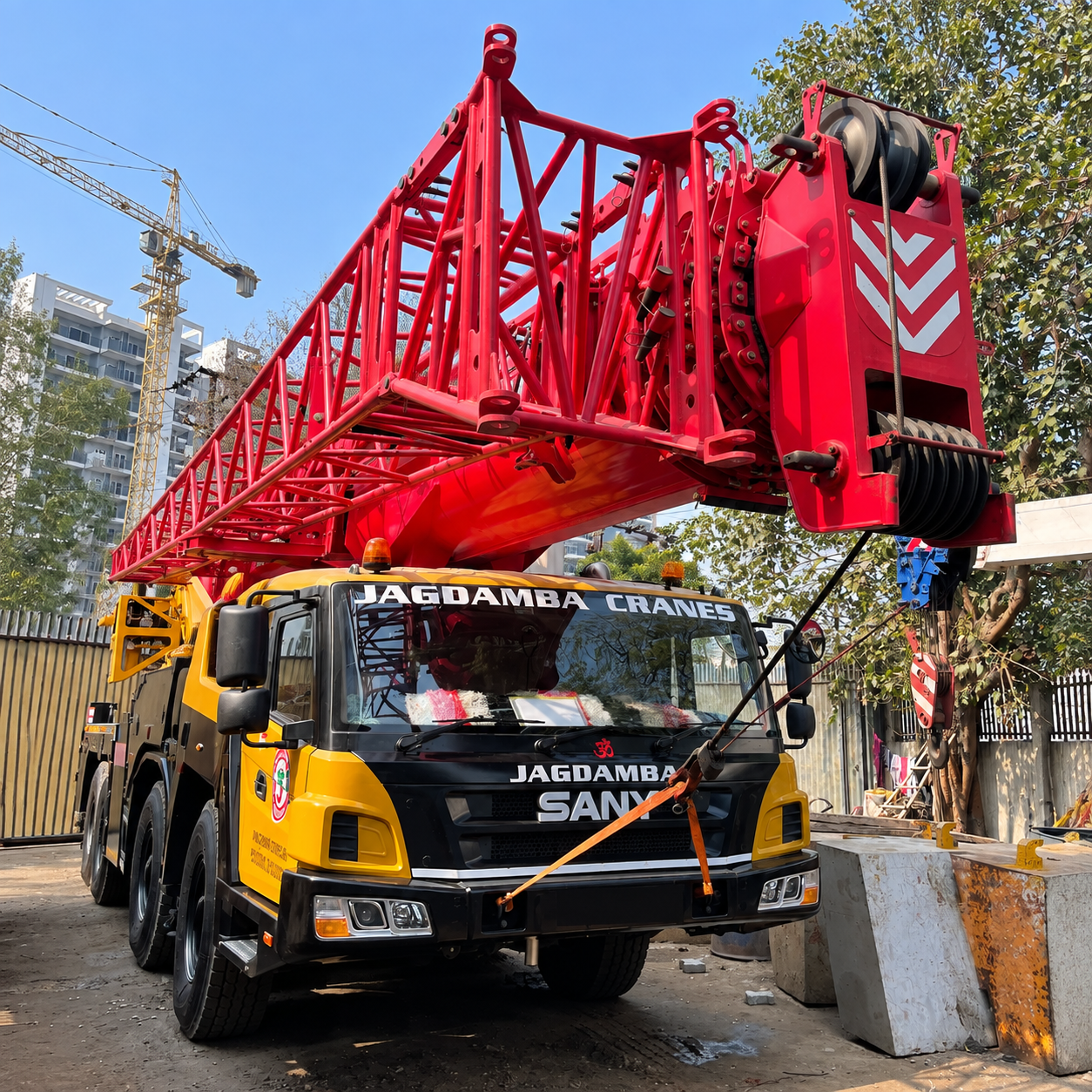
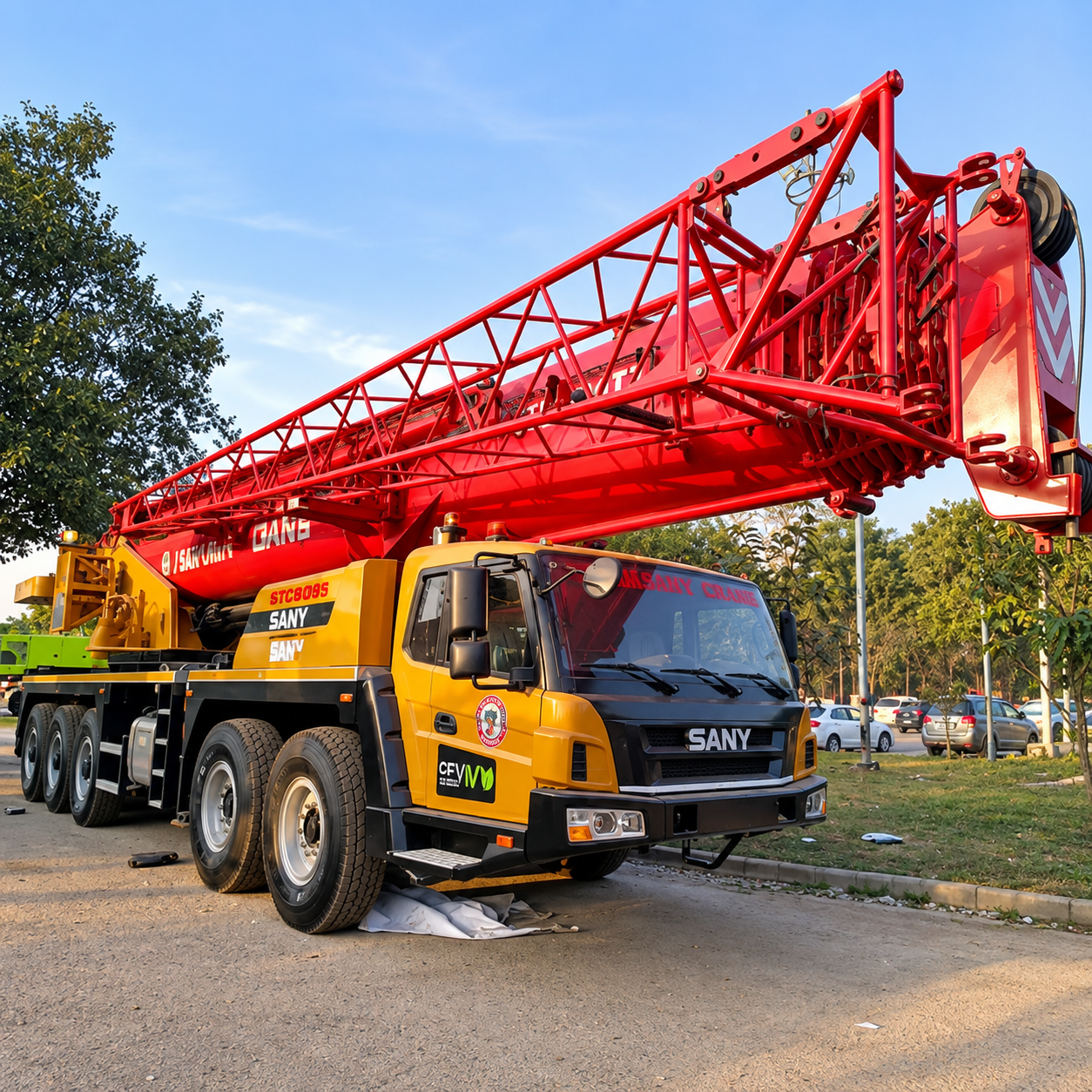
For example, Jagdamba lists a 110-ton SANY STC 1100S with a 59-meter main boom and a 17-meter fly-jib, while its Liebherr LTM 1300 has a 300-ton lifting capacity with a 60-meter main boom and 14-meter fly-jib.
Major Industries That Use Hydraulic Cranes
Construction and Building Development
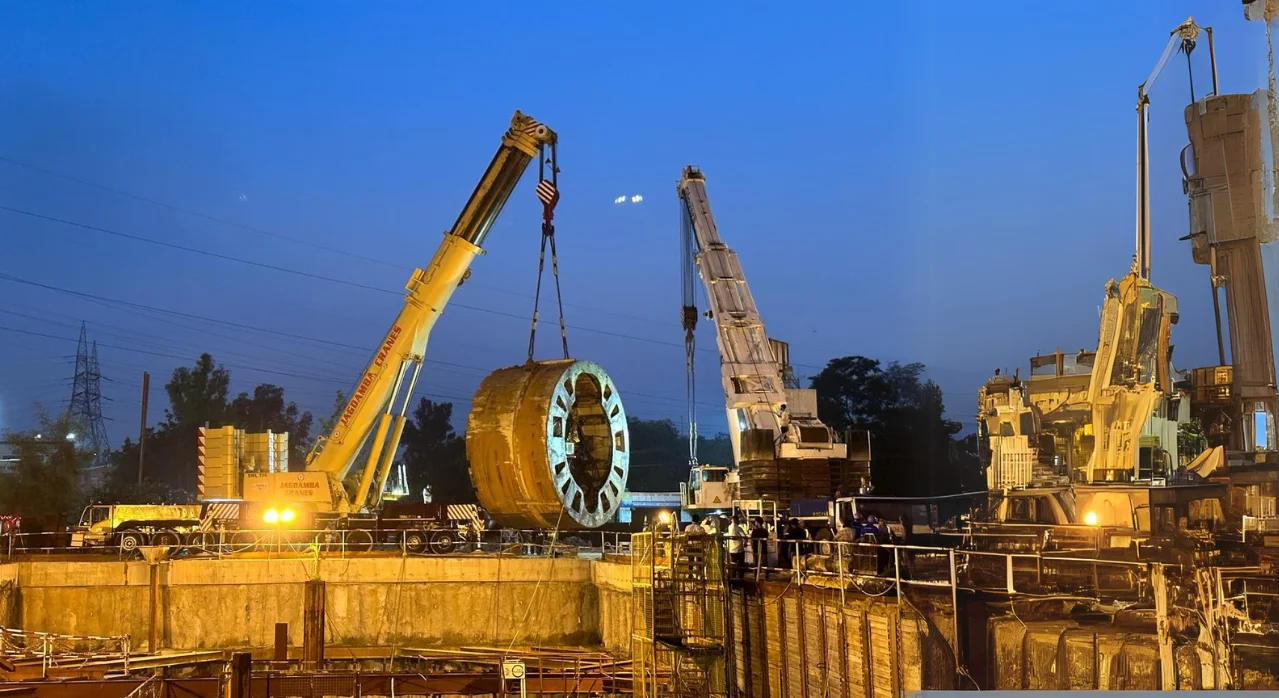
Hydraulic crane rental for construction is commonly used for lifting structural steel, concrete components, construction machinery, generators, building materials, and other heavy loads.
Manufacturing and Factory Operations
Factories often need to install or relocate heavy equipment such as transformers, generators, compressors, production machinery, and other industrial systems. A hydraulic crane on hire can provide the necessary lifting capacity and positioning control.
Power Generation Projects
Power plants contain large components that may require specialized lifting during installation, maintenance, replacement, and expansion projects. Hydraulic crane services can support these operations when the crane configuration is suitable for the required lift.
Oil, Gas and Refinery Facilities
Refineries and petrochemical plants often involve complex lifting operations involving vessels, structural components, machinery, and large equipment. High-capacity hydraulic crane rental services can support these heavy-lift requirements.
Steel and Metal Industries
Steel plants require cranes for equipment installation, structural erection, plant expansion, maintenance, and machinery movement. The required crane capacity depends on the weight and dimensions of the equipment being lifted.
Railway and Metro Infrastructure
Railway and metro construction involves lifting beams, structural components, equipment, and other heavy materials. Mobile hydraulic cranes can be useful where equipment needs to be positioned at different locations.
Renewable Energy Projects
Wind energy projects involve large components that require specialized lifting equipment. High-capacity hydraulic cranes can be used for suitable installation, maintenance, and assembly operations.
Key Advantages of Hiring a Hydraulic Crane
Lower Equipment Investment
Buying a high-capacity crane can require significant capital. Hydraulic crane rental gives businesses access to specialized lifting equipment without the need to purchase the machine.
Flexible Hiring Period
Businesses can arrange crane hire according to project requirements, whether the equipment is required for a short operation, several weeks, or a longer project.
Access to Specialized Machinery
Rental companies can provide access to cranes with different capacities and configurations. This is particularly useful when a company requires a specialized crane for only one project.
Experienced Crane Operators
Professional crane rental companies may provide trained operators who understand crane controls, load handling, site conditions, and lifting procedures.
Reduced Maintenance Responsibility
When equipment is rented, many maintenance and servicing responsibilities remain with the equipment provider, depending on the rental agreement.
Quick Project Deployment
Mobile hydraulic cranes can often be deployed efficiently for suitable projects, helping contractors manage lifting operations according to project schedules.
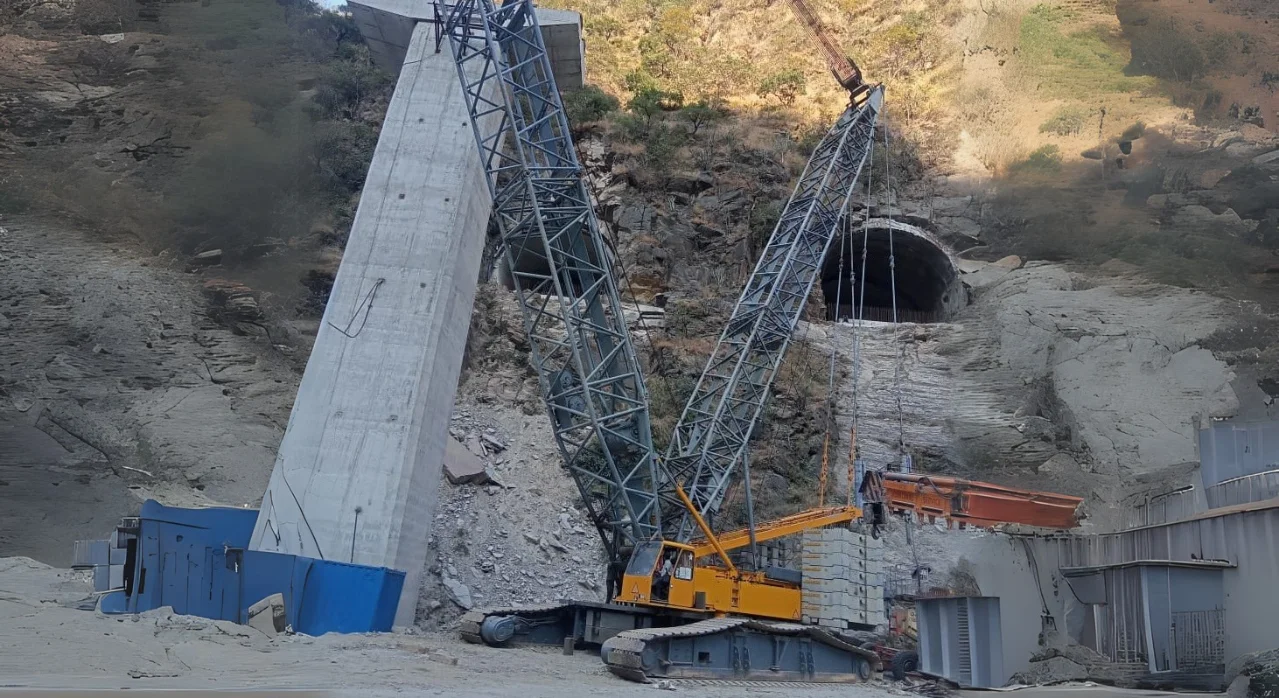
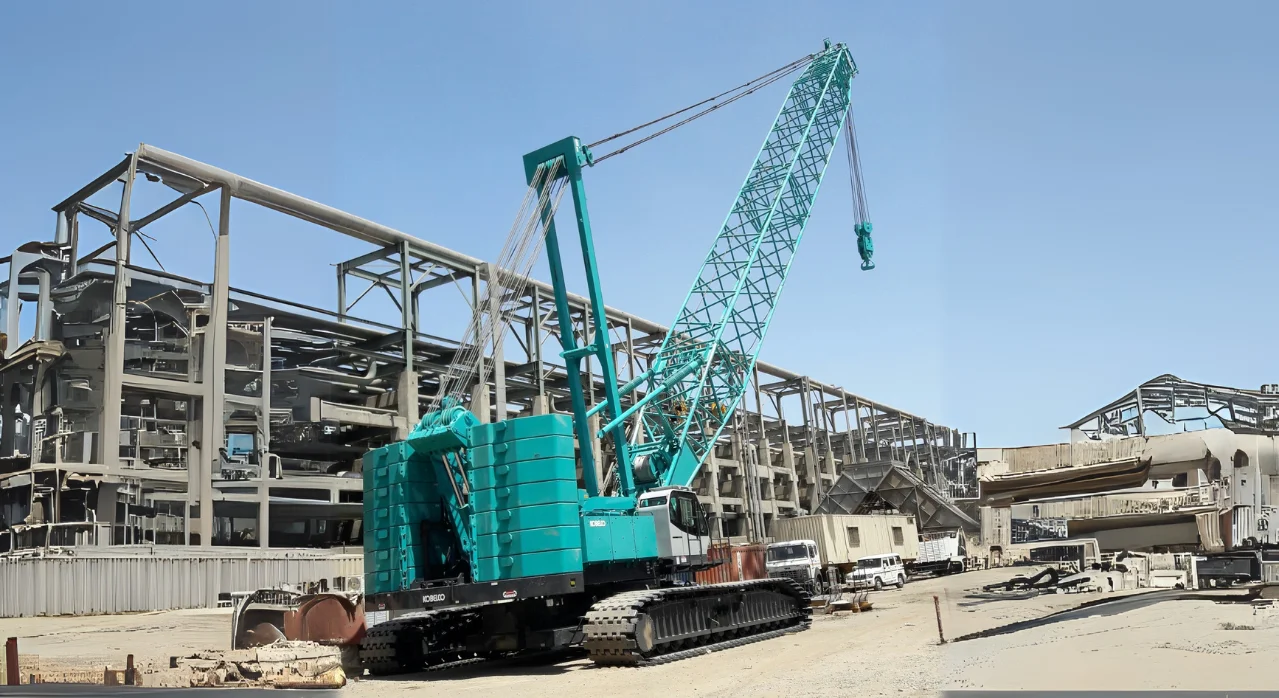
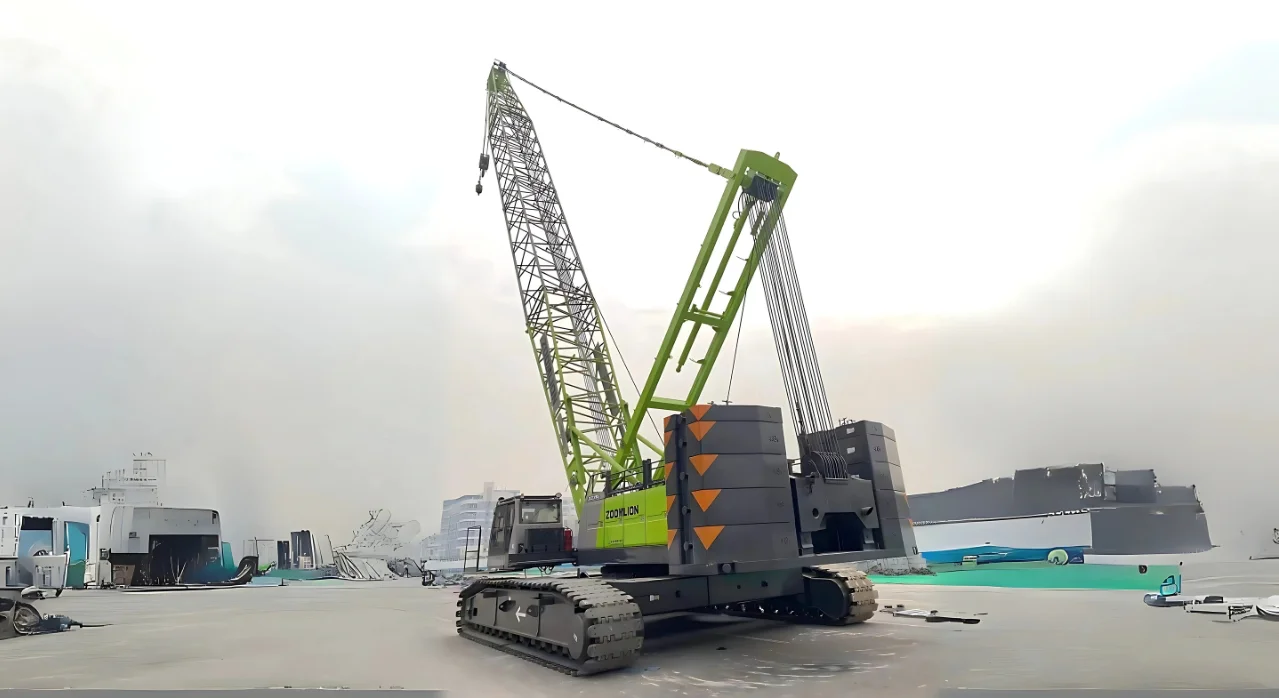
Hydraulic Crane vs Crawler Crane: Which Is Suitable?
Hydraulic and crawler cranes are both used for heavy lifting, but their configurations and applications differ.
| Parameter | Hydraulic Crane | Crawler Crane |
|---|---|---|
| Mobility | High mobility on suitable models | Moves using crawler tracks |
| Boom | Often telescopic | Commonly lattice or specialized configurations |
| Setup | Generally quicker for suitable applications | May require assembly and greater preparation |
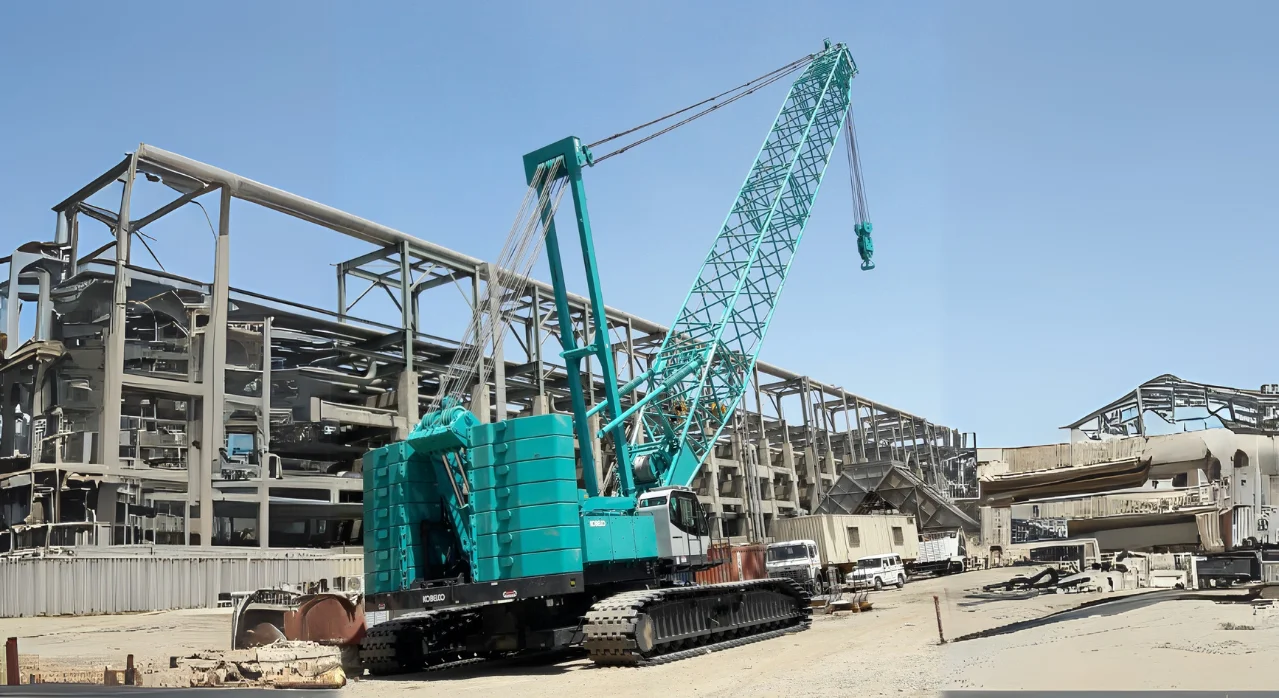
| Typical Use | Mobile construction and industrial lifting | Heavy lifting and challenging ground conditions |
The correct choice depends on load weight, working radius, lifting height, ground conditions, access requirements, and project duration.
Factors to Consider Before Hiring a Hydraulic Crane
- Load weight: Confirm the maximum weight that must be lifted.
- Working radius: Determine the distance between the crane and the load.
- Lifting height: Identify the required hook height.
- Boom length: Ensure the boom can reach the required position.
- Site access: Check roads, entry points, overhead restrictions, and available working space.
- Ground conditions: Verify that the working area can safely support the crane.
- Load chart: Check the manufacturer's load chart for the specific crane configuration.
- Rental duration: Select daily, monthly, or long-term hire according to project requirements.
Importance of Professional Crane Hire Services
A professional hydraulic crane rental service provides more than just equipment. An experienced provider can help identify suitable crane capacity and configuration according to the load, lifting radius, height, and site conditions.
Jagdamba Crane provides hydraulic, mobile, crawler, and heavy-lift crane rental services for construction, industrial, and infrastructure projects. Its crane fleet includes hydraulic telescopic equipment ranging from 35 tons to 700 tons.
Safety Measures for Hydraulic Crane Operations
Safety is one of the most important aspects of any heavy lifting operation. Before starting a lift, the load weight, dimensions, lifting radius, boom configuration, and ground conditions should be properly assessed.
The work area should be checked for overhead power lines, obstacles, unstable ground, and unauthorized personnel. Appropriate exclusion zones should be established, and only trained and authorized operators should operate the crane.
Most importantly, the crane should be operated within the limits specified by the manufacturer's load chart. The maximum rated capacity does not apply equally to every boom length and working radius.
When Should You Rent a Hydraulic Crane?
A hydraulic crane on rent can be a suitable option when a project requires heavy lifting but purchasing a crane is not economically practical. Rental can be especially useful for:
- Short-term construction projects
- Factory machinery installation
- Industrial plant maintenance
- Equipment shifting
- Infrastructure development
- Power plant projects
- Refinery maintenance
- Steel plant operations
- Metro and railway projects
- Heavy equipment erection
Frequently Asked Questions
1. What is hydraulic crane rental?
Hydraulic crane rental means hiring a hydraulic crane for a specific project or period instead of purchasing it.
2. What are hydraulic cranes used for?
They are used for construction, industrial lifting, machinery installation, infrastructure, refinery, power plant, and heavy-lifting projects.
3. What hydraulic crane capacities are available?
Hydraulic cranes can range from smaller capacities to 700 tons and beyond, depending on the equipment and application.
4. Can I hire a hydraulic crane for one day?
Yes, short-term hydraulic crane hire can be arranged depending on equipment availability and project requirements.
5. How do I select the right hydraulic crane?
Consider the load weight, lifting height, working radius, boom length, ground conditions, and site access.
6. Are crane operators available with rental services?
Professional hydraulic crane rental services may include trained operators depending on the rental agreement.
7. What is the difference between hydraulic and crawler cranes?
Hydraulic cranes generally offer greater mobility, while crawler cranes are designed for heavy lifting and movement on crawler tracks.
Conclusion
Hydraulic crane rental provides businesses with access to powerful lifting equipment without the large investment associated with crane ownership. From construction sites and manufacturing facilities to refineries, power plants, steel plants, metro projects, and renewable energy installations, hydraulic cranes can handle a wide range of lifting requirements.
With capacities ranging from smaller machines to 700-ton hydraulic cranes, businesses can select equipment according to their load, working radius, lifting height, and site conditions. Choosing the correct crane configuration and following proper lifting procedures are essential for safe and efficient operations.
For companies looking for a hydraulic crane on rent, working with an experienced crane rental provider can make it easier to arrange the right equipment, operator, and rental period according to the project's requirements.