Introduction
Industrial crane rental is an important solution for businesses that require reliable lifting equipment for heavy-duty operations without the expense of purchasing and maintaining a crane. Industrial facilities regularly handle heavy machinery, structural components, equipment, steel materials, storage units, and other large loads that cannot be moved safely using ordinary material-handling equipment. Renting the right crane allows businesses to complete these lifting tasks with suitable equipment, trained operators, and professional support.
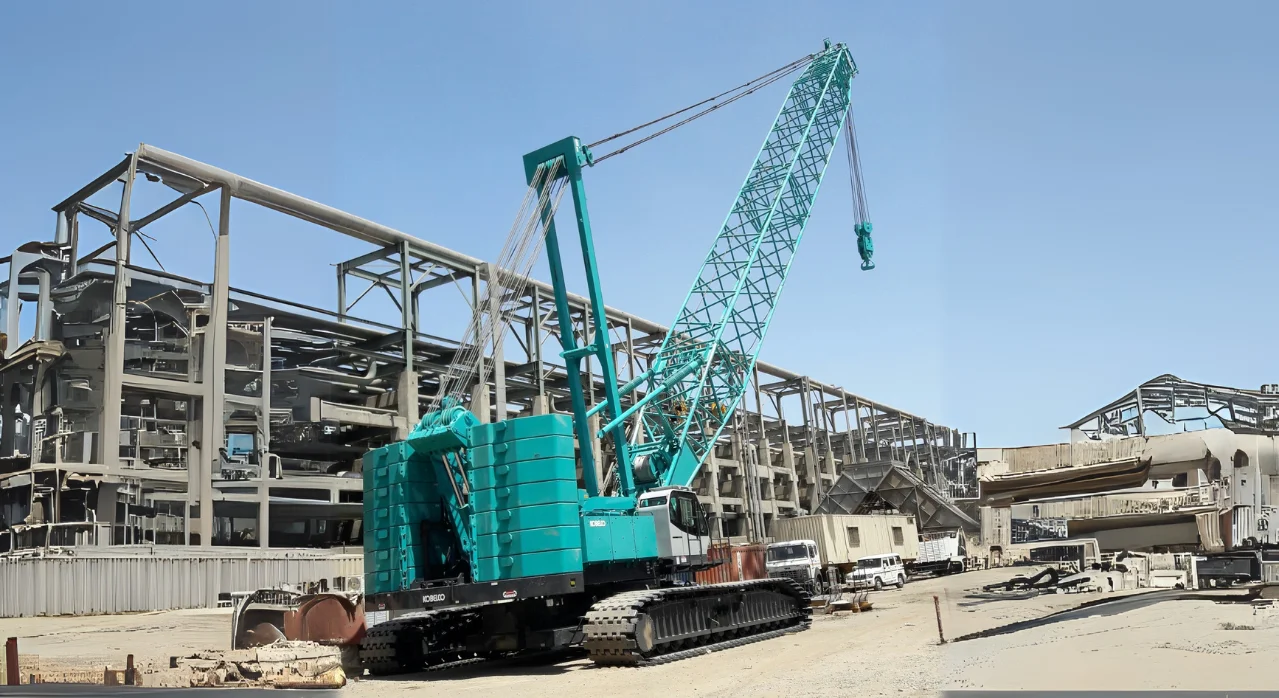
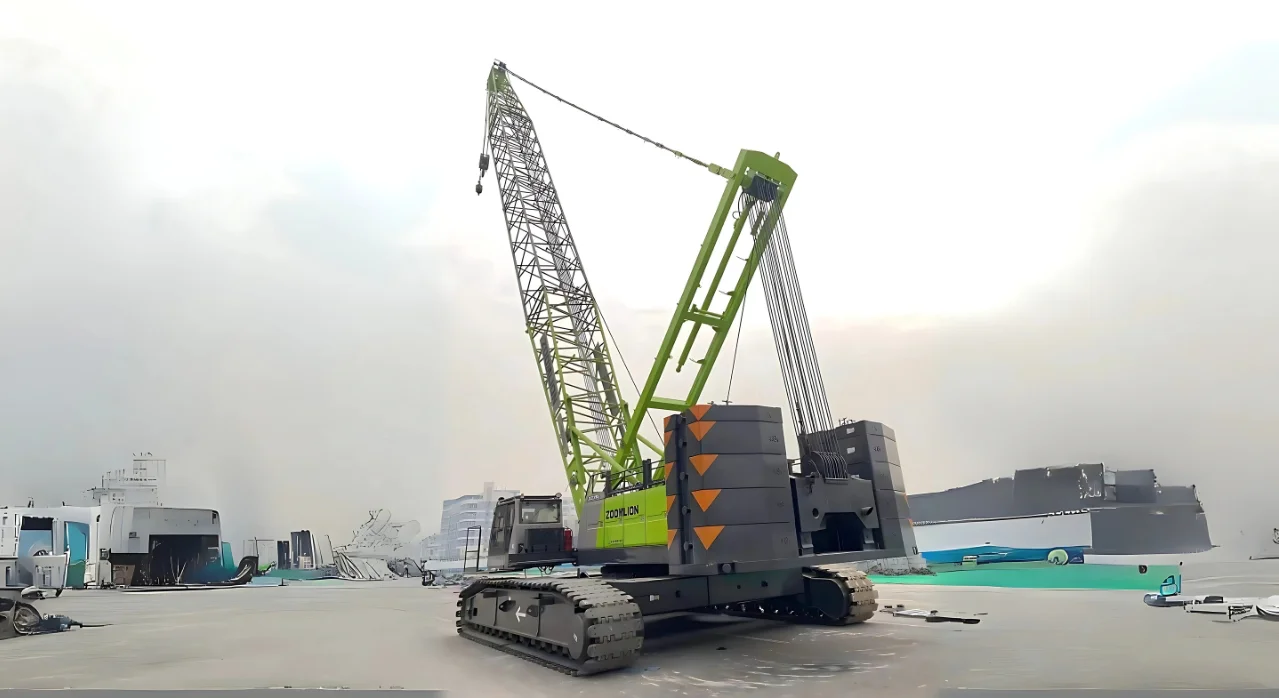
Industrial crane rental services are commonly used for manufacturing facilities, warehouses, factories, power plants, production units, infrastructure facilities, and other industrial environments. Depending on the lifting requirement, the rental provider can supply equipment with the appropriate lifting capacity, reach, configuration, and operational capabilities. This makes crane rental a practical option for both short-term lifting requirements and long-term industrial projects.
Choosing the right industrial crane is important because every lifting operation has different requirements. The weight of the load, lifting height, working area, ground conditions, available space, and duration of the project all influence the type of crane required. Proper planning and professional equipment selection can improve productivity while helping maintain a safe working environment.
What Is Industrial Crane Rental?
Industrial crane rental is the process of hiring lifting equipment for a specific industrial operation or project. Instead of purchasing a crane, a business can rent suitable equipment for the required period. The rental arrangement may include the crane, transportation, setup support, operator services, maintenance assistance, and other requirements depending on the service agreement.
Industrial crane rental is particularly useful when a company needs lifting equipment for a limited period or when purchasing a dedicated crane is not financially practical. It also provides access to different crane capacities without requiring the business to maintain a large fleet of lifting equipment.
Professional rental providers generally assess the lifting requirements before recommending suitable equipment. This assessment helps ensure that the crane has sufficient capacity and is appropriate for the working environment.
Why Choose Industrial Crane Rental?
Purchasing an industrial crane involves a significant investment. Apart from the initial purchase cost, businesses also need to consider maintenance, inspections, storage, repairs, transportation, insurance, and operator requirements. Industrial crane rental can reduce many of these responsibilities by allowing businesses to use suitable equipment only when it is required.
Rental services also provide flexibility. A company may need a crane for a few days, several weeks, or an extended industrial project. Renting allows the equipment to be selected according to the specific duration and lifting requirement.
Reduced Equipment Investment
Buying heavy lifting equipment requires considerable capital. Industrial crane rental allows companies to access suitable lifting equipment without making a large upfront investment. This can be useful for businesses that need cranes occasionally or have project-based lifting requirements.
Access to Suitable Lifting Capacity
Different industrial operations require different lifting capacities. A rental provider can supply equipment based on the weight and dimensions of the load. This allows businesses to select equipment that matches the requirements of a particular lifting operation.
Flexible Rental Duration
Industrial crane rental can be arranged for different project durations. Businesses can rent equipment for short-term maintenance work, scheduled installations, machinery movement, plant modifications, or longer industrial projects.
Maintenance Support
Maintaining heavy lifting equipment requires regular inspection and servicing. Depending on the rental agreement, maintenance and technical support may be handled by the rental provider, reducing the operational responsibility for the customer.
Common Industrial Applications of Crane Rental
Industrial cranes are used in many environments where heavy materials and equipment need to be lifted, positioned, installed, or relocated. The exact application depends on the facility and the type of work being performed.
Machinery Installation
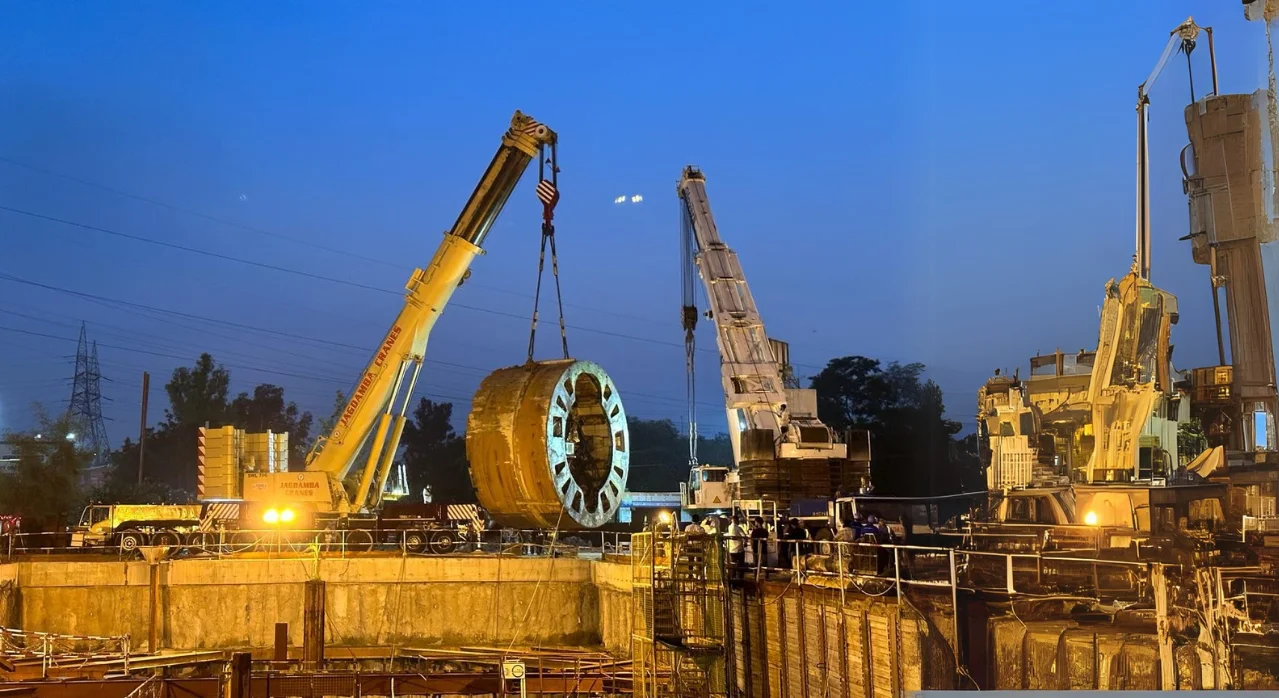
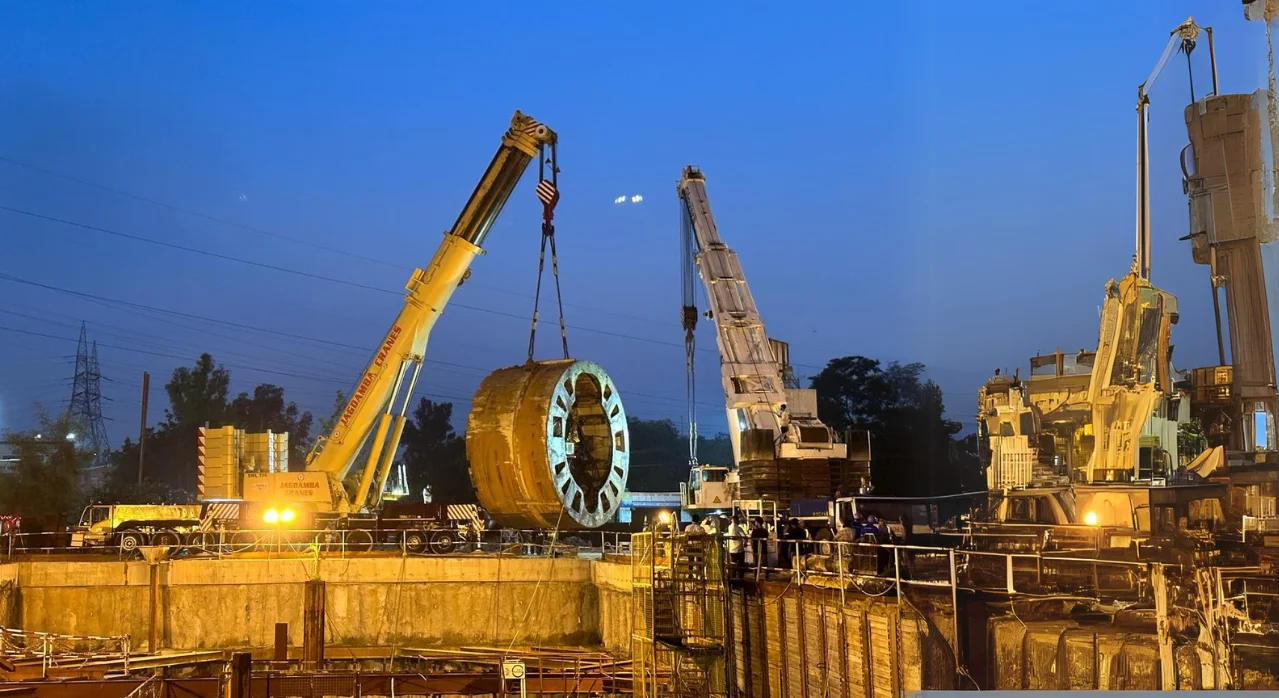
Industrial facilities frequently need to install large machines and production equipment. Some machines are too heavy or difficult to move using conventional handling methods. Crane rental provides the lifting capacity required to position such equipment accurately.
Factory Maintenance
Maintenance activities may require the removal or replacement of heavy components. A suitable industrial crane can help lift equipment and components during scheduled maintenance operations while reducing manual handling requirements.
Equipment Relocation
Industrial facilities sometimes need to relocate machinery from one section of a facility to another. Crane rental can support the controlled lifting and positioning of heavy equipment during relocation activities.
Industrial Construction
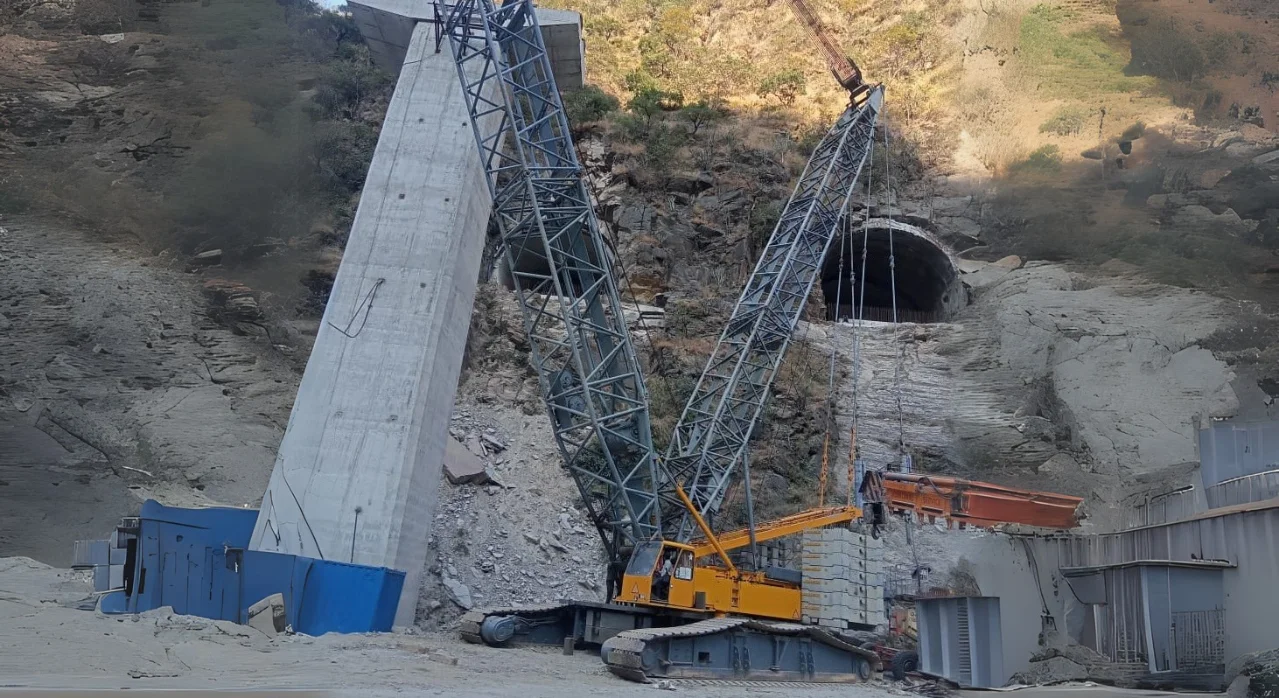
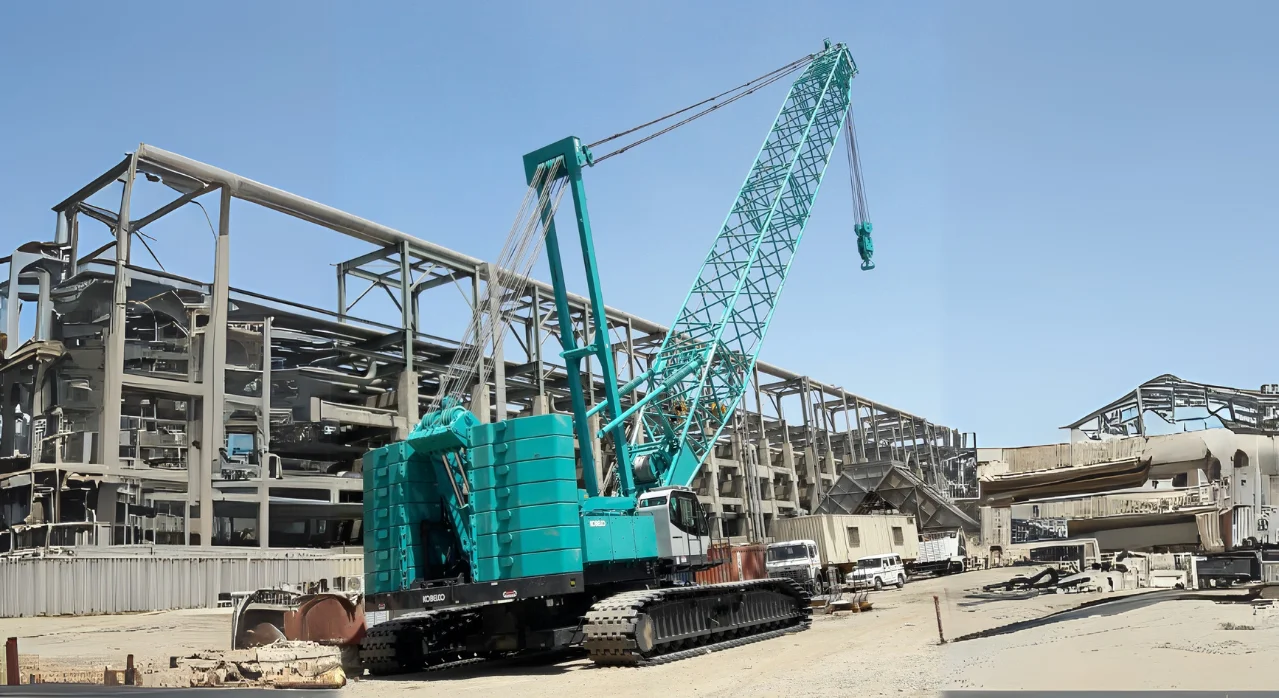
Industrial construction projects involve the movement and installation of heavy structural and mechanical components. Cranes provide the lifting capability required to handle these materials efficiently during different stages of construction.
Plant Expansion
When an industrial facility is expanded, new equipment, structural components, and machinery may need to be installed. Renting a crane provides temporary lifting capacity without requiring the company to purchase additional equipment for a specific expansion project.
Types of Industrial Cranes Available for Rental
The appropriate crane depends on the characteristics of the lifting operation. Industrial crane rental providers may offer different types of equipment to handle varying load capacities, working conditions, and lifting requirements.
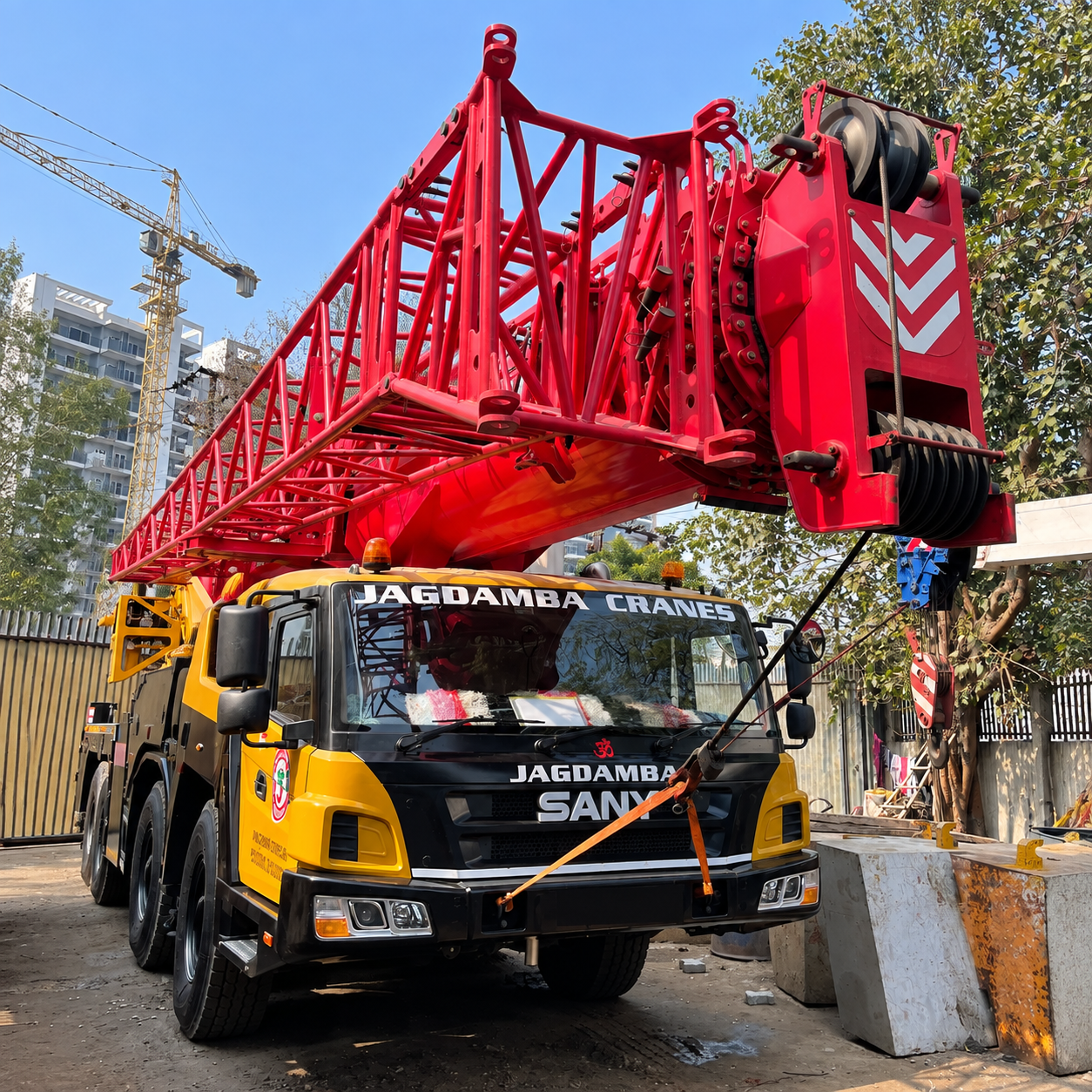
Mobile Cranes
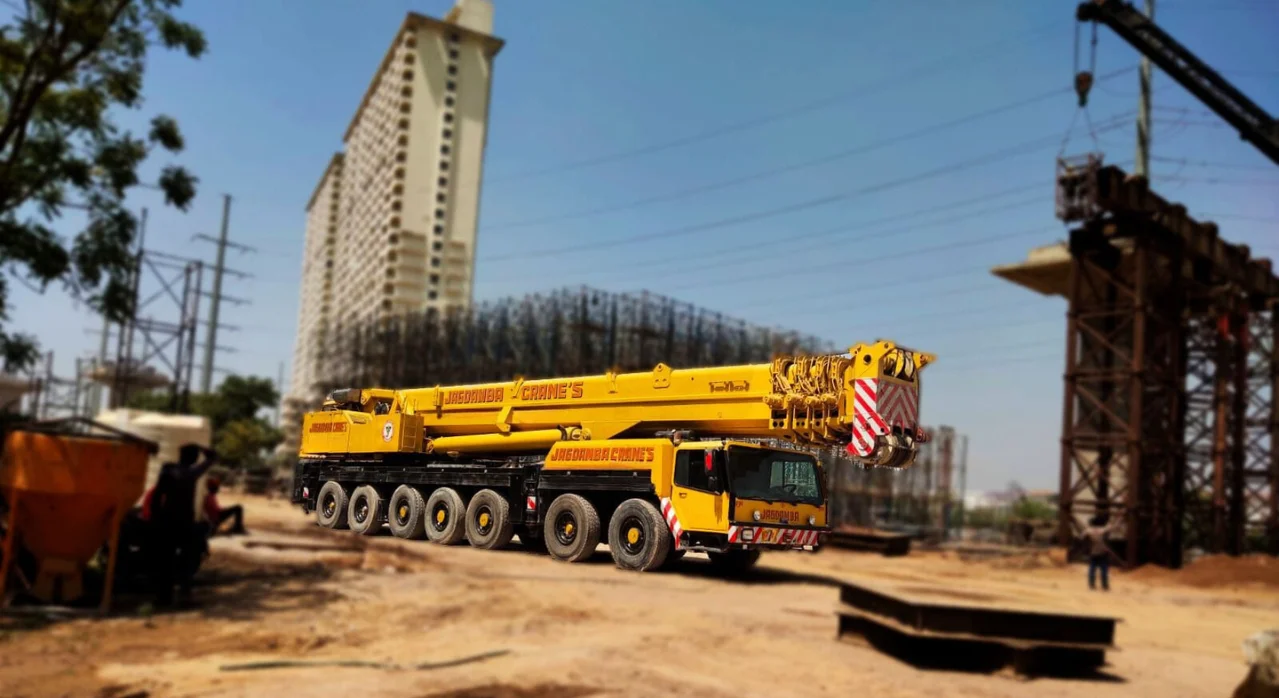
Mobile cranes provide flexibility because they can be transported and positioned at different locations. They are suitable for industrial lifting operations where equipment needs to be moved between different work areas.
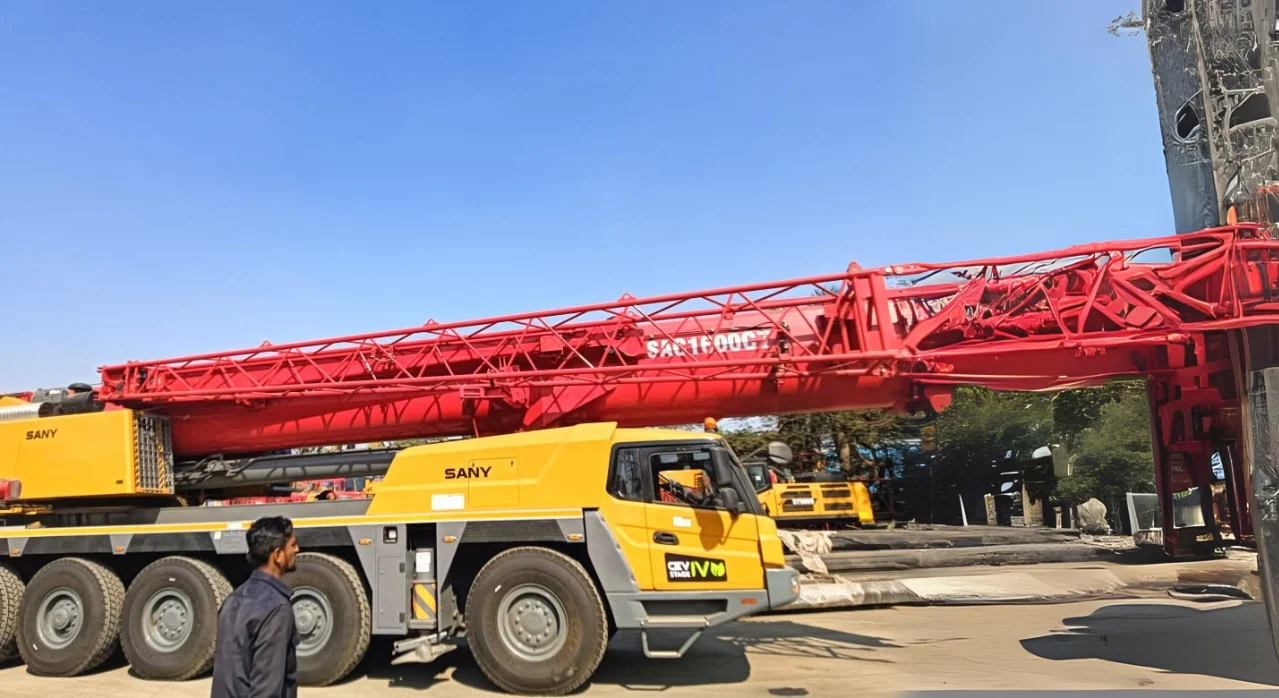
Hydraulic Cranes
Hydraulic cranes use hydraulic systems to provide lifting power and controlled movement. They are commonly used for heavy lifting applications where precise and dependable lifting performance is required.
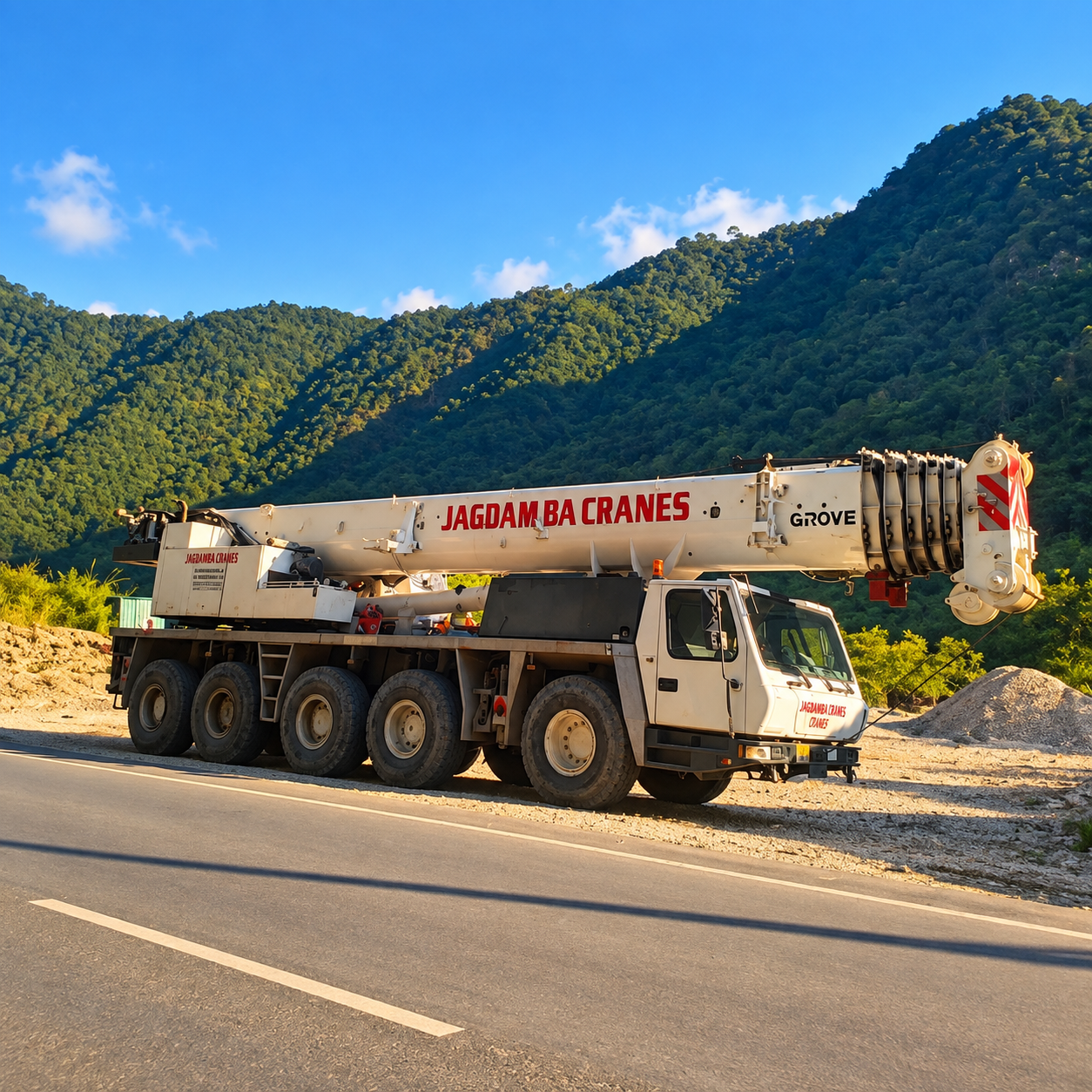
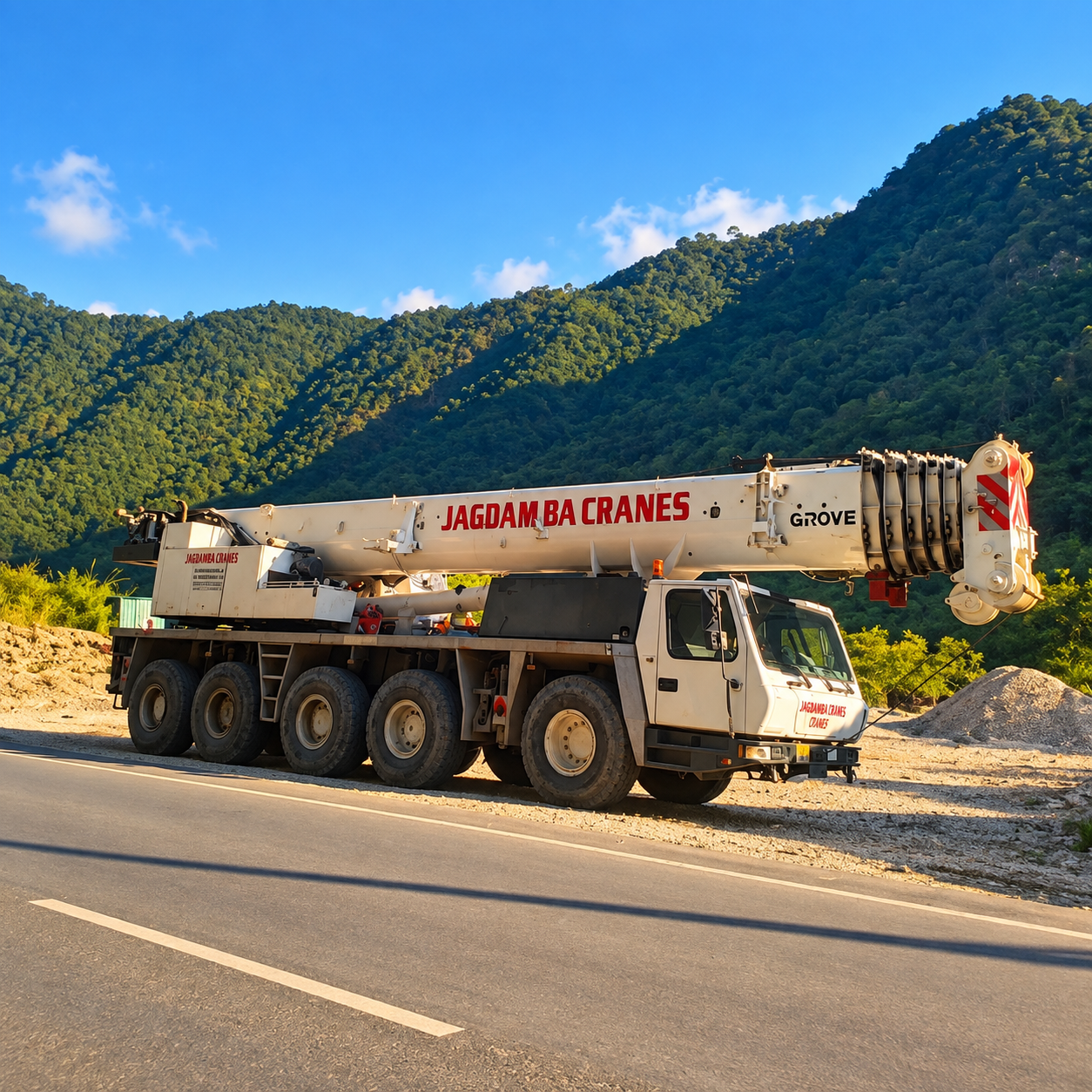
All-Terrain Cranes
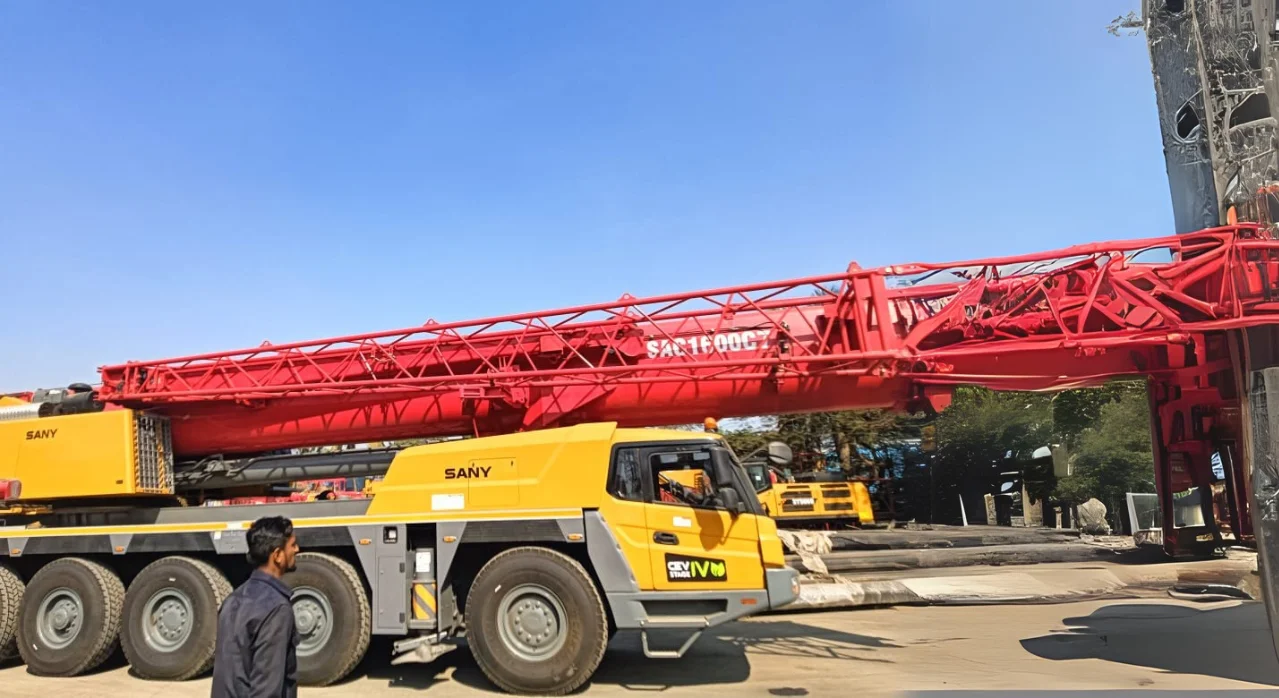
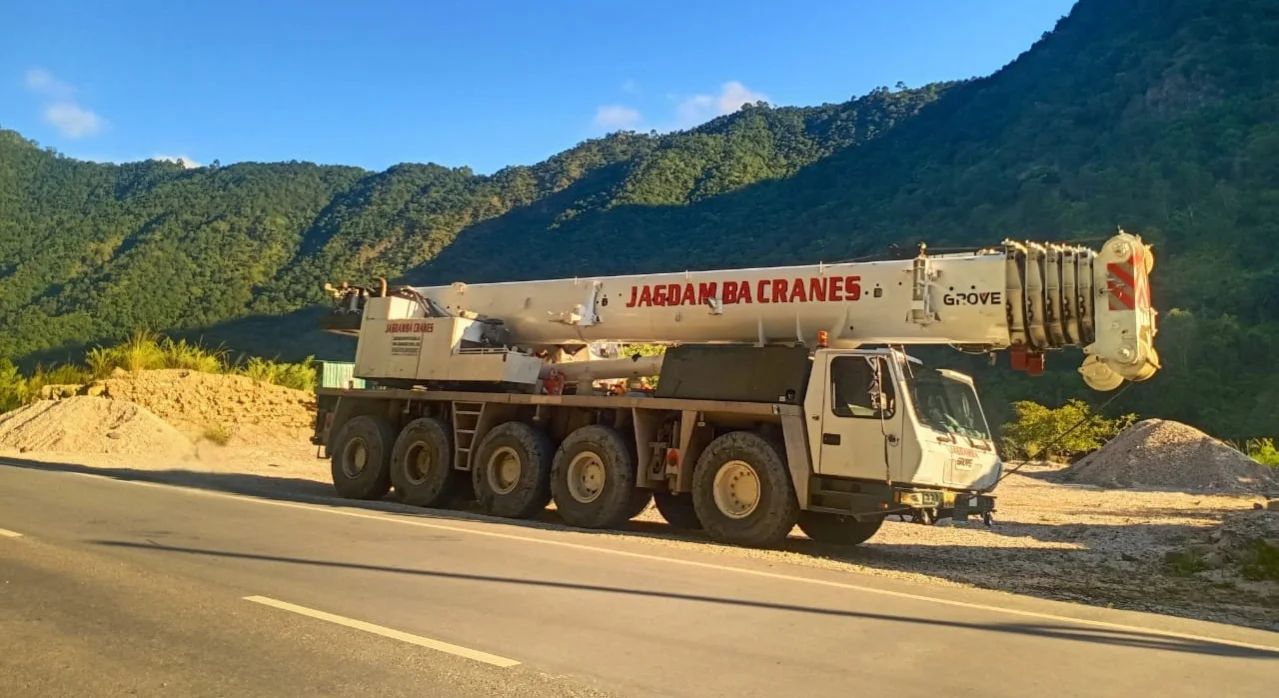
All-terrain cranes are designed to operate across different types of working environments. Their mobility and lifting capabilities make them useful for industrial projects where access conditions may vary.
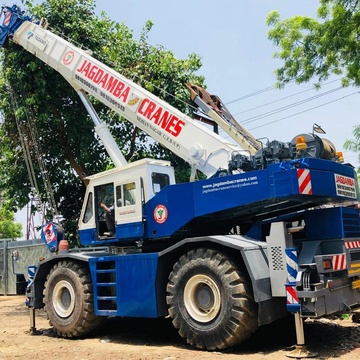
Rough-Terrain Cranes
Rough-terrain cranes are designed for working conditions where ground surfaces may be uneven or challenging. They can be useful for industrial projects involving difficult access areas and temporary work locations.
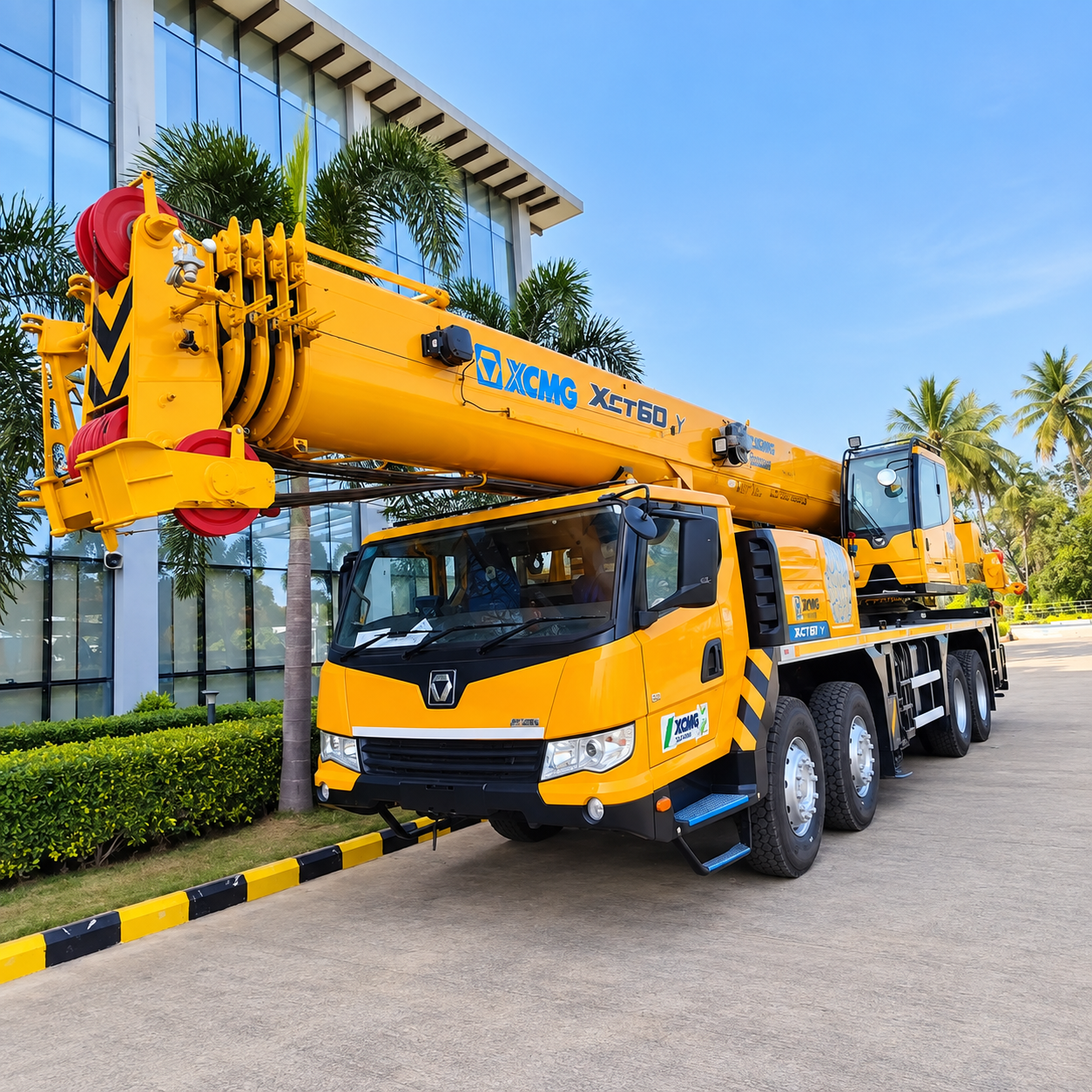
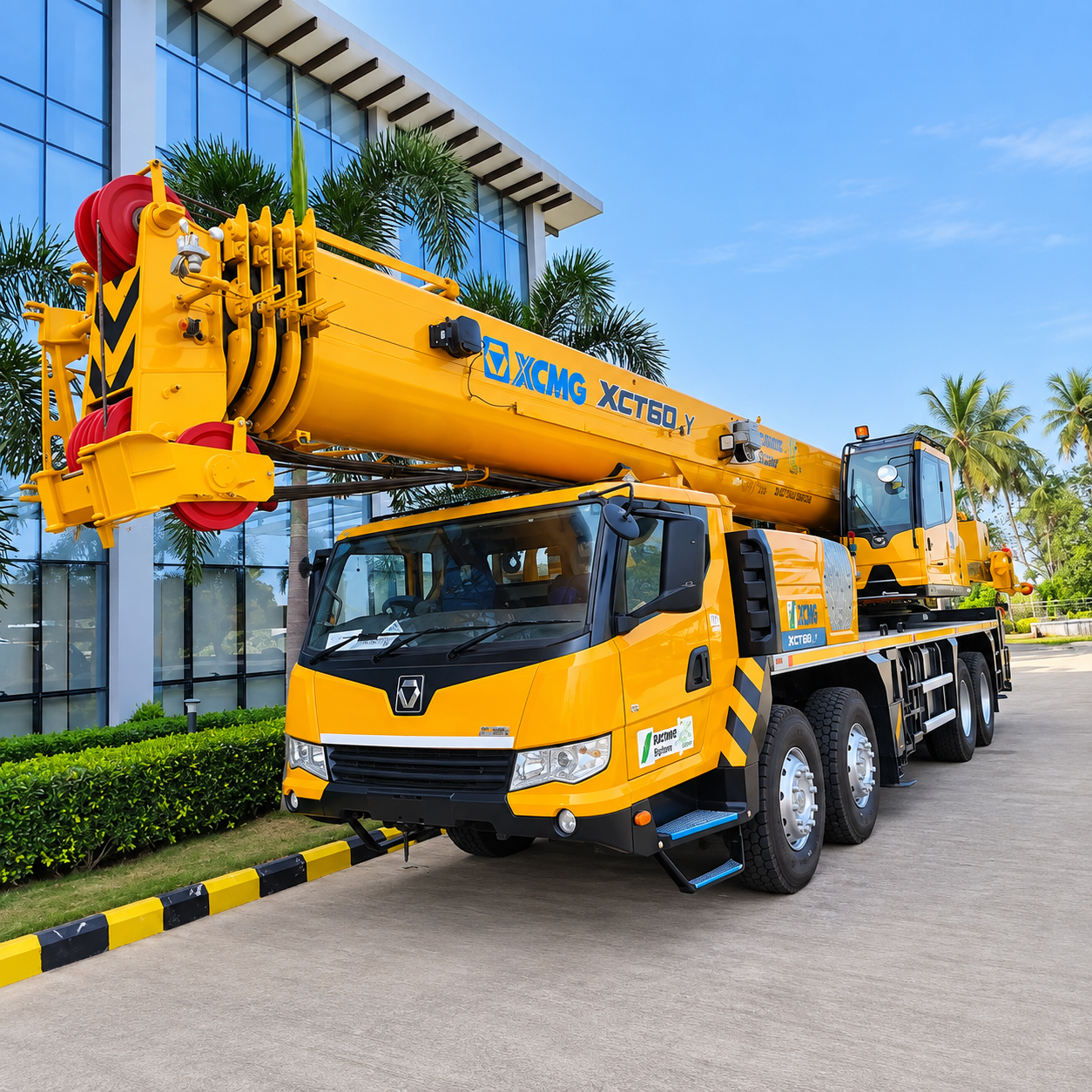
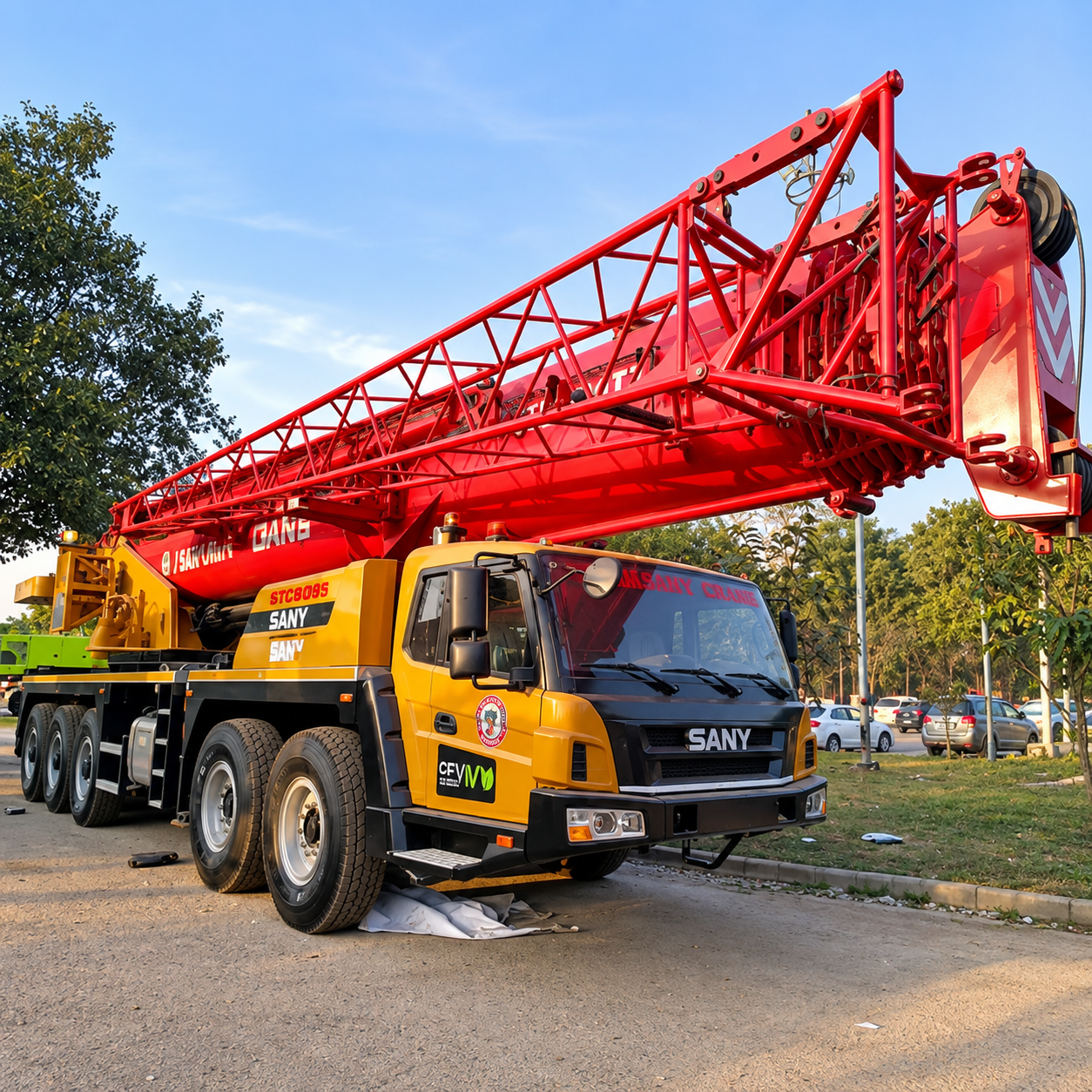
Truck-Mounted Cranes
Truck-mounted cranes combine lifting equipment with a truck-based carrier. They provide convenient transportation and can be suitable for industrial operations that require equipment to be moved between locations.
Factors to Consider Before Renting an Industrial Crane
Selecting an industrial crane should be based on the actual requirements of the lifting operation. Choosing equipment only according to its maximum lifting capacity may not be sufficient. Several technical and operational factors should be evaluated before the rental is finalized.
Load Weight
The first consideration is the total weight of the load. The selected crane must have adequate capacity for the planned lifting operation. The load weight should include the equipment or material being lifted as well as any relevant lifting accessories.
Lifting Height
The required lifting height affects crane selection. A crane must be capable of reaching the required height while maintaining appropriate lifting capacity and stability.
Working Radius
The distance between the crane and the load is another important consideration. Crane capacity can vary depending on the working radius, so the required lifting radius should be determined before selecting equipment.
Site Conditions
Ground conditions, access routes, available space, overhead restrictions, and surrounding structures can influence the suitability of a particular crane. The site should be evaluated before equipment is brought to the work area.
Rental Duration
The required rental period should be clearly established. Short-term and long-term rental requirements may have different commercial arrangements, so businesses should discuss the expected project duration with the rental provider.
Operator Requirements
Industrial crane operations require trained and competent personnel. Businesses should determine whether the rental agreement includes an experienced crane operator or whether the customer will provide qualified personnel.
Benefits of Professional Industrial Crane Rental Services
Professional industrial crane rental services can provide more than just access to lifting equipment. Experienced rental providers can assist with equipment selection, transportation, setup, operational planning, and technical support.
One major benefit is equipment availability. Businesses can obtain lifting equipment according to the requirements of their project rather than maintaining a dedicated crane fleet. This can be particularly useful for companies whose lifting requirements change from one project to another.
Professional support can also simplify project planning. The rental provider can review the load requirements, lifting location, access conditions, and expected duration before recommending suitable equipment. Proper planning helps reduce unnecessary delays during the lifting operation.
Another benefit is operational flexibility. If project requirements change, businesses may be able to arrange different equipment or extend the rental period according to availability and contractual terms.
Industrial Crane Rental Process
The rental process generally begins with an assessment of the lifting requirement. The customer provides information about the load, lifting height, working radius, site conditions, project duration, and expected schedule.
Based on this information, the rental provider identifies suitable crane options. The equipment is then selected according to its lifting capacity and operational suitability.
After equipment selection, transportation and site preparation are planned. The crane is positioned at the required location, and necessary operational checks are completed before lifting begins.
During the operation, the crane should be operated according to established safety procedures and manufacturer requirements. Once the lifting work is completed, the equipment can be removed from the site or the rental period can be extended if additional work is required.
Safety Considerations for Industrial Crane Rental
Safety is an essential part of every industrial lifting operation. Heavy loads can create significant risks if equipment is incorrectly selected, improperly positioned, or operated without appropriate procedures.
Before lifting begins, the crane should be inspected and positioned on suitable ground. The lifting area should be kept clear of unnecessary personnel and obstacles. Loads should be properly secured using appropriate lifting equipment and accessories.
Operators and supporting personnel should understand the lifting plan and communication procedures. Weather conditions, visibility, overhead obstacles, and surrounding industrial activities should also be considered where relevant.
Businesses should follow applicable workplace safety regulations and manufacturer instructions throughout the operation. Regular equipment inspections and proper maintenance are also important for safe crane performance.
How to Select an Industrial Crane Rental Company
Choosing a reliable rental provider is an important part of planning an industrial lifting project. Businesses should evaluate the provider's equipment availability, technical knowledge, maintenance practices, operator qualifications, and ability to support the required project schedule.
The rental company should be able to provide clear information about crane specifications, lifting capacity, rental terms, transportation, operator availability, and additional charges. Transparent communication helps avoid unexpected problems during the project.
Businesses should also verify that the equipment is properly maintained and inspected. Suitable documentation and equipment records can provide additional confidence before the crane is deployed at an industrial site.
Cost of Industrial Crane Rental
The cost of industrial crane rental depends on several factors. Crane capacity, rental duration, equipment type, transportation requirements, operating location, operator services, and project complexity can all influence the overall rental price.
A short-term rental may have a different pricing structure from a long-term contract. Additional services such as transportation, setup, operator support, and special lifting requirements may also affect the final cost.
Businesses should request a detailed quotation that clearly explains the rental period, equipment specifications, included services, transportation charges, operator charges, and any applicable additional costs. Comparing quotations based on the complete scope of service can help companies understand the actual rental value.
Advantages of Renting Instead of Purchasing an Industrial Crane
For businesses with occasional or project-based lifting requirements, renting can provide greater flexibility than purchasing equipment. Purchasing a crane means taking responsibility for long-term maintenance, storage, inspections, repairs, and depreciation.
With industrial crane rental, businesses can select equipment according to the requirements of each project. This can be especially useful when different projects require different lifting capacities.
Rental also allows companies to avoid keeping expensive lifting equipment idle when it is not required. Instead, the company can access the necessary equipment when a specific lifting task arises.
Planning an Efficient Industrial Crane Rental
Good planning can make the rental process more efficient. Businesses should identify the load weight, dimensions, lifting height, working radius, access requirements, and expected rental period before contacting the rental provider.
It is also useful to provide accurate information about the worksite. Photographs, site layouts, access details, and information about surrounding structures can help the rental provider understand the operating environment.
Scheduling should also be planned carefully. Crane availability, transportation, site preparation, and operator scheduling can affect the project timeline. Early coordination can help reduce unnecessary waiting periods and improve the efficiency of the lifting operation.
Industrial Crane Rental for Short-Term and Long-Term Projects
Industrial crane rental can support both short-term and long-term requirements. Short-term rentals may be suitable for individual lifting activities, equipment installation, maintenance operations, or temporary industrial work.
Long-term rentals can be useful for major industrial projects where lifting equipment is required continuously or at regular intervals. The rental arrangement can be structured according to the expected project duration and equipment requirements.
The flexibility of rental arrangements allows businesses to adjust their lifting resources according to project requirements without permanently investing in additional equipment.
Frequently Asked Questions About Industrial Crane Rental
1. What is industrial crane rental?
Industrial crane rental is a service through which businesses hire suitable lifting equipment for industrial operations. The rental period can vary depending on the project, and services may include equipment transportation, operator support, setup, and maintenance assistance.
2. How do I choose the right industrial crane?
The right crane should be selected according to the load weight, lifting height, working radius, site conditions, access requirements, and project duration. A professional rental provider can assess these requirements and recommend suitable equipment.
3. Can I rent an industrial crane for a short period?
Yes. Industrial cranes can be rented for short-term lifting requirements, depending on equipment availability and the rental company's terms. Short-term rental can be suitable for specific maintenance, installation, or equipment-handling tasks.
4. Does industrial crane rental include an operator?
This depends on the rental agreement. Some industrial crane rental services provide trained operators along with the equipment, while other arrangements may allow the customer to provide qualified personnel.
5. What information is required to rent an industrial crane?
Important information usually includes the load weight and dimensions, required lifting height, working radius, site conditions, access information, rental duration, and expected operating schedule.
6. How much does industrial crane rental cost?
The rental cost depends on factors such as crane type, lifting capacity, rental duration, transportation, operator services, site requirements, and project complexity. A detailed quotation from the rental provider can provide the most accurate cost estimate.
7. Is industrial crane rental suitable for long-term projects?
Yes. Industrial crane rental can be arranged for extended projects when lifting equipment is required for several weeks or months. The rental terms can be discussed according to the expected duration and equipment requirements.
Conclusion
Industrial crane rental provides businesses with flexible access to reliable lifting equipment for a wide range of industrial operations. From machinery installation and equipment relocation to maintenance activities and industrial construction, the right crane can help handle heavy loads efficiently and safely.
Before renting a crane, businesses should carefully evaluate the load weight, lifting height, working radius, site conditions, rental duration, and operator requirements. Selecting equipment according to the actual lifting requirements can improve operational efficiency and help maintain a safer work environment.
Working with a professional industrial crane rental provider can further simplify the process by providing suitable equipment, technical assistance, transportation, and operational support. With proper planning, equipment selection, and safety procedures, industrial crane rental can be a practical solution for businesses that require dependable lifting capacity without the long-term responsibilities of crane ownership.