Introduction
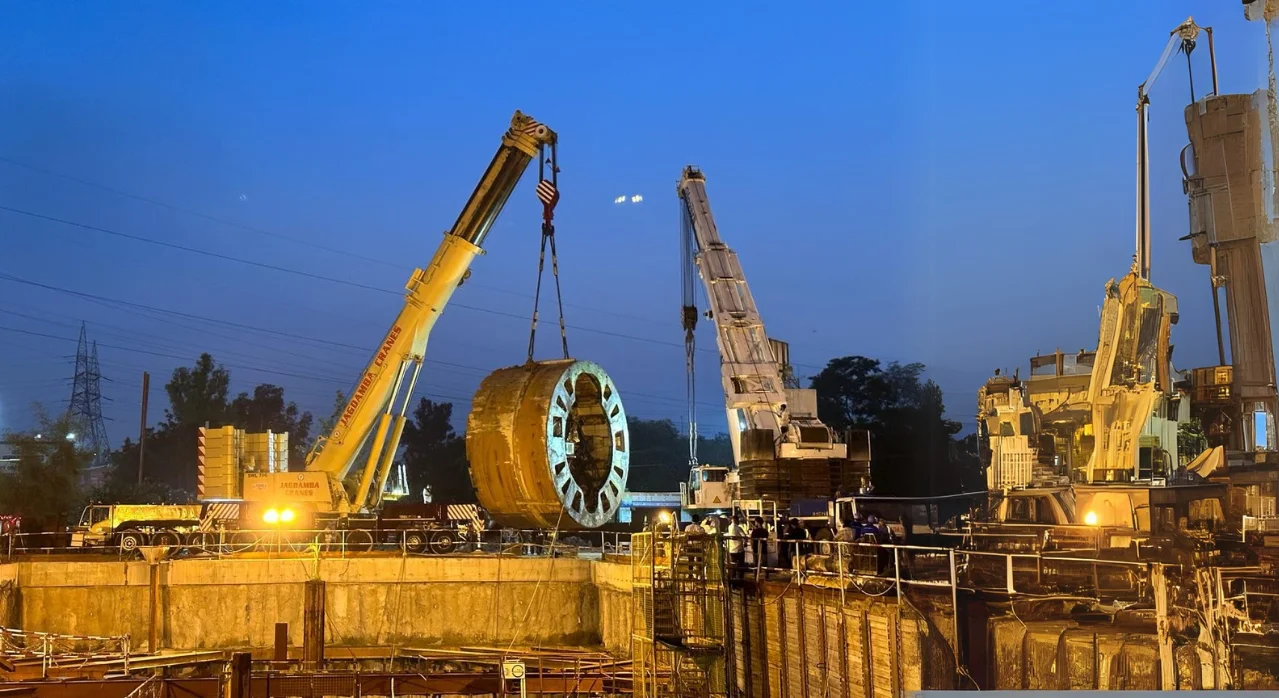
Heavy industrial crane services play an important role in construction, manufacturing, infrastructure, power plants, steel plants, warehouses, and other projects that require the safe movement of oversized and heavy materials. Cranes are designed to lift, position, load, unload, and transport heavy equipment that cannot be handled efficiently using conventional material-handling methods.
Large industrial projects often involve machinery, structural components, generators, transformers, steel sections, pipelines, and other heavy loads. Choosing the right crane, equipment capacity, lifting method, and experienced operating team is essential for maintaining an efficient and organized lifting operation.
Planning Heavy Lifting Operations
Successful heavy lifting begins with proper planning rather than simply selecting a crane. Before starting an operation, the load weight, dimensions, lifting height, working radius, site conditions, access routes, and ground conditions should be evaluated.
A suitable lifting plan helps determine the appropriate crane capacity and positioning. It can also help identify potential obstacles and ensure that the lifting process is organized according to the requirements of the project.
Equipment Options for Industrial Lifting
Different industrial projects require different types of lifting equipment. The selection depends on the weight of the load, working environment, available space, required lifting height, and mobility requirements.
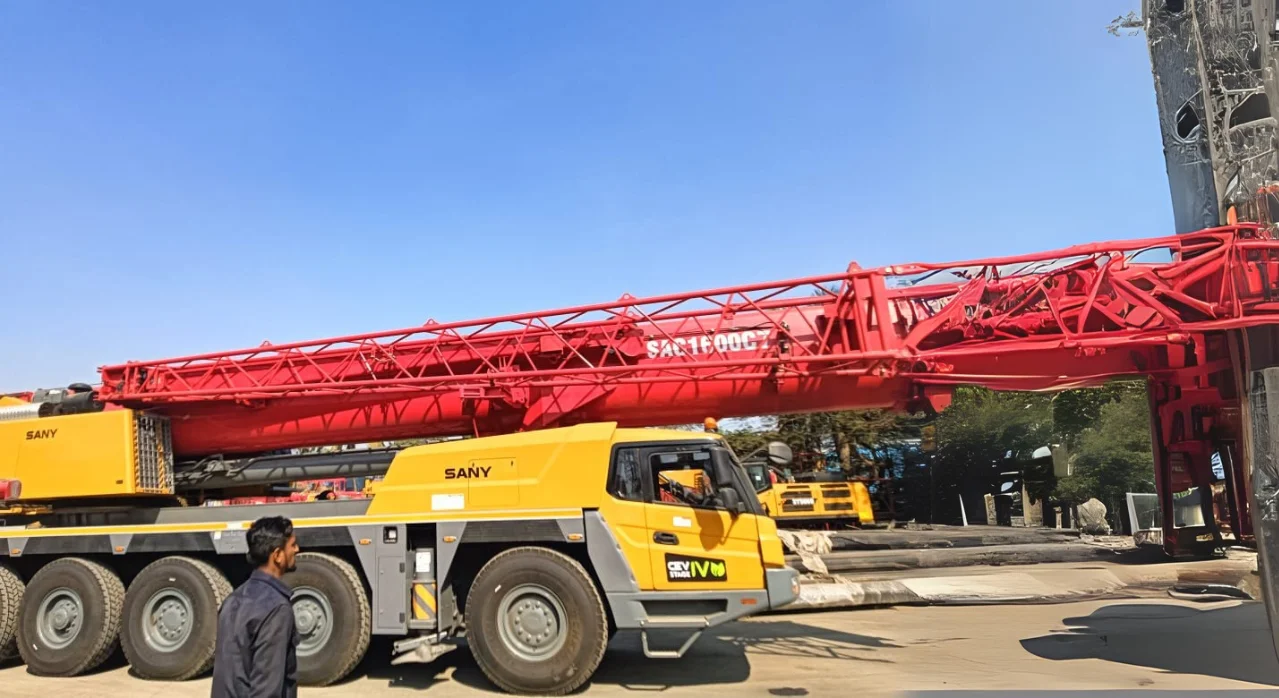
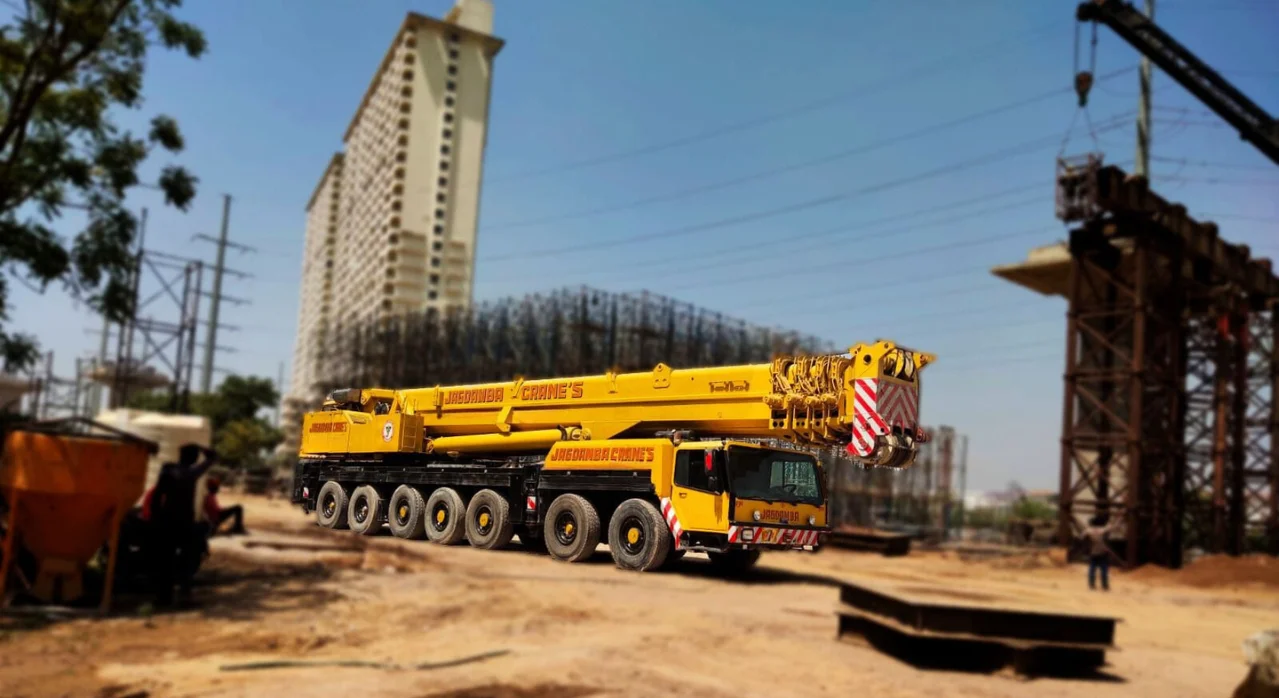
Mobile Cranes
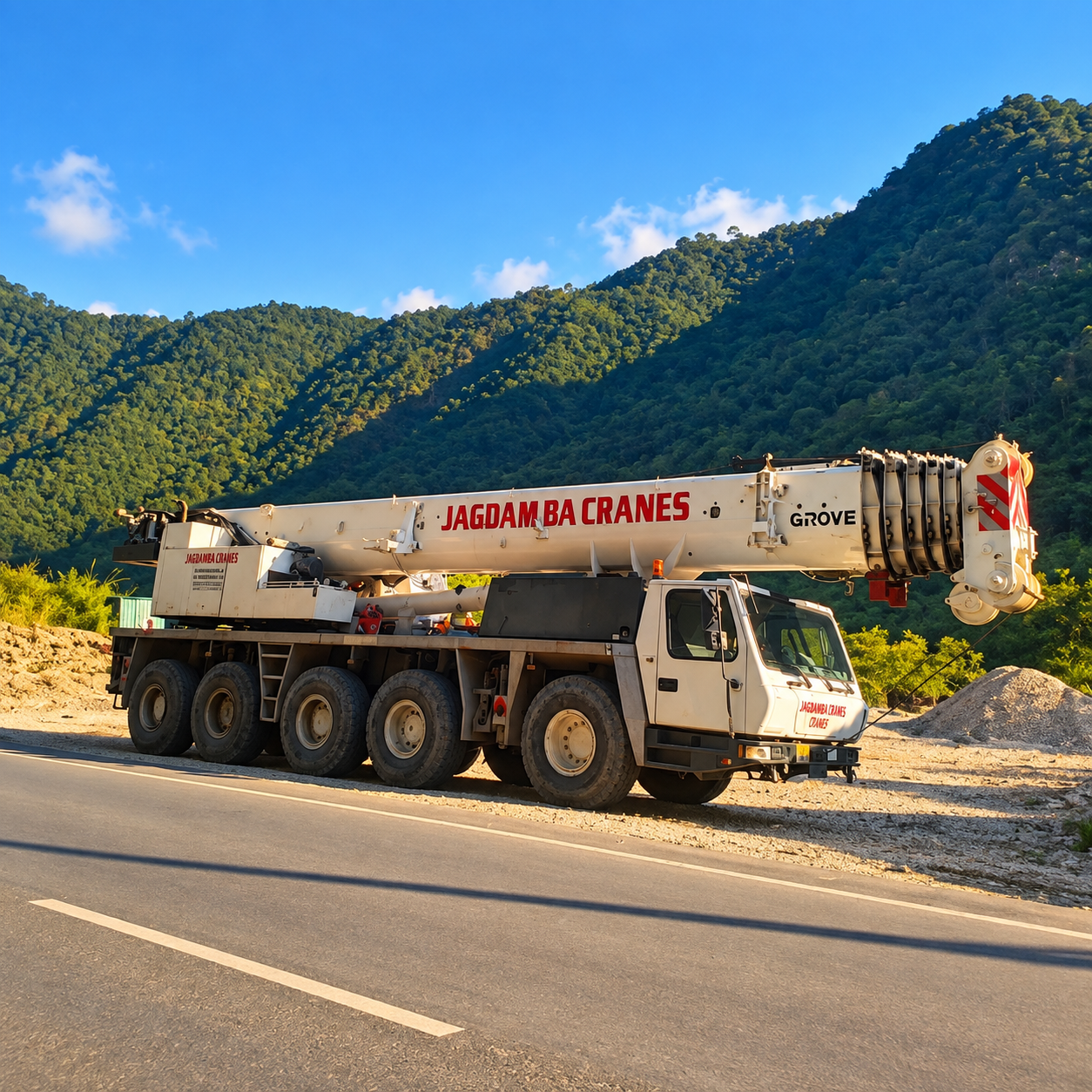
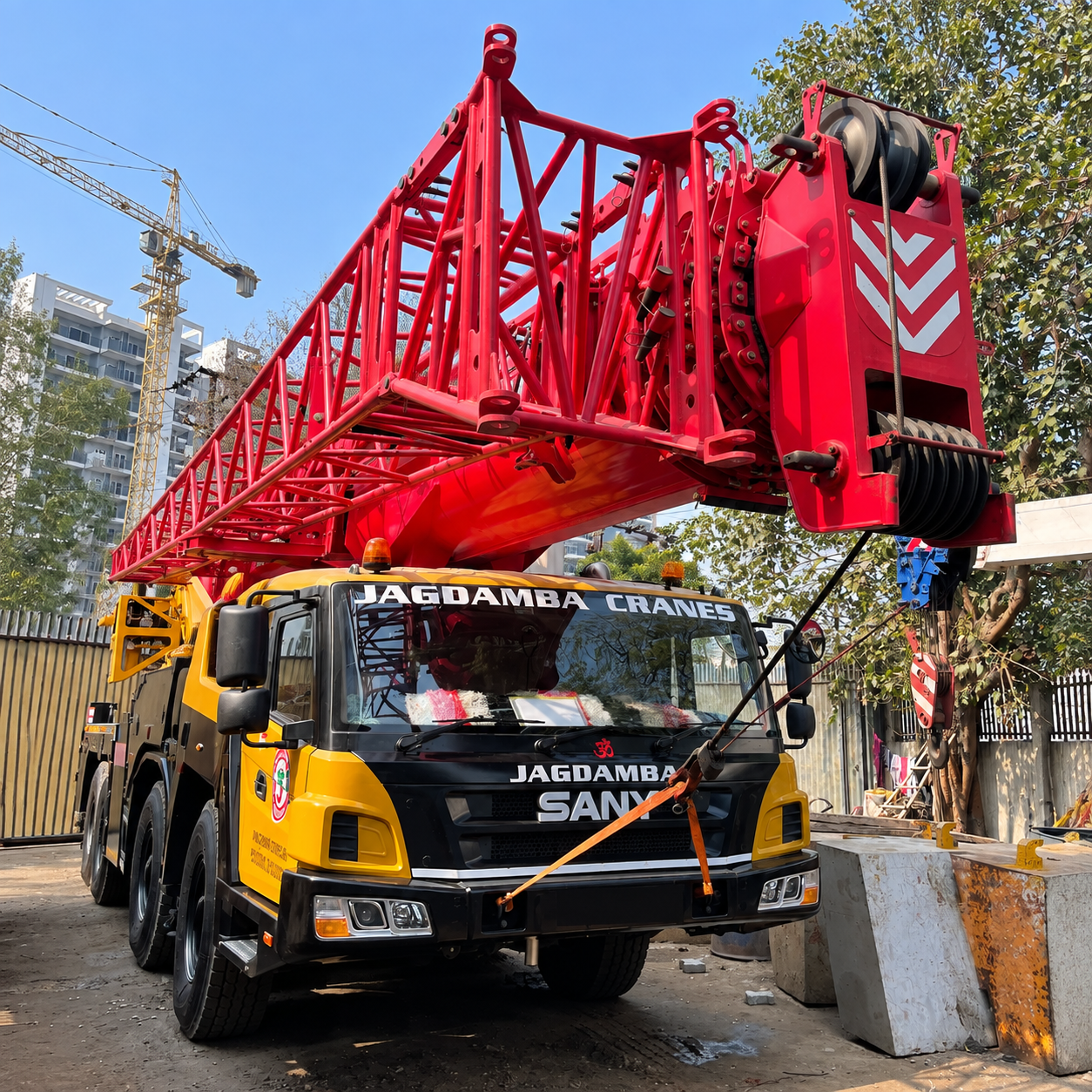
Mobile cranes are useful for projects where lifting equipment needs to be moved between different locations. Their mobility makes them suitable for construction sites, infrastructure projects, industrial facilities, and equipment installation work.
Hydraulic Cranes
Hydraulic cranes use hydraulic systems to operate lifting and boom functions. They are commonly used for handling heavy materials and equipment in industrial and construction environments.
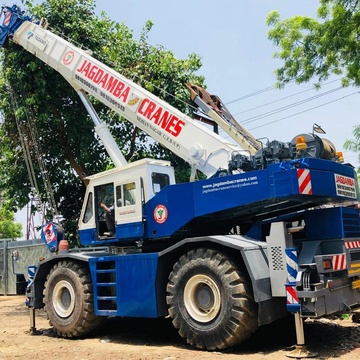
Rough Terrain Cranes
Rough terrain cranes are designed for work on uneven or challenging surfaces and can be useful at construction and industrial sites where conventional crane access may be difficult.
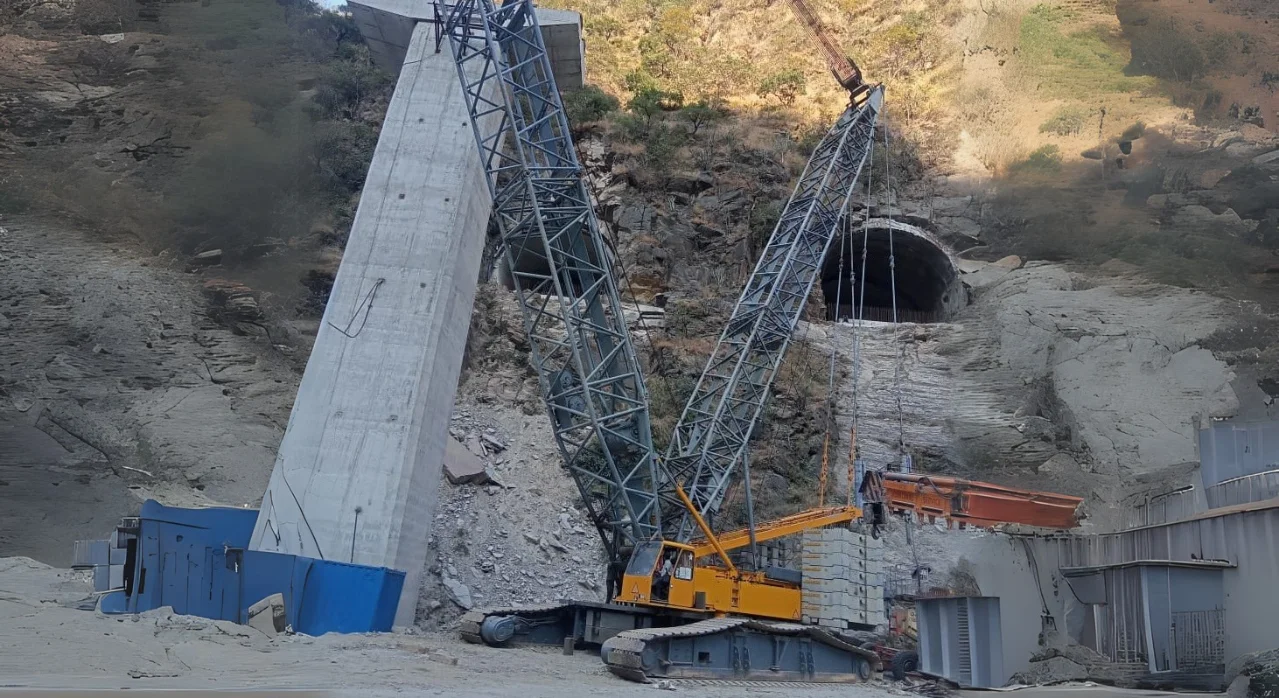
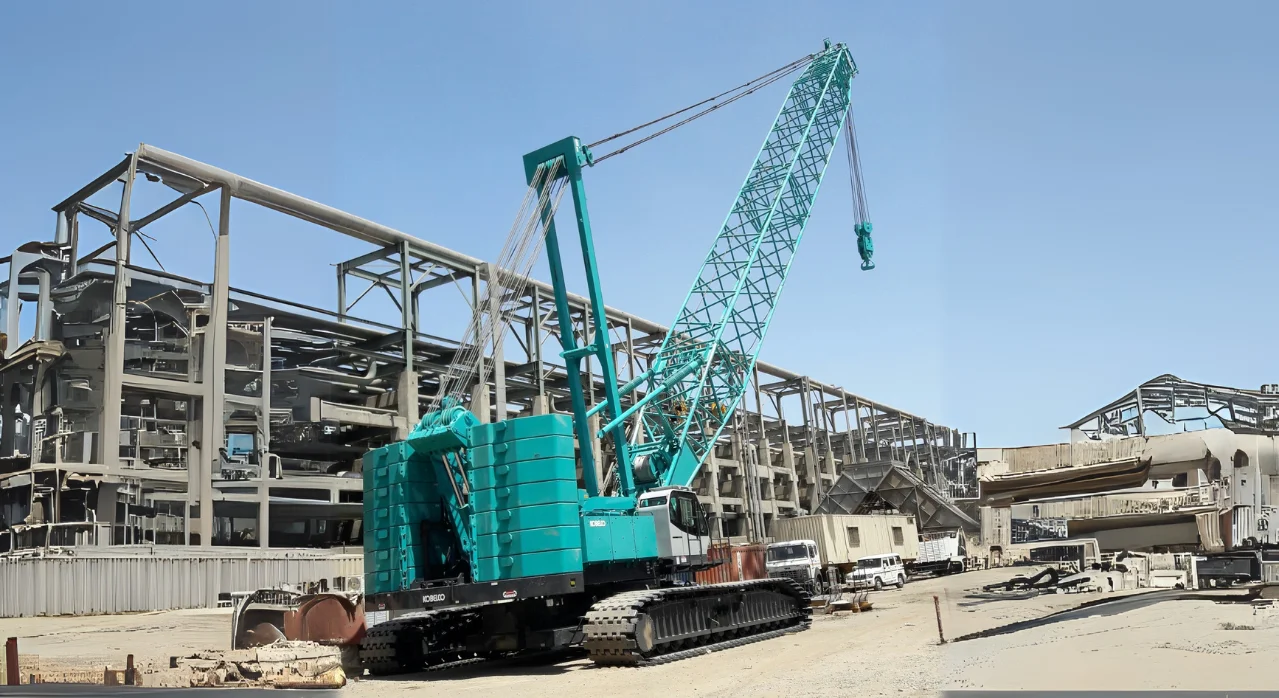
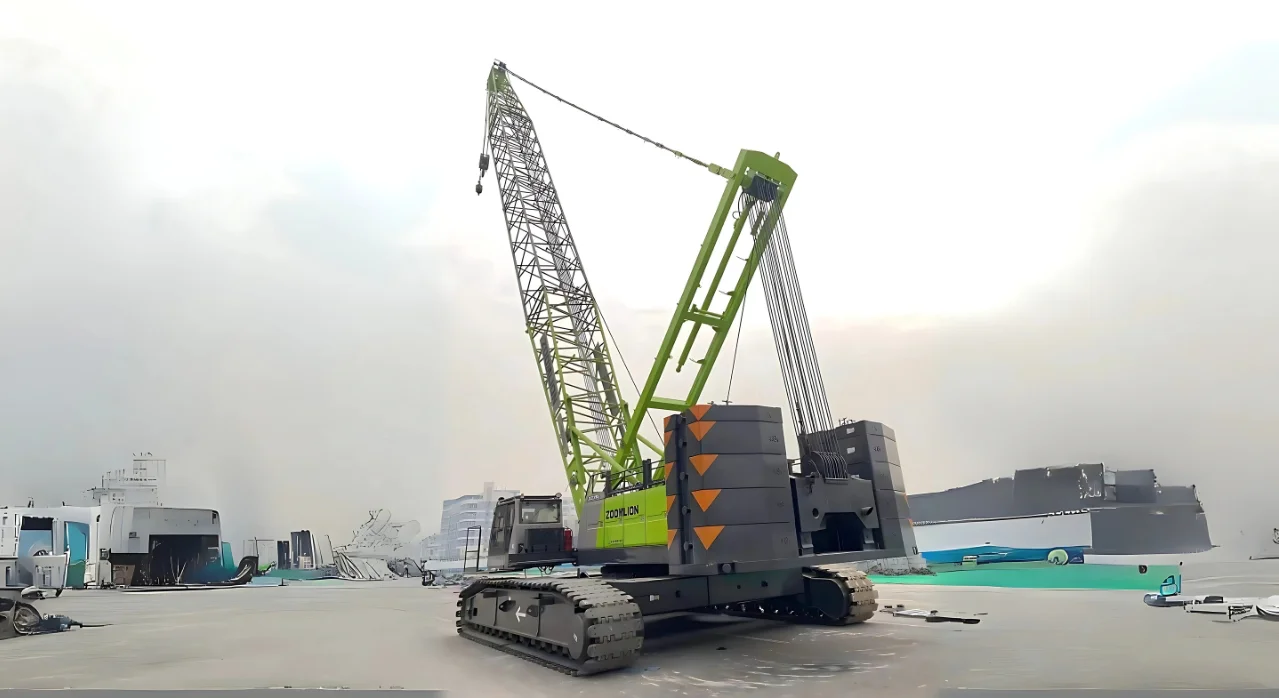
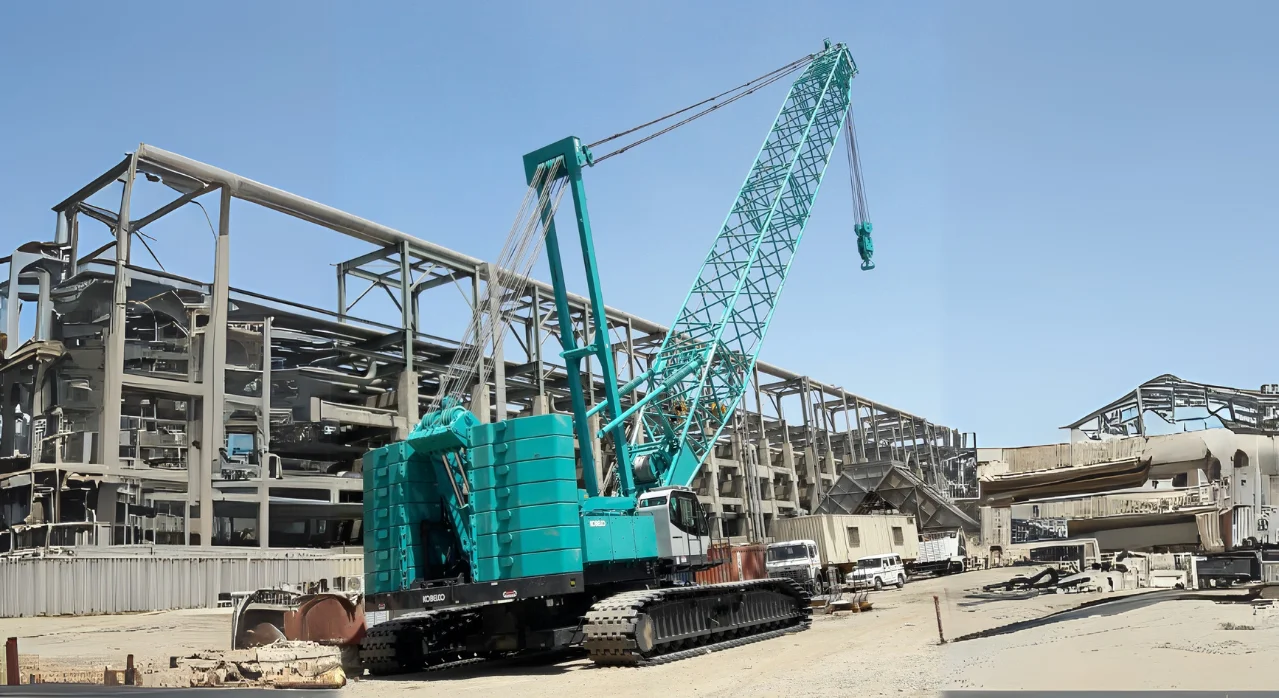
Crawler Cranes
Crawler cranes use tracks instead of conventional wheels and are designed for heavy lifting applications that require stability and mobility across suitable working surfaces.
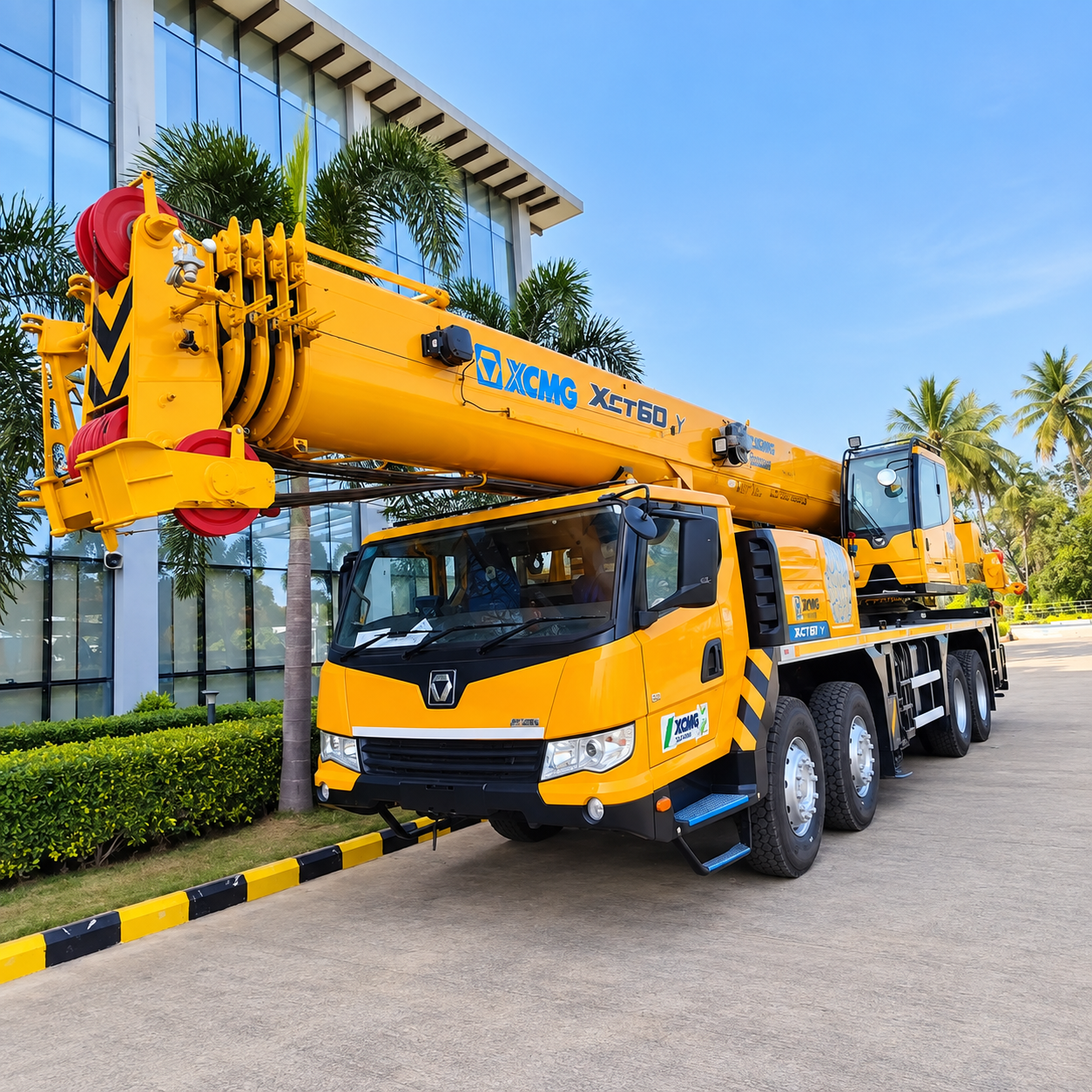
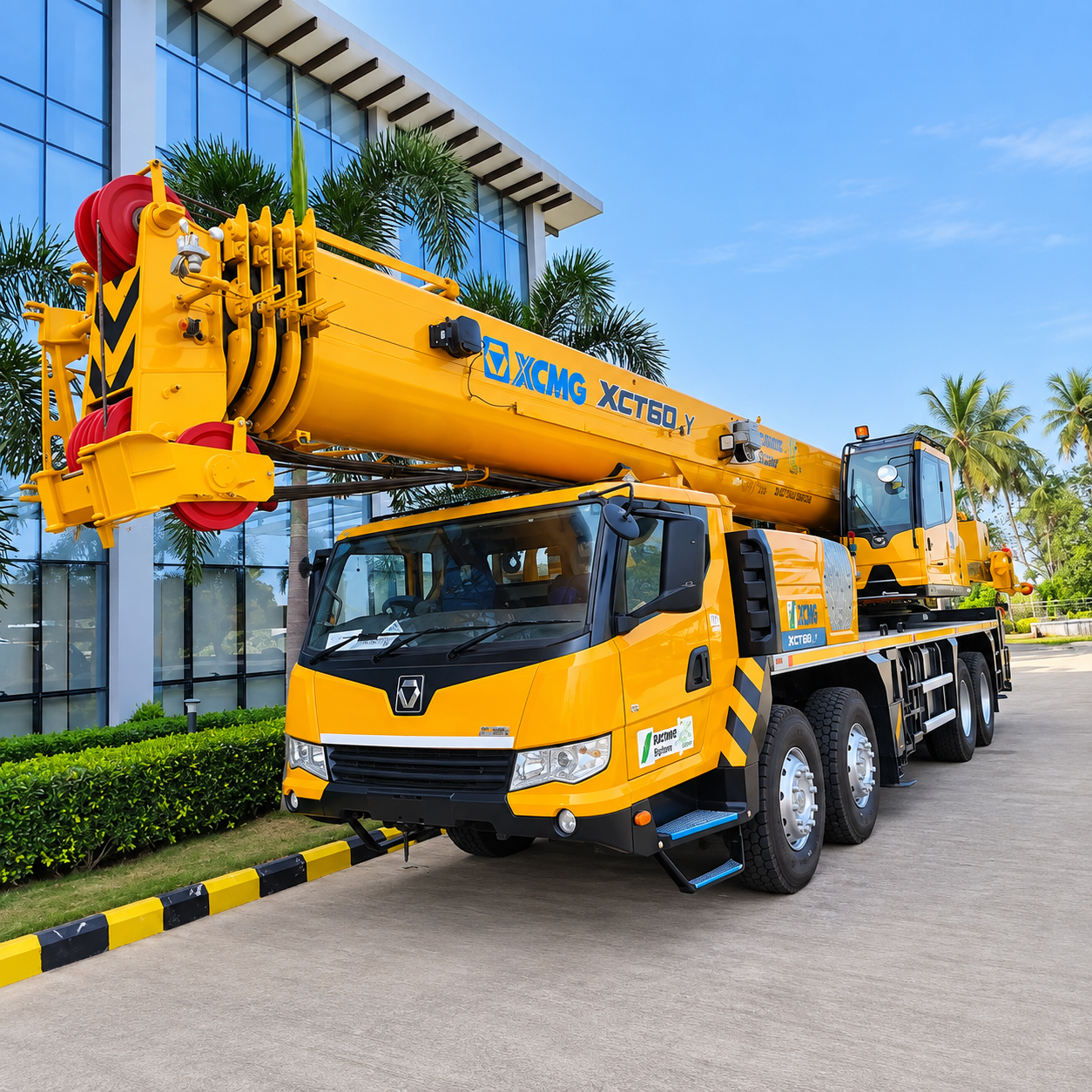
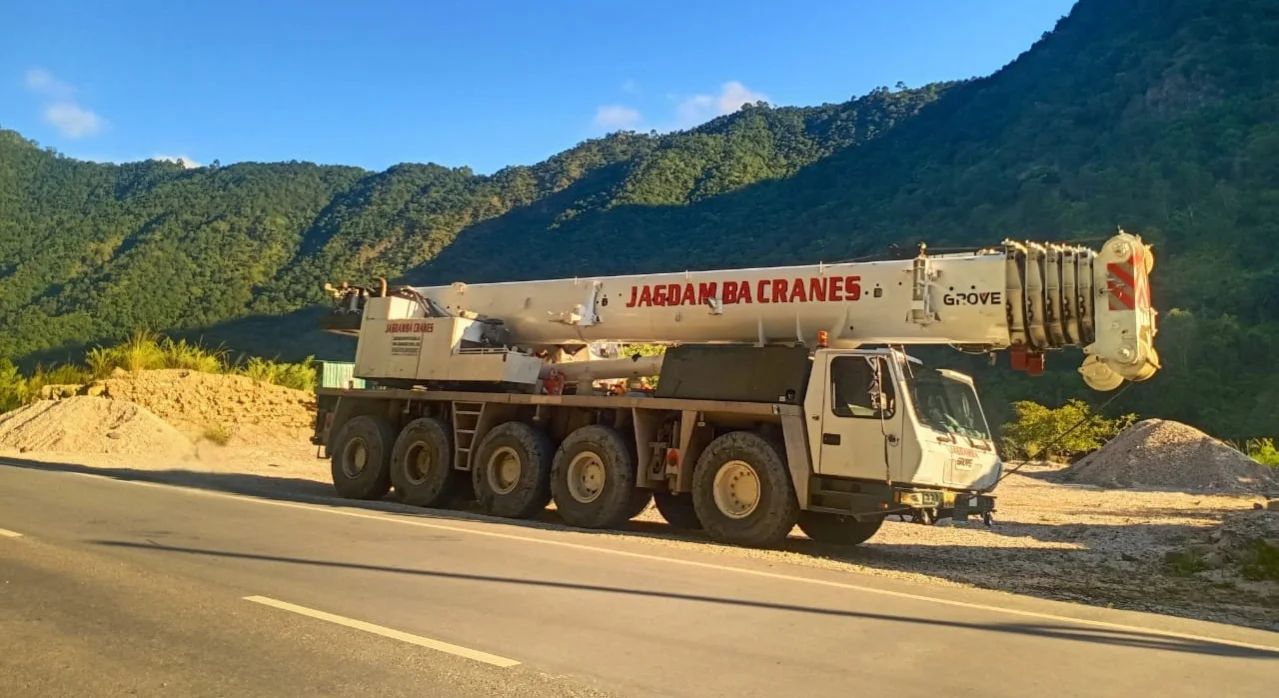
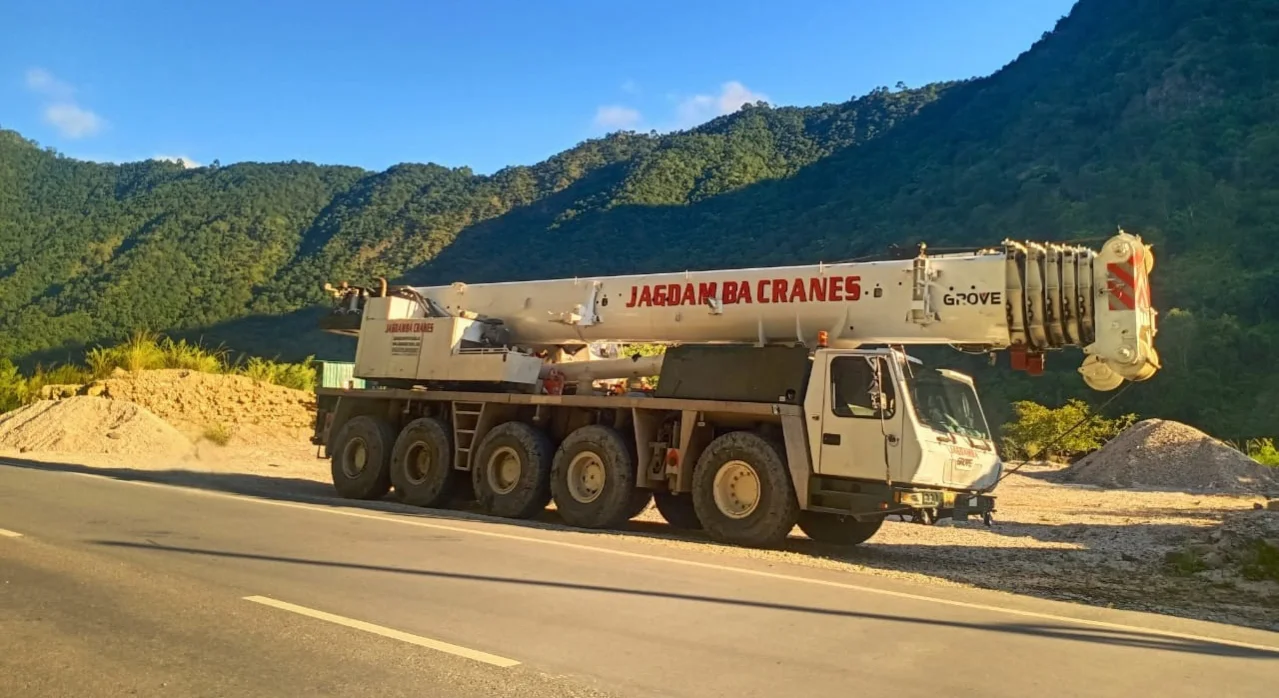
Truck Mounted Cranes
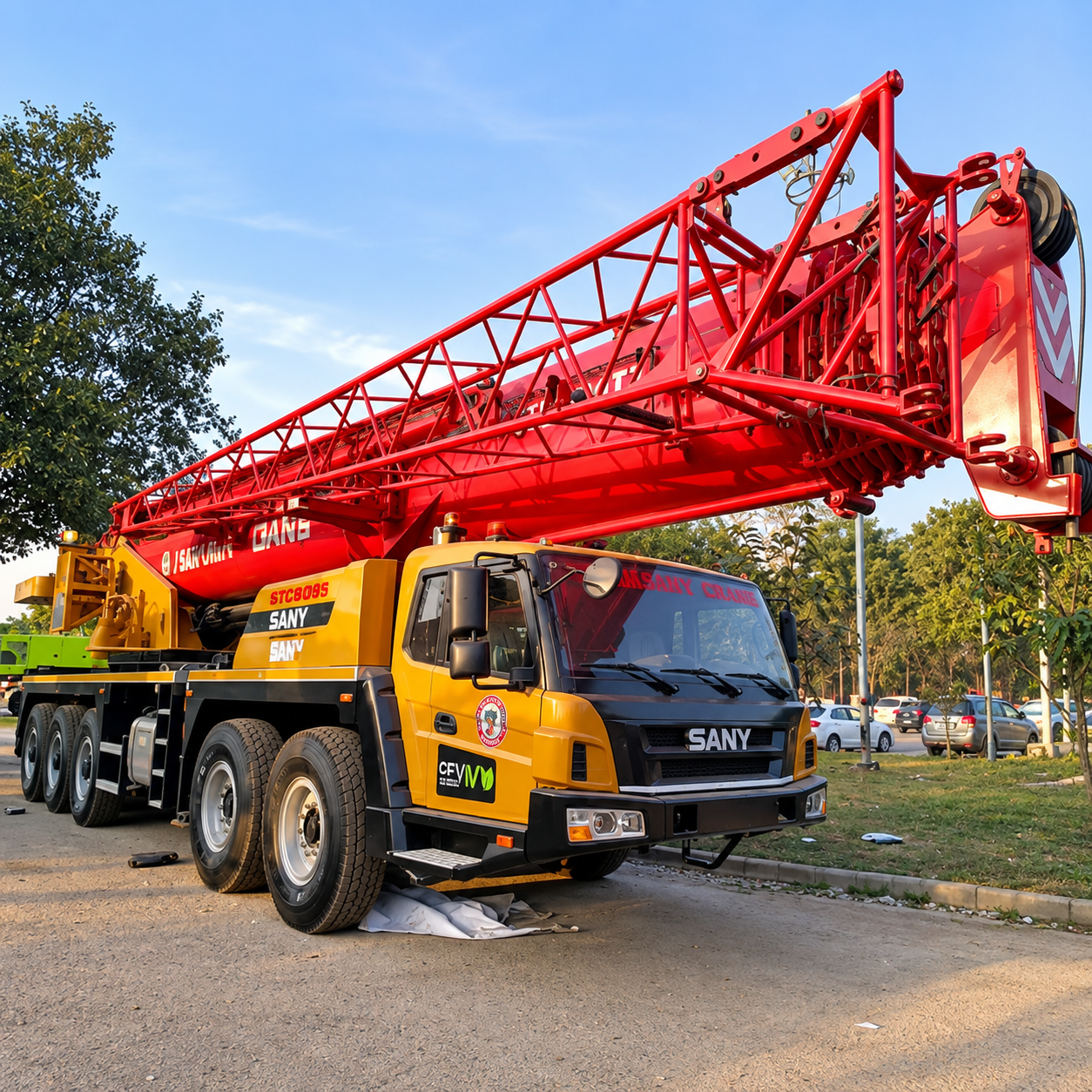
Truck-mounted cranes combine lifting equipment with a road-going vehicle, making them suitable for projects where transportation between locations is an important requirement.
Industries That Depend on Heavy Crane Operations
Heavy crane operations are required across several industries where large components and machinery must be moved or installed.
Construction Projects
Construction sites frequently require cranes for lifting structural steel, concrete components, generators, construction materials, and other heavy items to elevated or difficult-to-access locations.
Power Plants
Power generation facilities contain large equipment such as transformers, turbines, generators, and other components. Specialized lifting equipment may be required during installation, replacement, maintenance, or relocation.
Steel and Metal Industries
Steel plants and metal-processing facilities handle heavy machinery, steel components, production equipment, and raw materials, creating a need for reliable material-handling solutions.
Manufacturing Facilities
Large manufacturing plants may need cranes to position production machinery, move heavy components, and support plant expansion or equipment replacement.
Infrastructure Development
Infrastructure projects such as bridges, industrial structures, highways, and large public facilities often require heavy lifting equipment for moving and positioning oversized components.
Oil and Gas Projects
Industrial lifting equipment can be used for handling pipelines, machinery, structural components, and other heavy equipment associated with suitable oil and gas projects.
Factors That Influence Crane Selection
Selecting a crane involves several technical considerations. The crane should match the requirements of the specific lifting operation rather than being selected solely according to its maximum capacity.
- Load weight: The actual weight of the material must be established before selecting equipment.
- Load dimensions: Oversized loads may require specialized lifting arrangements.
- Lifting height: The required height affects crane configuration and boom selection.
- Working radius: The horizontal distance between the crane and load affects lifting capacity.
- Ground conditions: Soil strength, surface condition, and available working area should be evaluated.
- Site access: The crane must be capable of reaching and operating within the designated area.
- Project duration: Equipment requirements may vary for short-term lifting and extended projects.
- Environmental conditions: Wind, weather, visibility, and surrounding structures may affect the operation.
Heavy Machinery Installation and Relocation
Industrial facilities periodically need to install, replace, relocate, or remove heavy machinery. These operations can involve equipment such as compressors, generators, transformers, production machines, storage systems, and other large components.
Heavy industrial crane services can support these activities by providing suitable lifting equipment and trained operators. Careful positioning and controlled movement are particularly important when machinery needs to be placed accurately inside a production facility.
Crane Support for Plant Shutdowns
Planned plant shutdowns often involve maintenance, inspection, replacement, and installation of heavy equipment. Since several lifting activities may need to be completed within a limited timeframe, organized crane operations can help coordinate material movement during the shutdown period.
Before the shutdown begins, the required lifting points, equipment, access routes, crane positions, and sequence of operations should be evaluated to reduce unnecessary delays.
Importance of Crane Capacity and Load Charts
A crane's maximum rated capacity does not mean that the crane can lift that weight at every boom length or working radius. Actual lifting capacity can change according to configuration, boom length, radius, counterweight, ground conditions, and other operating factors.
For this reason, crane load charts and manufacturer specifications should be reviewed when planning a heavy lifting operation. The selected equipment should have adequate capacity for the specific lifting configuration.
Safety Measures During Heavy Crane Operations
Safety is a fundamental part of every industrial lifting operation. Heavy loads can create serious hazards if lifting equipment is improperly selected, positioned, or operated.
- Inspect lifting equipment before use.
- Verify the weight and dimensions of the load.
- Use suitable lifting accessories and rigging equipment.
- Ensure the crane is positioned on an appropriate surface.
- Maintain a controlled lifting area around the crane.
- Keep unauthorized personnel away from suspended loads.
- Use qualified crane operators and trained rigging personnel.
- Follow manufacturer operating instructions and applicable safety requirements.
- Monitor environmental conditions during lifting.
- Use appropriate communication methods between operators and ground personnel.
Role of Skilled Crane Operators
Modern cranes contain advanced controls, but equipment performance depends heavily on proper operation. Experienced crane operators understand load movement, equipment controls, working radius, site limitations, and communication procedures.
For complex lifting operations, the operator should work with trained riggers, signalers, supervisors, and other personnel involved in the lifting plan. Clear communication helps coordinate crane movement and load positioning.
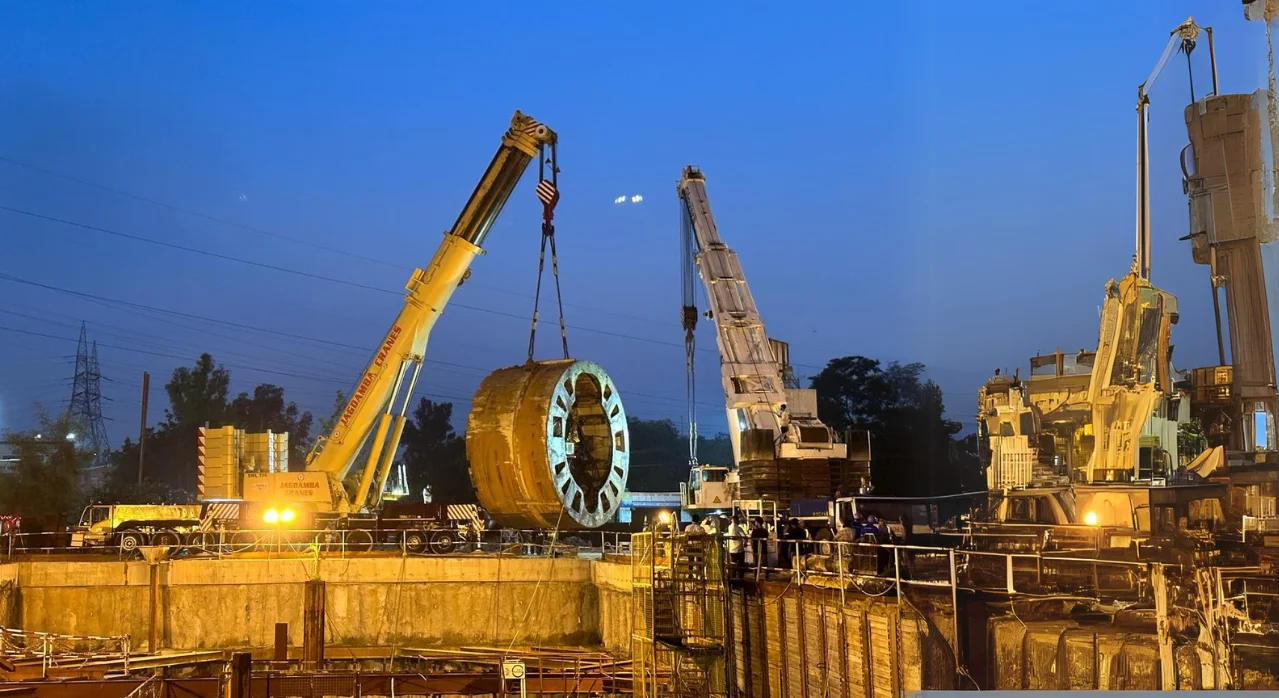
Heavy Lift Transportation and Positioning
Some industrial projects require more than simply lifting a load. Heavy machinery may need to be transported across a facility or positioned at a specific installation point.
Such operations may involve coordination between cranes, trailers, lifting accessories, rigging teams, and site personnel. The movement route should be checked beforehand for sufficient clearance, surface conditions, overhead obstructions, and other potential restrictions.
Benefits of Professional Crane Services
Using professional heavy industrial crane services can provide access to suitable equipment and trained personnel for demanding lifting requirements.
- Access to different crane capacities and configurations
- Support for heavy machinery handling
- Experienced crane operators
- Assistance with lifting and positioning operations
- Equipment suitable for different site conditions
- Better coordination of complex lifting activities
- Support for installation and relocation projects
Preparing a Site Before Crane Arrival
Proper site preparation can make crane operations more organized and efficient. The designated crane area should provide sufficient space for setup and operation. Access roads should also be checked to ensure that the equipment can reach the work location.
Ground conditions, overhead power lines, buildings, structures, underground utilities, and other potential obstructions should be identified before equipment arrives at the site.
Why Project-Specific Crane Planning Matters
Every heavy lifting project has different requirements. A crane that is suitable for one operation may not be appropriate for another due to differences in load weight, lifting radius, site conditions, or required height.
Project-specific planning allows the lifting team to select appropriate equipment and establish a controlled sequence for the operation. It can also help identify potential risks before lifting begins.
Frequently Asked Questions
1. What are heavy industrial crane services?
Heavy industrial crane services involve using specialized cranes and trained personnel to lift, move, install, or position heavy industrial equipment and materials.
2. Which cranes are used for heavy industrial lifting?
Mobile, hydraulic, crawler, rough terrain, and truck-mounted cranes may be used depending on the project's requirements.
3. How is the right crane selected?
The crane is selected according to load weight, lifting height, working radius, site conditions, access, and required configuration.
4. Can cranes be used for machinery installation?
Yes, cranes can be used to lift, relocate, and accurately position heavy machinery during industrial installation projects.
5. Why is crane capacity important?
Crane capacity determines whether the equipment can safely handle the required load under the specific lifting configuration.
6. Are heavy crane services suitable for plant shutdowns?
Yes, cranes can support equipment removal, replacement, maintenance, and installation activities during planned shutdowns.
7. What should be checked before crane operations?
Load weight, crane capacity, ground conditions, access, lifting accessories, working radius, and surrounding hazards should be checked before lifting.
8. Are trained operators required for industrial crane operations?
Heavy crane operations should be performed by appropriately trained and qualified personnel following applicable safety requirements.
9. Can cranes operate on uneven industrial sites?
Some crane types are designed for challenging terrain, but suitability depends on the specific ground conditions and equipment specifications.
10. Can heavy cranes move oversized machinery?
Yes, suitable cranes can handle oversized machinery when the load, crane capacity, lifting configuration, and site conditions are properly evaluated.
Conclusion
Heavy industrial crane services support demanding lifting requirements across construction, manufacturing, power generation, infrastructure, steel, and other industrial sectors. From machinery installation and plant maintenance to equipment relocation and large structural lifting, the right crane and lifting plan can make complex operations more organized and controlled.
Before starting a heavy lifting project, businesses should evaluate the load, crane capacity, working radius, lifting height, ground conditions, site access, and safety requirements. Selecting suitable equipment and working with trained professionals can help support efficient and responsible crane operations.