Introduction
Crane requirements are common across construction, infrastructure, manufacturing, industrial, and heavy-lifting projects. However, purchasing a crane is a major investment that may not be practical for every business or project. For companies that require lifting equipment for a limited period or for specific projects, hiring a crane can provide a more flexible and cost-effective solution.
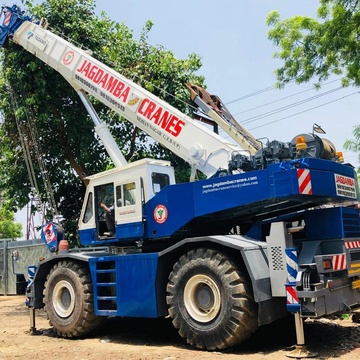
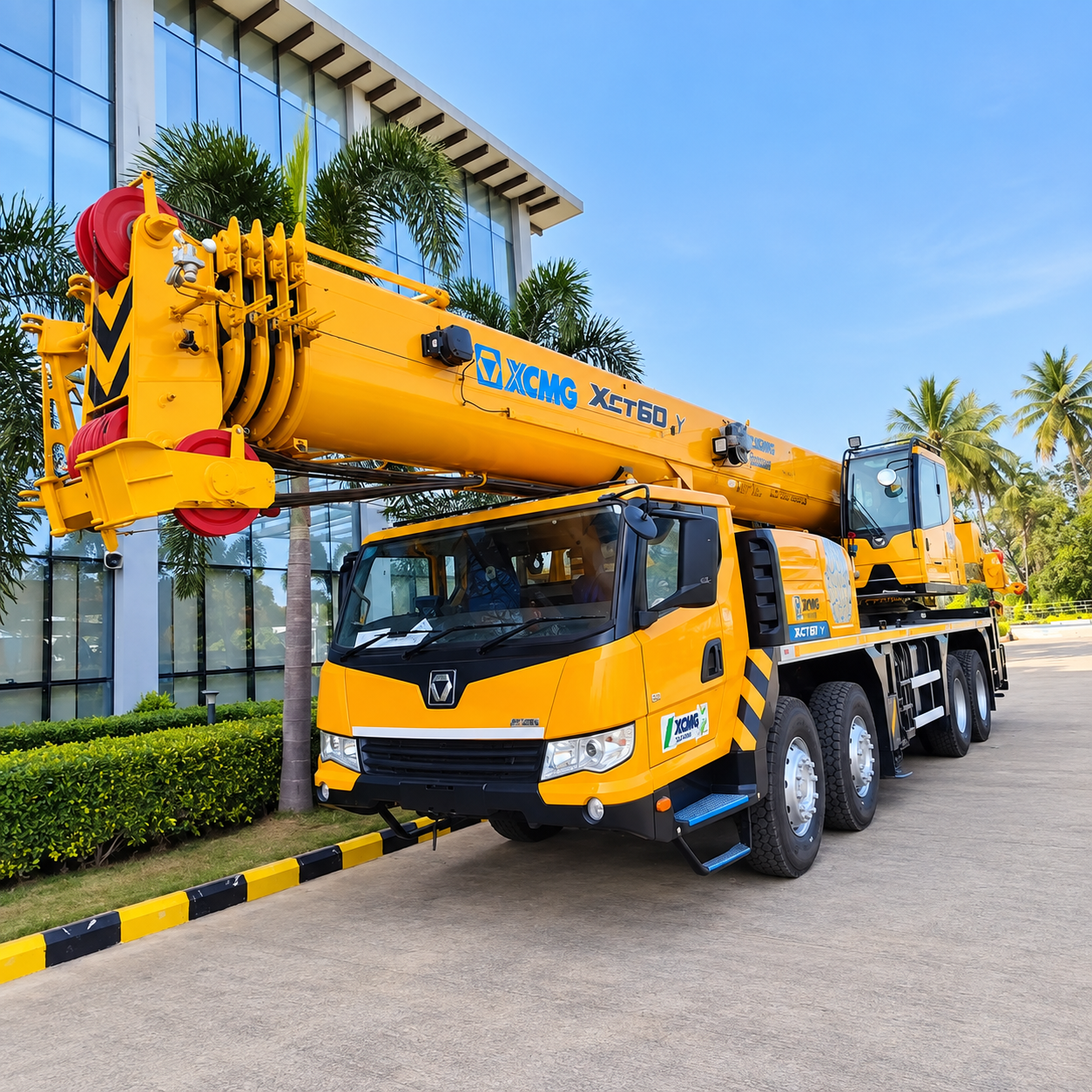
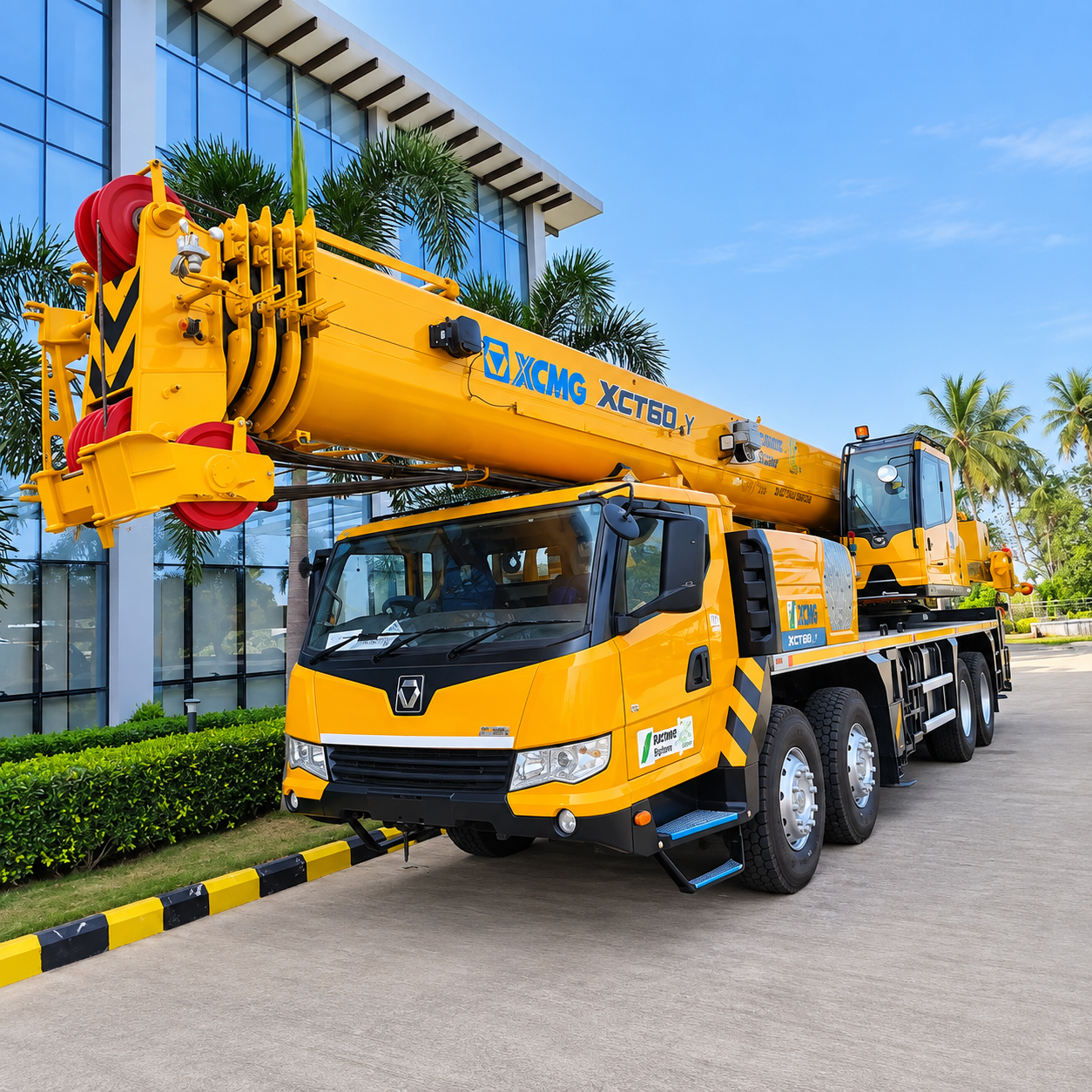
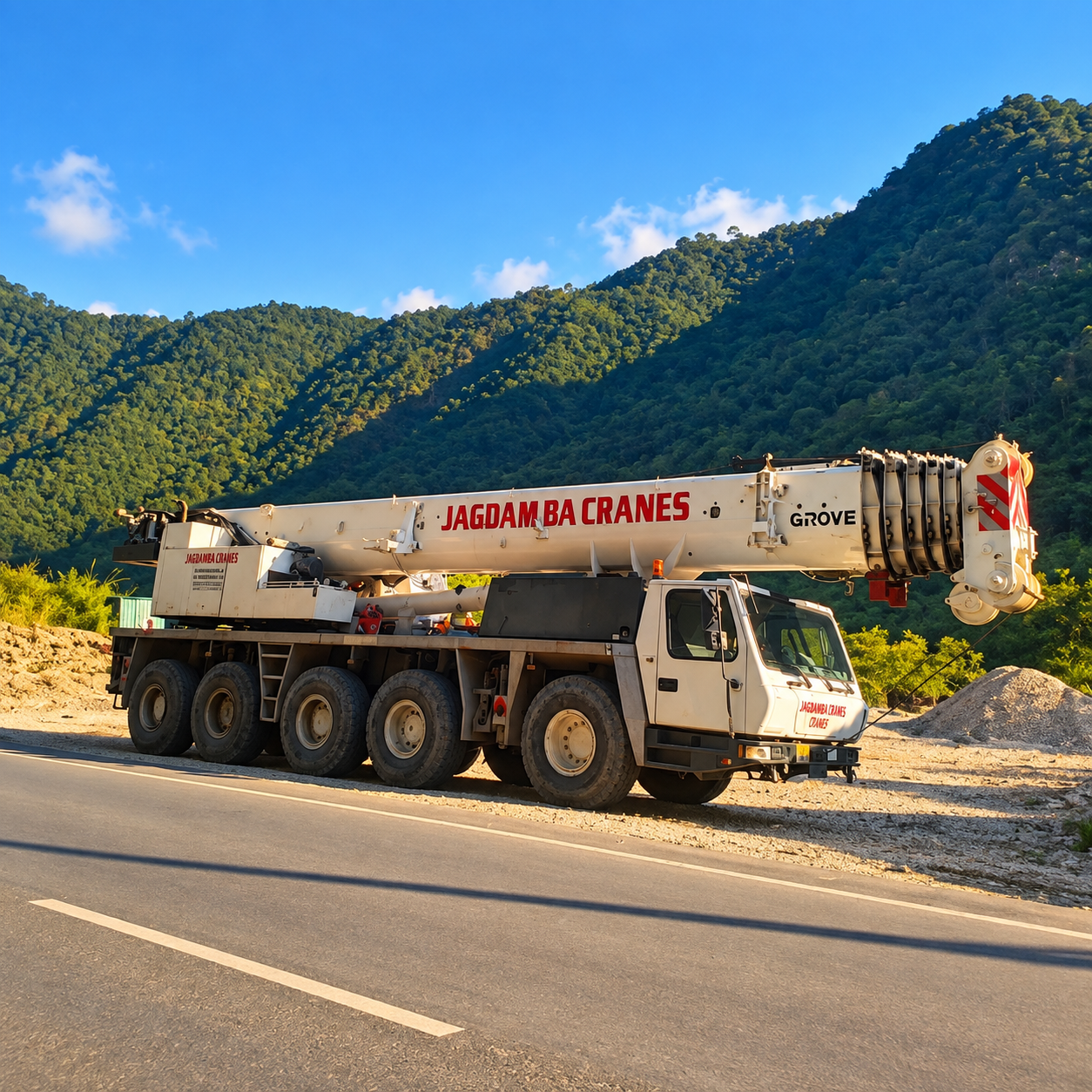
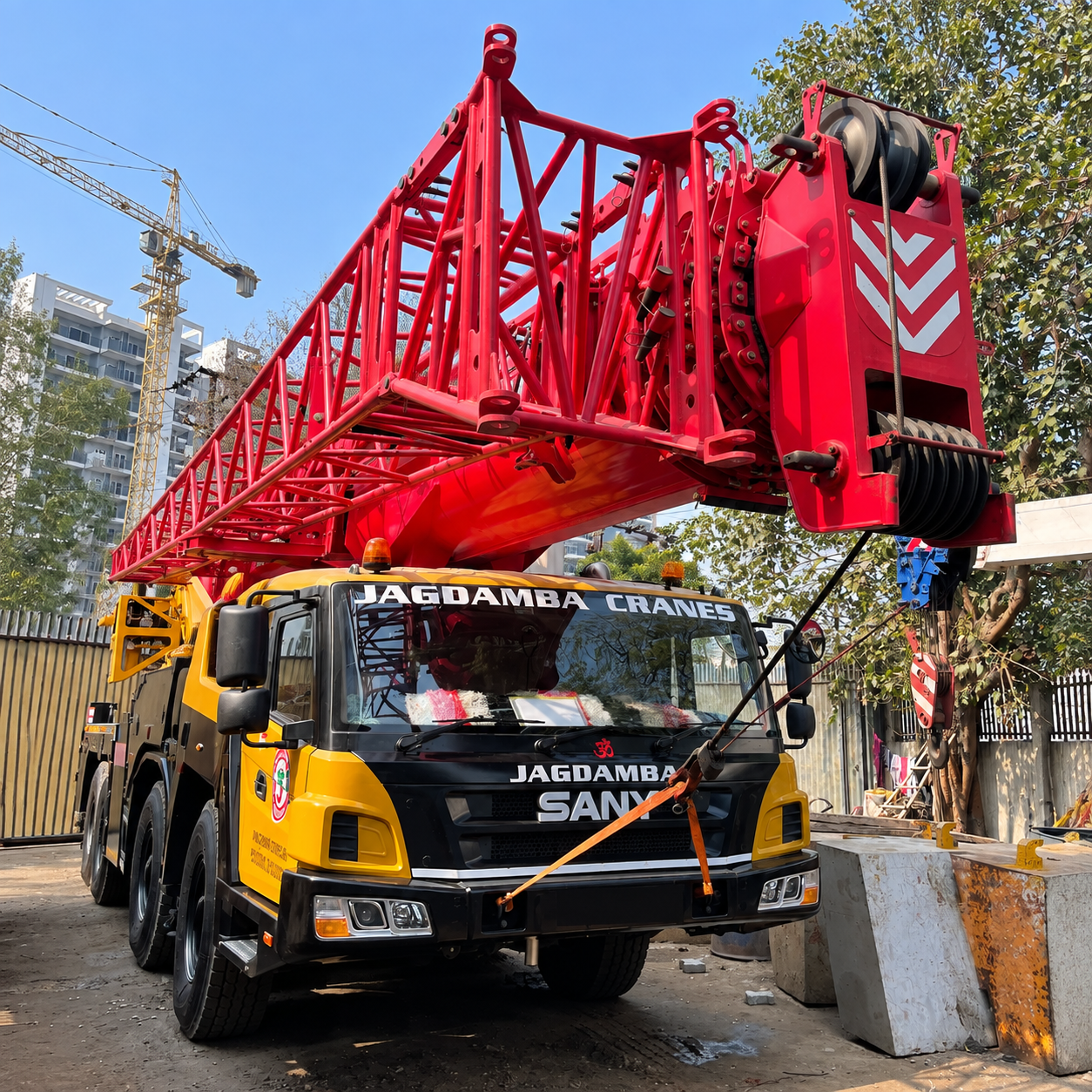
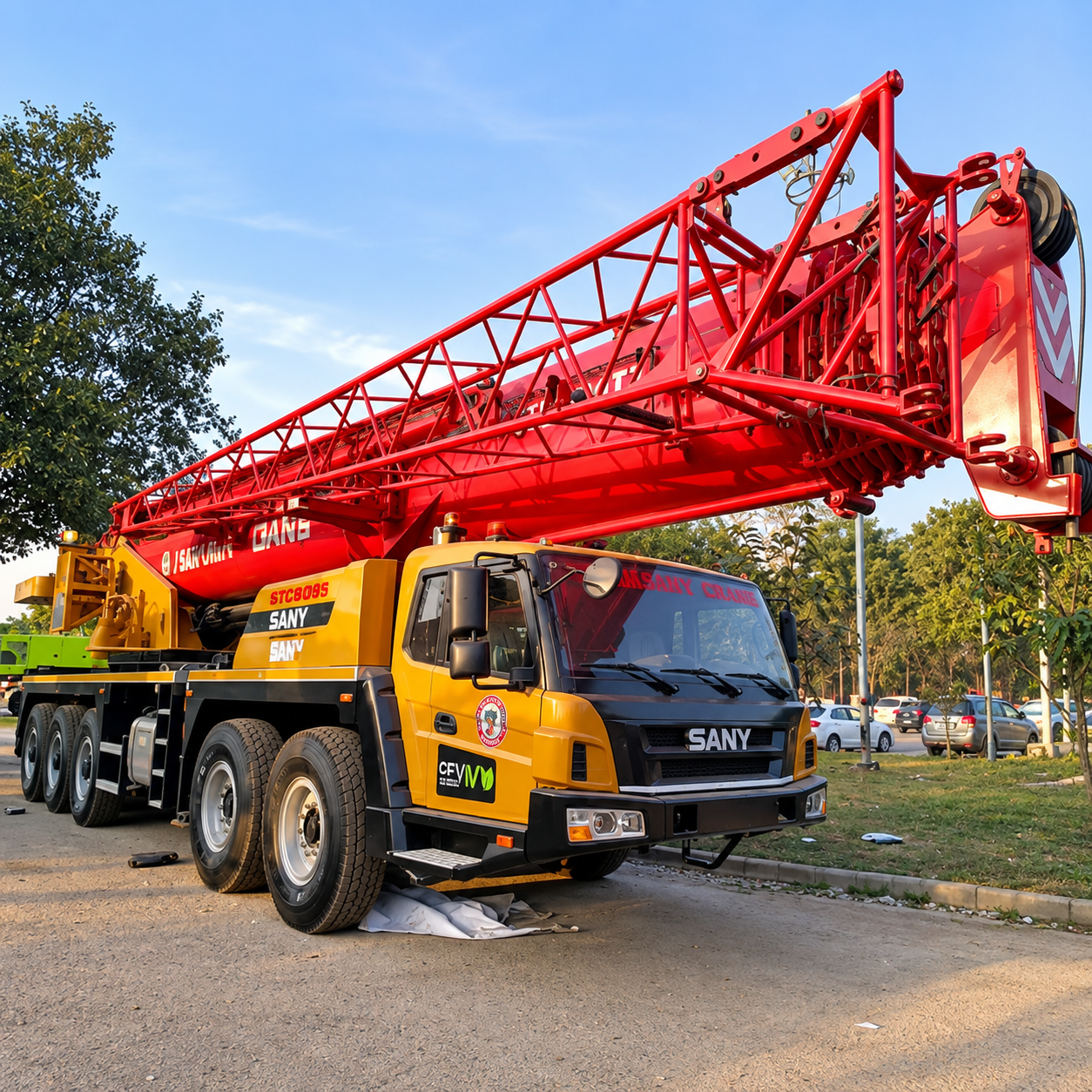
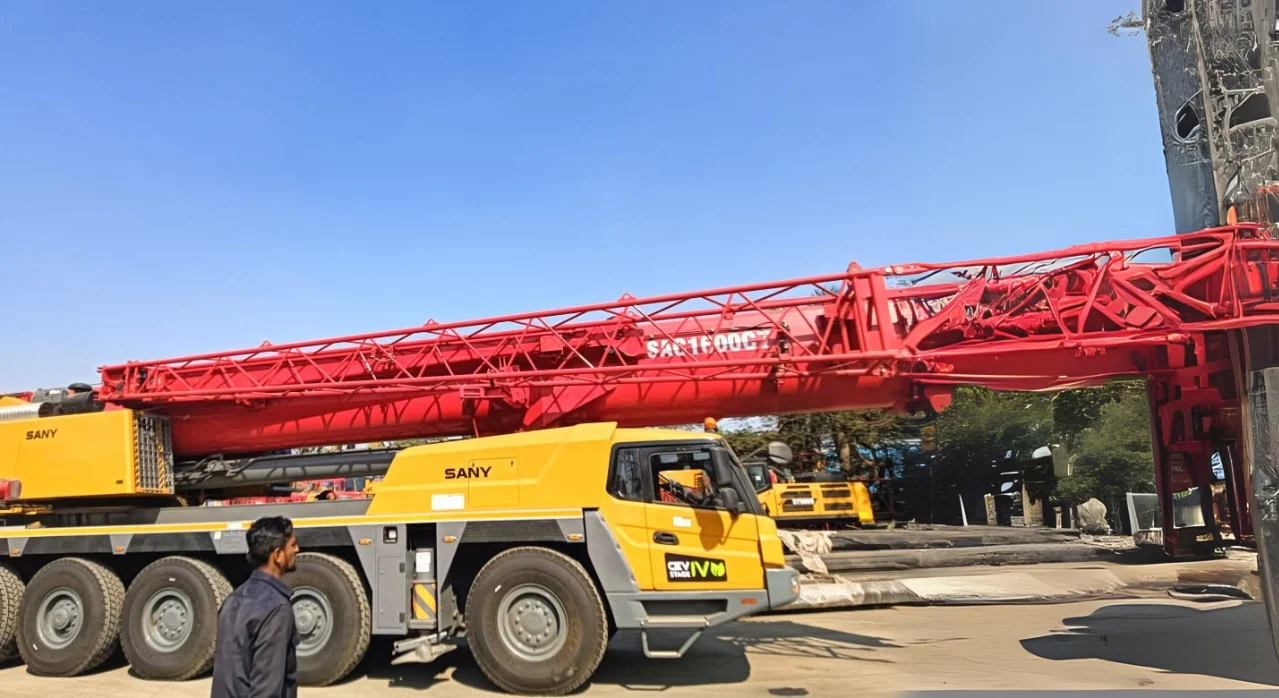
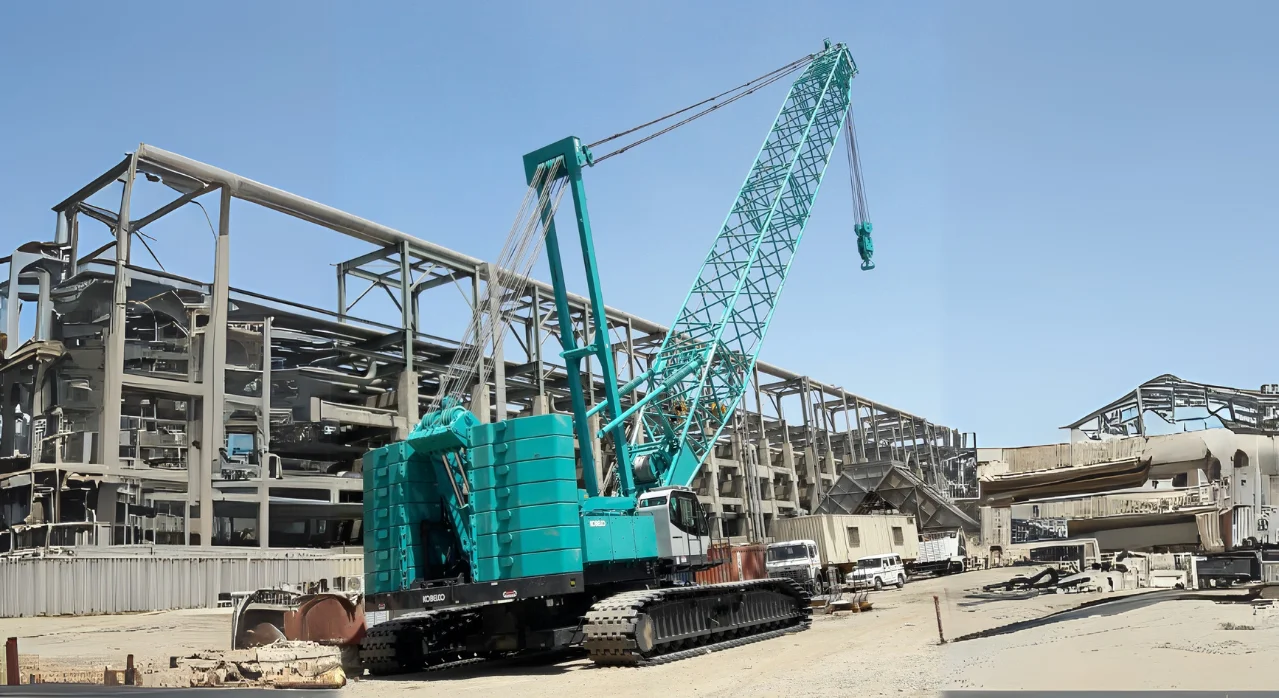
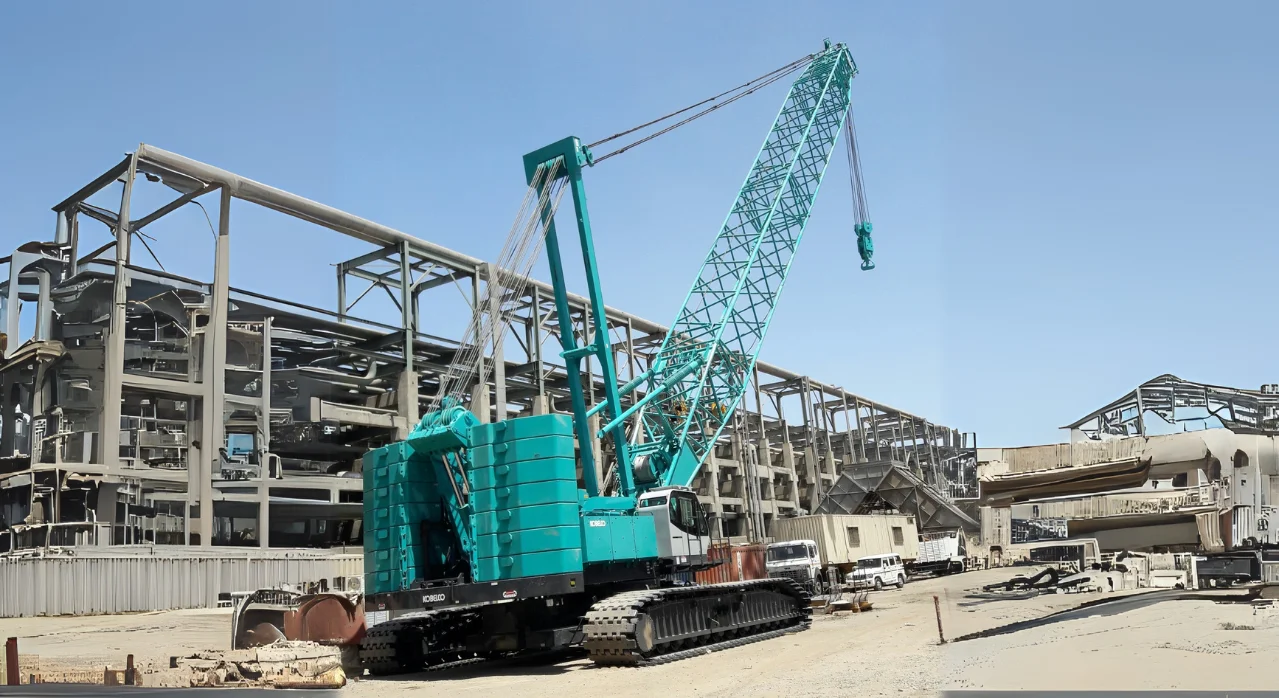
Crane hire allows businesses to access suitable lifting equipment without taking responsibility for the full purchase, storage, maintenance, and long-term ownership costs. Depending on the project requirements, companies can select mobile cranes, hydraulic cranes, crawler cranes, and other suitable equipment for different lifting applications.
For businesses handling occasional heavy-lifting requirements, hiring can offer operational flexibility while allowing them to focus their investment on their core activities.
Lower Initial Investment
One of the biggest advantages of hiring a crane is the lower initial financial commitment. Purchasing a heavy crane requires substantial capital, which may not be suitable for businesses with occasional lifting requirements.
With crane hire, businesses generally pay for the equipment according to the agreed hiring period and project requirements. This allows companies to use professional lifting equipment without committing a large amount of capital to an asset that may remain unused between projects.
The saved capital can instead be allocated to construction materials, labour, project development, machinery, or other important business requirements.
Access to the Right Crane for Each Project
Different projects require different lifting capacities, boom configurations, working heights, and mobility options. Buying one crane may limit a company's ability to handle projects with different technical requirements.
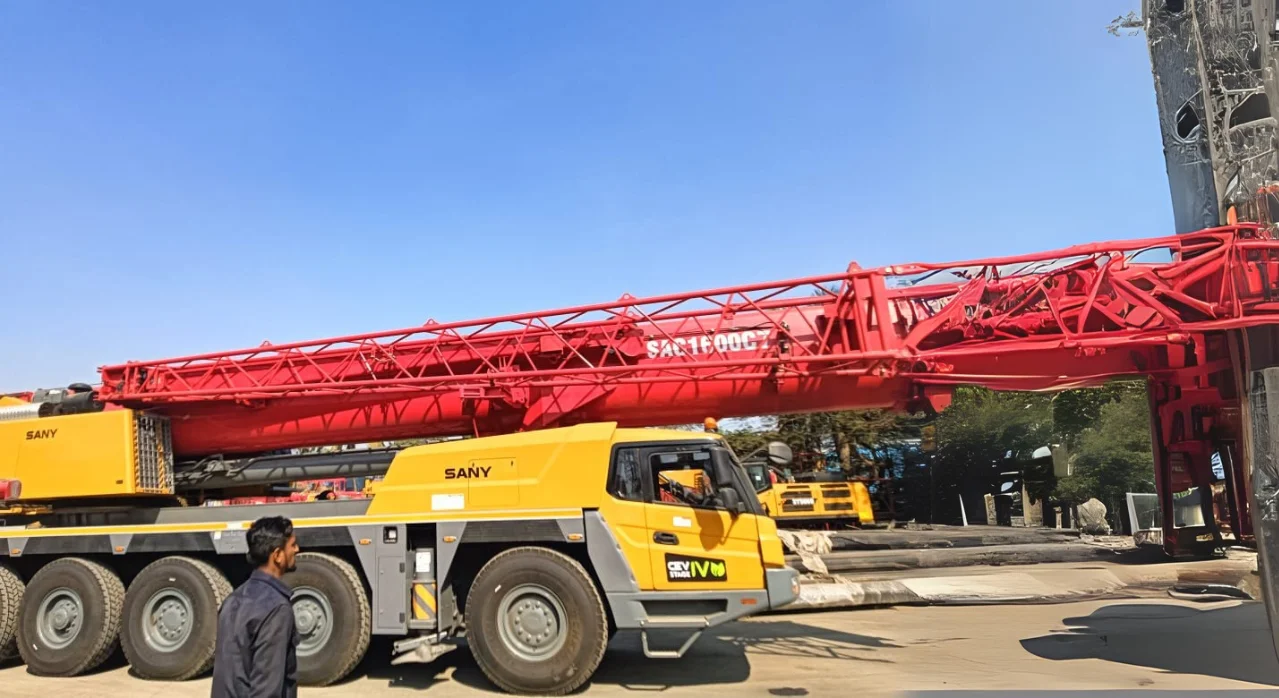
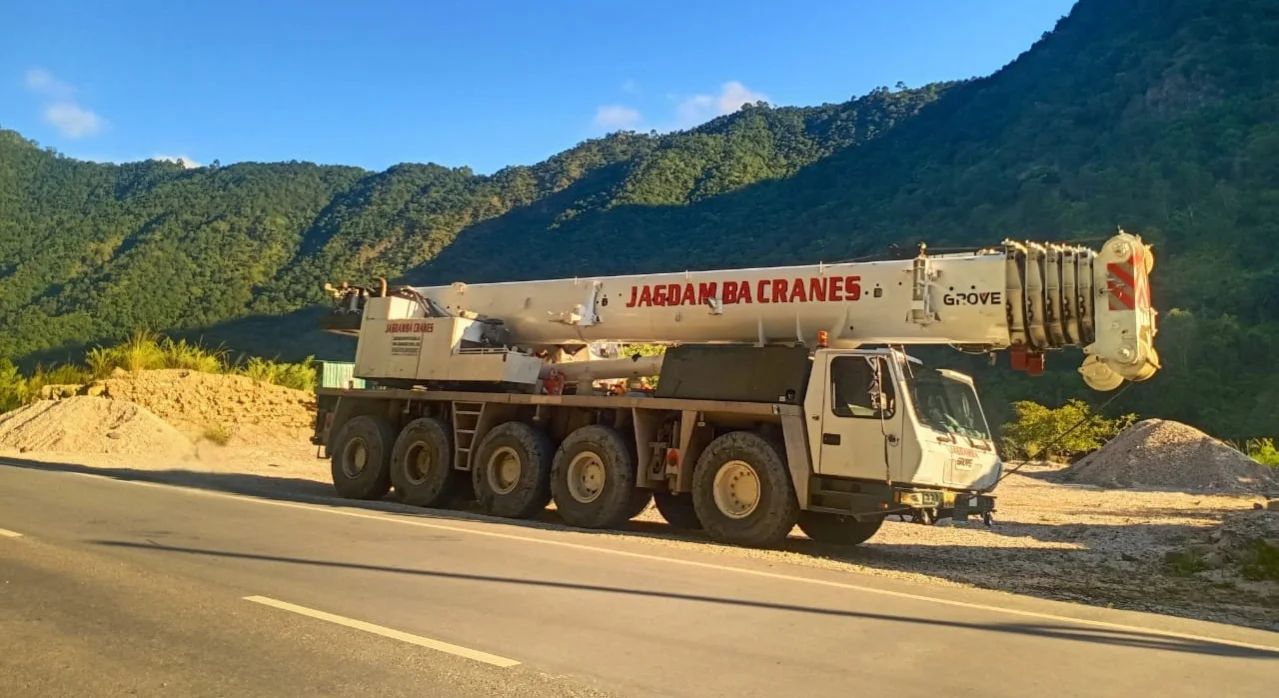
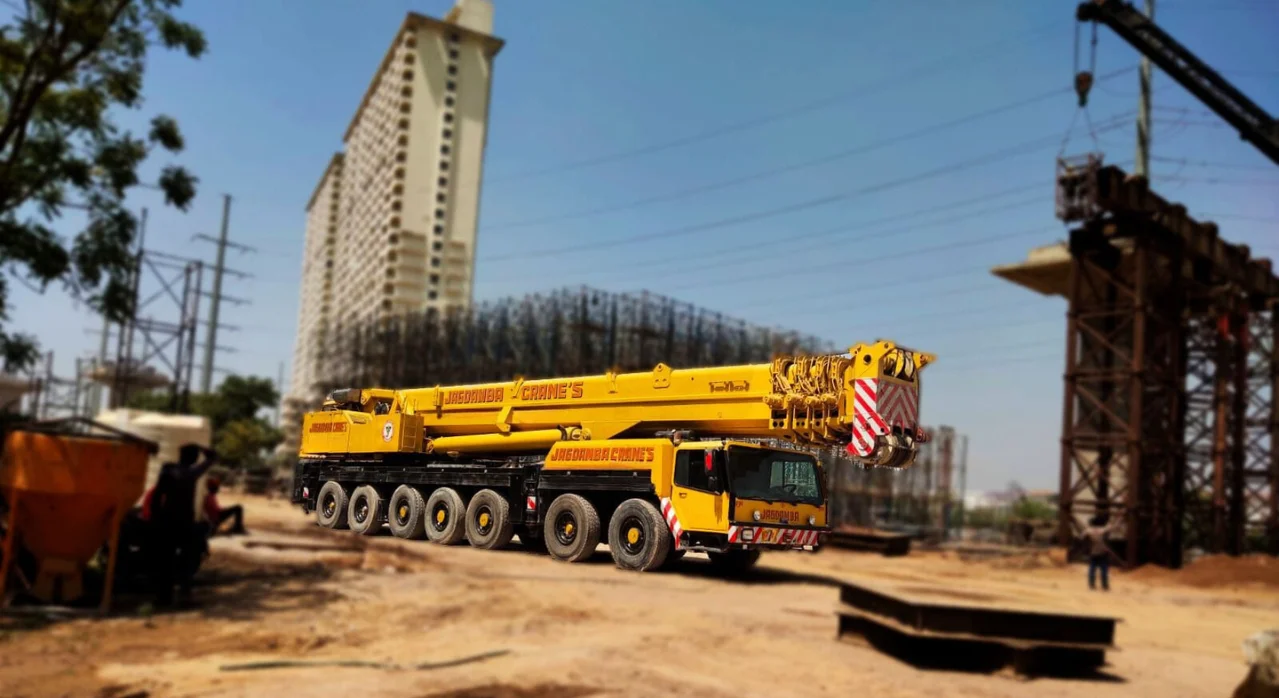
Crane hire services provide access to different types and capacities of cranes depending on the nature of the project. A business may require a mobile crane for one project and a crawler or hydraulic crane for another.
This flexibility makes it easier to select equipment based on the specific lifting requirements rather than trying to complete every project using the same crane.
Reduced Maintenance Responsibilities
Crane ownership comes with ongoing maintenance responsibilities. Heavy lifting equipment requires regular inspections, servicing, component checks, lubrication, repairs, and other maintenance activities to maintain safe and reliable operation.
When businesses choose professional crane hire, much of the equipment maintenance responsibility is handled by the crane provider. This can reduce the workload associated with maintaining heavy lifting machinery.
Professional maintenance also helps ensure that the equipment is prepared for the intended lifting operation and operating conditions.
Suitable for Short-Term Projects
Many construction and industrial projects require cranes only for a few days, weeks, or months. Purchasing equipment for such temporary requirements may not provide good value because the crane may remain unused after project completion.
Crane hire provides a practical option for short-term lifting requirements. Businesses can arrange equipment for the required project duration and return it when the work is completed.
This is particularly useful for construction projects, machinery installation, structural erection, plant maintenance, and temporary lifting operations.
Reduced Storage Requirements
Large cranes require appropriate space when they are not being used. Businesses that own heavy lifting equipment may need to maintain dedicated storage or parking areas, which can increase property and operational costs.
Hiring a crane eliminates the need for long-term storage of the equipment after the project is completed. The crane can be used at the required location and returned or released according to the agreed arrangement.
This can be especially beneficial for businesses operating from facilities where available space is limited.
Professional Crane Operators
Heavy lifting operations require skilled personnel who understand crane operation, load handling, site conditions, and safety procedures. Recruiting and retaining experienced crane operators can add to the cost and complexity of owning lifting equipment.
Depending on the hiring arrangement, professional crane hire companies can provide trained operators along with the required equipment. This can help businesses access experienced personnel without maintaining a dedicated crane-operating team for occasional projects.
Experienced operators can also help ensure that lifting activities are performed according to the equipment's operating limitations and project requirements.
Improved Project Flexibility
Construction and industrial projects can change during execution. Lifting requirements may increase or decrease depending on the project schedule, material requirements, site conditions, and installation activities.
Crane hire provides greater flexibility because businesses can arrange different equipment according to changing project needs. If a project requires higher lifting capacity at a particular stage, a more suitable crane can be arranged instead of relying on a permanently owned machine.
Access to Modern Equipment
Crane technology continues to develop, with improvements in lifting capacity, safety systems, hydraulics, mobility, control systems, and operational efficiency. Purchasing a crane means committing to a particular machine for an extended period.
Through crane hiring services, businesses can gain access to well-maintained equipment that is suitable for modern lifting requirements without making a new equipment purchase for every project.
This can help companies use appropriate equipment while avoiding the long-term depreciation associated with ownership.
Reduced Equipment Depreciation
Heavy machinery is a significant business asset, but its value generally decreases over time due to age, usage, market conditions, and technological developments.
When a business purchases a crane, depreciation becomes part of the overall cost of ownership. With crane hire, the business does not need to carry the long-term depreciation of the equipment as an owned asset.
This can make hiring particularly attractive for companies whose crane requirements are project-based rather than continuous.
Useful for Specialized Lifting Requirements
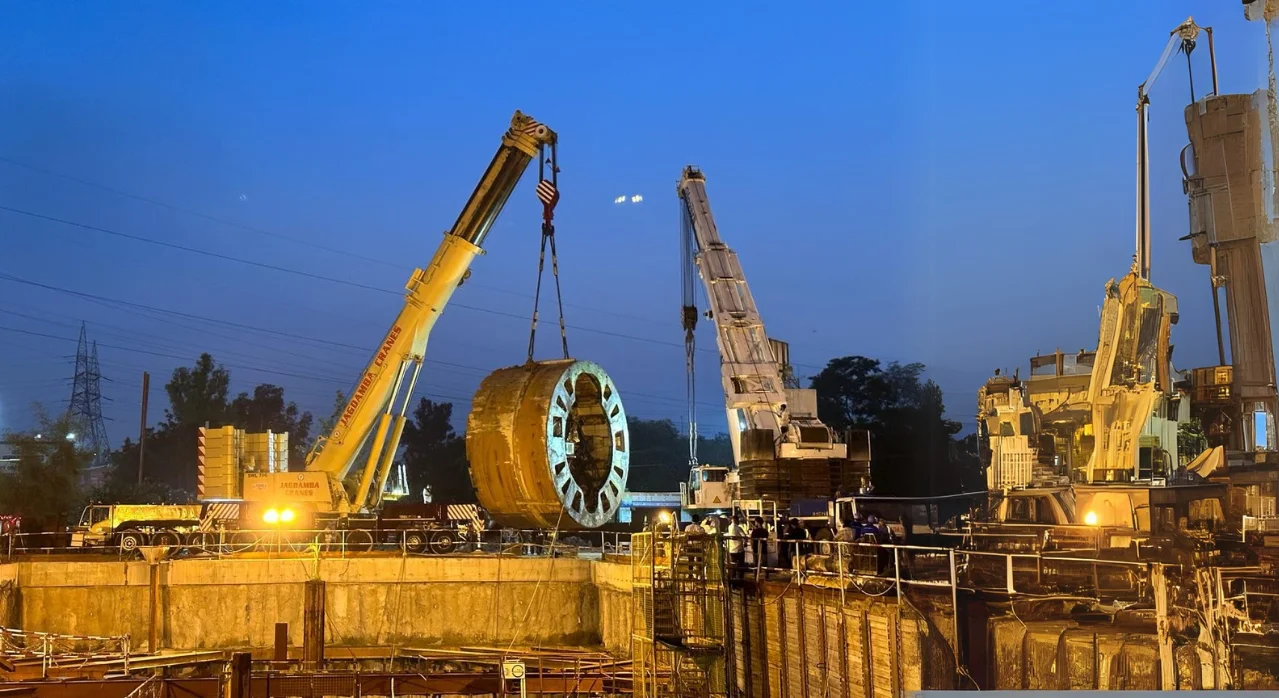
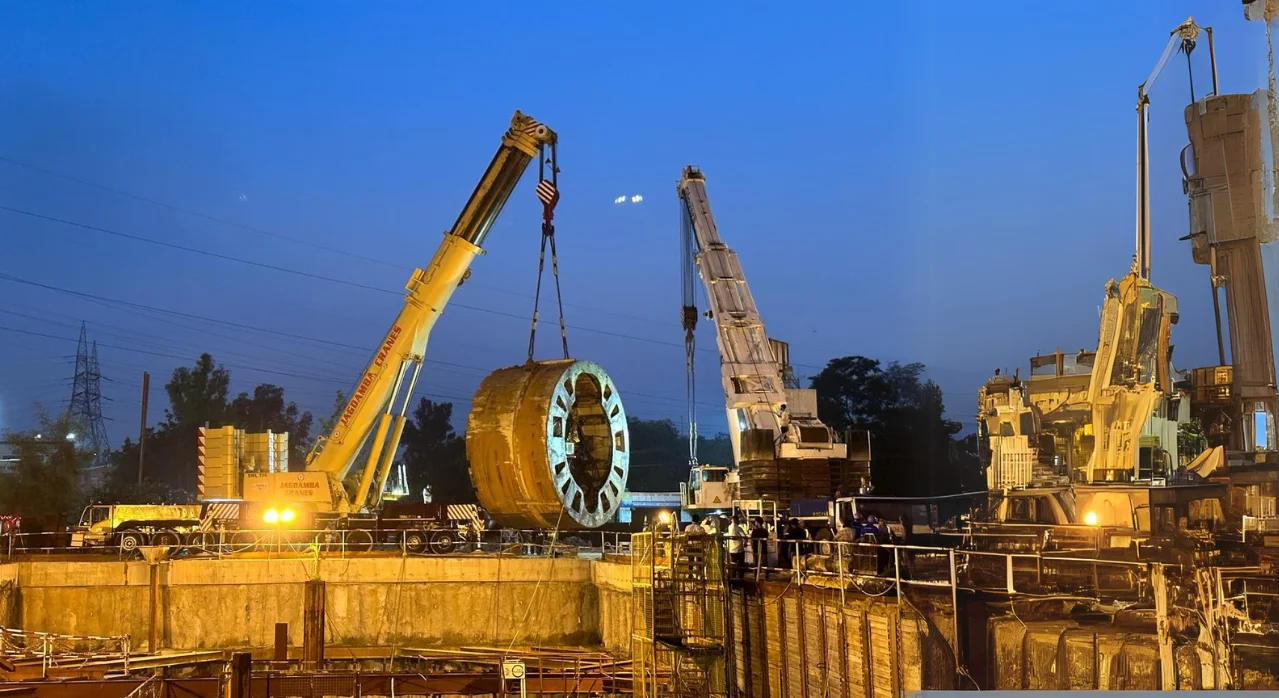
Some projects involve specialized lifting activities that require particular crane types or configurations. Examples include heavy machinery installation, industrial plant construction, structural erection, bridge work, infrastructure development, and large equipment relocation.
Instead of purchasing specialized equipment that may have limited use after a particular project, businesses can hire a suitable crane specifically for the required lifting operation.
This approach allows companies to match the equipment more closely with the technical requirements of each project.
Better Cost Control for Projects
Project budgets are an important consideration in construction and industrial operations. Purchasing a crane involves costs beyond the purchase price, including insurance, maintenance, storage, repairs, transportation, depreciation, and operator-related expenses.
Hiring a crane can make equipment costs easier to plan around a particular project. The hiring arrangement can be structured according to the duration and requirements of the work, helping businesses manage their lifting-related expenses.
For short-term projects, this can provide better financial control than purchasing equipment that may remain underutilized after completion.
Applications of Crane Hire
Professional crane hire services can support a wide range of projects and industries, including:
- Construction projects involving structural and material lifting.
- Industrial machinery installation and relocation.
- Infrastructure development and large-scale construction.
- Factory expansion and equipment handling.
- Power plant projects involving heavy components.
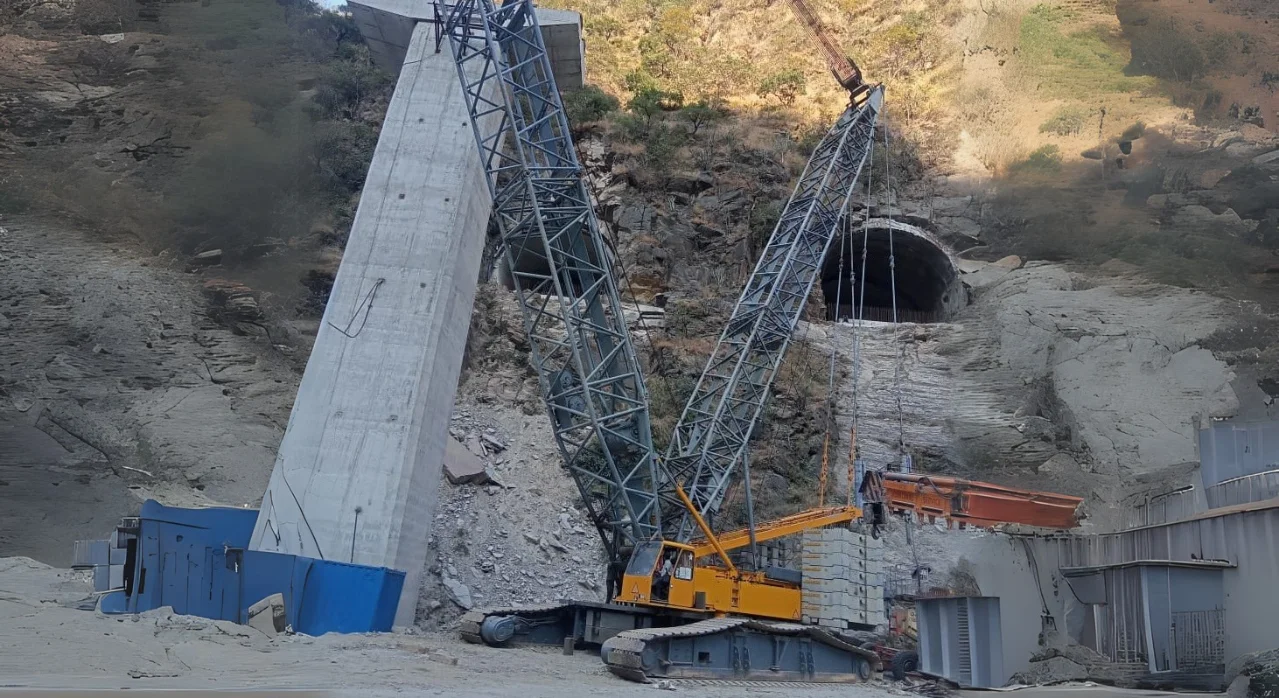
- Bridge and road construction requiring heavy lifting equipment.
- Steel structure erection and material placement.
- Plant maintenance and equipment replacement.
- Heavy equipment shifting within industrial facilities.
Factors to Consider Before Hiring a Crane
Choosing the right crane requires careful evaluation of the project requirements. Important factors include load weight, lifting height, working radius, site conditions, access limitations, project duration, ground conditions, and crane capacity.
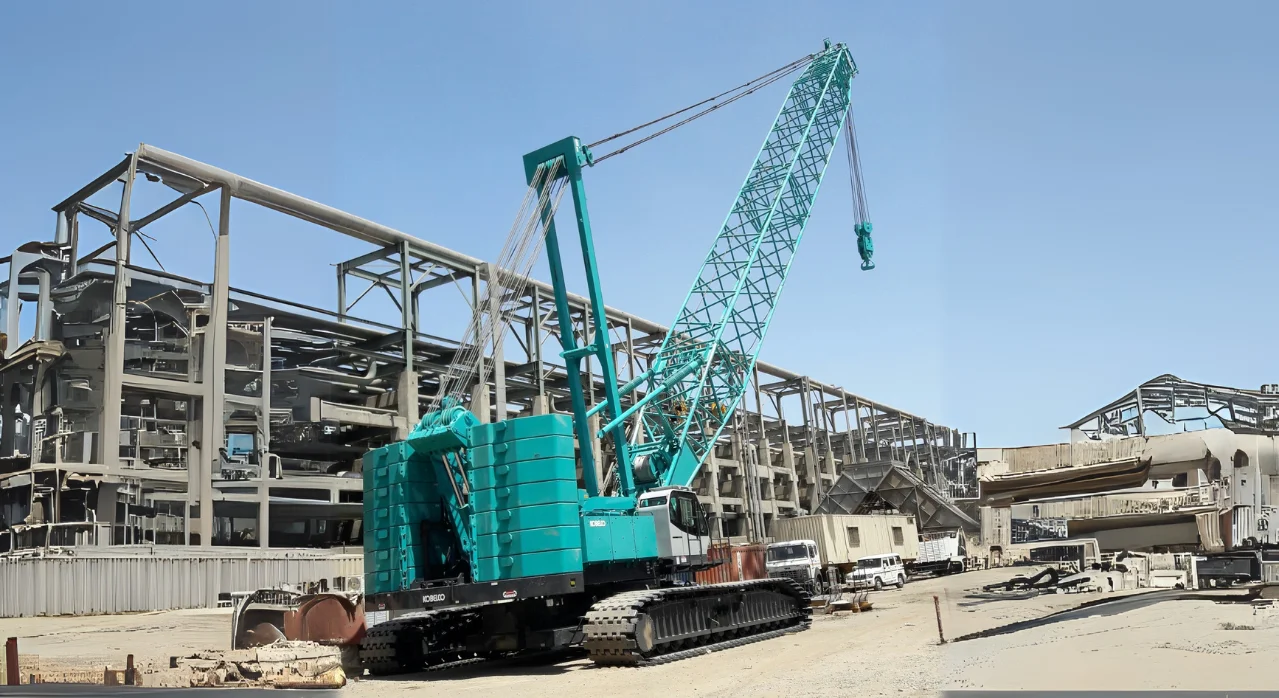
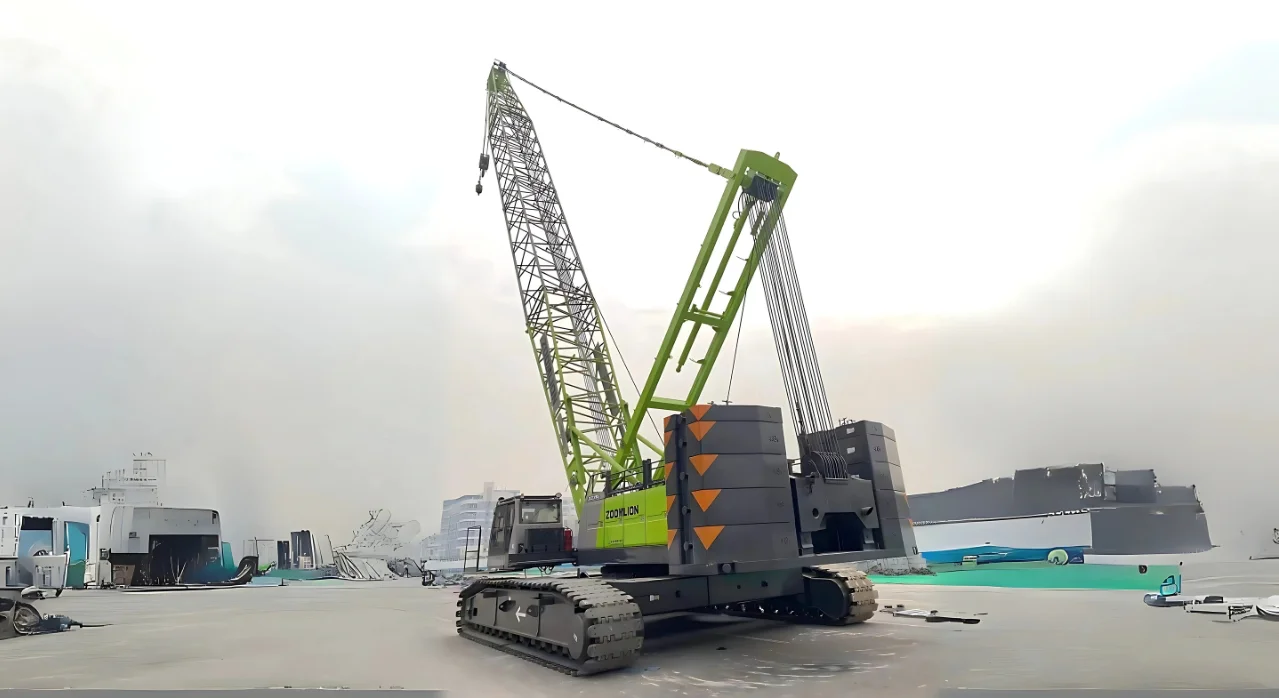
The type of crane should also be selected according to the nature of the lifting operation. Mobile cranes can provide flexibility for projects requiring movement between locations, while crawler cranes can be suitable for certain heavy-duty applications and challenging ground conditions.
Businesses should also verify the equipment's condition, safety documentation, operator qualifications, and service provider's experience before beginning a lifting project.
Safety Considerations for Crane Hiring
Safety should remain a priority during every lifting operation. The selected crane must have an appropriate capacity for the intended load, and the lifting plan should account for the working radius, load characteristics, ground conditions, weather, and surrounding structures.
Using trained crane operators and following appropriate site safety procedures can help reduce operational risks. Regular equipment inspections and proper communication between the operator and ground personnel are also important parts of safe lifting operations.
Professional Crane Hire for Efficient Lifting
For businesses that do not require permanent access to heavy lifting equipment, professional crane hire can provide a practical alternative to purchasing. It offers access to suitable equipment while reducing the financial and operational responsibilities associated with ownership.
By selecting the right crane according to the project's lifting capacity, working conditions, duration, and location, businesses can support efficient material handling and heavy-lifting operations.
FAQs
1. What are the main advantages of hiring a crane?
Crane hire reduces the initial investment, maintenance responsibilities, storage requirements, and long-term ownership costs.
2. Is crane hire suitable for short-term projects?
Yes, crane hire is particularly useful for construction and industrial projects requiring lifting equipment for a limited period.
3. Can different types of cranes be hired?
Yes, businesses can hire suitable mobile, hydraulic, crawler, and other cranes depending on their project requirements.
4. Can crane hire include an operator?
Depending on the hiring arrangement, professional crane operators can be provided along with the equipment.
5. What should be checked before hiring a crane?
Businesses should evaluate load capacity, lifting height, working radius, site conditions, equipment condition, safety documentation, and operator qualifications.
Conclusion
Hiring a crane instead of buying one can provide significant advantages for businesses with temporary, occasional, or project-specific lifting requirements. Lower initial investment, reduced maintenance responsibilities, flexible equipment selection, professional operators, reduced storage requirements, and better project cost control make crane hire a practical option for many industries.
Whether the requirement involves construction, industrial machinery shifting, infrastructure development, structural erection, or heavy equipment handling, selecting a reliable crane hire provider can help businesses access the appropriate equipment for their project without the long-term commitments associated with ownership.