Introduction
Every large-scale construction site, industrial facility, or infrastructure project eventually faces the same challenge: how do you move, lift, and position materials that are too heavy or too awkward for manual labor or standard machinery? The answer, in almost every case, is a crane. But cranes are expensive, specialized, and often only needed for specific phases of a project — which is exactly why crane on hire services have become the preferred choice for businesses of every size, from small contractors to major infrastructure developers.
In this guide, we'll walk through what crane hire actually means, why it makes financial and operational sense, the different types of cranes available, what to consider before hiring one, and how to choose a provider you can trust with your project's safety and timeline.
What Does "Crane On Hire" Mean?
Crane on hire refers to renting a crane — along with a trained operator, rigging equipment, and often transportation and setup support — for a defined period or a specific project, instead of purchasing the machine outright. The rental company owns, maintains, and services the fleet, while the client simply pays for the usage period and the lifting capacity required.
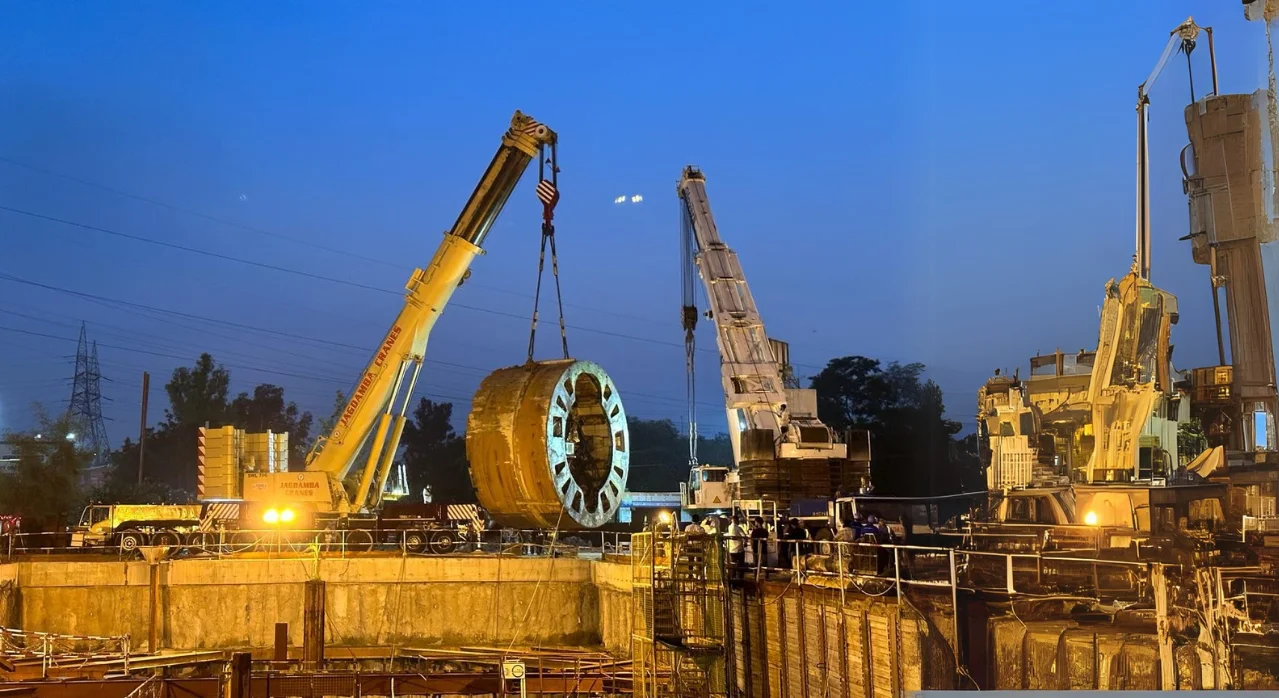
This model has become the backbone of modern construction and heavy industry because it separates the need for lifting capability from the burden of owning and maintaining massive, expensive machinery. A business can access a 500-ton crawler crane for a two-week bridge project without ever having to worry about where that crane goes, how it's serviced, or what happens to it once the job is done.
Crane rental arrangements can range from a few hours (for a single lift, like installing an HVAC unit on a rooftop) to several months or even years (for large infrastructure or tower construction projects). Contracts typically specify the crane type, capacity, operator inclusion, duration, and any additional services like rigging, transportation, or standby time.
Why Businesses Choose Crane Hire Over Buying
1. Cost-Effectiveness
The most obvious and immediate benefit of crane hire is cost savings. Purchasing a crane — even a mid-sized mobile crane — can run into tens of lakhs or even crores of rupees depending on capacity and specifications. Beyond the purchase price, owners must also budget for:
- Routine maintenance and part replacement
- Annual inspections and certifications
- Insurance premiums
- Storage and yard space
- Operator salaries, even during idle periods
- Depreciation of the asset over time
When you hire a crane instead, all of these costs are bundled into the rental company's overhead and reflected in a single, predictable rental rate. You pay only for the days or hours you actually use the equipment, which dramatically improves cash flow — especially for small and mid-sized contractors who can't afford to have capital tied up in idle machinery.
2. Access to the Right Equipment for Every Job
No single crane can handle every type of lifting task. A tower crane suited for constructing a 40-story building would be completely impractical for a quick equipment installation at a factory. By hiring, businesses gain access to an entire spectrum of crane types and capacities, allowing them to select the perfect machine for each specific job rather than being locked into whatever crane they happen to own.
This flexibility becomes even more valuable for companies that handle diverse projects — one week might require a compact hydraulic crane for a tight urban site, while the next demands a heavy crawler crane for an open industrial yard.
3. Reduced Maintenance Burden
Owning a crane means owning a maintenance schedule. Hydraulic systems, wire ropes, load charts, and safety mechanisms all require regular inspection and servicing to remain compliant and safe. Reputable crane hire companies handle all of this internally, ensuring that every crane leaving their yard is inspected, certified, and ready for safe operation.
This removes a significant operational and administrative burden from the hiring business, freeing up internal teams to focus on the project itself rather than equipment upkeep.
4. Skilled, Certified Operators Included
Operating a crane safely requires specialized training, certification, and experience — it's not something that can be handed to just anyone on-site. Most crane hire packages include a certified operator as part of the deal, which means businesses don't need to worry about recruiting, training, or certifying their own operators.
This also significantly reduces liability and safety risk. An experienced operator understands load charts, ground conditions, wind limitations, and rigging best practices — knowledge that takes years to build and that directly affects whether a lift goes smoothly or ends in disaster.
5. Flexibility for Short-Term or One-Off Projects
Many projects only require a crane for a small fraction of their overall timeline — perhaps a few days to erect structural steel, or a single afternoon to lift a rooftop unit into place. For these situations, purchasing a crane makes no financial sense whatsoever. Hiring allows businesses to bring in exactly the equipment they need, exactly when they need it, and release it the moment the job is done.
6. Scalability for Growing or Fluctuating Workloads
For businesses whose project volume fluctuates seasonally or year to year, crane hire offers a way to scale heavy lifting equipment capacity up or down without the risk of over-investing in equipment that might sit unused during slower periods. This scalability is particularly valuable for contractors managing multiple simultaneous projects across different sites.
Types of Cranes Available on Hire
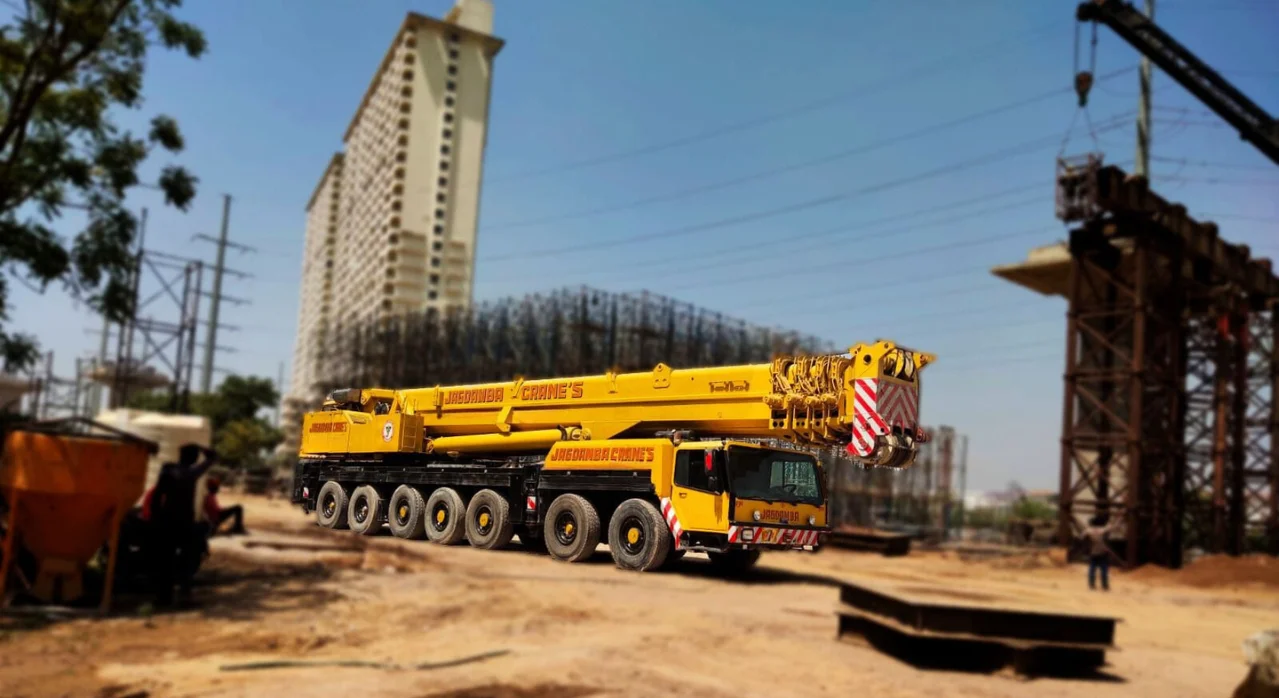
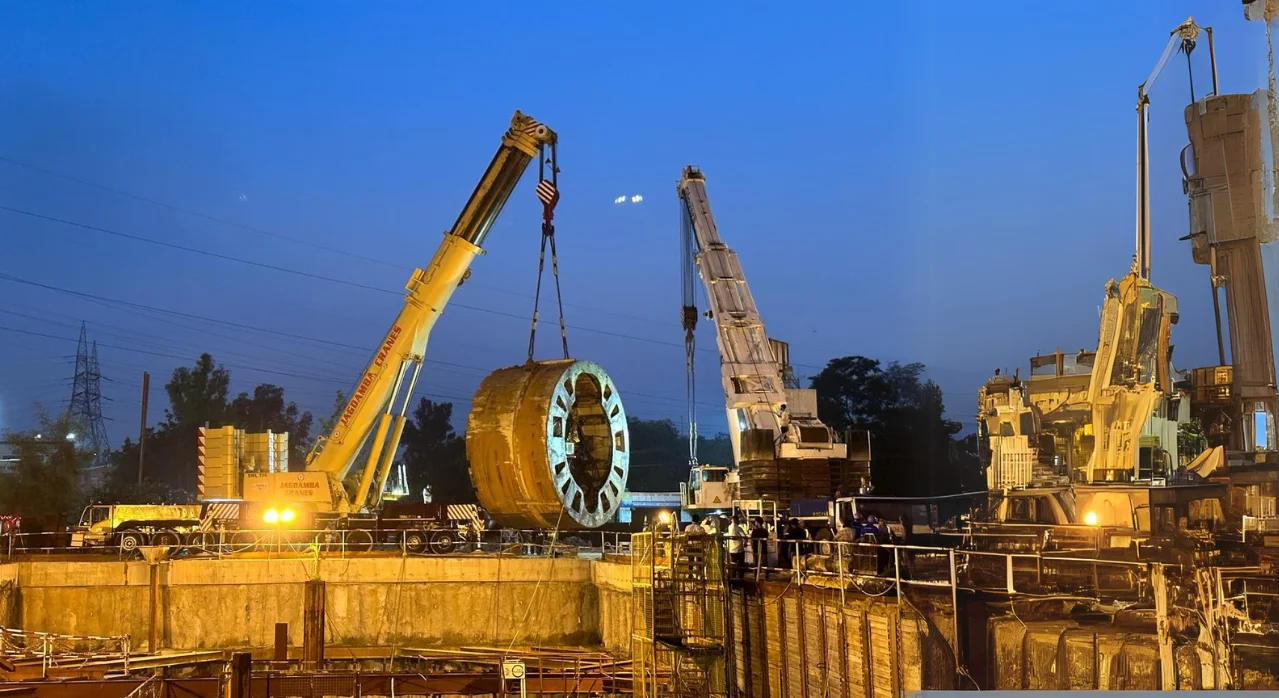
Mobile Cranes
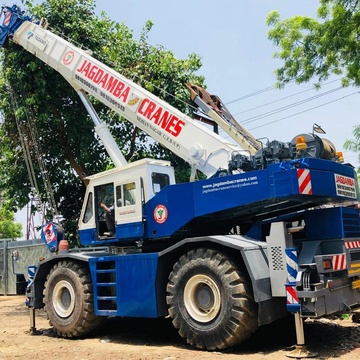
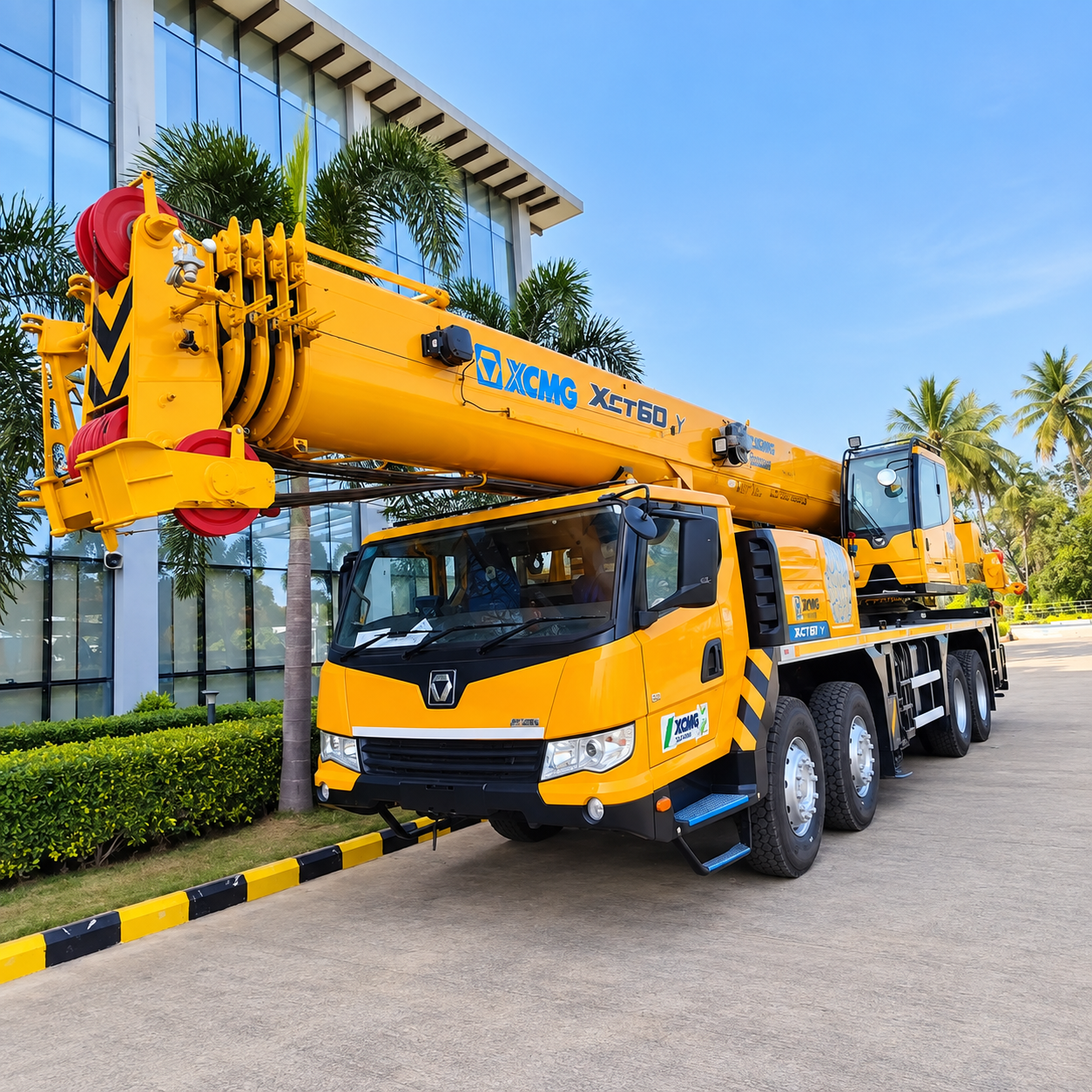
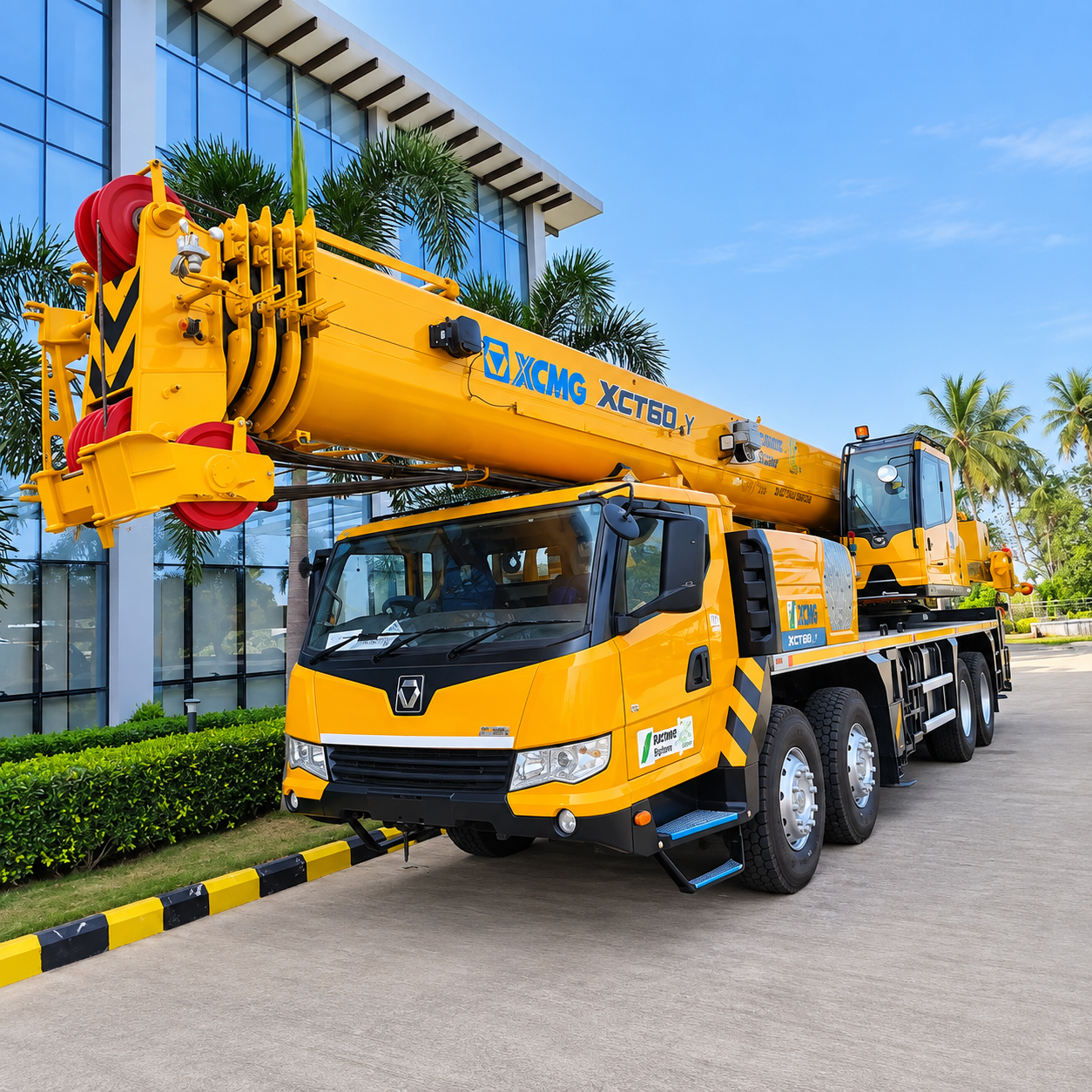
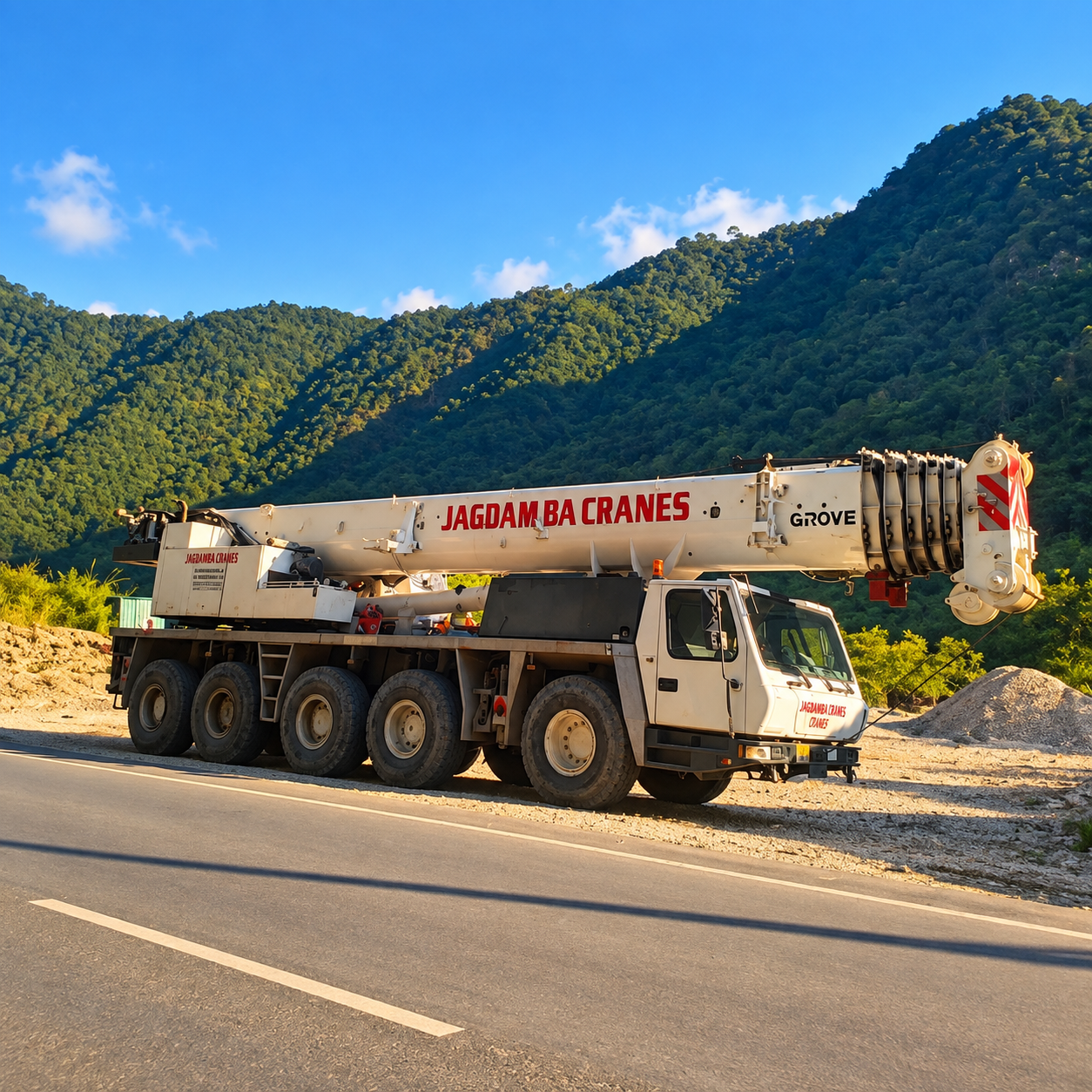
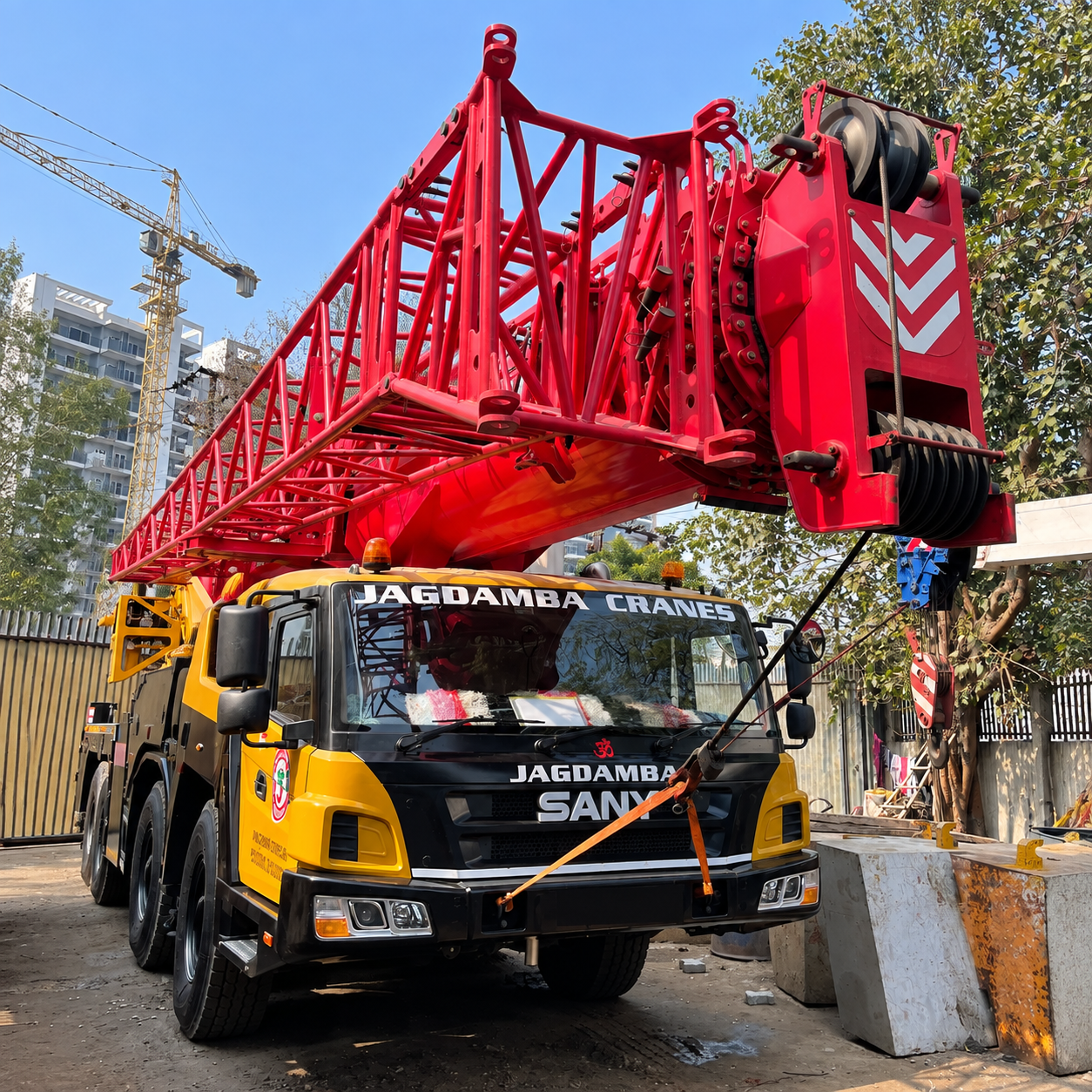
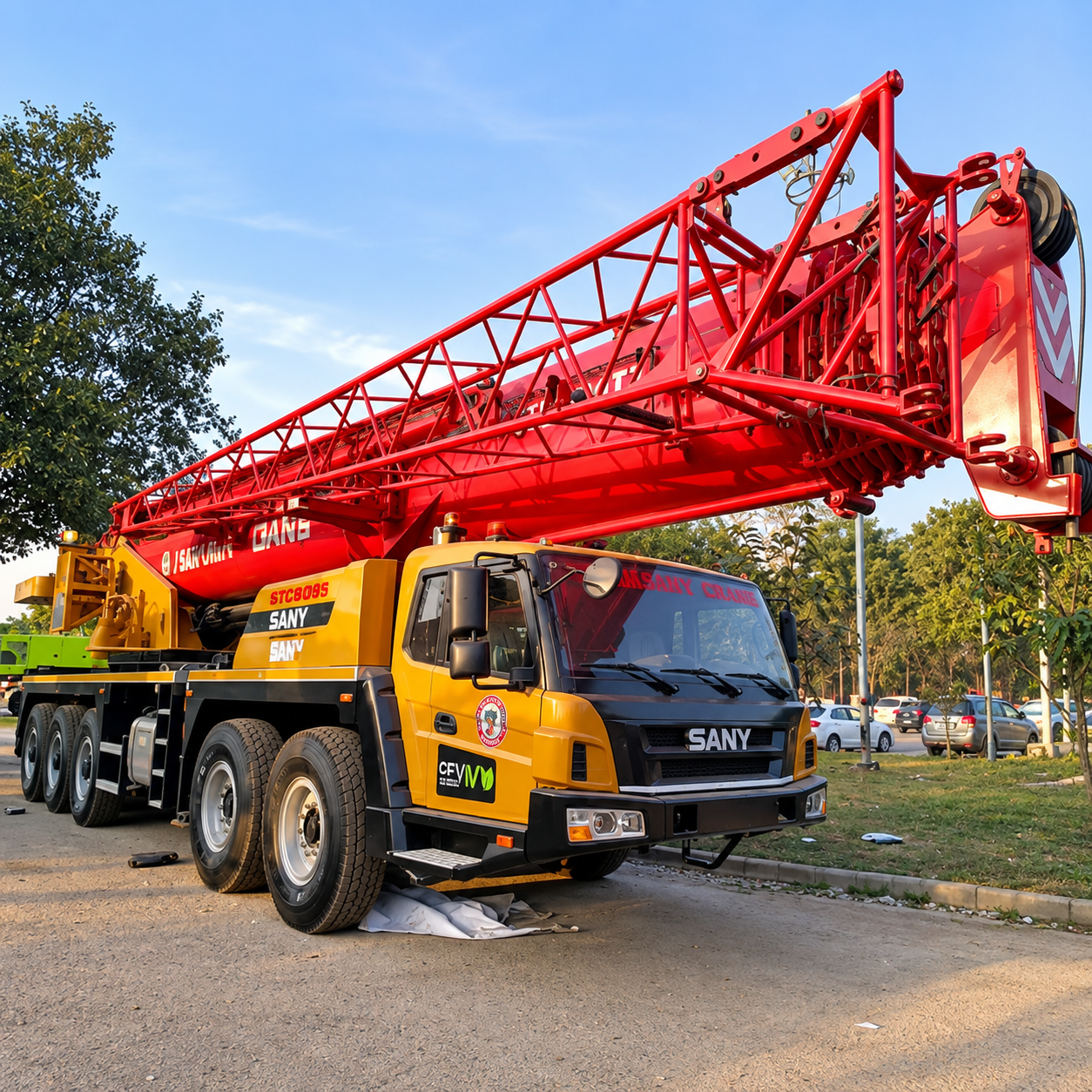
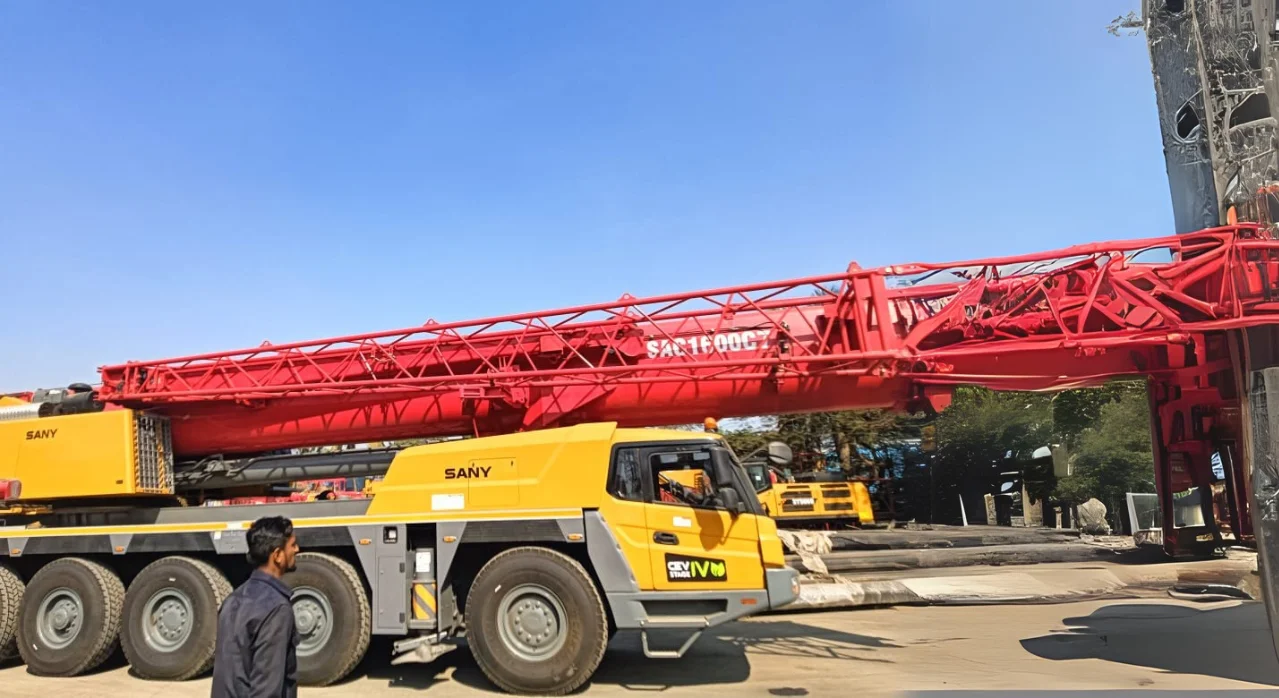
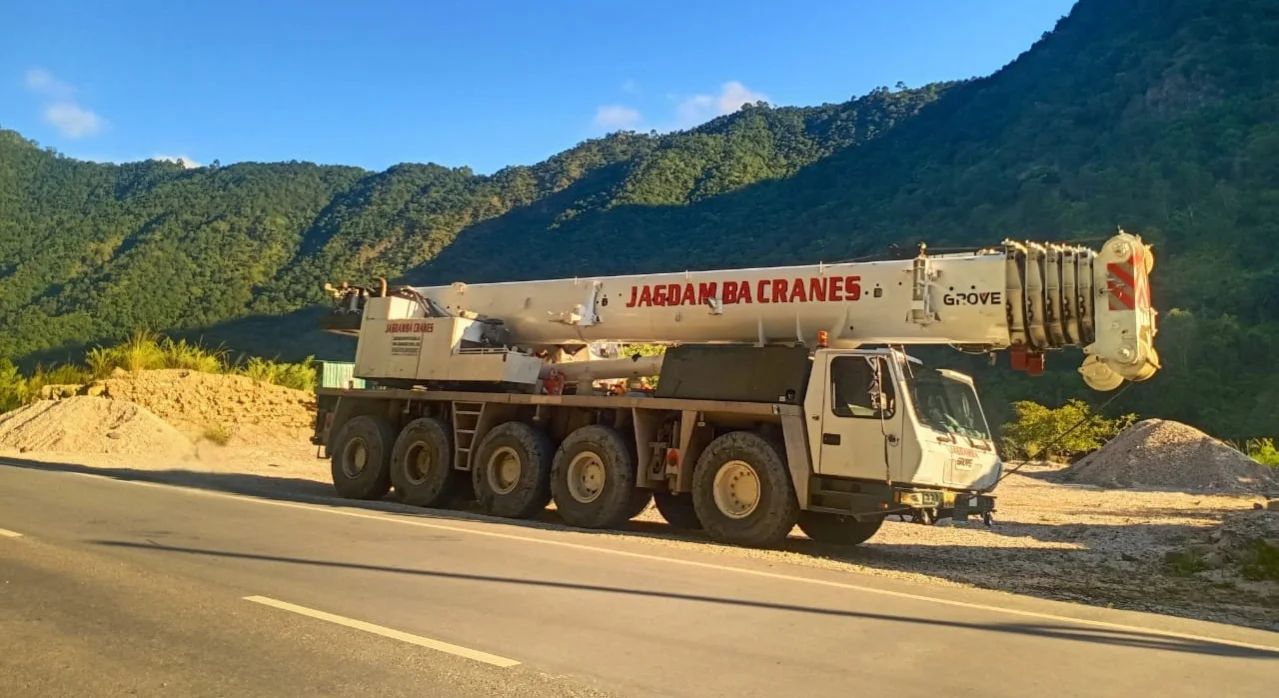
Mobile cranes are mounted on wheeled or tracked vehicles, making them easy to transport between sites and quick to set up. They're highly versatile and commonly used for short-term or varied lifting tasks across construction, industrial maintenance, and utility work.
Tower Cranes
Tower cranes are the tall, fixed structures commonly seen at high-rise construction sites. They offer exceptional height and lifting capacity, making them essential for multi-story building projects where materials need to be moved vertically over long durations.
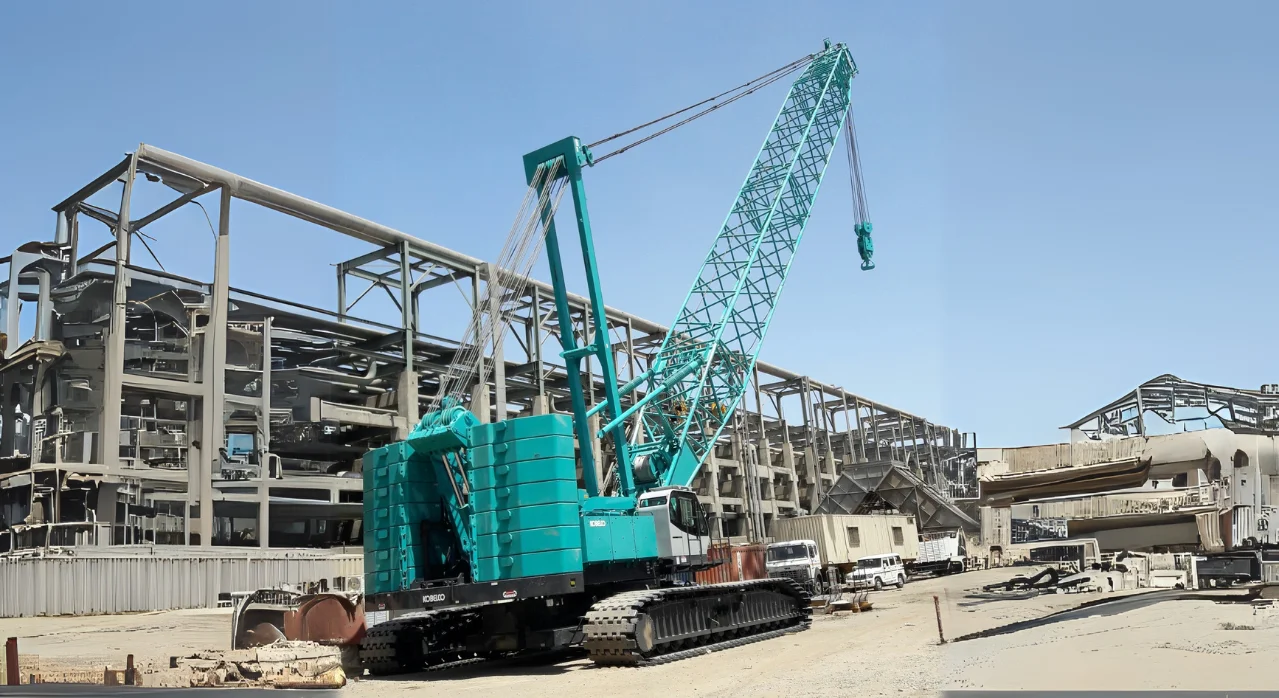
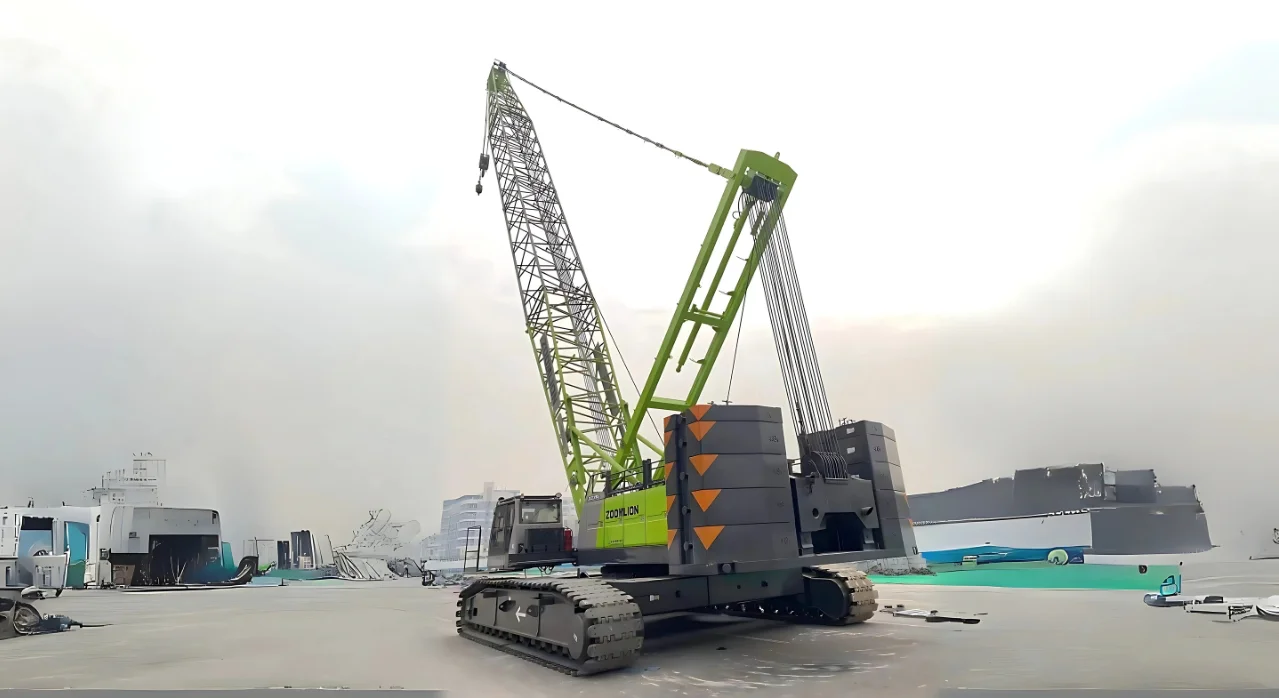
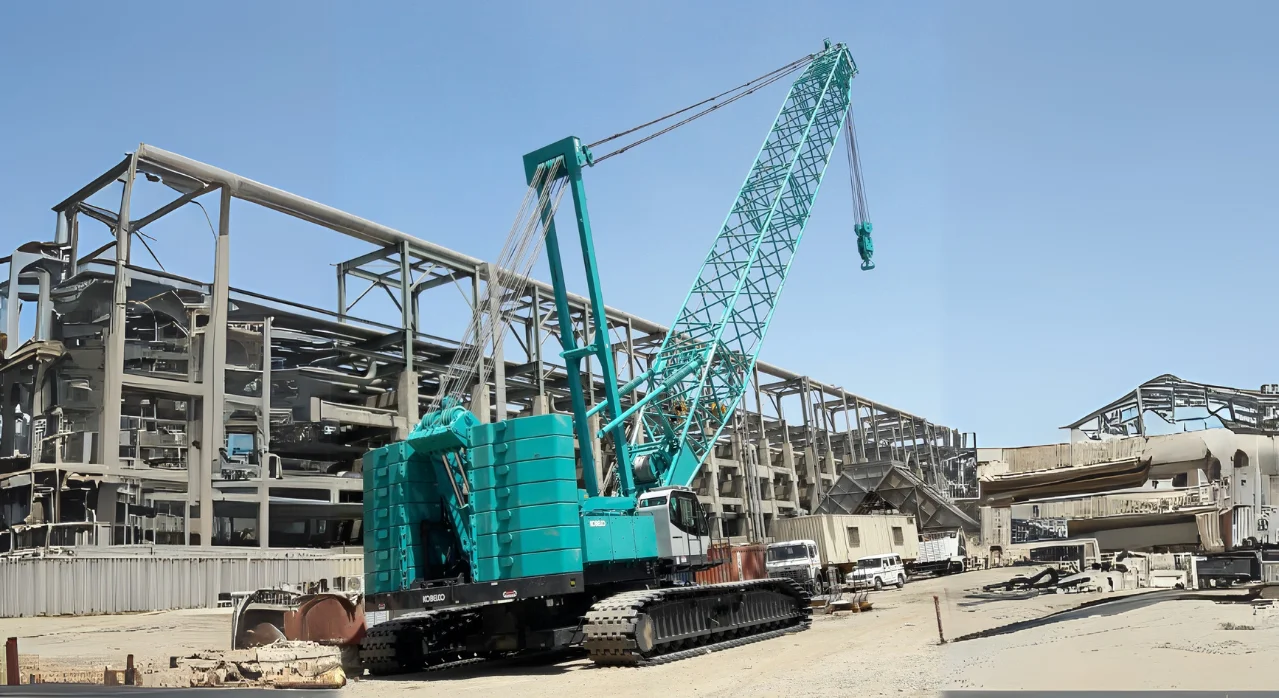
Crawler Cranes
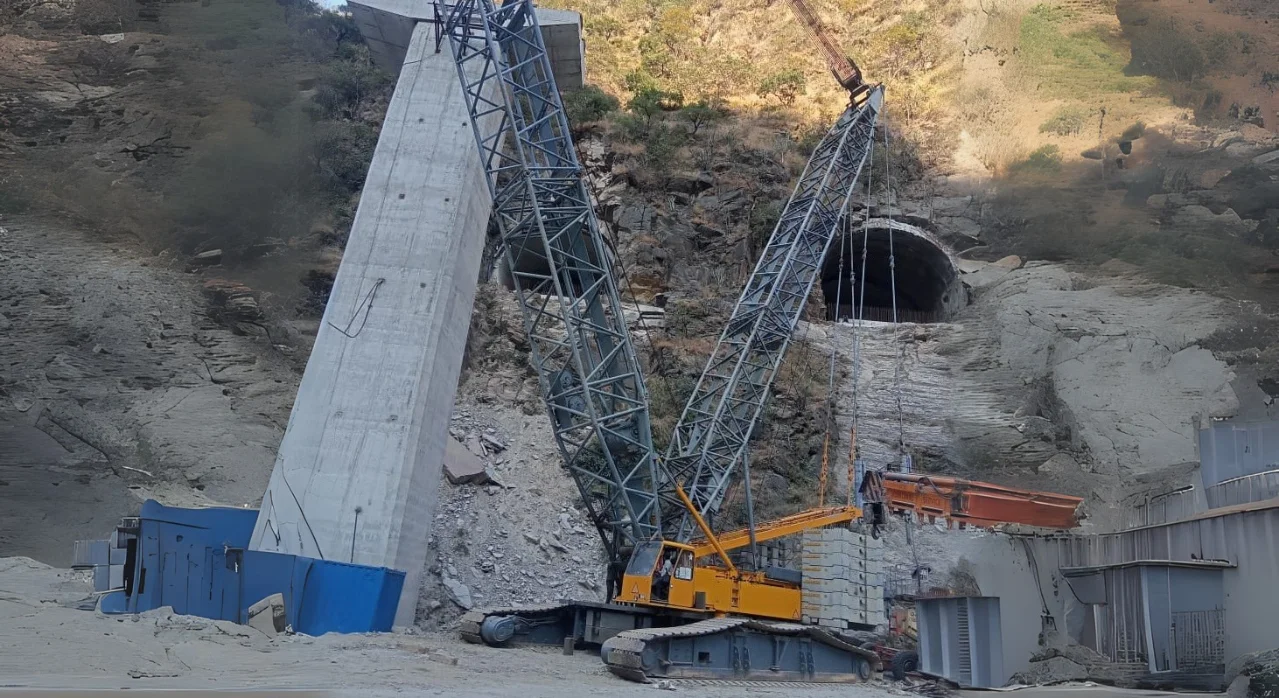
Mounted on tracks rather than wheels, crawler cranes are built for stability on rough or uneven terrain. They're often used in heavy industrial settings, infrastructure projects, and locations where ground conditions rule out wheeled equipment.
Hydraulic Cranes
Hydraulic cranes, known for their precision and smooth control, are popular for smaller-scale or highly technical lifting operations where accuracy matters as much as raw lifting power.
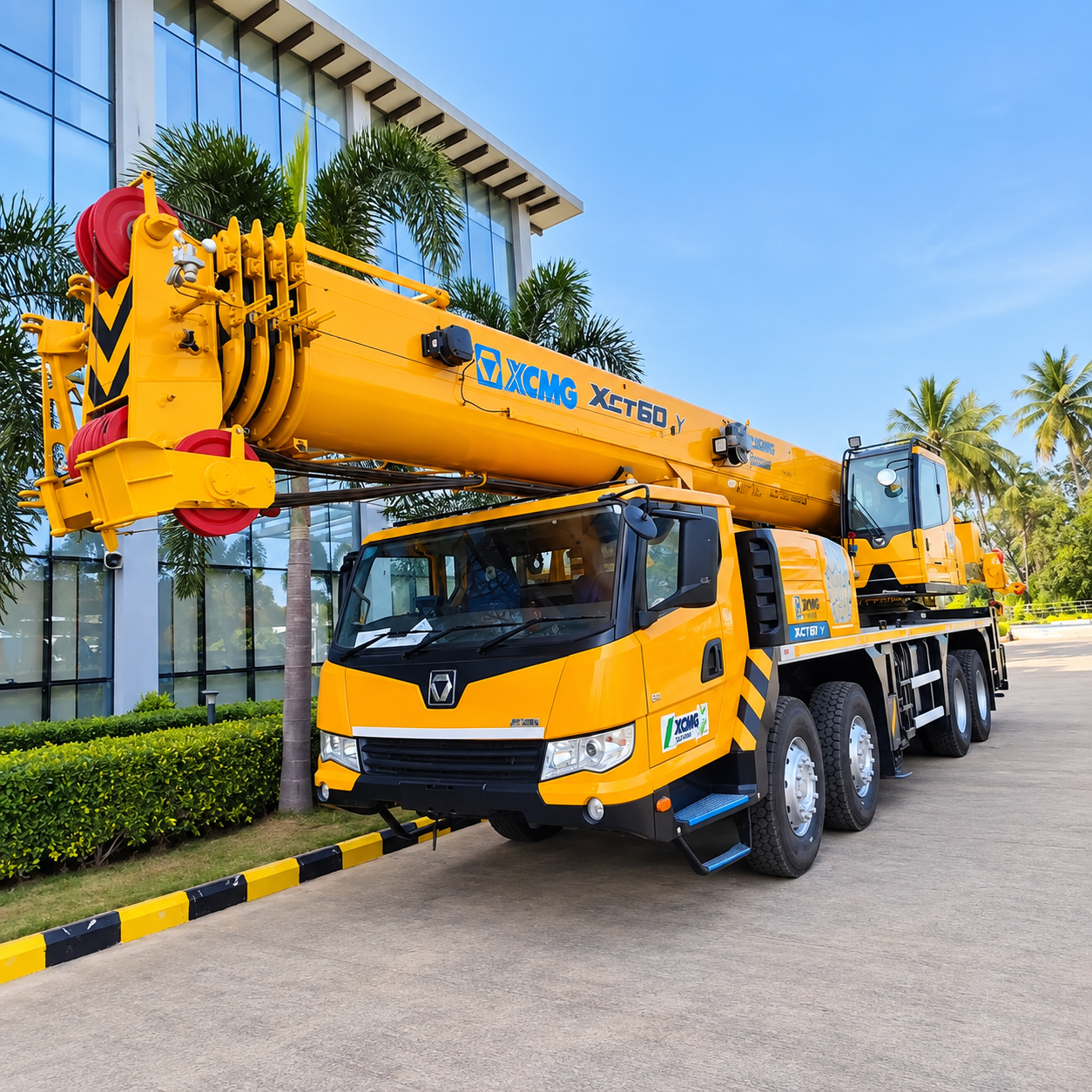
Truck-Mounted Cranes
These combine the mobility of a truck chassis with crane functionality, allowing for quick relocation and setup — ideal for utility companies, municipal work, and smaller construction sites.
Key Factors to Consider Before Hiring a Crane
- Load Capacity – Always match the crane's maximum lifting capacity to your project's heaviest anticipated load, with a reasonable safety margin.
- Site Conditions – Assess ground stability, access routes, overhead obstructions, and available space before finalizing crane type and size.
- Duration of Use – Short-term hires and long-term contracts often come with different pricing structures and terms, so clarify this upfront.
- Operator Certification – Confirm that the operator provided is licensed, insured, and experienced with the specific crane model being deployed.
- Safety Compliance – Verify that the rental company follows relevant safety regulations, holds proper certifications, and can provide documentation on request.
- Total Cost Breakdown – Factor in transportation, mobilization, setup, fuel, standby charges, and operator fees — not just the advertised hourly or daily rate.
- Weather and Environmental Factors – Certain cranes have wind speed limitations or environmental restrictions that could affect scheduling, especially for outdoor or coastal projects.
- Insurance Coverage – Ensure both the equipment and the operator are adequately insured against damage, injury, or project delays.
Industries That Rely on Crane Hire
- Construction and Infrastructure Development – Roads, bridges, buildings, and public works projects rely heavily on cranes for structural assembly.
- Real Estate and High-Rise Building Projects – Tower cranes are indispensable for vertical construction in urban development.
- Manufacturing and Industrial Plants – Cranes are used for installing heavy machinery, structural steel, and equipment upgrades.
- Oil, Gas, and Energy Sector Installations – Refineries, pipelines, and power plants often require heavy-duty crawler or all-terrain cranes.
- Ports, Warehousing, and Logistics Operations – Container handling and bulk cargo movement depend on specialized lifting equipment.
- Event Setup for Large Structures and Stages – Concert stages, exhibition structures, and temporary installations often use mobile cranes for rapid assembly and teardown.
The Crane Hire Process: What to Expect
- Initial Consultation – You share project details, load specifications, site conditions, and timeline with the hire company.
- Site Assessment – Many providers conduct a site visit or review site plans to recommend the right crane type and confirm feasibility.
- Quotation and Contract – You receive a detailed quote covering rental duration, transportation, operator fees, and any additional charges.
- Mobilization – The crane is transported to the site, assembled if necessary, and inspected before operation begins.
- Operation – The certified operator carries out the lifting work according to the project plan and safety protocols.
- Demobilization – Once the job is complete, the crane is disassembled (if applicable) and transported away from the site.
Understanding this workflow in advance helps avoid scheduling surprises and ensures your project timeline stays on track.
How to Choose the Right Crane Hire Provider
Selecting the right crane hire provider is just as important as selecting the right crane. Look for a provider with:
- A well-maintained, regularly inspected fleet
- Transparent, itemized pricing with no hidden charges
- Certified, experienced operators
- A strong track record of on-time delivery and project completion
- Responsive customer service and quick turnaround for last-minute needs
- Comprehensive insurance coverage for equipment and personnel
- Positive references or case studies from similar past projects
Don't hesitate to ask direct questions about their safety record, how they handle equipment breakdowns, and what contingency plans exist for weather delays or site access issues. A provider's willingness to answer these questions transparently is often a strong indicator of their reliability.
Common Mistakes to Avoid When Hiring a Crane
- Underestimating load requirements – Always account for rigging weight and dynamic loads, not just the object's static weight.
- Ignoring site access constraints – A crane too large for the site's access roads or turning radius can cause costly delays.
- Choosing the cheapest option without due diligence – Lower rates sometimes reflect poorly maintained equipment or under-qualified operators.
- Failing to confirm insurance details – Gaps in coverage can leave your business exposed in the event of an accident.
- Not planning for weather contingencies – Wind and rain can halt lifting operations; build buffer time into your schedule.
FAQs
Q1. Is it cheaper to hire a crane than to buy one? For most short-term or occasional projects, yes — hiring avoids maintenance, storage, and depreciation costs. Buying only makes sense if you need a crane continuously across many projects.
Q2. Do crane hire services include an operator? Most reputable providers include a certified operator as part of the package. It's best to confirm this upfront, as some rentals are equipment-only.
Q3. How far in advance should I book a crane? It depends on crane type and availability, but booking at least 1–2 weeks ahead is recommended for larger cranes or during peak construction seasons.
Q4. What size crane do I need for my project? This depends on the load weight, lift height, and site access. A good rental provider will assess these factors and recommend the right crane for your job.
Q5. Are hired cranes insured? Reputable crane hire companies carry insurance for their equipment and operators, but it's important to confirm coverage details before signing a contract.
Q6. Can a crane be hired for just a few hours? Yes, many providers offer short-duration hires for single lifts, though minimum charges or mobilization fees may still apply.
Q7. What happens if the crane breaks down mid-project? Reliable providers typically offer backup equipment or rapid repair support as part of their service agreement, so always confirm this before signing a contract.
Conclusion
Crane on hire services give businesses the flexibility to access powerful, specialized lifting equipment without the financial burden of ownership. From cost savings and reduced maintenance to skilled operators and equipment tailored to each project, hiring a crane is often the smarter, more efficient choice — especially for short-term or variable workloads. By understanding the types of cranes available, carefully evaluating your project's requirements, and choosing a reliable, transparent provider, you can ensure safe, timely, and cost-effective execution of even the most demanding lifting tasks. Whether you're managing a single rooftop installation or a multi-month infrastructure build, the right crane hire partner can make all the difference between a smooth project and a costly delay.