introduction
Lifting heavy loads safely is one of the most critical parts of any construction, industrial, or infrastructure project. A single miscalculated lift can delay a project by days, damage expensive equipment, or cause serious safety incidents on site. This is why more businesses — from small contractors to large EPC companies — are turning to professional crane hire services instead of buying and maintaining their own fleet of cranes.
Crane hire lets project managers and site engineers get the right lifting equipment, a trained operator, and safety compliance handled as part of one booking, without the overhead of owning, storing, insuring, and servicing heavy machinery year-round. Whether it's a single foundation lift for a residential building or ongoing support for a refinery turnaround, hiring a crane has become the default choice for most projects because it converts a large capital decision into a flexible, project-by-project cost.
This guide walks through what crane hire services actually cover, why they make more financial and operational sense than ownership for most businesses, the different crane types available, the industries that depend on them, and what to check before signing a contract with a provider.
What Crane Hire Services Actually Cover
A good crane hire service isn't just about renting a machine and dropping it off at a site. It's an end-to-end process, and understanding each stage helps you evaluate whether a provider is genuinely equipped to handle your project or is simply renting out idle equipment with no real support behind it.
Requirement and site assessment. Every booking should begin with a detailed conversation about load weight, lifting height, site location, ground conditions, and the duration of the job. This is not a formality — it directly determines which crane can be safely deployed. A provider that skips this step and simply sends "whatever is available" is a red flag.
Crane selection. Based on the assessment, the right crane — hydraulic, mobile, crawler, or heavy-lift — is assigned. Selecting the wrong crane type for the ground conditions or load radius is one of the most common causes of on-site lifting accidents, so this step should never be rushed.
Operator deployment. A trained, certified operator is assigned along with the crane. Crane operation is a specialised skill; an experienced operator understands load charts, wind limits, and how to read ground stability in real time, none of which can be learned on the fly.
Site mobilisation. Once the crane and operator are confirmed, the equipment is transported to the site as per the scheduled timing. For heavy-lift and crawler cranes, this can involve disassembly, multiple trailers, and route planning for oversized loads — all of which a good hire company plans for in advance.
Lifting operation with safety checks. The actual job is executed with load charts, rigging checks, and site-safety protocols in place. This includes verifying sling and rigging capacity, checking weather conditions, and confirming exclusion zones around the lift area.
Because these steps are bundled together, businesses don't have to separately manage equipment logistics, staffing, and compliance documentation — the crane hire provider handles all of it under one point of contact. This is especially valuable for project managers juggling multiple contractors and vendors on a single site, since it removes one entire category of coordination from their plate.
Why Businesses Choose Crane Hire Over Ownership
Owning a crane makes financial sense only if a company needs one constantly, on a near-daily basis, across multiple long-running projects. For most construction and industrial businesses, hiring is the more practical choice, and the reasons go well beyond just the upfront purchase price.
Lower upfront cost. Cranes, especially crawler and heavy-lift models, can cost anywhere from tens of lakhs to several crores. Hiring converts this into a predictable, project-linked expense instead of a large capital outlay that ties up funds for years.
No maintenance burden. Servicing, spare parts, breakdown repairs, and statutory certifications are the hire company's responsibility, not yours. A crane that breaks down mid-project is a logistics and safety problem — when you hire, that risk sits with the provider, who typically has backup equipment and technicians on call.
Access to the right crane for the job. Different projects need different crane types — a hydraulic crane for a quick building lift is very different from a crawler crane needed on a soft, uneven refinery site. Owning one or two cranes locks a company into a narrow set of jobs; a hire fleet can match almost any requirement precisely.
Trained operators included. Recruiting, training, and certifying an in-house crane operator is a long process, and operator turnover is a real risk. Hiring removes this entirely — a qualified operator comes with the equipment.
Flexibility and scalability. Cranes can be booked for a single day's lift or for months of ongoing project support, and the fleet can be scaled up or down as the project's phase changes — something that's simply not possible with owned equipment sitting idle between jobs.
Reduced liability exposure. Because the hire company remains responsible for the crane's certification, insurance, and operator competency, a well-documented hire arrangement can also reduce a contractor's own liability exposure in the event of an incident, provided the paperwork and safety checks are properly maintained.
Types of Cranes Typically Available on Hire
Depending on the project, different crane types are suited to different jobs, and understanding the basic categories helps when discussing requirements with a provider.
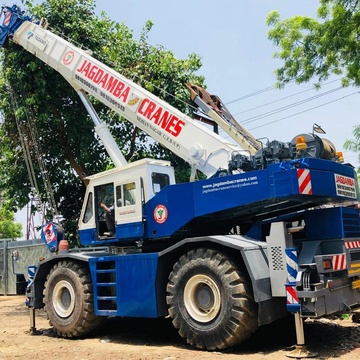
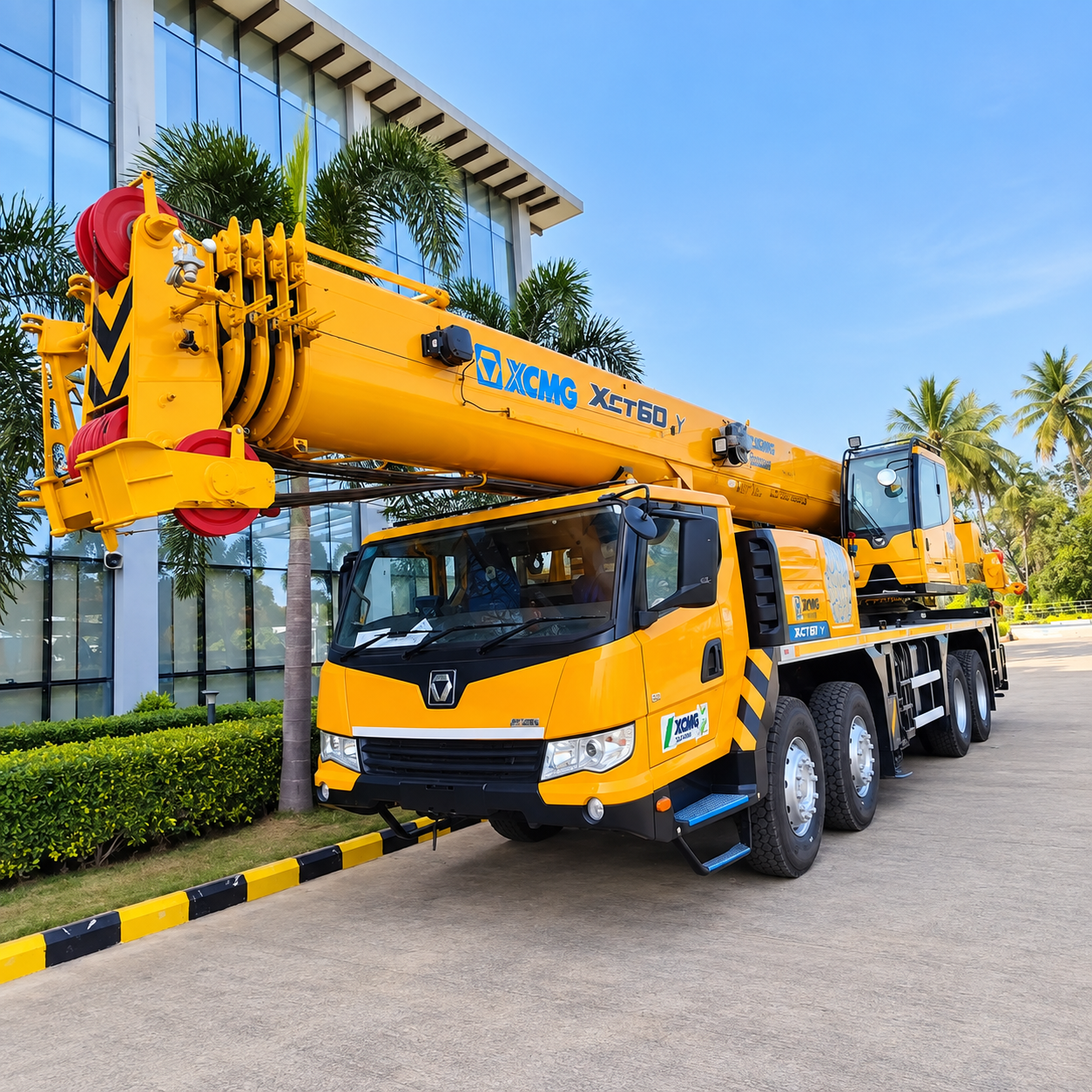
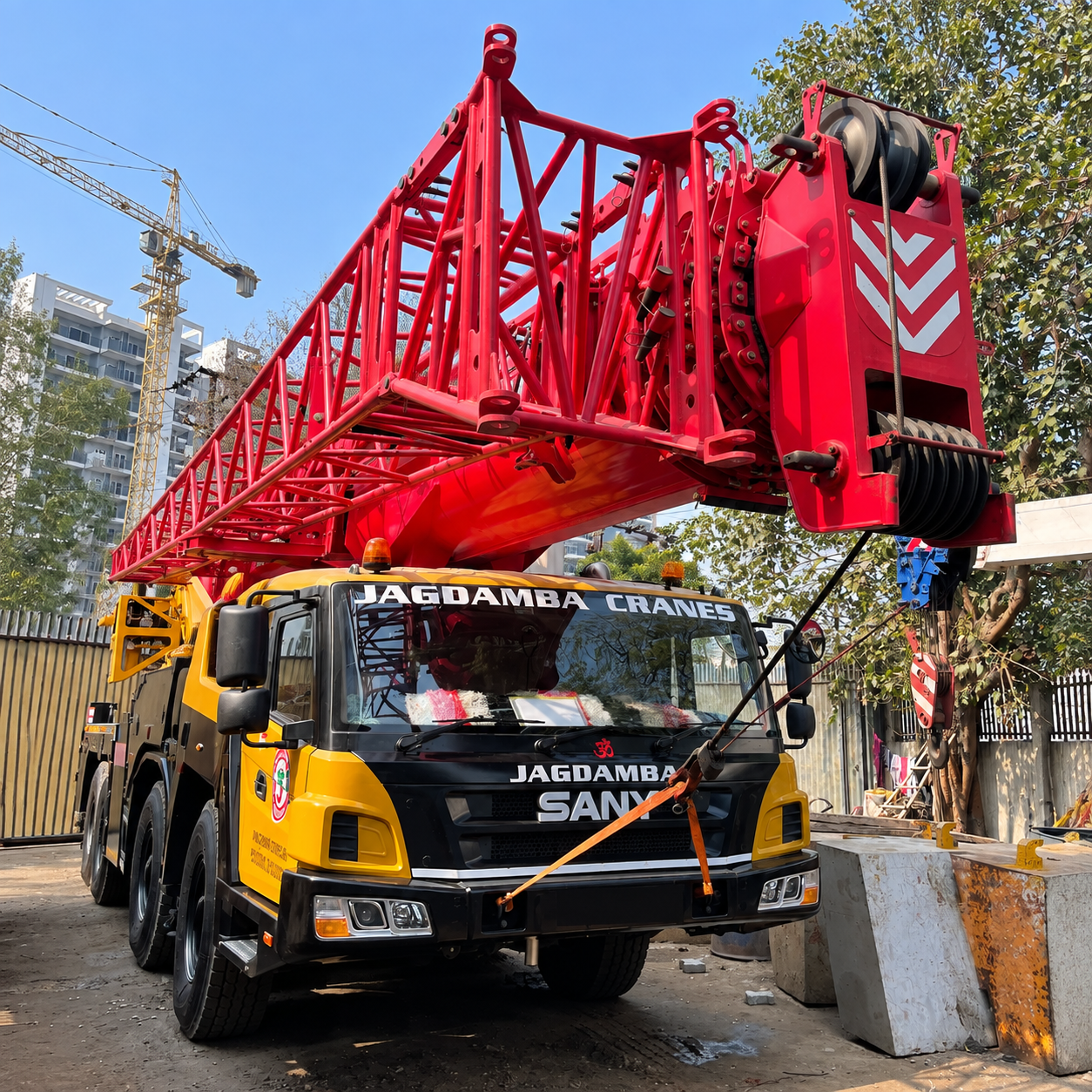
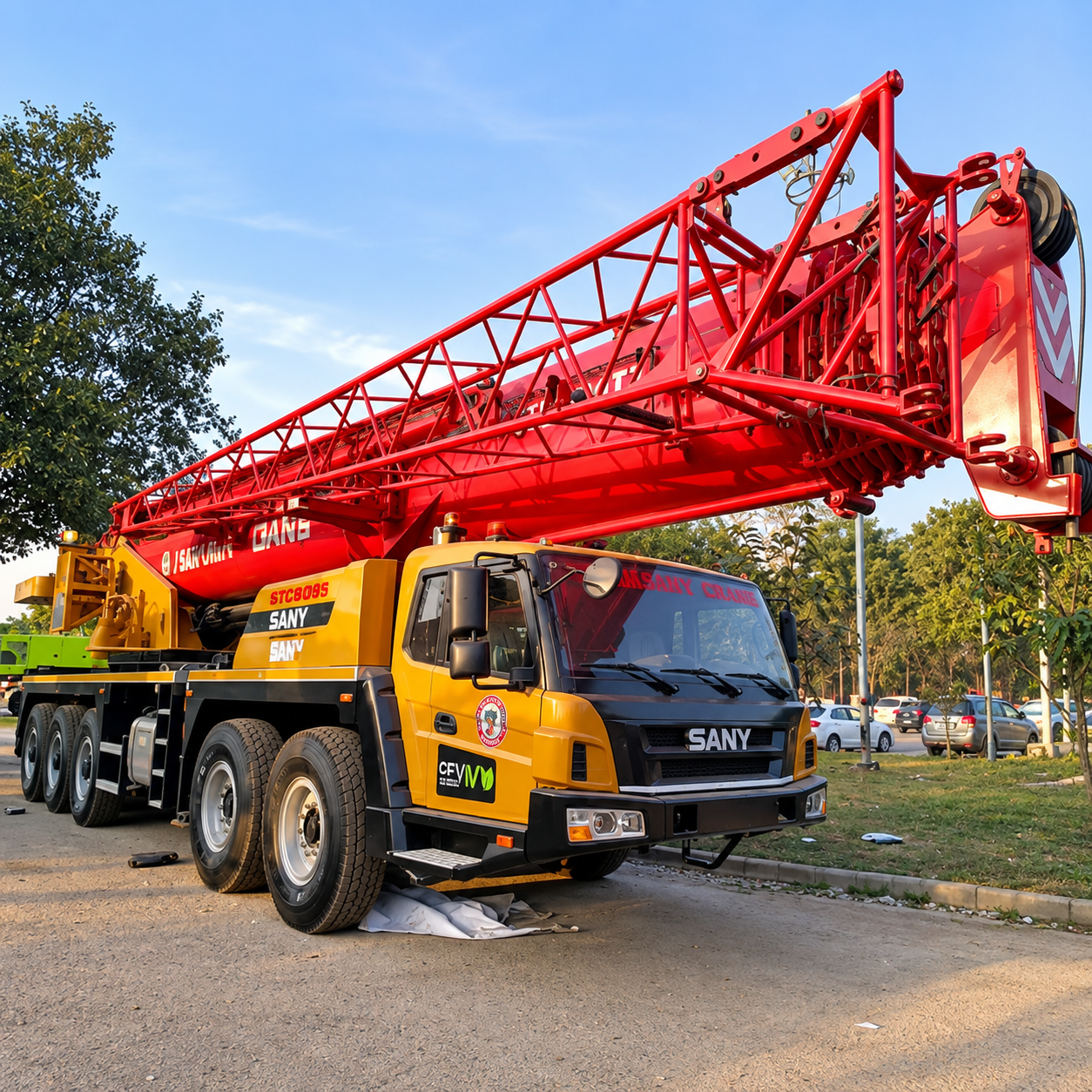
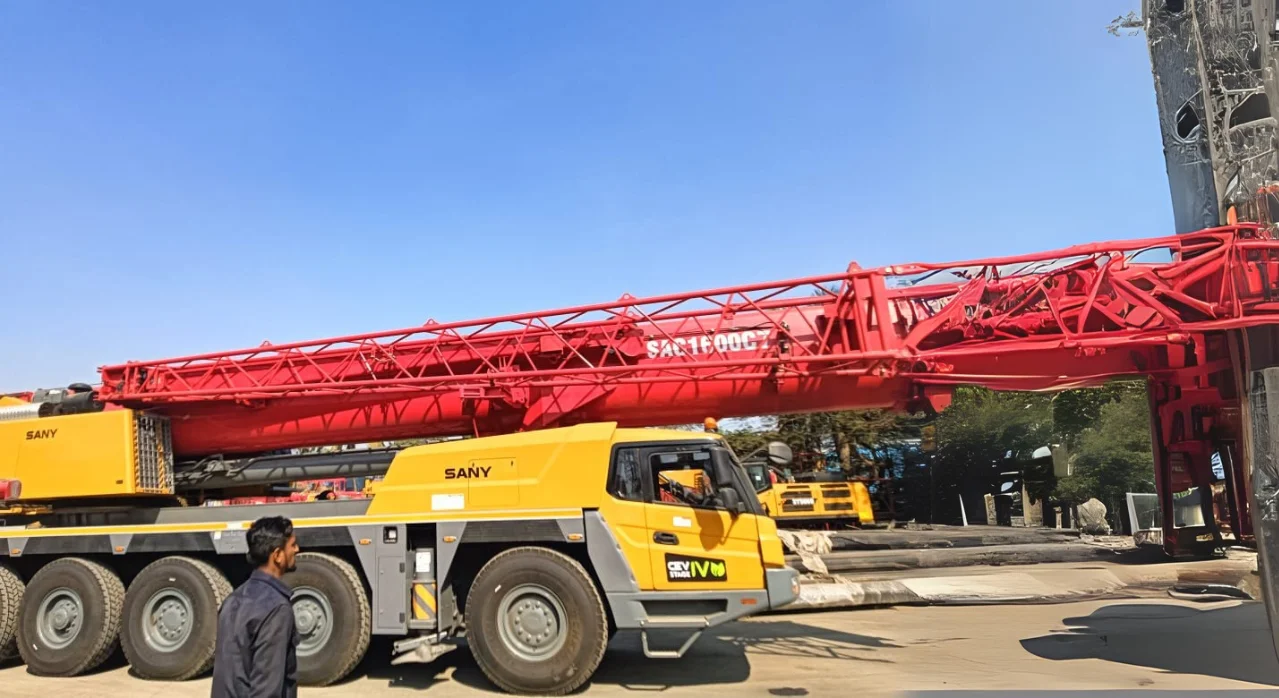
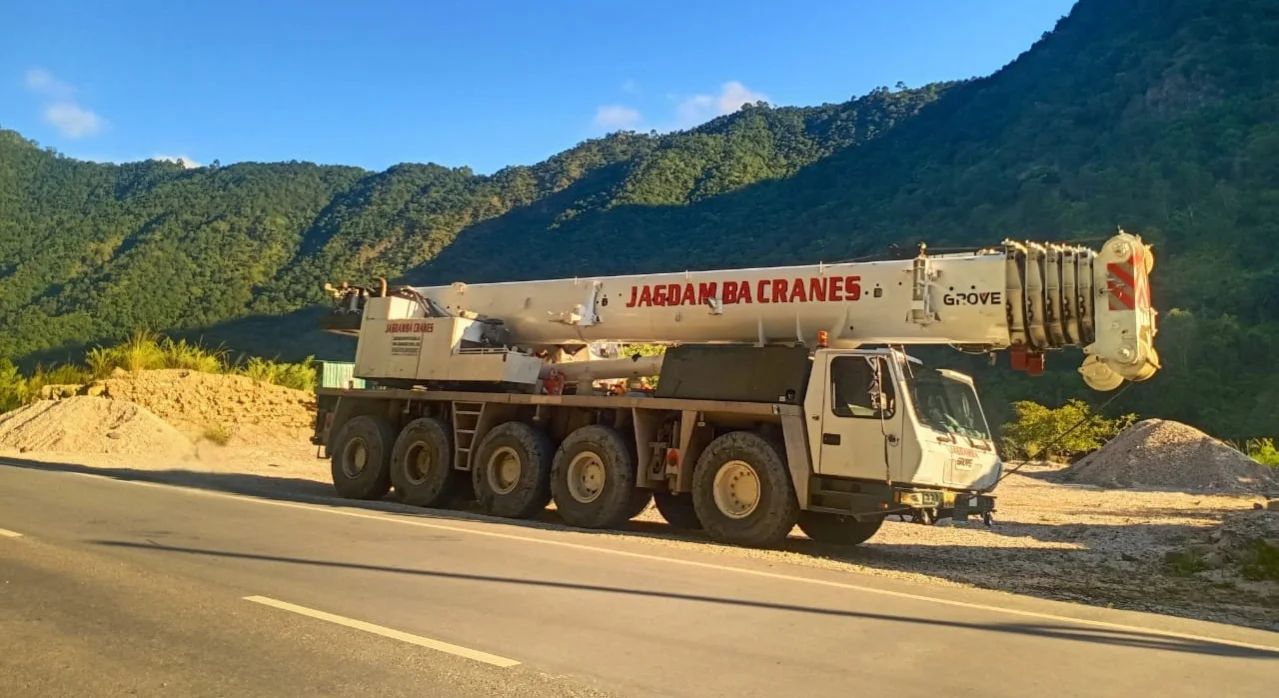
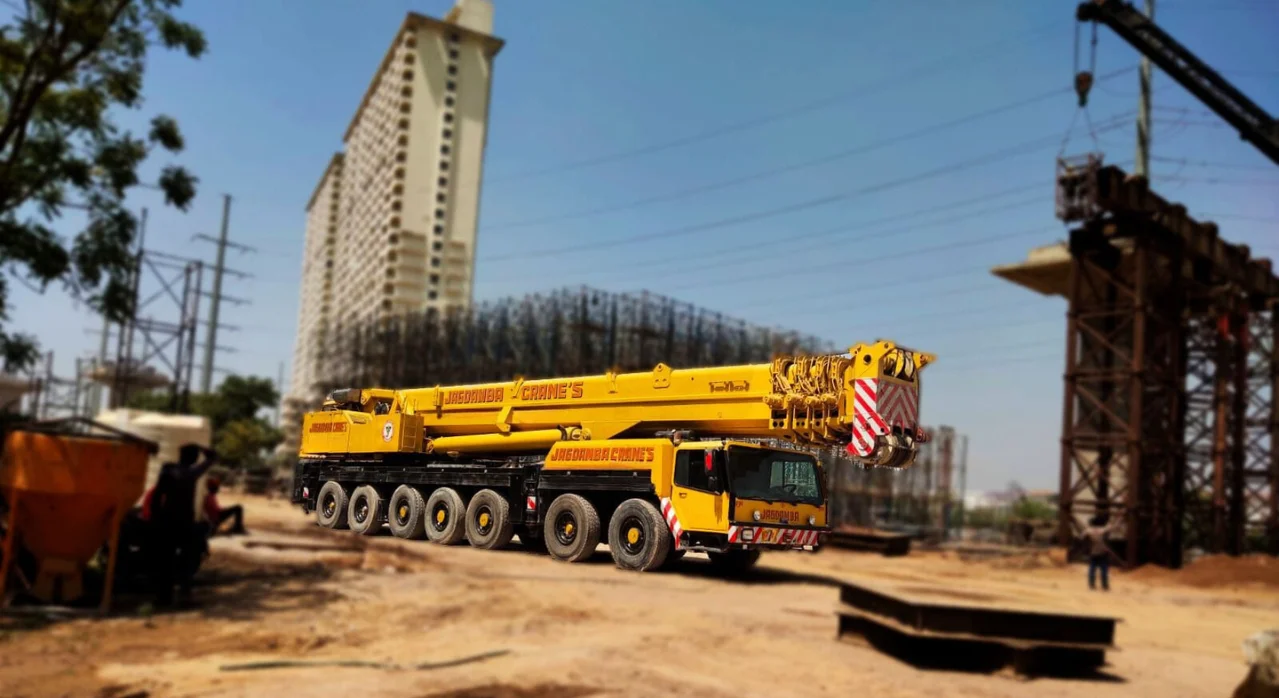
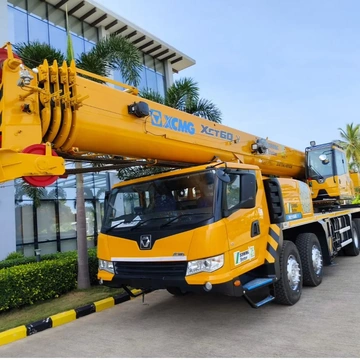
Hydraulic cranes are versatile, quick to set up, and widely used for general construction lifts such as placing structural steel, precast elements, or HVAC units on building sites. Their telescopic booms make them adaptable to a range of heights and reach requirements.
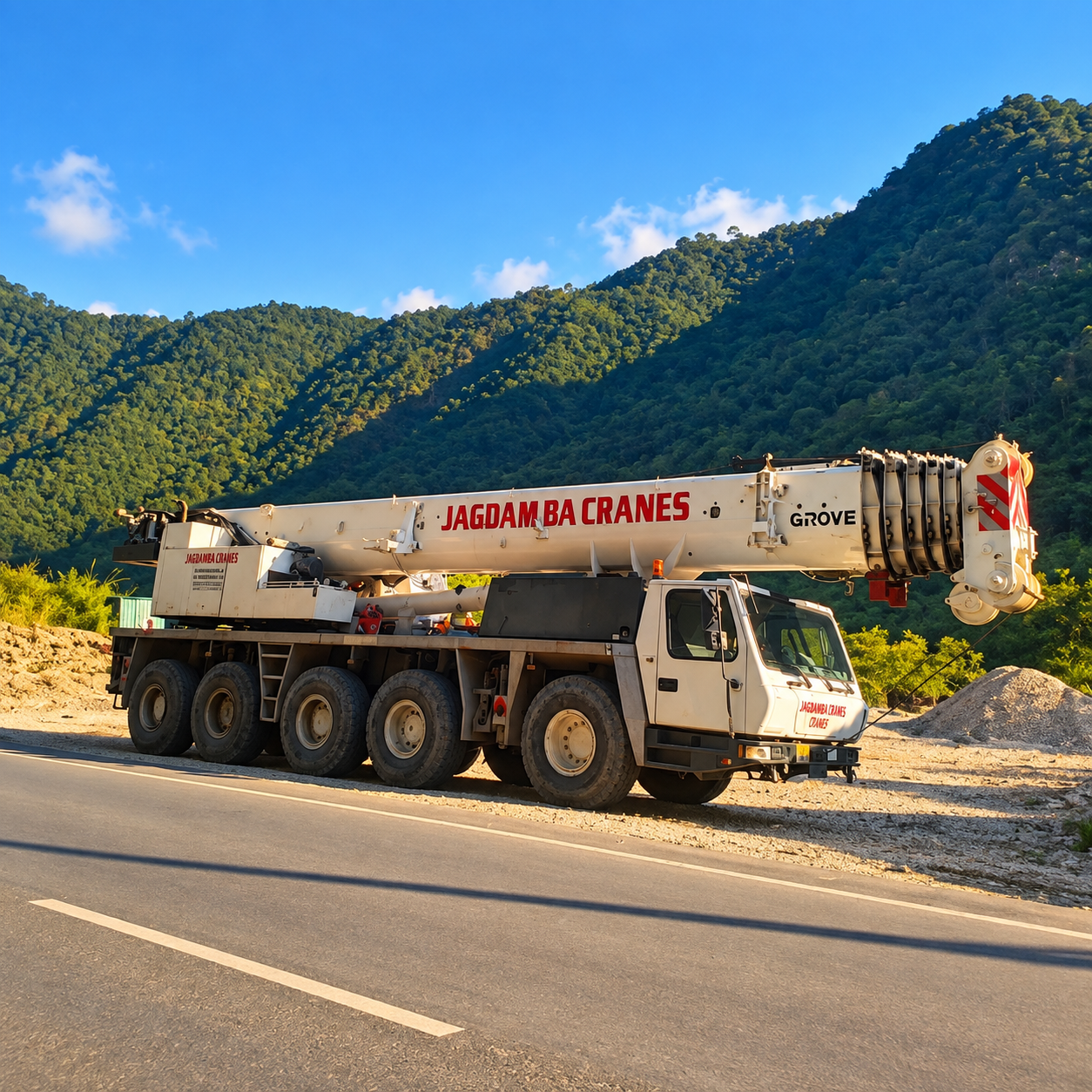
Mobile cranes are easy to relocate between sites and are a good fit for shorter jobs or projects spread across multiple nearby locations. They typically drive on standard roads, which cuts down on mobilisation time and cost compared to crawler cranes.
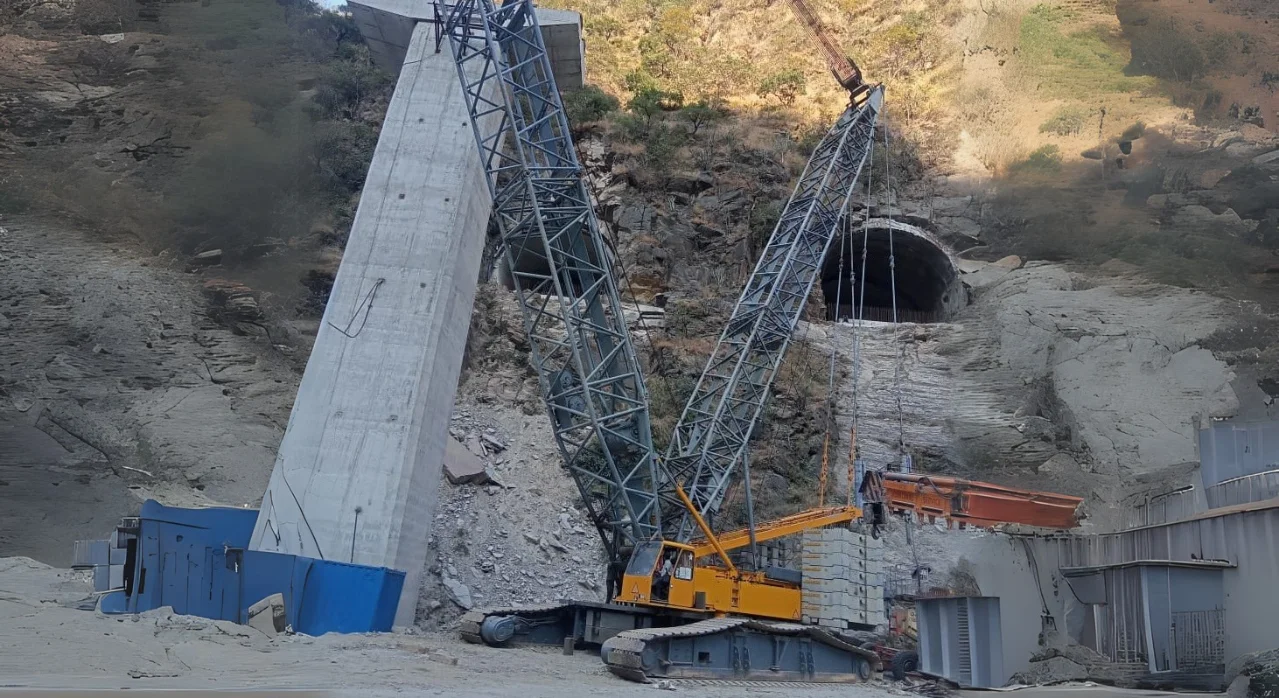
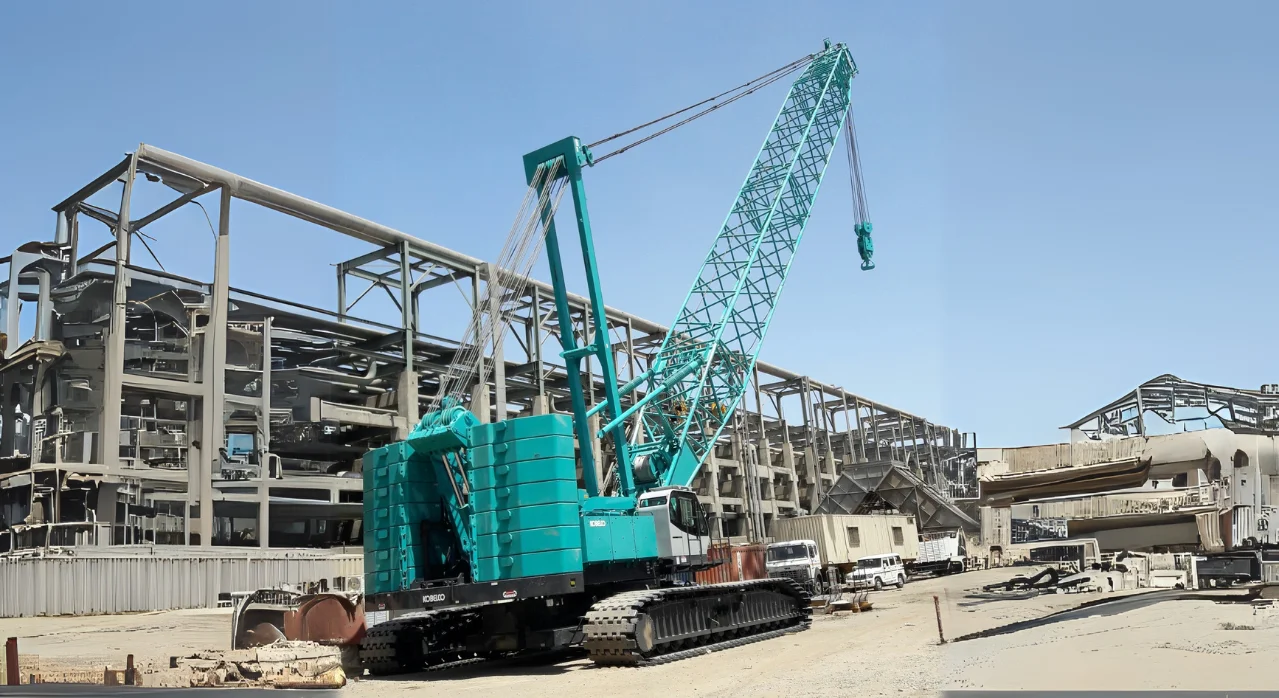
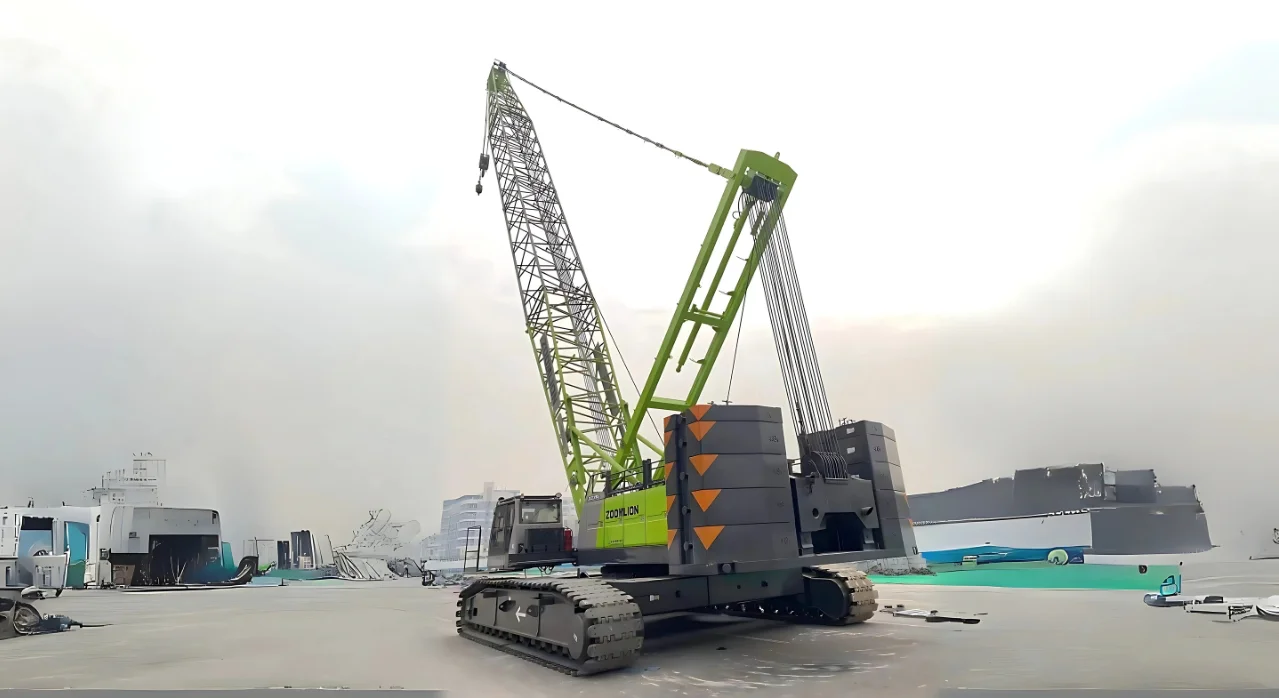
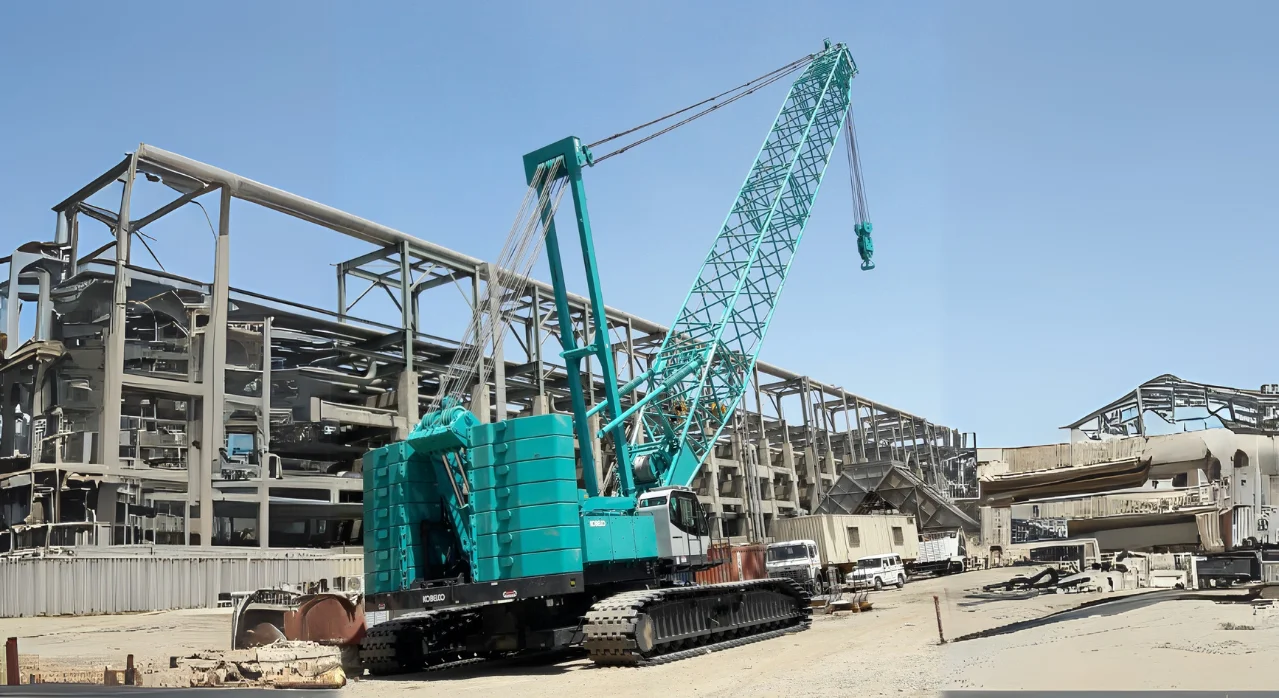
Crawler cranes run on tracks rather than wheels, giving them stability on uneven, soft, or muddy ground where wheeled cranes would struggle. This makes them the standard choice for heavy industrial sites such as refineries, power plants, and large infrastructure projects where ground conditions can't be fully controlled.
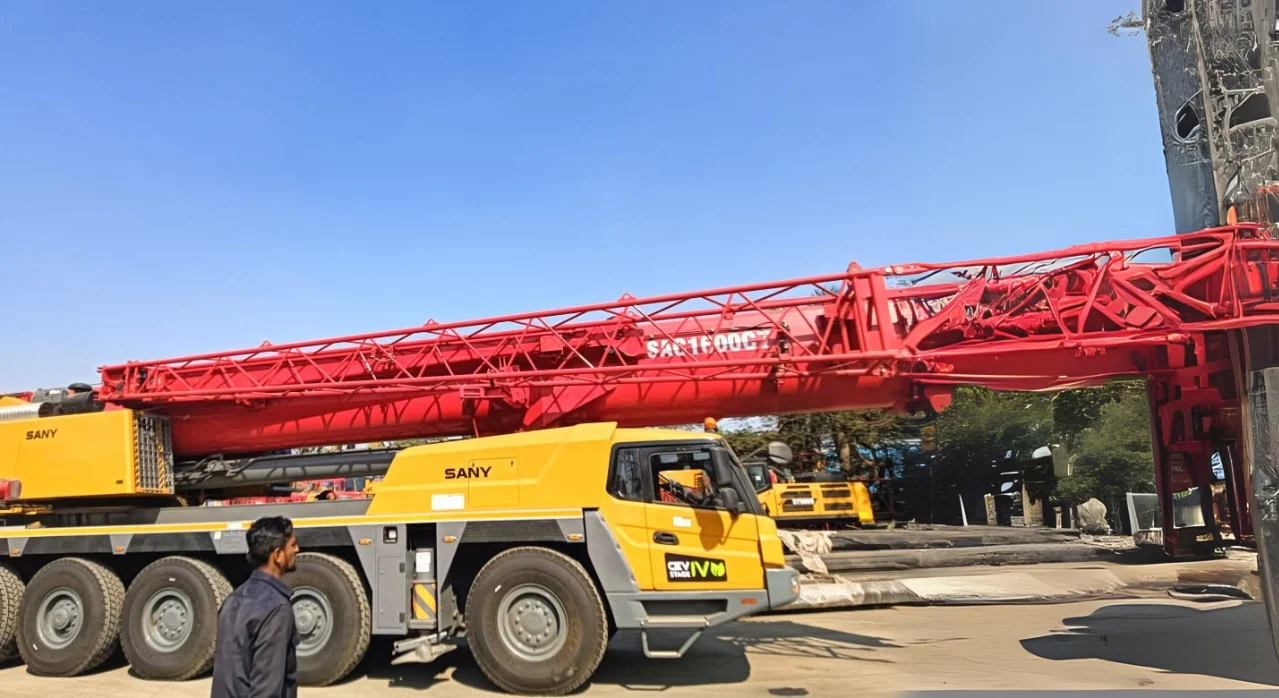
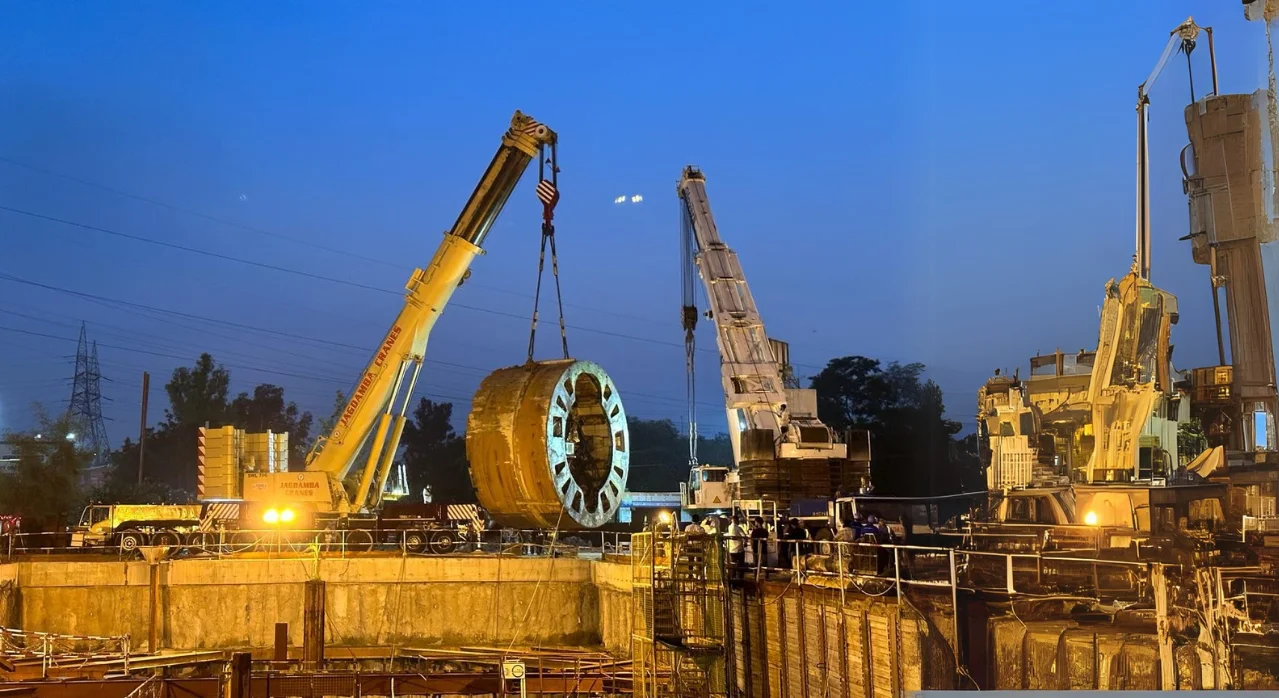
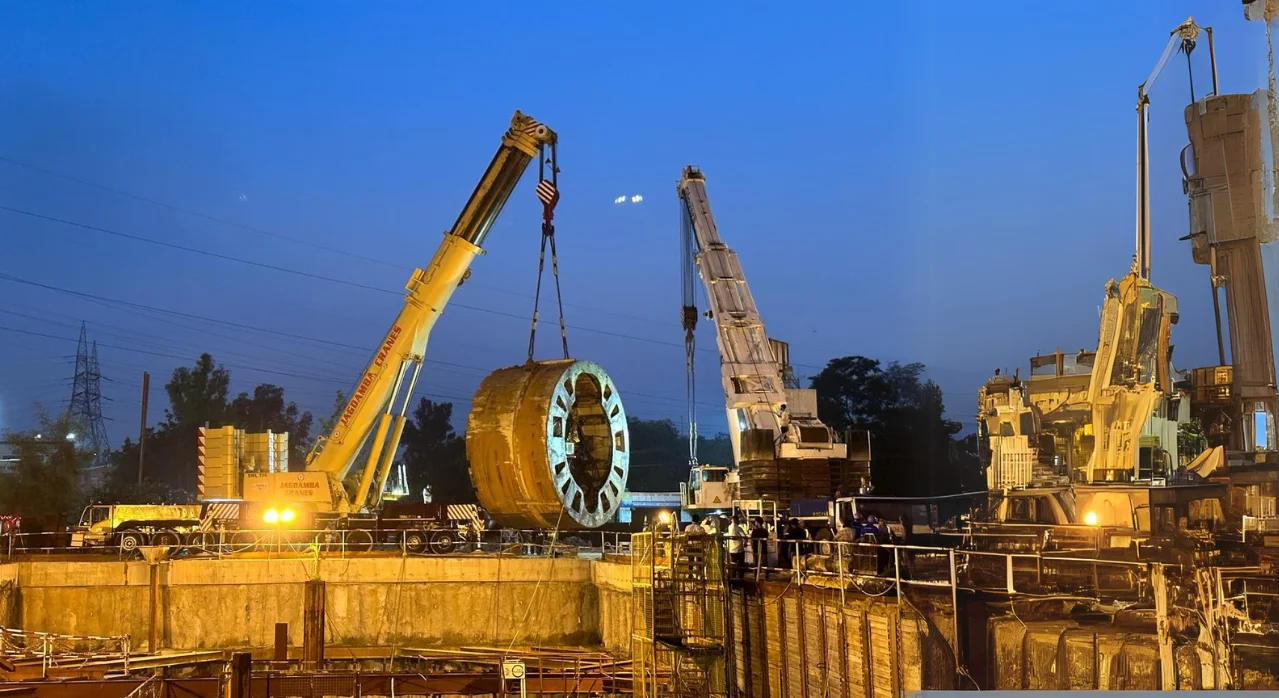
Heavy-lift cranes are used for the largest and most demanding lifts — think reactor vessels in a refinery, wind turbine components, or large steel girders on infrastructure projects. These cranes require the most detailed planning, often including custom rigging studies before the lift takes place.
The right choice depends on load weight, lifting height, ground conditions, and how long the equipment will be needed on site — which is exactly why the initial site assessment stage matters so much.
Industries That Rely on Crane Hire
Crane hire services support a wide range of sectors, each with distinct lifting profiles.
Construction and infrastructure projects use cranes throughout the build cycle — from foundation work and structural steel erection to placing rooftop equipment. Oil and refinery projects often require heavy-lift and crawler cranes for vessel installation, turnaround maintenance, and pipe rack construction, frequently under tight shutdown schedules. Power plants, both thermal and renewable, need cranes for equipment installation and periodic maintenance lifts, where downtime cost makes reliability non-negotiable. Wind energy installations depend heavily on heavy-lift cranes for hoisting turbine blades, nacelles, and tower sections to significant heights — one of the more specialised applications in the industry. Steel and cement plants use cranes for both construction and ongoing operational lifts around heavy machinery. Railway and metro projects rely on cranes for girder launching, station construction, and track-side equipment installation, often working within constrained corridors and strict safety windows.
Each of these sectors has different lifting demands in terms of load size, site access, and safety protocols, which is why working with a provider that maintains a diverse fleet — rather than a narrow range of one or two crane types — matters for businesses that operate across multiple project types.
What to Look for When Hiring a Crane
Before booking a crane hire service, it helps to confirm a few things with the provider so there are no surprises once the job is underway.
- Do they carry out a proper site and load assessment before assigning equipment, rather than just asking for a crane size over the phone?
- Are their operators trained and certified, with documented experience on the specific crane type being deployed?
- Do they provide load charts and documented safety checks as standard practice, not as an optional add-on?
- Can they support both one-off lifts and longer, ongoing project timelines without a major shift in service quality?
- Is their fleet varied enough to match different load and site conditions, so you're not stuck adapting your project to whatever equipment they happen to have available?
- What is their track record on breakdown response and backup equipment availability, given that idle time on a rented crane is a direct cost to your project?
- Are their insurance and statutory certifications current and available on request?
A provider that ticks these boxes reduces the coordination burden on your team and lowers the risk of on-site delays, cost overruns, or safety issues. It's worth treating the selection of a crane hire partner with the same diligence as selecting any other critical vendor on a project, rather than defaulting to whichever company quotes the lowest daily rate.
FAQ
Q1. What is included in a crane hire service? It typically includes site assessment, crane selection, a trained operator, transport to site, and the lifting operation with safety checks. Everything is handled as part of one booking.
Q2. How do I know which crane type I need? The right crane depends on load weight, lifting height, ground conditions, and site access. A proper site assessment by the hire company will confirm this.
Q3. Is crane hire cheaper than buying a crane? For most businesses, yes — hiring avoids the upfront cost, maintenance, and staffing needed to own a crane. It only makes sense to buy if you need one constantly.
Q4. Can crane hire services support long-term projects? Yes, most providers support both single-day lifts and extended, ongoing project support depending on the site's needs.
Q5. Do crane hire companies provide operators? Yes, a trained and certified operator is typically included with the crane as part of the booking.
Q6. What happens if a hired crane breaks down mid-project? A reliable provider handles repairs or swaps in backup equipment, since maintenance and uptime are their responsibility, not the client's.
Q7. Do I need to arrange rigging and lifting accessories separately? Most established hire companies include rigging assessment and load charts as part of the service, though it's worth confirming this before booking.
Conclusion
Crane hire services take the complexity out of heavy lifting — from assessing the site to deploying the right equipment and operator, and executing the lift safely with proper documentation. For construction, industrial, and infrastructure projects, this bundled approach means less coordination overhead, lower capital risk, and more predictable project timelines compared to owning equipment outright. Choosing a provider that combines a varied crane fleet, trained operators, and documented safety processes is the key to getting lifts done efficiently, whether it's a one-off job or ongoing project support spanning several months. As projects grow in scale and complexity across sectors like refining, power, wind energy, and infrastructure, the businesses that treat crane hire as a strategic vendor relationship — rather than a last-minute equipment booking — are the ones that keep their timelines and safety records intact.