Introduction
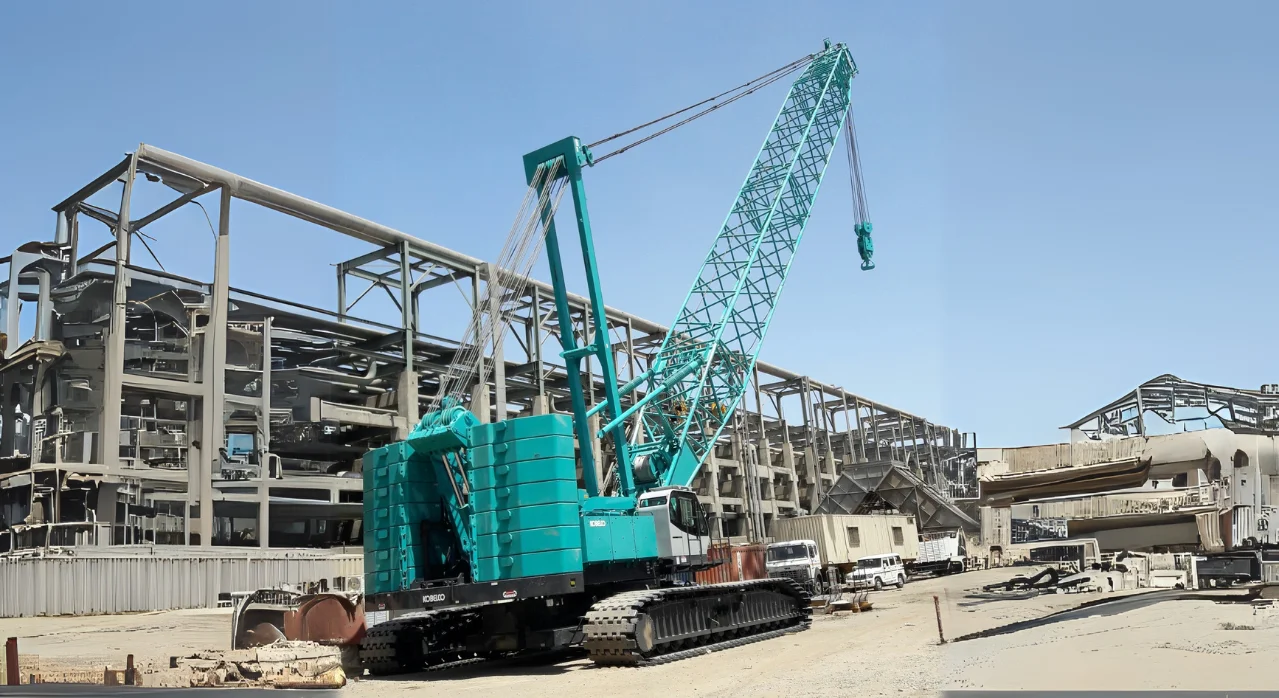
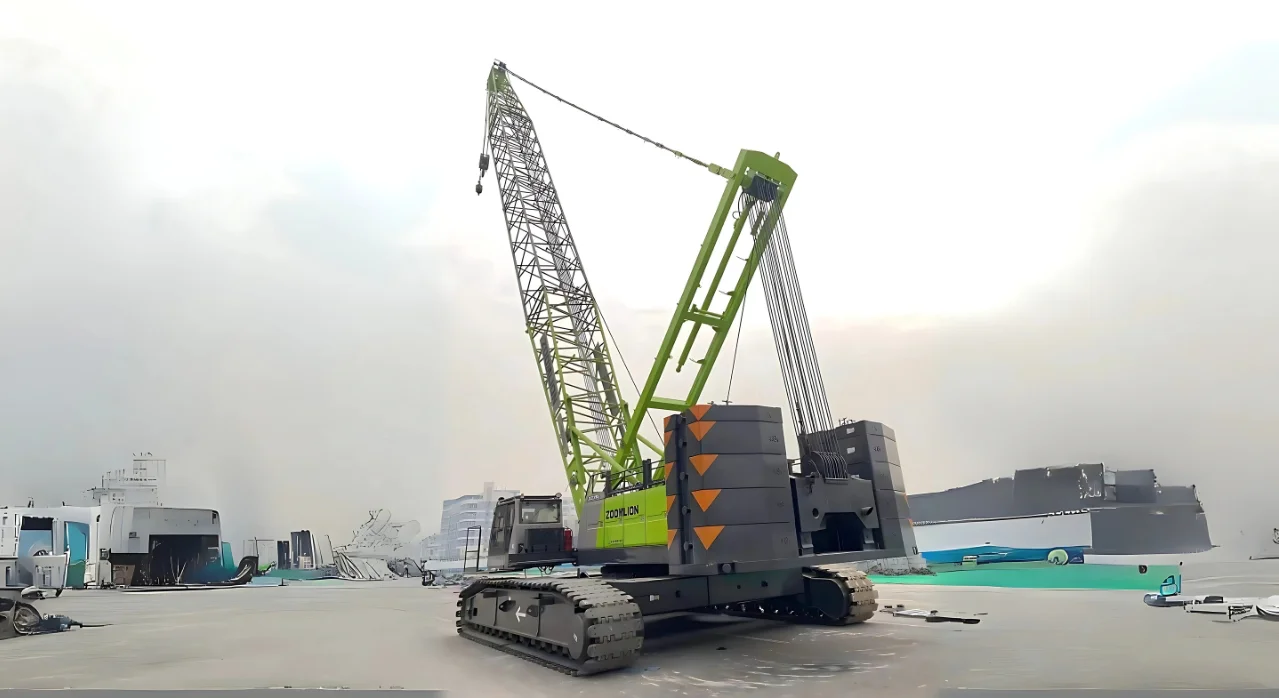
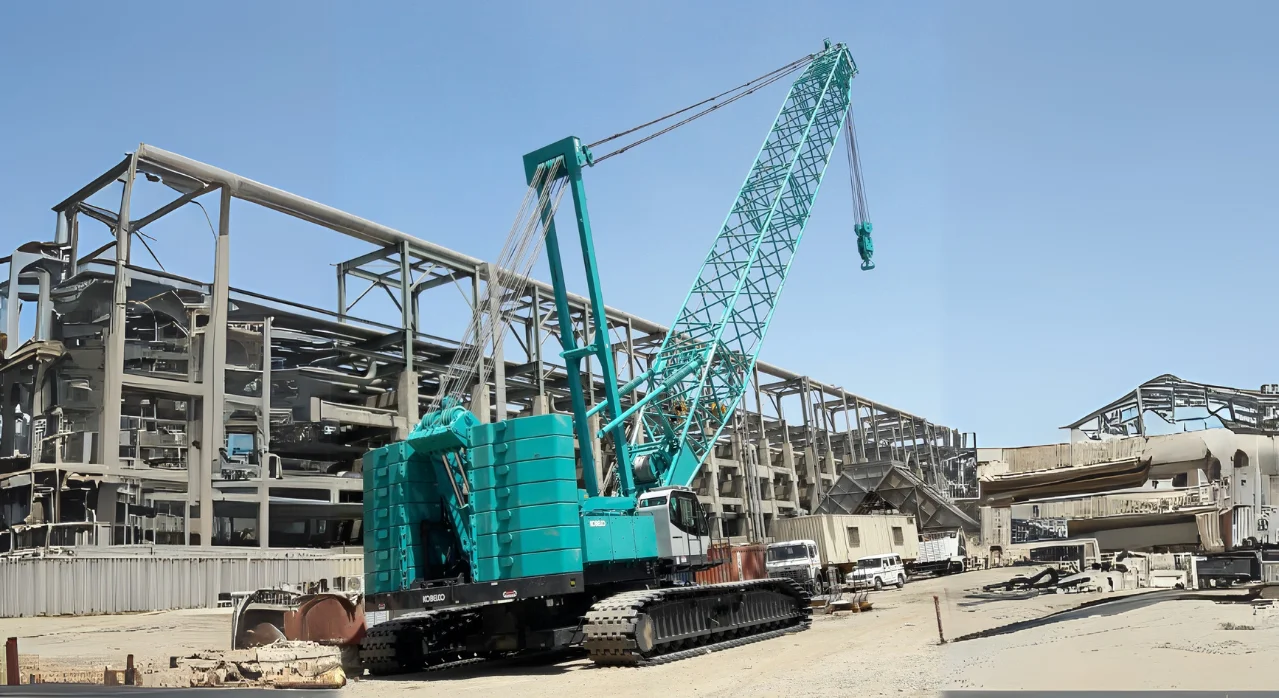
Large-scale construction and industrial projects often involve moving equipment, structural components, machinery, and materials that cannot be handled efficiently using conventional lifting methods. This is where heavy industrial crane services become an important part of project execution. From construction sites and manufacturing plants to infrastructure projects and industrial facilities, cranes provide the lifting capacity and reach required for demanding material-handling operations.
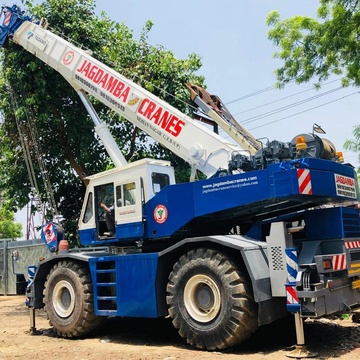
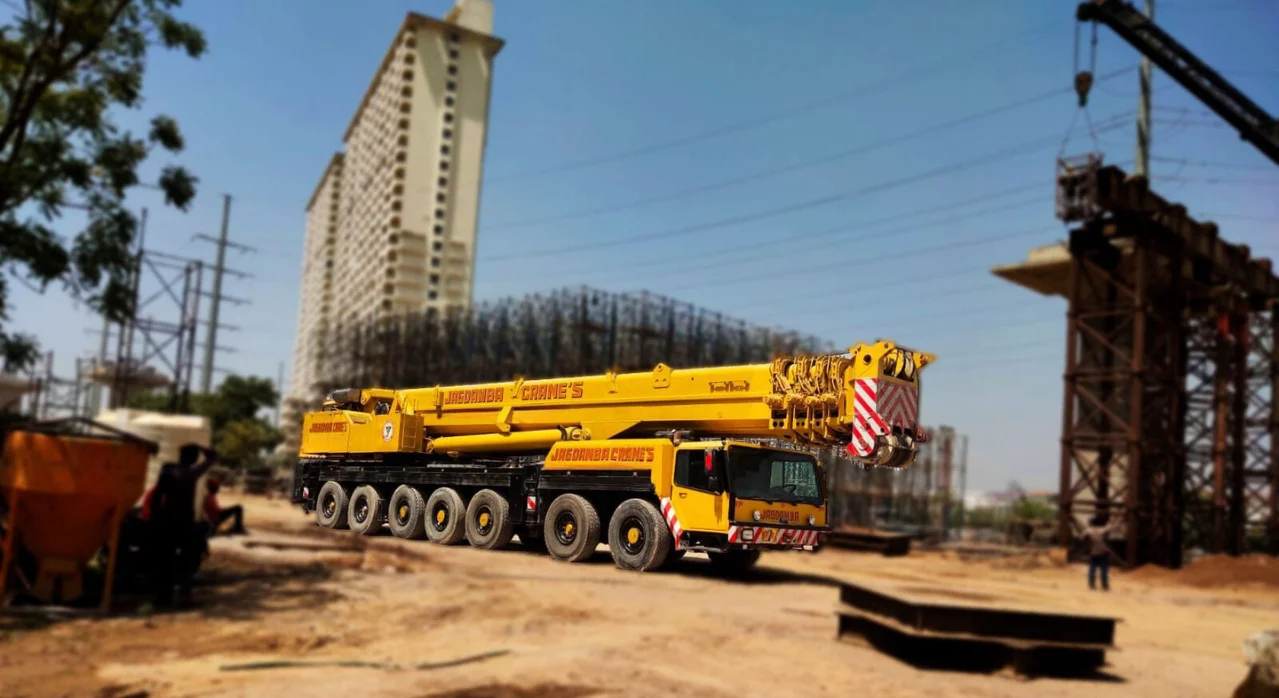
Jagdamba Crane Service provides crane solutions for different types of heavy lifting requirements. Proper planning, suitable equipment, experienced operators, and attention to site conditions can help make lifting operations more organized and efficient.
Handling Heavy Loads Across Challenging Sites
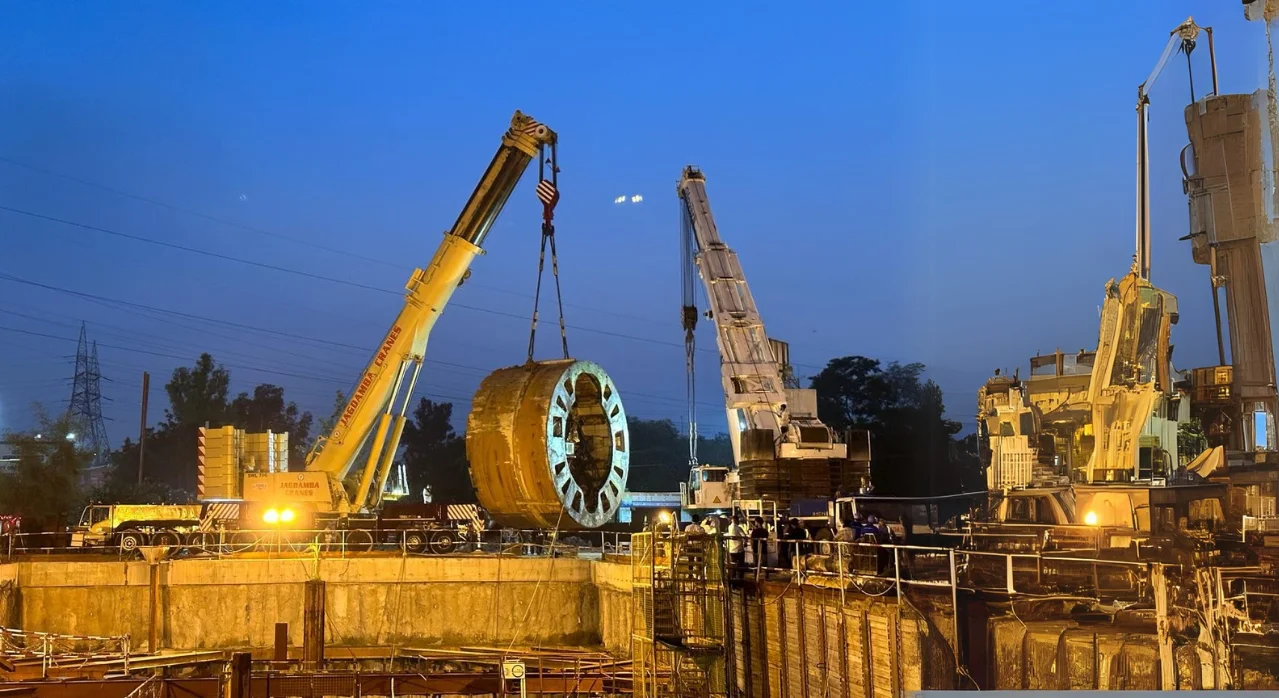
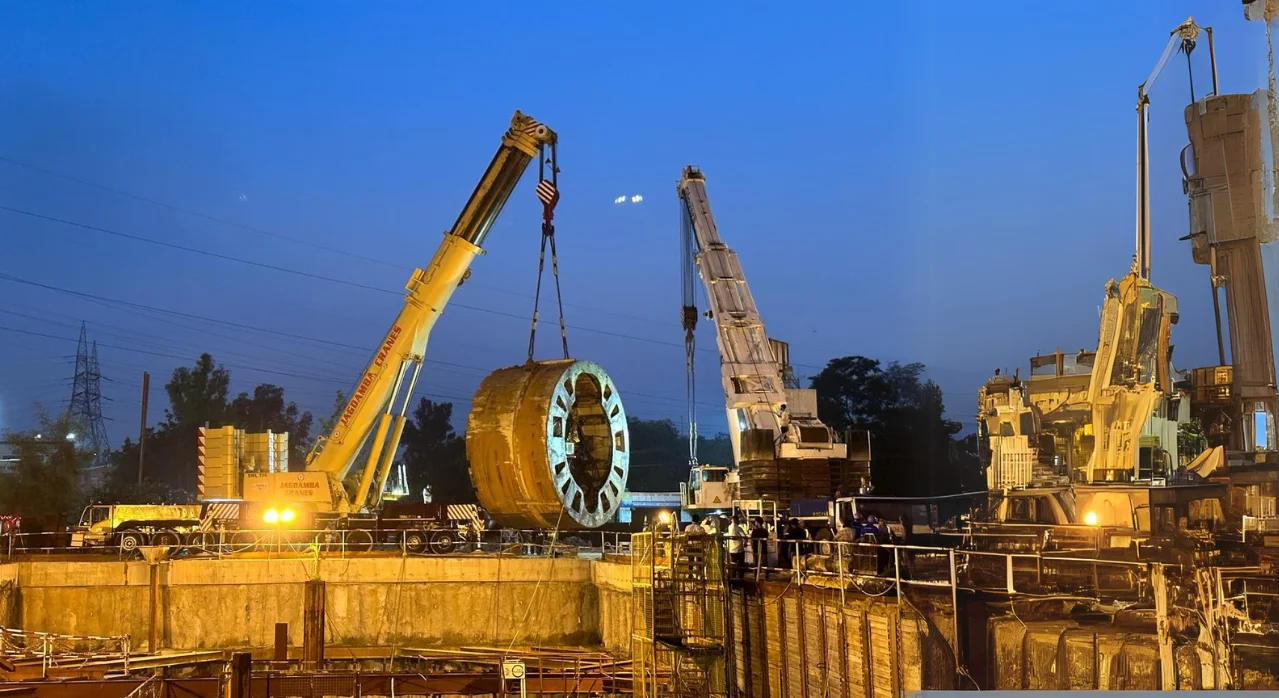
Large industrial projects may involve loads such as generators, transformers, steel structures, construction machinery, industrial components, and prefabricated sections. Moving these items requires equipment with suitable lifting capacity and reach.
Heavy industrial crane services are designed to support such operations by providing controlled lifting and positioning of heavy materials. The appropriate crane is selected according to factors such as load weight, lifting height, working radius, site accessibility, and ground conditions.
Crane Selection Starts with the Project Requirements
Not every crane is suitable for every lifting operation. Selecting the right equipment begins with understanding the requirements of the project.
- Load Weight: Determines the minimum lifting capacity required.
- Lifting Height: Helps establish the required boom or crane configuration.
- Working Radius: Defines how far the load needs to be positioned from the crane.
- Site Access: Determines whether the crane can safely reach and operate at the required location.
- Ground Conditions: The surface must be evaluated before positioning heavy lifting equipment.
- Project Duration: Helps determine the appropriate equipment and operational arrangement.
Applications Across Large-Scale Projects
Heavy cranes can support a wide range of operations where conventional material-handling equipment may not be sufficient. Their applications extend across construction, manufacturing, infrastructure, and industrial sectors.
Construction Projects: Cranes can be used to lift structural steel, concrete components, construction equipment, and other heavy materials.
Industrial Plants: Manufacturing facilities may require cranes for machinery installation, equipment relocation, and plant expansion activities.
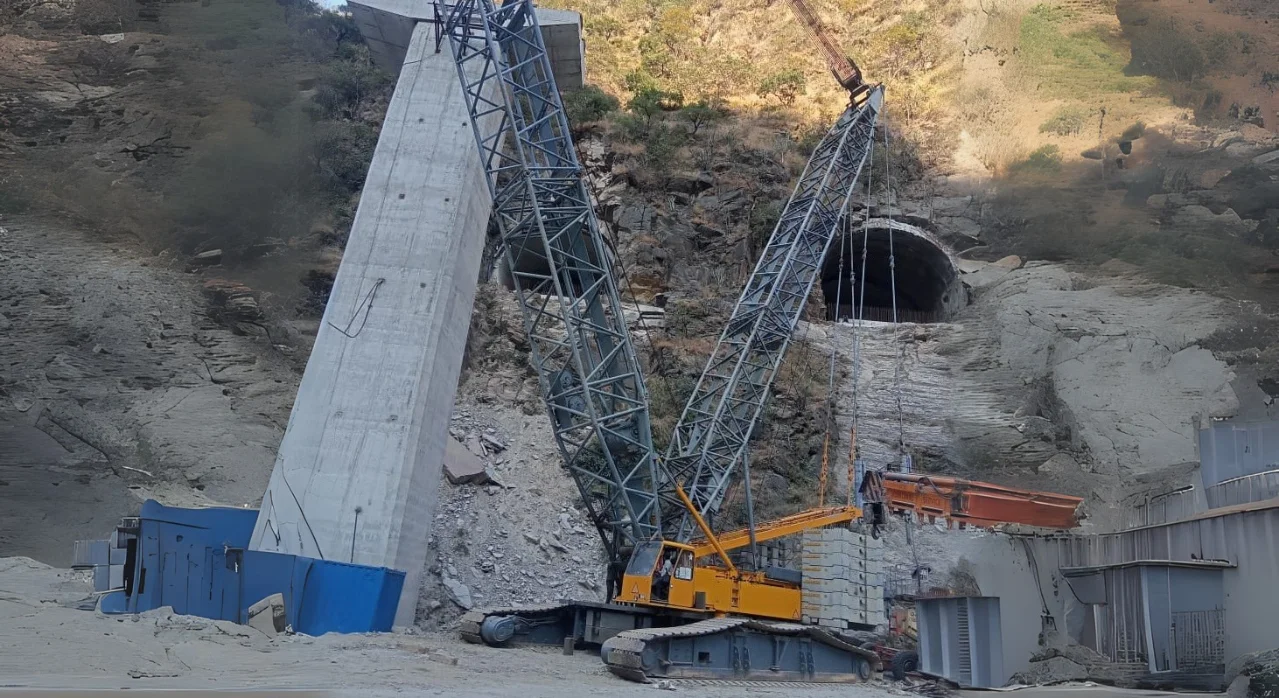
Infrastructure Development: Bridges, highways, metro projects, and other infrastructure developments often involve lifting large structural components.
Factory Relocation: Heavy machinery can require controlled lifting during installation, dismantling, and relocation operations.
Power and Energy Projects: Large electrical equipment and industrial components may require specialized lifting arrangements during installation and maintenance.
Planning Makes Heavy Lifting More Efficient
A successful crane operation starts before the equipment reaches the site. The lifting team needs to understand the load, location, access route, lifting height, and positioning requirements.
A proper lifting plan can help identify potential challenges before the operation begins. It may include information about crane positioning, load movement, working radius, ground conditions, communication procedures, and the sequence of lifting activities.
This preparation can reduce unnecessary delays and help coordinate different teams working around the lifting area.
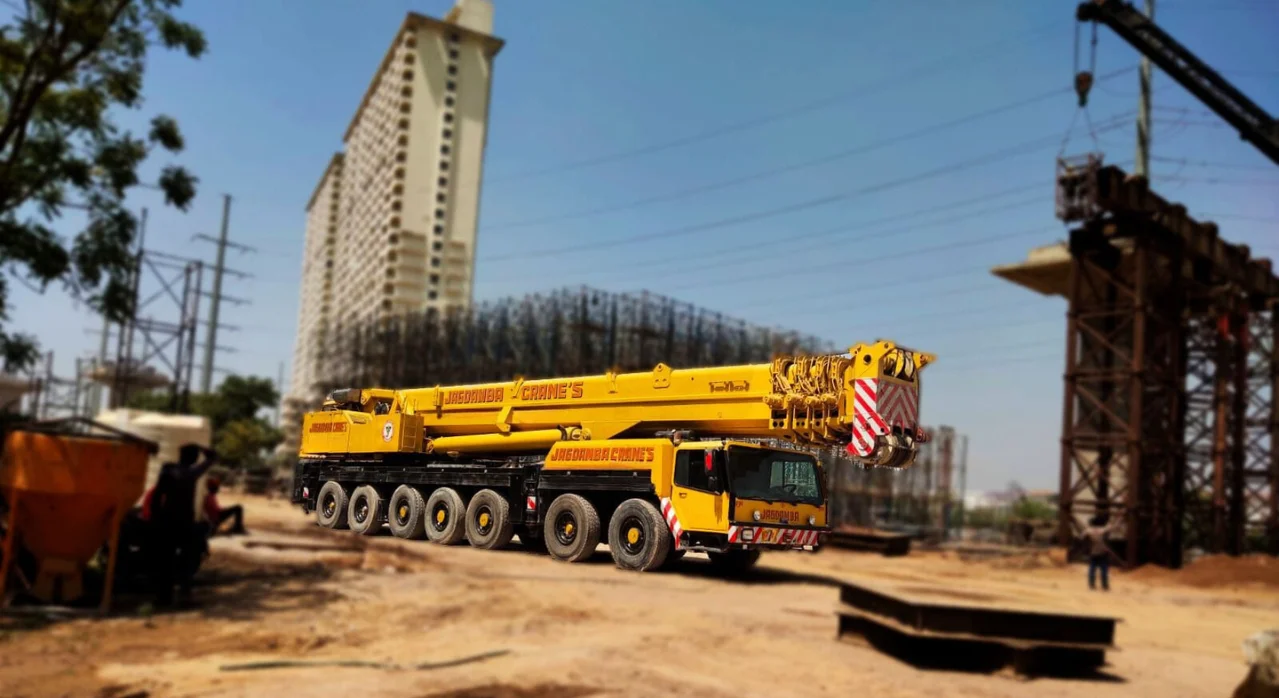
Mobile Cranes for Flexible Site Operations
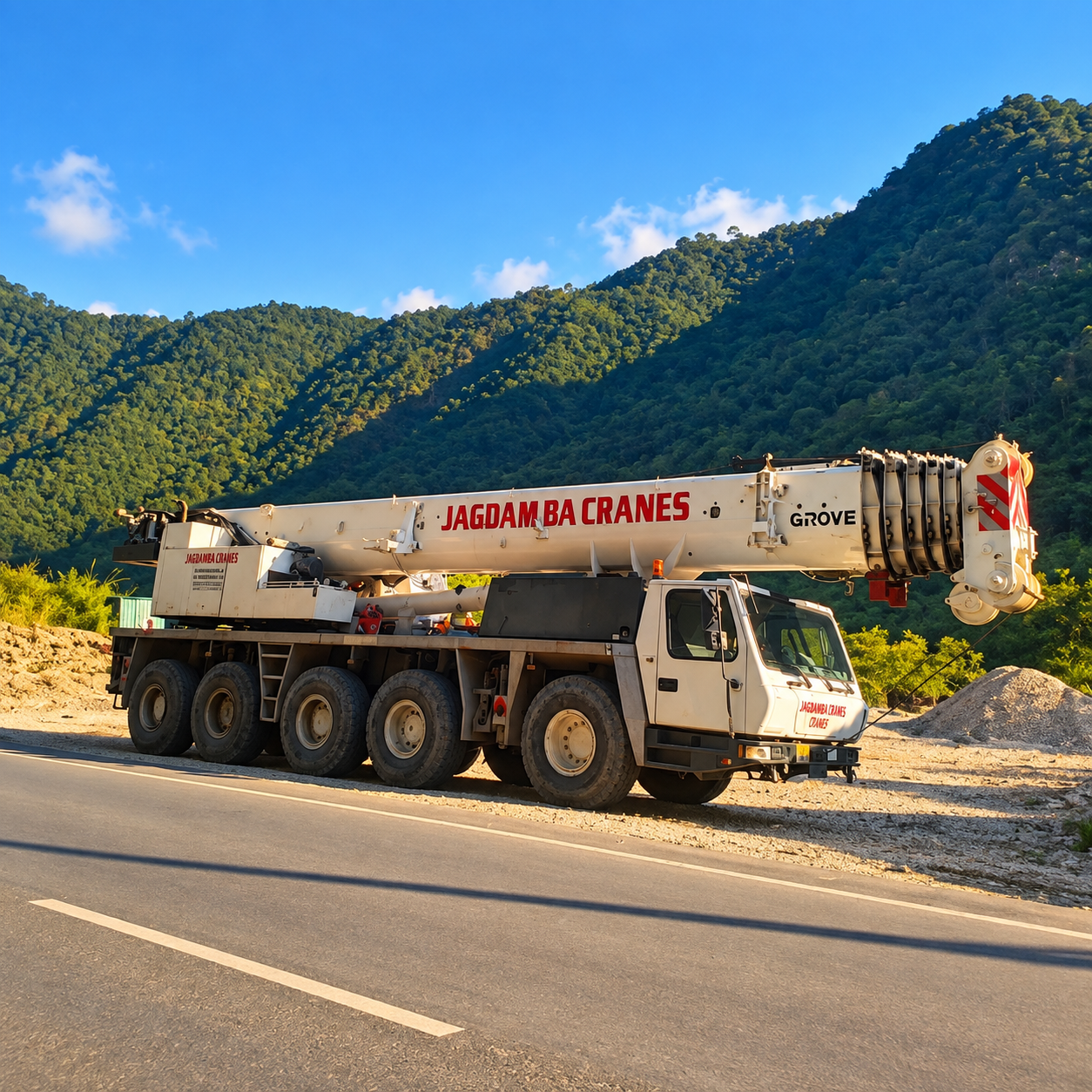
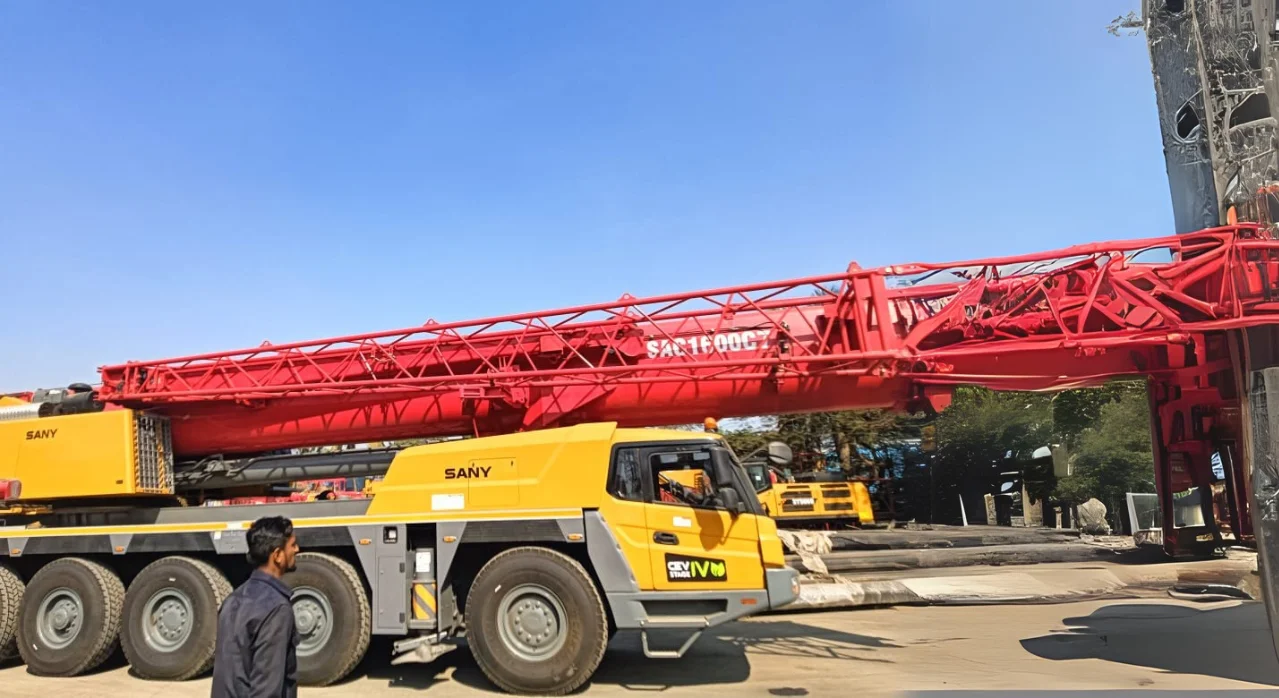
Mobile cranes can be particularly useful for projects where lifting operations need to take place at different locations. Their mobility allows them to be positioned according to changing project requirements, subject to suitable site conditions and equipment limitations.
They can be used for construction material handling, machinery movement, structural installation, and other lifting activities. Before deployment, the project team should verify access routes, ground conditions, available space, and the crane's operating requirements.
Hydraulic Crane Operations for Controlled Lifting
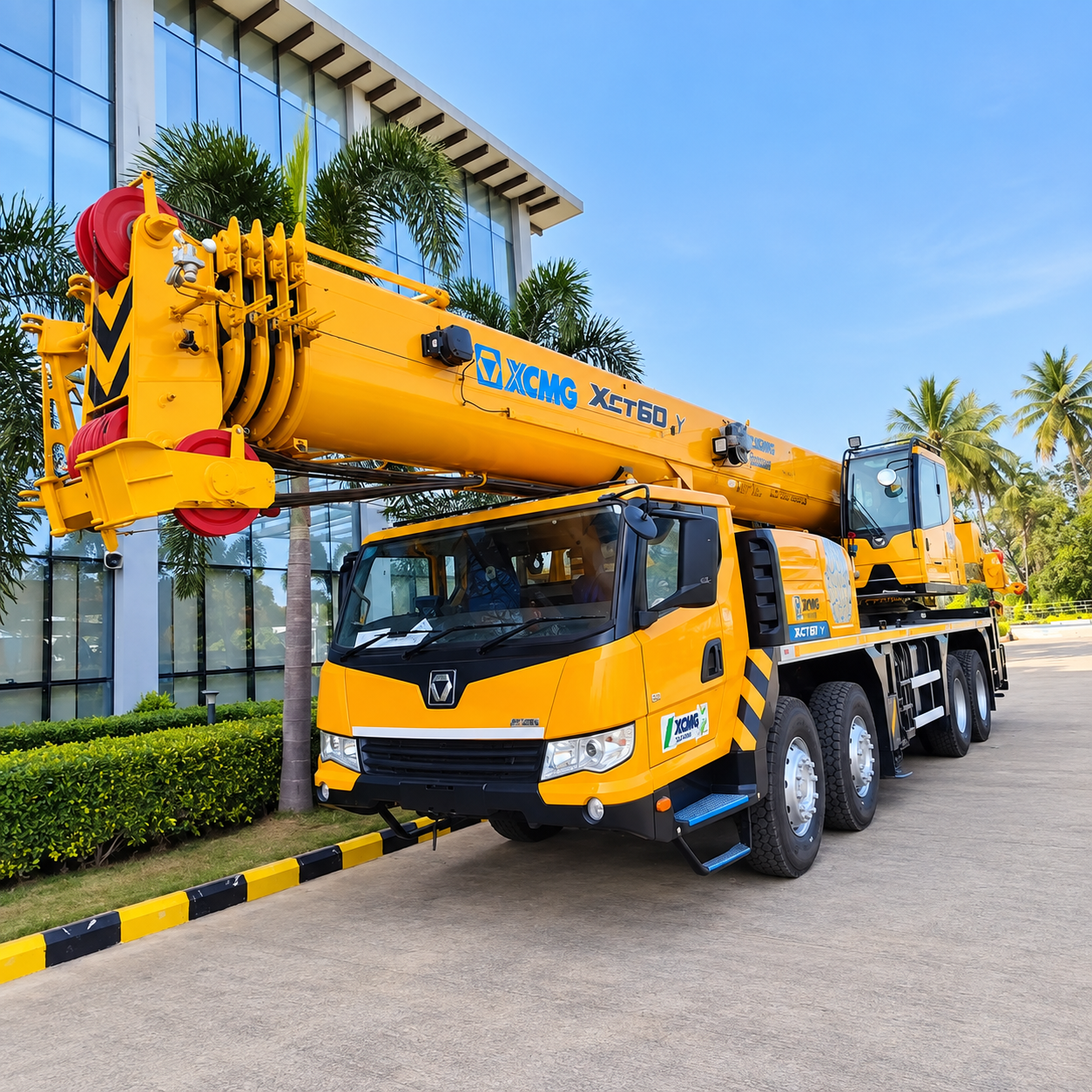
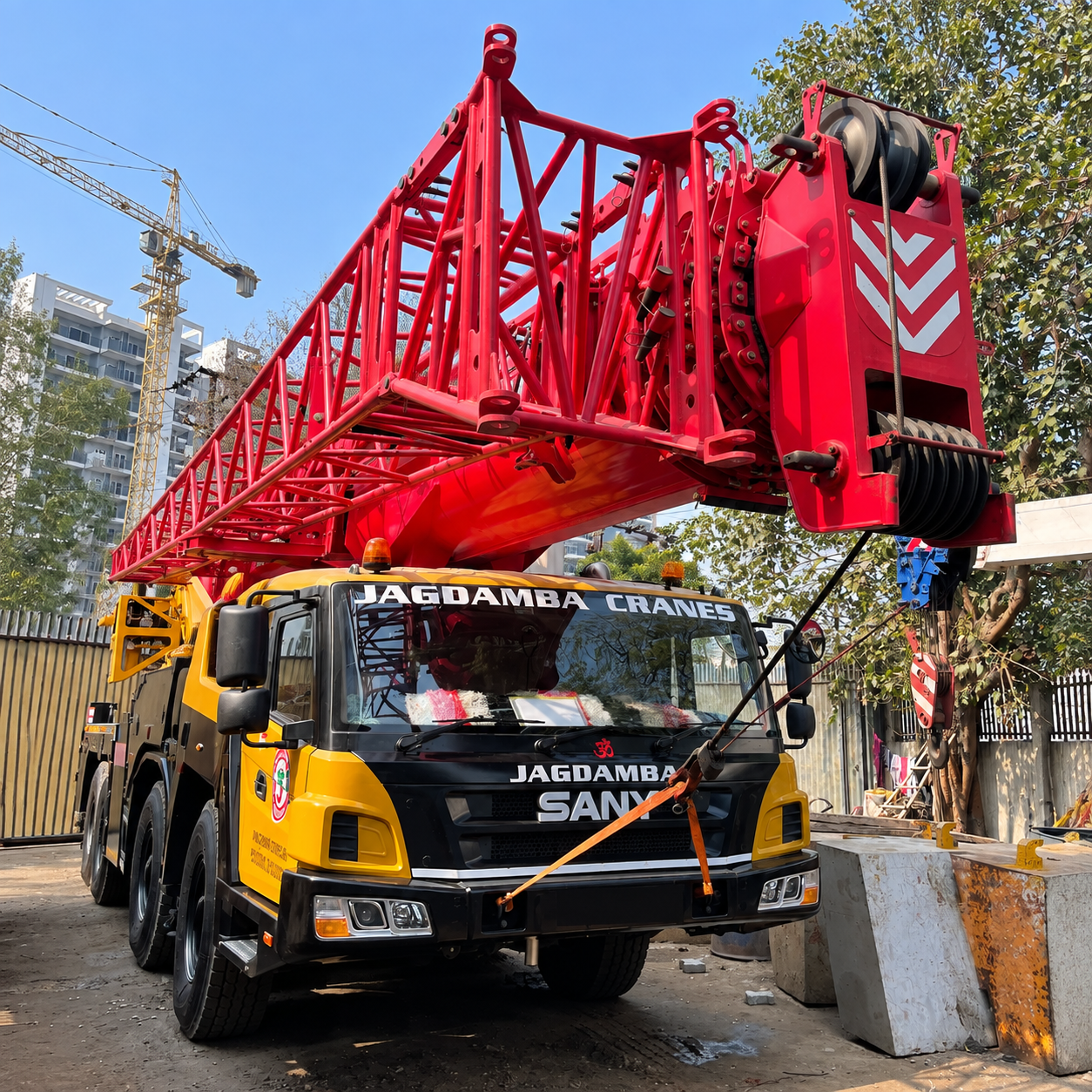
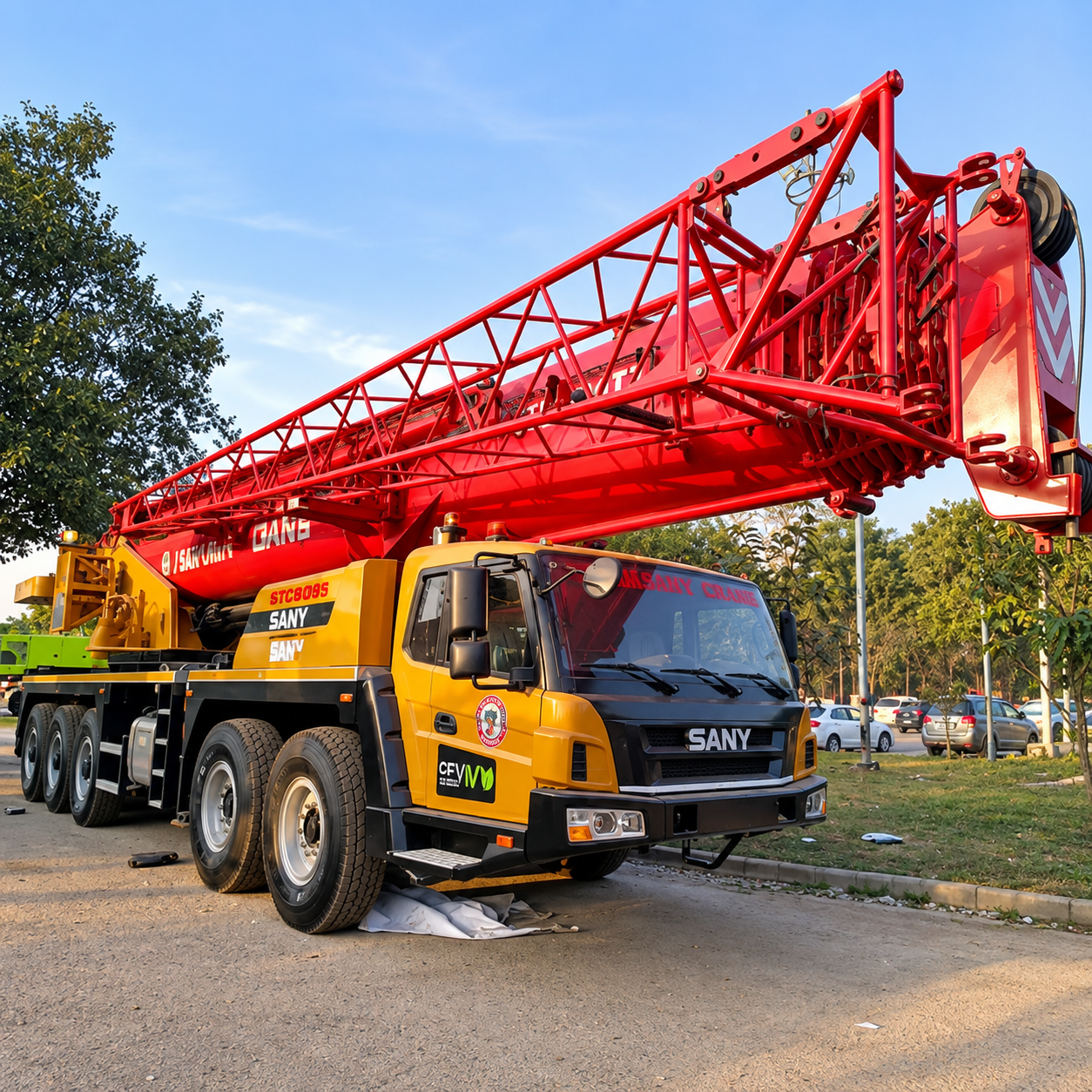
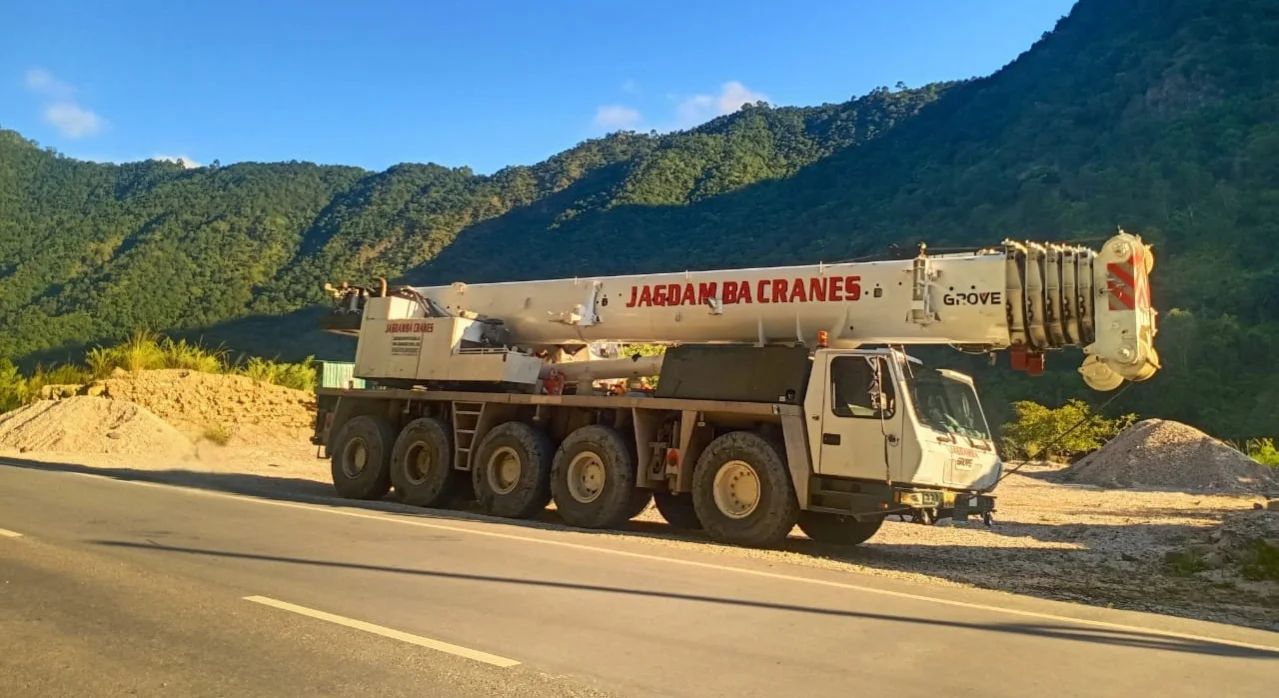
Hydraulic cranes use hydraulic systems to control lifting and boom movements. This allows operators to perform various lifting tasks with controlled movements when the crane is correctly configured for the load and working conditions.
Hydraulic cranes can be useful for industrial and construction applications involving machinery, structural components, equipment installation, and material movement. The exact crane configuration depends on the load characteristics and site requirements.
Safety Remains Central to Every Operation
Heavy lifting involves significant loads and moving equipment, making safety planning essential. Crane operations should be carried out by trained personnel following applicable safety procedures and equipment guidelines.
Important considerations include inspecting the crane before operation, checking lifting accessories, confirming load weight, maintaining appropriate communication between personnel, establishing exclusion zones, and ensuring that the crane is positioned on suitable ground.
Weather conditions, overhead obstacles, nearby structures, electrical lines, and other site-specific hazards should also be evaluated before lifting begins.
Experienced Operators and Ground Teams
The performance of a crane depends not only on its lifting capacity but also on how effectively the equipment is operated and coordinated with the ground team. Experienced operators can interpret site conditions and follow the planned lifting sequence while maintaining communication with the personnel involved in the operation.
Ground teams also play an important role by preparing the lifting area, guiding loads where appropriate, maintaining safe distances, and coordinating with the crane operator.
Reducing Delays During Industrial Lifting
Heavy lifting operations can affect an entire project schedule when equipment, materials, or machinery cannot be positioned on time. Proper equipment selection and advance planning can help minimize avoidable delays.
Before beginning the operation, the lifting team can verify equipment availability, access routes, load dimensions, lifting accessories, site readiness, and the required working area. This preparation helps create a smoother workflow and reduces the likelihood of last-minute changes.
Factors to Consider Before Hiring Crane Services
Project managers should evaluate several factors before arranging heavy industrial crane services. The objective is to match the equipment and operational setup with the actual requirements of the lifting job.
- Required crane lifting capacity
- Maximum lifting height
- Load dimensions and weight
- Required working radius
- Site accessibility
- Ground and surface conditions
- Project schedule and duration
- Required lifting accessories
- Operator and crew requirements
- Safety and regulatory considerations
Supporting Machinery Installation and Relocation
Industrial facilities frequently need to install, remove, or relocate heavy machinery. Such equipment may be too large or heavy for standard handling methods.
Crane operations can help position machinery at designated locations during plant installation, expansion, maintenance, or relocation. The lifting approach should be planned around the equipment's dimensions, centre of gravity, access route, and final placement area.
Crane Support for Construction and Infrastructure
Construction and infrastructure projects often progress through multiple stages, each requiring different lifting activities. Structural steel, beams, equipment, concrete components, and other materials may need to be moved at different points in the project.
Using suitable crane equipment allows project teams to handle these materials according to the planned construction sequence. Crane selection can be adjusted according to lifting height, load requirements, and site conditions.
Building a More Organized Lifting Process
Large lifting operations involve more than simply bringing a crane to the site. Equipment selection, site preparation, load assessment, operator coordination, lifting accessories, and communication all contribute to the overall operation.
When these elements are planned together, heavy industrial crane services can become an important part of a structured material-handling process. This approach can help project teams manage complex lifting activities while keeping the work aligned with project requirements.
Frequently Asked Questions
1. Which projects require heavy industrial crane services?
Large construction, infrastructure, manufacturing, machinery relocation, and industrial installation projects commonly require heavy crane operations.
2. How is the right crane selected for a project?
Crane selection depends on load weight, lifting height, working radius, site access, ground conditions, and project requirements.
3. Can cranes be used for machinery relocation?
Yes, suitable cranes can assist with lifting and positioning heavy industrial machinery during relocation operations.
4. Why is lifting planning important?
A lifting plan helps coordinate equipment, load movement, site conditions, personnel, and safety procedures before the operation begins.
5. What should be checked before a crane operation?
Load weight, crane capacity, lifting accessories, ground conditions, access, weather, and surrounding hazards should be assessed.
Conclusion
Heavy industrial crane services provide essential lifting support for large-scale construction, infrastructure, manufacturing, and industrial projects. From machinery relocation and structural installation to heavy material handling, the right crane can help teams manage demanding lifting requirements more efficiently.
Successful crane operations depend on proper equipment selection, site assessment, experienced personnel, suitable lifting accessories, and careful planning. By considering these factors before starting the job, project teams can create a more organized lifting process that matches the requirements of their specific project.