India's Protein Pantry — 200+ Verified Pulses, Beans & Lentils Suppliers for Wholesale, Retail & Institutional Buyers Across India
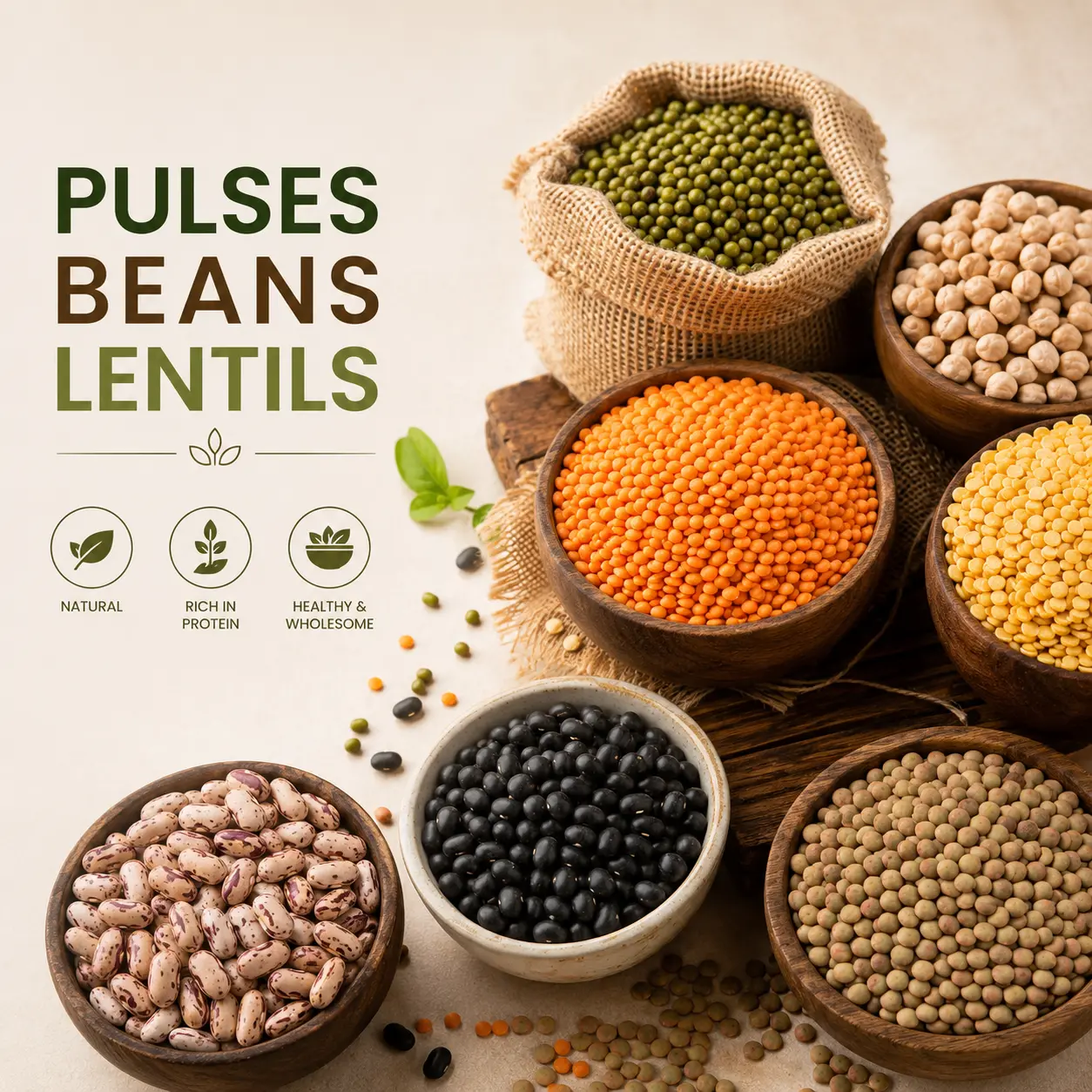
Trade4Asia maps 200+ verified pulses, beans, and lentil suppliers across India's leading production and trading hubs — connecting wholesalers, flour mills, food processors, hotels, restaurant chains, institutional canteens, and export traders to FSSAI-licensed, AGMARK-certified toor dal, chana dal, masoor, urad, moong, rajma, chole, and specialty legumes with transparent grading, moisture-tested quality, and pan-India supply capability.
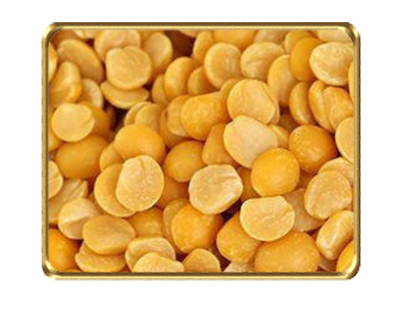
Ask Price
We are one of the foremost manufacturers of premium e of the foremost manufacturers of premium
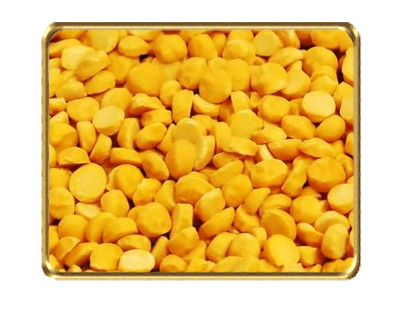
Ask Price
We are one of the foremost manufacturers of premium e of the foremost manufacturers of premium
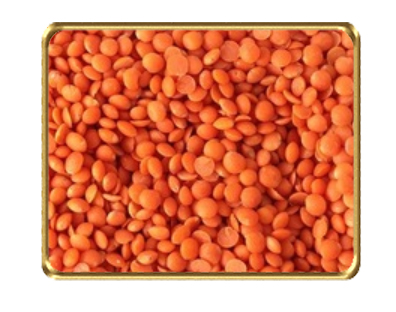
Ask Price
We are one of the foremost manufacturers of premium e of the foremost manufacturers of premium
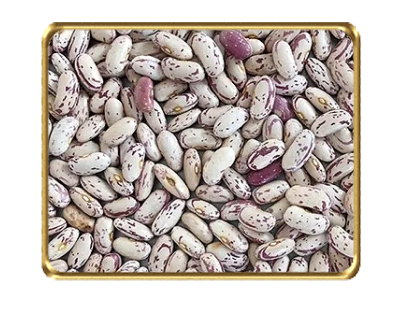
Ask Price
We are one of the foremost manufacturers of premium e of the foremost manufacturers of premium
Ask Price
We are one of the foremost manufacturers of premium e of the foremost manufacturers of premium
Ask Price
We are one of the foremost manufacturers of premium e of the foremost manufacturers of premium
Ask Price
We are one of the foremost manufacturers of premium e of the foremost manufacturers of premium
Ask Price
We are one of the foremost manufacturers of premium e of the foremost manufacturers of premium
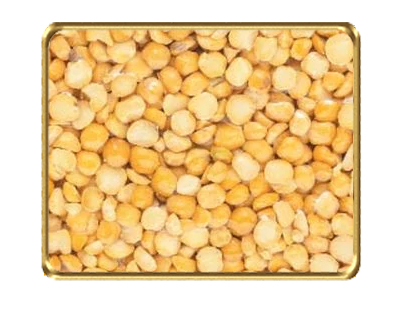
Ask Price
We are one of the foremost manufacturers of premium e of the foremost manufacturers of premium
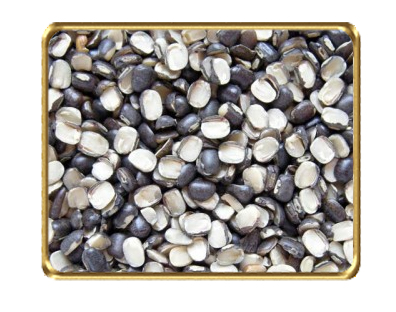
Ask Price
We are one of the foremost manufacturers of premium e of the foremost manufacturers of premium
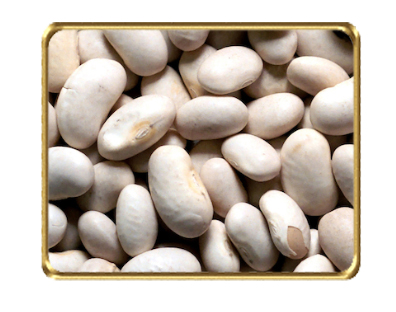
Ask Price
We are one of the foremost manufacturers of premium e of the foremost manufacturers of premium
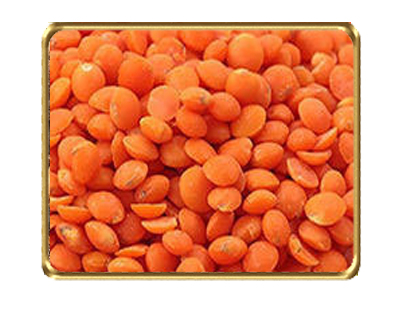
Ask Price
We are one of the foremost manufacturers of premium e of the foremost manufacturers of premium
Ask Price
We are one of the foremost manufacturers of premium e of the foremost manufacturers of premium
Ask Price
We are one of the foremost manufacturers of premium e of the foremost manufacturers of premium
Ask Price
We are one of the foremost manufacturers of premium e of the foremost manufacturers of premium
Ask Price
We are one of the foremost manufacturers of premium e of the foremost manufacturers of premium
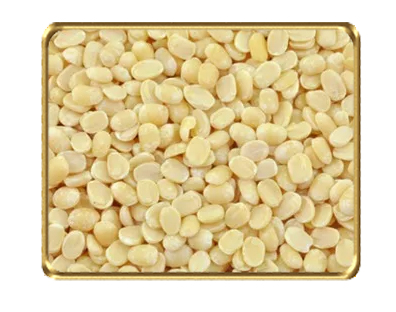
Ask Price
We are one of the foremost manufacturers of premium e of the foremost manufacturers of premium
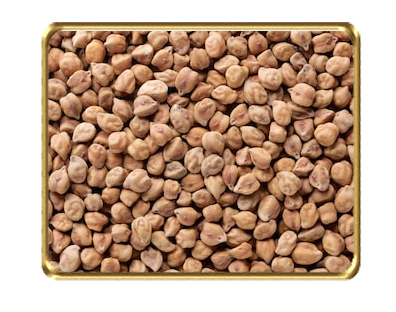
Ask Price
We are one of the foremost manufacturers of premium e of the foremost manufacturers of premium
Adulterated or below-specification pulses cost Indian food businesses and consumers ₹8,500 crore annually — through kesari dal (khesari dal) adulteration in toor dal causing neurolathyrism, aflatoxin contamination from improper storage causing liver toxicity, and FSSAI licence revocations for food processors using non-compliant raw material. India is the world's largest producer, consumer, and importer of pulses — yet quality verification remains inconsistent across the highly fragmented dal mill and trader ecosystem, with moisture, adulterant, and pesticide residue concerns pervasive in the unorganised segment.
FAQ's
What is the FSSAI standard for toor dal quality?
The Food Safety and Standards (Food Products Standards and Food Additives) Regulations 2011 specify standards for toor dal including maximum moisture (12%), maximum foreign matter (1%), minimum protein content (22% dry basis), and zero tolerance for kesari dal (Lathyrus sativus) admixture. The maximum aflatoxin limit is 15 ppb (parts per billion) for total aflatoxins. Toor dal failing any of these parameters cannot be legally sold in India.
What is kesari dal and why is it dangerous?
Kesari dal (Lathyrus sativus or grass pea) is a legume that contains ODAP (oxalyl-diamino-propionic acid), a neurotoxin that causes lathyrism — permanent spastic paralysis of the lower limbs — when consumed in significant quantities over time. Its use as an adulterant in toor dal is specifically prohibited under FSSAI regulations. Chemical detection methods (p-DMAB test and HPLC) are available and are routinely used by FSSAI inspectors and food testing laboratories.
What is AGMARK certification for pulses?
AGMARK (Agricultural Marking) is a quality certification mark administered by the Directorate of Marketing and Inspection (DMI) under the Agricultural Produce (Grading and Marking) Act 1937. For pulses, AGMARK grading specifies standards for colour, size uniformity, foreign matter percentage, moisture, and protein content across Grade 1, Grade 2, and Special Grade. AGMARK certification requires grading at certified facilities and is preferred by institutional and export buyers.
What are the main pulse production states in India?
India's major pulse-producing states are: Madhya Pradesh (largest overall — toor, chana, masoor), Maharashtra (toor, chana), Rajasthan (moong, moth, chana), Uttar Pradesh (masoor, arhar), Karnataka (toor, field beans), Andhra Pradesh/Telangana (toor, moong), and Gujarat (moong, groundnut). Each region has variety-specific quality characteristics — Akola toor, Rajasthani bold moong, and Chitra rajma from Jammu are examples of regionally premium products.
Can I source organic-certified pulses from Trade4Asia?
Yes. Several Trade4Asia listed suppliers hold NPOP (National Programme for Organic Production) certification for organic dal production. Organic certified toor, moong, masoor, and chana are available with transaction certificates (TC) for each lot, which are required for organic product labelling in India and for export to the EU, USA, and UK organic markets.
What is the minimum order quantity for institutional dal supply?
For institutional buyers (hotels, hospitals, canteens, food processors), most Trade4Asia listed dal mills and traders accept minimum orders of 50-100 MT per variety with monthly supply contracts. Smaller buyers (restaurants, caterers) can source from distributor-level suppliers listed on Trade4Asia with MOQs of 500 kg to 5 MT per order. Annual rate contracts with quarterly price revision are standard practice for institutional supply.
How do pulse prices behave seasonally in India?
Pulse prices in India follow a predictable seasonal pattern: prices are typically lowest at harvest (October-January for kharif pulses like toor and moong; March-May for rabi pulses like masoor and chana). Prices rise during lean months (June-September). Price volatility of 20-40% within a year is common. Import parity pricing from Canada, Australia, and Myanmar also significantly influences domestic toor, masoor, and chana prices. NAFED (National Agricultural Cooperative Marketing Federation) buffer stock operations can also impact prices significantly.
Provide your details and get multiple competitive quotes at no cost.