
India's Most Trusted Source for Water Quality Monitoring Systems — 175+ Verified Manufacturers, From Single-Parameter Inline Sensors to Complete Multi-Parameter Regulatory Monitoring Networks
Trade4Asia maps 175+ verified Water Quality Monitoring System manufacturers, dealers, and integrators across India — from industrial inline pH and conductivity transmitters for process water and chemical dosing control to multi-parameter continuous water quality monitoring stations for river and reservoir surveillance, CPCB-approved online effluent quality analysers (COD, BOD, TSS, flow, pH) for industrial ETP compliance reporting, pharmaceutical purified water TOC and conductivity online monitors meeting CDSCO Schedule M and USP requirements, turbidity and chlorine residual monitors for drinking water distribution systems, dissolved oxygen monitors for biological ETP aeration control, ultrasonic and electromagnetic flow meters for water treatment process control, and portable multi-parameter water quality meters for field survey and compliance sampling. Whether you are specifying online effluent monitoring for CPCB compliance, monitoring pharmaceutical purified water for CDSCO Schedule M, or surveying water quality for a river pollution study, find manufacturers with verified measurement accuracy, CPCB-approved instrument status, and NABL-traceable calibration documentation.
.webp)


Ask Price
We are one of the foremost manufacturers of premium e of the foremost manufacturers of premium
Ask Price
We are one of the foremost manufacturers of premium e of the foremost manufacturers of premium
Ask Price
We are one of the foremost manufacturers of premium e of the foremost manufacturers of premium
Ask Price
We are one of the foremost manufacturers of premium e of the foremost manufacturers of premium
Ask Price
We are one of the foremost manufacturers of premium e of the foremost manufacturers of premium
Ask Price
We are one of the foremost manufacturers of premium e of the foremost manufacturers of premium
Ask Price
We are one of the foremost manufacturers of premium e of the foremost manufacturers of premium
Ask Price
We are one of the foremost manufacturers of premium e of the foremost manufacturers of premium
Ask Price
We are one of the foremost manufacturers of premium e of the foremost manufacturers of premium
Ask Price
We are one of the foremost manufacturers of premium e of the foremost manufacturers of premium
Ask Price
We are one of the foremost manufacturers of premium e of the foremost manufacturers of premium
Ask Price
We are one of the foremost manufacturers of premium e of the foremost manufacturers of premium
Ask Price
We are one of the foremost manufacturers of premium e of the foremost manufacturers of premium
Ask Price
We are one of the foremost manufacturers of premium e of the foremost manufacturers of premium
Ask Price
We are one of the foremost manufacturers of premium e of the foremost manufacturers of premium
Ask Price
We are one of the foremost manufacturers of premium e of the foremost manufacturers of premium
Ask Price
We are one of the foremost manufacturers of premium e of the foremost manufacturers of premium
Ask Price
We are one of the foremost manufacturers of premium e of the foremost manufacturers of premium
Ask Price
We are one of the foremost manufacturers of premium e of the foremost manufacturers of premium
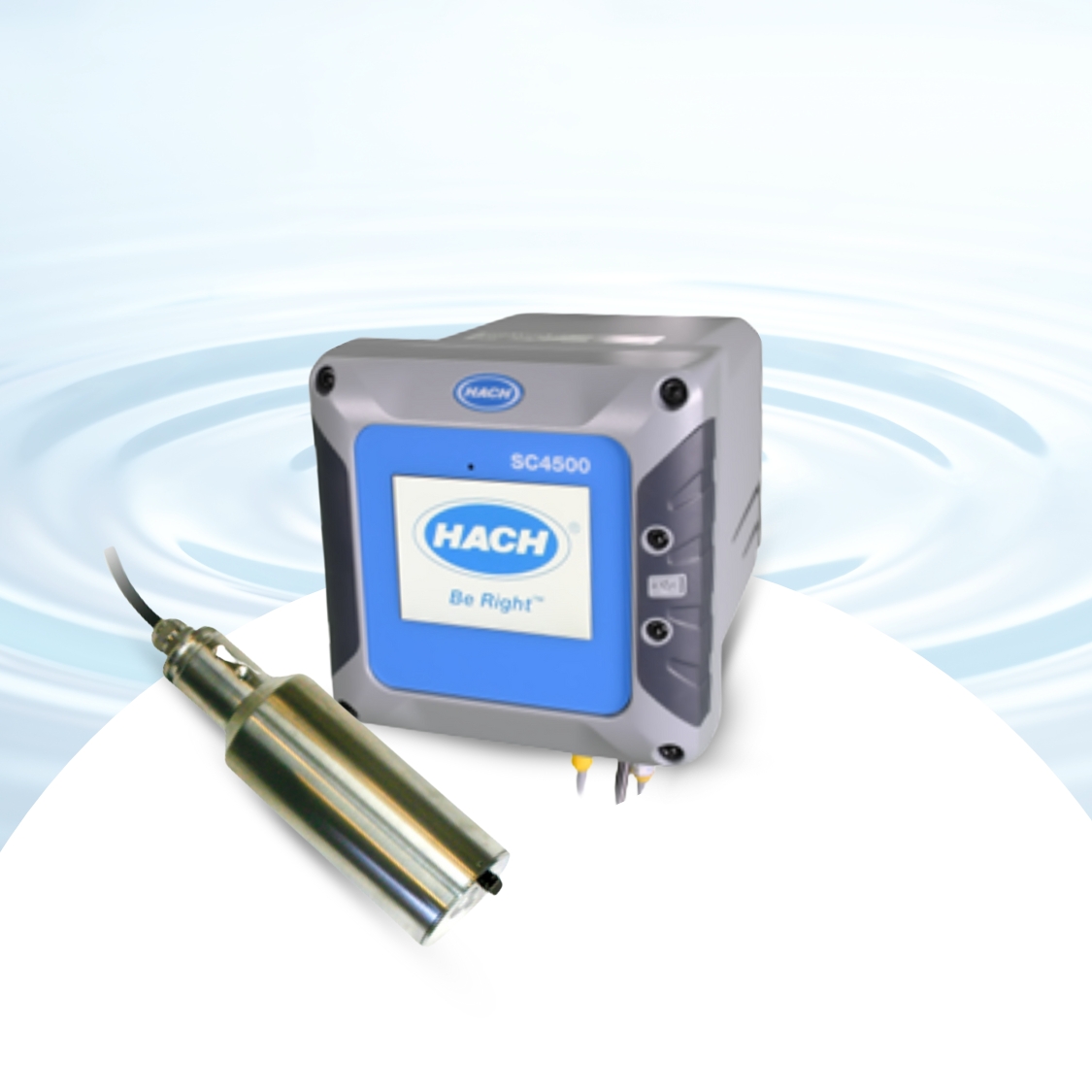
Ask Price
We are one of the foremost manufacturers of premium e of the foremost manufacturers of premium
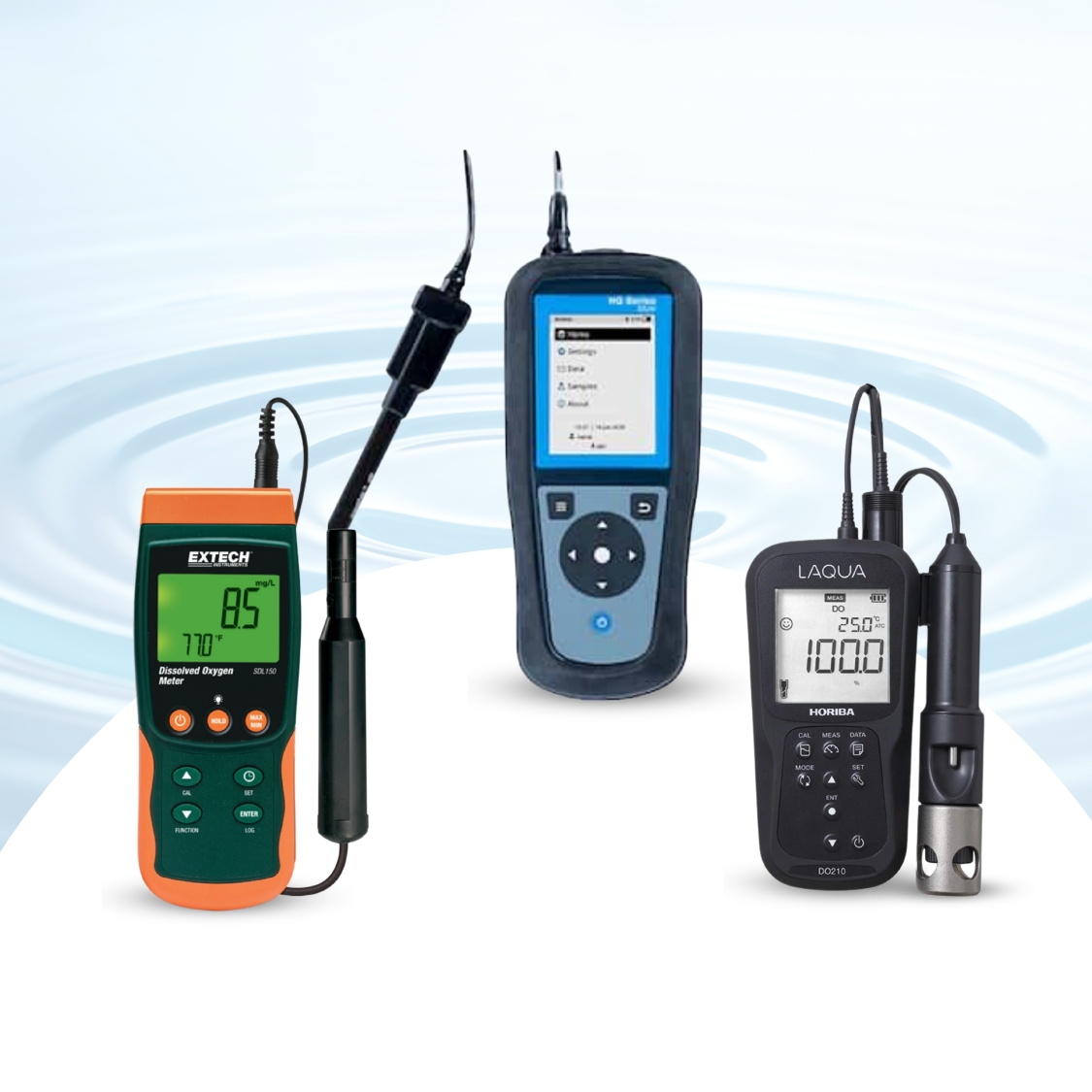
Ask Price
We are one of the foremost manufacturers of premium e of the foremost manufacturers of premium
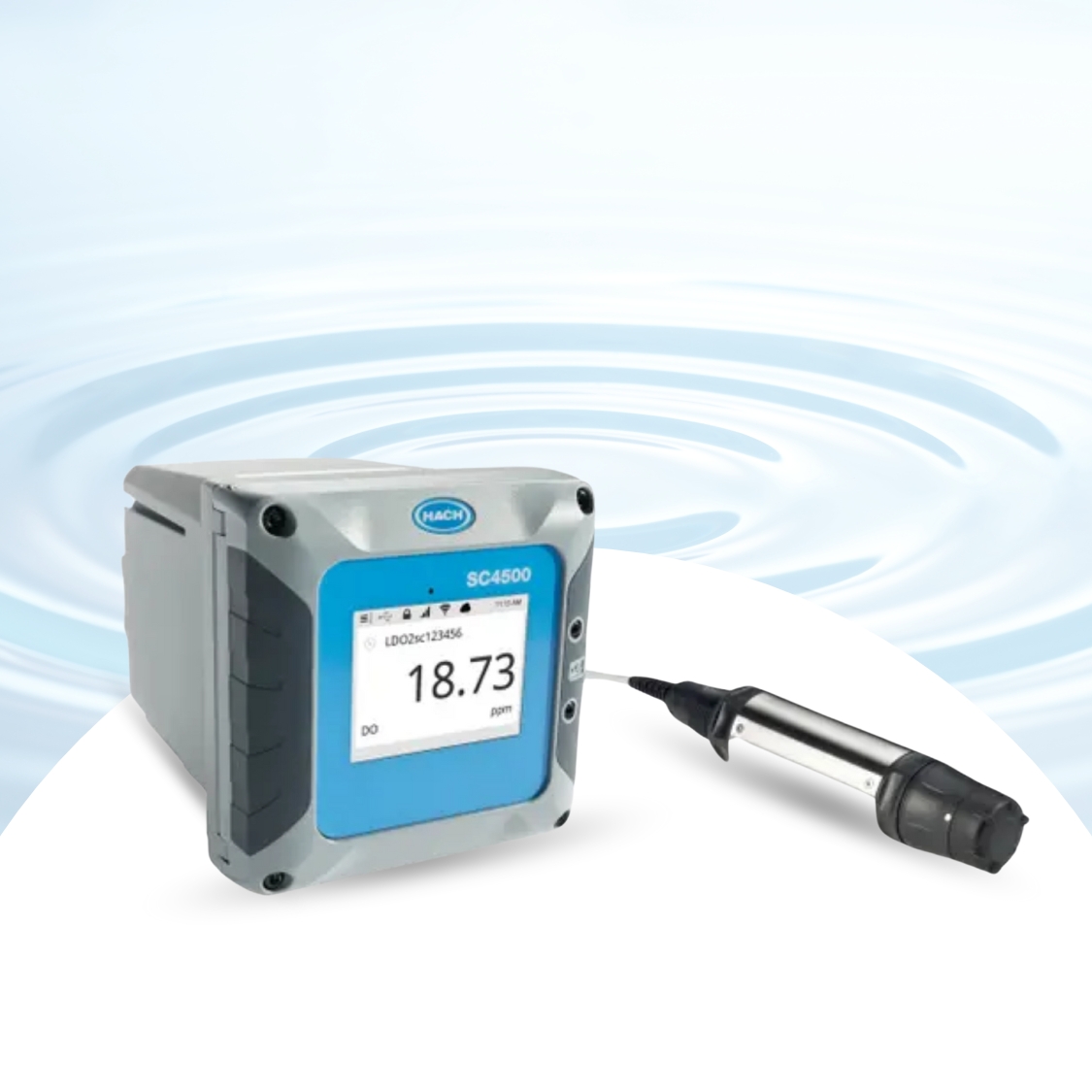
Ask Price
We are one of the foremost manufacturers of premium e of the foremost manufacturers of premium
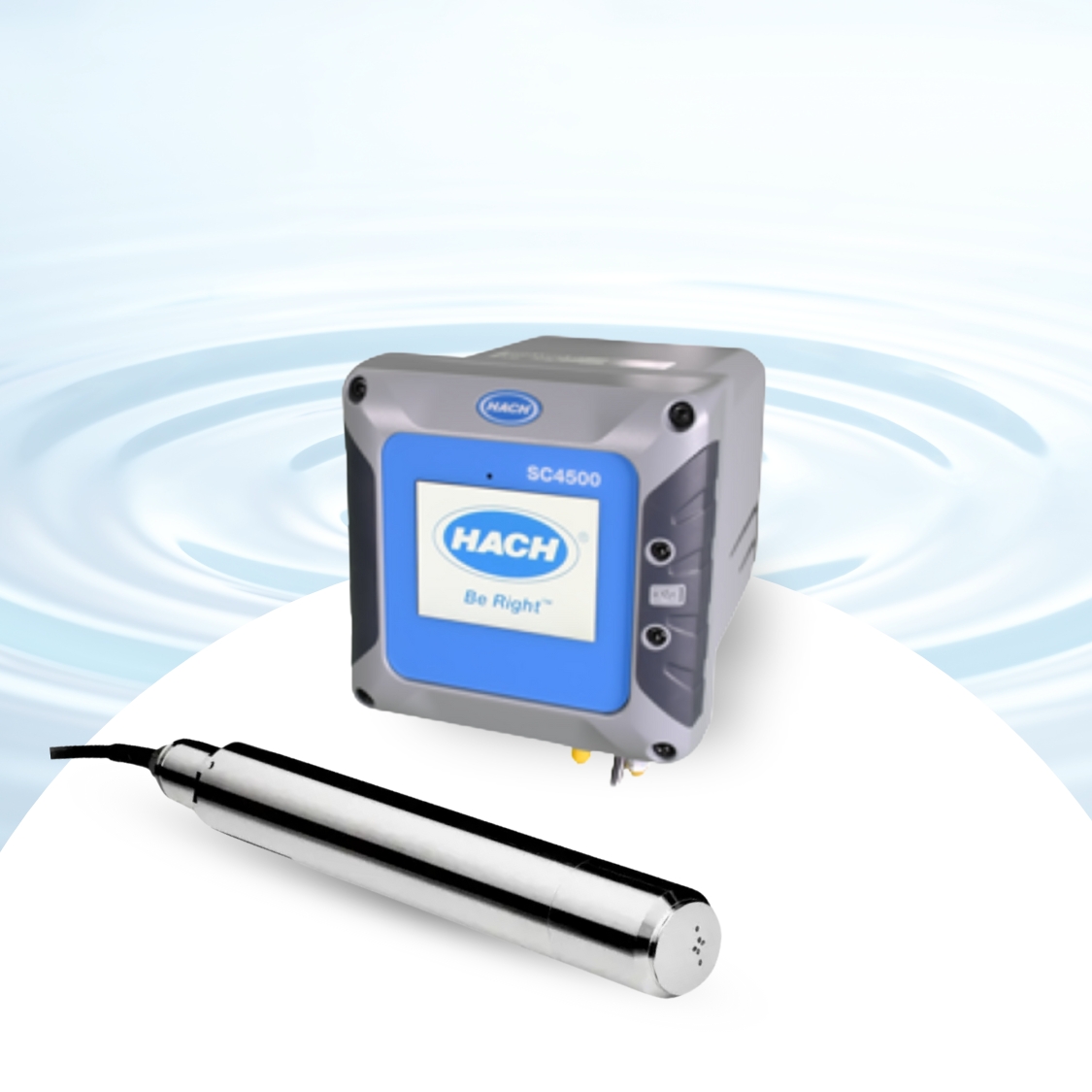
Ask Price
We are one of the foremost manufacturers of premium e of the foremost manufacturers of premium
.jpg)
Ask Price
We are one of the foremost manufacturers of premium e of the foremost manufacturers of premium
Water quality monitoring instruments that are not calibrated against NABL-traceable reference standards, or that use expired calibration buffers and standard solutions, can drift significantly from actual values — a pH electrode calibrated with a contaminated or old pH 7.0 buffer may read 0.3-0.5 pH units offset from true pH; for an ETP pH control system using this sensor to dose acid or alkali, the 0.5 unit offset causes the treated effluent to be dosed to the wrong setpoint, potentially causing CPCB pH limit violations (6.5-9.0) that appear to be well within compliance on the instrument while the actual effluent is outside limits. For CPCB online effluent monitoring systems transmitting data directly to CPCB servers, a systematic calibration error creates false compliance data — eventually triggering an enforcement audit when CPCB's data analysis detects implausible trends. CPCB instrument approval is the second most critical compliance requirement for regulated applications. CPCB publishes an approved instruments list for stack, ambient air, and effluent monitoring; instruments not on the approved list are not accepted for regulatory compliance reporting regardless of technical quality. The approved list is parameter-specific — a CPCB-approved pH meter is not automatically approved for COD monitoring. For industries mandated to install online effluent monitoring, only CPCB-approved instruments from the approved list, configured to transmit data in the CPCB API format, satisfy the regulatory requirement. India's water quality monitoring market is growing at 17.8% CAGR, driven by CPCB online effluent monitoring mandates, Jal Jeevan Mission water quality surveillance networks, pharmaceutical PW monitoring requirements, and growing industrial process water quality management. The market has significant quality variance — from reference-grade instruments from HACH (USA), YSI (USA), WTW (Germany), and Endress+Hauser (Switzerland) to lower-quality instruments without adequate calibration traceability or CPCB approval.
FAQ's
What parameters are required for CPCB mandatory online effluent monitoring?
CPCB has mandated online real-time effluent quality monitoring for large polluting industries under the Environment Protection (Amendment) Rules and specific CPCB directives. Mandatory parameters for most large industries: pH (range 0-14 or as applicable); COD (Chemical Oxygen Demand, mg/L); Flow (volumetric, m3/hr); TSS (Total Suspended Solids, mg/L); Temperature (degrees C). Additional parameters for specific industries: Textile – colour (ADMI or Hazen units); TDS. Pharmaceutical – specific API parameters per consent; TOC for some applications. Electroplating – heavy metals (Cr, Cu, Ni, Zn, Cd, Pb as applicable). Distillery – BOD; COD, sulphates. Sugar – BOD; COD. All mandated parameters must be monitored continuously with 15-minute averages transmitted to CPCB and SPCB servers in real time via GPRS/4G in the CPCB API format. Data availability must be above 90% of operational hours. Only CPCB-approved instruments from the approved list are acceptable for these monitoring applications. The CPCB monitoring portal (at cpcb.nic.in) shows real-time data from registered monitoring stations.
What is the difference between pH measurement technologies for industrial water?
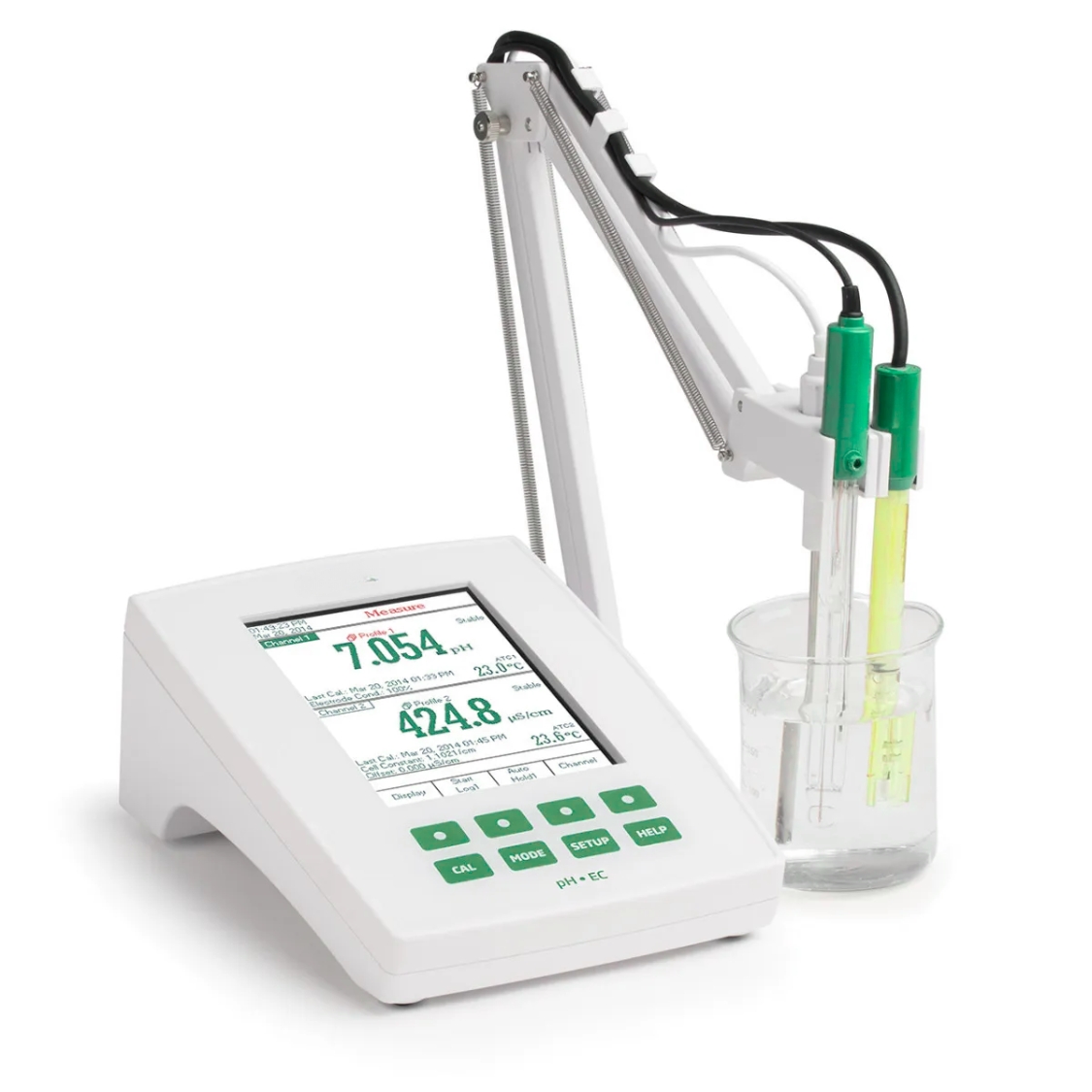
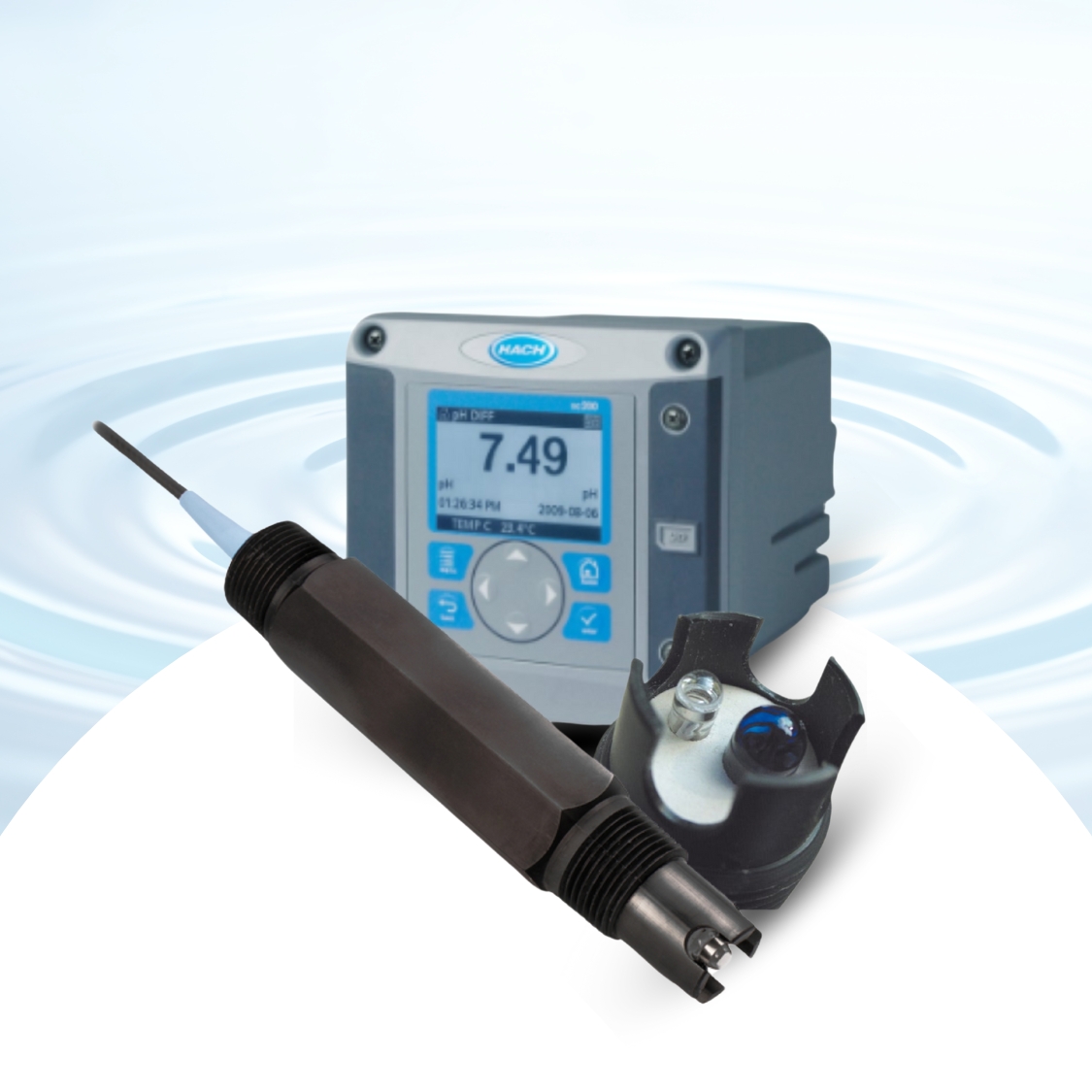
Glass electrode pH measurement: the standard technology for all pH measurement from laboratory to industrial inline; a thin pH-sensitive glass membrane develops a potential proportional to the hydrogen ion (H+) activity in solution; the potential is measured against a reference electrode (silver/silver chloride or calomel); combination electrodes integrate both in one body; accuracy: ±0.01-0.02 pH units for laboratory; ±0.05-0.1 pH units for industrial inline; temperature compensation required (Nernst equation: pH sensitivity is temperature-dependent – 59.16 mV/pH at 25 degrees C; 61.54 mV/pH at 37 degrees C); glass electrodes are sensitive to high-sodium solutions at pH above 12 (sodium error), HF solutions (dissolves glass), extremely dry conditions (glass dehydration), and abrasion; reference electrode fouling in dirty or high-protein solutions is the most common cause of erratic pH readings. ISFET (Ion-Sensitive Field-Effect Transistor): semiconductor technology where pH-sensitive gate replaces the glass membrane; more robust (no fragile glass); lower impedance circuit (less sensitive to moisture ingress); faster response; suitable for high-viscosity or coating applications; higher cost; not yet as widely used as glass electrodes. Practical guidance: standard glass combination electrode is adequate for most water treatment and ETP applications; specify solid-state or gel-filled reference for applications with high protein or suspended solids to reduce reference junction fouling; specify ISFET for extreme abrasion or unusual temperature applications.
What is dissolved oxygen (DO) measurement and why is it critical for biological ETP?
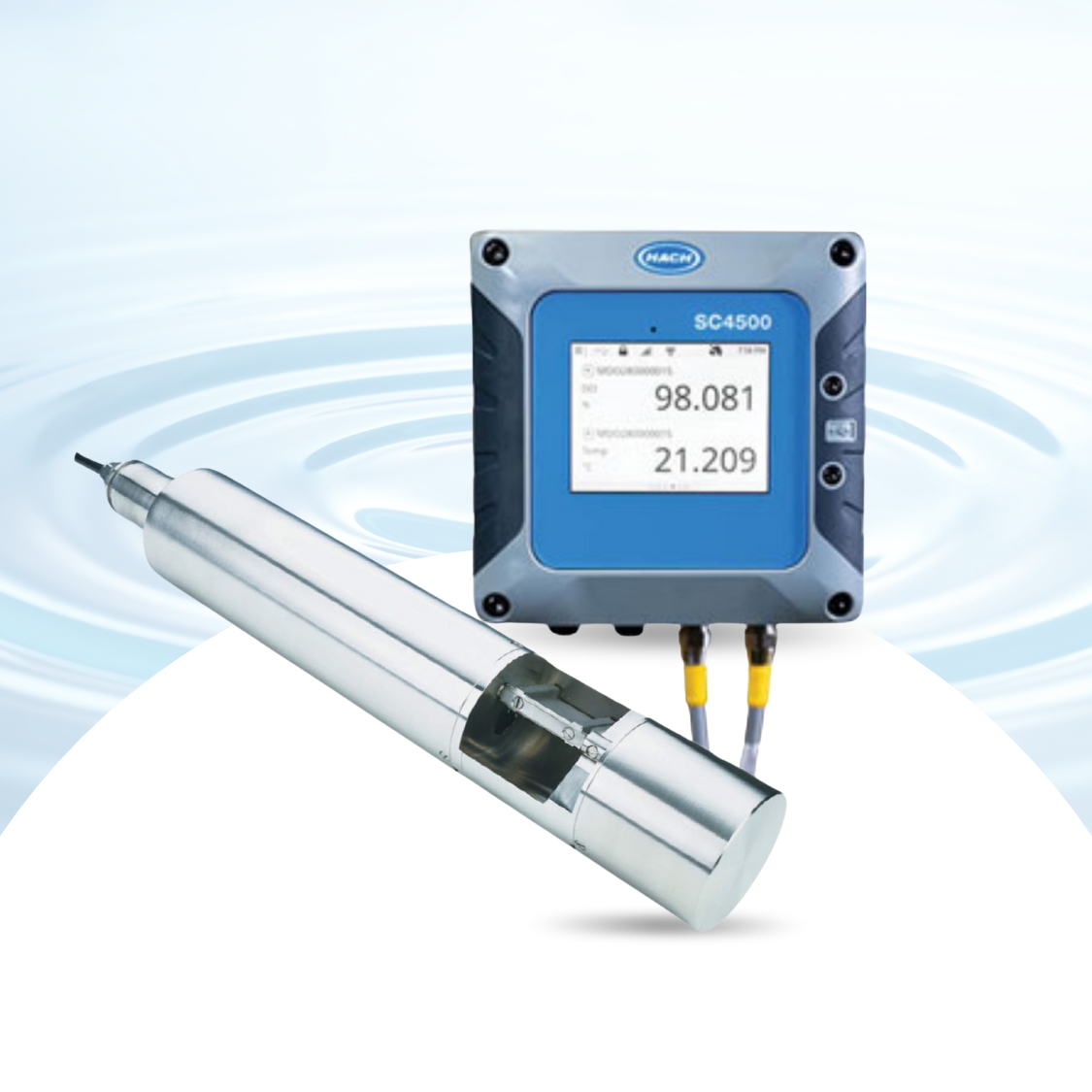
Dissolved oxygen (DO) is the concentration of oxygen dissolved in water, expressed in mg/L (equivalent to ppm). Measurement methods: amperometric (Clark cell, membrane-type): oxygen diffuses through a gas-permeable membrane and is reduced electrochemically at a gold or platinum cathode; current output proportional to DO; sensitive to membrane fouling and biofouling in activated sludge; requires regular membrane and electrolyte replacement. Optical (luminescent): ruthenium-based dye on the sensor cap is excited by blue LED light; oxygen quenches the luminescent decay time; time-resolved luminescence proportional to DO concentration; no membrane, no electrolyte, no oxygen consumption in measurement; less sensitive to biofouling; longer sensor cap life; recommended for biological ETP. Critical role in biological ETP: aerobic biological treatment (activated sludge, MBBR, SBR) requires DO above 1.5-2.0 mg/L throughout the aeration tank to support aerobic microbial metabolism; below 1.0 mg/L, aerobic bacteria become substrate-limited, BOD removal efficiency drops, and facultative anaerobic conditions develop (filamentous bacteria proliferate causing sludge bulking); above 4.0 mg/L, the additional DO does not improve treatment but wastes aeration energy; continuous DO monitoring with PID control of the aeration blower speed (VFD-controlled) maintains DO at the optimal 2.0 mg/L setpoint, typically saving 20-30% aeration energy vs. constant-speed blower operation.
What is turbidity measurement and what are the turbidity standards?
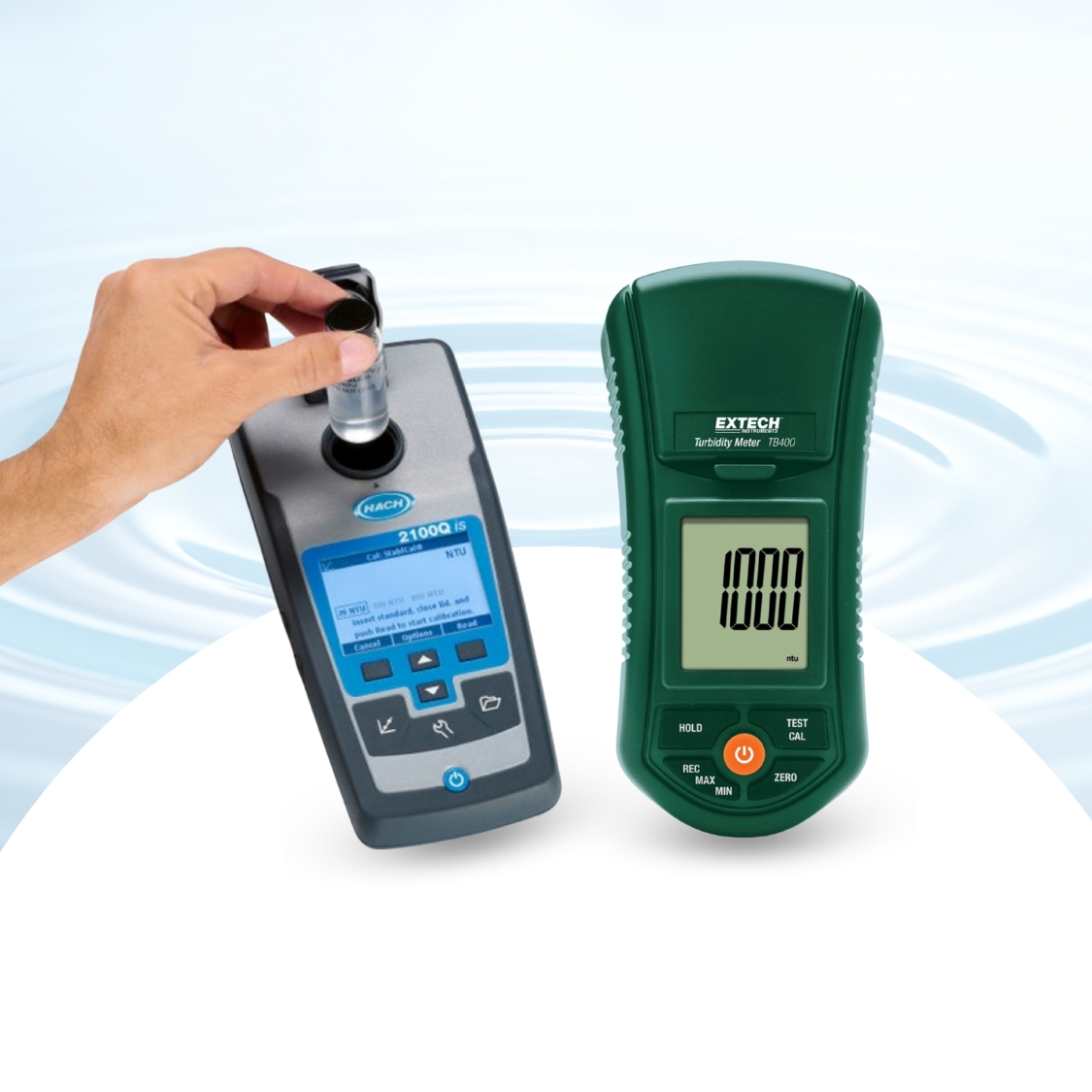
Turbidity is the optical clarity of water – the degree to which suspended particles scatter light. Measurement principle (nephelometric): a collimated beam of light (white light, infrared 860nm, or monochromatic 880nm per ISO 7027) passes through the water sample; a photodetector at 90 degrees to the beam measures the scattered light intensity; more particles = more scattering = higher turbidity. Units: NTU (Nephelometric Turbidity Units) for measurements per EPA Method 180.1; FNU (Formazin Nephelometric Units) for ISO 7027 infrared measurements; FTU (Formazin Turbidity Units) for general reference; numerically interchangeable for most purposes but technically different due to light source differences. Calibration standards: formazin (Hydrazine-Hexamethylenetetramine polymer) – the primary turbidity standard; AMCO-AEPA-1 (styrene-divinylbenzene polymer beads) – stable secondary standard; certified at traceable concentrations. Key turbidity limits in India: BIS IS 10500 (drinking water): 1 NTU preferred, 4 NTU maximum; WHO guideline: 0.5 NTU (for effective disinfection); post-filter turbidity above 0.5 NTU indicates filter breakthrough or inadequate filtration; real-time turbidity monitoring at filter outlets provides immediate warning of filter failure before pathogens can pass to the distribution system.
What is conductivity measurement and how is it used in water treatment?
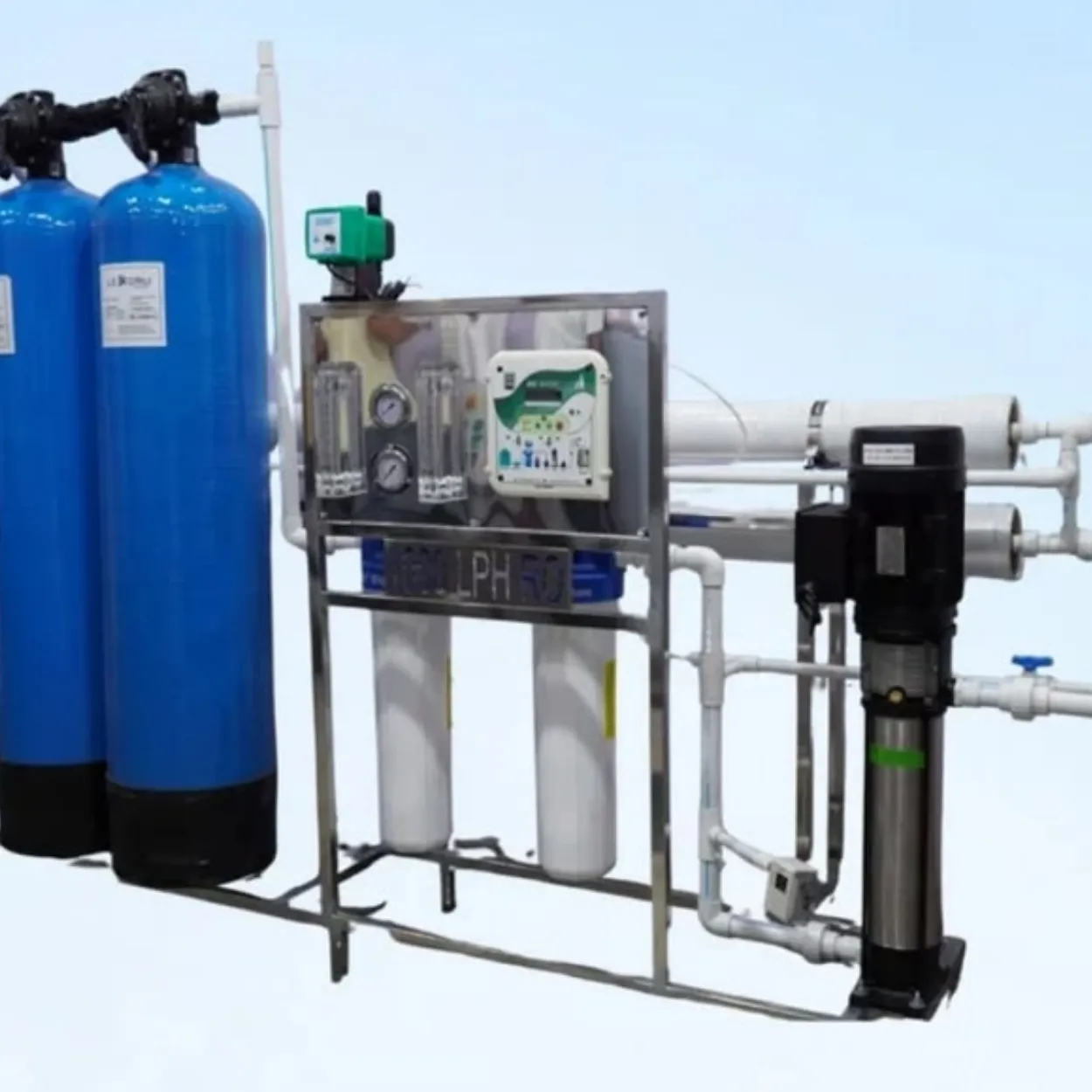
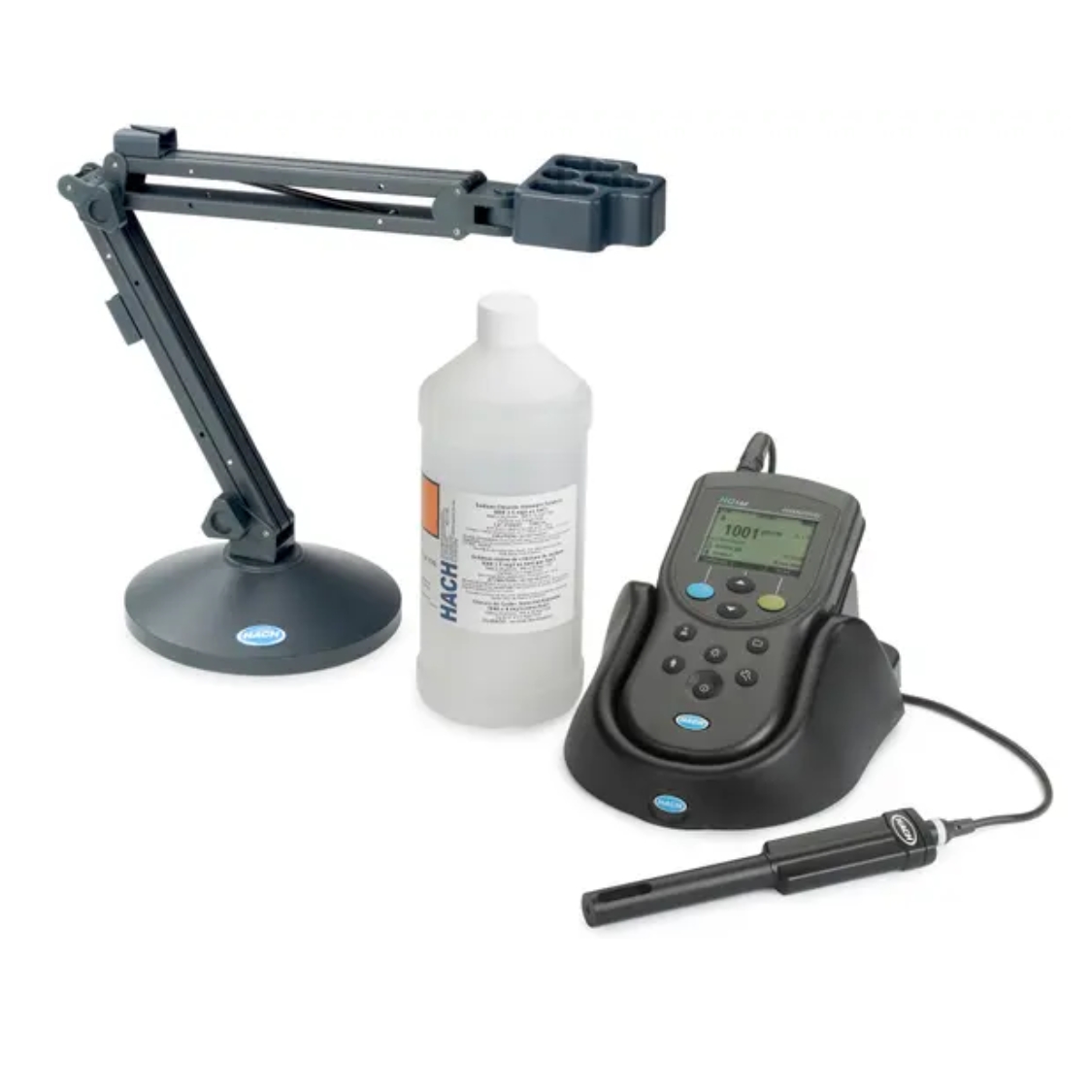
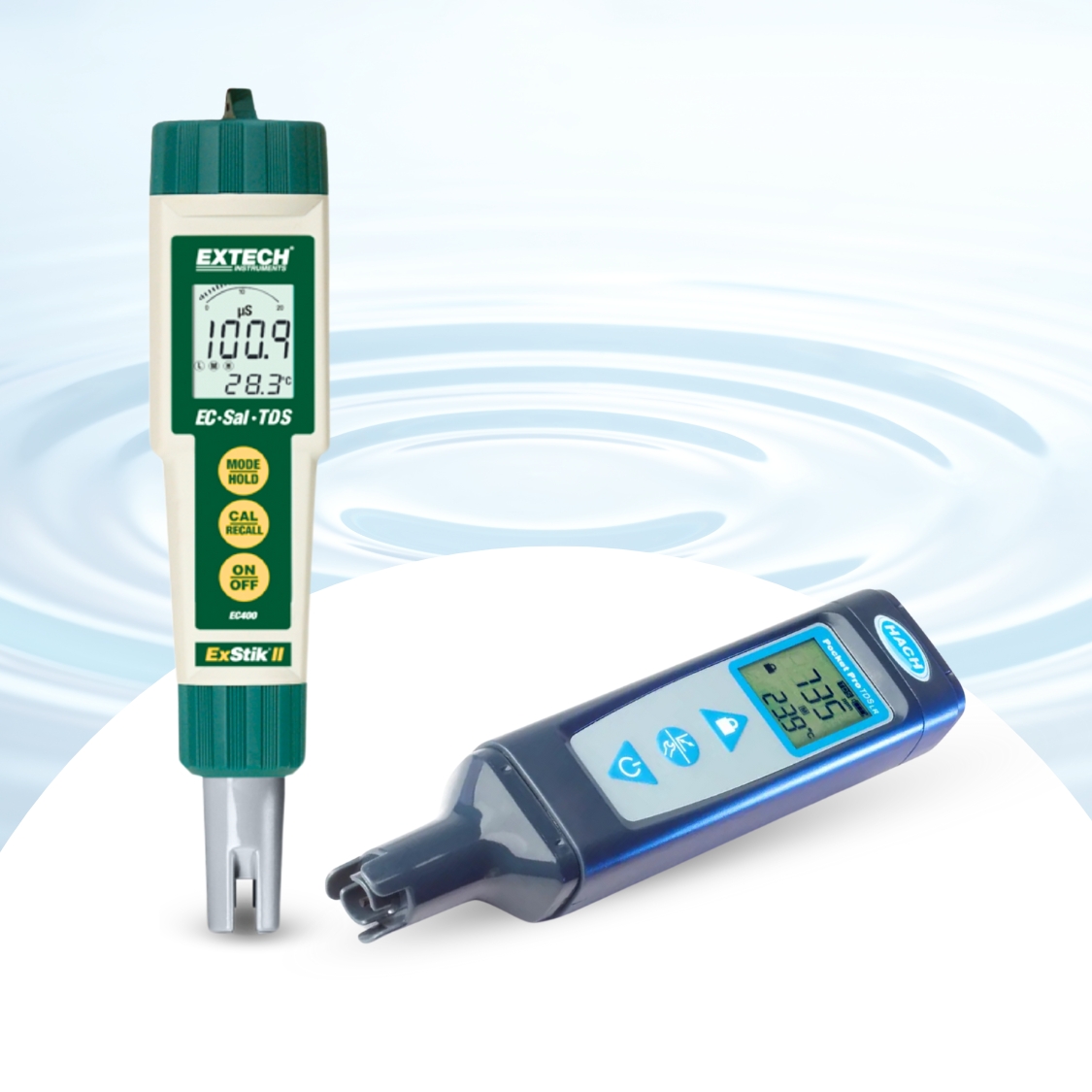
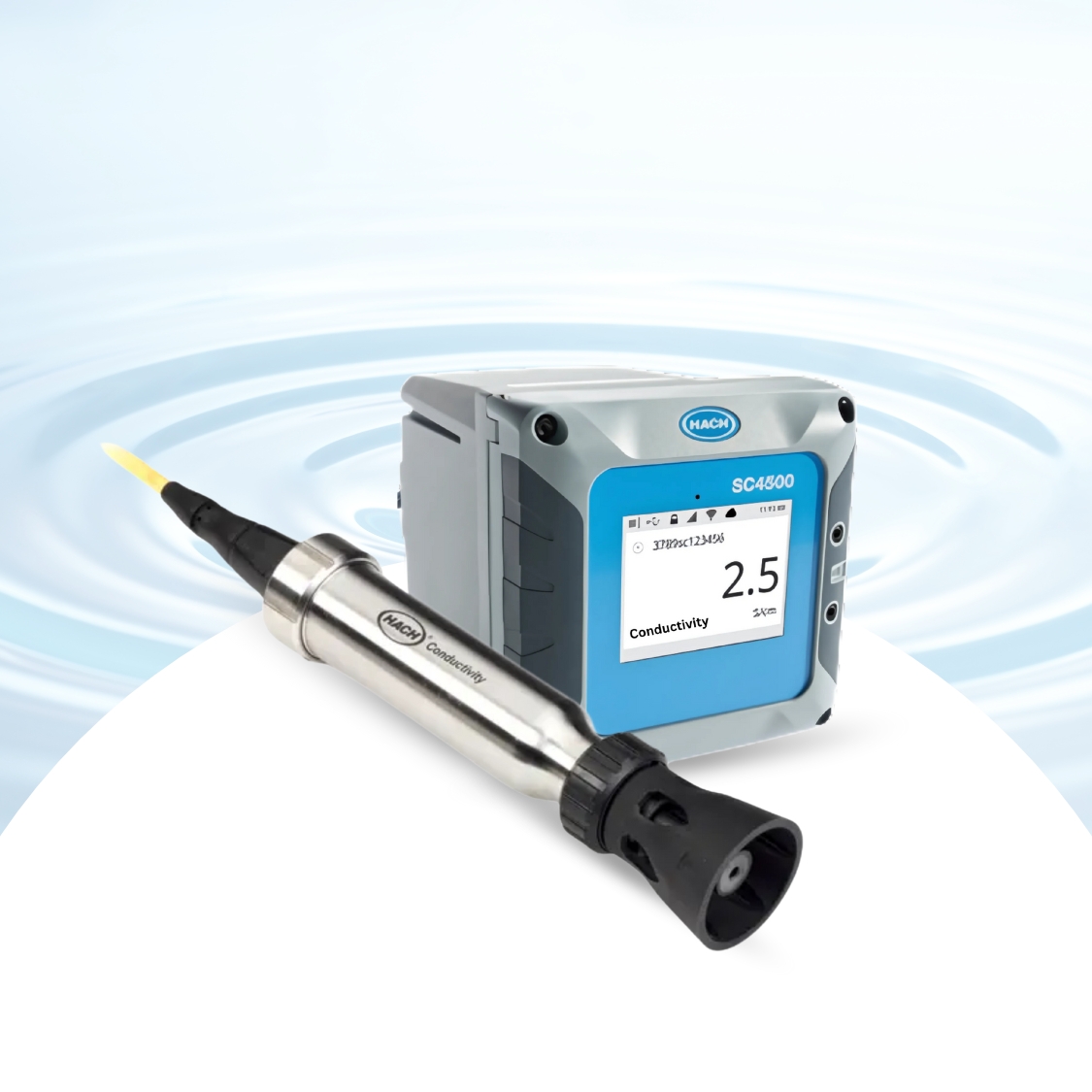
Electrical conductivity (EC) of water measures the ability of the water to conduct an electric current, which is proportional to the total dissolved ionic concentration; expressed in µS/cm (microsiemens per centimetre) or mS/cm (millisiemens per centimetre). Measurement: conductivity cells contain two or four electrodes; alternating current applied to prevent electrode polarisation; electrical resistance measured; conductivity calculated from cell constant (cm-1); temperature-compensated to 25 degrees C reference (conductivity increases approximately 2% per degree C). Key applications: RO system monitoring – product water conductivity is the primary online indicator of RO membrane performance; product water conductivity directly proportional to TDS; target conductivity for most industrial RO product water: below 50-100 µS/cm (equivalent to approximately 25-50 ppm TDS); sudden increase in product conductivity indicates membrane fouling or failure; water softener control – effluent conductivity monitoring detects hardness breakthrough when resin is exhausted (hardness ions replaced by sodium, but total ion concentration changes slightly); boiler feed water quality – conductivity indicates total dissolved solids in boiler water; specific conductance limits vary by boiler pressure (higher pressure boilers require lower TDS/conductivity); pharmaceutical purified water – USP <645> sets conductivity limits at each stage of purification; at 25 degrees C, purified water conductivity should be ≤1.3 µS/cm; WFI (water for injection) ≤1.3 µS/cm.
Provide your details and get multiple competitive quotes at no cost.