Indian Sweet Shops Waste ₹15 Lakh Annually from Poor Ingredient Sourcing — Trade4Asia Ends This

Trade4Asia maps 190+ verified Indian Sweets & Namkeen Ingredients providers across India. From premium besan and maida to authentic namkeen masalas and refined frying oil — all FSSAI certified, halwai-grade quality, and bulk-ready.
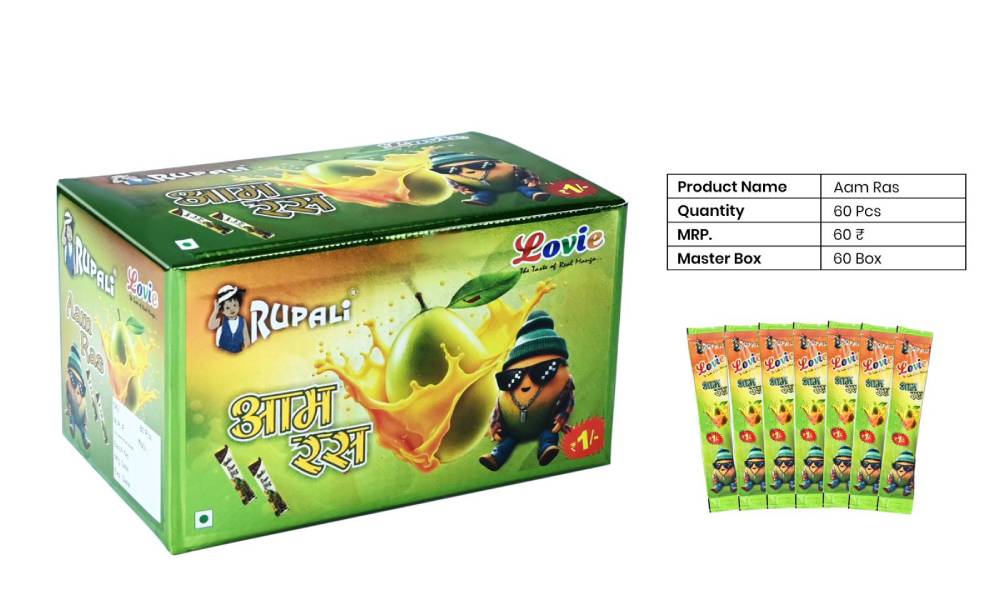
Aam Ras Rupali Confectionery India Delhi GST 9 Months

Ask Price

We are one of the foremost manufacturers of premium e of the foremost manufacturers of premium
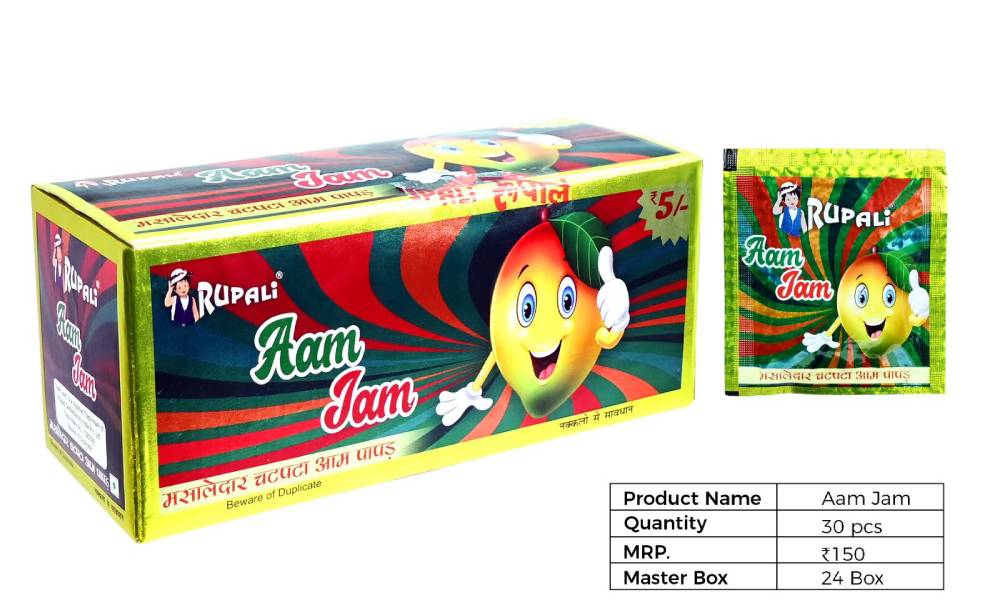
Aam Jam Rupali Confectionery India Delhi GST 9 Months

Ask Price

We are one of the foremost manufacturers of premium e of the foremost manufacturers of premium

Aam Jaam Rupali Confectionery India Delhi GST 9 Months

Ask Price

We are one of the foremost manufacturers of premium e of the foremost manufacturers of premium

Relative Category

Candies & Lollipops Candies & Lollipops

Ask Price
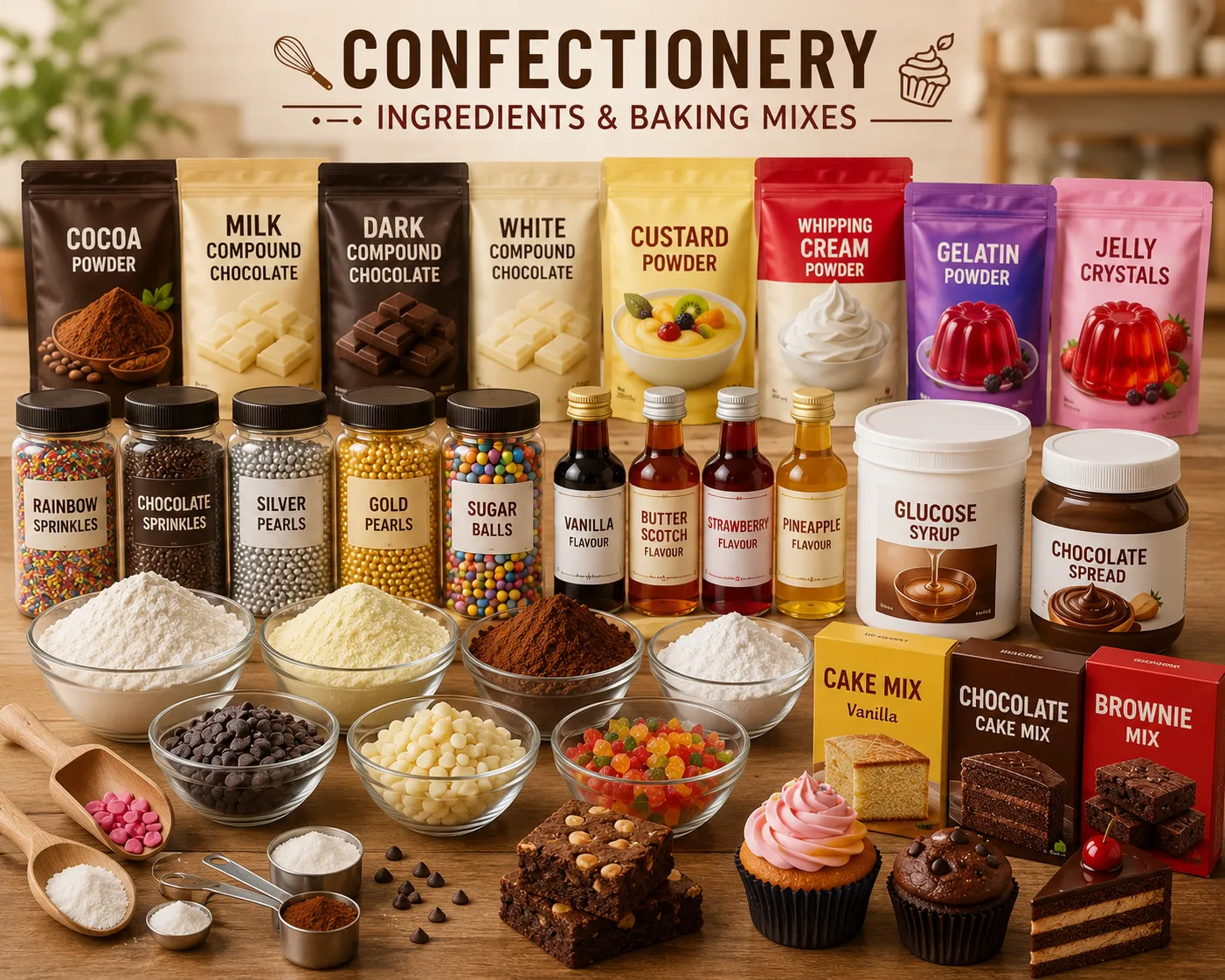
Confectionery Ingredients & Baking Mixes Confectionery Ingredients & Baking Mixes

Ask Price
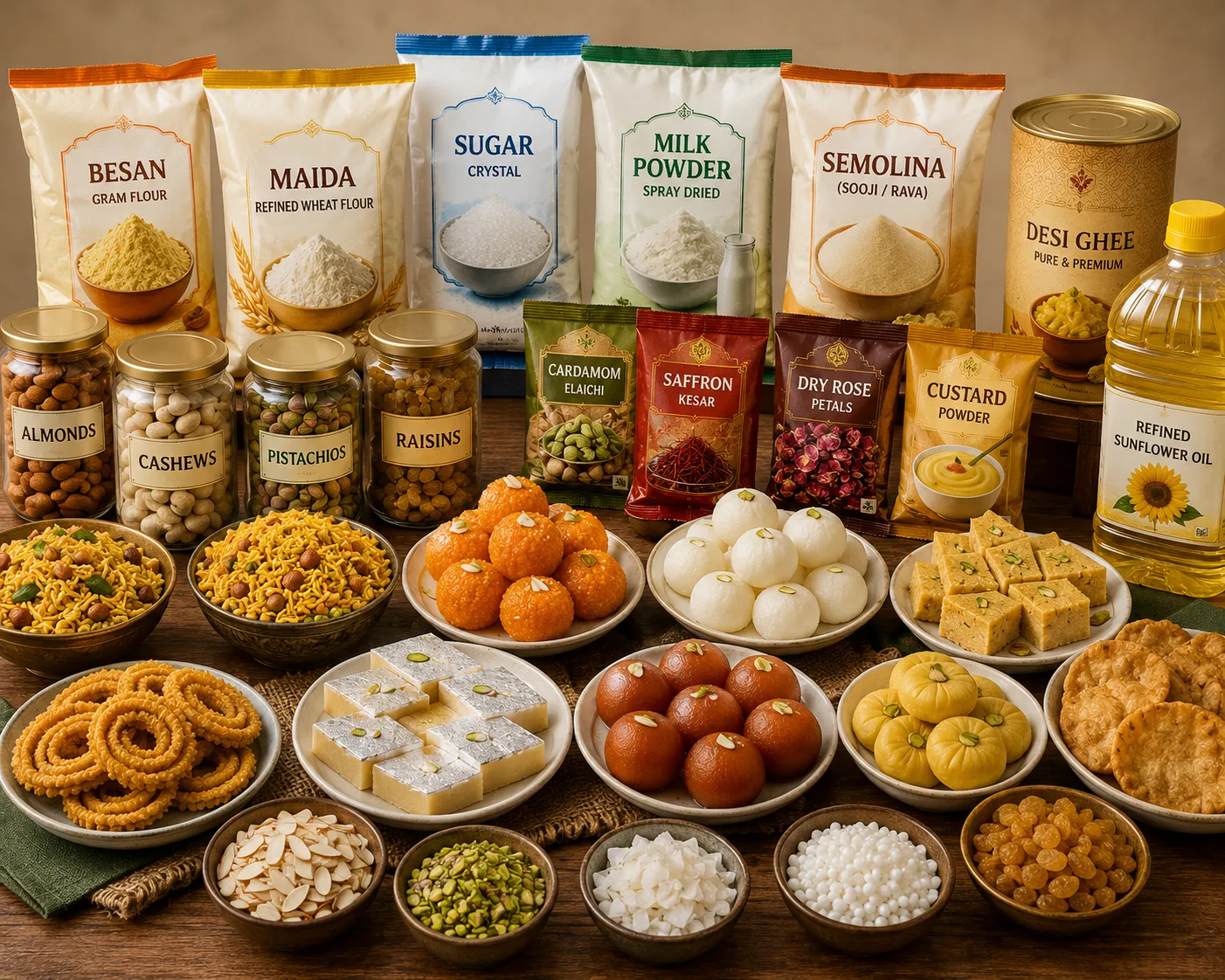
Indian Sweets & Namkeen Ingredients Indian Sweets & Namkeen Ingredients

Ask Price
Milk & Dairy Based Confectionery Milk & Dairy Based Confectionery

Ask Price

Substandard sweet and namkeen ingredients cost Indian halwai businesses ₹15 lakh+ annually. Here is the full damage breakdown: Adulterated besan (chickpea flour blended with cheap cereal flours) ruins consistency of jalebi, boondi, and gram-flour sweets. Low-quality frying oil with high free fatty acid content breaks down rapidly — reducing oil life from 20 to 5 fry cycles. Non-FSSAI-compliant food colours in namkeen masala create regulatory risk and consumer health complaints. Inconsistent khoya (mawa) moisture content causes burfi and peda to crack, lose shape, and fail shelf-life targets. Counterfeit saffron and adulterated dry fruits inflate ingredient costs while delivering inferior flavour and appearance


FAQ's

Q1: What is the MOQ for sweet and namkeen ingredient sourcing on Trade4Asia?

MOQs vary: besan and flours start at 50 kg, frying oil at 100 litres, namkeen masala blends at 25 kg, sugar at 50 kg, and dry fruits at 10–25 kg. Custom masala blend development requires minimum 50–100 kg order. Trade4Asia can match suppliers to your exact volume requirements.

How do I detect adulterated besan before bulk purchase?

Simple iodine test: dissolve 1 teaspoon besan in water and add 2 drops of iodine solution. Blue-black colour indicates starch adulterant (wheat/corn flour). For definitive verification, request an NABL lab test report. All Trade4Asia verified besan suppliers provide NABL test certificates.

What frying oil specifications should I look for as a namkeen manufacturer?

Key specifications: Free Fatty Acid (FFA) below 0.5% at delivery, smoke point above 220 deg C, trans fat below 2% (FSSAI 2022 compliance), and peroxide value below 10 meq/kg. Refined groundnut or rice bran oil with these specifications delivers optimal frying performance and oil longevity for namkeen production.

Can I get custom namkeen masala blended to my proprietary recipe?

Yes. Over 30 suppliers on Trade4Asia offer custom masala blending under Non-Disclosure Agreement (NDA) to protect proprietary recipes. The process involves recipe submission, trial batch production, approval, and then full-scale blending. Minimum order is typically 50–100 kg per blend variant.

How should I plan festive season ingredient procurement for Diwali?

Diwali drives 60% of annual sweet ingredient procurement in a 4–6 week period. Trade4Asia recommends placing advance purchase orders for sugar, dry fruits, and frying oil 90 days before Diwali, and besan and masala orders 60 days before. Forward contracts at pre-season prices protect against 15–25% price spikes.