


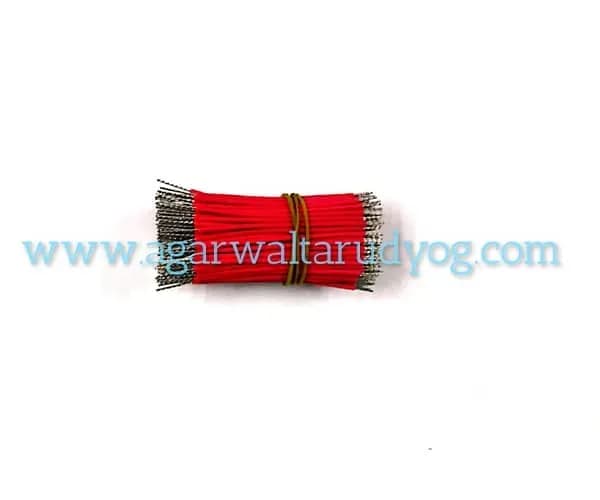
Some wires work fine on a shelf but fail when the temperature goes up. Silicone wire is built for those tough conditions. It runs close to heaters, fits inside panels and keeps working in equipment that stays on for hours without getting stiff or cracking. That is why industrial buyers, panel builders and lighting manufacturers choose it when ordinary wires break down.
In this blog, we explain what silicone wire is, where it is used, what makes it special and what you need to check before ordering. Whether you need a few meters for a small repair or a large quantity for factory production, this guide will help you pick the right silicone wire with confidence and avoid mistakes that lead to expensive repeat orders later.
What Is Silicone Wire?
Silicone wire, also called silicone insulated wire or silicon wire, is a wire covered with soft silicone rubber insulation. Inside, it has a stranded copper conductor made of thin wires. That is why it bends easily and handles repeated flexing.
The rubber insulation stays flexible in different weather conditions and can withstand high temperatures without becoming brittle. The exact temperature limit depends on the grade. It also provides electrical insulation within its rated voltage.
Where Is Silicone Wire Used?
Silicone wire is used wherever heat and tight spaces go together:
- Heating Equipment: It runs near hot components without stiffening or breaking.
- LED Lights and Fittings: It makes flexible, heat-tolerant connections between the power driver and the light.
- Industrial Machines and Control Panels: It handles crowded spaces, tight bends and constant vibration.
- Electronic Devices: It fits into small internal connections where space is limited.
- Home Appliances: Ovens, coffee makers and similar products stay hot during use and need reliable wiring.
- Automotive and Special Equipment: It works wherever the wire's rating matches the operating conditions.
Because these applications are so different, the right grade, size and length depend on your equipment. Our team can guide you in choosing silicone insulated wire according to your application, budget and working conditions.
How to Choose the Right Silicone Wire
Ask yourself these questions before placing an order:
- Temperature: Find the temperature at the wire's installation location and choose a wire with a suitable rating and safety margin.
- Voltage: Check the voltage the wire will carry and make sure it does not exceed its rated limit.
- Current: Current determines the required conductor size. A thin wire carrying excessive load can overheat quickly.
- Flexibility: If the wire will bend frequently, choose one with a stranded flexible conductor.
- Conductor Type: Copper is commonly used. You can also discuss tinned copper options with the manufacturer.
- Quantity: Share your bulk requirements so the appropriate size, colour and length can be arranged.
Many issues come from mistakes during selection and installation. Some buyers choose a wire based only on its thickness and ignore its temperature rating. Others route the insulation over sharp edges or metal burrs that can damage it over time. Pulling the wire too tightly around corners without leaving enough slack can also create problems.
Some buyers select a wire size without checking the electrical load, which can lead to overheating. Others forget to confirm the voltage rating before installation.
Always check the specifications before placing an order so you get exactly what your equipment needs. A few minutes spent on these checks can prevent breakdowns, wasted materials and repeat orders later. Our team is always happy to help you choose the right silicone wire for your application.
Conclusion
Silicone wire earns its place wherever heat, tight spaces and constant movement make ordinary wiring a risky choice. Its soft rubber insulation makes installation easier. Its heat tolerance helps heating equipment, lighting systems and industrial machines operate reliably. Its flexibility also saves time during wiring and maintenance.
The smartest way to buy silicone wire is to match it to your working conditions. Check the temperature rating, voltage, conductor size and bending requirements before placing an order. Share your quantity in advance so the right size and length can be arranged.