
The healthcare industry is rapidly shifting toward minimally invasive surgeries, especially in the field of gynecology. In the past, many procedures required open surgery, but today laparoscopic techniques have made treatments faster, safer, and more efficient.
One of the key factors behind the success of these advanced procedures is the use of high-quality surgical instruments. Among these important tools, the Flexible Grasper plays a crucial role. This instrument helps gynecologists and laparoscopic surgeons safely hold, move, and manipulate delicate tissues with greater precision during surgical procedures.
Whether it is ovarian cyst removal, hysterectomy, fertility-related procedures, or endometriosis treatment, the Flexible Grasper is widely used in modern gynecological surgeries.
1. What is a Flexible Grasper?
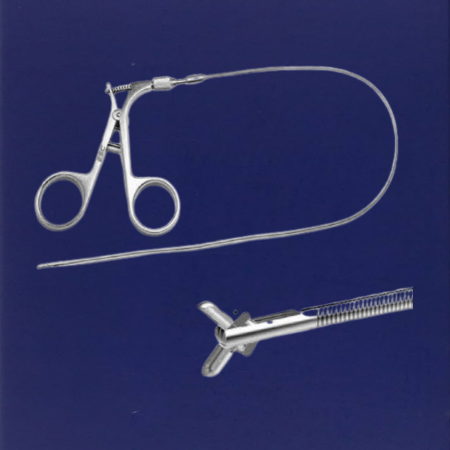
A Flexible Grasper is a specialized laparoscopic surgical instrument designed to hold and manipulate internal tissues during surgery.
Its flexible design allows surgeons to access difficult angles and areas where traditional rigid instruments may not work effectively. This makes it highly useful for delicate gynecological procedures where precision is critical.
2. Why is Flexible Grasper Important in Gynecology Surgery?
Gynecological surgeries involve highly sensitive organs such as the uterus, ovaries, fallopian tubes, and surrounding tissues. These procedures require maximum precision and care.
A Flexible Grasper helps surgeons achieve better tissue control, improved surgical precision, reduced tissue trauma, better visibility during surgery, and safer handling of delicate organs. These advantages help improve overall surgical outcomes.
3. Key Features of Flexible Grasper
Flexible Tip Design
The flexible tip design provides easy access to complex surgical angles and helps surgeons work more efficiently in difficult areas.
Strong Yet Gentle Grip
The instrument securely holds tissues without causing unnecessary damage, making it suitable for delicate gynecological procedures.
Ergonomic Handle
The ergonomic handle offers surgeons better comfort, control, and stability during long surgical procedures.
Durable Material
Flexible Graspers are usually made from high-quality stainless steel or medical-grade materials to ensure durability and reliability.
Easy Sterilization
The instrument can be cleaned and sterilized according to standard hospital protocols, helping maintain hygiene and safety.
4. Common Applications of Flexible Grasper
The Flexible Grasper is commonly used in laparoscopic hysterectomy, ovarian cyst removal, fibroid surgery, endometriosis treatment, tubal ligation, fertility procedures, and diagnostic laparoscopy.
5. Benefits of Using Flexible Grasper
Improved Surgical Accuracy
It allows surgeons to perform procedures with greater confidence and better precision.
Reduced Risk of Tissue Damage
The gentle grip helps protect delicate tissues during surgery.
Faster Procedures
Better control and handling may help reduce overall operation time.
Better Patient Recovery
By supporting minimally invasive techniques, it contributes to faster healing and shorter recovery periods.
Less Blood Loss
Precision handling can help reduce bleeding risks during surgery.
6. Role in Minimally Invasive Surgery
Today, many patients prefer surgeries that involve less pain, smaller incisions, faster recovery, and shorter hospital stays. The Flexible Grasper helps surgeons achieve these goals by offering controlled tissue handling and improved access during laparoscopic procedures.
7. How to Choose the Right Flexible Grasper
When choosing the right Flexible Grasper, it is important to focus on product quality, grip strength, flexibility, certifications, brand reputation, and surgeon requirements. A well-designed instrument should provide smooth handling, reliable performance, and safe tissue control during procedures.
Choosing a trusted manufacturer is equally important because surgical instruments must meet strict medical standards. A high-quality Flexible Grasper not only improves surgical efficiency but also offers better durability and long-term value for hospitals, clinics, and medical professionals.
8. Maintenance and Sterilization Guidelines
Proper maintenance is essential to extend the life of the instrument and ensure safe surgical use. The Flexible Grasper should be cleaned carefully after every procedure and sterilized according to hospital protocols.
Regular inspection is also important to check for wear, damage, or reduced grip performance. After sterilization, the instrument should be stored in a dry, safe, and hygienic environment to maintain its quality and functionality.
9. Future of Gynecology Surgical Instruments
Medical technology is advancing quickly, and gynecology instruments are becoming more precise, flexible, and surgeon-friendly. In the future, innovations such as robotic surgical tools, AI-assisted instruments, enhanced flexible designs, and advanced precision technology may become more common in operating rooms.
These developments will continue to improve surgical accuracy, patient safety, and recovery outcomes. Instruments like the Flexible Grasper will remain an important part of modern gynecological care as minimally invasive procedures continue to grow.
10. Why Hospitals Prefer Advanced Flexible Graspers
Hospitals and surgeons prefer advanced Flexible Graspers because they offer reliability, durability, safety, and high precision. These qualities are essential in modern surgical environments where patient safety and procedure efficiency are top priorities.
A dependable Flexible Grasper supports smooth surgical workflow and helps surgeons perform delicate procedures with greater confidence. This makes it a valuable addition to any gynecology surgical instrument set.
Frequently Asked Questions (FAQs)
Q1. What is a Flexible Grasper used for?
It is used to hold and manipulate tissues during laparoscopic surgeries.
Q2. Is Flexible Grasper reusable?
Yes, many Flexible Graspers are reusable when properly cleaned and sterilized according to medical protocols.
Q3. Which surgeries use this instrument?
It is commonly used in hysterectomy, ovarian cyst removal, fibroid surgery, fertility procedures, endometriosis treatment, and diagnostic laparoscopy.
Q4. Is it safe for delicate tissues?
Yes, it is designed to minimize tissue damage and provide safe handling during delicate surgical procedures.
Q5. What is the main advantage of Flexible Grasper?
Its main advantage is the combination of flexibility, precision, and controlled tissue handling.
Conclusion
The Flexible Grasper has become an essential tool in modern gynecological procedures. It provides surgeons with better precision, control, and efficiency while supporting minimally invasive techniques that benefit patients through faster recovery and reduced pain.
For hospitals, clinics, and medical professionals looking for high-quality gynecology instruments, investing in a reliable Flexible Grasper can significantly improve surgical performance and patient outcomes.