Food-Grade & Industrial Plastic Bottles and Jars for Indian Pharma, Food & Chemical Sectors

Trade4Asia maps 240+ verified Plastic Bottle & Jar suppliers across India — delivering HDPE, PET, PP, and LDPE bottles and jars for pharma, food, cosmetics, agrochemicals, and industrial chemical packaging with BIS, FSSAI, and FDA-compliant formulations.
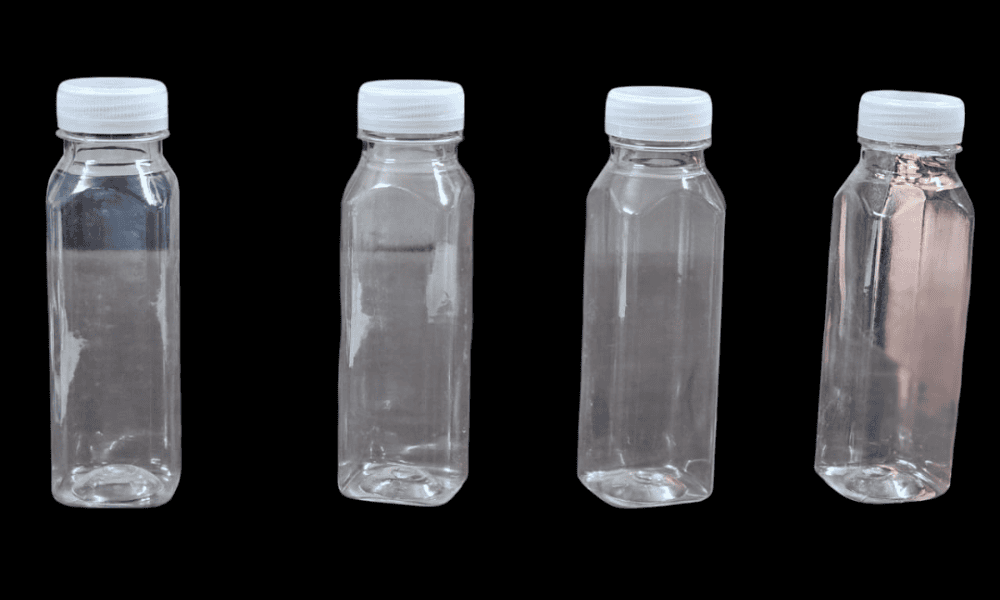
Pet Bottles ambica-sales-corporation Delhi GST 6 Months

Ask Price

We are one of the foremost manufacturers of premium e of the foremost manufacturers of premium
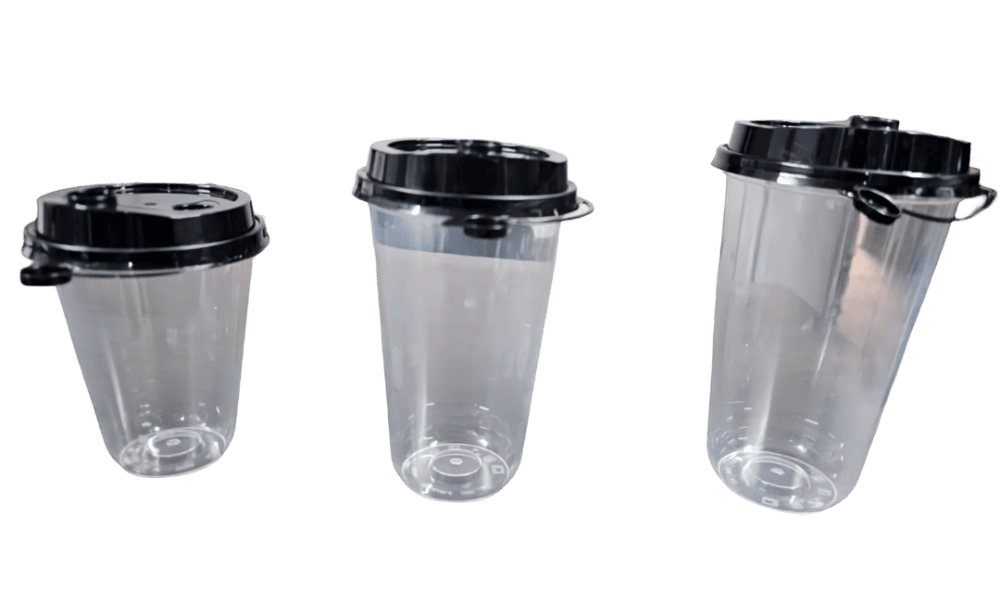
Sipper Glasses ambica-sales-corporation Delhi GST 6 Months

Ask Price

We are one of the foremost manufacturers of premium e of the foremost manufacturers of premium

Relative Category
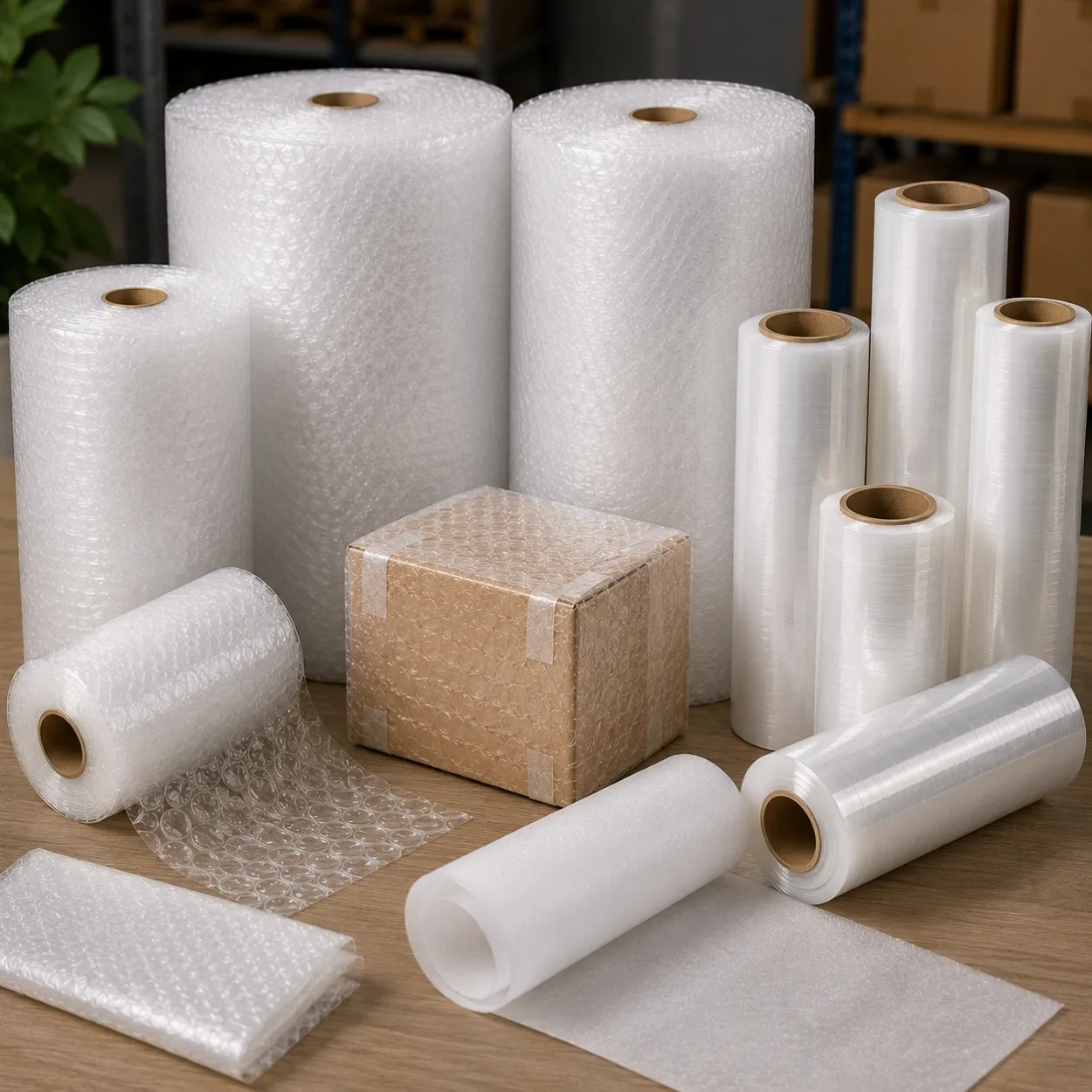
Air Bubble Rolls & Protective Films Air Bubble Rolls & Protective Films

Ask Price
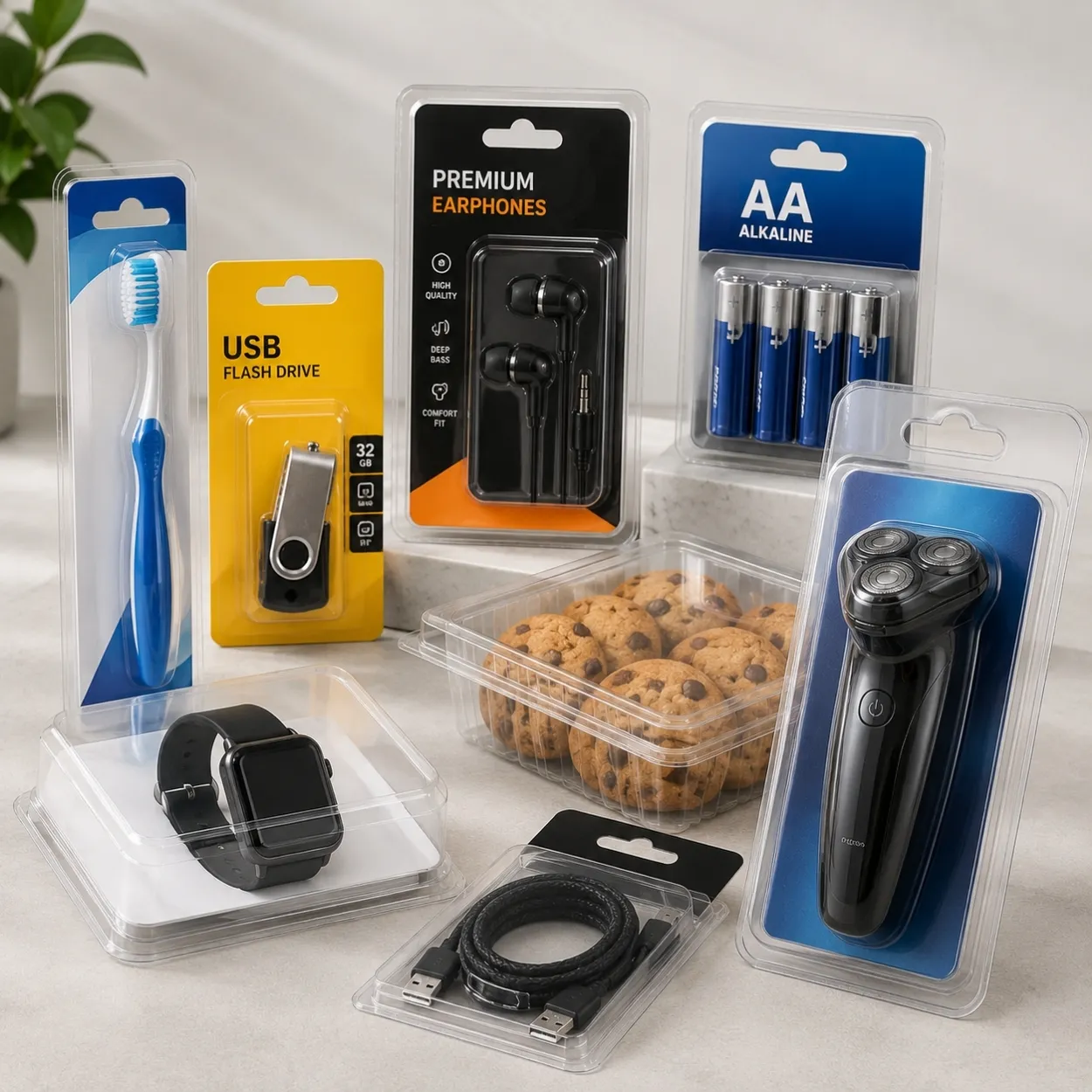
Blister & Clamshell Packaging Blister & Clamshell Packaging

Ask Price
EPE Foam & Thermocol Packaging EPE Foam & Thermocol Packaging

Ask Price
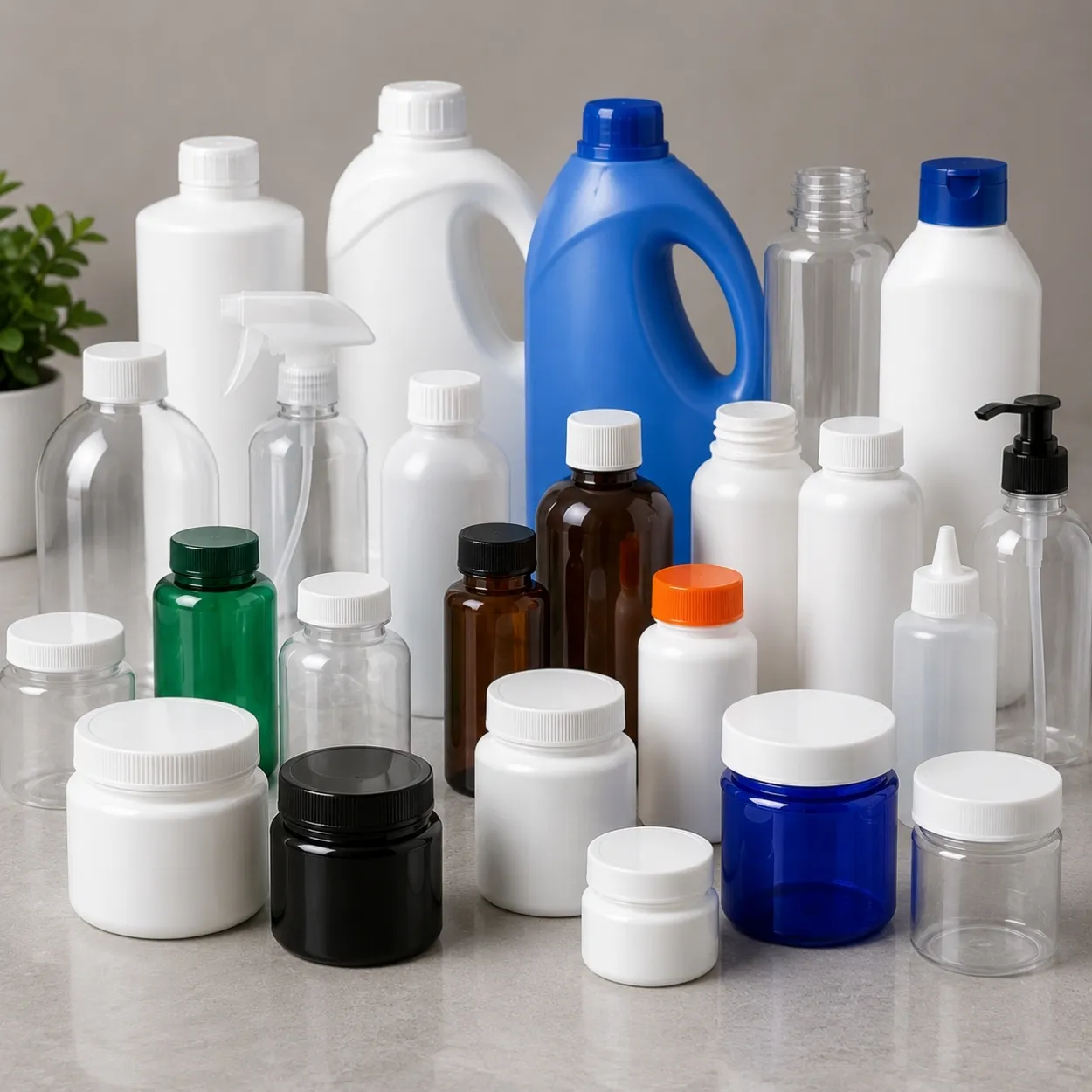
Plastic Bottles & Jars Plastic Bottles & Jars

Ask Price
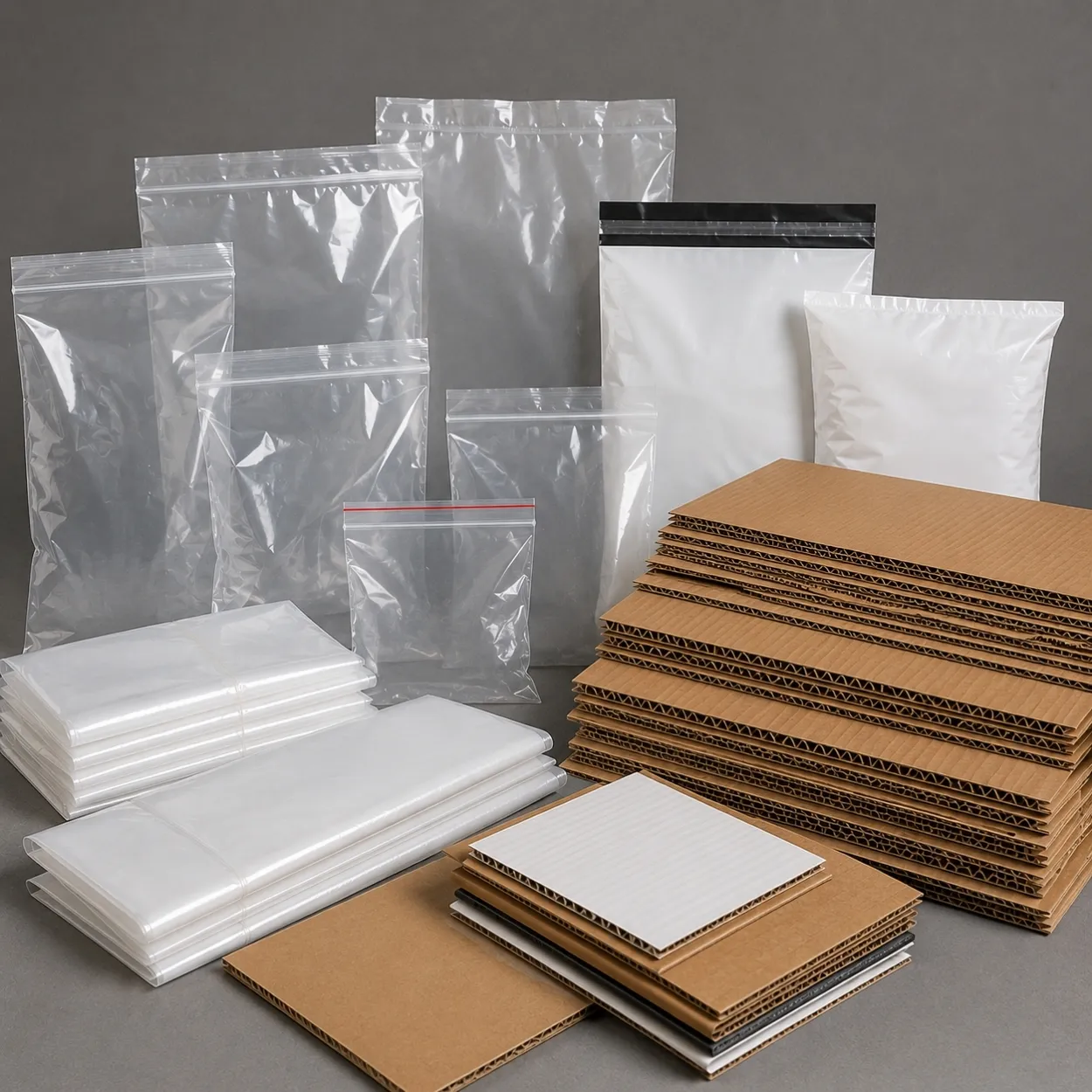
Poly Bags & Corrugated Sheets Poly Bags & Corrugated Sheets

Ask Price
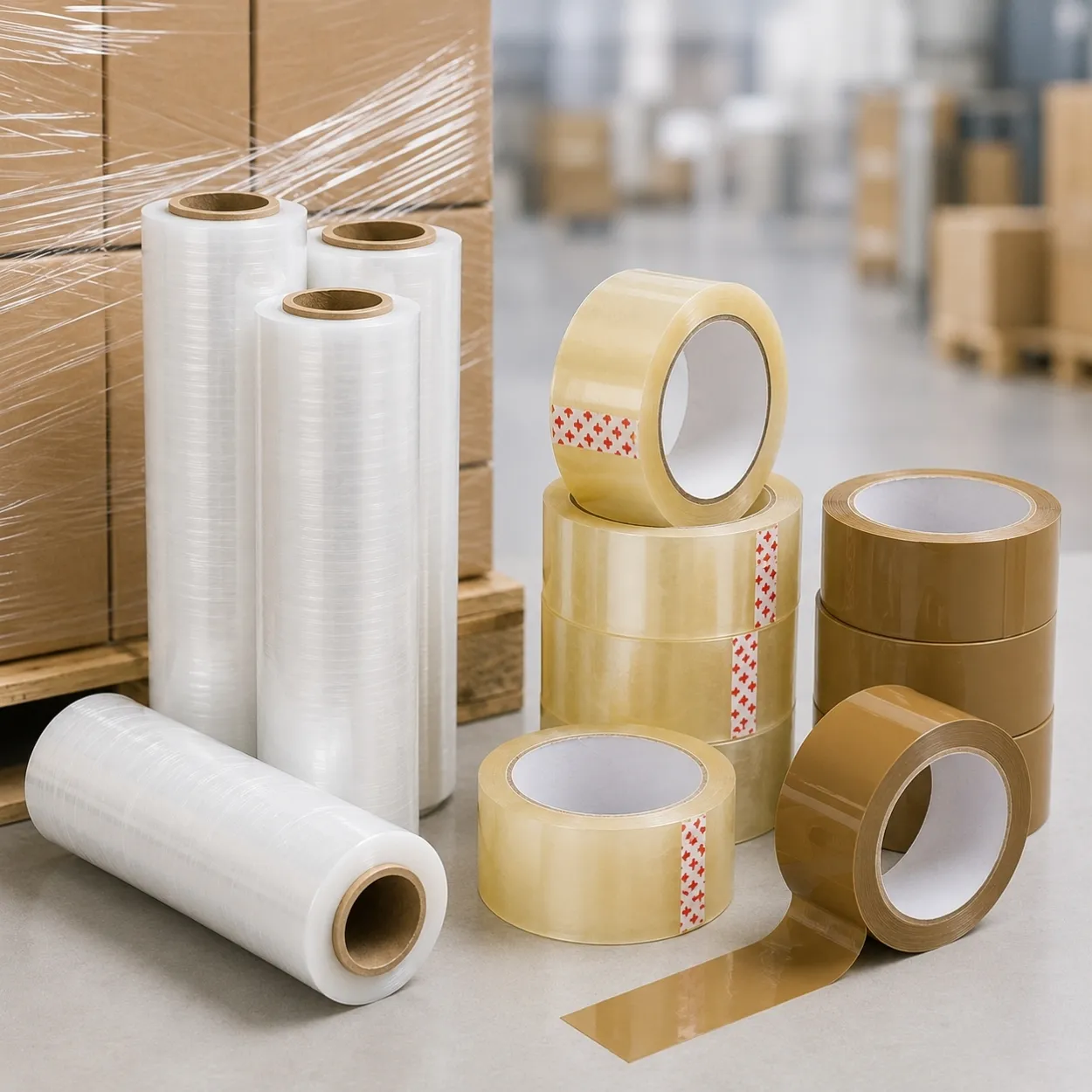
Stretch Films & BOPP Tapes Stretch Films & BOPP Tapes

Ask Price

Using wrong-grade plastic bottles for chemical, food, or pharma products causes container stress cracking, product contamination, regulatory rejection, and consumer safety incidents costing Indian manufacturers ₹5-60 lakh per batch. Resin compatibility, barrier properties, and closure torque specification are non-negotiable — not afterthoughts. Trade4Asia maps 240+ verified plastic bottle and jar suppliers, pre-screened for resin grade, wall thickness, food/pharma compliance, closure torque, barrier performance, and BIS/FDA certification.


FAQ's

Which plastic is best for packaging pharma tablets and capsules?

A: HDPE (High Density Polyethylene) is the standard resin for pharma tablet and capsule bottles — it offers excellent moisture barrier, chemical resistance, and compatibility with IP/USP and Schedule M requirements; HDPE bottles from BIS IS:10146 licensed manufacturers are mandatory for regulated pharma.

What is the difference between food-grade and standard HDPE bottles?

A: Food-grade HDPE bottles are manufactured with virgin resin and additives compliant with BIS IS:10146 and FDA 21 CFR Part 177 — no recycled material, no non-food-safe colorants; standard HDPE may contain recycled content and non-food additives unsuitable for food contact.

What neck finish standard should I specify for compatibility with capping machines?

A: For water and beverages, PCO 1881 (28mm) is the global standard; for FMCG and pharma, 28mm and 38mm 400H series are most common — always match the neck finish standard to your existing capping machine specification before placing an order.

Are UV-stabilised agrochemical bottles different from standard HDPE bottles?

A: Yes — UV-stabilised HDPE contains UV absorber and HALS (hindered amine light stabilisers) additives that prevent chain degradation from UV exposure, extending outdoor service life from months to years; standard HDPE embrittles within 3-6 months of direct sunlight exposure.

What is EVOH barrier and when is it needed in bottles?

A: EVOH (Ethylene Vinyl Alcohol) is an oxygen barrier resin used as a middle layer in multilayer bottles — it reduces oxygen transmission to near-zero, extending shelf life of oxygen-sensitive products from 3-6 months to 18-36 months.