Introduction to VRV System
In today’s modern commercial and residential infrastructure, choosing the right air conditioning solution is essential. The VRV system (Variable Refrigerant Volume system) has become one of the most advanced and energy-efficient HVAC solutions available in the market.
The Daikin VRV system is specifically designed to provide intelligent cooling and heating with maximum efficiency. Whether it is an office, hotel, hospital, or shopping mall, the VRV system ensures comfort, flexibility, and energy savings.
What is a VRV System?
A VRV system is a centralized air conditioning system where a single outdoor unit is connected to multiple indoor units. The system intelligently controls the refrigerant flow based on the cooling or heating demand of each zone.
Unlike traditional air conditioners, the VRV system adjusts performance automatically, making it highly energy-efficient and cost-effective.
How Does a VRV System Work?
The working principle of a VRV system is based on variable refrigerant flow technology:
- The compressor adjusts speed using inverter technology
- Refrigerant flow changes as per room requirement
- Multiple indoor units work independently
- The VRV system ensures precise temperature control
Key Components of VRV System
1. Outdoor Unit
- Main unit of the VRV system
- Equipped with inverter compressor
- Controls refrigerant flow
2. Indoor Units
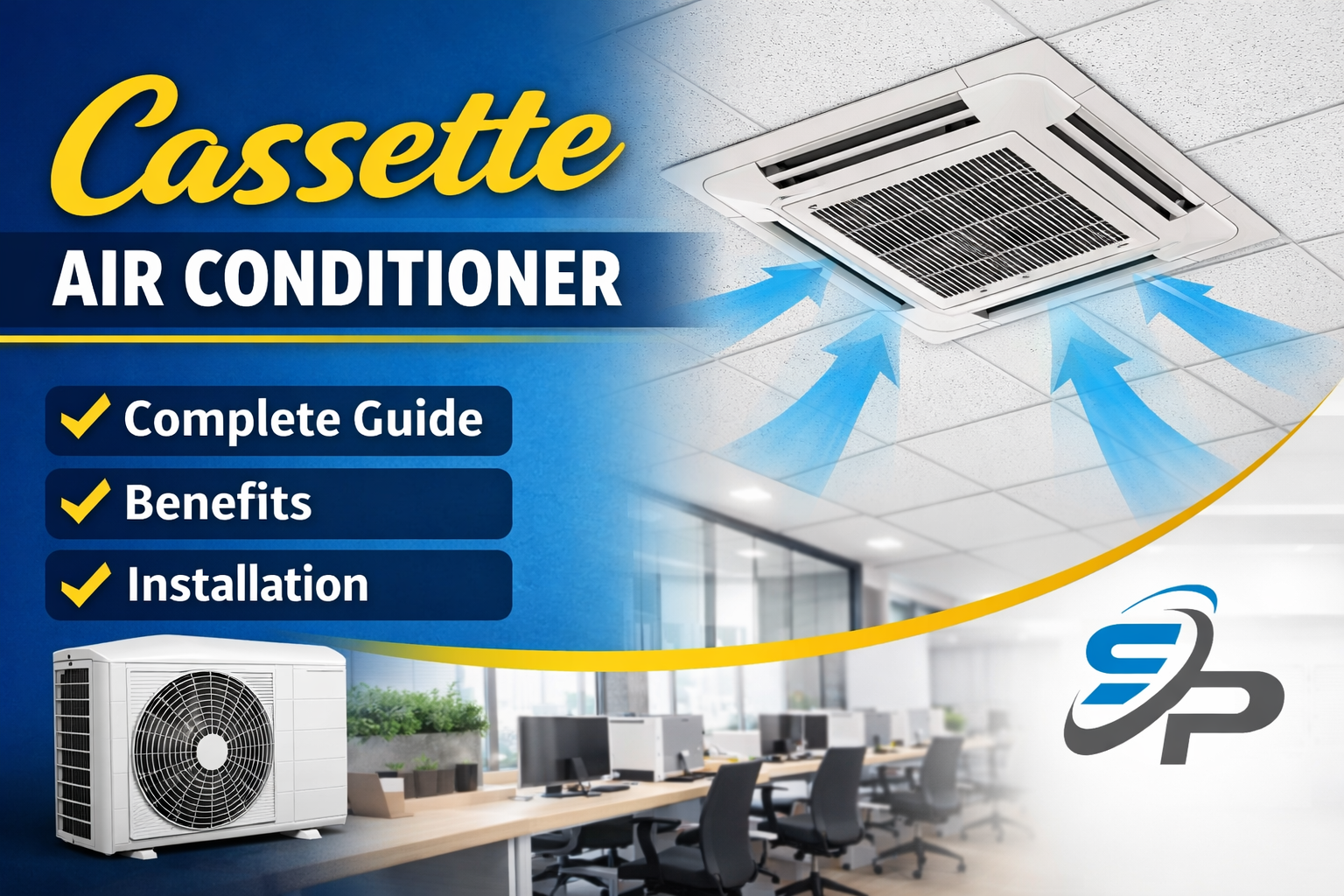
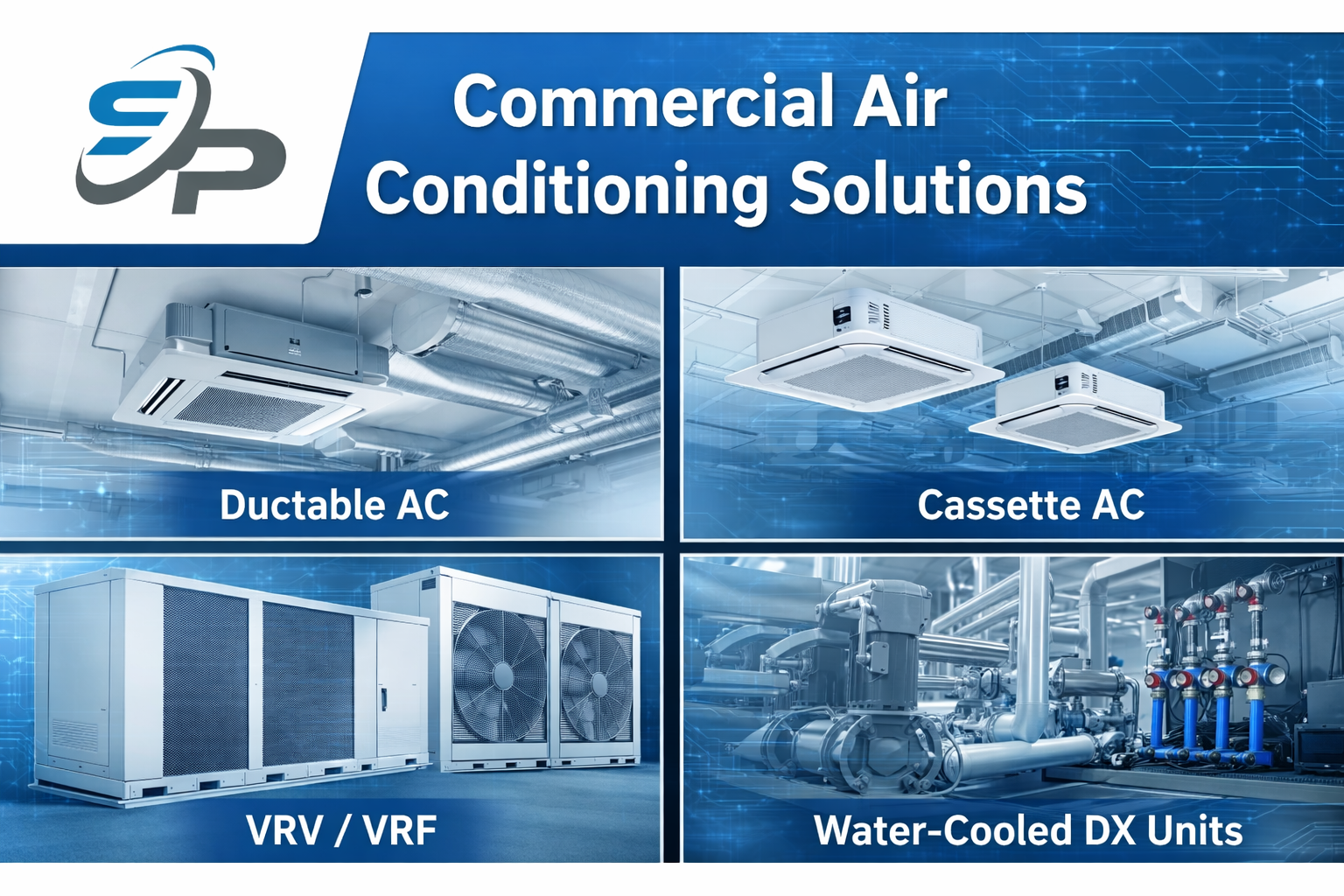
- Cassette units
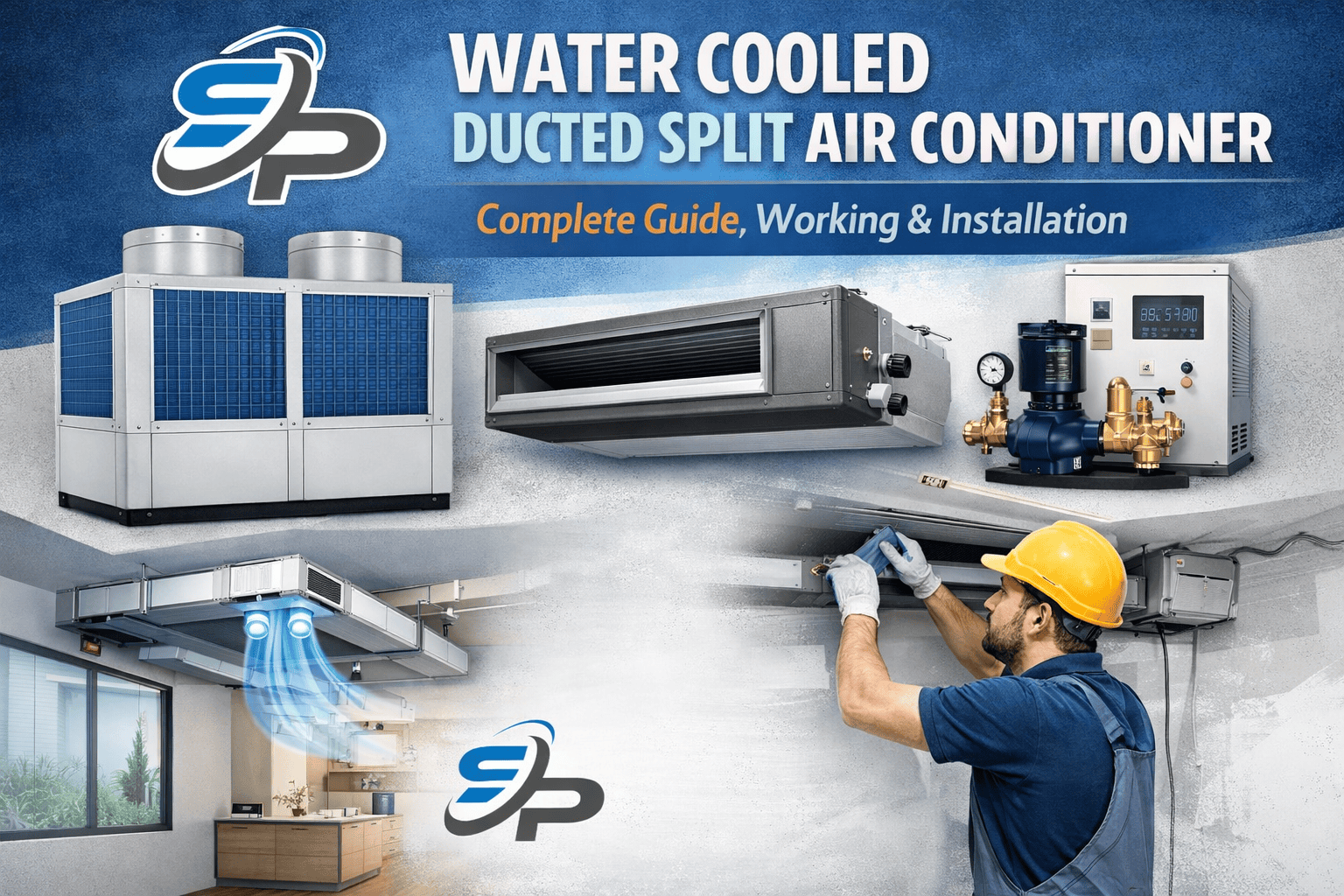
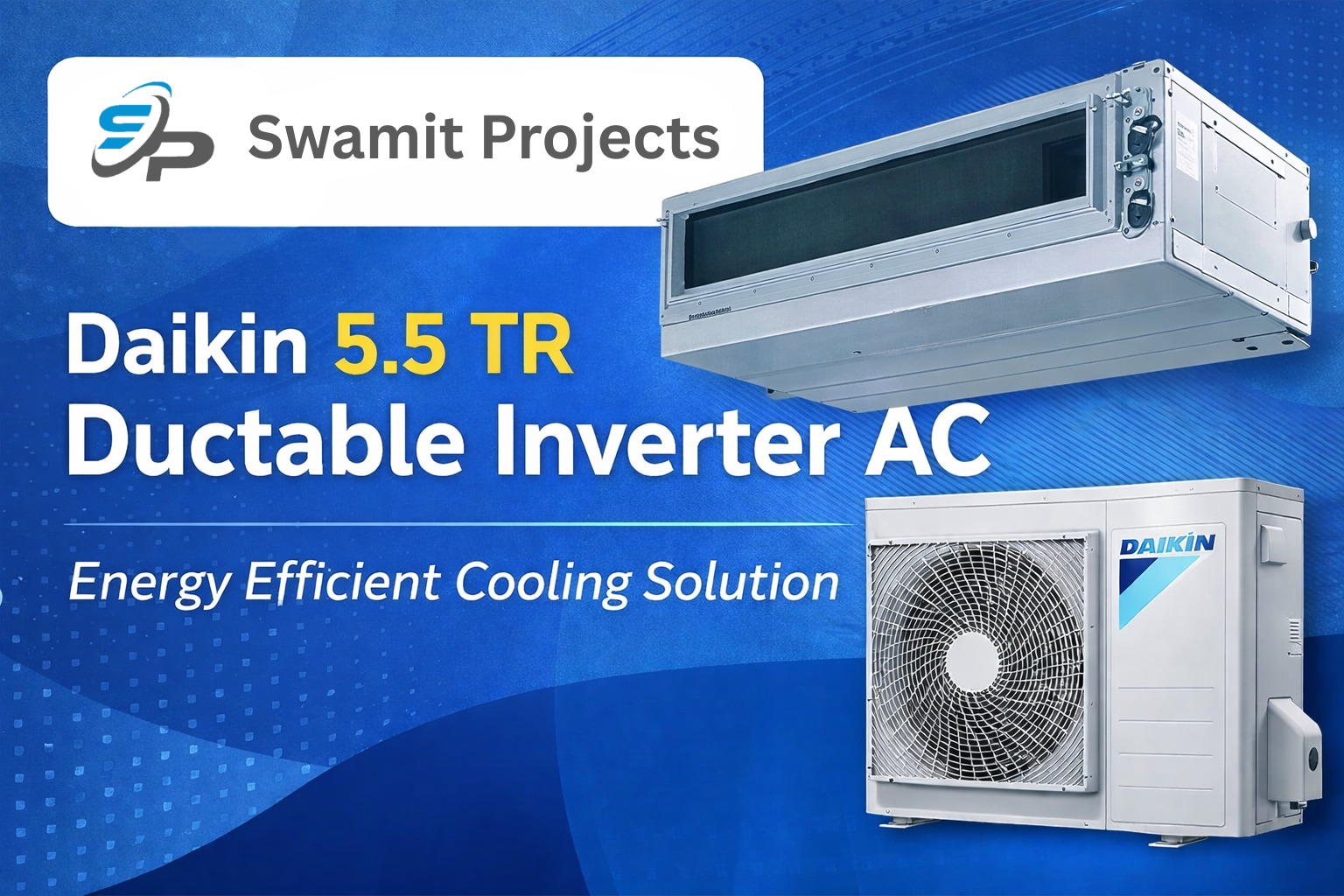
- Ductable units
- Wall-mounted units
- Floor-standing units
Each indoor unit in the VRV system can be controlled separately.
3. Refrigerant Piping
- Copper piping network
- Connects indoor and outdoor units
- Essential for VRV system performance
4. Control System
- Centralized and smart control
- Enables automation and zoning
Types of VRV System
1. VRV Heat Pump System
- Provides cooling or heating
- Best for uniform requirements
2. VRV Heat Recovery System
- Simultaneous cooling and heating
- Highly efficient VRV system option
3. Advanced VRV Systems
- Improved energy-saving features
- Smart control integration
Advantages of VRV System
- High Energy Efficiency
- Zoning Control
- Flexible Installation
- Low Noise Operation
- Space Saving
Applications of VRV System
- Commercial offices
- Hotels and restaurants
- Hospitals
- Shopping malls
- IT parks
- Residential apartments
- Showrooms
VRV System vs Traditional Air Conditioning
| Feature | VRV System | Traditional AC |
|---|---|---|
| Energy Efficiency | High | Moderate |
| Zoning | Yes | No |
| Flexibility | High | Limited |
| Maintenance | Low | High |
VRV System Installation Process
- Heat load calculation
- System design
- Equipment selection
- Copper piping work
- Electrical connections
- Testing & commissioning
Maintenance of VRV System
- Filter cleaning
- Refrigerant level check
- Coil cleaning
- Electrical inspection
Why Choose VRV System by Daikin?
- Trusted brand
- Advanced inverter technology
- Energy savings up to 40%
- Smart and automated controls
- Long-lasting performance
Why Choose Swamit Projects for VRV System Installation?
- Heat load calculation
- System design
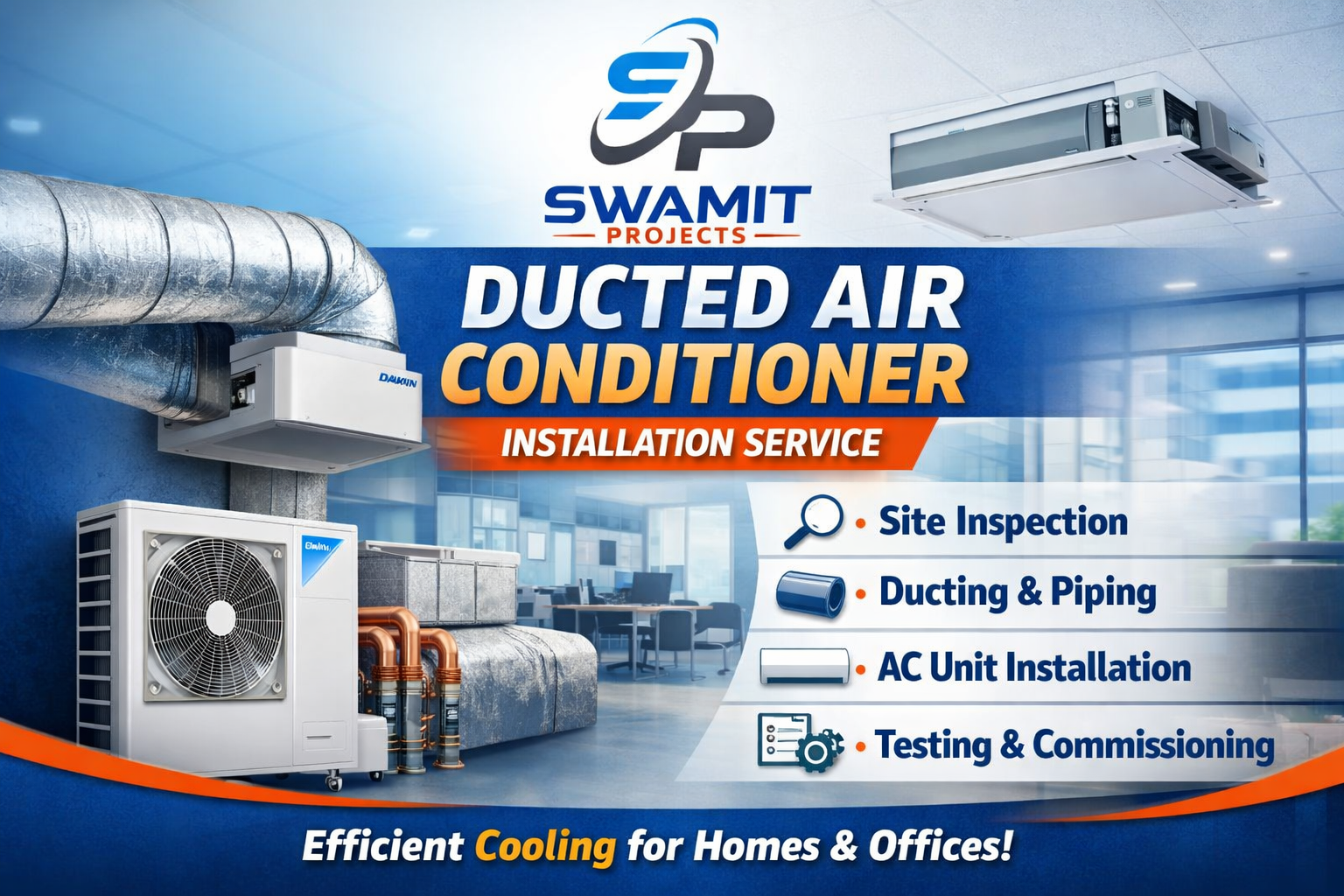
- Ducting & copper piping
- Testing & commissioning
- AMC services
Conclusion
The VRV system is one of the most efficient and advanced air conditioning solutions available today. Its ability to provide customized cooling, energy savings, and flexibility makes it ideal for modern infrastructure.
If you are planning to install a VRV system, choosing an experienced HVAC contractor like Swamit Projects will ensure the best results.