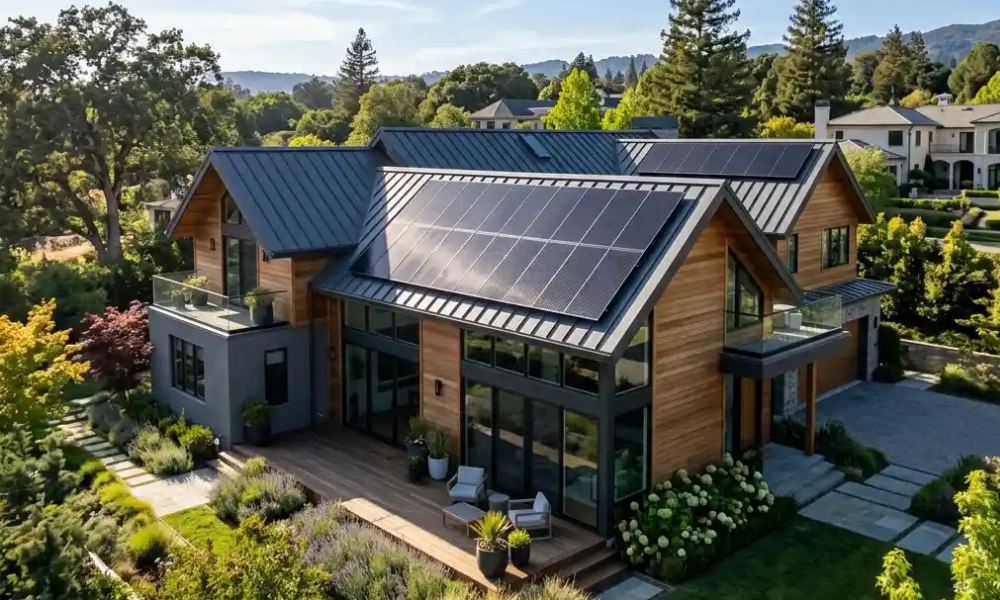
Install an on-grid solar energy plant to reduce electricity bills with net metering. Reliable solar solutions for homes, businesses, and industries.
02 July 2026
As electricity prices continue to rise, more homeowners and businesses are looking for sustainable ways to reduce their energy expenses. One of the most effective solutions available today is an on-grid solar system. By harnessing the power of sunlight, these systems help generate clean electricity, reduce monthly utility bills, and support a greener future.
An on-grid solar system is ideal for residential, commercial, and industrial properties that have access to the utility grid. It allows users to generate their own electricity while benefiting from net metering, making it one of the most cost-effective renewable energy solutions available.
What Is an On-Grid Solar System?
An on-grid solar system, also known as a grid-connected solar system, is a solar power setup that works in connection with the local electricity grid. The system generates electricity through solar panels and supplies power directly to the property.
Unlike off-grid systems, on-grid solar systems do not rely on batteries for energy storage. When the solar panels generate excess electricity, it is exported to the utility grid. During periods when solar production is low, such as at night or during cloudy weather, electricity is automatically drawn from the grid. This seamless exchange of energy makes on-grid solar systems highly efficient and economical for most consumers.
How Does an On-Grid Solar System Work?
- Solar Panels Generate Electricity – Solar panels absorb sunlight and convert it into direct current (DC) electricity.
- Inverter Converts DC to AC Power – A solar inverter converts the generated DC electricity into alternating current (AC), which is used by household and commercial appliances.
- Electricity Powers Your Property – The generated solar power is first utilized to run lights, fans, air conditioners, machinery, and other electrical loads.
- Excess Power Is Sent to the Grid – If the system produces more electricity than required, the surplus energy is automatically exported to the utility grid through a net meter.
- Grid Supplies Power When Needed – When solar generation is insufficient, electricity is imported from the utility grid, ensuring an uninterrupted power supply.
Key Components of an On-Grid Solar System
- Solar Panels – Capture sunlight and generate electricity.
- Solar Inverter – Converts DC electricity into usable AC electricity.
- Net Meter – Measures imported and exported electricity for net metering.
- Mounting Structure – Provides strong support for solar panels.
- Safety Equipment & Wiring – Ensures safe and efficient system operation.
Advantages of On-Grid Solar Systems
- Lower electricity bills through solar power generation.
- No battery investment, reducing installation costs.
- Net metering allows credits for excess electricity.
- Minimal maintenance requirements.
- Environment-friendly renewable energy solution.
- Long-term financial savings and excellent return on investment.
Applications of On-Grid Solar Systems
- Residential Homes
- Apartments and Housing Societies
- Commercial Buildings
- Corporate Offices
- Educational Institutions
- Hospitals
- Hotels and Resorts
- Manufacturing Units
- Warehouses
- Industrial Facilities
Factors to Consider Before Installation
- Analyze your monthly electricity consumption.
- Ensure sufficient shadow-free roof space.
- Select high-efficiency solar panels.
- Choose a reliable solar inverter.
- Understand local net metering regulations.
- Hire an experienced solar installation company.
- Check warranty and after-sales service support.
Why On-Grid Solar Systems Are Becoming Popular
Rising electricity costs and increasing awareness of renewable energy have made on-grid solar systems one of the most preferred choices for homeowners and businesses. These systems reduce operating costs while maintaining access to the utility grid, making them both practical and economical.
Businesses benefit from improved sustainability and lower energy expenses, while homeowners enjoy long-term savings and protection against future electricity price increases.
Future of On-Grid Solar Energy
With continuous improvements in solar technology, supportive government initiatives, and growing environmental awareness, on-grid solar systems are expected to play a significant role in meeting future energy demands. Modern solar panels are becoming more efficient and affordable, making solar energy accessible to a wider audience.
Bottom Line
An on-grid solar system is a practical, cost-effective, and environmentally responsible solution for generating electricity. By lowering electricity bills, eliminating the need for battery storage, and enabling net metering benefits, it delivers excellent long-term value for homes and businesses.
Whether your goal is to reduce electricity costs or contribute to a cleaner future, investing in an on-grid solar energy plant is a smart decision that provides reliable performance and lasting financial benefits.
Frequently Asked Questions (FAQs)
- What is the lifespan of an on-grid solar system?
Most solar panels last between 25–30 years, while solar inverters typically last 10–15 years. - Does an on-grid solar system work during a power outage?
No. Standard on-grid systems automatically shut down during grid failures for safety reasons. - Is battery storage necessary?
No. On-grid systems are connected to the utility grid and generally do not require batteries. - What is net metering?
Net metering allows users to receive credits for excess electricity exported to the utility grid. - How much can I save on electricity bills?
Savings depend on electricity consumption, system size, and local utility tariffs. - Can commercial buildings install on-grid solar systems?
Yes. Offices, factories, hospitals, schools, warehouses, hotels, and industries commonly use on-grid solar systems. - How much maintenance is required?
Only periodic cleaning of solar panels and routine inspections are generally required. - Are government subsidies available?
Subsidy availability depends on the latest government policies and eligibility criteria. - How long does installation take?
Most residential and commercial installations are completed within a few days after approvals. - Is an on-grid solar system a good investment?
Yes. Lower electricity bills, net metering benefits, and long equipment life make it an excellent long-term investment.